Addiction casts a long shadow across Canada, impacting individuals, families, and communities. While conventional treatments offer a path to recovery for many, others find themselves seeking alternative options, exploring therapies that address the root causes of their addiction and offer a more profound sense of healing. Iboga, a powerful plant medicine, has emerged as a potential contender in this space, offering a unique approach to addiction recovery.
This guide provides a comprehensive overview of Iboga and its potential role in addiction treatment within Canada. We’ll delve into its origins, mechanisms of action, legal status, and the specific conditions it may help address, all while emphasizing the importance of informed decision-making and safety. This information is intended for educational purposes and should not be considered medical advice; always consult with qualified healthcare professionals.
Facing Addiction in Canada? Exploring Alternative Paths to Recovery
The growing need for effective addiction treatments in Canada
Canada continues to grapple with significant addiction challenges, particularly concerning opioid use and its associated harms. The opioid crisis, coupled with rising rates of alcohol and stimulant abuse, underscores the urgent need for accessible and effective treatment options. Traditional approaches, while valuable, don’t always yield successful outcomes for everyone, prompting individuals to explore alternative and complementary therapies. Factors contributing to the growing need include limited access to timely and comprehensive care, the complex nature of addiction as a chronic relapsing disease, and the presence of co-occurring mental health conditions.
A brief overview of conventional addiction recovery methods and their limitations
Conventional addiction treatment in Canada typically involves a combination of approaches, including detoxification, medication-assisted treatment (MAT), individual and group therapy (such as Cognitive Behavioral Therapy or CBT), and support groups. MAT often utilizes medications like methadone or buprenorphine for opioid addiction, naltrexone for alcohol addiction, and other medications to manage withdrawal symptoms and cravings. While these methods can be effective, they have limitations. Detoxification addresses the immediate physical dependence but doesn’t address the underlying psychological and emotional factors driving addiction. Therapy can be time-consuming and require significant commitment. Relapse rates remain high, highlighting the need for more comprehensive and personalized approaches. Furthermore, access to these treatments can be limited by geographical location, financial constraints, and long wait times.
Introducing Iboga: A plant medicine with potential for transformative healing
Iboga, derived from the root bark of the Tabernanthe iboga shrub native to West Africa, has gained recognition for its potential to facilitate profound healing and address addiction at its core. Unlike conventional treatments that primarily focus on managing symptoms, Iboga is believed to interrupt addictive behaviors by resetting the brain’s reward system. It offers a unique psychedelic experience that can bring deep introspection and insights into the underlying causes of addiction. While not a “magic bullet,” Iboga is thought to facilitate significant shifts in perspective, allowing individuals to break free from destructive patterns and embark on a new path toward lasting recovery. It’s crucial to note that Iboga treatment requires careful preparation, experienced supervision, and integration support to ensure safety and maximize its potential benefits.
What is Iboga and How Does it Work for Addiction?

The origins and traditional uses of Iboga in Bwiti rituals
Iboga holds deep spiritual significance in the Bwiti tradition of Gabon and other Central African countries. For centuries, Bwiti practitioners have used Iboga in initiation rituals, ceremonies, and healing practices. These rituals aim to connect individuals with their ancestors, gain spiritual insight, and promote healing from physical, emotional, and spiritual ailments. The Bwiti consider Iboga a sacred plant that facilitates a deep connection with the divine and unlocks hidden knowledge. The use of Iboga within Bwiti is carefully guided by experienced shamans who understand its powerful effects and can support individuals through the transformative experience. This traditional context is crucial to understanding the respectful and responsible use of Iboga.
Understanding Ibogaine: The active alkaloid in Iboga
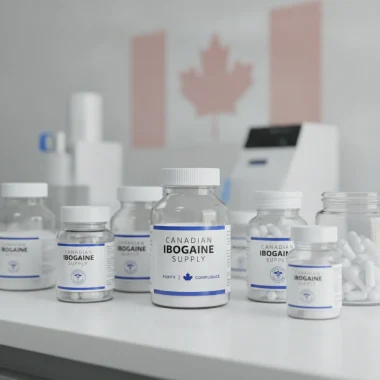
Ibogaine is the primary psychoactive alkaloid found in Iboga. It’s responsible for the plant’s unique pharmacological effects. Ibogaine is extracted from the root bark and can be administered in various forms, including capsules and powder. While whole Iboga root contains a range of alkaloids believed to contribute to the overall experience, Ibogaine is the most studied and understood compound. The concentration of Ibogaine can vary depending on the source and preparation of the Iboga material, making it crucial to source Iboga from reputable and reliable suppliers who conduct thorough testing for purity and potency. It’s also important to understand that synthetic Ibogaine exists, but some practitioners believe that whole Iboga offers a more balanced and integrated experience due to the presence of other alkaloids.
The neurochemical effects of Ibogaine on the brain and its impact on addiction pathways (dopamine, serotonin, etc.)
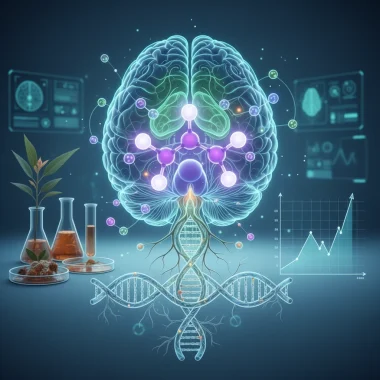
Ibogaine’s mechanism of action is complex and multifaceted, affecting multiple neurotransmitter systems in the brain. One of its primary effects is its interaction with the brain’s reward system, particularly by increasing levels of dopamine and serotonin initially, and then leading to a prolonged stabilization. This stabilization is believed to interrupt the cravings and withdrawal symptoms associated with addiction. Ibogaine also acts as a sigma-2 receptor agonist, which may play a role in neuroplasticity and promoting neuronal repair. Furthermore, Ibogaine has been shown to increase levels of glial cell line-derived neurotrophic factor (GDNF), a protein that supports the survival and differentiation of neurons. By modulating these neurotransmitter systems and promoting neuroplasticity, Ibogaine helps to rewire the brain’s addiction pathways, allowing individuals to break free from the cycle of craving and relapse. Research continues to explore the full extent of Ibogaine’s neurochemical effects.
Iboga for Addiction: What Conditions Can It Help?
Opioid addiction (heroin, fentanyl, prescription painkillers)
Iboga has shown promising results in treating opioid addiction, including heroin, fentanyl, and prescription painkillers. Many individuals report a significant reduction or elimination of withdrawal symptoms, often described as a “reset” of the opioid receptors. This allows them to detoxify more comfortably and with less reliance on traditional medications. Furthermore, Iboga can address the psychological cravings and underlying emotional issues that contribute to opioid addiction, increasing the likelihood of long-term recovery. Example: Sarah, a 32-year-old, had been addicted to prescription painkillers for 5 years. After Iboga treatment, she reported a complete cessation of withdrawal symptoms and a newfound desire to live a sober life. Following up 1 year later, she remains opiate-free.
Alcohol addiction
Iboga may also be beneficial in treating alcohol addiction. Some users have noted that it can reduce cravings and help to manage withdrawal symptoms associated with alcohol cessation. Additionally, it can offer insights into the underlying psychological and emotional factors that contribute to alcohol dependence. Example: Mark, a 48-year-old who battled alcohol dependence for 15 years, went to Iboga treatment and reported a significant decrease in cravings and a renewed motivation to maintain sobriety. He began attending regular AA meetings after his treatment and found a strong support network.
Stimulant addiction (cocaine, methamphetamine)
While research on Iboga’s effectiveness for stimulant addiction is less extensive compared to opioids, some studies and anecdotal evidence suggest that it can be helpful in reducing cravings and addressing the psychological aspects of addiction. Iboga may help to stabilize dopamine levels, which are often dysregulated in stimulant users. Example: After struggling with methamphetamine addiction for eight years, Jake, age 29, sought out Iboga treatment. Following this experience, he reported having a clearer thought process and a diminished desire to use stimulants. He went on to secure a job and rebuilt relationships with his family. He continues to engage in outpatient therapy.
Nicotine addiction
Though less commonly discussed, Iboga has also been explored as a potential treatment for nicotine addiction. Individuals seeking to quit smoking or using other nicotine products have reported success using Iboga to break their dependence. The experience is thought to diminish the reward associated with nicotine use. Example: Emily, a 55-year-old woman who smoked for over 30 years, underwent Iboga treatment primarily for anxiety but also reported that her cravings for nicotine diminished significantly after the experience. She has been smoke-free for two years following her treatment.
Other substance abuse disorders
Beyond the substances mentioned above, Iboga’s potential benefits are being explored for a range of other substance abuse disorders. Preliminary research and anecdotal evidence suggest it might be helpful in addressing addictions to benzodiazepines, cannabis, and other psychoactive substances. However, more research is needed to fully understand Iboga’s efficacy and safety for these specific conditions. Decisions regarding treatment should be made in consultation with experienced medical professionals knowledgeable about Iboga therapy. Always seek advice from a trusted healthcare provider.
Legality of Iboga and Ibogaine in Canada (Updated for 2026)
The current legal status of Iboga and Ibogaine in Canada (research purposes only)
As of February 2026, Iboga and Ibogaine are not approved for medical use in Canada. They are classified as Schedule I controlled substances under the Controlled Drugs and Substances Act. This means that they are illegal to possess, produce, import, export, or sell, except for research purposes with appropriate licenses and approvals from Health Canada. This legal status presents a challenge for Canadians seeking access to Iboga treatment, often requiring them to travel to other countries where it is legal or exists in a legal grey area. However, importing or possessing these substances without proper authorization remains illegal and carries significant legal risks.
Risks associated with unregulated or underground Iboga treatment
Due to the legal restrictions, some individuals may seek Iboga treatment through unregulated or underground channels. This can pose serious health risks, as the quality and purity of the Iboga or Ibogaine may not be guaranteed. Inexperienced practitioners may not be equipped to handle the complex medical and psychological aspects of Iboga treatment, increasing the risk of adverse events, including cardiac complications, seizures, and psychological distress. Furthermore, individuals with pre-existing medical conditions, such as heart problems or mental health disorders, may be particularly vulnerable to the risks associated with unregulated Iboga treatment. It is crucial to prioritize safety and seek treatment from qualified and experienced professionals, even if that means exploring options outside of Canada. See also: Iboga Capsules: Your Guide to Safe Use in Canada.
Exploring the possibility of future legal changes regarding Iboga therapy
The legal landscape surrounding Iboga and Ibogaine is subject to change as research progresses and public awareness increases. There is growing interest in exploring the therapeutic potential of psychedelics, including Iboga, for various mental health conditions, including addiction. Some advocacy groups and researchers are pushing for regulatory changes that would allow for legal access to Iboga therapy under controlled medical supervision. However, any potential changes to the legal status of Iboga would likely require rigorous scientific evidence demonstrating its safety and efficacy, as well as the development of appropriate guidelines and regulations to ensure responsible use. It is essential to stay informed about the latest developments in this area and to advocate for evidence-based policies that prioritize both safety and access to potentially life-saving treatments. For more information about alternative marketing for psychedelic business, check out: Untraditional Marketing Channels: A Startup’s Guide.
Finding Safe and Reputable Iboga Treatment Options: Key Considerations
While Iboga treatment is not currently legal in Canada, many Canadians seek treatment abroad. Choosing a safe and reputable facility is paramount. The following factors should be carefully considered when evaluating treatment options. The safety of Iboga depends on proper setting and protocols, therefore your life depends on choosing the proper facility.
Accreditation and certifications to look for in a treatment center (outside of Canada)
Accreditation provides an objective measure of a treatment center’s quality and adherence to established standards. Look for accreditation from recognized international organizations. Examples include, but are not limited to, organizations focusing on addiction treatment and/or psychedelic-assisted therapies. Understand that regulations vary significantly between countries. Researching the specific regulatory environment of the country where the treatment center is located is crucial. Contacting the accrediting body directly to verify a center’s current status is a wise precaution. Red flags include a lack of accreditation information, vague claims of “certification,” or accreditation from unknown or unverified sources. Be wary of any facility that cannot provide clear and verifiable proof of its credentials.
Medical supervision and pre-screening protocols
Comprehensive medical screening is essential prior to Iboga treatment to identify potential contraindications. This should include a thorough physical examination, electrocardiogram (ECG) to assess heart function, blood tests to evaluate organ function, and a psychiatric evaluation to assess mental health status and suitability for treatment. A detailed medical history, including current medications and any pre-existing conditions, must be obtained. Look for treatment centers that employ experienced medical professionals, including cardiologists and psychiatrists, who are knowledgeable about Iboga’s effects and potential risks. Facilities should have clear protocols in place for managing medical emergencies and providing immediate medical care if needed. Refusal to provide detailed information about pre-screening procedures, or a dismissive attitude towards potential medical risks, should be a significant cause for concern.
Psychological support and integration therapy
Iboga treatment can be a profoundly intense psychological and emotional experience. Access to qualified therapists and counselors is critical for processing these experiences and integrating them into daily life. Look for treatment centers that offer individual and group therapy sessions, as well as specialized integration therapy designed to help individuals make sense of their Iboga experience and develop coping mechanisms for maintaining long-term recovery. The availability of trained professionals experienced in psychedelic integration is essential. Inquire about the qualifications and experience of the therapists and counselors employed by the center. Centers should have clear protocols for managing psychological distress and providing support during and after the treatment process. A lack of psychological support, or a focus solely on the physical aspects of treatment, should be viewed as a significant limitation.
Post-treatment aftercare and relapse prevention strategies
The period following Iboga treatment is crucial for maintaining long-term recovery. Effective aftercare programs should include ongoing therapy, support groups, and relapse prevention strategies. Treatment centers should provide a detailed aftercare plan that is tailored to the individual’s needs and circumstances. This may include referrals to therapists or counselors in their home country, participation in online support groups, and strategies for managing cravings and triggers. Regular follow-up contact with the treatment center is also beneficial. A lack of aftercare planning, or a generic, one-size-fits-all approach, may indicate a lack of commitment to long-term recovery. Remember to explore Iboga Capsules: Your Guide to Safe Use in Canada.
The Iboga Treatment Process: What to Expect
The Iboga treatment process is multifaceted, involving careful preparation, administration, and integration. Understanding each step can empower individuals to make informed decisions and approach treatment with realistic expectations.
Initial consultation and assessment
The initial consultation is a critical step in determining suitability for Iboga treatment. This typically involves a detailed interview to gather information about the individual’s addiction history, medical history, mental health status, and personal goals. The consultant should thoroughly explain the Iboga treatment process, potential risks and benefits, and the center’s policies and procedures. This is an opportunity to ask questions and address any concerns. A reputable center will be transparent and forthcoming with information, and will not pressure individuals into treatment. The consultation should be conducted by a qualified professional who is knowledgeable about Iboga and addiction treatment. Be wary of centers that offer unrealistic promises or guarantees of success, or that fail to conduct a thorough assessment. The quality of the initial consultation can be a good indicator of the center’s overall professionalism and commitment to patient care. This should also include discussion of alternative options and medications.
Medical screening and preparation
Prior to Iboga administration, comprehensive medical screening is essential to identify any potential contraindications. This typically includes a physical examination, ECG, blood tests, and psychiatric evaluation. The results of these tests will be used to determine whether the individual is medically suitable for treatment and to adjust the dosage of Iboga accordingly. Individuals may be required to abstain from certain medications or substances prior to treatment. Dietary restrictions may also be implemented. The preparation process should be clearly explained and closely monitored by medical professionals. Any pre-existing medical conditions should be carefully managed. Failure to conduct thorough medical screening, or a dismissive attitude towards potential medical risks, should be a significant cause for concern. The medical screening is an important step to identify and manage risks.
The Iboga flood dose experience: stages, sensations, and potential challenges
The “flood dose” of Iboga is the primary therapeutic component of the treatment. It typically involves a single, large dose of Iboga administered under close medical supervision. The experience can last for several hours or even days, and is often described as intense and transformative. Individuals may experience a range of sensations, including visual and auditory hallucinations, emotional breakthroughs, and profound insights into their addiction. The experience is often divided into distinct phases, including an initial acute phase, a visionary phase, and an integration phase. Potential challenges include anxiety, nausea, vomiting, and emotional distress. Medical and psychological support should be readily available throughout the experience. It’s vital to manage expectations for the experience, realizing that discomfort can occur.
Post-treatment integration and ongoing support
The period following the Iboga flood dose is crucial for integrating the experience and maintaining long-term recovery. This typically involves ongoing therapy, support groups, and relapse prevention strategies. Integration therapy is designed to help individuals make sense of their Iboga experience and develop coping mechanisms for managing cravings and triggers. Individuals may also benefit from lifestyle changes, such as adopting a healthier diet and exercise routine. The aftercare plan should be tailored to the individual’s needs and circumstances. Regular follow-up contact with the treatment center is also beneficial. Lack of focus on integration can reduce the long-term efficacy of treatment.
Potential Risks and Side Effects of Iboga Treatment
While Iboga treatment shows promise for addiction recovery, it’s crucial to acknowledge the potential risks and side effects. Understanding these risks allows for informed decision-making and proactive mitigation strategies.
Cardiovascular considerations and contraindications
Iboga can have significant effects on the cardiovascular system, including slowing the heart rate (bradycardia) and prolonging the QT interval on an ECG. These effects can increase the risk of life-threatening arrhythmias, particularly in individuals with pre-existing heart conditions. Contraindications to Iboga treatment include a history of heart disease, prolonged QT interval, electrolyte imbalances, and certain medications that can interact with Iboga. A thorough cardiac evaluation, including an ECG, is essential prior to treatment. Individuals with cardiovascular risk factors should be carefully monitored throughout the treatment process. Access to advanced cardiac life support is essential in case of a medical emergency. A failure to fully assess cardiovascular health is dangerous.
Psychological and emotional challenges
Iboga treatment can be psychologically and emotionally challenging. Individuals may experience anxiety, fear, paranoia, and emotional distress during the experience. Pre-existing mental health conditions, such as depression or anxiety disorders, can be exacerbated by Iboga. In rare cases, Iboga can trigger psychotic episodes. Access to qualified therapists and counselors is essential for managing these challenges. Individuals with a history of serious mental illness should be carefully evaluated prior to treatment. The treatment center should have clear protocols in place for managing psychological distress and providing support during and after the treatment process. Pre-existing trauma can also resurface during the experience.
Drug interactions and safety precautions
Iboga can interact with a variety of medications, potentially leading to serious adverse effects. Certain medications, such as antidepressants, antipsychotics, and opioids, should be avoided prior to treatment. Individuals should provide a complete list of all medications they are taking, including over-the-counter drugs and supplements. The treatment center should have a qualified pharmacist or medical professional who can assess potential drug interactions. Strict adherence to safety precautions is essential to minimize the risk of adverse events. This includes close medical monitoring, appropriate dosage adjustments, and prompt management of any side effects. Never combine Iboga with other psychoactive substances.
The importance of medical monitoring throughout the treatment process
Continuous medical monitoring is paramount throughout the Iboga treatment process. This includes monitoring vital signs, such as heart rate, blood pressure, and oxygen saturation. ECG monitoring is essential to detect any changes in heart rhythm. Blood tests may be performed to assess organ function and electrolyte levels. The medical team should be experienced in managing potential complications and providing immediate medical care if needed. Access to advanced cardiac life support is essential. The level of medical monitoring should be commensurate with the individual’s risk factors and the severity of the treatment. Continuous monitoring is important to ensure a safe process.
Cost of Iboga Treatment and Financial Planning
The cost of Iboga treatment can be a significant barrier for many individuals seeking recovery. Understanding the factors influencing treatment costs and exploring potential funding options is essential for financial planning.
Average costs associated with Iboga treatment programs (outside of Canada)
The cost of Iboga treatment programs varies widely depending on several factors, including the location of the treatment center, the duration of the program, and the services included. Generally, treatment programs can range from $5,000 to $20,000 USD or more. This typically includes the cost of accommodation, meals, medical supervision, therapy, and Iboga administration. Some programs may also include additional services, such as yoga, meditation, and massage therapy. Travel expenses to and from the treatment center are typically not included in the program cost. It’s important to obtain a detailed breakdown of the costs associated with each program to avoid any surprises. The specific treatment center location highly affects the price.
Factors influencing treatment costs (location, duration, services)
Several factors influence the cost of Iboga treatment. Location is a major determinant, with treatment centers in certain countries or regions being more expensive than others. The duration of the program also affects the cost, with longer programs typically being more expensive. The services included in the program, such as individual therapy, group therapy, and specialized treatments, also contribute to the overall cost. The qualifications and experience of the medical and therapeutic staff can also influence the price. High-end facilities with luxurious amenities will generally charge more. Some programs may offer a sliding scale fee based on income.
Exploring potential funding options and financial assistance programs
Since Iboga treatment is not legal in Canada, funding options may be limited. Personal savings, loans from family or friends, or credit cards are common sources of funding. Some individuals may be able to obtain loans from banks or credit unions. Crowdfunding platforms may also be an option. Some treatment centers may offer payment plans or financial assistance programs. Researching all available options and comparing costs is essential. Keep in mind there are fraudulent funding programs.
Preparing for Your Iboga Journey: A Checklist
Medical and psychological evaluations
Before embarking on an Iboga journey, a comprehensive medical and psychological evaluation is paramount. This involves thorough physical examinations, including electrocardiograms (ECGs) to assess heart health, as Iboga can affect heart rhythms. Blood tests are also crucial to evaluate liver and kidney function, as these organs play a vital role in processing Iboga. Psychologically, individuals should undergo screenings for pre-existing mental health conditions like psychosis or severe personality disorders, as Iboga may exacerbate these conditions. A qualified medical professional should assess any medications currently being taken, as interactions with Iboga can be dangerous. For example, individuals on certain antidepressants may need to taper off their medication under medical supervision weeks before beginning the treatment. Decision-making must be predicated on clear and honest communication between you and your medical professionals. Choosing not to disclose your full medical history is a pitfall which could prove fatal.
Emotional and spiritual preparation
Emotional and spiritual preparation are equally crucial for a successful Iboga experience. This involves introspection, setting clear intentions for the journey, and addressing any unresolved emotional baggage. Journaling, meditation, and therapy can be valuable tools in this process. Example: Sarah, preparing to address her trauma of childhood neglect, spent weeks in therapy working with a therapist to develop healthy coping mechanisms to handle the difficult memories that surfaced during her Iboga journey. This process helps to cultivate a mindset of openness, acceptance, and willingness to confront challenging emotions. It’s essential to understand that Iboga is not a magic bullet, and active participation in the healing process is required. One pitfall is expecting Iboga to do all the work without actively engaging in self-reflection and personal growth. Failure to introspect before the journey is started could cause a panic attack, further setting back the recovery process.
Practical considerations (travel, accommodation, aftercare)
Practical considerations include travel arrangements (if applicable), secure accommodation at a reputable Iboga treatment center, and comprehensive aftercare planning. Researching and selecting a qualified and experienced facilitator is essential, as they will guide you through the process and provide support. Ensure the center offers medical supervision and psychological support before, during, and after the Iboga experience. It is CRITICAL to verify credentials and experience and seek referrals. One practical consideration is the cost of treatment, which can range from several thousand dollars. Having a clear financial plan is crucial. Don’t fall prey to cut-rate options which might risk your health. A major pitfall is overlooking the importance of aftercare. Relapse rates are higher without ongoing support, therapy, and integration of the insights gained during the Iboga journey.
Building a strong support system
Building a strong support system is integral to sustained recovery. This includes family, friends, support groups, and therapists who understand and support your journey. Communicating your intentions and needs to loved ones can help them provide the necessary encouragement and understanding. It’s important to identify potential triggers and develop strategies for managing cravings and difficult emotions. Consider joining a support group where you can connect with others who have similar experiences. Example: Mark, after his Iboga experience, regularly attended a local recovery support group and connected with a therapist specializing in addiction. This ongoing support helped him navigate challenges and maintain his sobriety. It is also important to manage expectations of friends and family members. Not everyone will understand or support your decision to pursue Iboga treatment. A pitfall is isolating yourself and trying to go through recovery alone. The support system provides a safety net and helps you stay accountable to your recovery goals.
Testimonials and Success Stories: Iboga’s Impact on Recovery
Sharing real-life stories of individuals who have overcome addiction with Iboga
Real-life stories serve as powerful examples of Iboga’s potential to facilitate addiction recovery. Example: John, a 45-year-old who struggled with opioid addiction for over 10 years, underwent Iboga treatment and experienced a significant reduction in cravings and withdrawal symptoms. He reported feeling a newfound sense of clarity and motivation to rebuild his life. Such stories can be incredibly inspiring, but it’s important to approach them with realistic expectations. Example: Maria, battling alcoholism for 20 years with conventional treatments, felt a massive decline in cravings after just one iboga treatment. But also felt she understood more of her triggers, which were the root cause for her condition. She continues therapy and attends AA meetings to remain on track. The key is not to see Iboga as a cure, but as a catalyst for change. These individual accounts highlight the potential for Iboga to disrupt addictive patterns and create a window of opportunity for lasting recovery.
Highlighting the transformative potential of Iboga for mental health and wellbeing
Beyond addiction, Iboga has shown promise in addressing other mental health challenges, such as depression, anxiety, and PTSD. Many individuals report experiencing profound shifts in perspective, increased self-awareness, and emotional healing following Iboga treatment. Example: After struggling with severe depression for years, Emily underwent an Iboga experience and reported feeling a significant reduction in her symptoms, along with a renewed sense of purpose and joy in life. However, scientific research in these areas is still limited, and more rigorous studies are needed. It’s crucial to approach such claims with caution and to consult with qualified healthcare professionals to determine if Iboga is an appropriate treatment option. The transformative potential of Iboga lies in its ability to facilitate deep introspection and emotional processing, which can lead to profound personal growth and improved mental wellbeing.
Emphasizing the importance of individual experiences and responsible decision-making
It’s essential to recognize that individual experiences with Iboga can vary greatly. Factors such as addiction severity, underlying mental health conditions, and individual physiology can all influence the outcome. Responsible decision-making is paramount. This involves thorough research, consulting with qualified medical and psychological professionals, and choosing reputable treatment centers. It’s also important to be aware of the potential risks and side effects associated with Iboga and to be prepared to manage them effectively. Example: David, before undergoing Iboga treatment for heroin addiction, researched different treatment centers, spoke with previous clients, and consulted with his doctor. This informed and proactive approach helped him make a responsible decision and maximize his chances of success. Ultimately, the decision to pursue Iboga treatment should be based on a careful assessment of individual circumstances and a commitment to engaging actively in the recovery process. Iboga for Addiction Treatment: A Canadian Guide is a great start.
Integrating Iboga Insights into Daily Life: Sustaining Long-Term Recovery
Developing healthy coping mechanisms and relapse prevention strategies
The period following an Iboga experience is critical for integrating the insights gained and developing sustainable coping mechanisms. This involves identifying triggers that may lead to relapse and creating strategies for managing them effectively. Techniques such as mindfulness meditation, cognitive-behavioral therapy (CBT), and dialectical behavior therapy (DBT) can be valuable tools in this process. Example: After undergoing Iboga treatment for cocaine addiction, Carlos learned to identify his triggers (stress at work, social gatherings where drugs were present) and developed coping mechanisms such as exercise, meditation, and assertive communication to manage them. It’s also important to establish healthy boundaries and create a supportive environment that minimizes exposure to triggers. Relapse prevention strategies should be personalized to individual needs and circumstances and should be regularly reviewed and updated as needed.
Building a supportive community and engaging in meaningful activities
Building a supportive community and engaging in meaningful activities can provide a sense of purpose and belonging, which is essential for sustained recovery. This may involve connecting with family and friends, joining support groups, volunteering, or pursuing hobbies and interests. It’s important to find activities that bring joy and fulfillment and that provide a sense of accomplishment. Example: After completing Iboga treatment for alcohol addiction, Lisa joined a local hiking group and volunteered at an animal shelter. These activities helped her connect with others, build new skills, and find a sense of purpose beyond her addiction. A strong social network can provide encouragement, accountability, and a sense of belonging, which can be invaluable in navigating the challenges of recovery.
Continuing to explore personal growth and self-discovery
Recovery is an ongoing process of personal growth and self-discovery. This involves continuing to explore one’s values, beliefs, and goals, and to develop a deeper understanding of oneself. Techniques such as journaling, therapy, and spiritual practices can be valuable tools in this process. It’s important to be open to new experiences and to be willing to challenge limiting beliefs and patterns of behavior. Example: Michael, after his Iboga experience, continued his meditation practice daily and took a course in creative writing. He found that these activities helped him connect with his inner self and express his emotions in healthy ways. Continued self-exploration can lead to greater self-awareness, self-acceptance, and a more fulfilling life.
Purchasing High-Quality Iboga Products in Canada (Legally) From MindHealingShop.ca
Discussing legal iboga products for wellness and research (iboga TA, iboga root bark)
MindHealingShop.ca offers legal iboga products for wellness and research purposes within the legal framework of Canada. These products include Iboga Total Alkaloid (TA) extract, derived from the root bark of the *Tabernanthe iboga* plant, and raw Iboga root bark itself. It’s crucial to understand that while some research suggests potential benefits, these products are primarily intended for wellness exploration and research, not as a replacement for medical treatment. Responsible use and adherence to all applicable regulations are essential. For example, researchers might use these products to study the effects of iboga alkaloids on neurotransmitter systems. While Iboga root bark is available, please read about safe usage on Iboga Capsules: Your Guide to Safe Use in Canada.
Highlighting iboga capsules for sale, ibogaine powder for sale, iboga powder for sale, ibogaine capsules for sale
MindHealingShop.ca provides a range of Iboga products in various forms to suit different needs and preferences. This includes Iboga capsules for convenient and measured dosing, Ibogaine powder for research and advanced users, and Iboga powder for traditional preparations. Ibogaine capsules are also available for those seeking a precise and consistent dosage of the isolated Ibogaine alkaloid. All products are carefully sourced and processed to ensure quality and purity, and detailed information on dosage and usage is provided to promote safe and responsible consumption. However, users should always start with a low dose and gradually increase as needed, paying close attention to their body’s response.
Emphasizing the importance of lab-tested and sustainably sourced iboga products available on mindhealingshop.ca.
Quality and ethical sourcing are paramount at MindHealingShop.ca. All Iboga products undergo rigorous lab testing to ensure purity, potency, and safety, confirming the absence of contaminants and adulterants. Additionally, we are committed to sustainable sourcing practices that protect the *Tabernanthe iboga* plant and support the communities where it grows. This includes working with suppliers who adhere to ethical harvesting methods and who invest in reforestation efforts. By prioritizing quality and sustainability, MindHealingShop.ca aims to provide customers with safe, effective, and responsibly sourced Iboga products for their wellness and research endeavors. This commitment ensures a positive impact on both individuals and the environment.
To learn more about the Bwiti tradition and the cultural significance of Iboga, you can explore resources from the Bwiti Association (note that this is a general informational link and not a direct endorsement of any specific practices or products).
Iboga treatment holds incredible promise, but a holistic approach is vital for long-term success. Preparation, integration, and ongoing support are just as important as the treatment itself.