
Kanada nörobilim ve etnobotanik araştırmaları alanında, 5-MeO-DMT ve N,N-DMT, derin etkileri olan iki farklı triptamin olarak öne çıkmaktadır. Genellikle "DMT" şemsiyesi altında gruplandırılsalar da, farmakolojik profilleri, kökenleri ve deneyimsel etkileri önemli ölçüde farklılık göstermekte olup, araştırmacılar, klinisyenler ve koleksiyoncular için incelikli bir anlayış gerektirmektedir.
Bu detaylı inceleme, bu güçlü bileşikler arasındaki kritik farklılıkları belirlemeyi amaçlamaktadır; moleküler yapılarına, etki mekanizmalarına ve Kanada Sağlık Bakanlığı'nın gelişen düzenleyici çerçevesi kapsamında yürütülen çalışmalar için sorumlu kaynak teminine odaklanmaktadır. Bu ayrımları anlamak, bu eşsiz maddelerin terapötik potansiyeline yönelik güvenli, etik ve etkili araştırmaları ilerletmek ve Kanada Sağlık Bakanlığı gibi kurumlar tarafından savunulduğu gibi küresel sağlık bilgisine katkıda bulunmak için son derece önemlidir. Dünya Sağlık Örgütü.
Perdenin Ötesinde: Kanada Araştırmaları İçin Farklı Triptamin Farmakolojilerini Anlamak
Nörobilimsel Araştırmalarda Triptamin Ailesi
Triptamin ailesi, indol halka yapısıyla karakterize edilen çok çeşitli doğal ve sentetik bileşikleri kapsar. Nörobilimsel araştırmalarda, 5-MeO-DMT ve N,N-DMT gibi maddeler, beyindeki çeşitli serotonin reseptörleriyle güçlü etkileşimleri nedeniyle özellikle ilgi çekicidir. Bu bileşikler, karmaşık sinir yollarını, reseptör agonizmini ve bilincin nörobiyolojik temellerini anlamak için çok önemli araçlar olarak hizmet eder; bu alan, çeşitli kuruluşlar tarafından aktif olarak desteklenmektedir. Ulusal Sağlık Enstitüleri. Kanadalı araştırmacılar, ruh sağlığı, bağımlılık ve algıyla ilgili gizemleri çözmek için bu maddeleri giderek daha fazla araştırıyor ve çalışmalarını yürütmek için genellikle katı düzenlemelerle mücadele ediyorlar.
Etnobotanik Önemi ve Araştırma Potansiyeli
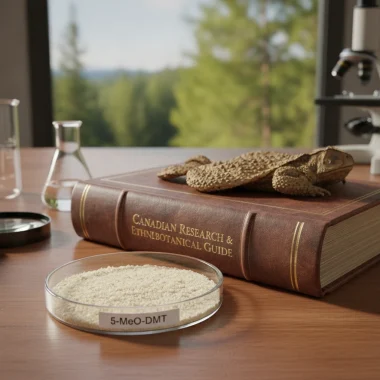
Nörobilimsel faydalarının ötesinde, 5-MeO-DMT ve N,N-DMT, dünya çapındaki çeşitli yerli geleneklerinde derin köklere sahip, muazzam bir etnobotanik öneme sahiptir. Örneğin, N,N-DMT, Amazon yerli toplulukları tarafından geleneksel olarak ruhsal şifa ve kehanet için kullanılan törensel bir içecek olan Ayahuasca'nın birincil psikoaktif bileşenidir. Benzer şekilde, 5-MeO-DMT'nin de zengin bir kullanım geçmişi vardır, özellikle Colorado Nehri Kurbağası'nın salgılarından elde edilir.Incilius alvarius(ve bazı bitki türlerinde, hızlı ve genellikle derin etkileri nedeniyle değer verilen) bileşikler, Kanada'daki etnobotanik koleksiyoncular ve araştırmacılar için geleneksel uygulamaları incelemeye, bitkisel tıbbı anlamaya ve kullanımlarının kültürel bağlamlarını keşfetmeye bir kapı açmaktadır. Bu eski kullanımlardan ilham alan modern terapötik uygulamalar potansiyeli, çağdaş araştırmalar için önemli bir itici güçtür. Bu geleneksel kullanımları bilimsel bir bakış açısıyla incelemek, etkinliklerinin ve güvenliklerinin saygılı ve titiz bir şekilde incelenmesine olanak tanıyarak, insan refahı ve bilincinin daha geniş bir şekilde anlaşılmasına katkıda bulunur. Etik olarak ve geleneksel bilgiye saygı duyarak kaynak bulmak, bu araştırmanın kritik bir yönüdür.
Moleküler Farklılıklar: 5-MeO-DMT ve N,N-DMT'nin Kimyasal Şablonu
Serotonerjik Reseptör Afinitesi ve Etki Mekanizması
5-MeO-DMT ve N,N-DMT arasındaki temel farklılıklar moleküler yapılarında, özellikle de bir molekülün varlığında yatmaktadır. metoksi grubu 5-MeO-DMT'deki indol halkasının 5 konumunda meydana gelen bu görünüşte küçük yapısal değişiklik, bileşiğin çeşitli serotonerjik reseptörlerle etkileşimini önemli ölçüde değiştirir. N,N-DMT öncelikle güçlü agonizmi ile bilinir. 5-HT2A reseptörü, Bu durum, görsel halüsinasyonlar ve algı değişiklikleri de dahil olmak üzere klasik psikedelik etkilerinde yaygın olarak rol oynamaktadır. Buna karşılık, 5-MeO-DMT, çok daha yüksek bir afinite sergilemektedir. 5-HT1A reseptörü, Hem tam bir agonist görevi gören hem de 5-HT2A'da aktivite gösteren bu madde, güçlü 5-HT1A agonizminin, 5-MeO-DMT ile bildirilen benzersiz, genellikle görsel olmayan ve derinden sürükleyici deneyimlere katkıda bulunduğuna inanılmaktadır; bu deneyimler, benliğin çözülmesi ve derin bir karşılıklı bağlantı duygusuyla karakterize edilir. Bu farklı reseptör afinitelerini anlamak, belirli farmakolojik yolları izole etmeyi ve hedeflenen nörobiyolojik etkileri keşfetmek için deneysel tasarımları uyarlamayı amaçlayan araştırmacılar için çok önemlidir.
Yapısal Nüanslar ve Bunların Etkinlik Üzerindeki Etkisi
Yapısal nüanslar, reseptör afinitesinin ötesine geçerek her bir bileşiğin genel farmakolojik potansiyelini ve etkinliğini belirler. 5-MeO-DMT'ye metoksi grubunun eklenmesi, etkinliğini önemli ölçüde artırır. metabolik stabilite 5-MeO-DMT, N,N-DMT'ye kıyasla kan-beyin bariyerini daha etkili bir şekilde geçme yeteneğine sahiptir. Sonuç olarak, 5-MeO-DMT ağırlık olarak önemli ölçüde daha güçlüdür; tipik araştırma dozları genellikle miligram aralığındadır ve N,N-DMT'ye göre çok daha düşüktür. Bu artan güç, dozajdaki en küçük varyasyonların bile etkilerin yoğunluğunda ve süresinde önemli farklılıklara yol açabileceği anlamına gelir ve bu da çalışmalar sırasında hazırlık ve uygulamada olağanüstü hassasiyet gerektirir. Bu güçlü maddelerle çalışan Kanadalı araştırmacılar için, bu yapısal etkileri tanımak, doğru yöntemler geliştirmek için hayati önem taşır.
Farmakolojik Profil: Etki Başlangıcı, Süresi ve Yoğunluğunun Karşılaştırılması
Kontrollü Ortamlarda Doz-Yanıt Özellikleri
5-MeO-DMT ve N,N-DMT'nin doz-yanıt özellikleri belirgin şekilde farklıdır; bu, araştırma protokolleri için kritik bir husustur. Buharlaştırıldığında N,N-DMT, genellikle karmaşık görsel desenler ve bir kırılma hissiyle karakterize edilen, derin ve kısa süreli psikedelik durumlar yaratmak için 20-50 mg arasında doz gerektirir. Buna karşılık, 5-MeO-DMT önemli ölçüde daha güçlüdür ve karakteristik, görsel olmayan, ego çözücü deneyimlerini ortaya çıkarmak için buharlaştırılmış dozlar genellikle 3-15 mg arasında değişir. Örnek: Kanada'daki bir üniversite çalışması, 5-10 dakikalık vizyoner bir deneyime yol açan 30 mg'lık buharlaştırılmış N,N-DMT dozunu, 10-20 dakikalık derin bir birlik bilinci dönemine yol açan 7 mg'lık buharlaştırılmış 5-MeO-DMT dozuyla karşılaştırabilir. Gerekli dozaj ve sonraki etkilerdeki bu keskin farklılıklar, araştırma protokollerinin gerekliliğinin altını çizmektedir. titiz dozaj uygulamaları Kontrollü araştırma ortamlarında. Farklılıkları anlamak doz-yanıt eğrileri Bu yöntem, araştırmacıların çalışmalarını hassas bir şekilde kalibre etmelerine olanak tanıyarak hem katılımcı güvenliğini hem de çeşitli nörobilimsel ve psikolojik araştırmalar için toplanan verilerin bütünlüğünü sağlar.
Kanada'da DMT Buharlaştırıcı Kartuşları için Uygulama Yolları ve Biyoyararlanım Hususları
Seçilen uygulama yolu, hem 5-MeO-DMT hem de N,N-DMT'nin farmakolojik profilini derinden etkileyerek etki başlangıcını, süresini ve biyoyararlanımını etkiler. N,N-DMT için, araştırmalarda yaygın bir yöntem olan buharlaştırma, hızlı bir etki başlangıcı (saniyeler) ve kısa, yoğun bir deneyim (5-15 dakika) sağlar. Genellikle bir MAO inhibitörü içeren Ayahuasca analogu ile oral uygulama, çok daha yavaş bir etki başlangıcı (30-60 dakika) ve önemli ölçüde daha uzun bir süre (4-8 saat) ile sonuçlanır. 5-MeO-DMT en yaygın olarak buharlaştırılır veya burundan çekilir; buharlaştırma neredeyse anlık bir etki başlangıcı ve kısa, ancak yoğun bir deneyim (10-20 dakika) sağlar. Burundan çekme, etki başlangıcını biraz geciktirir ancak süreyi uzatabilir. Kanada'da DMT vape kartuşları, Kullanım kolaylığı ve gizliliği, kontrollü ve hassas uygulama imkanı sağladığı için belirli araştırma veya etnobotanik uygulamalar için cazip hale getiriyor. Ancak araştırmacıların dikkatlice değerlendirmesi gerekiyor. biyoyararlanım farklılıkları Tutarlı maruz kalma seviyelerini sağlamak için farklı uygulama yolları kullanılmalıdır. Önemli bir sorun, bazı vape formülasyonlarında tutarsız buharlaşma verimliliği veya düzensiz dağılım olasılığıdır; bu da öngörülemeyen dozlamaya yol açabilir ve araştırma geçerliliğini tehlikeye atabilir. Uygulama yöntemi, özellikle bu bileşiklerin güçlü etkileri göz önüne alındığında, araştırma sorusu ve güvenlik protokolleriyle uyumlu olmalıdır.
Kökenler ve Sentez: Kanada Çalışmaları İçin Yüksek Saflıkta Triptamin Temini
Hem N,N-DMT hem de 5-MeO-DMT'nin kökenleri çeşitlidir ve doğal biyolojik kaynakları ve gelişmiş sentetik yolları kapsar. N,N-DMT, çeşitli bitki türlerinde yaygın olarak bulunmasıyla bilinir, örneğin... Mimosa hostilis ve Akasya Türlerde ve hatta memeli beyninde eser miktarlarda bulunur. 5-MeO-DMT, Sonoran Çölü kurbağasının zehrinde bulunmasıyla ünlüdür.Bufo alvarius) ve ayrıca çeşitli bitki cinslerinde de bulunurlar. Bu doğal kaynaklar, kullanımları için geleneksel bir bağlam sağlarken, titiz bilimsel araştırmalar için
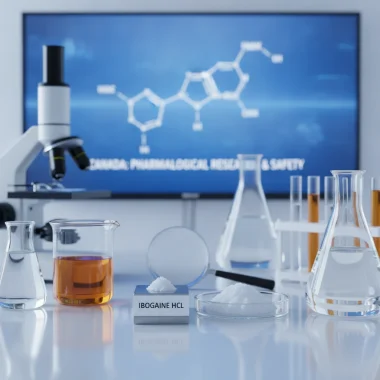
Kanada araştırma ortamları, Sentetik üretim sıklıkla tercih edilir. Bu tercih, kritik ihtiyaçtan kaynaklanmaktadır. yüksek saflıkta bileşikler Doğal özütlerde bulunan safsızlıklardan arındırılmış, tutarlı kimyasal profillere sahip triptaminler elde edilir. Sentetik yollar, nihai ürün üzerinde hassas kontrol sağlayarak, tekrarlanabilir bilimsel çalışmalar için son derece önemli olan partiler arası varyasyonları en aza indirir. Araştırmacılar, saflığı ve kimliği doğrulamak için genellikle Yüksek Performanslı Sıvı Kromatografisi (HPLC) ve Kütle Spektrometrisi (MS) gibi ayrıntılı analitik testler de dahil olmak üzere sıkı kalite kontrol standartlarına uyan uzmanlaşmış laboratuvarlara güvenirler. Bu kadar yüksek saflıkta triptamin elde etmek, özellikle ince nörofizyolojik etkileri araştırırken veya terapötik uygulamalar geliştirirken, etik ve bilimsel olarak sağlam araştırmalar için bir ön koşuldur.
Fenomenolojik Manzarada Yolculuk: Araştırma Keşfi İçin Bildirilen Deneyimler
Farklı Öznel Nitelikler ve Yoğunluklar
Triptaminleri araştıran araştırmacılar genellikle 5-MeO-DMT ve N,N-DMT arasındaki derin fenomenolojik farklılıklarla ilgilenirler. 5-MeO-DMT, Genellikle "Tanrı molekülü" olarak tanımlanan bu madde, yoğun ego çözülüşü, kozmik birlik duygusu ve sınırsız farkındalıkla karakterize edilen hızlı, görsel olmayan bir deneyime neden olur. Başlangıcı son derece hızlıdır, sadece birkaç dakika sürer ve hassas ve kontrollü bir araştırma ortamı gerektirir. Buna karşılık, N,N-DMT, "Ruh molekülü" olarak bilinen N,N-DMT, sıklıkla karmaşık geometrik desenler, canlı manzaralar ve algılanan varlıklarla karşılaşmaları içeren, son derece görsel ve sürükleyici deneyimleriyle ünlüdür. Başlangıcı hızlı olmakla birlikte, N,N-DMT deneyimi biraz daha uzun bir süreye yayılır ve daha anlatısal ve etkileşimli bir öznel durum sunar. Araştırmacılar, bu bileşikler arasında çalışma için seçim yaparken, araştırmayı hedefledikleri spesifik fenomenolojik durumu, ister ikili olmayan bilinç ister karmaşık görsel ve anlatısal etkileşim olsun, dikkate almalıdırlar.
Zihinsel Sağlık Araştırmaları İçin Çıkarımlar (Araştırma Aşamasında)
Ön araştırmalar ve anekdot niteliğindeki raporlar, bu bileşiklerin insan tüketimi için değil, yalnızca etnobotanik toplama ve araştırma amaçlı olarak temin edilmesine rağmen, ruh sağlığı uygulamaları için belirgin sonuçlar doğurabileceğini göstermektedir. 5-MeO-DMT, özellikle hızlı ve derin iyileşmeyi kolaylaştırma kapasitesi nedeniyle, depresyon, anksiyete ve bağımlılık gibi durumların tedavisindeki potansiyeli açısından şu anda araştırılmaktadır. dönüştürücü deneyimler Bu durum, önemli psikolojik yeniden yapılanmaya yol açar. Görsel olmayan doğası genellikle içsel bir odaklanmayı teşvik eder. Buna karşılık, N,N-DMT, zengin görsel ve anlatısal içeriği aracılığıyla içgörüler üretme ve karmaşık duygusal veya travmatik anıları işleme rolü açısından araştırılmaktadır. Araştırmacılar, akut, anlatısal olmayan atılımlara odaklanan çalışmalarda 5-MeO-DMT'yi tercih edebilirken, N,N-DMT görsel-bilişsel işleme ve derin görsel anlatıların entegrasyonuna yönelik araştırmalar için tercih edilebilir. Örneğin, varsayımsal bir Kanada üniversite çalışması, 5-MeO-DMT'nin neden olduğu ego çözülmesinin nörobiyolojik korelasyonlarını, N,N-DMT ile ilişkili varlık karşılaşmalarından ayırabilir ve her ikisi de daha geniş bir anlayışa katkıda bulunabilir. bilinç ve esenlik.
Kanada Yasal Çerçevesi: 5-MeO-DMT, N,N-DMT ve Kanada Sağlık Bakanlığı Uyumluluğu
Kontrollü Uyuşturucu ve Maddeler Yasası (CDSA) kapsamında III. Sınıf Statüsü
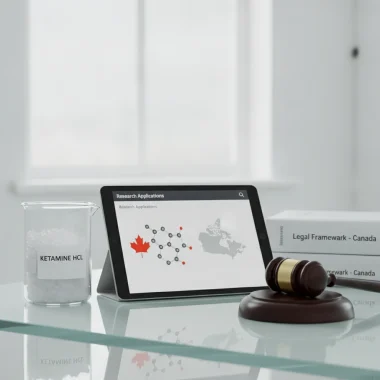
Kanada'da hem 5-MeO-DMT hem de N,N-DMT, federal mevzuata göre III. Sınıf maddeler olarak sınıflandırılmıştır. Kontrollü İlaçlar ve Maddeler Kanunu (CDSA). Bu sınıflandırma, Kanada Sağlık Bakanlığı'ndan açık izin alınmadıkça, bu bileşiklerin bulundurulması, ticareti, ithalatı, ihracatı ve üretimi gibi faaliyetlerin kesinlikle yasak olduğu anlamına gelir. Bu triptaminlerle ilgilenen araştırmacılar ve kurumlar, bunların III. Sınıf statüsünün, psilosibin ve meskalin gibi diğer klasik psikedelik maddelere benzer şekilde, sıkı bir düzenleyici denetim altında olduklarını anlamalıdır. Bu araştırma bileşiklerinin herhangi bir şekilde kullanımı veya temini, Kanada yasalarına uyumu sağlamak için belirli yasal muafiyetler veya lisanslar çerçevesinde gerçekleşmelidir. Bu temel yasal statüyü anlamak, Kanada'da bu maddelerle ilgili araştırma yapmayı düşünen herhangi bir kuruluş için kritik ilk adımdır.
İzin Verilen Kullanım: Etnobotanik Koleksiyon ve Araştırma Bileşikleri
İzole edilmiş 5-MeO-DMT ve N,N-DMT bileşikleri III. Sınıf maddeler arasında yer alsa da, Kanada yasal çerçevesi meşru kullanım için yollar sunmaktadır. 5-MeO-DMT tozu ve DMT vape kartuşları da dahil olmak üzere ürünlerimiz, yalnızca yasal kullanım amacıyla tedarik edilmektedir. etnobotanik koleksiyon, Bu bileşikler yalnızca araştırma, hatıra veya süs eşyası amaçlıdır ve insan tüketimi için değildir. Bilimsel araştırmalar için, yetkili kuruluşlar bu bileşikleri kontrollü laboratuvar çalışmaları için temin edebilirler, örneğin; in vitro Uygun Kanada Sağlık Bakanlığı lisansları kapsamında analizler veya yapı-aktivite ilişkisi (SAR) araştırmaları yapılabilir. Bu, belirli araştırma bileşiklerinin edinilmesini, doğal bitki materyallerinin (örneğin, Mimosa hostilis veya Anadenanthera colubrinaBu alkaloidleri içeren ancak etnobotanik amaçlar için farklı yasal nüanslar altında ele alınan bitkiler de bulunmaktadır. Bu ayrımları anlamak, yasal uyumluluk açısından çok önemlidir; bu konu, kaynaklarımızda daha ayrıntılı olarak açıklanmıştır.
Kanada'daki araştırmacılar ve kurumlar için, 5-MeO-DMT ve N,N-DMT gibi III. Sınıf maddelerle ilgili düzenleyici ortamda yol almak, doğrudan ilgili kurumlarla etkileşim gerektirir. Kanada Sağlık Bakanlığı. Yasal temin ve araştırma için temel mekanizmalar, Kontrollü İlaçlar ve Maddeler Satıcı Lisansı edinmeyi veya CDSA kapsamında belirli bir Bölüm 56 muafiyeti sağlamayı içerir. Bu yetkilendirmeler, bilimsel ve tıbbi amaçlar için kontrollü maddelerin bulundurulmasına, üretimine, ithalatına, ihracatına ve dağıtımına izin verir. Bu tür açık bir yetkilendirme olmadan, bu bileşiklerle herhangi bir ilişki yasal parametrelerin dışında kalır ve önemli cezalar gerektirir. Tüm Kanadalı araştırmacıların, tam uyumluluğu sağlamak için Sağlık Kanada'ya veya kontrollü maddeler konusunda uzmanlaşmış bir hukuk danışmanına danışmaları zorunludur. Düzenleyici süreçler ve gereklilikler hakkında ayrıntılı bilgiye şu adresten ulaşılabilir: Kanada Sağlık Bakanlığı'nın resmi web sitesi.
Kalite Güvencesi: Araştırma Amaçlı Triptaminlerin Saflığının ve Şeffaflığının Sağlanması
Doğrulanmış Alkaloid Profillerinin Önemi
5-MeO-DMT veya N,N-DMT içeren herhangi bir titiz bilimsel araştırma için, araştırma bileşiklerinin mutlak saflığı ve kesin bileşimi son derece önemlidir. Doğru bir alkaloid profili Birincil triptaminin kimliğini ve konsantrasyonunu doğrular ve aynı zamanda araştırma sonuçlarını etkileyebilecek herhangi bir kirletici maddeyi veya diğer psikoaktif bileşikleri tespit eder. Örneğin, özellikle 5-MeO-DMT'nin etkilerini hedefleyen çalışmalarda, N,N-DMT'nin eser miktarda bile bulunması, farklı fenomenolojik imzaları göz önüne alındığında, gözlemlenen sonuçları önemli ölçüde değiştirebilir. Tersine, N,N-DMT araştırmalarında, saflığının doğrulanması, gözlemlenen etkilerin yalnızca incelenen bileşiğe atfedilebilir olmasını sağlar. Araştırmacılar, deneylerinin bütünlüğünü ve tekrarlanabilirliğini korumak için bu profillerin şeffaf bir şekilde belgelenmesini talep etmelidir. Şeffaflığa olan bu bağlılık, etik ve etkili psikedelik araştırmaların temel taşıdır.
Etnobotanik Araştırma Bileşiklerinin Test Edilmesi ve Sertifikalandırılması
Triptamin araştırma bileşiklerinin saflığını ve etkinliğini garanti altına almak için, titiz test ve sertifikasyon protokolleri vazgeçilmezdir. Saygın tedarikçiler kapsamlı hizmetler sunmaktadır. Analiz Sertifikaları (CoA) Bağımsız, üçüncü taraf laboratuvarlardan alınan bu CoA'lar (Analiz Sertifikaları), Yüksek Performanslı Sıvı Kromatografisi (HPLC), Gaz Kromatografisi-Kütle Spektrometrisi (GC-MS) ve Nükleer Manyetik Rezonans (NMR) spektroskopisi gibi gelişmiş analitik tekniklerin sonuçlarını detaylandırmalıdır. Bu yöntemler, ana aktif alkaloidleri hassas bir şekilde ölçer ve herhangi bir safsızlığı, çözücüyü veya katkı maddesini belirler. Etnobotanik araştırma bileşikleri veya özütleri için bu tür testler, hedef alkaloidlerin varlığını ve konsantrasyonunu doğrular; izole edilmiş saf bileşikler için ise yüksek saflık derecesini (örneğin, >99%) onaylar. Herhangi bir Kanada araştırma kurumu için uygulanabilir bir adım, her parti için doğrulanmış üçüncü taraf laboratuvar sonuçları sağlayabilen tedarikçilerle çalışmaktır; bu, tartışmalarımızda da belirtildiği gibidir.
Triptamin Araştırmalarında Zarar Azaltma ve Sorumlu Uygulamalar
Kontrendikasyonlar ve Potansiyel Etkileşimler
Araştırma bağlamında bile, 5-MeO-DMT ve N,N-DMT gibi güçlü triptaminlerle çalışırken zararı azaltma protokollerine sıkı sıkıya bağlı kalmak son derece önemlidir. Bu bileşikler yalnızca araştırma ve etnobotanik amaçlar için sağlanmakta olup insan tüketimi için değildir; ancak gelecekteki olası insan çalışmaları, dikkatli bir değerlendirme gerektirecektir. kontrendikasyonlar. Bunlar arasında önceden var olan kalp rahatsızlıkları, bazı ciddi psikiyatrik bozukluklar (örneğin, aktif psikoz) ve özellikle MAOI'ler veya SSRI'lar gibi serotonin yollarını etkileyen ilaçlarla olan spesifik farmakolojik etkileşimler yer alabilir. 5-MeO-DMT bir MAOI olmamasına rağmen, güçlü serotonerjik aktivitesi, diğer serotonerjik ajanlarla birleştirildiğinde serotonin sendromu riski oluşturabilir. in vitro veya hayvan Araştırmada, bu etkileşimleri anlamak, geçerli çalışmalar tasarlamak ve sonuçları yorumlamak için hayati önem taşımaktadır. Farmakoloji ve potansiyel etkileşimler hakkında kapsamlı bir anlayış, sorumlu araştırma uygulamalarının temel bir unsurudur.
Hassas Dozlama ve Kontrollü Araştırma Ortamları
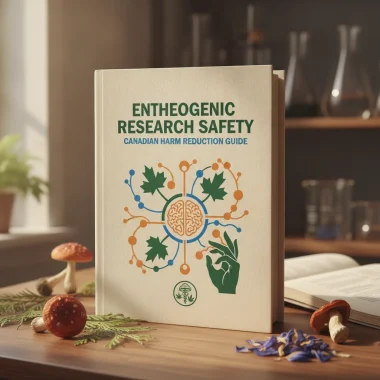
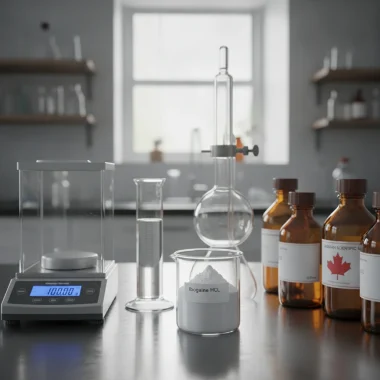
5-MeO-DMT ve N,N-DMT'nin son derece güçlü etkisi, insan dışı araştırma uygulamaları için bile dozlamada aşırı hassasiyet gerektirir. Sadece birkaç miligram veya hatta mikrogramlık varyasyonlar, deneysel sonuçlarda büyük farklılıklara yol açabilir. Araştırmacılar, yüksek hassasiyetli ölçüm yapabilen analitik teraziler kullanmalıdır. mikrogram hassasiyetinde Çalışmalar arasında tutarlılık ve tekrarlanabilirlik sağlamak için. Hassas ölçümün ötesinde, son derece kontrollü bir araştırma ortamının sürdürülmesi de aynı derecede kritiktir. Herhangi bir in vivo Çalışmalarda, sonuçları etkileyebilecek dış değişkenleri en aza indirgemek için ortam dikkatlice kalibre edilmeli ve izlenmelidir. Bu, sıcaklık, nem, aydınlatma ve gürültü seviyelerini içerir. in vitro Çalışmalarımızda, bileşiklerin işlenmesi, depolanması ve hazırlanması için titiz laboratuvar protokollerinin uygulanması, bozulmayı veya kontaminasyonu önlemek için şarttır. Bu sıkı önlemlerin benimsenmesi sadece zararı azaltma meselesi değil, aynı zamanda güvenilir ve inanılır bilimsel veriler üretmenin temel bir gerekliliğidir; bu durum çalışmamızda da vurgulanmıştır. Entheojenik Araştırmalarda Güvenlik: Kanada Zarar Azaltma Kılavuzu.
Psikedelik Bilimin Sınırları: Triptaminlerle İlgili Kanada Araştırma Girişimleri
Kanada, özellikle N,N-DMT ve ona yakın analog olan 5-MeO-DMT olmak üzere triptaminlerin terapötik ve nörobilimsel uygulamalarına yönelik araştırmalar için önemli bir merkez haline gelmiştir. Güçlü psikoaktif etkileriyle bilinen bu bileşikler, çeşitli nörolojik ve psikiyatrik rahatsızlıkları ele alma potansiyelleri açısından incelenmektedir. Mevcut araştırmalar, bu maddelerin beyin kimyasıyla etkileşime girdiği karmaşık mekanizmaları derinlemesine inceleyerek, nörotransmitter sistemleri ve sinir yolları üzerindeki etkilerini aydınlatmayı amaçlamaktadır. Araştırmacılar, bu etkileşimleri haritalamak için gelişmiş nörogörüntüleme teknikleri ve sofistike moleküler biyoloji yöntemleri kullanmaktadır. Temel odak noktası, 5-MeO-DMT ve N,N-DMT'nin reseptör bağlanma profillerinin yanı sıra, derin öznel deneyimlerinin ve potansiyel terapötik sonuçlarının temelini oluşturduğuna inanılan aşağı yönlü sinyal iletim zincirlerini anlamaktır. Bu temel araştırma, kontrollü ortamlarda güvenli ve etkili kullanımları için kanıta dayalı protokoller geliştirmek açısından kritik öneme sahiptir. Bu bileşiklerin titizlikle incelenmesi, farmakolojileri ve nörobiyolojileri hakkında derin bir anlayış gerektiren gelecekteki terapötik müdahalelerin temelini oluşturmaktadır.
Araştırmanın erken aşamaları genellikle, 5-MeO-DMT ve N,N-DMT gibi bileşiklerin güvenliği ve etkinliğinin laboratuvar ortamında değerlendirildiği titiz preklinik çalışmaları içerir. Bu, potansiyel toksisitelerini, hücresel işlev üzerindeki etkilerini ve çeşitli biyolojik hedeflerle etkileşimlerini değerlendirmeyi içerir. Örneğin, çalışmalar bu triptaminlerin ruh hali düzenlemesinde ve bilişsel süreçlerde önemli bir rol oynadığı bilinen serotonin reseptörlerini nasıl etkilediğini inceleyebilir. Amaç, kimyasal yapıları benzer olsa da farklı farmakolojik profillere ve öznel deneyimlere yol açtığı için 5-MeO-DMT ve N,N-DMT'nin spesifik etkilerini birbirinden ayırmaktır. Bu nüansları anlamak, araştırma yaklaşımlarını ve nihayetinde terapötik uygulamaları uyarlamak için çok önemlidir. Kanada'daki bilim camiası, katı etik kurallara ve düzenleyici çerçevelere bağlı kalarak bu alanı sorumlu bir şekilde ilerletmeye kararlıdır. Daha fazla araştırma, bu bileşiklere bireysel yanıtları tahmin edebilecek spesifik biyobelirteçleri belirlemeyi, böylece tedavi stratejilerini optimize etmeyi ve potansiyel riskleri en aza indirmeyi amaçlamaktadır. Triptamin nörokimyasının bu detaylı incelenmesi, bunların tam terapötik potansiyelini ortaya çıkarmak için hayati önem taşımaktadır.
Güncel Nörobilimsel Araştırmalar
Kanada'da 5-MeO-DMT ve N,N-DMT ile ilgili güncel nörobilimsel araştırmalar çok yönlü olup, beyin fonksiyonları üzerindeki kısa ve uzun vadeli etkilerine odaklanmaktadır. Araştırmacılar, bu bileşiklerin kesin moleküler hedeflerini araştırırken, özellikle birçok klasik psikedelik maddenin psikedelik etkilerinde rol oynayan serotonin reseptörleri, özellikle de 5-HT2A alt tipi ile etkileşimlerine büyük önem vermektedirler. Bununla birlikte, diğer serotonin reseptörlerinde ve potansiyel olarak diğer nörotransmitter sistemlerinde de önemli aktivite gösteren 5-MeO-DMT'nin benzersiz farmakolojik profili, ayrı bir çalışma alanı sunmaktadır. Çalışmalar, uygulama sırasında ve sonrasında beyin aktivite modellerindeki değişiklikleri gözlemlemek için fonksiyonel manyetik rezonans görüntüleme (fMRI) ve elektroensefalografi (EEG) gibi araçlar kullanmaktadır. Bu araştırmalar, bu triptaminlerin nöral bağlantıyı nasıl modüle ettiğini ve potansiyel olarak depresyon ve bağımlılık gibi durumlarla ilişkili katı düşünce kalıplarının 'sıfırlanmasına' nasıl yol açtığını anlamayı amaçlamaktadır. Doza bağlı etkilerin ve bu nörobiyolojik değişikliklerin süresinin incelenmesi de bu araştırmanın kritik bileşenleridir ve terapötik geliştirme için gerekli verileri sağlar. Bu tür ayrıntılı nörogörüntüleme, beynin bu güçlü maddelere verdiği dinamik tepkiye dair paha biçilmez bilgiler sunar. Bu alandaki Kanada araştırma trendlerine ilişkin kapsamlı bir genel bakış için, ilgili kaynakları inceleyebilirsiniz. Kanada'da psikedelik maddeler üzerine araştırmalar kesinlikle tavsiye edilir.
Ayrıca, güncel araştırmalar bu triptaminlerin nörogenez ve sinaptogenezi (yeni nöronların ve aralarındaki bağlantıların oluşumu) uyarma potansiyelini inceliyor. Bu yön, nörodejeneratif durumların veya beyin hasarının tedavisinde varsayılan etkinlikleriyle özellikle ilgilidir. Çalışmalar ayrıca, 5-MeO-DMT ve N,N-DMT'nin neden olduğu öznel deneyimleri, yalnızca anekdot niteliğindeki raporlar olarak değil, beyin aktivitesi ve bağlantısındaki belirli değişikliklerle ilişkili veri noktaları olarak da araştırıyor. Bu iki maddenin ürettiği deneyimlerdeki niteliksel farklılıkları anlamak, potansiyel terapötik uygulamalarını ayırt etmek için çok önemlidir; örneğin, 5-MeO-DMT genellikle ego çözücü, manevi bir deneyim olarak tanımlanırken, N,N-DMT canlı görsel yolculukları içerebilir. Araştırmacılar ayrıca, bu etkileri düzenlemede bireyin psikolojik durumu ve çevresinin rolünü de araştırıyor; bu faktörün, psikedelik destekli terapide olumlu sonuçlar için sürekli olarak kritik olduğu gösterilmiştir. Titiz bilimsel yaklaşım, bulguların tekrarlanabilir olmasını ve bilinç ve ruh sağlığının anlaşılmasına anlamlı katkı sağlamasını garanti eder. Devam eden çalışmalar, bu araştırma bileşiklerinin karmaşıklığını ve potansiyelini, sıkı bir şekilde kontrol edilen bir çerçeve içinde vurgulamaktadır.
Tedavi Araştırmalarında Gelecek Yönelimler (Araştırma Aşamasında)
İleriye dönük olarak, Kanadalı araştırmacılar, temel nörobilimin ötesine geçerek klinik uygulamaya yönelik 5-MeO-DMT ve N,N-DMT için yeni tedavi yollarını keşfetmeye hazırlanıyor. Yaygın tedavi amaçlı doğrudan klinik denemeler sıkı düzenleyici onaylara tabi olsa da, preklinik ve erken aşama araştırmalar gelecekteki araştırmalara yön veriyor. Önemli bir ilgi alanı, bu triptaminlerin tedaviye dirençli depresyon, anksiyete bozuklukları ve madde kullanım bozukluklarının tedavisindeki potansiyelidir. Etkilerinin hızlı başlangıcı ve tek veya birkaç uygulamadan sonra kalıcı faydalar sağlama olasılığı, onları geleneksel günlük ilaçlara kıyasla daha verimli tedavi modelleri geliştirmek için cazip adaylar haline getiriyor. Gelecekteki araştırmalar muhtemelen dozlama protokollerini iyileştirmeye, psikedelik deneyimlerin tedavi çerçevelerine entegrasyonunu optimize etmeye ve en çok fayda görmesi muhtemel hasta popülasyonlarını belirlemeye odaklanacaktır. Eğitimli terapistler ve yapılandırılmış seansları içeren özel psikedelik destekli terapi modellerinin geliştirilmesi, bu gelecekteki yönün önemli bir bileşenidir. 5-MeO-DMT ve N,N-DMT'nin beyin devreleriyle nasıl etkileşim kurduğuna dair incelikli bir anlayış, riskleri en aza indirirken terapötik etkiyi en üst düzeye çıkarmak için bu protokollerin tasarımına ışık tutacaktır.
Bir diğer umut vadeden alan, bu bileşiklerin neden olduğu mistik türdeki deneyimlerin nörobiyolojik temellerini ve bu deneyimlerin uzun vadeli psikolojik faydalarla nasıl ilişkili olduğunu araştırmaktır. Araştırmalar ayrıca bu maddelerin mikro dozlama potansiyelini de inceleyebilir, ancak bu alan daha az gelişmiştir ve etkinlik ve güvenliği doğrulamak için daha titiz bilimsel incelemeler gerektirir. Sentezlenmiş bileşiklerin ve doğal olarak oluşan kaynakların terapötik potansiyeli arasındaki karşılaştırmalar, diğer terapötik yöntemlerle birleştirildiğinde potansiyel sinerjik etkiler üzerine yapılan araştırmalarla birlikte muhtemelen devam edecektir. Bu güçlü maddelere araştırma ve potansiyel gelecekteki terapötik kullanım için erişimle ilgili etik hususlar, bilimsel, klinik ve düzenleyici kurumlardan paydaşları içeren gelecekteki tartışmaların kritik bir yönü olmaya devam edecektir. Devam eden araştırma, ortaya çıkan bilimsel kanıtlar ve hasta refahına olan bağlılık doğrultusunda, bu triptaminlerin benzersiz özelliklerinden sorumlu bir şekilde yararlanmayı amaçlamaktadır. Kanada'da etnobotanik çalışmalar ve araştırmalarla ilgilenenler için, 5-MeO-DMT gibi bileşiklerle ilgili yasal ortamı ve güvenlik protokollerini anlamak çok önemlidir; bu, ilgili kaynaklarda daha ayrıntılı olarak ele alınabilir. Kanada'daki araştırmalar için 5-MeO-DMT tozu..
Araştırma Kalitesinde Triptamin Temini: MindHealingShop.ca'nın Taahhüdü
Kanada bilim camiasında faaliyet gösteren araştırmacılar ve kurumlar için, yüksek saflıkta triptaminlerin güvenilir bir şekilde temin edilmesi son derece önemlidir. MindHealingShop.ca, hem 5-MeO-DMT hem de N,N-DMT dahil olmak üzere, sıkı kalite standartlarını karşılayan araştırma sınıfı bileşikler sağlamaya kendini adamıştır. Bilimsel araştırmanın bütünlüğünün, kullanılan malzemelerin saflığına ve tutarlılığına bağlı olduğunu anlıyoruz. Taahhüdümüz, tedarik edilen tüm ürünlerin kesinlikle etnobotanik koleksiyon, bilimsel araştırma veya hatıra amaçlı olmasını ve ilgili tüm Kanada düzenlemelerine uyulmasını sağlamayı da kapsar. Araştırmacıların çalışmaları için bilinçli kararlar alabilmelerini sağlamak amacıyla, alkaloid profilleri ve saflık seviyeleri konusunda şeffaflığa öncelik veriyoruz. Tedarikçilerin dikkatli seçimi ve titiz iç kalite kontrol önlemleri, kritik araştırma malzemeleri için güvenilir bir kaynak sağlamayı amaçlayan faaliyetlerimizin ayrılmaz bir parçasıdır. Kalite kontrolüne odaklanmamız, aksi takdirde deneysel sonuçları tehlikeye atabilecek değişkenliği azaltmaya yardımcı olur. Saflığa ve uyumluluğa olan bu bağlılık, ileri düzey bilimsel araştırmaları desteklemenin temelidir.
Araştırma kimyasallarının teminindeki karmaşıklıklarla başa çıkmak, hem ürün kalitesine hem de mevzuata uyumluluğa önem veren bir ortağa ihtiyaç duyar. MindHealingShop.ca, bu ortak olmayı hedefleyerek, en ileri bilimsel araştırmalar için gerekli bileşikleri elde etmek için kolaylaştırılmış ve güvenli bir süreç sunmaktadır. Kataloğumuz, Kanada araştırma ortamının özel ihtiyaçlarını karşılamak üzere özenle seçilmiştir ve bilim insanlarının çalışmalarında ihtiyaç duydukları bileşiklere erişebilmelerini sağlamaktadır. Malzemelerin olağanüstü kalitede olduğunu bilerek, araştırmaların güvenle yürütülebileceği bir ortam yaratmaya kararlıyız. Bu, araştırmacıların tekliflerimizi deneysel tasarımlarına sorunsuz bir şekilde entegre etmelerini sağlayan ayrıntılı dokümantasyon ve net ürün özelliklerini içerir. Yüksek saflıkta triptaminlere güvenilir erişim sağlayarak, nörobilim ve farmakoloji gibi alanlarda bilimsel anlayışın ilerlemesine katkıda bulunmayı amaçlıyoruz. Operasyonel çerçevemiz, bilimsel çaba için gerekli olan hassasiyet, güvenlik ve mevzuata uyumluluk ilkeleri üzerine kurulmuştur.
Yüksek Saflıkta 5-MeO-DMT Tozu Temini
MindHealingShop.ca yüksek saflıkta ürünler sunmaktadır. 5-MeO-DMT tozu Kanada'daki etnobotanik ve bilimsel araştırma uygulamaları için özel olarak tedarik edilmiştir. Doğru araştırma sonuçları için hassas alkaloid içeriğinin ve minimum safsızlığın kritik önemini biliyoruz. Ürünümüz, bileşimini ve saflığını doğrulamak için kapsamlı kalite güvence süreçlerinden geçerek, bilimsel çalışmanın zorlu şartnamelerini karşıladığından emin olunmasını sağlar. Araştırmacılar genellikle ayrıntılı analitik verilere ihtiyaç duyarlar ve biz de 5-MeO-DMT tozumuzun kimyasal profili konusunda şeffaflık sağlamaya kararlıyız. Bu titiz detaycılık, reseptör bağlanma afinitelerini araştıran in vitro çalışmalardan yapı-aktivite ilişkisi analizlerine kadar geniş bir yelpazedeki araştırma çalışmalarını desteklemek üzere tasarlanmıştır. Sürekli olarak saf bileşiklerin bulunabilirliği, tekrarlanabilir bilimsel bulguların temel taşıdır. Araştırmacılara bu güçlü triptamin üzerine araştırmaları için güvenilir bir temel sağlamayı amaçlıyoruz. Taahhüdümüz, araştırma materyallerinin en yüksek kalitede olmasını ve doğru ve anlamlı bilimsel araştırmaları desteklemesini sağlar.
5-MeO-DMT tozunun tedariki ve işlenmesi, bütünlüğünü korumak için azami özenle gerçekleştirilir. Küçük kirleticilerin bile araştırma sonuçlarını önemli ölçüde etkileyebileceğinin farkındayız. Bu nedenle, etnobotanik ve araştırma amaçları için mümkün olduğunca saf bir ürün sunmayı hedefleyen kapsamlı kalite kontrol önlemlerimiz bulunmaktadır. Kaliteye olan bu bağlılık, ilk tedarikten Kanada içindeki nihai paketleme ve dağıtıma kadar uzanmaktadır. 5-MeO-DMT tozumuzu kullanan araştırmacılar, titiz bilimsel standartları karşılayacak şekilde işlenmiş bir malzeme ile çalıştıklarından emin olabilirler. Saflığa olan bu odaklanma, bilimsel anlayışın ve etnobotanik araştırmaların ilerlemesini destekleme rolümüz için temeldir. 5-MeO-DMT tozumuz gibi titizlikle hazırlanmış bileşiklerin bulunabilirliği, Kanada'daki bilimsel keşiflerin ilerlemesi için çok önemlidir.
Kanada'da Araştırma Amaçlı DMT Buharlaştırıcı Kartuşlarına Güvenli Erişim
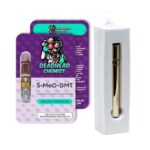
N,N-DMT'nin kontrollü ve standartlaştırılmış uygulanmasına ihtiyaç duyan araştırmacılar için MindHealingShop.ca şunları sağlar: DMT vape kartuşları Kanada'da araştırma amaçlı olarak tasarlanmıştır. Bu kartuşlar, N,N-DMT'nin verilmesi için uygun ve hassas bir yöntem sunarak, bilimsel deneyler ve karşılaştırmalı çalışmalar için çok önemli olan tutarlı dozlamayı sağlar. Çalışmaları için psikoaktif bileşiklere güvenilir erişime ihtiyaç duyan araştırmacıların benzersiz gereksinimlerini anlıyoruz. DMT vape kartuşlarımız, araştırmacılara araştırmaları için güvenilir bir malzeme sağlayan yüksek saflıkta N,N-DMT ile formüle edilmiştir. Bu kartuşların geliştirilmesi, araştırma bağlamında güvenlik, doğruluk ve kullanım kolaylığına öncelik vermektedir. Bu formatı sunarak, N,N-DMT'nin etkilerini kontrollü ve tekrarlanabilir bir şekilde araştıran çalışmaları kolaylaştırmayı amaçlıyoruz. Araştırmacılar, bu ürünler ve Kanada bağlamındaki uygulamaları hakkında daha fazla ayrıntıyı, aşağıdaki bilgileri inceleyerek keşfedebilirler. Etnobotanik profiller için DMT vape kartuşları.
Bu araştırma araçlarının güvenli bir şekilde sağlanması, hizmetimizin temel bir yönüdür. Edinme sürecinin Kanada düzenlemelerine uygun olmasını sağlayarak araştırmacılara gönül rahatlığı sunuyoruz. Önceden doldurulmuş kartuşların sağladığı kolaylık, deney kurulumunu basitleştirerek bilim insanlarının hazırlık karmaşıklıklarından ziyade araştırma hedeflerine daha fazla odaklanmalarını sağlar. Her kartuş, yalnızca araştırma ortamlarında ve etnobotanik koleksiyon için kullanılmak üzere tasarlanmıştır ve sorumlu dağıtıma olan bağlılığımızı vurgulamaktadır. Amaç, yüksek kaliteli, standartlaştırılmış araştırma materyallerine erişim sağlayarak bilimsel keşfi güçlendirmektir. MindHealingShop.ca, hassasiyeti ve kontrolü artıran formatlarda temel bileşikler sağlayarak Kanada araştırma topluluğunu desteklemeye kararlıdır. Güvenli ve standartlaştırılmış erişime odaklanma, N,N-DMT ve potansiyel uygulamalarının bilimsel olarak anlaşılmasını ilerletmek için hayati önem taşımaktadır.
Kanada'da 5-MeO-DMT ve N,N-DMT gibi triptaminlerin bilimsel olarak incelenmesi, titiz araştırmaya ve etik uygulamalara bağlılıkla hızla gelişen bir alandır. Araştırmalar ilerledikçe, yüksek kaliteli ve güvenilir kaynaklardan elde edilen bileşiklere olan talep artmaya devam edecek ve hem temel nörobilimi hem de yeni tedavi stratejilerinin potansiyel gelişimini destekleyecektir.
Kanada araştırma topluluğunda etnobotanik bileşikler ve araştırma kimyasalları arayanlar için MindHealingShop.ca, titiz saflık standartlarını karşılayan ve uyumluluk ile araştırmacı ihtiyaçlarına odaklanılarak tedarik edilen ürünler sunan güvenilir bir kaynak olmayı hedeflemektedir.
 English
 English (Canada)
 Français du Canada
 Español de México
 Türkçe