

Embarking on an Iboga journey requires careful consideration, especially when it comes to dosage. There isn’t a one-size-fits-all approach, as the ideal amount varies significantly depending on individual factors. This guide will provide a comprehensive overview of how to find the right dosage for your specific needs and circumstances. We aim to empower you with the knowledge to make informed decisions about your Iboga experience, emphasizing safety and effectiveness.
Whether you’re exploring Iboga for addiction treatment or considering its potential for spiritual exploration, understanding the nuances of dosage is crucial. This guide will delve into the different forms of Iboga, the factors that influence dosage, and the potential risks and benefits associated with various approaches. This is for informational purposes only, always consult with healthcare professionals.
Unlocking Iboga’s Potential: A Personalized Approach to Dosage
Why Dosage Matters: Tailoring Iboga Treatment to Your Needs
Dosage is paramount when it comes to maximizing the potential benefits of Iboga while minimizing the risk of adverse effects. Too little, and you might not experience the full therapeutic effects; too much, and you could encounter uncomfortable or even dangerous side effects. Effective Iboga treatment hinges on finding that sweet spot, a personalized dosage that aligns with your unique physiology, health status, and treatment goals. This is not a ‘DIY’ therapy, finding the right dosage requires experienced professional guidance.
The right dosage is essential for the potential neuroplastic effects of Iboga, which may contribute to breaking addictive patterns. It can also impact the intensity and duration of the psycho-spiritual experience, allowing for deeper self-reflection and healing. Proper dosage helps to manage potential side effects like nausea, vomiting, anxiety, and cardiac irregularities. For example, a person with a pre-existing heart condition will require a much lower and carefully monitored dose compared to a healthy individual using Iboga for spiritual exploration. Neglecting these variables can lead to complications. A qualified professional can help.
Beyond a Number: Factors Influencing Effective Iboga Dosage
Determining the correct dosage involves considering several factors beyond just weight or age. It’s about understanding the interplay between your physical health, mental state, and the specific form of Iboga being used. A comprehensive assessment should include a review of your medical history, current medications, any pre-existing conditions (especially cardiac issues), and your history with psychoactive substances. Additionally, factors like your metabolic rate, body composition, and individual sensitivity to Iboga all play a crucial role. Even psychological factors, such as your level of anxiety or fear, can influence your response to the medicine. A complete assessment, including an EKG and blood work, is essential to safe usage.
Consider this example: A 55-year-old individual with a history of hypertension and mild anxiety seeking Iboga for spiritual growth will likely require a significantly lower dose than a 30-year-old with no pre-existing conditions seeking help with opioid addiction. Similarly, someone with a slow metabolic rate may experience the effects of Iboga for a longer duration, requiring careful monitoring and dosage adjustments. Before considering ibogaine powder dosage, it is highly advisable to consult with a qualified healthcare professional to discuss the potential risks and benefits. The professional must conduct a thorough assessment to determine the safest and most appropriate dosage for your specific needs.
Understanding Different Forms of Iboga and Their Dosage Implications (Capsules, Powder, TA)
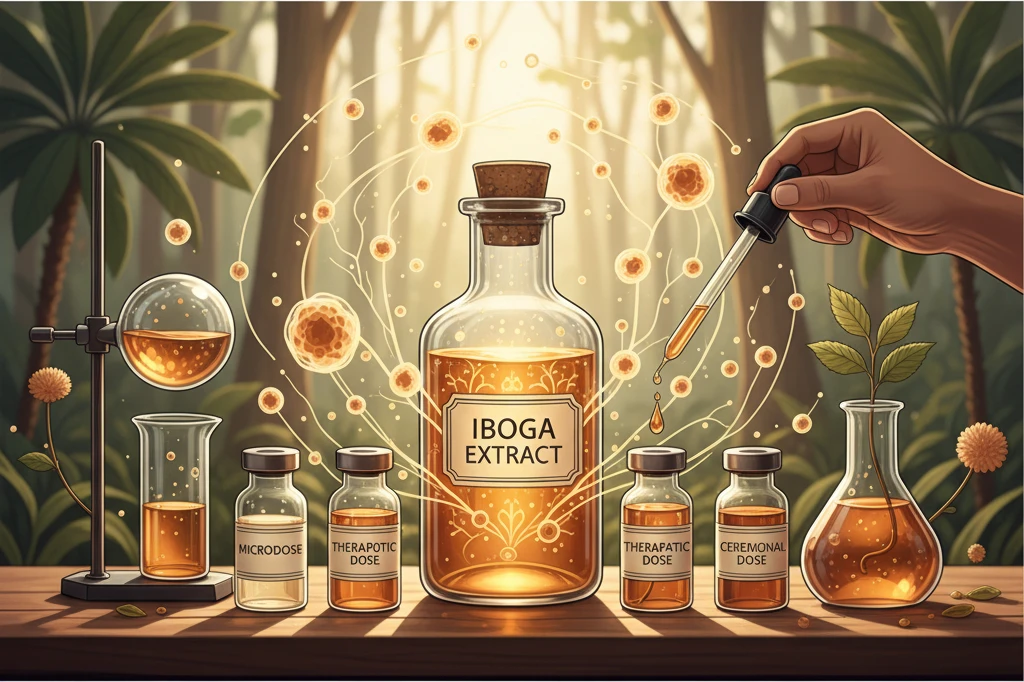
Iboga TA (Total Alkaloid Extract): Potency and Dosage Guidelines
Iboga TA (Total Alkaloid Extract) refers to a concentrated extract containing all the active alkaloids found in the Iboga root bark. This form of Iboga is significantly more potent than the raw root bark powder, and therefore, requires a much lower dosage. Because the alkaloids are concentrated, the effects tend to be more predictable and potentially more intense.
Dosage guidelines for Iboga TA vary depending on the individual’s sensitivity and the intended purpose (addiction treatment vs. spiritual exploration). However, a general starting point for addiction treatment could be in the range of 5-15 mg/kg of body weight, administered under strict medical supervision. For spiritual exploration, the dosage is often lower, perhaps starting at 2-5 mg/kg. The exact dosage needs to be titrated based on the individual’s response. Because of its high potency, accurate measurement is essential. The concentrated nature of TA warrants extra precaution.
Iboga Root Bark Powder: Considerations for Dosage and Preparation
Iboga root bark powder is the raw, unprocessed form of the Iboga root. Its potency is considerably lower than Iboga TA, and the dosage required is correspondingly higher. The alkaloid content can vary significantly between different batches of root bark, making it more challenging to predict the effects. As such, it requires more product to get the same dose. One common example is needing 3-4 times as much powder versus Iboga TA to reach similar effect levels. Careful measurement with scales and monitoring is still critical for both.
Dosage for Iboga root bark powder can range from 20-50 mg/kg for addiction treatment and 10-30 mg/kg for spiritual exploration. The powder is typically consumed orally, often mixed with water or juice. However, due to the bitter taste, some people prefer to encapsulate it. Preparation methods can also influence absorption. Some prefer to steep the powder in hot water to create a tea, while others simply swallow the powder directly. Be careful about mixing with grapefruits or medications which inhibit enzyme production, as this can dramatically increase potency. Regardless of the method, it’s crucial to start with a low dose and gradually increase it to assess individual sensitivity.
Iboga Powder is more accessible, so accurate dosage becomes even more important.
Iboga Capsules: Convenience and Precise Dosage Control
Iboga capsules offer a convenient and precise way to consume Iboga, particularly for those who find the taste of the root bark powder unpalatable. Capsules typically contain a pre-measured amount of either Iboga root bark powder or Iboga TA, making it easier to control the dosage. Be sure to check if the Iboga capsules contain root bark powder or TA, as the dosages will vary significantly.
The dosage for Iboga capsules depends on the concentration of Iboga within each capsule. If the capsules contain root bark powder, the dosage will be similar to that of the powder itself (20-50 mg/kg). If they contain Iboga TA, the dosage will be lower (5-15 mg/kg). Be sure to understand the strength of each capsule to accurately calculate your appropriate dosage. For instance, if each capsule contains 500mg of root bark powder and you weigh 70kg, starting with 1-2 capsules may be a reasonable starting point, but consulting with a professional is always recommended.
Key Factors Influencing Your Iboga Dosage: A Comprehensive Checklist
Physical Health and Pre-existing Conditions
Your overall physical health and any pre-existing medical conditions are critical determinants of the appropriate Iboga dosage. Cardiovascular health is of particular importance. Iboga can affect heart rhythm, potentially causing bradycardia (slow heart rate) or QT prolongation (a condition that can lead to dangerous arrhythmias). Individuals with pre-existing heart conditions, such as arrhythmias, heart failure, or structural heart abnormalities, require careful cardiac evaluation, monitoring, and often, a significantly reduced dosage.
Other medical conditions, such as liver or kidney disease, can also affect how Iboga is metabolized and eliminated from the body, potentially increasing the risk of adverse effects. Similarly, individuals with neurological conditions, such as epilepsy, may be more susceptible to seizures when taking Iboga. A thorough medical history, physical examination, and relevant laboratory tests (including an EKG and liver/kidney function tests) are essential before initiating Iboga treatment to determine a safe and appropriate dosage.
Weight and Body Composition
Weight is a significant factor in determining Iboga dosage, as it influences the distribution and concentration of the drug in the body. Generally, heavier individuals require a higher dose than lighter individuals to achieve the same therapeutic effect. However, body composition also plays a role. Individuals with a higher percentage of body fat may experience a slower absorption and distribution of Iboga, potentially requiring a slightly higher dose. Lean body mass will impact the required dosage as well.
The calculation is typically based on milligrams per kilogram of body weight (mg/kg). For example, if the recommended dosage is 25 mg/kg and you weigh 80 kg, your initial dose would be 2000 mg (2 grams). It’s important to note that this is just a starting point, and the actual dosage may need to be adjusted based on individual response and tolerance. Monitor for any adverse reaction.
Metabolic Rate and Enzyme Activity
Your metabolic rate, or how quickly your body processes substances, significantly influences how Iboga is metabolized and how long its effects last. Individuals with a faster metabolic rate may require a higher dose to achieve the desired effects, as the drug is eliminated from their system more quickly. Conversely, those with a slower metabolic rate may be more sensitive to Iboga and require a lower dose to avoid adverse effects.
Enzyme activity, particularly the activity of liver enzymes like CYP2D6, also plays a crucial role. These enzymes are responsible for breaking down Iboga into its metabolites. Genetic variations can affect the activity of these enzymes, leading to significant differences in how individuals respond to Iboga. Some individuals may be “poor metabolizers,” meaning they break down Iboga slowly, leading to higher drug levels and an increased risk of side effects. Others may be “ultrarapid metabolizers,” meaning they break down Iboga quickly, potentially requiring higher doses to achieve the desired effects. Genetic testing can help assess CYP2D6 activity and inform dosage decisions, reducing the risk of adverse reactions. Many medications will inhibit this enzyme. So, understanding the existing medication profile is critical to understanding the impact on effective dosage.
Severity and Duration of Addiction (if applicable)
For individuals seeking Iboga for addiction treatment, the severity and duration of their addiction are key factors in determining the appropriate dosage. Individuals with long-standing, severe addictions may require higher doses to overcome the intense withdrawal symptoms and cravings associated with their substance use. The specific substance of abuse also plays a role.
Opioid addiction, for example, often requires higher Iboga doses compared to stimulant addiction due to the profound physical dependence and withdrawal symptoms associated with opioids. Similarly, individuals with a history of polysubstance abuse (using multiple drugs) may require a more complex and individualized dosing approach. The treatment is personalized based on the individual’s unique addiction profile. The professional would consider the duration of addiction, the substances involved, the severity of withdrawal symptoms, and any co-occurring mental health conditions.
Individual Sensitivity to Iboga
Even after considering all the above factors, individual sensitivity to Iboga can vary significantly. Some individuals may be naturally more sensitive to the effects of Iboga, experiencing profound psycho-spiritual experiences or adverse effects at lower doses. Others may be less sensitive, requiring higher doses to achieve the desired therapeutic effects. This variability is influenced by a complex interplay of genetic, physiological, and psychological factors.
The only way to accurately assess individual sensitivity is through careful dose titration, starting with a low dose and gradually increasing it while closely monitoring the individual’s response. This process should always be conducted under the supervision of experienced professionals. The starting dose might be, for example, 10mg/kg of Iboga TA, carefully observing for any signs of adverse effects or therapeutic benefits over the course of several hours. The dose can then be gradually increased every few hours until the desired effect is achieved or the individual reaches their tolerability limit. Be aware of individual sensitivity when using Iboga.
Iboga Dosage for Addiction Treatment: A Detailed Breakdown
Microdosing vs. Flood Dosing: Which Approach is Right for You?
In the context of addiction treatment, there are two primary approaches to Iboga dosing: microdosing and flood dosing. Microdosing involves taking very small, sub-perceptual doses of Iboga over an extended period, typically several weeks or months. The goal of microdosing is to gradually reduce cravings and withdrawal symptoms, stabilize mood, and promote neuroplasticity without inducing a full-blown psycho-spiritual experience. This is often used in after-care scenarios.
Flood dosing, on the other hand, involves taking a large, single dose of Iboga to induce a powerful psycho-spiritual experience and facilitate a rapid detoxification from the addictive substance. Flood dosing is typically administered in a supervised clinical setting and is often considered the more traditional and intensive approach to Iboga treatment. The right approach depends on several factors, including the severity of the addiction, the individual’s overall health and psychological state, and their personal preferences. Microdosing may be more suitable for individuals with mild to moderate addictions or those who are hesitant to undergo a full flood dose experience. Flood dosing may be more appropriate for individuals with severe addictions who require a rapid and intensive intervention. For a deeper look, explore Iboga vs Ibogaine: Which is Right for You?
Example Dosage Schedule for Opioid Detox (Timeline and Amounts)
An example of a flood dosing schedule for opioid detox, under the guidance of a trained professional. It is highly advised to seek professional medical assistance rather than attempting to self-medicate using Iboga.
Day 1: Initial assessment, EKG, blood work, and preparation. A small test dose of Iboga TA (e.g., 1-2 mg/kg) is administered to assess sensitivity and tolerance.
Day 2: The main flood dose is administered, typically ranging from 15-25 mg/kg of Iboga TA, divided into multiple administrations over several hours. For example, a 70kg individual might receive an initial dose of 700mg, followed by additional doses of 350mg every 1-2 hours, depending on their response. This schedule should be closely observed. Vital signs (heart rate, blood pressure, oxygen saturation) are continuously monitored, and supportive care (e.g., anti-nausea medication, electrolyte replacement) is provided as needed.
Days 3-7: The individual is monitored for any residual withdrawal symptoms or adverse effects. Microdoses of Iboga (e.g., 50-100mg of root bark powder) may be administered to help stabilize mood and prevent relapse. After this initial week, the patient will be observed under careful medical supervision.
Recognizing the Signs of Effective Dosage During Treatment
During Iboga treatment, it’s crucial to recognize the signs of an effective dosage, which can vary depending on the individual and the intended purpose. For addiction treatment, effective dosage is characterized by a significant reduction in withdrawal symptoms and cravings, a stabilization of mood, and a renewed sense of hope and motivation. The individual may also experience vivid dreams, intense introspection, and a deeper understanding of the root causes of their addiction.
During the acute phase of treatment, the individual may experience physical discomfort, such as nausea, vomiting, or tremors. However, these side effects should be manageable and transient. More concerning signs of an excessive dosage include severe cardiac irregularities (e.g., prolonged QT interval, significant bradycardia), severe anxiety or paranoia, hallucinations, or loss of consciousness. The goal is not to get high, but rather is to facilitate sustainable change. This process is not an exact science.
Iboga Dosage for Wellness and Spiritual Exploration: Finding Your Sweet Spot
Determining the ideal iboga dosage for wellness and spiritual exploration is a highly individualized process. It depends on various factors, including your body weight, sensitivity to the substance, intentions for the experience, and overall health. While some individuals might seek deep transformative experiences with higher doses, others may find benefit from lower doses for subtle shifts in perspective and well-being. It’s crucial to approach this with mindfulness and respect for the substance.
The Importance of Set and Setting for Wellness Journeys
The “set” (your mindset, expectations, and intentions) and “setting” (the environment in which you take iboga) play a crucial role in shaping the experience. A calm, safe, and supportive environment can help minimize anxiety and promote a more positive and insightful journey. Conversely, a stressful or chaotic environment can increase the risk of negative experiences. Before embarking on an iboga experience, dedicate time to introspection, clarifying your intentions, and creating a comfortable and nurturing space. Consider elements like lighting, sound, temperature, and the presence of trusted individuals. Engaging in practices like meditation or journaling can further prepare your mind for the experience. This preparation contributes significantly to a more profound and beneficial outcome. A 2017 study emphasized the significance of pre-ceremony preparation and integration activities in psychedelic-assisted therapy.
Exploring Microdosing for Enhanced Creativity and Focus
Microdosing iboga involves taking sub-perceptual doses, typically too small to produce noticeable psychoactive effects. Some individuals explore microdosing to enhance creativity, focus, and overall well-being. The aim is to experience subtle benefits without the intensity of a full iboga journey. A typical microdose of iboga root bark powder may range from 50-200mg, taken one to three times per week. It’s essential to start with a very low dose and gradually increase it until you find the optimal amount that produces the desired effects without any unwanted side effects. Keep a detailed journal to track your experiences and adjust your dosage accordingly. Microdosing protocols can vary, so it’s important to research and experiment to find what works best for you.
Cautions for Individuals with Mental Health Concerns
Individuals with pre-existing mental health conditions, such as severe depression, anxiety disorders, or psychosis, should exercise extreme caution when considering iboga. Iboga can sometimes exacerbate underlying mental health issues. It’s crucial to consult with a qualified mental health professional before using iboga, and to ensure that a knowledgeable facilitator is present during the experience. In some cases, iboga may not be appropriate at all. If you have a history of mental health problems, begin with extremely low doses and proceed very cautiously, while always prioritizing your safety and well-being. Consider if Iboga for mental health is even the right choice for you.
Navigating Potential Risks and Side Effects: Dosage and Safety
Understanding the potential risks and side effects of iboga is paramount to ensuring a safe and positive experience. Dosage plays a significant role in determining the intensity and nature of these effects. Higher doses generally carry a greater risk of adverse reactions, while lower doses may be associated with milder side effects. It’s crucial to be well-informed about these potential risks and to take appropriate precautions.
Common Side Effects of Iboga and How to Manage Them
Common side effects of iboga can include nausea, vomiting, tremors, ataxia (loss of coordination), anxiety, and insomnia. These side effects are often temporary and can be managed with supportive care. Staying well-hydrated is essential, as dehydration can exacerbate nausea and other symptoms. Ginger tea or anti-nausea medications can help alleviate nausea and vomiting. Deep breathing exercises and relaxation techniques can help manage anxiety. A safe and comfortable environment, along with the presence of a trusted support person, can also help minimize discomfort. If side effects become severe or persistent, seek medical attention. Remember that these side effects are often a normal part of the cleansing and transformative process. However, it’s important to distinguish between manageable discomfort and potentially serious complications.
Serious Risks and Contraindications to Consider
Iboga can pose serious risks for individuals with certain pre-existing health conditions. Cardiovascular issues, such as heart disease, arrhythmias, and prolonged QT interval, are significant contraindications. Iboga can affect heart rhythm and blood pressure, potentially leading to life-threatening complications in susceptible individuals. Liver and kidney disease can also increase the risk of adverse reactions, as these organs play a crucial role in metabolizing and eliminating iboga from the body. It’s also important to avoid combining iboga with certain medications, such as antidepressants, opioids, and stimulants, as these interactions can be dangerous. Before considering iboga, disclose your full medical history to a qualified healthcare professional or iboga provider to assess your individual risk factors. People with compromised liver function should not take Iboga or Ibogaine.
The Importance of Cardiac Evaluation Before Iboga Treatment
A thorough cardiac evaluation is essential before undergoing iboga treatment, particularly for individuals with a history of heart problems or risk factors for cardiovascular disease. An electrocardiogram (ECG) can help identify pre-existing arrhythmias or prolonged QT interval, which can increase the risk of life-threatening complications. A consultation with a cardiologist can provide further insights into your cardiac health and help determine whether iboga is safe for you. If any abnormalities are detected, it’s crucial to address them before proceeding with iboga treatment. Some individuals may require medication or lifestyle modifications to manage their heart condition and reduce their risk. This evaluation is a critical step in ensuring your safety and well-being.
Preparation and Administration: Optimizing Iboga Absorption
Proper preparation and administration are crucial for maximizing iboga absorption and minimizing potential side effects. Factors such as dietary considerations, hydration status, and the method of administration can all influence the effectiveness and safety of the experience. Taking the time to prepare adequately can significantly enhance the benefits and reduce the risks associated with iboga.
Dietary Considerations Before and After Iboga Intake
Dietary preparation can significantly impact the iboga experience. It’s generally recommended to follow a light and easily digestible diet for at least 24-48 hours before taking iboga. Avoid heavy, processed foods, excessive fats, and stimulants like caffeine and alcohol. These substances can interfere with iboga absorption and increase the risk of nausea and other side effects. Opt for fresh fruits, vegetables, and lean proteins. After taking iboga, continue to follow a light and nourishing diet to support your body’s recovery. Bone broth is a great way to rejuvenate and recover. Avoid alcohol for several weeks after your iboga experience. By preparing your body with a wholesome diet, you can create a more receptive environment for the medicine.
Proper Hydration: Staying Safe and Comfortable During the Experience
Maintaining adequate hydration is crucial throughout the iboga experience. Dehydration can exacerbate side effects like nausea, vomiting, and dizziness. Drink plenty of water, herbal teas, or electrolyte-rich beverages in the days leading up to your iboga intake, and continue to hydrate during the experience. Avoid sugary drinks, as they can contribute to dehydration. If you experience vomiting, it’s especially important to replenish fluids and electrolytes. A general rule of thumb is to drink small sips of water or herbal tea throughout the day. Listen to your body and drink when you feel thirsty. By staying well-hydrated, you can minimize discomfort and support your body’s natural detoxification processes.
Best Practices for Administering Iboga Root Bark Powder
Iboga root bark powder is a common form of administration, and proper techniques can optimize absorption. Many find that mixing the powder with water or juice makes it easier to swallow. Some prefer to encapsulate the powder, which can help reduce the taste and potential for nausea. Start with a small amount and gradually increase the dose as needed. Take the powder on an empty stomach for optimal absorption. It’s important to follow the guidance of a qualified facilitator regarding dosage and administration. They can provide personalized instructions based on your individual needs and sensitivities. Do NOT buy any magic mushrooms for sale without consulting your doctor.
The Role of a Facilitator or Medical Professional in Determining Your Dosage
The guidance of a skilled facilitator or medical professional is paramount in determining the appropriate iboga dosage. Their expertise can help you navigate the complexities of this powerful medicine and minimize potential risks. A qualified facilitator will consider your individual health history, intentions, and sensitivities to create a safe and personalized experience. They can also provide crucial support and guidance throughout the process.
Why Supervision is Crucial, Especially for Higher Doses
Supervision is particularly crucial when taking higher doses of iboga, as the experience can be intense and unpredictable. A trained facilitator can monitor your vital signs, provide emotional support, and intervene if any complications arise. They can also help you integrate the insights and experiences gained during the journey. Higher doses of iboga can lead to profound alterations in consciousness, which can be overwhelming without proper guidance. A facilitator can help you stay grounded and centered, ensuring that you have a safe and transformative experience. Furthermore, experienced facilitators can recognize subtle signs of potential complications and take appropriate action to prevent serious harm.
Finding a Qualified Iboga Provider in Canada
Finding a qualified iboga provider in Canada requires careful research and due diligence. Look for providers with extensive experience working with iboga, a strong understanding of safety protocols, and a commitment to ethical practices. Check their credentials, read testimonials from previous clients, and ask detailed questions about their approach. It’s also important to ensure that the provider has a solid network of medical professionals to consult with in case of emergencies. Be wary of providers who make exaggerated claims or promise unrealistic results. The best providers prioritize your safety and well-being above all else. As regulations surrounding iboga use vary, ensure the provider is operating within legal guidelines. Look for providers that emphasize the importance of preparation and integration, as these are crucial components of a successful iboga experience.
Questions to Ask Your Facilitator About Dosage and Safety
Before embarking on an iboga experience, it’s essential to ask your facilitator detailed questions about dosage and safety. Inquire about their experience working with different dosages and the factors they consider when determining the appropriate amount for each individual. Ask about the potential side effects of iboga and how they are managed. Discuss your medical history and any concerns you may have. Find out what emergency protocols are in place in case of complications. Ask about the facilitator’s qualifications, training, and experience. A qualified facilitator should be transparent and forthcoming in answering your questions, demonstrating a commitment to your safety and well-being. If a facilitator is hesitant to answer your questions or seems dismissive of your concerns, it may be a red flag. Remember, your health and safety should always be the top priority.
Post-Treatment Integration: Supporting Long-Term Success
The journey with iboga or ibogaine doesn’t end with the treatment itself. The period following treatment is crucial for solidifying the progress made and integrating the insights gained into daily life. A robust post-treatment integration plan significantly increases the likelihood of sustained well-being and prevents relapse, especially when addressing addiction or deep-seated emotional issues.
The Importance of Therapy and Counseling After Iboga
Therapy and counseling are essential components of post-treatment integration. Iboga can provide profound insights and emotional breakthroughs, but these experiences need to be processed and understood within a therapeutic context. A therapist can help individuals unpack their experiences, identify patterns, and develop coping mechanisms for challenges that may arise. Look for therapists experienced in working with individuals who have undergone psychedelic-assisted therapy, as they will be better equipped to understand the nuances of your experience. This ongoing support helps translate the iboga experience into lasting behavioural change. Without proper therapeutic guidance, the potential benefits of iboga may be lost over time. Consider both individual and group therapy options. Group settings offer the added benefit of peer support and shared experiences.
Example: John, struggling with alcohol addiction, underwent ibogaine treatment and experienced significant relief from cravings. However, without therapy, he found himself slipping back into old patterns when faced with stress. After starting therapy, he learned healthier coping mechanisms and developed strategies to manage triggers, leading to long-term sobriety.
Lifestyle Changes to Maintain Progress
Implementing positive lifestyle changes is another cornerstone of successful post-treatment integration. This includes adopting healthier dietary habits, engaging in regular exercise, prioritizing sleep, and cultivating mindfulness practices. These changes support physical and mental well-being, creating a foundation for sustained recovery. Consider incorporating activities that bring joy and purpose into your life, such as hobbies, creative pursuits, or volunteer work. These activities can help fill the void left by addictive behaviors or negative thought patterns. A structured daily routine can also provide stability and reduce the risk of relapse. Small, incremental changes are often more sustainable than drastic overhauls. Begin by focusing on one or two key areas and gradually expand your efforts over time. Be patient with yourself and celebrate your progress along the way. Remember that setbacks are a normal part of the process, and it’s important to learn from them and continue moving forward.
Building a Support Network for Continued Wellness
Having a strong support network is vital for long-term success. This network can include family members, friends, support groups, or online communities. Sharing your experiences with others who understand can provide validation, encouragement, and practical advice. It’s crucial to communicate openly and honestly with your support system about your struggles and successes. Consider joining a support group specifically for individuals who have undergone iboga treatment. These groups offer a safe and supportive space to connect with others who have shared similar experiences. If you don’t have a strong support network in place, actively seek to build one. Attend local events, join clubs or organizations, or volunteer in your community. Building meaningful connections with others can significantly enhance your overall well-being. Additionally, consider limiting your exposure to negative influences or individuals who may undermine your recovery. Prioritize relationships that are supportive, positive, and conducive to your continued growth. The Iboga & Addiction Recovery: A Canadian Guide details the importance of sober living environments. You can also find peer support via organizations like SAMHSA’s (Substance Abuse and Mental Health Services Administration) resources.
Sourcing Iboga Responsibly from MindHealingShop.ca: Ensuring Quality and Authenticity
When considering iboga for wellness or addiction treatment, sourcing it from a reputable and ethical provider is paramount. The quality and authenticity of the iboga product directly impact its effectiveness and safety. MindHealingShop.ca is committed to providing high-quality, ethically sourced iboga products to ensure the best possible experience for our customers. We understand the importance of transparency and traceability in the supply chain and take extensive measures to guarantee the purity and potency of our products. Our commitment extends beyond providing products; we aim to empower individuals with the knowledge and resources they need to make informed decisions about their health and well-being.
Understanding the Importance of Ethical Sourcing
Ethical sourcing of iboga is crucial for several reasons. Firstly, it protects the sustainability of the plant, which is increasingly threatened by overharvesting. Secondly, it ensures that indigenous communities who have traditionally used iboga are treated fairly and benefit from its commercialization. By supporting ethical sourcing practices, we can help preserve this valuable resource for future generations and contribute to the well-being of the communities who hold it sacred. Unethical sourcing can lead to the exploitation of indigenous communities, environmental degradation, and the production of substandard or even counterfeit products. Therefore, it’s essential to choose a supplier who is transparent about their sourcing practices and committed to ethical and sustainable principles. Look for certifications or affiliations with organizations that promote responsible harvesting and fair trade practices. Supporting ethical sourcing is not only the right thing to do but also ensures that you are receiving a genuine and high-quality product.
How MindHealingShop.ca Guarantees the Purity and Potency of Its Products
At MindHealingShop.ca, we implement rigorous quality control measures to guarantee the purity and potency of our iboga products. We work directly with trusted suppliers who adhere to sustainable harvesting practices and conduct thorough testing at every stage of the process, from harvesting to packaging. Our products are independently lab-tested to verify their ibogaine content and ensure they are free from contaminants. We provide Certificates of Analysis (COAs) for all our iboga products, allowing customers to verify the quality and purity of their purchase. This transparency is a key aspect of our commitment to customer safety and satisfaction. We also maintain strict storage and handling procedures to prevent degradation and preserve the potency of our products. Our packaging is designed to protect the iboga from light, moisture, and air, ensuring it remains fresh and effective. The Ibogaine Powder: Dosage & Safe Use Guide provides further information on product quality. You can also learn more about quality control standards by visiting organizations like USP (United States Pharmacopeia).
Available Iboga products (capsules, powder, etc.) and their use
MindHealingShop.ca offers a range of iboga products to meet the diverse needs of our customers. These include iboga capsules, iboga powder, and potentially ibogaine extracts, depending on local regulations. Iboga capsules offer a convenient and precise way to administer the product, ensuring consistent dosing. Iboga powder provides greater flexibility in terms of dosage and can be used in various preparations. The choice of product depends on individual preferences, experience, and the intended use. For those seeking a precise and easy-to-administer option, capsules are often preferred. Powder allows for more customized dosing and is suitable for experienced users who are comfortable with measuring and preparing their own doses. Regardless of the chosen form, it’s important to start with a low dose and gradually increase it as needed, while closely monitoring your body’s response. Consult with a healthcare professional or experienced facilitator to determine the appropriate dosage for your individual needs and circumstances. Always prioritize safety and follow recommended guidelines for responsible use. You can research potential drug interactions on websites like Drugs.com (but always consult a medical professional for guidance).
In summary, the success of iboga treatment hinges on responsible sourcing and comprehensive aftercare. Choosing ethically sourced products from MindHealingShop.ca, combined with therapy, lifestyle adjustments, and a strong support system, significantly improves the chances of lasting positive change.








Pingback: Iboga Capsules: Comparing Brands in Canada - Mind Healing Shop