

For centuries, indigenous cultures have harnessed the power of plants for healing, both physical and spiritual. Among these, Iboga, a root bark native to West Central Africa, has gained increasing attention for its potential to address mental health challenges, particularly addiction. As conventional treatments struggle to provide lasting relief, many are turning to ancient remedies like Iboga, seeking a more profound and holistic approach to well-being.
This article delves into the world of Iboga and its active compound, Ibogaine, exploring the science behind their purported benefits, their potential role in addiction treatment, and their impact on mood disorders and trauma. We will also examine the current legal landscape in Canada regarding Iboga, offering a balanced perspective on this intriguing and potentially transformative substance.
The Resurgence of Ancient Remedies: Why Iboga is Back in the Mental Health Conversation
Brief history of Iboga use in traditional Bwiti rituals
Iboga’s history is deeply intertwined with the Bwiti religion of West Central Africa, particularly in Gabon. For centuries, the Bwiti have used Iboga in initiation ceremonies, spiritual practices, and healing rituals. The root bark is consumed to induce a profound altered state of consciousness, believed to facilitate communication with ancestors, gain spiritual insight, and promote personal transformation. These ceremonies often involve extended periods of ritual, music, and communal participation, creating a powerful and supportive environment for self-discovery. The Bwiti tradition views Iboga as a sacred medicine, treated with reverence and respect, and its use is carefully guided by experienced practitioners. Dosage is determined not by weight but rather by the initiate’s physical and spiritual condition. Furthermore, the initiate is guided by experienced practitioners to avoid negative experiences. The Bwiti understanding of Iboga extends beyond its biochemical effects, encompassing its spiritual and cultural significance.
The shift from spiritual practice to potential therapeutic application
The potential therapeutic applications of Iboga began to gain recognition outside of Bwiti traditions in the 20th century. Researchers observed its effects on addiction, particularly its ability to reduce cravings and withdrawal symptoms associated with opioid dependence. This led to the development of Ibogaine, the active alkaloid in Iboga, as a potential treatment for substance use disorders. However, it’s crucial to note that the context of Iboga use differs significantly between traditional Bwiti rituals and modern therapeutic settings. While the Bwiti approach emphasizes spiritual guidance and community support, Western treatment models often focus on the biochemical effects of Ibogaine, with varying degrees of integration of psychological and spiritual support. The shift from spiritual practice to therapeutic application has also raised ethical concerns regarding cultural appropriation and the commodification of a sacred medicine. There are various factors in play when deciding whether to employ Iboga for spiritual or medical reasons.
Current legal landscape of Iboga and Ibogaine in Canada (2026)
As of 2026, Iboga and Ibogaine are not approved for medical use in Canada. This means they are not legally available through prescription or in mainstream healthcare settings. However, the legal status of Iboga remains somewhat ambiguous. It is not explicitly listed as a controlled substance under the Controlled Drugs and Substances Act (CDSA). This lack of explicit prohibition creates a legal grey area, allowing for limited access through alternative channels, such as some holistic wellness centers or underground providers. Despite the absence of legal regulation, these alternative channels are few and often dangerous. They may not adhere to safety and hygiene regulations. While Iboga capsules for sale may be available online, exercising extreme caution and thorough due diligence is paramount. Individuals considering Iboga treatment in Canada should carefully research the provider’s credentials, safety protocols, and ethical standards before proceeding. More information can be found on the Health Canada website and in consultations with legal professionals.
Decoding Iboga and Ibogaine: Understanding the Science Behind the Hype

Explanation of Iboga’s active compound: Ibogaine
Ibogaine is the primary psychoactive alkaloid found in Iboga root bark. It’s a complex molecule with a unique structure that allows it to interact with multiple neurotransmitter systems in the brain. Chemically, Ibogaine is an indole alkaloid, sharing structural similarities with other psychoactive substances like psilocybin and LSD. However, its effects and mechanisms of action are distinct. Unlike many other psychedelics, Ibogaine has a relatively long half-life in the body, with some metabolites remaining active for several days. This prolonged activity is believed to contribute to its ability to interrupt addictive behaviors and facilitate long-term change. The Ibogaine alkaloid can be extracted from the Iboga root bark, and used in powder or capsule form. It can also be manufactured synthetically, however many prefer to obtain it naturally. It is always important to test your product for purity.
How Ibogaine interacts with brain receptors (opioid, serotonin, dopamine)
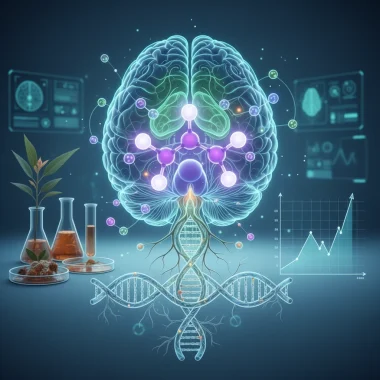
Ibogaine’s mechanism of action is multifaceted, involving interactions with various neurotransmitter systems. One of its key effects is its interaction with opioid receptors, particularly the kappa opioid receptor. This interaction is thought to contribute to its ability to reduce opioid withdrawal symptoms. Ibogaine also affects serotonin and dopamine levels, influencing mood, motivation, and reward pathways. Specifically, Ibogaine inhibits the reuptake of serotonin, increasing its availability in the synaptic cleft. It also has complex effects on dopamine, initially increasing dopamine release but subsequently decreasing dopamine activity. These actions on multiple neurotransmitter systems likely contribute to Ibogaine’s ability to address a range of mental health issues, including addiction, depression, and anxiety. The interaction with multiple receptors makes it a complex molecule, and further research is needed to fully understand its effects. This complexity is often viewed as its greatest asset.
Distinction between Iboga root bark and Ibogaine extract/synthetics
While both Iboga root bark and Ibogaine extract/synthetics contain the active compound Ibogaine, there are important distinctions between them. Iboga root bark contains a mixture of alkaloids, including Ibogaine and other related compounds. Some proponents of whole root bark argue that these other alkaloids contribute to the overall therapeutic effect through a synergistic action, sometimes referred to as the “entourage effect.” In contrast, Ibogaine extract or synthetics contain primarily Ibogaine, often in a purified form. This allows for more precise dosing but may lack the potential benefits of the other alkaloids present in the whole root bark. Additionally, the experience of consuming whole root bark is often described as being more grounded and connected to the plant spirit, while Ibogaine extract may feel more clinical or detached. As with any substance, purity is also an important factor. Ibogaine powder purity may vary depending on the source and manufacturing process.
Iboga’s Potential in Addiction Treatment: Breaking the Chains
Mechanism of action in reducing cravings and withdrawal symptoms
Iboga and Ibogaine are believed to interrupt addictive behaviors by resetting the brain’s reward system. Addiction alters the brain’s neurochemistry, leading to persistent cravings and withdrawal symptoms when the substance is discontinued. Ibogaine’s interaction with opioid receptors, serotonin, and dopamine systems is thought to help restore balance to these pathways, reducing cravings and alleviating withdrawal symptoms. The long half-life of Ibogaine allows for a sustained period of reduced cravings, providing an opportunity for individuals to engage in therapy and address the underlying issues contributing to their addiction. Additionally, Ibogaine may promote neurogenesis, the growth of new brain cells, which could further contribute to the long-term recovery process. In short, Ibogaine provides a vital opportunity to break free from the cycle of addiction.
Success rates of Iboga/Ibogaine-assisted detox for different substances (opioids, alcohol, stimulants)
The success rates of Iboga/Ibogaine-assisted detox vary depending on the substance of abuse, the individual’s characteristics, and the treatment setting. Studies have shown promising results for opioid addiction, with some reports indicating significant reductions in opioid use after Ibogaine treatment. For example, a study published in the *Journal of Substance Abuse Treatment* found that Ibogaine treatment was associated with a significant reduction in opioid use at 12 months follow-up. However, it’s important to note that these studies are often small and uncontrolled. The evidence for Ibogaine’s effectiveness in treating alcohol and stimulant addiction is less robust. Some anecdotal evidence suggests that Ibogaine may help reduce cravings and withdrawal symptoms associated with these substances, but more rigorous research is needed. Generally, the success rate declines as the dependence grows stronger. It is therefore important to intervene at the early stages of addiction.
Importance of medical supervision and psychological support during treatment
Iboga and Ibogaine treatment carries inherent risks, including cardiovascular complications and psychological distress. Therefore, medical supervision is paramount during treatment. This includes pre-screening for underlying medical conditions, monitoring vital signs during the Ibogaine experience, and providing supportive care to manage any adverse effects. Psychological support is equally crucial, as Ibogaine can induce intense emotional experiences and bring up unresolved trauma. Experienced therapists can help individuals process these experiences and integrate them into their recovery journey. Ideally, Iboga/Ibogaine treatment should be provided in a medically supervised setting with access to emergency medical care. Furthermore, aftercare and ongoing psychological support are essential to maintain long-term recovery. Without adequate support, the risk of relapse is significantly higher. It is important to ensure the appropriate treatment plan is in place before beginning.
Beyond Addiction: Exploring Iboga’s Impact on Mood Disorders and Trauma
Potential benefits for depression, anxiety, and PTSD
While primarily known for its potential in addiction treatment, Iboga is also being explored for its impact on mood disorders and trauma. Preliminary evidence suggests that Ibogaine may have antidepressant and anxiolytic effects. By influencing serotonin and dopamine levels, Ibogaine may help alleviate symptoms of depression and anxiety. Additionally, its ability to induce altered states of consciousness may allow individuals to gain new perspectives on their thoughts and emotions. For individuals with PTSD, Ibogaine may help process traumatic memories and reduce associated symptoms such as flashbacks and nightmares. However, it’s important to emphasize that research in this area is still limited, and more rigorous studies are needed to confirm these potential benefits. It should also be noted that mental health problems require a unique, multi-faceted solution.
Neuroplasticity and Iboga: Rewiring the brain for improved mental well-being
Neuroplasticity, the brain’s ability to reorganize itself by forming new neural connections, is increasingly recognized as a key factor in mental health and recovery. Iboga and Ibogaine are believed to promote neuroplasticity, potentially rewiring the brain for improved mental well-being. By stimulating the growth of new brain cells (neurogenesis) and strengthening existing neural connections, Ibogaine may help individuals overcome maladaptive patterns of thinking and behavior. This enhanced neuroplasticity may facilitate the integration of new insights gained during the Ibogaine experience, leading to lasting positive changes. For example, someone struggling with chronic depression might find it easier to adopt new coping mechanisms and challenge negative thought patterns after Ibogaine treatment. This has led many to claim the Ibogaine has changed their lives. More research is necessary to determine the safety of these results.
Case studies and anecdotal evidence of positive outcomes
Anecdotal evidence and emerging case studies suggest that Iboga may offer significant benefits for individuals struggling with mood disorders and trauma.
Example: Sarah, a 35-year-old woman with a history of childhood trauma and chronic depression, underwent Ibogaine treatment at a clinic in Mexico. Prior to treatment, Sarah reported experiencing persistent sadness, hopelessness, and difficulty connecting with others. Following Ibogaine treatment, Sarah reported a significant reduction in her depressive symptoms, a greater sense of emotional regulation, and improved relationships with family and friends. She also stated that Ibogaine allowed her to process her childhood trauma in a safe and supportive environment. She continues to attend therapy sessions regularly.
While these accounts are encouraging, it’s important to interpret them with caution. Anecdotal evidence is not a substitute for rigorous scientific research. However, these stories provide valuable insights into the potential benefits of Iboga and highlight the need for further investigation. More studies need to be carried out so a scientific consesus can be reached.
The Resurgence of Ancient Remedies: Why Iboga is Back in the Mental Health Conversation
Brief history of Iboga use in traditional Bwiti rituals
Iboga has a rich history deeply intertwined with the spiritual practices of the Bwiti religion in West Central Africa, particularly in Gabon. For centuries, the Bwiti have used Iboga in rituals and ceremonies for spiritual initiation, healing, and connection with the divine. The root bark of the Iboga plant is consumed in these rituals to induce altered states of consciousness, facilitate spiritual journeys, and gain insights into the self and the world. The Bwiti consider Iboga a sacred medicine and a powerful tool for personal and communal transformation.
The shift from spiritual practice to potential therapeutic application
In recent decades, Iboga has garnered attention outside of its traditional context, with researchers and clinicians exploring its potential therapeutic applications for various mental health conditions. Inspired by the Bwiti’s use of Iboga for healing and transformation, some practitioners have begun to incorporate Iboga and Ibogaine into addiction treatment and mental health therapy. This shift from spiritual practice to potential therapeutic application has sparked both excitement and controversy, raising questions about the ethical and cultural implications of using a sacred plant medicine in a non-traditional setting.
Current legal landscape of Iboga and Ibogaine in Canada (2026)
The legal status of Iboga and Ibogaine varies widely across the globe. In Canada (2026), Ibogaine is not approved by Health Canada for medical use and is regulated under the Controlled Drugs and Substances Act. This means that Ibogaine is only legally accessible through clinical trials or under the Special Access Programme, which allows physicians to request access to unauthorized drugs for patients with serious or life-threatening conditions when conventional treatments have failed or are unsuitable. The possession, trafficking, and production of Ibogaine without authorization are illegal in Canada. Despite its regulatory status, some individuals seek Ibogaine treatment in other countries where it is legal, such as Mexico or certain European countries. The legal landscape surrounding Iboga and Ibogaine is complex and evolving, reflecting ongoing debates about its safety, efficacy, and potential therapeutic benefits.
Decoding Iboga and Ibogaine: Understanding the Science Behind the Hype
Explanation of Iboga’s active compound: Ibogaine
Ibogaine is the primary psychoactive compound found in Iboga root bark. It is a naturally occurring alkaloid with a complex molecular structure that interacts with multiple neurotransmitter systems in the brain. Ibogaine’s unique pharmacological profile is believed to be responsible for its potential therapeutic effects, including its ability to reduce drug cravings, alleviate withdrawal symptoms, and promote neuroplasticity. Understanding the science behind Ibogaine is crucial for evaluating its potential benefits and risks.
How Ibogaine interacts with brain receptors (opioid, serotonin, dopamine)
Ibogaine’s effects on the brain are multifaceted, involving interactions with several key neurotransmitter systems. It has been shown to bind to opioid receptors, which may contribute to its ability to reduce opioid cravings and withdrawal symptoms. Ibogaine also affects serotonin and dopamine levels, which are implicated in mood regulation, reward processing, and motivation. By modulating these neurotransmitter systems, Ibogaine may help to restore balance in the brain and alleviate symptoms of addiction, depression, and other mental health conditions. The exact mechanisms by which Ibogaine exerts its therapeutic effects are still being investigated.
Distinction between Iboga root bark and Ibogaine extract/synthetics
It’s important to distinguish between Iboga root bark, which contains a range of alkaloids in addition to Ibogaine, and Ibogaine extract or synthetics, which contain primarily Ibogaine. The effects of Iboga root bark may differ from those of pure Ibogaine due to the presence of other alkaloids that can modulate the effects of Ibogaine. Some practitioners prefer using Iboga root bark, believing that it offers a more holistic and balanced therapeutic experience. Others prefer using Ibogaine extract or synthetics for greater precision and control over the dosage. The choice between Iboga root bark and Ibogaine extract/synthetics depends on individual preferences, clinical considerations, and regulatory factors.
Iboga’s Potential in Addiction Treatment: Breaking the Chains
Mechanism of action in reducing cravings and withdrawal symptoms
Iboga and Ibogaine have shown promise in treating addiction to various substances, including opioids, alcohol, and stimulants. The mechanisms of action by which Ibogaine reduces cravings and withdrawal symptoms are complex and not fully understood. However, it is believed that Ibogaine’s interactions with opioid receptors, serotonin transporters, and dopamine pathways play a key role in alleviating the physical and psychological discomfort associated with withdrawal. Additionally, Ibogaine may help to interrupt the reward circuitry in the brain that reinforces addictive behaviors, reducing the likelihood of relapse.
Success rates of Iboga/Ibogaine-assisted detox for different substances (opioids, alcohol, stimulants)
Studies and anecdotal reports suggest that Iboga/Ibogaine-assisted detox can be effective for individuals struggling with addiction to various substances. Success rates vary depending on the substance of abuse, the individual’s characteristics, and the treatment setting. Some studies have reported high rates of successful detox from opioids using Ibogaine, with many individuals experiencing a significant reduction in cravings and withdrawal symptoms. Ibogaine has also shown promise in treating alcohol and stimulant addiction, although more research is needed to confirm its efficacy for these substances. It is important to note that Ibogaine treatment is not a “magic bullet” and requires comprehensive aftercare and support to maintain long-term recovery.
Importance of medical supervision and psychological support during treatment
Iboga and Ibogaine treatment should always be administered under strict medical supervision, as they can have potential side effects, including cardiovascular complications and psychiatric reactions. It is crucial to assess individuals for pre-existing medical conditions and psychological vulnerabilities before initiating treatment. During treatment, vital signs such as heart rate and blood pressure should be closely monitored. In addition to medical supervision, psychological support is essential to help individuals process their experiences and develop coping strategies for maintaining sobriety. Comprehensive Iboga/Ibogaine treatment programs typically include pre-treatment assessment, medical monitoring, psychological counseling, and aftercare support.
Beyond Addiction: Exploring Iboga’s Impact on Mood Disorders and Trauma
Potential benefits for depression, anxiety, and PTSD
In addition to its potential in addiction treatment, Iboga is being explored as a potential therapy for mood disorders and trauma. Some researchers believe that Ibogaine’s neuroplastic effects may help to alleviate symptoms of depression, anxiety, and PTSD by rewiring the brain and promoting emotional healing. Case studies and anecdotal reports suggest that Ibogaine may help individuals process traumatic memories, reduce negative thought patterns, and improve their overall sense of well-being. However, it’s important to approach these findings with caution, as more rigorous scientific research is needed to confirm the efficacy of Iboga/Ibogaine for mood disorders and trauma.
Neuroplasticity and Iboga: Rewiring the brain for improved mental well-being
Neuroplasticity, the brain’s ability to reorganize itself by forming new neural connections throughout life, plays a vital role in recovery from addiction and mental health disorders. Iboga and Ibogaine are believed to promote neuroplasticity by stimulating the production of neurotrophic factors, such as brain-derived neurotrophic factor (BDNF), which supports the growth and survival of neurons. By enhancing neuroplasticity, Iboga may help individuals break free from maladaptive thought patterns and behaviors, develop new coping strategies, and build resilience against future challenges.
Case studies and anecdotal evidence of positive outcomes
While rigorous clinical trials are still limited, case studies and anecdotal reports offer valuable insights into the potential benefits of Iboga and Ibogaine treatment. Many individuals who have undergone Ibogaine therapy report profound shifts in their perspective, increased self-awareness, and a renewed sense of purpose. Some describe vivid and meaningful experiences that have helped them understand the root causes of their addiction or mental health issues. However, it’s important to approach these accounts with caution and recognize that individual experiences can vary widely. More research is needed to systematically evaluate the long-term effectiveness and safety of Iboga and Ibogaine treatment.
Is Iboga Right for You? Essential Considerations Before Treatment
Embarking on an Iboga treatment journey requires careful consideration. It’s not a decision to be taken lightly, and thorough self-assessment, medical evaluation, and realistic expectations are crucial. Iboga can be a powerful tool, but it’s not suitable for everyone. The decision-making process should involve a healthcare professional, ideally one familiar with psychedelic-assisted therapies.
Medical contraindications: heart conditions, liver problems, psychiatric disorders
Iboga carries significant medical risks, particularly for individuals with pre-existing heart conditions. It can cause QT prolongation, a heart rhythm abnormality that can lead to serious complications, including sudden cardiac arrest. A thorough electrocardiogram (ECG) is mandatory before treatment. Liver problems are also a major contraindication, as Iboga is metabolized by the liver, and compromised liver function can lead to toxic build-up. Certain psychiatric disorders, such as active psychosis or severe personality disorders, may also preclude Iboga treatment due to the potential for exacerbation of symptoms. A comprehensive medical history and physical examination are essential. For example, someone with a history of long QT syndrome should avoid Iboga entirely. Those with mild liver enzyme elevations should undergo further testing to determine the underlying cause and severity before considering treatment. A person struggling with active schizophrenia would likely be better suited to other forms of therapy.
Psychological readiness: pre-treatment assessment and preparation
Beyond physical health, psychological readiness is paramount. Pre-treatment assessment should include a thorough evaluation of mental health history, current psychological state, and motivation for seeking treatment. Exploring underlying trauma, attachment styles, and coping mechanisms is critical. Preparation often involves therapy or counseling to address unresolved issues and develop coping strategies for potential emotional challenges during and after the Iboga experience. Individuals should also clarify their intentions for treatment and set realistic goals. For example, someone seeking Iboga for addiction recovery might spend weeks in therapy exploring the root causes of their addiction and developing relapse prevention strategies. If a person is highly resistant to therapy or unwilling to engage in self-reflection, they may not be psychologically ready for Iboga treatment. Consider that some individuals will benefit from preparatory work, which can be discussed with an experienced therapist.
Realistic expectations: Iboga as a tool, not a magic bullet
It’s crucial to understand that Iboga is a tool, not a cure. While it can provide a profound experience and facilitate significant shifts in perspective, lasting change requires ongoing effort, commitment to integration, and lifestyle modifications. Expecting Iboga to magically erase problems without active participation in the recovery process is unrealistic and sets individuals up for disappointment. Iboga can provide a window of opportunity for change, but it’s up to the individual to walk through it. For instance, someone using Iboga for depression should expect to continue with therapy and make lifestyle changes such as improving diet and exercise habits to maintain the benefits. Someone who thinks Iboga will instantly cure their addiction without any further effort is likely to relapse. It is key to approach the journey with realistic expectations, understanding that personal work and commitment are essential for lasting positive change.
Navigating Iboga Treatment Options in Canada: Finding Safe and Reputable Providers
Choosing the right Iboga treatment provider is crucial for ensuring safety and maximizing the potential benefits. Canada currently doesn’t have a regulated framework for Iboga treatment, so due diligence is essential when evaluating different options. Researching the provider’s credentials, experience, and safety protocols is paramount. It is important to be skeptical of providers making unrealistic promises of easy cures. Safe and ethical providers will prioritize patient safety and emphasize the importance of integration and aftercare.
Different types of Iboga treatment centers (inpatient vs. outpatient)
Iboga treatment centers can vary significantly in their approach and setting. Inpatient centers provide 24/7 medical supervision and support throughout the treatment process, which typically lasts several days. This is often the preferred option for individuals with significant medical or psychological vulnerabilities. Outpatient centers offer treatment on a less intensive basis, allowing individuals to return home each night. Outpatient treatment may be suitable for those with milder symptoms and a strong support system. The choice between inpatient and outpatient depends on individual needs and circumstances. Someone with a history of severe withdrawal symptoms or unstable mental health would likely benefit from the intensive monitoring provided by an inpatient center. A person with a stable home environment and good self-regulation skills might be a candidate for outpatient treatment, but a thorough assessment is always needed. For instance, patients using Iboga capsules for a microdosing protocol may opt for outpatient models under professional guidance.
Questions to ask potential providers: qualifications, experience, safety protocols
Before committing to treatment, it’s crucial to ask potential providers detailed questions about their qualifications, experience, and safety protocols. Inquire about their medical oversight, emergency procedures, and experience managing potential complications. Ask about their experience treating individuals with similar conditions. Also, understand their approach to screening potential clients. A reputable provider should be transparent and willing to answer all questions thoroughly. For example, ask about the qualifications of the medical staff, the number of Iboga treatments they have facilitated, and their protocols for monitoring vital signs during the treatment. A legitimate clinic will be able to explain their safety protocols in detail and provide references. It is recommended to inquire about their procedures in case of a medical emergency.
Importance of aftercare and integration support
Aftercare and integration are essential components of successful Iboga treatment. Integration involves processing the experiences and insights gained during treatment and translating them into lasting positive changes in daily life. This typically involves ongoing therapy, support groups, and lifestyle modifications. A comprehensive aftercare plan should be tailored to the individual’s needs and goals. It’s not enough to simply undergo the Iboga experience; the real work begins afterward. For instance, someone who used Iboga to overcome addiction should continue attending support group meetings and working with a therapist to maintain their sobriety. A person who experienced profound emotional healing during treatment should continue therapy to process and integrate those experiences. Neglecting aftercare can lead to relapse or a return to old patterns. Good providers offer or connect clients with integration specialists.
The Iboga Experience: What to Expect During and After Treatment
The Iboga experience is highly individual and can vary depending on dosage, individual physiology, and underlying mental and emotional state. However, there are some common stages and sensations that many people report. Understanding what to expect can help prepare individuals for the journey and minimize anxiety. The experience typically involves a period of intense introspection, visual experiences, emotional processing, and physical sensations. The post-treatment period is equally important, as it’s a time for integration and consolidation of insights.
The stages of the Iboga journey: visual experiences, emotional processing, physical sensations
The Iboga journey typically unfolds in distinct stages. The initial phase often involves visual experiences, ranging from geometric patterns to vivid landscapes and personal symbolism. This is followed by a period of intense emotional processing, where suppressed emotions and unresolved traumas may surface. Physical sensations can include nausea, tremors, changes in body temperature, and altered perception of time and space. The duration of each stage can vary, and the intensity of the experience can fluctuate. Some individuals report experiencing ego dissolution, a temporary loss of the sense of self, while others maintain a sense of groundedness throughout the journey. Visualizations can range from simple colors and shapes to complex scenes from the individual’s past. Emotional processing might involve reliving traumatic events or confronting long-held beliefs. Physical sensations can range from mild discomfort to intense physical challenges.
Common side effects and how to manage them
While Iboga is generally considered safe under proper medical supervision, it can cause side effects. Common side effects include nausea, vomiting, anxiety, insomnia, and changes in heart rate and blood pressure. These side effects are usually temporary and can be managed with supportive care. Anti-nausea medication can help alleviate nausea and vomiting. Relaxation techniques, such as deep breathing and meditation, can help manage anxiety. Monitoring vital signs and providing fluids is essential. Less common but more serious side effects include seizures, respiratory depression, and cardiac arrhythmias. These complications require immediate medical attention. Prior to treatment, individuals should be educated about potential side effects and provided with strategies for managing them. It’s crucial to communicate openly with the medical team about any discomfort or concerns. For example, dizziness should be reported immediately, and medication can be administered to control heart rate if it becomes elevated.
The importance of integration therapy and lifestyle changes for long-term success
The insights and experiences gained during the Iboga journey are most beneficial when actively integrated into daily life. Integration therapy helps individuals process their experiences, make sense of their insights, and translate them into concrete changes in behavior and mindset. Lifestyle changes, such as improving diet, exercise, and sleep habits, can further support the integration process. Building a strong support system and engaging in meaningful activities can also promote long-term well-being. Without integration, the benefits of Iboga may be short-lived. Integration therapy provides a structured space to explore and process the Iboga experience. Lifestyle changes can reinforce the positive shifts in perspective and behavior. Engaging in activities that bring joy and meaning can help sustain motivation and prevent relapse. Continued focus on mental well-being through actions such as mindfulness or talk-therapy are key. For example, if someone has had a powerful shift toward understanding their relationship with addiction, this should be consolidated through continuous effort.
Sourcing Iboga Responsibly: Ethical and Sustainable Practices
The increasing demand for Iboga has raised concerns about the sustainability of wild harvesting and the impact on indigenous communities who traditionally use Iboga for spiritual and medicinal purposes. Sourcing Iboga responsibly is crucial for ensuring the long-term availability of this valuable resource and protecting the rights and well-being of indigenous communities. Supporting ethical and sustainable harvesting practices and exploring alternatives to wild-harvested Iboga are important steps.
The impact of Iboga harvesting on indigenous communities and ecosystems
Unsustainable harvesting practices can deplete wild Iboga populations, threatening the biodiversity of the ecosystems where it grows. Overharvesting can also disrupt traditional indigenous practices and deprive communities of a valuable resource. Some harvesters may engage in destructive practices, such as cutting down entire plants to access the roots, which can further damage ecosystems. Indigenous communities, such as the Bwiti in Gabon, have a long history of sustainable Iboga use. However, increasing global demand has led to unsustainable harvesting practices by outside actors. The Bwiti have expressed concerns about the depletion of wild Iboga and the impact on their cultural traditions. Unsustainable harvesting can also lead to soil erosion and habitat loss. By supporting sustainable harvesting practices, the ecosystem can also benefit.
Supporting sustainable and ethical Iboga suppliers
Consumers can support sustainable and ethical Iboga harvesting by choosing suppliers who prioritize environmental stewardship and fair trade practices. Look for suppliers who work directly with indigenous communities, support reforestation efforts, and use sustainable harvesting methods. Ask suppliers about their sourcing practices and certifications. Avoid suppliers who are unwilling to provide information about their sourcing or who engage in exploitative practices. Supporting ethical suppliers helps ensure that Iboga is available for future generations and that indigenous communities benefit from its use. For example, suppliers can support sustainable harvesting by only harvesting mature plants, replanting seedlings, and compensating indigenous communities fairly for their knowledge and labor. Transparent supply chains are crucial for ensuring ethical sourcing. Consumers can also support organizations that work to protect wild Iboga populations and promote sustainable harvesting practices. Consider the source and legitimacy of suppliers offering Iboga powder or other forms of the medicine. You can learn more about fair trade practices at Fairtrade International’s website.
Alternatives to Iboga: exploring Ibogaine derivatives and synthetic options
Given the concerns about Iboga sustainability, researchers are exploring alternative options, including Ibogaine derivatives and synthetic analogs. These compounds may offer similar therapeutic benefits to Iboga while reducing the reliance on wild-harvested plants. However, further research is needed to fully understand the safety and efficacy of these alternatives. Some Ibogaine derivatives, such as noribogaine, may have fewer side effects than Ibogaine. Synthetic analogs can be produced in a laboratory, eliminating the need for wild harvesting altogether. However, the long-term effects of these compounds are not yet known. It’s important to note that the legal status of Ibogaine derivatives and synthetic options may vary depending on the jurisdiction. Consumers should be aware of the potential risks and benefits of these alternatives before considering them. Ethical and sustainable practices remain paramount even when exploring alternatives to traditionally sourced Iboga, according to current research published in Startup Success this year.
Debunking Common Myths and Misconceptions About Iboga and Mental Health
Addressing concerns about safety and potential risks
One of the most pervasive myths surrounding Iboga is that it’s inherently dangerous. While Iboga is a potent substance that requires careful administration and medical supervision, its risks are often overstated and taken out of context. The majority of serious adverse events occur when Iboga is administered to individuals with pre-existing heart conditions or without proper screening. For example, prolonged QT interval, a heart rhythm abnormality, is a known risk, which is why thorough electrocardiogram (ECG) testing is crucial before treatment. The actual risk for healthy individuals, screened and monitored appropriately, is significantly lower. Furthermore, the misconception that Iboga is universally fatal in overdose scenarios neglects the fact that supportive care and monitoring can often mitigate the effects. A study published in the *Journal of Substance Abuse Treatment* highlights the importance of proper screening and preparation protocols to minimize risks associated with Iboga treatment [example]. The decision to use Iboga should always involve a comprehensive risk-benefit analysis, including evaluating the severity of the individual’s condition, the availability of qualified medical support, and the individual’s willingness to adhere to pre- and post-treatment guidelines.
Separating fact from fiction in media portrayals of Iboga
Media portrayals of Iboga often sensationalize its effects, focusing on extreme cases or anecdotal stories without providing a balanced perspective. It’s common to see headlines emphasizing the psychedelic experience, sometimes exaggerating the intensity or downplaying the emotional processing that often accompanies it. These portrayals often fail to communicate the vital role of the trained facilitator or the integration work needed to translate the Iboga experience into lasting change. For example, a news report might highlight someone experiencing vivid hallucinations but neglect to mention the individual’s preparation with a trained professional or the therapeutic conversations that followed. To counter this, people should seek information from reliable sources like scientific journals, reputable addiction treatment centers, and organizations dedicated to Iboga research and advocacy. It’s crucial to critically evaluate the information presented, considering the source’s biases and motivations. Actionable step: always cross-reference information about Iboga from multiple sources before forming an opinion. Remember that anecdotal evidence, while compelling, is not a substitute for scientific evidence. For more information on responsible journalism, consult the Society of Professional Journalists’ Code of Ethics.
Highlighting the importance of scientific research and evidence-based practices
A major pitfall in the public discourse surrounding Iboga is the tendency to rely on anecdotal evidence and personal testimonials rather than rigorous scientific research. While these accounts can be powerful and inspiring, they don’t provide conclusive proof of Iboga’s efficacy or safety. To establish Iboga as a legitimate treatment option, especially for mental health conditions beyond addiction, it’s critical to prioritize scientific research and evidence-based practices. This includes conducting well-designed clinical trials to assess Iboga’s effectiveness in treating conditions like depression, anxiety, and PTSD. Furthermore, it’s important to investigate the mechanisms of action of Ibogaine and other Iboga alkaloids, such as Ibogamine, to understand how they interact with the brain and body. Evidence-based practices also involve developing standardized protocols for screening, dosage, administration, and aftercare to ensure patient safety and maximize treatment outcomes. For instance, researchers are currently exploring the potential of microdosing Ibogaine for managing chronic pain and mood disorders. Until more rigorous research is available, it’s important to approach Iboga with a healthy dose of skepticism and to prioritize safety and ethical considerations above all else.
Future of Iboga Research: What’s Next for This Powerful Plant Medicine?
Ongoing clinical trials and studies exploring Iboga’s efficacy
Comments (1)
Leave a Reply
Related posts











 English
 English (Canada)
 Français du Canada
 Español de México
 Türkçe
Pingback: Iboga & Ibogaine: Navigating Canadian Laws - Mind Healing Shop