

Chronic pain has become a significant health challenge in Canada, impacting millions of lives and placing a substantial burden on individuals and the healthcare system. While conventional treatments exist, many fall short of providing comprehensive relief, leading individuals to seek alternative pathways.
This growing need has spurred interest in unconventional therapies, particularly those derived from natural sources. Among these, iboga, a plant with a rich history, is emerging as a subject of intense scientific inquiry for its potential to address complex pain conditions. This exploration delves into its unique properties and the developing research landscape.
Understanding Chronic Pain: A Growing Canadian Concern
The pervasive impact of chronic pain on daily life.
Chronic pain is far more than a physical ailment; it profoundly disrupts the fabric of daily life for Canadians. Beyond the immediate discomfort, it often leads to reduced mobility, difficulty performing everyday tasks, and a significant decline in overall quality of life. Many individuals experience social isolation, as pain can make participation in activities with friends and family challenging. Furthermore, the persistent nature of chronic pain frequently contributes to mental health issues, including depression, anxiety, and sleep disturbances. The economic toll is also substantial, with lost productivity and increased healthcare utilization creating a widespread burden. Understanding this pervasive impact is crucial for appreciating the urgent need for effective and holistic treatment options.

Current limitations of conventional pain management therapies.
Conventional pain management strategies, while offering relief for some, often present significant limitations. Opioid analgesics, a common recourse, carry substantial risks of dependence, addiction, and serious side effects like respiratory depression, making them a double-edged sword. Non-opioid medications may have their own side effects and may not be sufficiently potent for severe pain. Interventional procedures, such as nerve blocks or surgery, are invasive and not always successful, carrying inherent risks. Additionally, many conventional approaches focus on symptom management rather than addressing the underlying causes of chronic pain, leading to a cycle of ongoing treatment and often incomplete resolution. This underscores the critical need for innovative and safer therapeutic avenues.
Emerging research into non-traditional pain relief methods.
The limitations of conventional treatments have paved the way for rigorous exploration into non-traditional pain relief methods. This includes a spectrum of approaches, from physical therapies like acupuncture and specialized exercise programs to the burgeoning field of psychedelic-assisted therapies. Research is increasingly focusing on how compounds that interact with the brain’s neurochemistry might offer novel pathways to pain management. Conditions previously thought to be solely physiological are now being viewed through a neurobiological lens, suggesting that interventions targeting brain function could yield significant analgesic effects. This shift in perspective is driving innovation and opening doors to treatments that offer hope where conventional methods have fallen short. Learn more about how psychedelics are being explored for wellness at mindhealingshop.ca.
Iboga: A Deep Dive into its Properties and Potential
What is Iboga and its historical context?
Iboga refers to a shrub native to Central Africa, primarily found in Gabon, Cameroon, and Congo. Its root bark contains a diverse group of alkaloids, the most well-known being ibogaine. For centuries, indigenous peoples in West Africa have utilized iboga in spiritual and healing ceremonies, particularly within the Bwiti tradition. Historically, it has been employed for its perceived ability to enhance spiritual connection, facilitate introspection, and treat various ailments. The traditional use of iboga is deeply embedded in cultural rituals, where it is revered for its profound psychoactive and potentially therapeutic properties. This long-standing cultural significance provides a rich context for its modern scientific investigation.
The primary psychoactive compound: Ibogaine.
Ibogaine is the principal psychoactive alkaloid found in the iboga plant’s root bark and is the compound most extensively studied for its therapeutic potential. It is a complex indole alkaloid known for its unique pharmacological profile, which differs significantly from other known psychoactive substances. Ibogaine interacts with multiple neurotransmitter systems in the brain, including dopaminergic, serotonergic, and noradrenergic pathways. Its effects are often described as visionary and introspective, facilitating a deep examination of personal experiences and psychological patterns. While it possesses profound psychoactive qualities, scientific interest has increasingly focused on its potential to address conditions beyond addiction, including neurological and pain-related disorders.
Pharmacological mechanisms potentially relevant to pain perception.
Ibogaine’s potential in pain management stems from its multifaceted pharmacological actions. It is known to interact with NMDA receptors, which play a crucial role in pain signaling and the development of chronic pain states. By modulating these receptors, ibogaine may disrupt the persistent signaling that characterizes chronic pain. Furthermore, its influence on neurotransmitters like serotonin and dopamine, which are involved in mood regulation and pain modulation, suggests a broader impact on how pain is perceived and processed by the brain. Early research also points to its anti-inflammatory properties, another factor that could contribute to its analgesic effects. Understanding these intricate mechanisms is key to unlocking ibogaine’s full potential for pain relief, as detailed in resources like mindhealingshop.ca.
Iboga’s Scientific Journey in Pain Management
Pre-clinical studies and animal models of pain.
The scientific exploration of iboga and its primary alkaloid, ibogaine, for pain management has seen considerable progress in pre-clinical settings. Studies using animal models have provided valuable insights into ibogaine’s potential analgesic properties. Researchers have observed that ibogaine can reduce pain behaviors in rodents subjected to various pain stimuli, including inflammatory pain, neuropathic pain, and acute pain. These studies often investigate ibogaine’s effects on specific pain pathways, such as its interaction with NMDA receptors and its modulation of neurotrophic factors, which are implicated in chronic pain development. The consistency of positive findings in these controlled environments lays a crucial foundation for further human clinical trials.
Early human trials exploring analgesic effects.
While still in its nascent stages, early human trials have begun to investigate ibogaine’s direct analgesic effects beyond its well-documented role in addiction treatment. Some studies have focused on subjective pain reduction reported by individuals undergoing ibogaine-assisted therapy for substance use disorders, noting concurrent improvements in chronic pain symptoms. Anecdotal evidence and case reports suggest a potential for ibogaine to offer relief from various types of chronic pain, including musculoskeletal pain and nerve pain. However, these trials are often limited in scope and require rigorous, placebo-controlled studies to definitively establish ibogaine’s efficacy and safety profile as a pain management modality. It is essential to approach such treatments with expert guidance.
The neurobiological pathways Iboga may influence for pain relief.
Iboga’s potential in pain relief is increasingly understood through its complex interactions with the brain’s neurobiology. Beyond its known effects on neurotransmitter systems, ibogaine appears to influence neuroplasticity, the brain’s ability to reorganize itself. This might be particularly relevant for chronic pain conditions, which often involve maladaptive changes in pain processing pathways. Ibogaine’s interaction with glial cells, which play a role in neuroinflammation and pain signaling, is another area of active research. By potentially reducing neuroinflammation and promoting more adaptive neural pathways, ibogaine could offer a novel approach to modulating chronic pain at its source. For those interested in exploring iboga’s broader wellness applications, consider reviewing resources on mindhealingshop.ca.
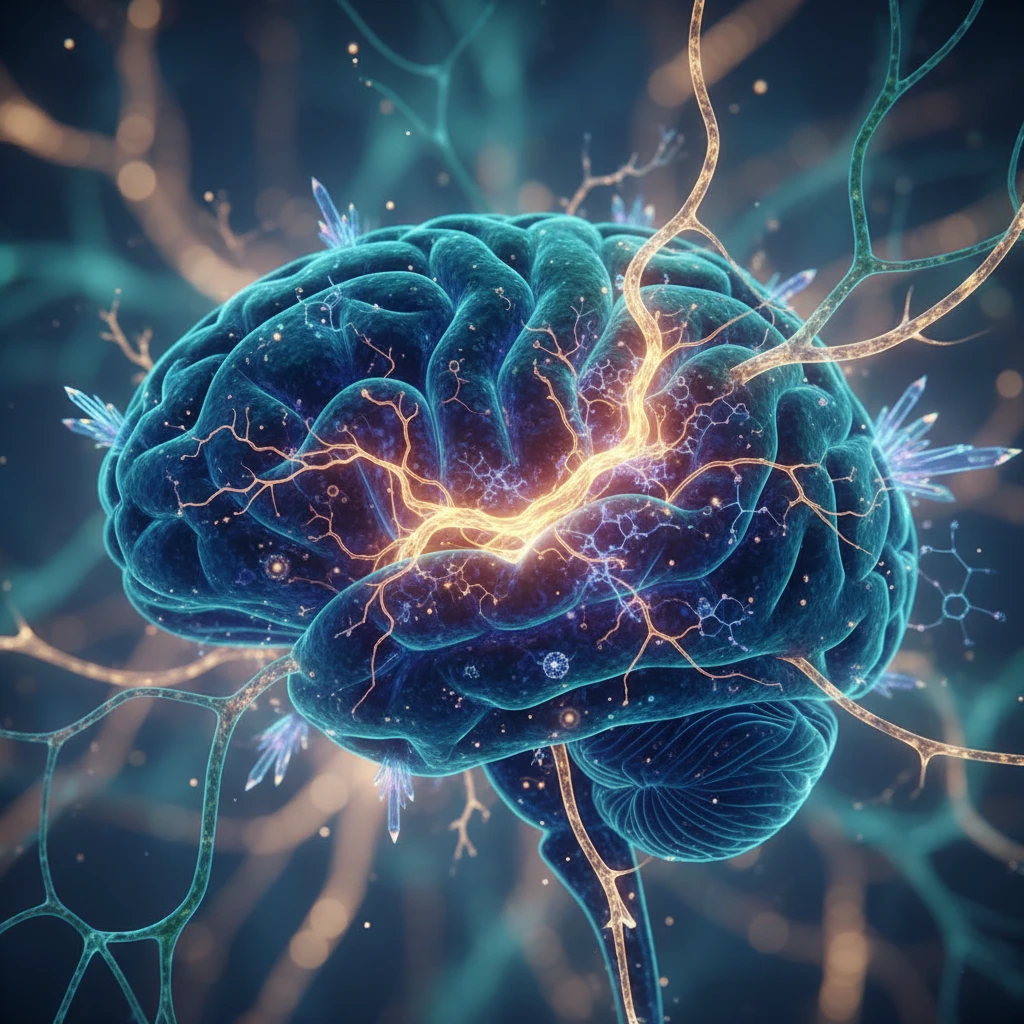
Beyond Addiction: Iboga’s Emerging Role in Chronic Pain Treatment
How Iboga’s action differs from traditional pain relievers.
Iboga’s approach to pain management stands in stark contrast to many traditional pain relievers. Unlike opioids, which primarily block pain signals at their source and can lead to tolerance and dependence, iboga and ibogaine appear to work by modulating the central nervous system’s perception and processing of pain. This involves influencing neurotransmitter systems and potentially rewiring neural pathways associated with chronic pain. Furthermore, iboga’s historical use suggests a more holistic action, potentially addressing the emotional and psychological components that often exacerbate physical pain. This fundamental difference in mechanism offers a promising alternative for individuals who find conventional therapies insufficient or problematic due to side effects and addiction risks. Exploring safe usage, especially with iboga powder, is crucial, as discussed in expert insights at mindhealingshop.ca.
Specific types of chronic pain research with Iboga.
Research into iboga for chronic pain is expanding beyond general analgesic effects to examine its efficacy for specific pain conditions. Studies are beginning to investigate its potential in managing neuropathic pain, a complex condition often resistant to conventional treatments, as well as inflammatory pain. Conditions like fibromyalgia, chronic low back pain, and pain associated with autoimmune disorders are also being explored as potential areas where iboga’s unique neurobiological actions could offer relief. The focus is shifting towards understanding which specific pain mechanisms ibogaine targets most effectively, paving the way for more tailored therapeutic applications. This targeted research is crucial for validating its use in specific patient populations.
Potential for reduced reliance on opioid analgesics.
A significant aspect of iboga’s emerging role in chronic pain treatment is its potential to reduce reliance on opioid analgesics. Given the ongoing opioid crisis, finding effective non-opioid pain management strategies is paramount. Ibogaine’s distinct mechanisms of action suggest it could offer an alternative for pain relief without the inherent risks of addiction and tolerance associated with opioids. By potentially addressing pain at a neurobiological level and offering sustained relief, ibogaine could empower individuals to transition away from opioid dependence, thereby mitigating the devastating consequences of opioid misuse. This potential to disrupt the cycle of opioid reliance is a critical driver for continued research and cautious exploration of iboga-based therapies for pain. Those interested in the broader applications of iboga in Canada can find valuable information on mindhealingshop.ca.
Navigating Iboga Access and Legality in Canada (2026)
Current legal status of Iboga and Ibogaine in Canada.
As of 2026, the legal landscape for iboga and ibogaine in Canada remains complex, primarily falling under the purview of Health Canada’s regulations concerning controlled substances. While not explicitly scheduled under the Controlled Drugs and Substances Act for therapeutic use, ibogaine is classified as a Schedule III substance. This classification means its possession, production, and distribution are subject to strict controls, often requiring special authorization for research or approved medical applications. For individuals seeking iboga for pain management, especially outside of clinical research settings, the pathways are limited. Understanding these regulations is paramount for anyone considering its use. The substance is not approved as a prescription medication, and its use outside of highly regulated circumstances carries significant legal risks. The evolving understanding of psychedelics, however, has led to increased discussions about potential reclassification and expanded therapeutic access, though concrete changes for widespread public use of iboga for pain management have not yet materialized at a federal level.
Special access programs and exemptions.
Health Canada’s Special Access Program (SAP) offers a potential, albeit narrow, avenue for patients to access unmarketed drugs, including those like ibogaine, for serious or life-threatening conditions when conventional treatments have failed. Eligibility for SAP is stringent and requires a physician to submit a detailed application, outlining the medical necessity and the lack of viable alternatives. This program is not designed for general pain management but rather for situations where a patient faces imminent harm. For iboga, particularly for chronic pain conditions that do not meet the SAP criteria, legal access is extremely restricted. Research trials examining iboga’s efficacy for various conditions, including pain and addiction, are the most likely place where individuals might encounter supervised ibogaine treatment under strict ethical and legal oversight. These trials often require specific participant qualifications and a commitment to rigorous monitoring, underscoring the need for professional guidance.
The role of licensed practitioners and clinics.
In Canada, the administration of substances like ibogaine for therapeutic purposes is strictly governed by the need for licensed medical professionals. While dedicated ibogaine clinics are not widespread due to regulatory hurdles, certain practitioners, often those with expertise in addiction medicine or psychedelic-assisted therapies, may be involved in research programs or operate under specific exemptions. These practitioners are crucial for ensuring safe administration, patient screening, and ongoing support. They possess the medical knowledge to assess contraindications, manage potential risks, and provide post-session integration. For individuals seeking to explore iboga for pain, consulting with a physician familiar with psychedelic therapies is a critical first step. They can guide patients toward legitimate research opportunities or discuss alternative, legally sanctioned treatment modalities. Attempting to source or administer iboga without qualified oversight is highly discouraged due to significant safety concerns and legal ramifications. Understanding the technical aspects of ibogaine is also vital for informed discussion with these professionals.
Responsible Iboga Use for Pain: Safety and Best Practices
Screening protocols for potential users.
Rigorous screening is the cornerstone of responsible iboga use, especially when considering its application for pain management. The primary objective is to identify any medical contraindications that could pose a significant risk to the individual’s health during or after the experience. This typically involves a comprehensive medical history, including cardiovascular assessments (ECG), liver function tests, and a thorough review of all current medications. Specific attention is paid to cardiac health, as ibogaine can affect heart rhythm. Psychological screening is also essential to assess for pre-existing psychiatric conditions that might be exacerbated by the intense nature of an iboga journey. Individuals with a history of psychosis, severe bipolar disorder, or uncontrolled hypertension are generally considered poor candidates. A detailed understanding of potential drug interactions is also critical. This thorough assessment ensures that only individuals who are medically and psychologically prepared can safely engage with iboga, minimizing the risk of adverse events and maximizing the potential for therapeutic benefit.
Dosage considerations and administration methods.
Determining the correct dosage and administration method for iboga in pain management is a delicate process heavily reliant on individual factors and professional guidance. Dosages are typically calculated based on a person’s weight and, importantly, their tolerance and specific condition. Lower doses, often referred to as “bridge doses,” may be used to manage withdrawal symptoms from other substances, while higher, full-immersion doses are generally associated with deeper psychological work and potential for profound shifts in pain perception. Administration methods vary, with ingesting iboga root bark or extract being common. However, the concentration of active alkaloids can differ significantly, making precise dosing challenging. For pain management, practitioners often opt for carefully controlled administration within a therapeutic setting. Understanding the nuances of different forms, such as ibogaine for wellness, is crucial for practitioners to tailor the experience effectively.
Managing potential side effects and contraindications.
While iboga can offer profound benefits, it is crucial to acknowledge and manage its potential side effects and contraindications. The most significant safety concerns revolve around the cardiovascular system, including potential for arrhythmias and QTc prolongation. Therefore, pre-existing heart conditions and the concurrent use of certain medications that affect cardiac function are absolute contraindications. Gastrointestinal distress, nausea, vomiting, and temporary ataxia (unsteadiness) are also common side effects that require careful monitoring. More rarely, severe psychological distress or hallucinations can occur, underscoring the necessity of a supportive and experienced facilitator. Individuals with certain liver or kidney conditions may also be at increased risk. A comprehensive understanding of these risks, coupled with diligent screening and continuous medical supervision by qualified professionals, is essential to mitigate them.
The importance of experienced guidance and integration.
Experienced guidance and thorough integration are not merely supplementary but absolutely critical components of any iboga experience, particularly when undertaken for pain management. The intensity of an iboga session can be overwhelming, and having a trained facilitator present ensures physical safety, provides emotional support, and helps navigate challenging psychological landscapes. This guidance extends beyond the session itself. The integration phase, which typically spans days and weeks following the experience, is where the insights gained are processed and translated into lasting changes. This often involves discussing the experience with therapists or integration specialists, engaging in mindfulness practices, and making lifestyle adjustments. Without this structured integration, the transformative potential of iboga can be lost, leaving individuals without the tools to manage their pain or the profound lessons learned. This process is integral to achieving sustained well-being, as explored in discussions on psychedelic therapy and Iboga’s transformative power.
Alternatives to Iboga for Pain Management in Canada
Medical cannabis and its applications.
Medical cannabis has become a widely accessible and legally recognized option for pain management across Canada, offering a diverse range of therapeutic applications. It functions through the body’s endocannabinoid system, interacting with receptors to modulate pain signals, reduce inflammation, and promote relaxation. Different strains and cannabinoid profiles, such as THC and CBD, can be tailored to address various types of pain, from neuropathic discomfort to chronic musculoskeletal aches. For instance, high-CBD strains are often preferred for their anti-inflammatory properties with minimal psychoactive effects, making them suitable for daytime use. Conversely, strains with a balanced THC:CBD ratio or higher THC content may be more effective for severe pain requiring stronger analgesic effects. Discussions with healthcare providers are encouraged to determine the most appropriate form (oils, capsules, dried flower) and dosage. While not typically producing the profound introspective experiences associated with iboga, medical cannabis offers a practical and legal adjunct to conventional pain management strategies for many Canadians.
Psychedelic-assisted therapy with other compounds (e.g., Psilocybin, Ketamine).
Beyond iboga, other psychedelic compounds are gaining traction in therapeutic circles for their potential in pain management, often within a structured psychotherapy framework. Psilocybin, found in magic mushrooms, is being investigated for its capacity to disrupt rigid thought patterns and emotional distress often associated with chronic pain conditions. Studies suggest it may help individuals reframe their relationship with their pain, leading to reduced suffering and improved quality of life. Ketamine, a dissociative anesthetic with antidepressant properties, is already being used therapeutically in Canada for conditions like depression and, in some cases, chronic pain syndromes, particularly those with a neuropathic component. Its mechanism involves modulating glutamate pathways and promoting neuroplasticity. Both psilocybin and ketamine offer different experiential profiles than iboga, often involving shorter durations and potentially less intense physical effects, though still requiring professional supervision. The growing body of research indicates a significant potential for these compounds in holistic pain treatment strategies, complementing traditional approaches.
Conventional treatments: pros, cons, and when to choose them.
Conventional medical treatments remain the bedrock for managing pain in Canada, offering a wide array of options with varying efficacy and risk profiles. These include pharmacologic interventions like non-steroidal anti-inflammatory drugs (NSAIDs), opioids, anticonvulsants, and antidepressants, as well as non-pharmacological approaches such as physical therapy, chiropractic care, acupuncture, and psychological interventions like Cognitive Behavioral Therapy (CBT). The primary advantage of conventional treatments is their well-established safety data and widespread availability. For acute pain, injuries, or post-operative recovery, they are often the first line of defense and highly effective. However, long-term use of some conventional medications, particularly opioids, carries significant risks of dependence, addiction, and adverse side effects. Physical therapy and CBT can be highly beneficial but require patient commitment and may not address all aspects of pain. When choosing a treatment, it is essential to weigh the specific type and severity of pain against the potential benefits and drawbacks of each modality. Consultation with a qualified physician is paramount to develop a personalized and safe pain management plan.
Preparing for an Iboga Experience: A Practical Guide
Setting intentions for pain relief.
The efficacy of an iboga experience for pain relief is significantly enhanced by the practice of setting clear and meaningful intentions. Before embarking on this journey, individuals are encouraged to reflect deeply on their relationship with pain and what they hope to achieve. This isn’t about demanding the complete eradication of pain, but rather about seeking understanding, acceptance, or a shift in perception. Intentions might focus on uncovering the root causes of chronic pain, emotional or psychological factors contributing to its persistence, or developing new coping mechanisms and resilience. For example, an intention could be: “I intend to gain insight into the emotional burdens that manifest as physical pain,” or “I wish to cultivate a deeper sense of peace and acceptance within my body, regardless of physical discomfort.” Documenting these intentions can serve as a focal point during the experience and a guide for post-session integration, transforming the journey from a passive event to an actively directed healing process. This focused approach aligns with understanding Iboga: Beyond Addiction, Towards Wellness.
Creating a safe and supportive environment.
The environment in which an iboga experience takes place is paramount to ensuring safety and facilitating profound healing, especially when pain is the primary concern. This involves both the physical setting and the emotional atmosphere. A dedicated, quiet, and comfortable space, free from external distractions and potential hazards, is essential. This space should be prepared in advance, ensuring adequate warmth, soft lighting, and access to essentials like water and blankets. Crucially, the presence of experienced and compassionate guides or facilitators is non-negotiable. These individuals provide a sense of security, monitor the participant’s well-being, and offer support throughout the intense journey. Having a trusted support system, whether professional or a carefully vetted loved one, fosters a feeling of safety that allows the individual to surrender to the experience and explore the depths of their healing. This careful preparation is vital for anyone considering safe iboga powder use.
The role of preparation and integration in treatment outcomes.
Preparation and integration are not just preliminary or post-session activities; they are integral components that fundamentally shape the success and sustainability of iboga-assisted pain management. Thorough preparation involves not only rigorous medical and psychological screening but also mental and emotional readiness. This includes understanding the potential challenges of the experience, clearing schedules for adequate recovery time, and establishing clear intentions. The integration phase, which follows the intense journey, is equally vital. It involves processing the insights and emotional releases experienced during the session with the support of trained professionals or a therapeutic community. This guided reflection helps individuals make sense of their experience, identify actionable steps for managing their pain differently, and embed new perspectives into their daily lives. Without dedicated integration, the profound insights from an iboga session may fade, limiting long-term benefits for pain relief and overall well-being.
What to expect during and after an Iboga session.
An iboga session is a deeply transformative, albeit challenging, experience that can last between 6 to 36 hours, depending on the dosage and individual response. During the session, individuals often report intense visions, deep introspection, reliving memories, and profound emotional releases. The physical experience can include significant nausea and vomiting, which are considered part of the purging process, alongside ataxia and heightened sensory awareness. For pain management, users may experience a significant shift in their perception of pain, a release of held emotional trauma, or profound insights into the origins of their suffering. Immediately after the session, a period of exhaustion is common, followed by a gradual return of energy. The days and weeks following are crucial for processing the experience. Many report lasting changes in their relationship with pain, reduced intensity, and an increased sense of agency over their well-being. It is important to allow ample time for rest and integration, as the body and mind continue to process the profound effects. Exploring resources like authentic iboga capsules can provide context on product forms, but the experience itself is heavily dependent on setting and guidance.
The Future of Psychedelics in Canadian Pain Care
Ongoing research and clinical trial horizons.
The landscape of pain management in Canada is on the cusp of significant evolution, with research into psychedelic substances, particularly ibogaine, gaining momentum. Current clinical trials are exploring the efficacy of these compounds in treating chronic pain conditions that have historically resisted conventional therapies. These studies aim to understand the precise mechanisms by which ibogaine and other psychedelics interact with pain pathways, offering potential neurobiological targets for therapeutic intervention. Key areas of focus include the drug’s impact on opioid receptor systems, neuroplasticity, and inflammatory markers, which are all implicated in chronic pain. As data from these trials becomes available, it will inform the development of more targeted and effective treatment protocols. The rigorous scientific inquiry is crucial for establishing a robust evidence base that can support future clinical applications, moving beyond anecdotal reports to verifiable outcomes. This ongoing investigation is essential for unlocking the full potential of psychedelics in a therapeutic context.
Furthermore, emerging research is delving into the psycho-spiritual dimensions of psychedelic-assisted therapy for pain. While initial investigations often concentrated on physiological effects, there’s a growing recognition of the role psychological and existential factors play in chronic pain experiences. Trials are now incorporating assessments of mood, anxiety, depression, and quality of life alongside pain intensity. This holistic approach acknowledges that pain is not merely a physical sensation but a complex interplay of mind and body. The insights gleaned from these comprehensive studies are vital for developing comprehensive treatment plans that address the multifaceted nature of chronic suffering. Understanding how psychedelics can facilitate psychological healing and personal growth is becoming as important as their direct impact on pain signals, promising a more complete and compassionate approach to care.
Potential for wider acceptance and integration into healthcare.
The increasing body of scientific evidence is gradually shifting perceptions around psychedelic substances, fostering a climate more conducive to their integration into mainstream Canadian healthcare. As more research confirms the safety and efficacy of compounds like ibogaine for conditions beyond addiction, such as chronic pain and treatment-resistant depression, regulatory bodies and medical professionals are beginning to take notice. Pilot programs and specialized clinics are emerging, offering controlled therapeutic experiences under professional supervision. This cautious but progressive approach is vital for building trust and demonstrating the value of these novel treatments. The potential for wider acceptance hinges on demonstrating clear benefits, manageable risks, and ethical implementation, paving the way for broader patient access and physician adoption within the existing healthcare framework.
Integrating psychedelic-assisted therapies into Canadian healthcare systems requires a thoughtful and phased approach. Initial steps involve establishing clear treatment guidelines, ensuring comprehensive training for therapists and medical practitioners, and developing robust patient screening and support protocols. The focus remains on patient safety and ethical practice, ensuring that these powerful modalities are used responsibly. As understanding grows, so too will the potential for these therapies to address unmet needs in pain management, mental health, and potentially other complex conditions. The development of specialized care pathways will be crucial for ensuring equitable access and effective delivery of these groundbreaking treatments across the nation, moving from experimental curiosity to established therapeutic options.
Challenges and opportunities for innovation in psychedelic medicine.
Despite the promising trajectory, the integration of psychedelics into Canadian pain care presents distinct challenges and significant opportunities for innovation. One primary hurdle is the current regulatory framework, which often classifies these substances as Schedule I drugs, limiting research and clinical use. Navigating these regulations requires dedicated advocacy and adherence to strict protocols, often necessitating special exemptions for research. Another challenge lies in the public perception, which can be influenced by historical stigma surrounding psychedelic use. Overcoming this requires consistent, evidence-based communication and education to foster a more informed understanding of their therapeutic potential. The development of specialized training programs for healthcare professionals is also a critical area, ensuring practitioners are equipped to administer these treatments safely and effectively, particularly in complex cases of chronic pain management, as discussed in resources like understanding ibogaine.
However, these challenges also fuel innovation. The need for safe and controlled administration is driving the development of novel delivery systems and therapeutic models. For instance, research into microdosing strategies, or the use of specific ibogaine derivatives with potentially fewer side effects, represents an area of active exploration aimed at optimizing therapeutic outcomes while minimizing risks. Furthermore, the potential for personalized treatment protocols, tailored to an individual’s specific pain profile and psychological needs, opens up new frontiers in precision medicine. The development of digital tools for patient monitoring, integration support, and therapeutic guidance also presents a significant opportunity to enhance scalability and accessibility. This drive for innovation is crucial for ensuring that psychedelic medicine can offer truly transformative solutions for individuals suffering from chronic pain and other complex health issues, building on the foundational knowledge of substances like ibogaine for wellness and recovery found in resources such as ibogaine wellness.













 English
 English (Canada)
 Français du Canada
 Español de México
 Türkçe
Pingback: 2C-B Pills Canada: Responsible Psychedelic Use - Mind Healing Shop