

Within this evolving landscape, iboga has emerged as a subject of significant interest. Its potential to address the root causes of addiction and facilitate profound transformation has captured the attention of both those seeking recovery and the practitioners dedicated to guiding them. Understanding the context of this interest requires looking at the broader trends in addiction treatment and why iboga is being considered as a valuable, albeit specialized, option.
The Growing Interest in Iboga for Addiction Recovery in Canada
The landscape of addiction treatment in Canada is dynamic, continually adapting to new research and evolving societal perspectives. In 2026, there’s a discernible movement towards more integrated and personalized care models. This includes a greater acceptance of evidence-based complementary therapies alongside traditional modalities like counseling and medication-assisted treatment. The focus has broadened beyond merely managing withdrawal symptoms to addressing the underlying trauma and neurochemical imbalances that often fuel addictive behaviors. Resources are increasingly being allocated towards exploring non-traditional avenues that promise deeper healing and sustainable recovery. This evolving approach is creating an environment where substances like iboga, when used responsibly and under expert guidance, are being reconsidered for their therapeutic potential.
Iboga is gaining traction as a complementary therapy due to its unique properties that appear to address addiction at a fundamental level. Unlike many treatments that focus solely on symptom management, ibogaine, the primary psychoactive alkaloid found in iboga, has demonstrated the capacity to interrupt the cycle of cravings and withdrawal by acting on neurotransmitter systems. This effect is often described as a “reset” for the brain’s reward pathways, which have been fundamentally altered by chronic substance abuse. Furthermore, the introspective and often profound visionary experiences that can accompany ibogaine therapy provide individuals with a unique opportunity for self-exploration and emotional processing, which are crucial for long-term recovery. Experts in the field are increasingly highlighting the potential of iboga for addiction when incorporated into a comprehensive recovery plan.
What is Iboga and Ibogaine?
The Root of the Matter: Iboga Plant Origins and Traditional Use
The iboga plant (Tabernanthe iboga) is indigenous to Central Africa, particularly the Congo Basin, where it has been used for centuries by indigenous peoples for medicinal, spiritual, and ritualistic purposes. Its roots contain a complex array of alkaloids, with ibogaine being the most prominent. Traditionally, iboga has been employed in Bwiti ceremonies, a spiritual practice central to the societal and religious life of the Fang, Mitsogo, and other ethnic groups. These ceremonies often involve the consumption of iboga root bark to induce visionary states, facilitate communion with ancestors, and promote healing from physical and spiritual ailments. The traditional use underscores a holistic understanding of health, where the physical, mental, and spiritual realms are interconnected and addressed simultaneously. This historical context is vital for understanding the plant’s profound psychoactive and therapeutic potential.
Iboga vs. Ibogaine: Clarifying the Terms and Compounds
It is crucial to distinguish between “iboga” and “ibogaine.” Iboga refers to the entire plant, Tabernanthe iboga, and its root bark, which contains numerous alkaloids. Ibogaine is the primary psychoactive alkaloid within the iboga plant, responsible for its most potent effects. While iboga root contains a mixture of alkaloids, including ibogaine, tabernanthine, and coronaridine, purified ibogaine is often used in therapeutic settings. Understanding this distinction is important when discussing its applications, as the effects and potency can vary depending on whether whole root bark or isolated ibogaine is used. For those exploring wellness applications, resources on ibogaine wellness provide deeper technical details on its mechanisms.
How Ibogaine Facilitates Addiction Detoxification
Neurobiological Mechanisms: Rewiring the Brain’s Reward Pathways
Ibogaine’s remarkable efficacy in addiction treatment is largely attributed to its complex neurobiological actions, particularly its effect on the brain’s reward circuitry. It acts as a partial agonist at nicotinic acetylcholine receptors and a potent antagonist at NMDA receptors, which are implicated in drug tolerance and withdrawal. Furthermore, ibogaine influences dopaminergic and serotonergic systems, potentially helping to restore neurochemical balance disrupted by chronic substance abuse. One of its key proposed mechanisms is the promotion of neuroplasticity, encouraging the brain to develop new neural pathways and **”rewire” the deeply ingrained patterns associated with addiction**. This neurochemical reset is believed to significantly reduce cravings and alleviate withdrawal symptoms, offering a more profound and lasting impact than traditional detoxification methods. This intricate process is a key area of interest for researchers and practitioners.
The Experience: What to Expect During an Ibogaine Treatment Session
Undergoing ibogaine treatment is a profound and often intense experience, typically lasting between 6 to 24 hours. It begins with a detailed pre-treatment assessment and preparation. Once administered, usually in capsule form, the effects emerge gradually, leading to a dissociative state characterized by vivid visions, introspection, and emotional release. Individuals often report experiencing a **deep exploration of their past, confronting the root causes of their addiction**, and gaining profound insights into their behavior patterns. The session is usually conducted in a safe, supportive environment with trained facilitators present to guide the individual through the experience. This period of intense introspection allows for a cathartic processing of underlying issues that contribute to addictive cycles. For those considering specific preparations, understanding iboga capsules usage is essential.
Addressing Withdrawal Symptoms: A Deeper Dive into its Efficacy
One of the most compelling aspects of ibogaine therapy is its ability to significantly mitigate or even eliminate the often-debilitating withdrawal symptoms associated with various substances, including opioids, alcohol, and stimulants. Unlike traditional detox methods that can involve prolonged periods of physical discomfort and cravings, ibogaine appears to interrupt the withdrawal cascade by interacting with opioid receptors and other neurotransmitter systems. Users often report a profound reduction in physical pain, nausea, anxiety, and intense cravings, sometimes within hours of administration. This unique ability to provide a relatively **smooth and rapid transition away from physical dependence** makes ibogaine a highly sought-after option for individuals struggling with severe addictions. The precise iboga dosage for addiction is a critical factor in its effectiveness.
Navigating Iboga-Assisted Therapy in Canada
Legal Considerations for Ibogaine in Canada (as of 2026)
Navigating the legal landscape of ibogaine in Canada requires careful attention, as its regulatory status is complex and evolving. While not explicitly scheduled as a controlled substance in the same way as many illicit drugs, ibogaine is generally not approved for medical use by Health Canada. Possession and distribution can fall under existing drug control legislation depending on the form and quantity. However, there are nuances; for instance, it is not illegal to possess for personal use, but selling or importing it may lead to charges. Furthermore, the use of ibogaine for therapeutic purposes often occurs in private settings or specialized clinics, operating in a gray area. For up-to-date information, consulting resources on iboga & ibogaine laws in Canada is crucial.
Finding Reputable Ibogaine Treatment Centers and Practitioners
Identifying safe and reputable ibogaine treatment providers is paramount for anyone considering this therapy in Canada. The unregulated nature of some aspects of ibogaine treatment means that thorough due diligence is essential. Reputable centers typically employ experienced medical professionals and therapists, adhere to strict safety protocols, and offer comprehensive pre- and post-treatment support. Look for providers who are transparent about their methods, have clear screening processes, and can provide testimonials or references from past clients. **Prioritizing client safety, ethical practices, and evidence-informed protocols** should be the primary criteria when making a selection. Consulting with harm reduction organizations or experienced practitioners in the psychedelic-assisted therapy community can also provide valuable referrals.
Pre-Treatment Screening: Essential Health and Psychological Assessments
Before undergoing ibogaine-assisted therapy, a comprehensive pre-treatment screening process is absolutely critical. This involves detailed medical history reviews, physical examinations, and laboratory tests to assess cardiovascular health, liver function, and kidney function, as the alkaloids can place a significant strain on the body. **Particular attention is paid to cardiac health** due to the potential for QT interval prolongation. Psychological assessments are also vital to identify any contraindications, such as severe psychotic disorders, and to understand the individual’s readiness for the intense introspective experience. This thorough screening ensures that treatment is administered safely and effectively, minimizing risks and maximizing the potential for positive outcomes. For a broader perspective on alternative healing, exploring iboga alternatives for mental wellness can be beneficial.
Potential Benefits Beyond Opioid Addiction
While ibogaine’s most recognized application is in treating opioid dependence, its potential extends to a broader spectrum of addiction and mental wellness challenges. Understanding these diverse applications is crucial for individuals seeking comprehensive healing. Beyond the profound impact on opioid withdrawal, research and anecdotal evidence suggest ibogaine’s efficacy in addressing other substance use disorders, as well as its role in fostering personal growth and addressing underlying psychological issues. This multifaceted potential positions ibogaine as a powerful tool within a holistic recovery framework, offering hope where traditional methods may have fallen short. Its capacity to interrupt ingrained patterns of compulsive behavior and promote introspection makes it a compelling option for those navigating complex recovery journeys. As the understanding of ibogaine evolves, so too does its application, moving beyond single-issue treatment to encompass a wider range of human distress and aspiration for well-being.
Alcohol Dependence and Ibogaine’s Impact
Alcohol dependence is a pervasive issue with significant societal and personal costs. Ibogaine has shown promise in disrupting the cycle of compulsive drinking. Unlike some other treatments that focus on symptom management, ibogaine’s unique mechanism is believed to facilitate a profound reset of brain chemistry and reward pathways that are dysregulated by chronic alcohol abuse. This can lead to a significant reduction in cravings and a diminished desire for alcohol. Many individuals report a feeling of being “freed” from the compulsion, allowing them to approach sobriety with a renewed sense of agency. The experience can also bring buried emotional issues to the surface, providing an opportunity for deep emotional processing and healing related to the root causes of their drinking. This introspective aspect is key to preventing relapse and fostering long-term sobriety. Exploring the nuances of this treatment requires careful consideration of both potential benefits and necessary precautions, especially when considering forms like ibogaine for wellness, which may utilize different protocols.
Stimulant and Other Substance Use Disorders: Emerging Research
Beyond opioids and alcohol, early research and numerous personal accounts indicate ibogaine’s potential in treating addictions to stimulants such as cocaine and methamphetamine, as well as other substances like nicotine and cannabis. Stimulant addiction is characterized by intense cravings and severe withdrawal symptoms, which can be incredibly difficult to overcome. Ibogaine’s ability to interrupt neurochemical imbalances associated with these substances is thought to be a primary driver of its effectiveness. Furthermore, its psychotropic effects can offer individuals a unique opportunity to confront the underlying psychological and environmental factors that contribute to their addiction. This introspective journey can lead to a profound shift in perspective, enabling them to develop healthier coping mechanisms and life strategies. While more extensive clinical trials are needed, the preliminary findings and the experiences of those who have undergone treatment are highly encouraging, pointing towards ibogaine as a valuable tool in addressing a wider range of addictive behaviors. Understanding the proper use of related compounds, such as iboga capsules, is vital when considering such treatments.
Holistic Wellness: Ibogaine for Mental Health and Personal Growth
The scope of ibogaine’s impact extends far beyond addiction, touching upon broader aspects of mental health and personal development. Many individuals turn to ibogaine seeking not just to break free from dependencies, but to achieve a deeper sense of self-awareness, emotional balance, and spiritual connection. Its profound introspective nature can facilitate the processing of past traumas, alleviate symptoms of depression and anxiety, and foster a sense of clarity and purpose. This makes it a powerful catalyst for personal growth, enabling individuals to confront and integrate challenging life experiences, leading to significant emotional healing and a more integrated sense of self. This application aligns with the growing interest in alternatives for mental wellness that offer deeper, more transformative experiences. The journey with ibogaine can unlock hidden potential and inspire profound shifts in perspective, leading to a more fulfilling and authentic life.
Safety Protocols and Risk Mitigation for Ibogaine Treatment
The administration of ibogaine, while potentially transformative, carries inherent risks that necessitate rigorous safety protocols and meticulous risk mitigation strategies. Due to its potent psychoactive and physiological effects, ibogaine treatment must be conducted in a controlled environment by experienced professionals. Comprehensive pre-treatment screening is paramount to identify any contraindications, particularly cardiovascular issues and psychiatric conditions that could be exacerbated by the substance. Understanding the legal landscape is also crucial; in Canada, regulations surrounding ibogaine use are complex, and adherence to iboga and ibogaine laws is essential for safe and legal access. Post-treatment care and integration are equally vital components of a safe and effective protocol, ensuring that the benefits of the experience are sustained and any potential challenges are addressed promptly.
Cardiovascular Health: Crucial Monitoring and Contraindications
Cardiovascular health is perhaps the most critical area for monitoring during ibogaine treatment. Ibogaine can affect heart rate, blood pressure, and, in rare cases, lead to potentially dangerous arrhythmias, such as QT interval prolongation. Therefore, a thorough cardiovascular assessment, including an electrocardiogram (ECG), is non-negotiable before treatment. Individuals with pre-existing heart conditions, such as heart disease, high blood pressure, or a history of stroke, are typically considered contraindicated for ibogaine therapy. Continuous cardiac monitoring throughout the experience is standard practice in reputable treatment settings, allowing medical staff to detect and respond to any abnormalities immediately. This vigilance ensures that the intense physiological effects of ibogaine are managed safely, prioritizing the participant’s well-being above all else. Without such careful screening and monitoring, the risks associated with ibogaine use can be significantly amplified.
Psychological Support: The Importance of Integration and Aftercare
The ibogaine experience, while often profoundly insightful, can also be emotionally intense and disorienting. Therefore, robust psychological support, both during and after the treatment, is essential for successful integration and long-term recovery. This support begins with preparing the individual for the potential psychological challenges they may encounter, such as confronting difficult memories or emotions. Following the primary experience, integration therapy plays a crucial role. This involves helping the individual process the insights gained, make sense of their journey, and translate these understandings into actionable changes in their daily life. Without adequate aftercare, the profound shifts experienced during ibogaine sessions may not translate into sustainable recovery, and individuals may be left to navigate complex emotional landscapes without sufficient guidance. Comprehensive integration support can significantly enhance the lasting benefits of ibogaine therapy, preventing a return to old patterns.
Potential Side Effects and How They Are Managed
While ibogaine can be a powerful therapeutic agent, it is associated with a range of potential side effects, which can vary in intensity. Common side effects include nausea, vomiting, dizziness, and tremors. More significant, though less common, effects can include ataxia (loss of coordination), perceptual distortions, and temporary psychological distress. In a controlled therapeutic setting, these side effects are carefully managed. For instance, antiemetics can be administered to alleviate nausea and vomiting. Sedation might be used to manage anxiety or agitation. The most serious potential side effect, cardiac arrhythmia, is addressed through continuous ECG monitoring and immediate medical intervention if necessary. It’s crucial to remember that these side effects are typically transient and manageable when the treatment is administered by trained professionals in a safe environment, significantly reducing the risks compared to unsupervised use. This structured approach is vital, especially when considering various forms of iboga products, such as iboga powder, which require expert guidance.
Preparing for Your Ibogaine Experience: A Practical Guide
Embarking on an ibogaine experience requires meticulous preparation to maximize its therapeutic potential and ensure safety. This preparation extends beyond mere logistical arrangements; it involves a deep dive into physical, mental, and emotional readiness. Understanding the practical steps involved can empower individuals to approach the journey with confidence and intention, laying the groundwork for a profound and transformative healing process. This includes making necessary adjustments to diet and lifestyle, engaging in mental preparation to set clear intentions, and cultivating trust in the chosen environment and facilitators. A well-prepared individual is more likely to navigate the intensity of the experience effectively and integrate its insights into their ongoing recovery and personal growth, drawing parallels to how other profound wellness practices require dedicated preparation.
Dietary and Lifestyle Adjustments Pre-Treatment
Before undergoing an ibogaine experience, significant dietary and lifestyle adjustments are crucial for optimizing safety and efficacy. A period of dietary cleansing, often starting several days or even weeks prior, is recommended. This typically involves avoiding processed foods, red meat, excessive sugar, caffeine, and alcohol, and focusing on whole, unprocessed foods, fruits, and vegetables. This allows the body to detoxify and minimizes the strain on the liver, which is involved in metabolizing ibogaine. Additionally, discontinuing certain medications, especially those that affect serotonin levels or heart rhythm, is essential and must be done under strict medical supervision. Lifestyle adjustments may include ensuring adequate rest, engaging in gentle exercise, and minimizing stress. These preparatory steps help to create a receptive physiological and psychological state, making the individual more resilient and open to the therapeutic process. Adherence to these guidelines is a cornerstone of responsible preparation, similar to preparing for other powerful natural medicines like magic mushrooms.
Mental Preparation and Setting Intentions
The psychological groundwork for an ibogaine experience is as critical as the physical preparation. Engaging in honest self-reflection to identify specific intentions for the journey is a vital step. What do you hope to achieve? What patterns do you wish to break? What insights are you seeking? Clearly articulating these intentions can help guide the experience and facilitate integration afterward. Many find it beneficial to engage in journaling, meditation, or therapy sessions leading up to the treatment to address any underlying anxieties or unresolved issues. Cultivating a mindset of openness, curiosity, and acceptance is also paramount. It’s important to acknowledge that the experience can be challenging and unpredictable, and approaching it with a willingness to surrender to the process, rather than trying to control it, often leads to the most profound outcomes. This conscious intention-setting primes the mind for deep introspection and healing.
The Role of Trust and Environment in a Successful Journey
The therapeutic setting and the relationships built within it play an indispensable role in the success and safety of an ibogaine experience. Trust in the facilitators, medical staff, and the overall environment is paramount. Participants must feel safe, supported, and understood to fully surrender to the process and engage with the challenging aspects that may arise. A professional, calm, and non-judgmental atmosphere helps to reduce anxiety and allows the individual to focus on their internal journey. This often involves a dedicated, comfortable space where medical monitoring can be discreet yet effective. Understanding the expertise of the practitioners and the comprehensive safety protocols in place builds confidence. Conversely, a lack of trust or an unsettling environment can hinder the healing process and even exacerbate negative experiences. Therefore, thorough research into treatment centers and their staff is a crucial part of preparation, ensuring a foundation of security for this potent journey.
Integrating Ibogaine Therapy into a Comprehensive Wellness Plan
Ibogaine therapy is not a standalone cure but rather a powerful catalyst that, when integrated into a broader wellness strategy, can lead to sustainable recovery and enhanced well-being. The insights and shifts gained during an ibogaine session are most impactful when they are supported and reinforced through ongoing therapeutic engagement and lifestyle changes. This holistic approach acknowledges that addiction and mental health challenges are complex and require a multi-faceted strategy for lasting resolution. By combining the unique benefits of ibogaine with other therapeutic modalities and a commitment to self-care, individuals can build a robust foundation for long-term health and personal growth. The goal is to move beyond simply overcoming a specific ailment to cultivating a life of balance, resilience, and fulfillment, a process that requires ongoing dedication and support.
Post-Treatment Support: Building a Sustainable Recovery
The period immediately following an ibogaine session is a critical window for establishing a sustainable recovery path. While the intense withdrawal symptoms and cravings may be significantly reduced, the psychological and emotional integration process is ongoing. Comprehensive post-treatment support is vital, typically involving regular therapy sessions with experienced practitioners who can help individuals process the insights gained during their ibogaine experience. This might include modalities like Cognitive Behavioral Therapy (CBT), Dialectical Behavior Therapy (DBT), or trauma-informed therapies to address underlying issues. Building a strong support network, whether through peer support groups or community engagement, is also essential for maintaining motivation and accountability. Lifestyle adjustments, such as establishing healthy routines, engaging in mindfulness practices, and pursuing meaningful activities, further solidify the gains made, creating a resilient framework for long-term well-being and preventing relapse, much like the ongoing care recommended for other intensive wellness programs. Exploring resources for responsible sourcing of psychedelics can be part of this informed approach.
Combining Ibogaine with Other Therapeutic Modalities
The effectiveness of ibogaine therapy can be significantly amplified when combined with other evidence-based therapeutic approaches. While ibogaine can offer a profound reset, addressing the root causes of addiction and mental health issues often requires diverse strategies. For instance, combining ibogaine with trauma-informed therapy can help individuals process deeply ingrained emotional wounds that may have contributed to their struggles. Similarly, integrating ibogaine with mindfulness-based practices or somatic therapies can enhance body awareness and emotional regulation. For those with co-occurring mental health conditions, a tailored approach that includes pharmacological treatment for conditions like depression or anxiety, alongside ibogaine, under careful medical supervision, can be highly beneficial. This synergistic approach ensures that all facets of an individual’s well-being are addressed, creating a more comprehensive and resilient path to healing and growth. The potential for synergistic effects is a key consideration in advanced psychedelic healing protocols.
Maintaining Long-Term Mental and Emotional Well-being
Achieving and maintaining long-term mental and emotional well-being after ibogaine therapy is an ongoing process that requires continued commitment and proactive self-care. It involves translating the profound insights gained during the experience into consistent daily practices. This includes cultivating self-awareness through regular introspection, journaling, or meditation. Nurturing a healthy lifestyle encompassing balanced nutrition, regular physical activity, and adequate sleep is fundamental. Building and maintaining strong social connections and seeking support when needed are also crucial. Furthermore, engaging in activities that bring joy and purpose, practicing gratitude, and setting realistic goals can foster a sense of ongoing growth and resilience. The journey of mental and emotional well-being is continuous, and ibogaine can serve as a powerful springboard for embarking on a path of sustained personal development and a more fulfilling life.
Understanding the Investment: Costs and Accessibility in Canada
Embarking on an ibogaine-assisted recovery journey in Canada involves significant financial consideration. The investment in ibogaine treatment can vary widely, reflecting the complexity of the therapy, the calibre of the facility, and the duration of the program. While precise figures are elusive due to the personalized nature of treatment and evolving regulations, potential clients should anticipate costs encompassing medical assessments, the ibogaine administration itself, and post-treatment support. Understanding these components is crucial for responsible planning. For those exploring treatment options, researching clinics that offer comprehensive care packages is advisable, as these often provide better value and a more integrated healing experience. Delving into specific clinic offerings will illuminate the differences in services and pricing structures, aiding informed decision-making regarding this intensive therapeutic intervention.
Factors Influencing Ibogaine Treatment Costs
Several key elements contribute to the overall cost of ibogaine treatment in Canada. The level of medical supervision is paramount; programs with round-the-clock medical teams, including physicians and nurses experienced in psychedelic-assisted therapy, will naturally command higher fees. The duration of the treatment stay also plays a significant role, with longer stays allowing for more comprehensive integration and support. Luxury accommodations and amenities at a clinic can add to the expense, though they may enhance the comfort of the recovery environment. Furthermore, the specific protocols used, such as the dosage and preparation of ibogaine, alongside any pre- or post-treatment therapies like psychotherapy or nutritional support, all factor into the final price. Understanding these variables empowers individuals to budget effectively and choose a program that aligns with both their financial means and recovery needs.
Exploring Options for Access and Affordability
Accessing ibogaine treatment in Canada can present financial challenges, but various avenues can help mitigate these costs. Some individuals explore private financing options or payment plans offered by treatment centers, spreading the expense over time. While not a direct subsidy, inquiring about potential coverage through private insurance for substance use disorder treatment, even if unconventional, is a step some have taken, though success is rare. Another avenue involves researching clinics that offer tiered pricing based on accommodation or support levels, providing a range of options. For those seeking ibogaine for wellness purposes, exploring ethically sourced products for at-home use, such as ibogaine wellness products, may be a more accessible route for personal exploration, though this necessitates extreme caution and thorough research into safe usage protocols, as discussed in our technical deep dive.
The Value of Long-Term Recovery
While the upfront cost of ibogaine treatment can be substantial, its true value lies in its potential for facilitating lasting recovery from addiction. The profound impact of ibogaine can disrupt addictive cycles, offering individuals a crucial opportunity to break free from dependence. When successful, this translates into significant long-term savings by eliminating the expenses associated with ongoing substance abuse, such as purchasing drugs, legal troubles, and lost earning potential. Moreover, the immeasurable value of regaining one’s health, relationships, and life purpose far surpasses the financial outlay. Investing in effective treatment now can prevent far greater personal and economic costs down the line, making it a worthwhile consideration for those seeking a permanent solution to addiction.
The Future of Psychedelic-Assisted Recovery in Canadian Healthcare
The landscape of mental health and addiction treatment in Canada is undergoing a significant transformation, with psychedelic-assisted recovery emerging as a promising frontier. As research advances and therapeutic models evolve, there is a growing recognition of the potential for substances like ibogaine to offer profound healing for a range of conditions, from severe addiction to treatment-resistant depression. The integration of these therapies into mainstream healthcare is still in its nascent stages, marked by ongoing scientific inquiry, regulatory discussions, and the development of specialized treatment protocols. Canadian health authorities and researchers are increasingly engaging with the evidence, exploring how to safely and effectively incorporate these powerful tools into patient care strategies. This evolving environment suggests a future where a broader spectrum of evidence-based treatments may become accessible.
Evolving Research and Clinical Trials
The scientific community is actively engaged in rigorous research to understand the full therapeutic potential and safety profile of ibogaine and other psychedelics. Canadian institutions and researchers are contributing to this growing body of knowledge through various clinical trials and studies. These investigations aim to establish standardized dosing, optimal therapeutic settings, and long-term efficacy across different patient populations. Findings from these trials are crucial for informing medical professionals, guiding regulatory bodies, and ultimately paving the way for wider clinical acceptance. The meticulous data gathered from these studies provides the evidence base needed to develop safe and effective protocols for psychedelic-assisted interventions, addressing concerns and building confidence in their therapeutic application.
The Role of E-commerce in Accessing Iboga and Related Products
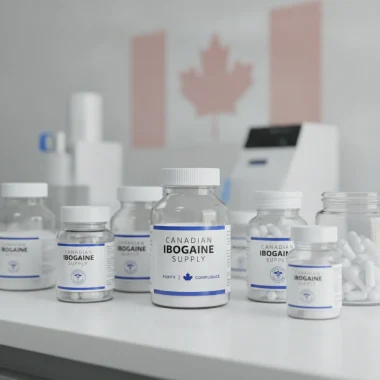
In the current Canadian context, the availability of iboga and related products for wellness or personal exploration often involves sourcing through specialized e-commerce platforms. These online retailers offer a discreet and convenient way for individuals to acquire certain iboga preparations, such as iboga capsules for sale or raw iboga powder for sale. These platforms are increasingly becoming a go-to resource for those seeking to explore the non-clinical applications of these substances, often guided by information provided on the sites themselves. While offering accessibility, it is imperative for consumers to prioritize reputable vendors who provide detailed product information, sourcing transparency, and responsible usage guidance. Ensuring the quality and legitimacy of products obtained through these channels is paramount for a safe and beneficial experience.
Patient Testimonials and Emerging Success Stories
Beyond scientific data, the growing number of patient testimonials and emerging success stories offers compelling qualitative evidence of ibogaine’s transformative power. Individuals who have undergone ibogaine-assisted therapy frequently report profound shifts in their perspective on addiction, a significant reduction in cravings, and a renewed sense of hope and purpose. These narratives, often shared through interviews, online forums, and personal accounts, highlight the deeply personal and often miraculous nature of the healing process. While not a substitute for clinical research, these firsthand experiences provide invaluable insights into the lived realities of recovery and underscore the potential of ibogaine to facilitate profound personal change when utilized within appropriate therapeutic frameworks. Such stories contribute to a broader understanding of the impact of this unique treatment.
Navigating the complexities of addiction recovery and mental wellness in Canada presents a multifaceted journey. From understanding treatment costs to exploring future healthcare possibilities and the role of specialized product sourcing, informed choices are essential. The evolving dialogue around psychedelic-assisted therapies, including the potential of ibogaine, offers new hope and avenues for healing.
For individuals seeking to explore ibogaine-related wellness products or learn more about responsible sourcing within Canada, resources like mindhealingshop.ca can provide valuable information and access to a range of offerings, supporting a comprehensive approach to mental and emotional well-being.











 English
 English (Canada)
 Français du Canada
 Español de México
 Türkçe