
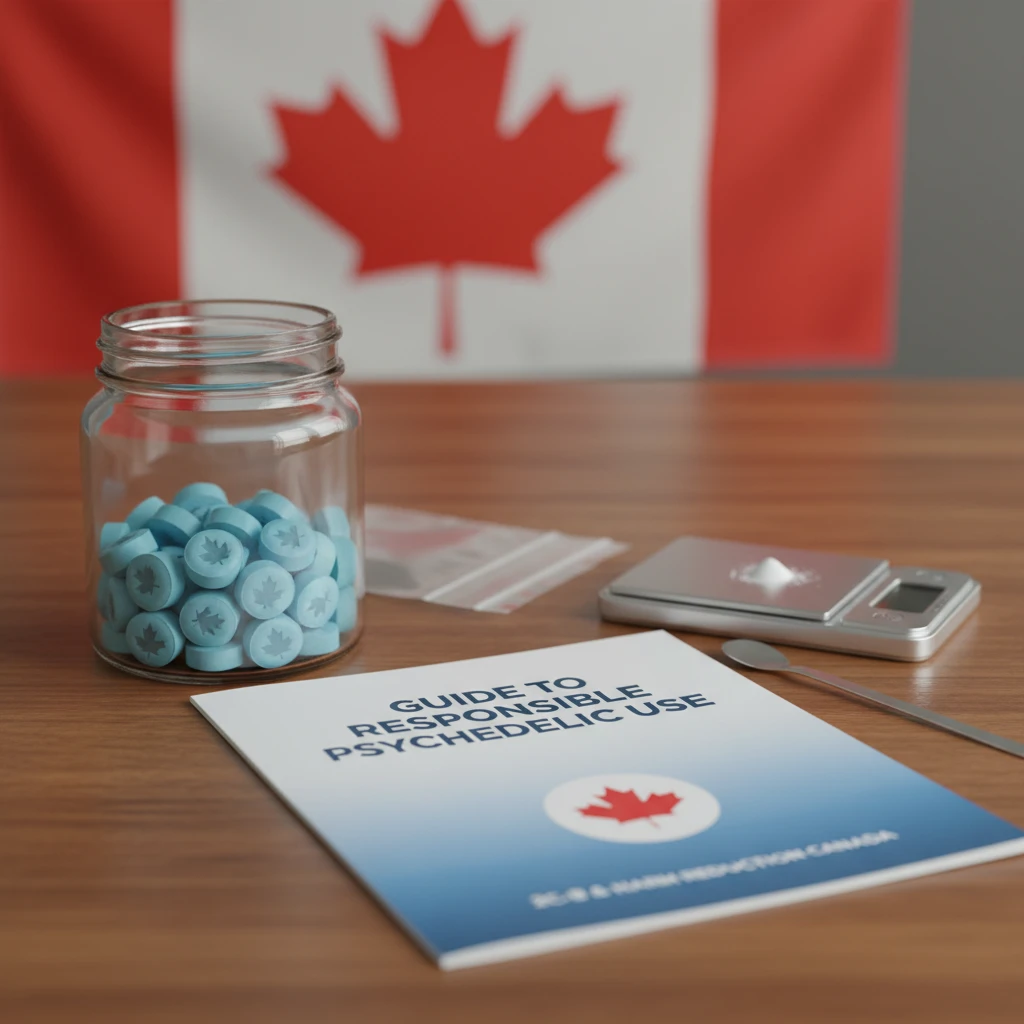
In Canada’s evolving landscape of mental wellness and therapeutic exploration, understanding novel substances like 2C-B pills requires a grounded approach. As individuals seek alternative avenues for personal growth and potential relief from various conditions, a commitment to informed and responsible engagement with these compounds is paramount. This guide aims to provide clear, actionable insights for those considering 2C-B within a Canadian context.
This exploration delves into the nuances of 2C-B, its classification, legal standing, responsible sourcing, and essential preparation for any potential experience. Prioritizing safety, knowledge, and ethical consumption, we navigate the complexities to empower users with the information necessary for mindful decision-making in 2026.
Navigating the Psychedelic Landscape in Canada: Understanding 2C-B Pills
What is 2C-B and its Growing Presence in Canada
2C-B, chemically known as 4-bromo-2,5-dimethoxyphenethylamine, is a synthetic psychedelic phenethylamine. First synthesized by Alexander Shulgin in 1974, it gained some popularity in the late 20th century for its distinct psychoactive properties. In Canada, its presence has grown, particularly in recreational circles and increasingly within discussions around potential therapeutic applications, though clinical research is still nascent. Users often describe its effects as a unique blend, offering visual enhancements and altered sensory perception without the profound introspective journeys typically associated with psilocybin or LSD, nor the strong dissociative qualities of ketamine. It is commonly found in pill or powder form, with pills being a popular and often precisely dosed option for many consumers.

The appeal of 2C-B pills in Canada stems from several factors. For some, it offers a more manageable psychedelic experience, characterized by euphoria, enhanced tactile sensations, and vivid, often colourful, visual effects. Unlike some other psychedelics, the introspective depth can be less pronounced, making it attractive to those seeking a less challenging, more externally focused experience. Its shorter duration compared to LSD, typically lasting 4-8 hours, also makes it a practical choice for those with limited time commitments. The growing interest reflects a broader societal curiosity towards psychedelics for both recreational enjoyment and potential mental health benefits, with 2C-B carving out its own niche within this expanding field.
Distinguishing 2C-B from Other Psychedelics
Understanding 2C-B’s unique profile is crucial for responsible use. Unlike psilocybin (found in magic mushrooms) or LSD, 2C-B often provides a more sensory-focused experience rather than an intensely introspective or ego-dissolving one. While psilocybin can lead to deep philosophical insights and profound emotional processing, and LSD can offer complex thought patterns and spiritual experiences, 2C-B is frequently reported to amplify external stimuli. Visuals are often a primary effect, described as colourful, geometric, and dynamic, while auditory perception may also be heightened. Euphoria and increased empathy are common, fostering a sense of connection with others and the environment.
The duration and intensity also set 2C-B apart. A typical dose of 2C-B pills usually results in effects lasting between 4 to 8 hours, considerably shorter than LSD’s 8-12 hour duration or psilocybin’s 4-6 hour peak with a longer tail. This shorter timeframe can be a significant factor for individuals planning their experience. Furthermore, the body load, or physical sensations, associated with 2C-B can be less intense or unsettling compared to some other compounds, though nausea can still occur. While all psychedelics carry risks and require careful consideration, 2C-B’s specific combination of effects makes it a distinct choice for exploration, often appealing to those who are new to psychedelics or prefer a less overwhelmingly introspective journey. For those interested in the therapeutic potential of substances beyond traditional psychedelics, exploring options like psychedelics for pain, including Iboga’s role, offers another dimension to consider.
The Legal Status of 2C-B in Canada Today (2026)
Understanding Controlled Substances Legislation
As of 2026, 2C-B remains classified as a controlled substance under Canada’s Controlled Drugs and Substances Act. This means that its possession, production, distribution, and sale are illegal without proper authorization. While there have been ongoing discussions and evolving perspectives on psychedelics in Canada, particularly concerning therapeutic access and decriminalization efforts in some municipalities, these changes have not yet translated into a broad legalization of substances like 2C-B for general public use. The focus of legislative change has largely been on substances with more established, albeit still emerging, therapeutic pathways, such as psilocybin in specific clinical trial contexts, or research into the potential of compounds like Ibogaine for addiction treatment. Therefore, individuals in Canada must be aware that purchasing, possessing, or using 2C-B outside of a strictly regulated research or medical context carries legal risks.
The classification of 2C-B under Schedule III of the Controlled Drugs and Substances Act places it alongside other substances deemed to have potential for abuse and harm, necessitating stringent control. This legal framework is designed to protect public health and safety by limiting access to potentially dangerous substances. While some countries are experimenting with different approaches to drug policy, Canada’s current federal legislation maintains a prohibitionist stance on 2C-B. This underscores the importance of understanding the legal ramifications before considering any engagement with the substance. For those seeking alternative wellness solutions, understanding the legal and therapeutic landscape for substances like Iboga is also crucial, as seen in discussions around ibogaine wellness and its potential to deepen mental clarity.
Navigating the Grey Areas and Risks
The growing online availability of 2C-B pills in Canada, often marketed discreetly, creates a significant grey area for consumers. While these platforms may claim to offer discreet shipping and emphasize product quality, they operate outside of regulated channels, introducing substantial risks. The primary danger lies in unknown product purity and dosage accuracy. Pills can be misrepresented, contain dangerous adulterants, or have wildly inaccurate milligram (mg) amounts of 2C-B, leading to unpredictable and potentially harmful experiences. Unlike pharmaceuticals dispensed by a pharmacist, there is no guarantee of quality control or consistency. This lack of oversight means users are essentially taking a gamble with their health.
Beyond product integrity, the legal risks associated with possessing or acquiring controlled substances like 2C-B in Canada are significant. Law enforcement agencies continue to enforce drug laws, and penalties can include hefty fines and even imprisonment. Furthermore, the psychological risks of an uncontrolled psychedelic experience are amplified when the source and dosage are uncertain. A miscalculated dose, especially in an unregulated substance, could lead to prolonged anxiety, panic attacks, or psychologically distressing episodes. It is critical for individuals to weigh these substantial risks against any perceived benefits and to understand that while some substances are gaining therapeutic consideration, 2C-B currently remains in a legally precarious position for public access in Canada. For those exploring the therapeutic potential of psychedelics, focusing on well-researched areas like psychedelics for pain and the specific roles of compounds like Iboga can offer a more informed path.
Responsible Sourcing: Where to Find 2C-B Pills in Canada
Evaluating Reputable Sources for Psychedelic Products
When considering the acquisition of any psychedelic product in Canada, especially those not readily available through regulated medical channels, the concept of a “reputable source” takes on heightened importance, albeit with significant caveats. In the context of substances like 2C-B, which remain illegal for general consumption, true reputable sources in the traditional sense – licensed dispensaries or pharmacies – do not exist. Instead, users often turn to online vendors. Evaluating these sources requires extreme caution and a critical eye, focusing on vendors that demonstrate transparency, provide detailed product information, and ideally have a track record of positive, verifiable customer feedback. Indicators of potential trustworthiness might include clear communication channels, detailed explanations of their sourcing and testing procedures (even if self-reported), and a commitment to discreet and secure shipping.
The landscape of online psychedelic vendors is dynamic and often opaque. What might appear as a reputable source one day could disappear the next. Therefore, a proactive approach to research is essential. This includes looking for independent reviews across various forums and discussion boards, though these should also be scrutinized for authenticity. Understanding the risks involved is the first step to responsible sourcing. For those interested in alternative therapeutic agents, particularly for addiction or pain management, exploring established pathways and documented providers for substances like Iboga is paramount. Resources detailing the responsible use of such compounds, such as guides on iboga capsules, can offer a more grounded perspective on navigating these complex markets.
What to Look for in a Trusted E-commerce Platform like mindhealingshop.ca
When seeking out any wellness or supplement product, particularly within specialized e-commerce spaces such as those offering psychedelic-adjacent products, a critical assessment of the platform is essential. For a site like mindhealingshop.ca, aspiring to provide access to various compounds, transparency and customer-centric policies are paramount. Key indicators of a trustworthy platform include clear and detailed product descriptions that outline chemical compounds, dosages, and potential effects. Look for information regarding sourcing practices, even if generalized, and any mention of quality control measures. A legitimate platform will also have readily accessible customer support, secure payment gateways, and a clear, albeit legally limited, shipping and returns policy.
Furthermore, an established and reputable e-commerce site often provides educational content, fostering an informed customer base. This can include detailed articles on the substances they offer, their potential applications, and safe usage guidelines. For instance, a platform dedicated to holistic wellness might offer insights into iboga beyond addiction and its potential role in overall well-being. User reviews, if presented transparently and with a mechanism for verification, can offer valuable insights into customer experiences with product quality and service reliability. The absence of sensationalized claims and a focus on responsible use are also hallmarks of a platform committed to ethical business practices within a sensitive market.
Red Flags to Avoid When Purchasing Online
Navigating the online market for substances like 2C-B pills in Canada requires vigilance against several significant red flags. Firstly, unrealistically low prices compared to other listed products or market norms are a major warning sign, often indicating a compromise on quality, purity, or potentially an outright scam. Secondly, platforms that lack detailed product information, such as specific milligram dosages per pill or verifiable third-party testing results, should be approached with extreme skepticism. Any vendor that avoids direct questions about their products or operates with a complete lack of transparency about their business practices is also highly suspect. Claims of guaranteed outcomes or promises of medical cures should be treated with caution, as these often overstep ethical and legal boundaries.
Another critical red flag is the absence of secure payment options and clear contact information. A legitimate vendor will invest in secure transaction processes and provide accessible ways for customers to get in touch, whether through email, phone, or a contact form. Conversely, sites that only accept untraceable payment methods, such as cryptocurrency for all transactions, or that have no verifiable physical address or company registration, present a substantial risk. Be wary of vendors who rush you into a purchase or employ high-pressure sales tactics. For those exploring therapeutic avenues, such as the potential of understanding ibogaine, seeking out providers who prioritize education and safety over aggressive sales is crucial.
Preparing for a 2C-B Experience: A Practical Checklist
Setting Your Intention: Why Are You Considering 2C-B?
Before engaging with any psychedelic substance, including 2C-B, a crucial first step is to clarify your intentions. Ask yourself: “What do I hope to gain or understand from this experience?” This introspection is fundamental to guiding the journey and integrating any insights gained afterward. Are you seeking enhanced social connection, a novel sensory exploration, relief from a specific emotional pattern, or something else entirely? Understanding your motivations can help shape the context of your experience, from the environment you choose to the people you involve. Without a clear intention, the experience can feel directionless, potentially leading to confusion or a lack of meaningful takeaways. For instance, if your goal is deeper self-awareness or emotional processing, 2C-B might offer a different pathway than compounds traditionally used for more profound introspective work, and it’s important to align your expectations with the substance’s known effects.
Defining your intention also helps in setting realistic expectations. 2C-B is known for its empathogenic and euphoric qualities, often enhancing visual and tactile senses. If your goal is to confront deep-seated trauma or achieve ego dissolution, other psychedelics might be more commonly associated with these effects. However, if your aim is to foster connection, boost creativity, or explore altered perception in a more manageable way, 2C-B can be a suitable choice. This clarity of purpose is a cornerstone of responsible psychedelic use, ensuring that the experience is approached with mindfulness and a clear objective, rather than simply seeking novelty. This principle of intentionality is also a key component in exploring the therapeutic use of other substances, such as considering ibogaine wellness to deepen mental clarity.
Creating a Safe and Supportive Environment (Set and Setting)
The principles of “set” and “setting” are paramount for any psychedelic experience, and 2C-B is no exception. “Set” refers to your mindset – your mental state, mood, and expectations going into the experience. It is vital to be in a calm, positive, and stable emotional state. Avoid using 2C-B if you are feeling anxious, stressed, or depressed, as these feelings can be amplified. Ensure you are well-rested and have no pressing concerns that could disrupt your peace of mind. “Setting” encompasses the physical and social environment in which the experience takes place. For 2C-B, this means choosing a safe, comfortable, and familiar location where you feel secure and will not be disturbed. This could be your home, a quiet natural setting, or a space with trusted friends.
Ideally, have a sober and trusted sitter present, especially if you are new to the substance or are taking a higher dose. This individual can provide reassurance, help manage any unexpected challenges, and ensure your physical safety. Minimizing external distractions, such as excessive noise or unexpected visitors, is also crucial. Prepare your space beforehand by tidying up and ensuring you have everything you might need, such as water, snacks, comfortable blankets, and soothing music. Creating a nurturing and predictable environment significantly increases the likelihood of a positive and insightful experience, mitigating potential anxiety and enhancing the enjoyment of the substance’s effects. This emphasis on a controlled and supportive environment is a foundational element in the responsible exploration of any psychoactive compound, including considerations for holistic approaches like iboga as a solution for addiction.
Dosage Considerations and Understanding Potency
Determining the correct dosage for 2C-B pills in Canada is critically important due to the variability in pill content and the potent nature of the substance. Dosing for 2C-B is typically measured in milligrams (mg). For beginners, a low starting dose of 5-10 mg is strongly recommended. This allows you to gauge your individual sensitivity and the specific effects of the pills you have acquired. Typical threshold effects might be felt around 5-8 mg, with a moderate dose generally ranging from 10-20 mg. Higher doses (20 mg and above) can lead to more intense experiences, with increased risk of anxiety or overwhelming effects, and are generally not advised for novice users or those without a clear intention and supportive setting.
It is crucial to remember that 2C-B pills are not standardized like pharmaceuticals. The actual amount of 2C-B in a pill can vary significantly, even between pills from the same batch. Therefore, if you are unsure of the potency, it is always safer to start with a smaller amount, such as half a pill if they are visibly scored or can be accurately divided. Avoid “redosing” too quickly, as this can lead to unpredictable escalation of effects. Allow the initial dose to fully manifest before considering any additional intake, and even then, proceed with extreme caution. Understanding that substances can have different potencies and effects is vital. For instance, the potency and duration of effects from iboga powder require very different preparation and understanding than those of 2C-B.
Food, Hydration, and Substance Interactions
Proper preparation involves considering what you consume before and during your 2C-B experience. It is generally advised to have a light meal several hours before taking 2C-B, rather than consuming it on a completely empty stomach or after a heavy meal. An empty stomach can sometimes intensify the effects, while a full stomach can delay or diminish them. Nausea is a potential side effect of 2C-B, and having a light, easily digestible meal can help mitigate this. Staying hydrated is also essential; sip water throughout the experience, but avoid excessive intake, which could lead to hyponatremia (low blood sodium).
Crucially, avoid combining 2C-B with other substances, especially alcohol or stimulants. Alcohol can dampen the psychedelic effects but also increase the risk of dehydration and unpredictable mood swings. Stimulants can create an uncomfortable and potentially anxious “speedy” feeling on top of the psychedelic effects. If you are taking any prescription medications, particularly antidepressants (like SSRIs or MAOIs), it is imperative to research potential interactions or consult with a knowledgeable healthcare professional. Combining substances without understanding the risks can lead to dangerous physical or psychological reactions. For individuals exploring therapeutic options for addiction, understanding the complex interactions and contraindications of substances like Ibogaine is even more critical, often requiring professional medical supervision, as outlined in resources about authentic Iboga capsules.
The 2C-B Experience: What to Expect and How to Navigate It
Typical Onset, Duration, and Effects of 2C-B Pills
Understanding the pharmacological profile of 2C-B is paramount for responsible engagement. When taken orally, typically in pill form as is common for 2C-B in Canada, the onset of effects can range from 45 minutes to 1.5 hours. This variability is influenced by factors such as stomach contents, metabolism, and the specific formulation of the pill. The peak effects usually manifest between 2 to 3 hours after ingestion and can persist for a total duration of 4 to 8 hours. Users often describe a unique blend of visual and auditory enhancement, coupled with a distinct bodyload. Visuals can include heightened color saturation, tracers, geometric patterns, and a general sense of depth perception alteration. Auditory effects might involve enhanced music appreciation or subtle distortions in ambient sounds. The psychological experience can oscillate between introspection, euphoria, and mild anxiety, depending on the individual and setting. It’s crucial to differentiate 2C-B’s effects from other psychedelics like LSD or psilocybin; it is often characterized as less intellectually demanding and more sensory-focused, though this can vary significantly between individuals. Awareness of potential side effects, such as nausea, increased heart rate, and temperature fluctuations, is also vital for preparation.

Managing the Psychedelic Journey: Emotional and Sensory Peaks
Navigating the ebb and flow of a 2C-B experience requires active engagement and a prepared mindset. The initial phase often involves a sense of anticipation, followed by the onset of sensory changes. As the intensity builds, users may encounter significant shifts in their perception of reality, including altered visual and auditory input. Emotionally, the experience can range from profound joy and connection to moments of unease or confusion. The key to managing these peaks lies in acceptance and mindfulness. Instead of resisting challenging sensations or thoughts, cultivating a curious and non-judgmental attitude is essential. Grounding techniques, such as focusing on your breath or the physical sensations of your body, can be incredibly helpful when feeling overwhelmed. Having a pre-planned, comfortable environment can also significantly mitigate potential discomfort. This includes soft lighting, comfortable seating, and minimal distractions. Understanding that the intensity of effects is cyclical, with peaks and plateaus, can provide reassurance during more challenging moments. The ability to adapt and flow with the experience is a learned skill that improves with practice and mindful intention.
The Importance of a Sober Companion or Trusted Friend
The presence of a sober companion, or a trusted friend who is either sober or has a deep understanding of psychedelic experiences, is a cornerstone of safe and beneficial psychedelic use. This individual acts as a grounding force, offering reassurance and support if the user experiences anxiety or disorientation. A companion can help maintain a safe environment, ensure basic needs are met (like hydration), and provide a calm presence during intense moments. Their role is not to direct the experience, but to be a reliable anchor. Before the session, discussing potential scenarios and establishing clear communication signals can empower both individuals. For instance, agreeing on a word or phrase that signifies a need for support can be invaluable. This support system is particularly crucial for individuals who are new to psychedelics or those who may be more prone to anxiety. It allows the user to explore their inner landscape with a greater sense of security, knowing that a calm and capable presence is available. This safety net enhances the potential for positive outcomes and reduces the likelihood of adverse events or prolonged distress.
Psychedelic Integration: Making Sense of Your 2C-B Journey
Processing Insights and Emotional Discoveries Post-Experience
The period following a 2C-B experience is as critical as the journey itself, offering a unique window for profound personal insight. During the psychedelic state, a heightened sense of awareness and emotional openness can lead to the surfacing of deeply held beliefs, suppressed memories, or new perspectives on life challenges. However, these revelations often emerge in a fragmented or symbolic manner. Therefore, the integration phase involves consciously working to understand and incorporate these insights into your daily life. This process is not always linear and can involve periods of reflection, emotional processing, and even confusion. It’s important to approach these discoveries with self-compassion and patience, recognizing that deeper understanding takes time. Engaging in activities that promote emotional processing, such as quiet reflection, talking with trusted individuals, or creative expression, can be highly beneficial. The goal is to translate the potential wisdom gained during the altered state into tangible changes and a more integrated sense of self. This deliberate effort transforms a transient experience into a catalyst for lasting growth.
Journaling Techniques for Memory and Understanding
Journaling serves as an invaluable tool for capturing the ephemeral nature of psychedelic insights and fostering deeper comprehension. After your 2C-B experience, dedicating time to write down your thoughts, feelings, and any striking perceptions can significantly aid in integration. Begin by writing freely, without censoring yourself, to capture the raw essence of your experience. Focus on descriptive language for sensory details, emotional states, and any recurring themes or symbols that emerged. Consider using prompts such as: What emotions were most prominent? What visual or auditory experiences stood out? Were there any recurring thoughts or realizations? What lessons did I learn? Regular journaling, even in the days and weeks following the experience, can reveal patterns and deepen your understanding over time. You might also explore drawing or sketching any visuals that remain vivid in your memory. The act of externalizing these internal experiences anchors them in your conscious awareness, making them more accessible for future reflection and application.
Connecting Your Experience to Personal Growth and Wellness Goals
The insights gleaned from a 2C-B journey can be a powerful catalyst for personal growth, but only when intentionally connected to your broader life objectives. Once you have begun to process and understand the immediate perceptions, the next step is to identify how these discoveries align with your existing aspirations for mental, emotional, and physical well-being. For instance, if your experience highlighted a pattern of self-sabotage, you can then explore concrete strategies to address this, perhaps by setting new daily habits or seeking therapeutic support. Similarly, if a sense of interconnectedness emerged, consider how you can foster more meaningful relationships or engage with your community. Translating psychedelic insights into actionable steps is key to sustained transformation. This might involve setting specific, measurable, achievable, relevant, and time-bound (SMART) goals. For those seeking deeper understanding of mind-body connections, exploring practices like meditation or mindful movement can further support integration, building on the sense of awareness cultivated during the experience. This deliberate connection ensures that the insights gained contribute to a holistic and ongoing journey of self-improvement.
Potential Therapeutic Applications and Mental Health Support
Emerging Research on Psychedelics for Mental Well-being
The landscape of mental health is increasingly being shaped by a resurgence of research into psychedelic compounds, including those like 2C-B, for their potential therapeutic applications. While still in its early stages, a growing body of evidence suggests that psychedelics, when administered in controlled and therapeutic settings, can facilitate profound shifts in perspective and emotional processing. Studies are exploring their efficacy in treating conditions such as depression, anxiety, PTSD, and substance use disorders. The mechanisms are thought to involve stimulating neuroplasticity, the brain’s ability to reorganize itself by forming new neural connections, and promoting novel patterns of thought and behavior. Researchers are investigating how compounds can help individuals break free from rigid, negative thought loops often associated with mental health challenges. This research emphasizes the importance of guided sessions with trained professionals to maximize benefits and minimize risks. Understanding this evolving field highlights the potential for psychedelics to offer new avenues for healing beyond traditional pharmaceutical interventions. For a comprehensive overview of how certain compounds are being studied, resources from reputable research institutions provide valuable insights into the ongoing scientific exploration.
How 2C-B Might Fit into a Broader Wellness Strategy
Beyond direct therapeutic applications, substances like 2C-B can, under specific circumstances, be considered as adjuncts within a comprehensive wellness strategy. This approach is not about casual use but about intentional engagement aimed at enhancing self-awareness, creativity, and emotional resilience. For individuals already committed to practices like mindfulness, meditation, or regular physical activity, a carefully planned psychedelic experience could potentially offer a novel pathway to deeper introspection or a renewed appreciation for their wellness journey. For instance, a user might explore how the enhanced sensory perception and emotional openness experienced with 2C-B could inform their creative pursuits or deepen their understanding of their own emotional responses. The key is integrating the experience mindfully into an existing framework of self-care. This involves setting clear intentions, ensuring a safe and supportive environment, and dedicating time for integration afterward. When approached with respect and a clear purpose, such experiences can potentially contribute to a more nuanced understanding of oneself and one’s place in the world, complementing other efforts towards holistic well-being.
The Role of Psychedelics in Addressing Addiction and Trauma (Similarities to Iboga Therapy)
The exploration of psychedelics for complex conditions like addiction and trauma is a rapidly advancing area, drawing parallels with established treatments such as ibogaine therapy. While 2C-B itself is not a primary treatment for severe addiction or complex trauma in the same way as ibogaine, the underlying principles of how psychedelics can foster healing share common ground. Both pathways aim to facilitate profound psychological shifts by disrupting ingrained patterns of thought and behavior. Ibogaine, for example, is known for its potential to interrupt severe addiction cycles by providing a deep introspective experience that can address root causes. Similarly, other psychedelics can help individuals gain new perspectives on traumatic memories, allowing for emotional processing and a reduction in the distress associated with them. The common thread is the ability of these substances to create a state where previously inaccessible psychological material can surface, offering an opportunity for catharsis and resolution. Understanding these similarities underscores the broader potential of consciousness-altering compounds in addressing deeply ingrained psychological wounds and dependencies, often requiring careful guidance and support throughout the process.
Safety First: Mitigating Risks Associated with 2C-B Use
Identifying and Responding to Potential Negative Experiences
Despite careful preparation, challenging or negative experiences can occur during a 2C-B session. Recognizing the signs and knowing how to respond is crucial for maintaining safety and well-being. Common indicators of a difficult experience include overwhelming anxiety, paranoia, fear, confusion, or a feeling of being trapped. The most effective strategy is to stay present and grounded. Remind yourself that the effects are temporary and will pass. Focus on your breath, engage your senses by touching a soft texture or listening to calming music, and gently remind yourself of your intentions and the supportive environment. If possible, shifting your physical location or changing the lighting can also help alter the mood. If you are with a trusted companion, communicating your feelings can provide immediate relief and support. They can offer reassurance, help you reorient yourself, or guide you through grounding exercises. It’s vital to avoid resisting the experience; instead, try to observe it with curiosity, understanding that even difficult moments can offer valuable insights. In rare cases where distress is severe and persistent, seeking professional guidance is recommended.
Understanding Dosage Accuracy and Purity Concerns
The potency and purity of any substance are critical factors in determining its safety and predictable effects, and this is especially true for substances purchased online or through unregulated channels. 2C-B pills, particularly those obtained without rigorous quality control, can pose significant risks due to variations in dosage and the potential presence of adulterants. Dosage accuracy is paramount; even a slight miscalculation can lead to a disproportionately intense experience or undesirable side effects. Purity concerns arise from the possibility that pills may contain other psychoactive substances, inert fillers, or even harmful compounds. Without laboratory testing, it is impossible to know precisely what is in a given pill. This uncertainty amplifies the risk of unpredictable reactions, allergic responses, or interactions with other medications. When considering any substance, prioritizing suppliers who offer transparent testing and verifiable purity is essential. Reputable sources often provide certificates of analysis, detailing the compound’s identity and concentration. This diligence in verifying product integrity is a non-negotiable aspect of responsible use. Understanding the importance of responsible usage guides can help navigate these complexities.
When to Seek Professional Help or Medical Attention
While most challenging psychedelic experiences resolve on their own with grounding techniques and support, there are specific situations where seeking professional help or medical attention is imperative. If an individual experiences prolonged and severe psychological distress, such as persistent paranoia, hallucinations that are distressing or difficult to distinguish from reality, or thoughts of self-harm, immediate professional intervention is necessary. This is also true if there are signs of significant physical distress, such as chest pain, extreme difficulty breathing, or uncontrolled seizures, which could indicate a serious adverse reaction or underlying medical condition. In Canada, emergency medical services are accessible through 911. For ongoing psychological support following a challenging experience, consulting a mental health professional experienced in psychedelic integration or trauma therapy is highly recommended. They can help process the experience, manage any lingering anxiety or emotional disturbances, and ensure the individual’s long-term well-being. Recognizing these critical junctures and knowing when and how to access appropriate care safeguards individual health and promotes responsible engagement with these substances.
Beyond 2C-B: Exploring Other Psychedelic Avenues for Healing
While 2C-B has garnered attention for its potential therapeutic applications, a broader understanding of psychedelics reveals a diverse landscape of compounds and modalities each offering unique pathways to healing and personal growth. Exploring these alternatives is crucial for individuals seeking specific outcomes, whether it’s addressing deep-seated addiction, managing chronic pain, or fostering profound mental clarity. This exploration moves beyond single-substance focus to embrace a holistic view of how altered states of consciousness can facilitate transformation. Understanding the nuances of each substance, its mechanisms of action, and its typical therapeutic context is paramount for making informed decisions about one’s healing journey. For instance, different compounds are better suited for different conditions; what might aid in addiction recovery might not be the primary choice for treating depression, and vice versa. The decision-making process should always involve thorough research and, ideally, consultation with informed practitioners or guides.
The Power of Iboga for Addiction and Transformation
Iboga, derived from the root bark of the Iboga tree, stands out for its profound potential in treating addiction. Unlike many other substances, its mechanism of action is believed to involve a complex interaction with multiple neurotransmitter systems, including dopamine, serotonin, and NMDA receptors. This multifaceted approach is thought to not only interrupt the cycle of substance dependence but also facilitate deep introspection and emotional processing, often described as a powerful “life review.” The experience can be intense and challenging, often lasting many hours, and requires a carefully prepared and supported setting. For individuals struggling with severe opioid addiction, for example, Iboga has shown remarkable efficacy in providing rapid detoxification and reducing cravings. Its transformative power lies in its ability to confront underlying psychological traumas that contribute to addiction. For those interested in exploring this potent remedy, understanding the necessary preparation and aftercare is as vital as the experience itself. Consider learning more about the benefits of ibogaine for mental clarity and well-being, as its effects extend beyond addiction.
Ketamine Therapy as a Mental Health Aid
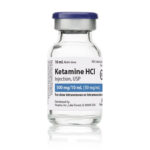
Ketamine, initially developed as an anesthetic, has emerged as a significant tool in modern psychiatry, particularly for treatment-resistant depression and anxiety. Administered in controlled clinical settings, often intravenously or intranasally, ketamine works rapidly to alleviate depressive symptoms, with effects that can be felt within hours of administration. Its mechanism involves modulating the glutamate system, promoting synaptic plasticity and fostering new neural connections, which is believed to be key to its antidepressant effects. This neurobiological impact differs significantly from traditional antidepressants that primarily target serotonin. For individuals who have not responded to conventional therapies, ketamine offers a novel and often highly effective alternative. The treatment typically involves a series of sessions, and its use is closely monitored by medical professionals to ensure safety and optimize therapeutic outcomes. This modality represents a critical advancement in psychiatric care, providing hope for those with persistent mental health challenges.
Considering Encapsulated Psychedelics for Controlled Dosing
For many seeking to explore the benefits of psychedelics, particularly within a Canadian context where regulations are evolving, the availability of precisely dosed and encapsulated forms offers a significant advantage in terms of safety and predictability. Compounds like 2C-B, when encapsulated by reputable sources, allow for accurate milligram dosing, which is crucial for managing the intensity of the psychedelic experience and minimizing the risk of adverse effects. This level of control is especially important for beginners or those with specific therapeutic goals in mind. Encapsulation also ensures the stability and purity of the compound, providing a more consistent and reliable experience compared to less standardized forms. When sourcing such materials, it is imperative to prioritize vendors who demonstrate a commitment to quality control and transparent testing. The careful consideration of dosage is fundamental to unlocking the therapeutic potential of psychedelics while mitigating potential risks. For those exploring options beyond traditional pharmaceuticals, understanding the nuances of specific compounds and their delivery methods is key to a successful and safe experience.
Building a Foundation for Sustainable Psychedelic Exploration
Embarking on a journey with psychedelic substances, whether for therapeutic purposes or personal growth, requires more than just access to the compounds themselves. A robust foundation built on respect, informed decision-making, and a commitment to overall well-being is essential for long-term positive outcomes. This involves cultivating a mindful approach, prioritizing mental and physical health, and staying abreast of the rapidly advancing scientific understanding and legal landscape surrounding these powerful tools. Without this comprehensive framework, the potential for profound transformation can be overshadowed by preventable pitfalls. It’s about approaching these experiences with intention, recognizing their potency, and integrating them into a sustainable lifestyle that supports continued progress and resilience. This proactive stance ensures that exploration is not merely a fleeting event but a catalyst for lasting positive change.
Developing a Mindset of Respect and Discernment
Approaching psychedelic exploration with a mindset of respect and discernment is foundational to a safe and beneficial experience. This means understanding that these are potent substances that can profoundly alter perception, emotion, and cognition. Respect involves acknowledging their power and potential impact, and approaching them with intention rather than casual recreational intent. Discernment, on the other hand, refers to the critical ability to evaluate situations, substances, and personal readiness. This includes carefully researching the specific compound you intend to use, understanding its effects, potential risks, and contraindications. It also means assessing your own mental and physical state; are you in a stable place emotionally and physically to undertake such an experience? For instance, someone experiencing acute psychosis would likely need to avoid potent psychedelics. It also involves selecting a safe, comfortable, and supportive environment, and ideally, having a trusted sitter present. This thoughtful preparation fosters a setting where challenging experiences can be navigated constructively, leading to meaningful insights rather than distress. It is always advisable to consult resources that discuss responsible use of substances like iboga capsules in Canada, as this highlights the importance of preparation and respect.
Prioritizing Your Long-Term Mental and Physical Health
The pursuit of psychedelic exploration should always be integrated within a broader commitment to long-term mental and physical health. This means that the experiences gained under the influence of psychedelics should ideally be supported by healthy lifestyle choices and ongoing self-care practices. For example, regular exercise, a balanced diet, sufficient sleep, and stress-management techniques like meditation or mindfulness can significantly enhance the integration of psychedelic insights into daily life. Furthermore, pre-existing health conditions, both mental and physical, must be carefully considered. Certain conditions, such as severe cardiovascular issues or a personal or family history of psychotic disorders, can make the use of some psychedelics riskier. Consulting with healthcare professionals is crucial to ensure that psychedelic exploration does not exacerbate any underlying health concerns or pose a significant risk. A holistic approach ensures that any breakthroughs achieved are sustainable and contribute to overall well-being, rather than creating new challenges. The focus should always be on fostering resilience and vitality beyond the immediate psychedelic encounter.
Staying Informed About Evolving Research and Regulations in Canada
The landscape of psychedelic research and regulation in Canada is dynamic, with ongoing studies and policy shifts constantly reshaping the conversation around these substances. Staying informed is crucial for anyone considering therapeutic or personal use. This includes following advancements in clinical trials for conditions like depression, PTSD, and addiction, which are providing increasing evidence for the efficacy of substances like psilocybin and MDMA. It also means understanding the evolving legal frameworks, which may include exceptions for medical use or decriminalization efforts in certain municipalities. For example, awareness of research into ibogaine’s role in pain management in Canada demonstrates the breadth of emerging therapeutic applications. Accessing reliable information from reputable scientific journals, government health agencies, and established psychedelic advocacy organizations is key to making informed decisions. This continuous learning ensures that your approach to psychedelic exploration is aligned with the latest scientific understanding and legal realities, promoting safety and responsible engagement.











 English
 English (Canada)
 Français du Canada
 Español de México
 Türkçe