

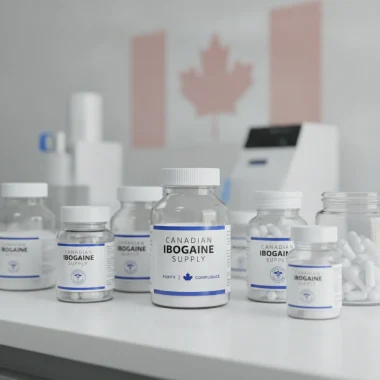
The legal landscape surrounding Iboga and ibogaine in Canada is complex and continues to evolve. For Canadians seeking to explore potential therapeutic benefits, navigating these regulations is paramount. This guide aims to provide an up-to-date overview of the legal status of Iboga and ibogaine as of 2026, highlighting key considerations for individuals and businesses.
This information is for educational purposes only and does not constitute legal advice. Given the evolving nature of these laws, it’s always advisable to consult with a legal professional for specific guidance, particularly when considering importing, possessing, or using these substances.
Navigating the Evolving Landscape of Iboga and Ibogaine in Canada
A Brief History of Iboga/Ibogaine Use in Canada
Historically, Iboga and ibogaine have been used in Canada primarily within the context of the Bwiti tradition, as well as in addiction treatment circles. While not widely integrated into mainstream healthcare, anecdotal evidence and personal accounts have fuelled interest in their potential therapeutic applications. The lack of formal regulatory approval has led to a largely unregulated environment, with access often limited to underground or private settings. This absence of a clear legal framework has created uncertainty and potential risks for both providers and individuals seeking treatment. Furthermore, Canadian researchers have explored the potential of these substances, but these studies have not yet translated into widespread clinical use or regulatory changes. This exploration and interest continues into 2026.
Why Understanding the Legalities is Crucial for Canadians (2026)
Understanding the legal landscape surrounding Iboga and ibogaine is crucial for several reasons in 2026. Firstly, possession and distribution of these substances may carry legal consequences depending on their classification and provincial regulations. Secondly, individuals seeking treatment need to be aware of the potential risks associated with unregulated sources and the lack of oversight. Thirdly, healthcare professionals require clarity on the legal boundaries to avoid potential liability. The absence of clear regulations also hinders research efforts and the development of evidence-based guidelines. Finally, failing to understand the laws can result in severe penalties, including fines and imprisonment, impacting personal freedom and travel.
Current (2026) Legal Status of Iboga and Ibogaine in Canada: A Detailed Breakdown
Controlled Substances Act and Iboga/Ibogaine
As of March 2026, neither Iboga nor ibogaine are explicitly listed as controlled substances under the Canadian Controlled Drugs and Substances Act (CDSA). However, this doesn’t automatically mean they are legal. Health Canada retains the authority to take action if a substance is deemed to pose a risk to public health and safety. The CDSA focuses on substances with a high potential for abuse or harm. Because ibogaine’s chemical structure and effects resemble those of certain controlled substances, there’s a risk that it could be considered an analogue under the law. This ambiguity necessitates careful interpretation and ongoing monitoring of legal precedents. Furthermore, intent is often a key factor; if a substance is marketed or sold for purposes that are clearly recreational or harmful, it is more likely to face legal scrutiny.
Health Canada’s Position on Therapeutic Use
Health Canada has not approved Iboga or ibogaine for any therapeutic use as of 2026. This means that it cannot be legally prescribed by doctors or sold as a health product. While individual Canadians can apply for access to unauthorized drugs through the Special Access Programme (SAP), approvals are granted on a case-by-case basis and are typically reserved for serious or life-threatening conditions where conventional treatments have failed. The SAP application process requires a physician to justify the medical need and provide evidence supporting the safety and efficacy of the drug. Obtaining approval through the SAP is not guaranteed and can be a lengthy process. Health Canada’s primary concern is patient safety, and it requires robust evidence before authorizing the use of any unapproved substance.
Provincial Variations in Enforcement (If Any)
While federal law sets the overarching framework, provincial authorities can also play a role in the enforcement of drug-related regulations. As of 2026, there are no known significant variations in the enforcement of Iboga and ibogaine laws across Canadian provinces. However, policing priorities and resource allocation can influence the likelihood of enforcement in different regions. For example, provinces facing a severe opioid crisis may prioritize the investigation of substances believed to have potential in addiction treatment, like ibogaine, but without the formal approvals this can be a grey area. It’s crucial to stay informed about any local developments or announcements by provincial health authorities that may impact the legal status or accessibility of these substances. Engaging with local harm reduction organizations and legal aid clinics can provide valuable insights into provincial enforcement practices.
Understanding the Nuances: Iboga vs. Ibogaine – Are They Treated Differently?
Chemical Composition and Legal Distinctions
Iboga is a shrub (Tabernanthe iboga) native to West Central Africa, while ibogaine is the primary psychoactive alkaloid extracted from the Iboga root bark. Although derived from the same source, the legal distinction is potentially significant. Ibogaine is a purified chemical compound, which could subject it to stricter controls depending on how regulations are interpreted. Iboga, being a natural plant, might be argued as falling outside the scope of certain drug laws, particularly if it’s being used in a traditional or religious context. However, this is a complex legal argument with no guaranteed outcome. If selling products on mindhealingshop.ca, the distinctions must be made very clear to potential customers.
Precedent Cases and Their Implications
As of 2026, there are few publicly available, high-profile legal cases in Canada specifically addressing the legal status of Iboga or ibogaine. This lack of precedent creates uncertainty and makes it difficult to predict how courts will interpret the existing laws in future cases. However, rulings in cases involving analogous substances could provide some insight. For example, legal challenges to the prohibition of ayahuasca, another plant-based psychedelic, have sometimes been successful based on arguments relating to religious freedom. These cases highlight the importance of considering cultural and religious contexts when assessing the legality of psychoactive substances. The absence of strong legal precedents emphasizes the need for caution and consultation with legal experts before engaging with Iboga or ibogaine in Canada.
Labelling and Product Descriptions on mindhealingshop.ca
Given the legal ambiguities, careful attention must be paid to the labelling and product descriptions on mindhealingshop.ca. It is imperative to avoid making any explicit or implied claims about the therapeutic or medical benefits of Iboga or ibogaine unless such claims are substantiated by rigorous scientific evidence and approved by Health Canada. Product descriptions should accurately reflect the nature of the substance (e.g., “Iboga root bark” or “ibogaine extract”) and clearly state that the product is not intended for human consumption or medical use. Disclaimers should be prominently displayed, advising customers to consult with a qualified healthcare professional before using the product for any purpose. Furthermore, labelling should comply with all applicable Canadian regulations regarding consumer product safety and labelling requirements.
Potential Legal Risks Associated with Iboga and Ibogaine Use or Possession in Canada
Criminal Charges and Penalties
Although Iboga and ibogaine are not explicitly listed in the CDSA, possession or distribution could potentially lead to criminal charges under certain circumstances. If authorities believe that the substance is being used for illicit purposes, or if it is being sold or distributed in a manner that violates other laws (e.g., consumer protection regulations), charges may be laid. Penalties can range from fines to imprisonment, depending on the nature of the offense and the quantity of the substance involved. A conviction can also have long-term consequences, such as a criminal record that affects employment opportunities and international travel. It’s crucial to understand the potential legal ramifications before possessing, using, or distributing these substances.
Importation Regulations and Seizures
Importing Iboga or ibogaine into Canada without proper authorization is strictly prohibited. The Canada Border Services Agency (CBSA) has the authority to seize any shipments that violate Canadian laws. Even if the substance is intended for personal use, it can still be confiscated. Attempting to import these substances may also lead to criminal charges, particularly if the CBSA suspects that the individual is involved in drug trafficking. To legally import Iboga or ibogaine, one would generally need to obtain an import permit from Health Canada, which requires demonstrating that the substance is intended for a legitimate purpose and that all applicable regulations are being followed. The process of obtaining an import permit can be complex and time-consuming.
Medical and Insurance Implications
Since Iboga and ibogaine are not approved for medical use in Canada, individuals who choose to use these substances outside of approved research settings face several medical and insurance-related risks. Healthcare professionals may be hesitant to provide treatment or support to individuals who have used unregulated substances, due to concerns about liability and lack of established protocols. Furthermore, insurance companies are unlikely to cover any medical expenses arising from the use of Iboga or ibogaine, as these substances are not considered standard medical treatments. This means that individuals may be responsible for all costs associated with any adverse effects or complications. Before considering the use of these substances, it’s essential to weigh the potential risks against the perceived benefits and to be prepared for the potential medical and financial consequences.
The Future of Iboga/Ibogaine Laws in Canada: Potential for Reform?
Predicting the future of iboga and ibogaine laws in Canada requires careful consideration of various factors, including ongoing research, advocacy efforts, and shifts in public perception. While definitive predictions are impossible, understanding these elements provides insight into potential pathways for reform. It’s important to remember that legal changes often lag behind scientific understanding and public acceptance, so progress may be gradual. The momentum building around other plant medicines could indirectly benefit the iboga and ibogaine discussion in Canada, so stay informed.
Ongoing Research and Clinical Trials
Continued scientific research is crucial for influencing policy. If clinical trials demonstrate the safety and efficacy of ibogaine for specific conditions, such as addiction or PTSD, it could pave the way for regulatory changes. For example, research focusing on optimized Iboga dosage protocols for addiction could provide data that sways decision-makers. Conversely, significant adverse findings from research could hinder reform efforts. Decision-makers often prioritize evidence-based approaches. The Canadian government has shown interest in exploring psychedelic-assisted therapies, and positive outcomes from these studies could create a more receptive environment for ibogaine research.
Advocacy Groups and Their Efforts
Advocacy groups play a vital role in raising awareness and lobbying for legal reforms. These groups often work to educate policymakers and the public about the potential benefits of ibogaine while addressing concerns about its safety and potential risks. Their strategies might include organizing public demonstrations, circulating petitions, and engaging in direct lobbying efforts. Successful advocacy hinges on presenting a compelling case supported by credible evidence and building alliances with influential stakeholders. A pitfall could be internal disagreements within the advocacy community, which can dilute their message and effectiveness.
Expert Predictions for 2027 and Beyond
Experts hold varied opinions on the future of ibogaine legality in Canada. Some believe that, given the increasing acceptance of psychedelic-assisted therapies, ibogaine may eventually be rescheduled or regulated for specific medical uses. Others remain skeptical, citing concerns about safety and the potential for misuse. Consider the potential for a staged approach to legalization, starting with tightly controlled clinical trials and gradually expanding access as more data becomes available. One plausible scenario is the implementation of a special access program, similar to those used for other controlled substances. Keep an eye on emerging research and policy changes in other countries, as these developments can influence the Canadian landscape.
Sourcing Iboga and Ibogaine Responsibly: A Guide for Canadian Consumers (from mindhealingshop.ca)
Sourcing iboga and ibogaine responsibly is paramount, given the complexities surrounding its legality and ethical considerations. Choosing a reputable vendor like mindhealingshop.ca is a crucial first step. Factors to consider include the vendor’s transparency, commitment to quality assurance, and adherence to ethical sourcing practices. Consumers should also educate themselves about the potential risks and benefits of ibogaine before making a purchase. Prioritize vendors who provide comprehensive information and support.
Quality Assurance and Third-Party Testing
Quality assurance is essential when sourcing iboga and ibogaine. Look for vendors who conduct rigorous third-party testing to verify the purity and potency of their products. These tests should screen for contaminants, such as heavy metals and pesticides. Reputable vendors will readily provide certificates of analysis (COAs) upon request. Avoid vendors who are unwilling to share this information or who lack transparency about their sourcing and testing procedures. A COA should clearly state the concentration of ibogaine present in the product. For example, mindhealingshop.ca provides COAs ensuring the ibogaine content aligns with labelled potency.
Dosage Recommendations and Safety Precautions
Understanding proper dosage and safety precautions is crucial before using iboga or ibogaine. Dosages vary depending on individual factors, such as body weight, metabolism, and the specific condition being addressed. It’s imperative to start with a low dose and gradually increase it until the desired effects are achieved. Never exceed the recommended dosage. Certain medical conditions and medications can interact with ibogaine, so consulting with a healthcare professional is strongly advised. Pay close attention to any warning signs or adverse effects and discontinue use immediately if necessary. See resources like our guide to iboga dosages for more detailed information.
Understanding Potential Side Effects
Ibogaine can cause a range of side effects, some of which can be serious. Common side effects include nausea, vomiting, anxiety, and changes in heart rate and blood pressure. More serious side effects, such as cardiac arrhythmias and seizures, are rare but potentially life-threatening. Prioritize safety above all else. It’s essential to be aware of these potential risks and to have appropriate medical support available during ibogaine treatment. People with pre-existing heart conditions or a history of seizures should avoid ibogaine altogether. For example, consider an individual with undiagnosed cardiac issues who experiences a severe arrhythmia after taking ibogaine, highlighting the importance of screening and medical supervision.
Ethical Considerations: Supporting Indigenous Communities and Sustainable Harvesting Practices
The ethical sourcing of iboga is intricately linked to supporting Indigenous communities and ensuring sustainable harvesting practices. The Bwiti tradition, originating in Gabon, holds profound spiritual significance to the use of iboga. Western consumption of iboga must not exploit or disrespect these traditions. Supporting sustainable harvesting ensures that iboga remains available for future generations and minimizes the environmental impact of its extraction.
The Bwiti Tradition and Iboga’s Sacred Significance
The Bwiti tradition views iboga as a sacred sacrament, used in initiation ceremonies and healing rituals for centuries. It’s important to recognize and respect this cultural context. Western consumers should avoid appropriating or commercializing iboga in ways that disrespect the Bwiti tradition. Supporting organizations that work directly with Bwiti communities is one way to ensure that they benefit from the growing interest in iboga. Consider, for example, supporting initiatives that provide Bwiti communities with resources to protect their land and cultural heritage. This includes respecting the traditional knowledge surrounding the plant and its uses. The interconnectedness of cultural preservation and sustainable practices is important.
Ensuring Fair Trade and Environmental Responsibility
Fair trade practices are essential for ensuring that Bwiti communities receive fair compensation for their work and resources. This involves paying a fair price for iboga and investing in community development projects. Sustainable harvesting practices, such as selective harvesting and reforestation, are crucial for minimizing the environmental impact of iboga extraction. Consumers should support vendors who are committed to these principles and who can demonstrate traceability throughout their supply chain. An example of environmental responsibility is a company that actively invests in reforestation efforts in Gabon, planting new iboga seedlings to replace those that have been harvested. Consider vendors transparent about their supply chains and demonstrate a commitment to fair labor practices.
MindHealingShop.ca’s Commitment to Ethical Sourcing
MindHealingShop.ca is committed to sourcing iboga ethically and sustainably. We prioritize working with suppliers who adhere to fair trade principles and who support Bwiti communities. We also invest in sustainable harvesting practices and conduct rigorous third-party testing to ensure the quality and purity of our products. Our goal is to provide Canadian consumers with access to high-quality iboga while respecting the cultural and environmental considerations surrounding its use. We believe that responsible sourcing is essential for the long-term sustainability of the iboga trade. Transparency and traceability are key components of our commitment. An example is MindHealingShop.ca partnering with local Gabonese harvesters to ensure ethical practices.
Using Ibogaine for Wellness and Addiction: What the Law Allows (and Doesn’t)
The legal landscape surrounding ibogaine use in Canada is complex and nuanced. While ibogaine is not explicitly legal, it is not explicitly illegal either, creating a grey area. Understanding the permitted uses, off-label considerations, and the importance of working with qualified medical professionals is crucial for navigating this terrain. Individuals considering ibogaine treatment should proceed with caution and seek expert guidance. The ambiguity in the law requires careful decision-making and consultation with legal and medical professionals.
Permitted Uses Under Current Regulations
Currently, ibogaine is not an approved medication in Canada. This means that it cannot be legally prescribed by doctors or sold in pharmacies. However, individuals may be able to access ibogaine through alternative channels, such as private clinics or underground providers. The legality of these options is questionable and carries significant risks. The key is that there is no formal legal framework for its use. The lack of regulation also means no oversight of quality or safety. Therefore, accessing ibogaine through unregulated channels carries substantial risks.
Off-Label Use Considerations
Off-label use refers to the practice of using a medication for a purpose that it was not originally approved for. In some cases, healthcare professionals may prescribe medications off-label if they believe it is in the best interest of their patients. However, this practice is generally discouraged for substances like ibogaine, given the lack of regulatory oversight and the potential for adverse effects. A doctor would not typically prescribe it off-label, due to its unapproved status. There are also legal repercussions for medical professionals recommending off-label drugs like ibogaine. A safe, legal, and potentially beneficial alternative is to research iboga alternatives.
Finding Qualified Medical Professionals
If you are considering ibogaine treatment, it is crucial to find a qualified medical professional who has experience working with this substance. These professionals can help you assess the risks and benefits of ibogaine, monitor your health during treatment, and provide support after treatment. However, finding such professionals in Canada can be challenging, given the legal ambiguities surrounding ibogaine. One option is to seek out clinics located outside of Canada that offer ibogaine treatment. Another option is to consult with holistic health practitioners who have experience working with plant medicines. A qualified professional will prioritize your safety and well-being above all else. Remember that working with unregulated providers carries significant risks. It’s paramount to prioritize your safety and make informed decisions regarding your health.
Alternative Psychedelic Products Available on MindHealingShop.ca (2c-b, Ketamine, Magic Mushrooms): Legal Status Overview
While this article primarily addresses the legal complexities surrounding Iboga and Ibogaine in Canada, it’s crucial to acknowledge the presence of alternative psychedelic substances gaining traction in therapeutic contexts. On MindHealingShop.ca, you may also find information on substances like 2C-B, Ketamine, and psilocybin-containing Magic Mushrooms. These substances each occupy distinct legal territories, and their availability and authorized uses are subject to change. It’s vital to approach each with careful consideration and a thorough understanding of current regulations. It is important to note that possessing these substances without proper authorization can result in significant legal repercussions. For a closer look at similar treatment options, consider this page about Iboga alternatives.
Brief Summaries of Each Product’s Legal Landscape
2C-B: Currently, 2C-B is a controlled substance in Canada. This means its possession, production, and distribution are illegal without specific authorization, such as for research purposes. The penalties for violating these regulations can be severe, including hefty fines and imprisonment. For a more comprehensive explanation, you can view the full page on 2C-B pills in Canada.
Ketamine: Ketamine’s legal status is somewhat more nuanced. While it is a controlled substance, it’s also a legally available pharmaceutical drug prescribed by doctors, primarily for anesthesia and, increasingly, for the treatment of severe depression and certain pain conditions. However, obtaining Ketamine outside of a legitimate prescription from a licensed medical professional is illegal. There are very strict rules around Ketamine for sale in Canada, so exercise caution and seek professional guidance.
Magic Mushrooms (Psilocybin): The legal landscape for psilocybin-containing mushrooms is evolving. While still generally illegal, there are specific circumstances where their use is permitted, primarily through exemptions granted by Health Canada for therapeutic purposes or through participation in clinical trials. The criteria for obtaining these exemptions are strict and typically require a diagnosed mental health condition and a recommendation from a healthcare professional. Purchasing them without this exemption is illegal. For example, a person with severe anxiety may be able to get an exemption to try psilocybin in a controlled therapeutic setting. However, simply wanting to try magic mushrooms recreationally is not grounds for an exemption. This is different from some regions like Amsterdam.
Important Disclaimers and Usage Guidelines
It is crucial to understand that the information provided here regarding 2C-B, Ketamine, and Magic Mushrooms is for informational purposes only and does not constitute legal advice. Laws are subject to change, and interpretations can vary. Before considering the use of any of these substances, it’s imperative to consult with a legal professional and a qualified healthcare provider. Furthermore, sourcing these substances from unregulated channels carries significant risks, including the possibility of receiving adulterated or mislabeled products.
Frequently Asked Questions (FAQs) about Iboga/Ibogaine Legalities in Canada (2026)
Can I legally purchase ibogaine online in Canada?
The legality of purchasing ibogaine online in Canada is complex and depends heavily on the specific circumstances. As of 2026, ibogaine remains unregulated, meaning it’s not explicitly legal or illegal at the federal level. However, this doesn’t equate to a free pass. Importing ibogaine into Canada can be problematic, as border services have the authority to seize substances if they suspect they’re intended for illicit purposes or lack proper authorization. Furthermore, selling ibogaine online within Canada could potentially be interpreted as violating existing drug laws, particularly if it’s marketed for therapeutic purposes without the necessary approvals from Health Canada. The decision to purchase ibogaine online involves navigating a legal grey area. If you are seeking mental health treatment, you may also want to explore other treatment options.
What are the legal ramifications of travelling with iboga?
Travelling with iboga or ibogaine presents significant legal risks. Crossing international borders with unregulated substances can lead to detention, seizure of the substance, and potential criminal charges, depending on the laws of the countries involved. Within Canada, transporting iboga may not be explicitly illegal, but possessing it with the intent to distribute or sell it could still lead to legal trouble. If you’re considering travelling for ibogaine treatment, research the legal status of ibogaine in your destination country and be aware of the potential consequences of attempting to bring it back into Canada. The specific enforcement can vary widely depending on the port of entry and the discretion of border officials.
Where can I find up-to-date legal information?
Staying informed about the legal status of iboga and ibogaine requires consulting reliable and authoritative sources. Government websites, such as Health Canada’s, provide information on drug regulations and any policy changes. Legal databases and journals offer insights into court decisions and legal interpretations related to controlled substances. However, the most effective way to obtain up-to-date and personalized legal advice is to consult with a qualified lawyer specializing in drug laws in Canada. They can provide guidance based on your specific situation and help you understand the potential legal risks involved. It’s important to remember that information found on online forums or anecdotal accounts may not be accurate or reliable.
Disclaimer: This Information is for Educational Purposes Only – Consult with a Legal Professional
The information provided in this article is intended for educational purposes only and should not be considered a substitute for professional legal advice. Laws and regulations regarding controlled substances are complex and subject to change, and their interpretation can vary depending on the specific circumstances.
Importance of Seeking Personalized Legal Advice
Given the intricate nature of drug laws, it’s crucial to seek personalized legal advice from a qualified lawyer before making any decisions related to iboga or ibogaine. A legal professional can assess your specific situation, explain the applicable laws, and advise you on the potential legal risks and consequences. They can also help you navigate the legal system if you’re facing any charges or investigations related to these substances. It is advisable to not attempt to interpret the law yourself. Seek the help of a professional.
MindHealingShop.ca’s Position on Legal Compliance
At MindHealingShop.ca, we are committed to upholding the highest standards of legal compliance and ethical conduct. We do not endorse or encourage any activities that violate Canadian laws or regulations. The information provided on our website is for educational purposes only and should not be interpreted as legal advice. We encourage our customers to consult with legal professionals and healthcare providers to make informed decisions about their health and wellness. In a similar vein, understanding Ketamine’s role in pain management and mental health is crucial.
This information is provided to help Canadians understand the complex legal landscape surrounding these substances, but professional legal counsel is always recommended. We hope this overview of alternative psychedelic options has been helpful.
If you’re looking for more resources related to ibogaine and psychedelic wellness options, MindHealingShop.ca aims to be a valuable starting point for information and resources in Canada.
Responsible Use and Ethical Considerations
The use of iboga and ibogaine, like any psychoactive substance, carries inherent risks. It’s essential to approach these substances with respect, caution, and a strong commitment to responsible use. This includes thoroughly researching the potential effects, contraindications, and interactions with other medications or substances. It also means carefully considering the ethical implications of using iboga and ibogaine, particularly in terms of its potential impact on oneself and others. A harm reduction strategy should be implemented.
Importance of Preparation and Integration
Adequate preparation is crucial for a safe and meaningful ibogaine experience. This may involve physical and psychological preparation, such as undergoing medical screenings, attending therapy sessions, and establishing clear intentions for the experience. Equally important is the integration process, which involves reflecting on the insights gained during the experience and incorporating them into one’s daily life. Integration can involve working with a therapist, counselor, or support group to process emotions, develop coping strategies, and make positive changes. The benefits of Golden Teacher mushrooms are also well-documented.
Safety Measures and Contraindications
Prioritizing safety is paramount when considering ibogaine treatment. It’s crucial to undergo a thorough medical evaluation to assess your suitability for ibogaine, as certain medical conditions can increase the risk of adverse effects. Ibogaine is contraindicated for individuals with heart conditions, liver problems, kidney problems, or a history of seizures. It’s also important to disclose any medications or supplements you’re taking, as some substances can interact with ibogaine. Additionally, it’s advisable to have a qualified medical professional present during the treatment to monitor your vital signs and provide immediate assistance if needed. One should never self-medicate without professional guidance.
The Role of Support Networks
Having a strong support network can be invaluable during and after an ibogaine experience. This may include family members, friends, therapists, counselors, or support groups. These individuals can provide emotional support, encouragement, and guidance as you navigate the challenges and opportunities that arise. Sharing your experiences and connecting with others who understand can help you feel less isolated and more empowered to make positive changes in your life. Consider seeking help from people you trust.
Ethical Sourcing and Sustainability
As awareness of iboga and ibogaine grows, it’s crucial to consider the ethical implications of sourcing these substances. Iboga is a rare and endangered plant, and unsustainable harvesting practices can threaten its survival. Choosing ethically sourced iboga helps support the sustainable harvesting practices and ensures that local communities benefit from its use. Additionally, supporting organizations that work to protect iboga populations and promote sustainable harvesting can contribute to the long-term preservation of this valuable resource. The topic of buying shrooms safely online in Canada is also relevant to ethical consumption.
Conclusion: Navigating the Complexities of Iboga and Ibogaine
Navigating the world of iboga and ibogaine requires careful consideration of the legal, ethical, and safety aspects. While these substances hold promise for treating addiction and promoting healing, they also carry inherent risks and complexities. By educating yourself, seeking professional guidance, and prioritizing responsible use, you can make informed decisions and minimize the potential harms. Remember, the journey towards healing and wellness is a personal one, and it’s important to choose the path that aligns with your values and needs. The use of psychedelics is not without risks, and it is important to do your research before considering their use.
Ultimately, the decision to explore iboga or ibogaine should be made in consultation with qualified professionals and with a clear understanding of the potential benefits and risks.
Disclaimer
The information provided in this article is for informational purposes only and does not constitute medical advice. Ibogaine treatment carries significant risks and is not suitable for everyone. Always consult with a qualified healthcare professional before considering ibogaine treatment. The authors and publishers of this article are not responsible for any adverse outcomes resulting from the use of ibogaine or any other substance.










 English
 English (Canada)
 Français du Canada
 Español de México
 Türkçe
Pingback: Iboga Capsules: Expert Usage Guidance - Mind Healing Shop