

The quest for holistic wellness often leads individuals to explore avenues beyond conventional medicine. While advancements have been made in managing common mental health issues, persistent struggles with trauma, severe depression, and substance use disorders frequently demonstrate the limitations of existing paradigms. This has spurred research into compounds that can facilitate significant psychological shifts, offering hope where other treatments may have fallen short.
Beyond Traditional Paths: Exploring Psychedelics for Unmet Mental Health Needs
The Evolving Landscape of Mental Wellness in 2026
By 2026, the conversation around mental health has broadened considerably, encompassing a more nuanced understanding of well-being that extends beyond the mere absence of diagnosed illness. There’s a heightened awareness of the interconnectedness of physical, emotional, and spiritual health, leading many to seek therapies that address these dimensions holistically. This includes a greater openness to non-traditional modalities, driven by both personal experiences and an increasing body of scientific evidence. The focus is shifting towards treatments that foster lasting resilience and personal growth, rather than solely managing symptoms. This evolving perspective acknowledges that true wellness often requires deep introspection and systemic change, which traditional approaches may not always facilitate on their own.
Limitations of Current Therapeutic Approaches for Severe Conditions
Despite significant progress, current therapeutic approaches often face limitations when confronting severe and persistent mental health conditions, particularly chronic addiction and treatment-resistant depression. While antidepressants and talk therapy can be effective for many, a substantial subset of individuals finds only partial relief or experiences recurring challenges. The symptom-focused nature of some treatments can sometimes fail to address the root causes of distress, leading to a cycle of dependency on medication or the need for lifelong therapy. Conditions like opioid addiction, for instance, often require intensive interventions, and even then, relapse rates can remain high. The lack of readily available, profoundly transformative treatments for these deeply ingrained issues leaves a significant gap in care, prompting a search for more potent therapeutic agents.
Ibogaine: A Deep Dive into its Unique Psychoactive Profile
Understanding Ibogaine’s Chemical Structure and Origin
Ibogaine is a naturally occurring psychoactive alkaloid derived from the root bark of the Tabernanthe iboga shrub, indigenous to Central Africa. Its complex chemical structure, an indole alkaloid, sets it apart from many other psychedelic compounds. This unique molecular blueprint is believed to underpin its distinct pharmacological effects, which are often described as profoundly introspective and physically integrative. Historically, ibogaine has been used in traditional Bwiti ceremonies for spiritual enlightenment and healing. Its extraction and purification for therapeutic use involve meticulous processes to ensure purity and potency, distinguishing it from crude plant preparations. Understanding its natural origins and chemical makeup is the first step in appreciating its therapeutic potential.
Pharmacological Mechanisms: How Ibogaine Interacts with the Brain
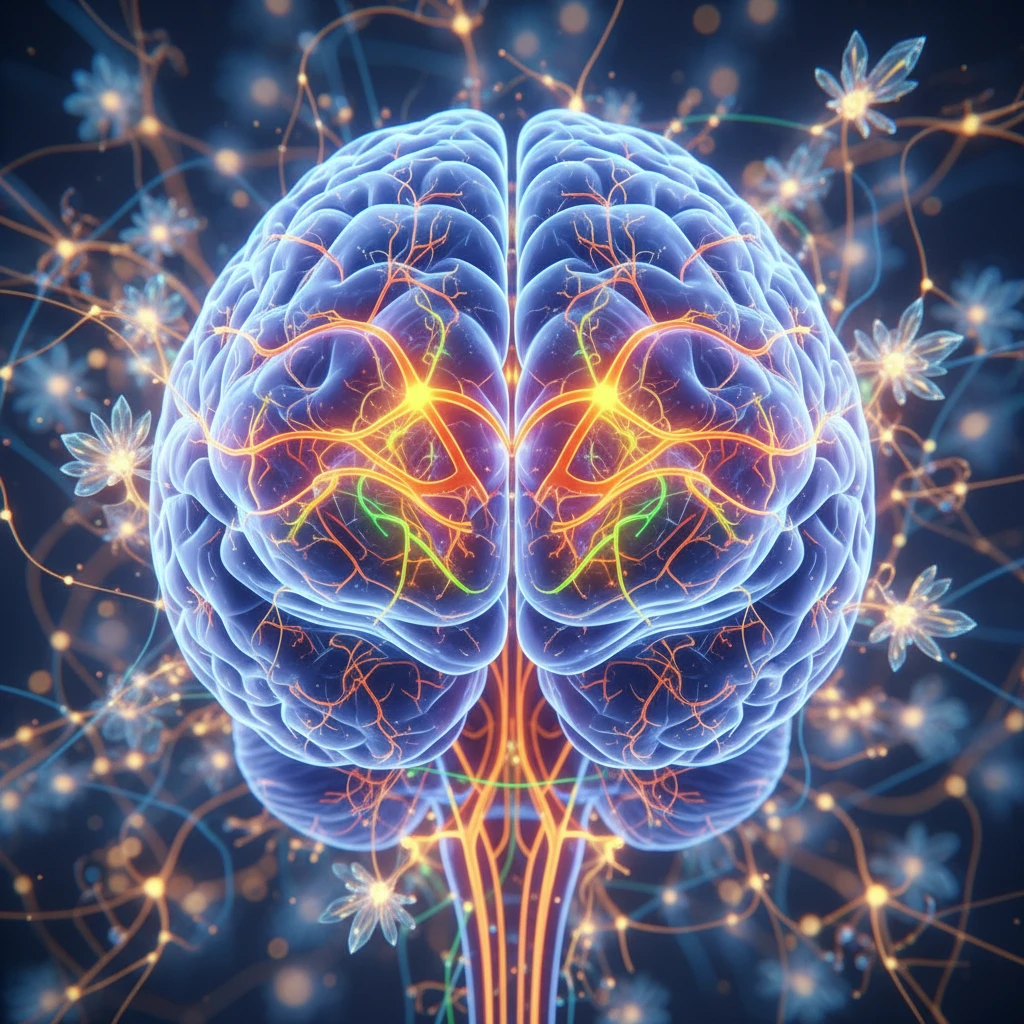
Ibogaine’s mechanism of action is multifaceted and targets several neurotransmitter systems, including dopamine, serotonin, and glutamate. Notably, it is a potent inhibitor of monoamine oxidase A (MAO-A) and also interacts with NMDA receptors, influencing neuroplasticity. A key aspect of its effect is its interaction with opioid receptors, which is believed to be crucial in mitigating withdrawal symptoms associated with opioid addiction. Furthermore, ibogaine promotes the release of Brain-Derived Neurotrophic Factor (BDNF), a protein vital for neuronal growth, survival, and the formation of new connections, offering a potential pathway for rewiring neural circuits implicated in addiction and mental health disorders. This complex interaction profile is what differentiates its therapeutic effects.
Distinguishing Ibogaine from Other Psychedelic Compounds
While often grouped with psychedelics, ibogaine possesses a unique profile that distinguishes it from compounds like psilocybin or LSD. Unlike classic psychedelics, which primarily induce profound alterations in perception and consciousness, ibogaine is renowned for its potent *anti-addictive* properties and its capacity to facilitate deep introspection and emotional processing within a single, extended session, often lasting 24-36 hours. It is also known for its strong dissociative and empathogenic effects, which can lead to a profound re-evaluation of past experiences and behaviors. The duration and intensity of its effects, coupled with its specific pharmacological targets, position ibogaine as a distinct therapeutic agent, particularly for complex conditions like addiction, as explored in detailed technical overviews such as Understanding Ibogaine: A Technical Overview.
The Compelling Case for Ibogaine in Addiction Recovery
Evidence of Ibogaine’s Efficacy in Breaking Substance Dependencies
Research and anecdotal reports increasingly point to ibogaine’s significant efficacy in treating a range of substance dependencies, particularly opioid, alcohol, and stimulant addictions. Studies, though often requiring further large-scale validation, suggest that a single ibogaine experience can significantly reduce or eliminate withdrawal symptoms and cravings, facilitating a crucial window for behavioral change. Many individuals report a profound shift in their relationship with the substance, enabling them to break free from long-standing patterns of use. This is often attributed to its unique neurochemical effects that can “reset” the brain’s reward pathways. The potential for a single treatment to offer substantial, long-lasting relief distinguishes it from many conventional addiction therapies.
Neurobiological Mechanisms Underlying Addiction and Ibogaine’s Impact
Addiction is fundamentally a disorder of the brain’s reward system, characterized by compulsive drug-seeking behavior despite negative consequences. Chronic substance use can lead to significant alterations in neurotransmitter systems, particularly dopamine, and can impact neuroplasticity, making it difficult to break free from cravings. Ibogaine’s multifaceted pharmacological profile directly addresses these issues. Its ability to act on NMDA receptors and influence BDNF production can promote neural repair and reorganize maladaptive neural pathways. Furthermore, its interaction with opioid receptors helps alleviate the agonizing physical symptoms of withdrawal, thereby reducing the primary barrier to quitting. This comprehensive neurobiological impact makes it a potent tool for addiction recovery, offering a chance to reset the brain’s fundamental reward circuitry.
Case Studies: Real-World Transformations in Addiction Treatment
Real-world transformations experienced by individuals undergoing ibogaine-assisted therapy are compelling. For instance, “Mark,” a 42-year-old individual struggling with a 15-year opioid addiction, underwent ibogaine treatment. Following the experience, he reported a complete absence of cravings and withdrawal symptoms, allowing him to engage more effectively in subsequent psychotherapy. He has remained abstinent for over two years, a feat previously unattainable with conventional methods. Another example, “Sarah,” 31, who battled severe methamphetamine addiction, described her ibogaine session as a profound confrontation with the root causes of her addiction, leading to a deep emotional release and a renewed sense of purpose. These anecdotal accounts, while not substitutes for rigorous scientific study, highlight the deeply transformative potential of this therapy. For those considering such pathways, understanding treatment options is crucial, as detailed on pages like Ibogaine Treatment: Understanding Your Options.
Navigating Ibogaine Therapy in Canada: Legalities and Accessibility
Current Regulations and Legal Status of Ibogaine in Canada (as of 2026)
As of 2026, the legal status of ibogaine in Canada remains complex and varies depending on the form and context of its use. While ibogaine is not a scheduled substance in the same way as many illicit drugs, its therapeutic use is not broadly approved by Health Canada for general prescription. However, exceptions exist, particularly for compassionate use and within regulated clinical settings that have obtained special authorization for research or treatment protocols. Importing or possessing ibogaine for personal use can carry legal risks. Patients seeking ibogaine therapy often find it within specialized clinics or through physicians who have acquired exemptions, underscoring the importance of understanding the precise legal framework and seeking guidance from qualified professionals.
Finding Reputable Ibogaine Clinics and Practitioners in Canada
Identifying reputable ibogaine clinics and practitioners in Canada is paramount for ensuring safety and efficacy. Due diligence involves thoroughly researching facilities and individuals, looking for licensed medical professionals overseeing treatment, adherence to strict safety protocols, and comprehensive pre- and post-treatment support. It is crucial to seek out practitioners with extensive experience in psychedelic-assisted therapy, particularly with ibogaine. Asking about their training, safety screening processes, and aftercare planning can provide valuable insights. Exploring resources and asking for verifiable testimonials can also be beneficial. For those interested in sourcing authentic products, options such as Authentic Iboga Capsules: Your Canadian Source can provide a starting point for informed purchasing, though clinical application requires expert guidance.
The Importance of a Safe and Supportive Treatment Environment
A safe and supportive treatment environment is absolutely critical for anyone considering ibogaine therapy. Ibogaine’s potent psychoactive and physiological effects necessitate a controlled setting where patients can be closely monitored by trained medical staff. This includes comprehensive medical screening to identify any contraindications, such as cardiac issues, as ibogaine can affect heart rhythm. The environment should foster trust and psychological safety, allowing individuals to fully engage with the profound introspective process that ibogaine facilitates. Adequate preparation before the session and thorough integration support afterward are essential components that help individuals process their experiences, consolidate therapeutic gains, and manage any residual challenges, ensuring a positive and sustainable outcome.
Preparing for Your Ibogaine Journey: A Comprehensive Checklist
Embarking on an ibogaine journey requires meticulous preparation to ensure safety and maximize therapeutic potential. This process begins long before the substance is administered and involves a thorough assessment of your physical and mental health, alongside a clear understanding of your intentions and the treatment environment. Adequate preparation is paramount, influencing both the efficacy of the experience and the successful integration of its insights afterward. Neglecting any of these steps can lead to unforeseen complications or diminished outcomes.

Pre-Treatment Screening: Medical and Psychological Evaluations
The initial and most critical phase of preparation involves comprehensive medical and psychological screening. This is non-negotiable for anyone considering ibogaine treatment. A thorough medical history review is essential to identify any pre-existing conditions that could pose a risk. Specific attention is paid to cardiovascular health, including ECGs (electrocardiograms) to detect potential arrhythmias or heart conditions. Liver function tests are also crucial, as the liver metabolizes ibogaine. Furthermore, a detailed psychological evaluation helps to assess for any psychiatric contraindications, such as acute psychosis or severe personality disorders, and to understand the individual’s mental state. This screening process not only ensures the physical safety of the patient but also helps in tailoring the treatment approach. For example, a history of certain cardiac conditions might necessitate extreme caution or deem ibogaine unsuitable. Understanding your full health profile allows practitioners to make informed decisions about your suitability for ibogaine therapy. This comprehensive assessment is the foundation of a safe and effective treatment plan, often documented in detailed clinic protocols or ibogaine treatment options discussions.
Setting Intentions and Mental Preparation for the Experience
Beyond the physical, the mental and emotional preparation for an ibogaine experience is equally vital. Before the journey, individuals are encouraged to engage in practices that clarify their objectives. This might involve journaling about the root causes of their struggles, what they hope to gain from the experience, and specific areas they wish to explore, whether it’s overcoming addiction or processing deep-seated emotional pain. Defining clear intentions acts as a compass during the potentially disorienting psychedelic state, guiding the focus towards resolution and healing. Meditation, mindfulness, and therapeutic discussions with a facilitator can all contribute to a more prepared and receptive mindset. This mental groundwork helps to foster a sense of agency and purpose, transforming the experience from a passive event into an active process of self-discovery and healing. Without this conscious effort, the insights gained may be fragmented or difficult to integrate into daily life. Exploring resources on deepening mental clarity can be beneficial during this stage.
Understanding Dosage, Administration, and Setting
The administration of ibogaine is a delicate process that hinges on precise dosage, the method of intake, and the environment in which it occurs. Dosage is typically determined by a patient’s weight and the specific condition being treated, with significant variations for addiction versus other mental health concerns. It is crucial to work with experienced practitioners who can accurately calculate and administer the correct dose. Ibogaine can be administered in various forms, most commonly as a raw preparation, extract, or synthesized salts, each with different bioavailability and onset times. The ‘setting’—the physical and emotional environment—plays a critical role in shaping the experience. This typically involves a safe, comfortable, and supportive space, often a dedicated clinic or treatment center, with trained facilitators present to guide the individual. Understanding these factors – knowing that precise dosing and a controlled setting are paramount – helps manage expectations and ensures a safer therapeutic encounter. This knowledge is often detailed in guides like expert Canadian insights on safe ibogaine powder use.
The Ibogaine Experience: What to Expect During and After Treatment
The ibogaine experience is profoundly transformative, characterized by a unique journey through the psyche that unfolds over many hours. It’s often described as an intensely introspective and visionary state, which can be both challenging and deeply healing. Understanding the typical progression and the range of potential responses, both during and immediately after the treatment, is vital for managing expectations and facilitating effective integration. The insights gained during this altered state can provide new perspectives on personal history, relationships, and the underlying causes of suffering. However, the journey is not solely about the peak experience; the aftermath and the process of integrating these profound revelations into everyday life are equally significant for long-term well-being. This multifaceted nature of the ibogaine treatment requires careful consideration of its entire arc.
Stages of the Ibogaine Experience: From Onset to Integration
The ibogaine experience typically unfolds in distinct stages, beginning with the onset of effects, which can occur 30 minutes to 2 hours after administration, often accompanied by nausea. This is followed by the primary visionary or “inward journey” phase, which can last for several hours, characterized by intense introspection, vivid dream-like states, and the reliving of memories. During this phase, individuals often confront past traumas and the roots of their addictive behaviors or psychological distress. As the acute effects subside, a period of reflection and emotional processing ensues, sometimes referred to as the “integration phase.” This is where the mind begins to make sense of the experiences and insights gained. Finally, the long-term integration begins after the direct effects have worn off, involving deliberate efforts to apply the lessons learned to daily life. This structured progression highlights the depth of the ibogaine encounter, moving from intense internal exploration to practical application. Understanding these stages can be further illuminated by exploring iboga’s role beyond addiction.
Potential Physical and Emotional Responses
During an ibogaine experience, a wide range of physical and emotional responses can occur. Physically, common effects include nausea, vomiting, dizziness, tremors, and coordination difficulties. Cardiovascular effects such as changes in heart rate and blood pressure are also closely monitored. Emotionally, the experience can bring forth a spectrum of feelings, from profound euphoria and catharsis to intense fear, anxiety, or sadness as difficult memories surface. Many individuals report a sense of ego dissolution and a feeling of profound connection or insight into their lives and relationships. The intensity of these responses varies greatly among individuals, influenced by dosage, personal history, and mindset. It’s crucial for facilitators to be prepared for this variability and to provide appropriate support, whether it’s managing physical discomfort or navigating challenging emotional terrain. Recognizing that these are temporary effects is key to moving through them.
The Crucial Role of Post-Treatment Integration and Support
The period following the acute ibogaine experience is critical for solidifying its therapeutic benefits. Integration is the active process of incorporating the insights, emotional releases, and new perspectives gained during the session into one’s daily life. This phase often involves ongoing therapy, support groups, mindfulness practices, and lifestyle adjustments. Without dedicated integration efforts, the profound revelations from the ibogaine journey may fade or become difficult to apply, diminishing the long-term impact. Support from trained professionals, peers, and loved ones is invaluable. This might include processing difficult emotions that arise, developing coping mechanisms, and establishing routines that reinforce the healing achieved. Effective integration strategies are essential for sustaining sobriety, improving mental well-being, and preventing relapse, making it as important as the treatment itself. This is why many seek out specialized ibogaine clinic Canada resources for comprehensive aftercare.
Beyond Addiction: Ibogaine’s Potential for Other Mental Health Conditions
While ibogaine is widely recognized for its efficacy in treating severe substance use disorders, emerging research and anecdotal evidence suggest its therapeutic potential extends to a broader range of mental health conditions. The profound introspective and neurochemical effects of ibogaine appear to facilitate deep emotional processing and cognitive restructuring, which can be beneficial for conditions like depression, PTSD, and various forms of trauma. This broader application is gaining traction as the understanding of psychedelic-assisted therapies expands. The mechanisms by which ibogaine might address these conditions involve its impact on neuroplasticity, serotonin pathways, and its ability to bring deeply buried issues to the surface for resolution. This opens new avenues for treatment beyond its traditional use in detox protocols.
Emerging Research on Ibogaine for Depression and PTSD
Current scientific inquiry is increasingly exploring ibogaine’s capacity to alleviate symptoms of depression and Post-Traumatic Stress Disorder (PTSD). Preliminary studies and clinical observations indicate that ibogaine’s unique properties may help individuals with treatment-resistant depression by resetting neural pathways and promoting neurogenesis, the formation of new brain cells. For PTSD, the experience of confronting and processing traumatic memories within a controlled, supportive environment under ibogaine’s influence may offer a pathway to desensitization and healing that traditional therapies struggle to achieve. Researchers are investigating how ibogaine’s interaction with NMDA receptors and its potential to induce a state of heightened introspection can help break the cycle of rumination and emotional dysregulation characteristic of these conditions. This evolving research highlights ibogaine not just as an addiction interruptor but as a potential catalyst for profound psychological healing. Detailed understanding can be found in technical overviews like understanding ibogaine.
Exploring Ibogaine’s Impact on Trauma and Emotional Processing
Ibogaine’s distinctive mechanism of action makes it a compelling subject for exploring its impact on trauma and broader emotional processing. The experience can facilitate a deep dive into the subconscious, allowing individuals to revisit traumatic memories and associated emotions with a unique perspective. This confrontation is often described as vivid and intense, enabling a cathartic release and a re-contextualization of past events that may have been suppressed or compartmentalized. The drug’s ability to induce a state of profound introspection, often referred to as a “life review,” can help individuals gain insight into the origins of their emotional patterns and maladaptive coping mechanisms. By bringing these deeply buried issues into conscious awareness, ibogaine can pave the way for significant emotional breakthroughs and the development of healthier emotional regulation skills. This facilitates profound emotional healing by addressing the root causes of psychological distress rather than just managing symptoms.
Factors Influencing Efficacy for Non-Addiction Mental Health Concerns
The efficacy of ibogaine for conditions beyond addiction is influenced by a complex interplay of factors. Beyond the inherent neurobiological effects of the compound, the individual’s psychological readiness, the nature and severity of the mental health condition, and the therapeutic container are paramount. For instance, individuals with deeply ingrained trauma or complex PTSD may require more extensive preparation and longer integration periods to fully benefit. The quality of guidance provided by experienced facilitators is also a crucial element, as they help individuals navigate the intense psychological terrain and extract meaningful insights. Furthermore, co-occurring mental health conditions, the presence of other medications, and the individual’s support system post-treatment all play significant roles. Tailoring the approach to individual needs is key to optimizing outcomes for these complex mental health challenges. Understanding nuances of substance use and effects, such as with 2C-B pills in Canada, underscores the importance of context and individual factors in psychedelic use.
Safety First: Mitigating Risks Associated with Ibogaine Treatment
While the therapeutic potential of ibogaine is significant, its use is accompanied by inherent risks that necessitate a rigorous approach to safety. The primary concerns revolve around its physiological effects, particularly on the cardiovascular system. Therefore, comprehensive screening and continuous medical supervision are paramount throughout the treatment process. Understanding and actively mitigating these risks is not only a professional responsibility but a critical ethical consideration for anyone involved in administering or facilitating ibogaine therapy. Adherence to strict safety protocols and a thorough understanding of potential contraindications are essential to ensure the well-being of individuals seeking its benefits. This dedication to safety underpins the responsible application of this powerful psychoactive substance.
Identifying and Managing Potential Cardiac Risks
One of the most significant safety concerns with ibogaine is its potential impact on the cardiovascular system. Ibogaine can prolong the QT interval on an electrocardiogram (ECG), which can, in rare cases, lead to dangerous cardiac arrhythmias like Torsades de Pointes. Consequently, thorough cardiac screening prior to treatment is non-negotiable. This includes a detailed medical history, physical examination, and a baseline ECG. Individuals with pre-existing heart conditions, electrolyte imbalances, or those taking certain medications that also affect the QT interval are at higher risk. During administration, continuous cardiac monitoring, including ECG and blood pressure readings, is essential. Prompt recognition and management of any cardiac anomalies by trained medical personnel are crucial to prevent adverse events. This vigilance ensures that potential cardiac issues are addressed immediately.
The Importance of Medical Supervision and Emergency Protocols
The administration of ibogaine should always occur under strict medical supervision by a qualified healthcare team experienced in psychedelic medicine. This team must be equipped to monitor vital signs, manage potential physical side effects like nausea or tremors, and critically, respond to any medical emergencies, particularly cardiac events. Comprehensive emergency protocols should be in place, including readily available resuscitation equipment and medications. This includes having personnel trained in advanced cardiac life support. Furthermore, close collaboration with local emergency medical services is advisable, ensuring they are informed about the potential risks and can provide timely assistance if needed. A robust emergency preparedness plan is a cornerstone of safe ibogaine administration, protecting the patient’s well-being throughout the intensive treatment process. This level of care is central to reputable ibogaine therapy in Canada.
When Ibogaine Might Not Be the Right Choice: Contraindications
Despite its potential, ibogaine is not suitable for everyone. Several contraindications exist that preclude its use, primarily due to safety concerns. Individuals with significant cardiovascular issues, such as a history of arrhythmias, uncontrolled hypertension, or significant structural heart disease, are generally not candidates. Liver and kidney impairment can also be contraindications, as these organs are involved in metabolizing ibogaine. Furthermore, certain psychiatric conditions, including active psychosis, schizophrenia, or severe bipolar disorder, may increase the risk of adverse psychological outcomes. The use of specific medications, particularly those affecting heart rhythm or serotonin levels (like MAOIs or certain SSRIs), requires careful consideration and often necessitates discontinuation well in advance of ibogaine treatment. Identifying these contraindications is a critical step in the pre-treatment screening process to ensure patient safety and prevent potentially life-threatening complications.
Understanding the Investment: Cost Factors in Ibogaine Treatment in Canada
Embarking on an ibogaine-assisted healing journey in Canada involves a significant financial consideration. The overall cost of ibogaine treatment can vary considerably, influenced by a multitude of factors. Understanding these elements is crucial for individuals seeking this transformative therapy. Key components contributing to the price include the chosen treatment facility, the experience level of the medical professionals involved, the duration of the stay, and any ancillary services provided. For instance, more luxurious or specialized clinics may command higher fees due to enhanced amenities, personalized care plans, and cutting-edge therapeutic approaches. The complexity of the individual’s addiction or mental health condition also plays a role, potentially requiring longer treatment durations or more intensive monitoring, thus impacting the final bill. Careful research and consultation are vital to gain a clear picture of the financial commitment involved.
Factors Influencing the Price of Ibogaine Therapy
Several critical factors dictate the pricing of ibogaine therapy in Canada. The level of medical supervision is paramount; treatments administered in medically supervised clinics with integrated medical staff, including physicians and nurses experienced in psychedelic-assisted therapy, will naturally incur higher costs than those in less regulated settings. The duration of the treatment program is another significant contributor. While some ibogaine experiences can be intensive and completed within a few days, comprehensive recovery programs often span one to two weeks, incorporating preparatory sessions, the ibogaine administration itself, and extended integration and support phases. Furthermore, the type and purity of the ibogaine used can influence costs, with ethically sourced, laboratory-tested substances often commanding a premium. The qualifications and renown of the practitioners, including therapists and medical doctors specializing in addiction and mental health, also factor into the overall investment. Finally, the geographic location and operational overhead of the clinic—such as rent, utilities, and staffing—contribute to the final price point. Understanding these variables empowers individuals to make informed decisions about their healing investment.
Comparing Treatment Options and Facility Choices
When considering ibogaine treatment, the choice between different types of facilities and therapeutic models significantly impacts both the experience and the cost. Medically supervised clinics are generally the most expensive option, offering the highest level of safety and professional care. These facilities typically employ physicians, nurses, and therapists trained in psychedelic-assisted healing, providing comprehensive pre-treatment screening, intensive monitoring during the ibogaine session, and robust post-treatment integration support. Alternatively, some individuals may explore outpatient programs or therapies facilitated by experienced practitioners outside of formal clinic settings. While these might appear more affordable initially, they often require a higher degree of self-direction and may lack the immediate medical support available in a clinic. The type of ibogaine formulation—whether it’s whole root extract, ibogaine hydrochloride, or ibogaine pamoate—can also influence pricing and treatment protocols. For those seeking less intensive or more accessible options, exploring related therapies might be beneficial. For example, understanding ibogaine treatment: understanding your options can illuminate the diverse pathways available. Each option carries its own set of benefits, risks, and financial implications, necessitating careful evaluation based on individual needs and resources.
Long-Term Value and Return on Investment for Mental Wellness
While the upfront cost of ibogaine treatment in Canada can be substantial, evaluating its long-term value and return on investment (ROI) is essential for a holistic perspective on mental wellness. The primary return on investment is often seen in the profound and lasting alleviation of addiction, a state that can previously have incurred immense financial and emotional costs. Beyond addiction, ibogaine therapy can lead to significant improvements in conditions such as depression, PTSD, and anxiety, enabling individuals to lead more fulfilling and productive lives. This can translate into increased earning potential, reduced healthcare expenses associated with chronic mental health issues, and a restored capacity for healthy relationships and personal growth. For instance, an individual previously struggling with severe opioid addiction might have faced tens of thousands of dollars in ongoing treatment, relapse costs, and lost income annually. A successful ibogaine treatment, even with a significant initial cost, can effectively halt this cycle, offering a far greater long-term financial and personal benefit. The restoration of hope and the ability to engage fully with life are immeasurable returns that far exceed the monetary outlay. Investing in effective mental health treatment, such as ibogaine therapy, is an investment in one’s future well-being and overall quality of life.
Sourcing Ibogaine Products in Canada: A Responsible Approach
Navigating the market for ibogaine products in Canada requires a diligent and responsible approach to ensure safety, efficacy, and ethical acquisition. As awareness of ibogaine’s therapeutic potential grows, so does the availability of various forms, from raw root bark to refined extracts and synthesized compounds. However, the unregulated nature of certain markets means that consumers must exercise caution to avoid counterfeit, adulterated, or sub-potent products. Understanding the source, the extraction process, and the quality control measures employed by suppliers is paramount. This diligence protects not only the individual’s health but also contributes to the responsible growth and acceptance of psychedelic-assisted therapies. Prioritizing reputable vendors who provide transparent information about their products is the cornerstone of a safe and effective journey.
The Importance of Purity and Potency in Ibogaine Products
The efficacy and safety of ibogaine treatment are inextricably linked to the purity and potency of the sourced product. Sub-potent or impure ibogaine can lead to a lack of desired therapeutic effects or, worse, introduce unforeseen health risks. Potency refers to the concentration of ibogaine alkaloids within the substance, typically measured as a percentage. Higher potency generally means a smaller dose is required to achieve therapeutic effects, which can be advantageous for managing dosage and minimizing discomfort. Purity, on the other hand, ensures that the product contains only the intended ibogaine alkaloids and is free from contaminants, adulterants, or other psychoactive substances that could interfere with the treatment or cause adverse reactions. Reputable suppliers will often provide third-party laboratory testing results that verify the alkaloid content and the absence of harmful impurities. For those interested in understanding the scientific underpinnings, reviewing resources like understanding ibogaine: a technical overview can offer valuable insights into these chemical aspects. When sourcing ibogaine, always look for transparent documentation regarding testing and quality assurance to safeguard your therapeutic journey.
Navigating the Market for Ibogaine Powder and Capsules
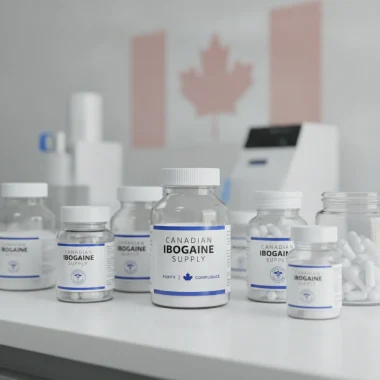
Acquiring ibogaine powder and capsules in Canada necessitates a careful approach to ensure you are obtaining legitimate and safe products. The market offers these forms in varying concentrations and purities. Ibogaine powder, often derived from the root bark of theTabernanthe iboga plant, requires meticulous handling and accurate dosing, which can be challenging without precise measurement tools and expertise. On the other hand, authentic iboga capsules provide a more convenient and standardized way to consume the substance, with each capsule containing a predetermined dosage. This standardization can significantly enhance safety and predictability in therapeutic settings. When purchasing, it is crucial to look for suppliers who clearly indicate the source of their ibogaine, the method of extraction (if applicable), and, ideally, provide laboratory analysis to confirm purity and alkaloid content. Understanding the distinctions between different ibogaine products and their typical applications is key to making an informed decision. For instance, some may find iboga capsules: responsible Canadian use guidance particularly helpful when starting their exploration.
Ethical Considerations and Reputable Suppliers
When sourcing ibogaine products, ethical considerations should be as paramount as product quality. This involves supporting suppliers who operate with integrity, transparency, and a commitment to sustainable and ethical harvesting practices. Reputable suppliers will often demonstrate clear provenance for their ibogaine, indicating where and how theTabernanthe iboga plant was cultivated or wild-harvested. They should also be transparent about their extraction and purification processes, providing documentation such as Certificates of Analysis (COAs) from independent laboratories that verify the product’s purity and alkaloid content. Engaging with suppliers who prioritize education and provide comprehensive guidance on safe usage, potential risks, and legal considerations within Canada is also a hallmark of an ethical vendor. Avoidance of suppliers who make unsubstantiated medical claims or operate in a clandestine manner is crucial. Building trust with a supplier means they are invested in the well-being of their clients, not just the transaction. This responsible sourcing approach ensures that your pursuit of healing aligns with ethical principles and prioritizes your safety above all.











 English
 English (Canada)
 Français du Canada
 Español de México
 Türkçe