

This guide delves into the world of ibogaine therapy, providing a comprehensive overview designed to empower individuals seeking potent solutions. We will explore what ibogaine is, how it works, and why it’s being considered by many as a revolutionary approach to addiction and mental health challenges, with a particular focus on options available within Canada.
Navigating the Landscape of Ibogaine Therapy in Canada
The therapeutic application of ibogaine is a rapidly evolving field, particularly within Canada. As research continues to uncover its potential, understanding the current landscape is vital for those considering this path. This section aims to provide clarity on the scientific underpinnings and the growing recognition of ibogaine’s benefits, especially for individuals struggling with substance use disorders and various mental health concerns. It’s important to approach this information with a critical and informed perspective, recognizing that while promising, ibogaine therapy is a potent intervention that requires careful consideration.

The Evolving Understanding of Ibogaine’s Potential
For decades, ibogaine’s psychoactive properties have been recognized, but its therapeutic potential has only recently come to the forefront of scientific and medical inquiry. Initial research, often driven by anecdotal evidence and traditional use, has paved the way for more rigorous studies exploring its effects on neurotransmitter systems, particularly dopamine and serotonin. This evolving understanding highlights ibogaine’s capacity to not only address the physical symptoms of addiction but also to delve into the underlying psychological and emotional roots of dependence. Its unique mechanism of action, which appears to reset neural pathways and reduce cravings, is a key area of ongoing investigation, offering a glimmer of hope for conditions previously considered intractable. Further scientific exploration continues to validate its role in addiction recovery, moving beyond historical uses to evidence-based therapeutic practices.
What is Ibogaine and How Does It Work?
Ibogaine is an alkaloid derived from the root bark of the Tabernanthe iboga shrub, native to Central Africa. Its unique pharmacology sets it apart from many other psychoactive substances. Unlike traditional psychedelics that primarily act on serotonin receptors, ibogaine interacts with a broader range of neurotransmitter systems, including dopamine, NMDA, and opioid receptors. This complex interaction is believed to be responsible for its profound effects, including its potential to interrupt addictive cycles. The experience is often described as a profound introspective journey, facilitating access to repressed memories and deep-seated emotional patterns, which can be instrumental in psychological healing. Understanding the technical aspects of its action is crucial for safe and effective therapeutic use, offering insights into its potential beyond mere symptom management. For a deeper dive into its mechanisms, one can explore resources that provide a technical overview, such as those detailing understanding ibogaine: a technical overview.
Why Consider Ibogaine for Addiction and Mental Wellness?
The appeal of ibogaine lies in its potential for rapid and sustained relief from challenging conditions, particularly substance addiction. Many individuals turn to ibogaine therapy when conventional treatments have proven insufficient. Its ability to significantly reduce withdrawal symptoms and cravings is a primary draw. Beyond addiction, emerging research suggests ibogaine may also offer benefits for a range of mental health issues, including depression, PTSD, and anxiety, by fostering profound emotional processing and neurochemical balance. The holistic approach it offers, addressing both the physical and psychological aspects of illness, makes it a compelling option for those seeking comprehensive healing. Its role in pain management is also being explored, as indicated by discussions on psychedelics for pain: iboga’s role in Canada. Considering ibogaine can be a turning point for individuals seeking lasting change and improved overall well-being.
Your Ibogaine Treatment Journey: Key Considerations Before You Begin
Embarking on an ibogaine treatment journey is a significant decision that demands thorough preparation and a clear understanding of the process. Unlike many conventional therapies, ibogaine therapy is an intensive intervention requiring careful medical and psychological screening to ensure safety and maximize effectiveness. The success of your treatment hinges on meticulous planning, from selecting a qualified provider to understanding potential contraindications and preparing your mind and body for the experience. This section will guide you through the essential considerations, helping you navigate the complexities and approach your ibogaine therapy with confidence and a solid foundation for healing.
Prior to commencing ibogaine treatment, a comprehensive medical evaluation is paramount. This assessment typically involves detailed blood work, an electrocardiogram (ECG), and a review of your medical history to identify any underlying conditions that could pose a risk. Factors such as heart conditions, liver or kidney issues, and psychiatric disorders need to be thoroughly evaluated. It is crucial to be completely transparent with your healthcare provider about all medications you are currently taking, as many can interact dangerously with ibogaine. The goal is to create a personalized treatment plan that prioritizes your safety above all else. Discussing potential risks and benefits openly with experienced professionals is a non-negotiable step in responsible ibogaine exploration.
Exploring Different Ibogaine Administration Methods
The administration of ibogaine can vary significantly, influencing the intensity, duration, and overall experience of the treatment. While the active compound is the same, the form in which it is delivered and the context of its use are critical factors. Understanding these different methods allows individuals to make more informed choices aligned with their specific needs and therapeutic goals. Each approach carries its own set of protocols and considerations, emphasizing the importance of professional guidance in selecting the most appropriate option.
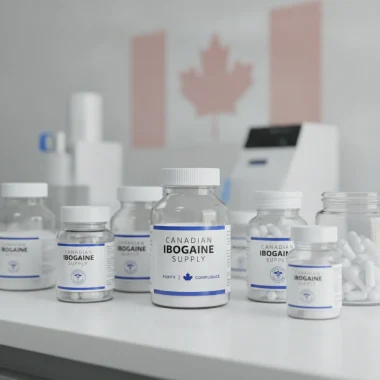
One of the most common forms of ibogaine administration involves the use of processed ibogaine hydrochloride (HCl). This purified form is often administered orally, typically in capsule or powder form, under strict medical supervision. The dosage is precisely calculated based on the individual’s body weight and medical assessment. Another method involves the administration of flood doses, which are significantly higher and designed to induce a profound introspective experience, often used for severe addiction. Alternatively, some clinics may offer a more gentle approach using lower doses of ibogaine or its derivatives, such as ibogal, which may offer therapeutic benefits with a less intense psychoactive effect. Regardless of the method, safety protocols, including continuous monitoring by trained staff and access to emergency medical care, are absolutely essential. For those considering ibogaine in capsule form, resources like authentic iboga capsules: your canadian source can provide initial information on product availability and quality, though professional medical advice remains paramount for treatment application.
Understanding the Ibogaine Treatment Process: From Preparation to Integration
The journey with ibogaine therapy extends far beyond the administration of the substance itself; it encompasses a comprehensive, multi-stage process designed to facilitate profound healing and lasting change. This process can be broadly divided into three critical phases: preparation, the experiential phase, and integration. Each phase plays a vital role in ensuring the safety, efficacy, and long-term success of the treatment. A thorough understanding of these stages empowers individuals to actively participate in their healing and maximize the benefits derived from ibogaine.
The preparation phase is crucial for setting the stage for a successful ibogaine experience. This typically involves a comprehensive medical and psychological assessment to identify any contraindications and tailor the treatment plan. Patients are usually advised to abstain from certain substances and medications that could interact negatively with ibogaine. This period also involves educating the individual about what to expect during the experience, fostering a sense of safety and trust. Psychological preparation, including setting intentions and addressing fears or anxieties, is equally important. For example, a hypothetical patient struggling with opioid addiction might undergo several weeks of medical stabilization and psychological counseling before their ibogaine session.

The experiential phase, often referred to as the “flood dose” or “journey,” is where the ibogaine is administered. This typically occurs in a controlled, supportive environment, often a specialized clinic or treatment center, under the constant supervision of trained medical professionals and experienced facilitators. The duration of this phase can range from 12 to 36 hours, during which the individual undergoes a powerful introspective and often visionary experience. During this time, participants may confront deep-seated trauma, patterns of behavior, and emotional blockages. The role of the facilitators is to ensure physical safety, provide comfort, and guide the individual through any challenging moments, helping them to navigate the profound psychological landscape that emerges. This intensive period is designed to interrupt addictive cycles and provide deep insights into the root causes of their struggles.
The integration phase is arguably the most critical for long-term recovery and well-being. Following the intense experiential phase, individuals require support to process their insights and translate them into sustainable changes in their lives. This typically involves ongoing psychotherapy, support groups, and lifestyle adjustments. The goal is to ground the profound lessons learned during the ibogaine experience into practical, everyday life, preventing relapse and fostering continued personal growth. Without proper integration, the powerful insights gained can fade, diminishing the long-term benefits of the treatment. Examples of integration support might include trauma-informed therapy sessions, mindfulness training, and developing healthy coping mechanisms for stress. Resources like ibogaine wellness: deepening your mental clarity can offer further insights into sustaining mental clarity post-treatment.
Identifying Safe and Reputable Ibogaine Clinics in Canada
When considering ibogaine treatment in Canada, the selection of a clinic is paramount to your safety and the effectiveness of the therapy. Reputable clinics prioritize a comprehensive screening process, ensuring that candidates are physically and psychologically suitable for ibogaine. This includes thorough medical history reviews, physical examinations, and often cardiac assessments (like an EKG) to rule out any contraindications. A key indicator of a trustworthy facility is their emphasis on harm reduction and their adherence to established safety protocols. Ask potential clinics about their emergency preparedness, the qualifications of their medical staff, and their protocols for managing potential adverse reactions. Do not hesitate to ask for references or testimonials from past clients, and look for clinics that offer transparent information about their treatment approach and success rates. The best clinics will openly discuss the risks involved and how they mitigate them. For instance, a clinic that screens for liver and kidney function before treatment demonstrates a commitment to patient safety. Remember, the goal is not just to administer ibogaine, but to do so within a supportive and medically supervised environment that maximizes healing while minimizing risk.
Navigating the landscape of ibogaine providers requires due diligence. Some indicators of less reputable operations include pressure to book immediately, lack of detailed screening, or promises of guaranteed cures without acknowledging potential challenges. A responsible clinic will dedicate significant time to an initial consultation, answering all your questions thoroughly. They should also provide clear information about the post-treatment support offered, as this is a critical component of long-term recovery. This support might include follow-up therapy sessions, integration support groups, or resources for continued wellness. Researching the clinic’s licensing and any affiliations with professional organizations can also provide reassurance. While ibogaine therapy is not yet widely recognized or regulated in the same way as conventional medicine, established centers often adhere to best practices learned from years of experience and international research. Be wary of clinics that operate without clear medical oversight or that seem to prioritize profits over patient well-being. A genuine commitment to healing is often reflected in the clinic’s overall ethos and their willingness to be transparent about their practices.
The Role of Dosage and Ibogaine Potency in Treatment Outcomes
The effectiveness and safety of ibogaine treatment are intricately linked to the dosage administered and the potency of the ibogaine itself. Determining the correct dosage is not a one-size-fits-all approach; it requires careful consideration of individual factors such as body weight, metabolism, the specific substance being treated, and the individual’s overall health status. Too low a dose may not produce the desired therapeutic effects, while too high a dose can increase the risk of adverse events, particularly cardiovascular complications. Medical professionals administering ibogaine rely on established protocols and their clinical experience to calculate an appropriate starting dose, often followed by careful monitoring and potential adjustments. Understanding the pharmacokinetics of ibogaine is crucial for practitioners to safely guide a patient through the experience and ensure they receive the maximum benefit while minimizing harm.
The potency of ibogaine can vary depending on its source and preparation. Understanding whether you are receiving purified ibogaine HCl, ibogaine from natural sources like root bark, or other related alkaloids is important. Different forms can have varying absorption rates and psychoactive intensities. For example, ibogaine powder, if not meticulously processed and standardized, can have inconsistent potency, posing a risk. Clinics that source their ibogaine from reliable, scientifically validated providers and have established quality control measures are essential for ensuring consistent and safe treatment. Consumers interested in obtaining ibogaine products for personal use or research should prioritize sources that offer detailed analytical information regarding the purity and alkaloid content. For instance, understanding the difference between ibogaine HCl and raw iboga root bark is vital for informed decision-making. This technical knowledge is foundational for anyone seeking effective and predictable therapeutic outcomes.
Factors Influencing Optimal Ibogaine Dosage
Establishing the correct ibogaine dosage is a critical, multi-faceted process. Body weight is a primary determinant, as ibogaine’s effects are proportional to mass. However, it is not the sole factor. An individual’s metabolic rate plays a significant role; someone with a faster metabolism might process the substance more quickly, potentially requiring a different dosage strategy compared to someone with a slower metabolism. The specific substance use disorder being treated is also a key consideration. For instance, the approach to treating opioid addiction might differ from that used for stimulant or alcohol addiction, influencing the initial and cumulative dosage. Furthermore, a patient’s overall physical health, including liver and kidney function, directly impacts how their body metabolizes and eliminates ibogaine. Pre-existing cardiac conditions, even if seemingly minor, must be thoroughly assessed as they can significantly alter the safety profile and optimal dosage. A responsible clinic will conduct extensive pre-treatment screening to gather this vital information, often employing calculators and clinical judgment honed by experience to arrive at a safe and effective dose range.
Beyond basic physiology, psychological readiness and tolerance also subtly influence dosage decisions. While ibogaine’s profound effects are not typically diminished by prior psychedelic experience in the way some other substances might be, a patient’s anxiety levels or previous trauma can impact their subjective experience. Practitioners may adjust dosages slightly based on a patient’s perceived emotional state and their ability to process intense experiences. The quality and purity of the ibogaine itself are also inseparable from dosage. If the substance is impure or its alkaloid profile is not well-defined, accurate dosing becomes problematic. This underscores the importance of sourcing from reputable suppliers. Finally, the intended duration and intensity of the experience can guide dosage. Some protocols aim for a shorter, more intense experience, while others prefer a longer, more gradual journey. Each of these variables demands careful evaluation by a qualified medical professional to ensure the dosage is not just effective, but crucially, safe.
The Impact of Ibogaine Purity and Form (Powder vs. Capsules)
The form in which ibogaine is administered significantly impacts its bioavailability, onset of action, and the precision of dosing. Ibogaine powder, particularly raw root bark, can contain a complex mixture of alkaloids beyond ibogaine, such as tabernanthine and ibogamine. While these may contribute to the overall experience, they can also introduce variability in potency and potentially increase the risk of certain side effects. For accurate and predictable therapeutic outcomes, purified ibogaine hydrochloride (HCl) is often preferred. This form offers a standardized concentration, allowing for more precise milligram-level dosing, which is critical for managing safety and efficacy. When considering purchasing these substances, ensuring they come with a Certificate of Analysis (CoA) detailing the purity and alkaloid profile is paramount. Understanding that not all ibogaine is created equal is a crucial step towards informed consumption and safer treatment protocols.
When ibogaine is prepared into capsules, the standardization and quality control measures taken during encapsulation become the primary determinants of purity and potency. Reputable suppliers of authentic iboga capsules will ensure that each capsule contains a precisely measured and consistent amount of purified ibogaine. This pre-measured format offers convenience and removes the need for precise weighing, which can be a source of error for untrained individuals. However, the quality of the raw material used for encapsulation is still key. Always seek out sources that can provide detailed information about their manufacturing processes and the origin of their iboga. The difference in experience between taking a well-formulated capsule and less standardized powder can be substantial, affecting both the therapeutic depth and the potential for adverse reactions. For those exploring iboga capsules, diligent research into the provider is as important as understanding the substance itself.
Assessing Your Eligibility for Ibogaine Treatment: Health and Safety First
Before embarking on ibogaine therapy, a thorough assessment of your health and safety profile is non-negotiable. This process is designed to identify any potential contraindications that could make the treatment unsafe. The most significant concern is **cardiac health**. Ibogaine can affect heart rhythm, specifically prolonging the QT interval, which in rare cases can lead to dangerous arrhythmias like Torsades de Pointes. Therefore, a comprehensive cardiovascular evaluation, including an Electrocardiogram (EKG or ECG), is standard practice. Physicians will scrutinize your medical history for any pre-existing heart conditions, high blood pressure, or use of medications that could interact negatively with ibogaine. Beyond cardiac concerns, **liver and kidney function** are also critical, as these organs are responsible for metabolizing and eliminating the substance from your body. Impaired function in these areas can lead to prolonged and potentially dangerous levels of ibogaine in the system. Blood tests are typically used to assess these functions.
Furthermore, a thorough psychiatric evaluation is essential. While ibogaine is often sought for mental health benefits, certain conditions can pose risks. Individuals with a history of psychosis, schizophrenia, or severe bipolar disorder may be advised against ibogaine treatment due to the potential for exacerbating these conditions. A detailed understanding of your mental health history and current psychological state allows practitioners to make informed decisions about your suitability. Additionally, any history of seizures or neurological disorders requires careful consideration. The screening process also includes reviewing all current medications, as numerous drugs can have dangerous interactions with ibogaine. This includes prescription drugs, over-the-counter medications, and supplements. A responsible ibogaine provider will conduct an exhaustive review to ensure your safety, often requiring you to complete detailed questionnaires and undergo one or more in-depth consultations. This meticulous screening is not a barrier but a crucial safety net.
Managing Expectations: What to Realistically Expect from Ibogaine Therapy
Approaching ibogaine therapy with realistic expectations is vital for a successful and safe experience. While ibogaine is renowned for its potential to disrupt addictive patterns, it is not a magical cure-all. Its primary mechanism involves interrupting the physical and psychological cravings associated with addiction, offering a profound introspective experience that can provide insights into the root causes of substance use. For many, the most striking effect is the significant reduction or elimination of withdrawal symptoms, particularly from opioids, which allows for a more comfortable transition out of physical dependence. However, the psychological aspect of addiction is complex and often requires ongoing support and integration work. Expecting ibogaine to solve all underlying life issues or mental health challenges without subsequent effort can lead to disappointment.
The ibogaine experience itself is intensely psychoactive and can be challenging. Patients often report vivid, dream-like states, a thorough review of their life experiences, and a sense of emotional catharsis. This journey can be deeply insightful, providing clarity on past traumas and patterns of behavior that contribute to addiction. However, it can also be emotionally demanding, bringing repressed feelings and memories to the surface. A well-prepared patient, supported by experienced practitioners, can navigate these intense states constructively. The duration of the psychoactive effects typically lasts between 6 to 24 hours, with residual effects potentially lingering for a day or two. It is important to understand that while the acute physical withdrawal may be significantly eased, the journey of recovery is ongoing. Post-treatment support, such as therapy, support groups, and lifestyle changes, remains essential for long-term sobriety and overall well-being.
Potential Benefits for Various Addictions
Ibogaine has demonstrated significant potential in addressing a wide spectrum of substance use disorders, offering a unique approach that differs from conventional treatments. For **opioid addiction**, it is particularly well-regarded for its ability to drastically reduce or eliminate acute withdrawal symptoms, often allowing individuals to transition away from physical dependence in a single treatment cycle. This can be life-changing for those who have struggled with the severe discomfort and duration of traditional withdrawal protocols. Beyond opioids, ibogaine has shown promise in treating addictions to **alcohol, cocaine, methamphetamine, and nicotine**. The mechanism often involves disrupting the neurological pathways that drive cravings and compulsive use, while also facilitating a profound psychological introspection that can address the underlying reasons for addiction. For example, individuals struggling with chronic pain and opioid dependence may find that ibogaine not only alleviates withdrawal but also offers potential relief from their pain, as explored in discussions on psychedelics for pain.
The effectiveness often hinges on the quality of the treatment setting and the comprehensive care provided. While the direct impact on breaking the physical cycle of addiction is a major draw, the psychological insights gained during the ibogaine experience can be equally transformative. Patients often report gaining a new perspective on their life choices, past traumas, and the underlying emotional voids that may have contributed to their substance use. This can empower them to make lasting behavioral changes. For instance, an individual struggling with stimulant addiction might uncover buried anxieties or coping mechanisms that fueled their drug use. This self-discovery, when guided by experienced therapists, can be the catalyst for sustained recovery. It’s crucial to remember that ibogaine is a powerful tool, and its benefits are maximized when integrated into a holistic recovery plan that includes preparation, supportive aftercare, and ongoing personal development.
Addressing Mental Health Challenges Beyond Addiction
While ibogaine is most widely recognized for its application in addiction treatment, its therapeutic potential extends to addressing a range of mental health conditions. Its profound introspective qualities can facilitate deep emotional processing and self-discovery, which are beneficial for individuals grappling with depression and anxiety disorders. By bringing suppressed emotions and unresolved issues to the surface in a controlled, therapeutic environment, ibogaine can help individuals gain new perspectives and release emotional blockages that contribute to their distress. This can lead to a significant reduction in symptoms and an improved sense of emotional well-being. The experience often encourages a profound shift in perspective, allowing individuals to re-evaluate their life circumstances and develop healthier coping mechanisms. This aligns with broader discussions on ibogaine wellness and its role in enhancing mental clarity.
Furthermore, ibogaine’s unique neurochemical effects are being explored for their potential in treating conditions such as **Post-Traumatic Stress Disorder (PTSD)**. The intense introspective nature of the experience can allow individuals to confront and process traumatic memories in a way that feels safe and manageable within a therapeutic context. By facilitating a detachment from the overwhelming emotional charge of these memories, ibogaine may help to reframe past experiences and reduce the debilitating symptoms associated with PTSD. While still an area of active research and clinical exploration, initial findings suggest significant promise. It is important to note that addressing mental health conditions with ibogaine requires careful screening to ensure it is appropriate for the individual’s specific diagnosis and to manage potential risks. The potential for significant mental health benefits underscores the broad therapeutic reach of this powerful substance, moving beyond addiction to foster deeper psychological healing and resilience, as discussed in contexts like Iboga: Beyond Addiction, Towards Wellness.
Understanding the Psychoactive Experience
The psychoactive experience induced by ibogaine is unlike that of many other psychedelics. It is characterized by a profound state of introspection, often described as a **vivid, dream-like journey** that can span several hours. During this state, individuals typically report a comprehensive review of their life, with memories, emotions, and experiences surfacing with remarkable clarity. This is not a hallucinatory experience in the typical sense of seeing or hearing things that aren’t there; rather, it is an internal exploration that can feel like watching a highly detailed documentary of one’s own life. The intensity of this experience can vary significantly from person to person and is influenced by factors such as dosage, individual psychology, and the setting in which it is taken. It is a deeply personal and often cathartic process, where individuals confront past events, understand their impact, and gain new perspectives on their behaviors and choices.
This introspective phase is often accompanied by a sense of emotional release and a profound shift in perspective. Many users report feeling a sense of detachment from their past traumas and a greater capacity for self-compassion. This can be particularly beneficial for individuals struggling with addiction, as it allows them to examine the root causes of their substance use without the overwhelming emotional pain that often accompanies such reflection in ordinary consciousness. The experience can provide a powerful reset, enabling individuals to break free from cyclical patterns of thought and behavior. However, it is crucial to undergo this experience in a safe, supportive environment with experienced facilitators who can guide the individual through any challenging moments and help them integrate the insights gained. While the acute effects typically subside within 24 hours, the psychological integration of the experience can continue for weeks or months, leading to lasting personal transformation and a renewed sense of purpose.
The Importance of Post-Treatment Support and Integration
The journey with ibogaine is often described as a profound reset, but this powerful experience is only the beginning. Effective post-treatment support and integration are paramount to ensuring the lasting benefits of ibogaine therapy. Without a structured approach to integrating the insights gained, individuals risk returning to old patterns and losing the progress they’ve made. This phase involves understanding the psychological and emotional shifts that occur and developing strategies to navigate daily life with renewed clarity and resilience. It’s about translating the intense introspective work into tangible, sustainable changes in behaviour and mindset.
A critical component of this post-treatment phase is addressing the potential for lingering psychological effects. While ibogaine can rapidly diminish withdrawal symptoms and cravings, the underlying psychological drivers of addiction or mental health challenges often require ongoing attention. This might involve one-on-one therapy, group support, or specialized integration programs designed to help individuals process their ibogaine experience. The goal is to build a strong foundation for continued growth, preventing relapse and fostering a deeper sense of well-being. For those looking to understand more about the underlying mechanisms, resources like Understanding Ibogaine: A Technical Overview can provide valuable context.
Furthermore, embracing a holistic approach to recovery means attending to physical, emotional, and spiritual health. This can involve adopting healthier lifestyle choices, such as improved nutrition and regular exercise, and cultivating mindfulness practices. For some, exploring further therapeutic modalities or spiritual practices can also play a significant role in solidifying their recovery. The integration process is not a one-size-fits-all solution; it requires a personalized strategy that acknowledges the unique needs and challenges of each individual. Remember, the intensity of the ibogaine experience is designed to facilitate change, but sustained change relies on consistent effort and dedicated support.
Developing a Sustainable Recovery Plan
Crafting a sustainable recovery plan after ibogaine treatment is crucial for long-term success. This plan should be comprehensive, addressing not only the initial goals of seeking treatment but also anticipating future challenges and opportunities for growth. Key elements include establishing a consistent routine, identifying potential triggers, and developing proactive coping mechanisms. For example, if a person struggled with social isolation, the plan might include strategies for building new healthy social connections or re-engaging with supportive friends and family.
A vital aspect of this plan is setting realistic short-term and long-term goals. These might range from daily objectives, such as maintaining sobriety or engaging in a specific self-care practice, to broader aspirations, like returning to education or pursuing a new career. Measurable and achievable goals provide a sense of direction and accomplishment, reinforcing the positive changes initiated by ibogaine. It’s also beneficial to incorporate elements that promote personal fulfillment and joy, such as hobbies or creative pursuits, which contribute to a balanced and meaningful life beyond the absence of addiction or distress.
Moreover, a robust recovery plan should include provisions for setbacks. Understanding that challenges are a normal part of any significant life transformation can help individuals approach difficulties with resilience rather than despair. This might involve identifying a trusted support person to contact during moments of struggle or having a pre-determined strategy for re-engaging with healthier habits. The emphasis is on continuous learning and adaptation, ensuring the plan remains relevant and effective as circumstances evolve. For individuals seeking tools to enhance their mental clarity, exploring resources on Ibogaine Wellness: Deepening Your Mental Clarity can be beneficial.
Leveraging Support Networks for Long-Term Success
The journey to lasting recovery is rarely a solo endeavor; leveraging support networks is a cornerstone of sustained well-being. These networks can encompass a diverse range of individuals and groups, each offering unique forms of encouragement and accountability. This includes family members who have been educated on the recovery process, friends who offer non-judgmental companionship, and professional support systems like therapists and counselors. Building and nurturing these relationships creates a vital safety net that can catch individuals during difficult times and celebrate their successes.
Support groups, such as those focused on addiction recovery or mental health, provide a powerful sense of community and shared experience. Participating in these groups allows individuals to connect with others who understand their struggles firsthand, fostering a sense of belonging and reducing feelings of isolation. Hearing about the successes and challenges of peers can offer valuable insights and practical strategies. Additionally, peer support can empower individuals to become sources of strength for others, reinforcing their own commitment to recovery. For those interested in exploring alternative wellness avenues, understanding Iboga: Beyond Addiction, Towards Wellness can open up new perspectives.
It is also important to recognize that support can come from unexpected places. Mentors, spiritual advisors, or even online communities can provide valuable guidance and encouragement. The key is to cultivate a diverse range of connections that can offer different types of support. This might involve regular check-ins with a sponsor, attending therapy sessions, or simply having a friend to call when feeling overwhelmed. A strong support system acts as a continuous source of motivation, helping individuals navigate the complexities of life post-ibogaine treatment and reinforcing their commitment to a healthier future.
Legal and Ethical Considerations for Ibogaine Use in Canada
Navigating the landscape of ibogaine use in Canada requires a thorough understanding of its legal and ethical considerations. While not explicitly scheduled as a controlled substance in the same way as many other psychedelics, the legal status of ibogaine can be complex and varies depending on the specific context of its use and possession. The primary concern often revolves around its classification as a Schedule III substance under the Controlled Drugs and Substances Act, which pertains to its pharmaceutical analogue, ibogaine. This means that while possession and sale might be restricted, there can be pathways for legal therapeutic use under strict medical supervision.
Ethically, the use of ibogaine raises significant questions regarding informed consent, patient safety, and the qualifications of practitioners. Given its potent psychoactive effects and potential risks, it is imperative that individuals seeking ibogaine treatment are fully informed about the procedure, potential side effects, and contraindications. Ethical practice demands transparency from providers regarding their training, experience, and the protocols they follow. This includes a comprehensive screening process to identify individuals for whom ibogaine may not be suitable due to pre-existing health conditions, such as cardiovascular issues. Ensuring responsible and ethical treatment is paramount for patient well-being.
The sourcing of ibogaine products also falls under significant legal and ethical scrutiny. In Canada, obtaining ibogaine outside of a regulated medical framework can carry legal risks. For individuals exploring options, understanding the distinction between research chemicals, regulated therapeutic products, and illicit substances is vital. The ethical imperative is to prioritize safety and legality, avoiding any practices that could expose individuals to undue risk or legal repercussions. For those interested in alternative psychoactive substances, exploring resources on 2C-B Pills Canada: Responsible Psychedelic Use can offer insights into navigating legalities for other compounds.
Current Legal Status and Access Pathways
In Canada, the current legal status of ibogaine is nuanced. While it is not explicitly listed as a prohibited substance for personal use in the same manner as some other psychedelics, it falls under the umbrella of substances that can be regulated. Health Canada has the authority to issue exemptions for the possession, production, and distribution of controlled substances for medical or scientific purposes. This means that access to ibogaine for therapeutic use typically requires a Special Access Program (SAP) approval, which is granted on a case-by-case basis for individuals with severe, life-threatening conditions for whom conventional treatments have failed.
Accessing ibogaine legally for therapeutic purposes in Canada often involves seeking treatment in licensed facilities or through physicians who have obtained the necessary Health Canada approvals. These pathways are highly regulated and designed to ensure patient safety and oversight. The process can be rigorous, requiring detailed medical assessments, clear justification for the use of ibogaine, and adherence to strict protocols. It’s important to distinguish this from the unregulated acquisition of ibogaine, which can carry significant legal risks and, more importantly, profound health dangers. For those seeking legitimate avenues, understanding the requirements for these exemptions is key.
Beyond the formal SAP route, some individuals explore therapeutic use in countries with more established legal frameworks for ibogaine treatment. However, this involves significant legal and logistical considerations for international travel and medical tourism. The emphasis remains on ensuring that any form of access, whether within Canada or abroad, is conducted with the utmost attention to legal compliance and ethical standards. For individuals seeking information on responsible sourcing within Canada, options such as Authentic Iboga Capsules: Your Canadian Source may be of interest, provided they align with current regulations and individual circumstances.
Navigating Regulations and Responsible Sourcing
When considering ibogaine in Canada, navigating the complex regulations is paramount. The Controlled Drugs and Substances Act and its associated regulations govern the possession, sale, and use of substances like ibogaine. While it is not commonly found on street markets, its acquisition outside of sanctioned medical or research contexts can lead to legal challenges. Individuals must be aware that possessing ibogaine without proper authorization could result in severe penalties. The focus for responsible use remains on established, legal channels, even if these are limited.
Responsible sourcing of ibogaine products is critical for both legal and safety reasons. This involves ensuring that any product acquired comes from a reputable source that adheres to quality control standards and legal requirements. For those seeking ibogaine for therapeutic purposes, this often means working with healthcare professionals or clinics that are licensed and compliant with Canadian regulations. Self-sourcing without proper due diligence can lead to obtaining adulterated or misrepresented products, increasing the risk of adverse health outcomes. Diligent research into the origin and purity of any substance is non-negotiable.
Furthermore, understanding the distinction between various forms of ibogaine, such as ibogaine HCl versus iboga root bark, and their respective legal implications in Canada is important. While the focus here is on ibogaine therapy, the broader context of iboga products, like capsules for wellness, also requires attention to regulatory compliance. Companies offering such products must demonstrate adherence to Canadian laws. For individuals exploring responsibly sourced options within Canada, information on Iboga Capsules: Responsible Canadian Use can provide guidance, emphasizing the importance of legal and ethical acquisition practices.
Making Informed Decisions: Questions to Ask Your Ibogaine Provider
When embarking on the path of ibogaine treatment, making informed decisions is paramount. This involves critically evaluating potential providers and asking insightful questions to ensure safety, efficacy, and ethical practice. A key area of inquiry should be the provider’s credentials and experience. Don’t hesitate to ask about their formal training in psychedelic-assisted therapy, their specific experience with ibogaine, and their qualifications in addiction treatment or mental health. Understanding their background will help you gauge their competence and suitability to guide you through such a profound experience.
Beyond credentials, delve into the specifics of their treatment protocols. How do they screen patients for suitability and potential risks, particularly cardiovascular health, which is a significant concern with ibogaine? What is their approach to dosage, administration, and monitoring during the experience? Inquire about the support provided during the intensive psychoactive phase and, crucially, what post-treatment integration support is offered. A responsible provider will have a comprehensive plan for aftercare, including therapy, group support, or recommendations for continued wellness practices. This is essential for solidifying the gains made during the ibogaine session.
Ethical considerations are also vital. Ask about their approach to informed consent, ensuring you fully understand the risks, benefits, and alternatives. Clarify their policies on confidentiality and client rights. If the provider is associated with a clinic or facility, investigate its licensing and compliance with local health regulations. Furthermore, discuss the cost structure clearly, understanding what is included in the fees and any potential additional expenses. By asking these thorough questions, you empower yourself to make a confident and safe choice, ensuring your journey with ibogaine is as beneficial and secure as possible.
Accessing Ibogaine Products Safely and Responsibly in Canada
In Canada, accessing ibogaine products safely and responsibly requires a cautious and informed approach, given the substance’s potent nature and evolving regulatory landscape. The primary pathway for legal therapeutic access typically involves navigating Health Canada’s Special Access Program (SAP) or seeking treatment through licensed clinics or practitioners who have obtained the necessary approvals. This ensures that any use is medically supervised and conducted under strict safety protocols. For individuals experiencing severe addiction or mental health conditions resistant to conventional therapies, this route offers a framework for safe, albeit highly regulated, engagement.
For those exploring ibogaine or related compounds for wellness or therapeutic exploration outside of acute addiction treatment, the landscape becomes more complex. While some substances may be available for research purposes, their acquisition and use must strictly adhere to legal guidelines. It is imperative to avoid illicit sources, which pose significant risks due to potential contamination, misidentification, and lack of quality control. The ethical imperative and personal safety demand prioritizing legal, regulated channels for any psychoactive substance. Information on responsible use of related compounds, such as that found in Ibogaine Wellness: Deepening Your Mental Clarity, can offer valuable insights into a mindful approach.
Understanding the specific regulations surrounding different forms of iboga, such as Authentic Iboga Capsules: Canada’s Source, is also crucial. Reputable suppliers in Canada operate within legal frameworks and provide transparent information about their products. This includes detailing the origin, purity, and recommended usage guidelines. When considering any ibogaine product, whether for therapeutic purposes or broader wellness applications, prioritizing safety, legality, and informed consent is non-negotiable. This ensures that the pursuit of healing and well-being is undertaken with the highest regard for personal health and adherence to Canadian laws.
Ultimately, whether considering ibogaine for addiction, mental health, or personal growth, the path forward in Canada demands diligence in understanding legal frameworks, prioritizing safety, and engaging with qualified professionals. This careful approach supports the potential for profound positive change while mitigating risks.











 English
 English (Canada)
 Français du Canada
 Español de México
 Türkçe