
The landscape of mental wellness is constantly evolving, and in Canada, interest in alternative therapies like iboga and ibogaine is steadily growing. As of March 2026, understanding the nuances of these substances, including their applications, legal considerations, and, importantly, their costs, is crucial for anyone considering this path.
This guide provides a comprehensive overview of the current market prices for iboga and ibogaine products in Canada, examining the factors that influence these costs and offering practical information for informed decision-making.
Navigating the Evolving Landscape of Iboga and Psychedelic Wellness in Canada (2026)
The Growing Interest in Psychedelic-Assisted Therapies
Over the past few years, Canada has witnessed an increasing openness towards psychedelic-assisted therapies for various mental health conditions. This shift is driven by accumulating research suggesting the potential of substances like ibogaine, psilocybin (found in magic mushrooms), and even ketamine in treating conditions such as addiction, depression, anxiety, and PTSD. The therapeutic approach often involves combining the psychedelic experience with psychotherapy to facilitate deeper self-exploration and healing. The appeal lies in the potential for rapid and profound shifts in perspective, often surpassing the limitations of traditional treatments.
A Focus on Safety, Regulation, and Responsible Access
Despite the growing interest, it’s crucial to emphasize safety, regulation, and responsible access. The legal status of iboga and ibogaine remains complex in Canada, varying depending on the specific substance and its intended use. While some clinics may operate within legal frameworks, sourcing these substances often involves navigating a grey area. Prospective users should prioritize reputable providers who prioritize harm reduction and provide thorough medical screening and integration support. This includes being fully aware of the potential risks, contraindications, and drug interactions associated with iboga and ibogaine. Seeking guidance from healthcare professionals experienced in psychedelic medicine is essential. Always check credentials and verify the ethical standards of any clinic or provider you are considering. You can find resources on responsible psychedelic use from organizations like MAPS (Multidisciplinary Association for Psychedelic Studies).
Understanding Iboga and Ibogaine: Key Differences and Applications

Iboga: The Root and its Traditional Use
Iboga refers to the root bark of the Tabernanthe iboga shrub, native to West Central Africa. For centuries, the Bwiti religion in Gabon has used iboga in spiritual ceremonies and rites of passage. In this context, iboga is considered a sacred medicine that facilitates connection with ancestors, self-discovery, and healing. Traditional use involves consuming the root bark in its natural form, often in substantial quantities, during guided ceremonies.
Ibogaine: The Extracted Alkaloid for Therapeutic Purposes
Ibogaine is the primary psychoactive alkaloid extracted from the iboga root bark. It’s this purified compound that is often used in therapeutic settings for its potential to interrupt addictive behaviors, particularly opioid addiction. Ibogaine is thought to work by interacting with multiple neurotransmitter systems in the brain, reducing cravings and withdrawal symptoms. It also induces a prolonged altered state of consciousness that can allow individuals to process past traumas and gain insights into their addiction patterns. It’s important to recognize that ibogaine treatment is not a “cure” for addiction but rather a tool that can facilitate lasting change when combined with ongoing therapy and support.
Distinguishing Between Iboga TA (Total Alkaloid) Extract and Pure Ibogaine
Iboga TA (Total Alkaloid) extract contains a range of alkaloids found naturally in the iboga root bark, including ibogaine, but also other compounds like ibogamine and noribogaine. Proponents of TA extract argue that the combination of alkaloids offers a more balanced and holistic therapeutic effect compared to pure ibogaine, potentially reducing the intensity of the experience and offering a broader spectrum of benefits. Pure ibogaine, on the other hand, contains only the ibogaine alkaloid. It allows for more precise dosing and is often preferred in clinical settings where specific effects are desired. The choice between TA extract and pure ibogaine depends on individual needs, preferences, and the practitioner’s experience. Users should carefully consider the potential benefits and risks of each form before making a decision. For example, some individuals might find the more holistic approach of TA extract beneficial, while others might prefer the predictability of pure ibogaine.
Factors Influencing the Cost of Iboga and Ibogaine Treatment in Canada
Dosage Requirements Based on Individual Needs
The cost of iboga or ibogaine treatment is significantly influenced by the dosage required. Dosage varies depending on several factors, including body weight, metabolism, the severity of addiction (if applicable), and individual sensitivity to the substance. Typically, larger individuals require higher doses, and those with long-term or severe addiction may also need more significant amounts. An experienced practitioner will assess these factors to determine the appropriate dosage, which directly impacts the overall cost. A higher dose translates directly into a higher cost for the substance itself.
The Type of Product (e.g., Capsules, Powder, TA Extract)
The form in which iboga or ibogaine is purchased also affects the price. Raw iboga root bark is generally the least expensive option, but it requires preparation and can be challenging to consume. Ibogaine capsules offer convenience and precise dosing, but they come at a premium. Ibogaine powder allows for flexibility in dosing and administration but requires careful measurement. Iboga TA extract, being a more processed product, typically falls in the middle price range. For example, a gram of ibogaine HCL powder might cost more than the equivalent weight in iboga root bark, but less than a package of pre-dosed capsules containing the same amount of ibogaine.
Treatment Setting (e.g., Clinic vs. At-Home, with guidance)
The setting in which iboga or ibogaine is administered significantly impacts the overall cost. Treatment in a specialized clinic with medical supervision, psychological support, and comfortable accommodations is the most expensive option. At-home treatment, with remote guidance from a practitioner, is generally less costly but requires a higher degree of self-reliance and carries greater risks. Choosing a clinic that offers comprehensive care, including pre-screening, medical monitoring, and post-treatment integration support, will naturally be more expensive than simply purchasing the substance and attempting self-administration. Consider, for example, a clinic stay might range from $5,000 to $15,000 CAD, while purchasing the equivalent amount of ibogaine for at-home use could cost between $500 to $2,000 CAD, but without the essential safety and support structures.
The Reputable vendors in Canada, www.mindhealingshop.ca
Purchasing from reputable vendors like www.mindhealingshop.ca is paramount, even if it means paying a slightly higher price. Reputable vendors prioritize product quality, purity, and safety, and they often provide detailed information about the source and composition of their products. They also adhere to ethical sourcing practices and support harm reduction efforts. Choosing a vendor based solely on price can lead to purchasing substandard or even counterfeit products, which can be dangerous. Look for vendors with transparent sourcing practices, positive customer reviews, and a commitment to responsible practices. For instance, a reputable vendor will readily provide lab test results to verify the purity and potency of their ibogaine or iboga products. Always research and verify the credibility of any vendor before making a purchase.
Current Market Prices for Iboga Products in Canada (As of March 2026)
Price Ranges for Iboga Root Bark (per gram/kilogram)
As of March 2026, the price of iboga root bark in Canada typically ranges from $5 to $15 CAD per gram when purchased in small quantities (e.g., 10-50 grams). Bulk purchases (e.g., 1 kilogram or more) can significantly reduce the per-gram cost, potentially bringing it down to $3 to $8 CAD per gram. The price variations depend on factors such as the source of the root bark, its quality (e.g., potency, freshness), and the vendor’s markup. Sustainably sourced and ethically harvested iboga root bark often commands a higher price due to the additional costs associated with responsible sourcing practices. Buyers should be wary of excessively cheap iboga root bark, as it may be of low quality or sourced unethically.
Ibogaine HCL Powder Pricing (per gram)
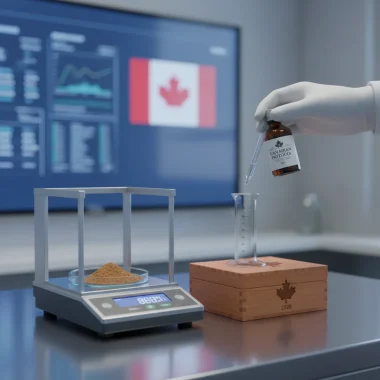
Ibogaine HCL powder, being a refined extract, is considerably more expensive than iboga root bark. As of March 2026, the price per gram of ibogaine HCL powder in Canada typically ranges from $50 to $150 CAD. The price depends on factors such as the purity of the ibogaine, the vendor’s reputation, and the quantity purchased. Higher purity ibogaine (e.g., 98% or greater) generally commands a higher price. Buyers should always request lab test results to verify the purity and authenticity of the ibogaine HCL powder before making a purchase. Be cautious of vendors offering extremely low prices, as this could indicate a substandard or counterfeit product. You can find more information about lab testing standards at organizations such as ISO (International Organization for Standardization).
Ibogaine Capsules: Cost Per Capsule and Dosage Considerations
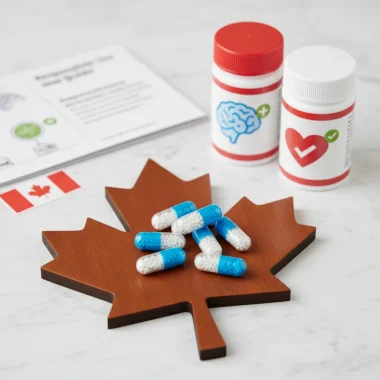
Ibogaine capsules offer a convenient and pre-dosed way to consume ibogaine. The cost per capsule varies depending on the dosage and the vendor. As of March 2026, a single ibogaine capsule containing 100mg of ibogaine HCL typically costs between $15 and $30 CAD. Larger capsules containing 250mg or 300mg of ibogaine will naturally cost more, ranging from $35 to $60 CAD per capsule. When considering ibogaine capsules, it’s essential to carefully calculate the total dosage required based on individual needs and consult with a knowledgeable practitioner to determine the appropriate number of capsules to consume. Understanding dosage is vital for achieving the desired therapeutic effects and minimizing potential risks.
Iboga TA (Total Alkaloid) Extract: Pricing Structure
Iboga TA (Total Alkaloid) extract falls in between iboga root bark and pure ibogaine HCL in terms of price. As of March 2026, the price per gram of Iboga TA extract in Canada typically ranges from $30 to $80 CAD. The specific alkaloid content of the extract (i.e., the percentage of ibogaine and other alkaloids) will influence the price, with higher concentrations commanding a premium. When purchasing Iboga TA extract, it’s important to inquire about the alkaloid profile and ensure that the vendor provides accurate and transparent information about the composition of the product. For example, an extract containing 50% total alkaloids, with 30% being ibogaine, might be priced differently than an extract containing 70% total alkaloids with 50% ibogaine. The specific ratios can influence the effects and perceived value of the extract. As always, verify vendor credentials and request lab testing data where possible.
Beyond Iboga: A Glance at Other Psychedelic Product Pricing in Canada
Psilocybin Mushrooms (Magic Mushrooms): Price Per Gram and Strain Variations
The price of psilocybin mushrooms, often referred to as magic mushrooms, in Canada can vary significantly based on factors like strain, quality, and source. Generally, you can expect to pay anywhere from $5 to $15 per gram. Some rarer or more potent strains may command higher prices. For example, strains like Penis Envy or Albino A+ might be priced at the higher end of the spectrum, while more common strains like Golden Teacher could be on the lower end. Availability also plays a crucial role; in regions with limited access, prices may be inflated. It’s also worth noting that purchasing from a reputable source, such as a trusted online vendor, may incur a premium but often ensures higher quality and potency. Remember that possession and sale remain largely illegal, which affects pricing and availability. Prior to acquiring any products, Canadians should research the current laws in their locality.
Ketamine Pricing: Understanding Clinic-Based Treatments and Potential Home Use (Where Legal)
Ketamine pricing in Canada is diverse, depending on whether you’re considering clinic-based treatments or, in regions where permissible, potential home use options. Clinic-based ketamine infusions for depression or other mental health conditions typically range from $400 to $800 per session. The total cost can vary significantly depending on the number of sessions required, which is often determined by a medical professional after an initial assessment. For example, a standard course of six infusions could cost between $2,400 and $4,800. In areas where ketamine-assisted psychotherapy is available, the cost may be higher due to the inclusion of therapy sessions. If considering at-home use (where legal and prescribed), the cost involves prescription fees and the price of the ketamine itself. Prior research on the current legal standing of ketamine is critical, and only pursue use when guided and prescribed by a qualified medical practitioner. You can learn more about ketamine regulations in Canada on pages such as this one.
2C-B Pills: Availability and Cost Considerations (Legality Notice)
2C-B is a synthetic psychedelic drug, and its availability and cost in Canada are highly variable and subject to legal restrictions. Due to its legal status in Canada, obtaining 2C-B is illicit, and prices are not standardized, meaning any cost discussion is purely academic. The price of 2C-B pills, were they available through unregulated channels, would be influenced by factors such as purity, dosage, and the source. Prices can range widely on the black market. However, due to the associated risks, seeking alternatives for mental wellness is strongly advised. It is critical to understand the local laws and potential consequences of possessing or distributing 2C-B. The legal status can change, so continuously verify regulations in your specific region. Prioritize safety and legality when exploring options for mental wellness.
Legality and safety of product, especially Ketamine, and 2C-B
In Canada, the legal landscape surrounding substances like ketamine and 2C-B is complex and crucial to understand. Ketamine, while used medically, is a controlled substance, and its use outside of medical supervision is illegal. Unauthorized possession or distribution can lead to severe legal penalties. 2C-B is also illegal in Canada, and any involvement with it carries significant risks, including legal consequences and potential health hazards due to unregulated production. Regarding safety, both substances pose considerable risks if not administered or used under medical supervision. Ketamine can cause side effects like nausea, confusion, and elevated blood pressure, while 2C-B’s effects can be unpredictable and potentially dangerous, especially when combined with other substances. It is important to consult with healthcare professionals and adhere to legal regulations to ensure your safety and well-being. Always prioritize evidence-based practices for mental health and substance use treatment.
Potential Hidden Costs to Consider When Budgeting for Iboga or Ibogaine Therapy
Travel and Accommodation Expenses
When budgeting for iboga or ibogaine therapy, particularly if treatment is sought outside of one’s immediate locality or internationally, travel and accommodation expenses can quickly escalate. These costs include flights or transportation to the treatment center, which can vary widely depending on distance and mode of travel. Accommodation costs also need consideration, whether staying at the treatment center itself or in nearby hotels or guesthouses. The duration of stay will influence these costs, with longer treatment programs incurring higher expenses. For instance, a two-week stay at a treatment center that costs $150 per night would add $2,100 to the overall budget, excluding travel. Additional travel-related expenses could include airport transfers, meals, and local transportation. Careful planning and booking in advance can help mitigate some of these costs. Be sure to also factor in potential currency exchange fees if traveling to a foreign country.
Pre-Treatment Medical Assessments and Consultations
Prior to undergoing iboga or ibogaine therapy, comprehensive medical assessments and consultations are essential to ensure safety and determine suitability for treatment. These assessments often involve physical examinations, blood tests, electrocardiograms (ECGs), and psychological evaluations. The costs associated with these assessments can vary depending on the clinic or practitioner and the extent of testing required. For example, an ECG might cost between $50 and $150, while blood tests could range from $100 to $300 depending on the panel of tests ordered. Consultations with medical doctors or psychiatrists may also incur fees, typically ranging from $150 to $300 per session. It’s crucial to factor these pre-treatment expenses into the overall budget, as they are necessary to identify any potential contraindications or risks associated with iboga or ibogaine therapy. Transparency from the treatment center regarding these costs is a good indicator of their ethical standards. Some clinics may include these costs in their overall package.
Post-Treatment Integration Support and Therapy
The period following iboga or ibogaine treatment is crucial for integrating the experiences and insights gained during the process. Post-treatment integration support and therapy play a vital role in helping individuals translate these experiences into meaningful and lasting changes in their lives. This support can take various forms, including individual therapy sessions, group therapy, and aftercare programs. The cost of integration support can vary depending on the type and frequency of services. Individual therapy sessions might range from $80 to $200 per session, while group therapy could be less expensive, ranging from $30 to $70 per session. Aftercare programs, which may include regular check-ins and ongoing support, could have a monthly fee ranging from $200 to $500. Failing to invest in adequate integration support can hinder the long-term benefits of iboga or ibogaine therapy. Some clinics offer integration support as part of their overall treatment package. Consider working with therapists experienced in psychedelic integration.
Emergency Medical Expenses (Rare but Possible)
While rare, the possibility of emergency medical expenses should be considered when budgeting for iboga or ibogaine therapy. Iboga and ibogaine can have significant effects on the cardiovascular system, and in some cases, adverse reactions or complications may arise, requiring immediate medical attention. These emergencies could involve hospitalization, treatment with medications, or other medical interventions. The costs associated with emergency medical care can be substantial, especially if treatment is sought in a foreign country. It is advisable to have adequate health insurance coverage that includes international medical emergencies. In Canada, provincial health insurance plans may not cover all expenses incurred outside of the province, so supplemental travel insurance is recommended. The treatment center should have protocols in place for managing medical emergencies, and patients should be fully informed of these protocols before undergoing treatment. While the risk of serious complications is low with proper screening and monitoring, it’s prudent to be prepared for unexpected events.
Red Flags to Watch Out for: Identifying Potentially Unsafe or Overpriced Products
Unverified Sources and Lack of Transparency
A major red flag when considering iboga, ibogaine, or other psychedelic products is a lack of transparency from the source. Reputable suppliers and treatment centers should be open about their sourcing practices, quality control measures, and the qualifications of their staff. Be wary of websites or individuals who are unwilling to provide detailed information about their products or services. For example, if a website selling ibogaine powder doesn’t specify the origin of the iboga, the extraction methods used, or the purity of the product, it’s a cause for concern. Similarly, if a treatment center is vague about its medical protocols, the qualifications of its medical staff, or the potential risks associated with treatment, proceed with caution. Always verify the credentials and experience of practitioners and seek out independent reviews or testimonials from previous clients. Trustworthy sources will have no issue supplying this information.
Extremely Low Prices That Seem Too Good to Be True
In the realm of iboga, ibogaine, and other psychedelic products, extremely low prices should raise immediate suspicion. The sourcing, extraction, and purification of these substances can be complex and costly, and legitimate treatment centers require significant overhead to ensure patient safety and provide quality care. If a product or service is priced significantly lower than the average market rate, it may indicate compromised quality, unethical sourcing, or even fraudulent activity. For instance, if the typical price for ibogaine treatment is $5,000 to $10,000, and a center offers it for $2,000, it’s essential to investigate further. The savings may come at the expense of patient safety, qualified medical supervision, or the use of authentic and potent ibogaine. It’s always wise to prioritize quality and safety over cost when dealing with substances that can have profound effects on the mind and body. Remember the adage: if it sounds too good to be true, it probably is.
Claims of Guaranteed Cures or Miraculous Results
Be highly skeptical of any claims of guaranteed cures or miraculous results associated with iboga, ibogaine, or other psychedelic treatments. While these substances have shown promise in treating addiction, depression, and other mental health conditions, individual outcomes can vary, and there are no guarantees of success. Responsible practitioners will emphasize the importance of a holistic approach that includes therapy, lifestyle changes, and ongoing support, rather than promising a quick fix. For example, claims such as “100% addiction cure rate” or “completely eliminates depression in one session” are unrealistic and misleading. A responsible approach is to offer realistic expectations about what can be achieved through treatment, acknowledging that individual results can vary. If a website or treatment center makes outlandish claims, it’s a strong indication that they may be prioritizing profit over patient well-being.
Lack of Medical Supervision and Support
A critical red flag to watch out for is the lack of adequate medical supervision and support during iboga or ibogaine treatment. These substances can have significant effects on the cardiovascular and neurological systems, and it’s essential to have qualified medical professionals present to monitor vital signs, manage potential complications, and provide emergency care if needed. Treatment centers that operate without medical doctors, nurses, or paramedics on staff should be avoided. Similarly, a lack of psychological support and counseling can hinder the integration process and reduce the likelihood of long-term success. A reputable treatment center will have a multidisciplinary team that includes medical professionals, therapists, and integration specialists. Before undergoing treatment, inquire about the qualifications of the medical staff and the level of medical supervision provided. This is paramount for safety and the effectiveness of the experience.
Ethical Considerations and Legal Status of Iboga and Ibogaine in Canada
Current Legal Regulations and Restrictions
In Canada, iboga and ibogaine are subject to specific legal regulations and restrictions. Ibogaine is not approved for use as a therapeutic drug by Health Canada, making its sale and distribution illegal unless authorized for research purposes under specific exemptions. Iboga, the plant from which ibogaine is derived, is also subject to similar restrictions due to its ibogaine content. The legal status can vary depending on the specific province or territory, with some regions having stricter enforcement than others. It’s important to understand that possessing, selling, or administering ibogaine outside of authorized research settings can lead to legal penalties. Individuals considering iboga or ibogaine therapy should be aware of these regulations and consult with legal professionals if they have any questions or concerns. The legal landscape is subject to change, so staying informed about the current regulations is crucial. You can learn more about Canadian laws pertaining to these substances at pages such as this resource.
Informed Consent and Patient Safety
Informed consent is a cornerstone of ethical medical practice, and it’s particularly crucial when dealing with substances like iboga and ibogaine, which can have profound effects on the mind and body. Before undergoing treatment, patients should receive comprehensive information about the potential risks, benefits, and alternatives to iboga or ibogaine therapy. This information should be presented in a clear and understandable manner, allowing patients to make an informed decision about whether or not to proceed with treatment. The informed consent process should also address the potential for adverse reactions, the need for medical monitoring, and the importance of post-treatment integration support. Patient safety should be the paramount concern of any practitioner offering iboga or ibogaine therapy. This includes conducting thorough medical assessments to identify any contraindications, providing appropriate medical supervision during treatment, and having protocols in place for managing medical emergencies.
The Role of Reputable Clinics and Practitioners
Reputable clinics and practitioners play a critical role in ensuring the safe and ethical use of iboga and ibogaine in Canada, even within the limitations of its current legal status. These clinics and practitioners adhere to high ethical standards, prioritizing patient safety and well-being above all else. They conduct thorough medical assessments, provide comprehensive informed consent, and offer adequate medical supervision during treatment. They are also transparent about their sourcing practices, the qualifications of their staff, and the potential risks and benefits of iboga or ibogaine therapy. Furthermore, reputable clinics and practitioners prioritize post-treatment integration support, recognizing that this is essential for long-term success. They also adhere to all applicable laws and regulations, even when navigating the complex legal landscape surrounding iboga and ibogaine. Choosing a reputable clinic or practitioner is essential for ensuring a safe and ethical experience. It’s wise to seek out recommendations and investigate any clinic’s standing carefully. A good starting point is researching ethical guidelines for healthcare providers from organizations such as the Canadian Medical Association.
Responsible Sourcing and Environmental Sustainability
Ethical considerations surrounding iboga and ibogaine extend to responsible sourcing and environmental sustainability. The increasing demand for iboga has raised concerns about overharvesting and the potential depletion of wild iboga populations. Responsible practitioners prioritize sourcing iboga from sustainable sources, ensuring that their practices do not harm the environment or the indigenous communities that have traditionally used iboga for centuries. This may involve supporting cultivation projects that promote the sustainable harvesting of iboga or sourcing iboga from suppliers who adhere to fair trade practices. Patients can also play a role in promoting responsible sourcing by inquiring about the origin of the iboga used in their treatment and supporting clinics and practitioners who prioritize sustainability. Environmental consciousness should be a key consideration when making decisions about treatment options. Choosing ethically sourced iboga supports both the planet and the communities that steward this sacred plant. The responsible distribution of psychedelics can further promote a safer and more sustainable industry.
Financing Options and Resources for Iboga and Psychedelic Wellness
Exploring Potential Insurance Coverage (Limited)
Currently, direct insurance coverage for iboga or ibogaine treatments in Canada is extremely limited. Most standard health insurance plans do not recognize these therapies as medically necessary, primarily due to their regulatory status and ongoing research. However, it’s worthwhile to explore extended health benefits packages or health spending accounts offered by your employer. Some plans might offer coverage for alternative therapies that could indirectly support your journey, such as mental health counseling or addiction support services received alongside iboga or ibogaine treatment.
Actionable Step: Contact your insurance provider directly and inquire about coverage for addiction treatment, mental health services, and alternative therapies. Specifically, ask if there are any provisions for treatments not yet fully recognized by mainstream medicine but administered under medical supervision. Document the conversation, including the date, time, and the representative’s name. Keep in mind that if you’re seeking iboga for addiction, it’s useful to ask specifically about this.
Grants and Financial Aid Programs (If Available)
While dedicated grant programs for iboga or ibogaine treatment are rare in Canada, explore broader financial aid options for mental health and addiction treatment. Some provincial or federal programs might offer assistance based on income or specific needs. Non-profit organizations focused on mental health or addiction recovery could also provide limited financial support or connect you with relevant resources. Regularly check the websites of Health Canada and provincial health ministries for updates on available funding.
Actionable Step: Research non-profit organizations in your province that focus on addiction recovery or mental health support. Contact them to inquire about potential financial aid programs or resources they may be aware of. Examples might include local mental health associations or addiction services networks. Document your outreach efforts and any information you receive.
Crowdfunding and Community Support
Crowdfunding platforms offer an alternative way to raise funds for iboga or ibogaine treatment. Sharing your story and explaining the potential benefits of the treatment can resonate with individuals who are passionate about mental health, addiction recovery, or alternative therapies. Leverage your personal network and online communities to amplify your fundraising efforts. Transparency is key – clearly explain the purpose of the funds, the treatment plan, and the expected outcomes.
Example: Sarah, a resident of British Columbia, successfully raised $8,000 through crowdfunding to contribute towards her ibogaine treatment. She shared her story of struggling with opioid addiction and her hope that ibogaine therapy could provide a path to lasting recovery. By sharing her vulnerability, she received support from friends, family, and even strangers who believed in her journey.
Payment Plans and Financing Options offered by Mind Healing Shop
At Mind Healing Shop, we understand that accessing these treatments can be a significant financial commitment. We strive to offer flexible payment plans and financing options to make iboga and psychedelic wellness more accessible. Please contact us directly to discuss your individual circumstances and explore available options. These may include installment plans, discounts for specific situations, or partnerships with financing providers.
Making Informed Decisions: A Checklist Before Purchasing Iboga or Ibogaine in Canada
Consult with a Qualified Healthcare Professional
Before considering iboga or ibogaine treatment, it’s crucial to consult with a qualified healthcare professional. This could be your family doctor, a psychiatrist, or a therapist specializing in addiction or mental health. Discuss your medical history, current medications, and any underlying health conditions. They can assess whether iboga or ibogaine is a safe and appropriate option for you and provide guidance on potential risks and benefits. A healthcare professional can also help you manage any withdrawal symptoms or side effects that may arise during or after treatment.
Research the Vendor and Verify Their Credentials
Purchasing iboga or ibogaine requires careful due diligence. Research the vendor thoroughly to ensure they are reputable and provide safe, high-quality products. Check for certifications, lab test results, and customer reviews. Be wary of vendors who make exaggerated claims or offer unrealistically low prices, as this could indicate counterfeit or impure products. Seek out vendors who are transparent about their sourcing and manufacturing processes. Also, remember to consider the legal landscape for iboga and ibogaine in Canada.
Actionable Step: Before making a purchase, ask the vendor for third-party lab test results verifying the purity and potency of their iboga or ibogaine products. Cross-reference the vendor’s information with online resources and forums to check for any red flags or negative feedback.
Understand the Dosage and Potential Risks
Iboga and ibogaine are potent substances that can have significant psychological and physiological effects. Understand the appropriate dosage for your individual needs and be aware of the potential risks and side effects, which can include nausea, vomiting, anxiety, and in rare cases, cardiac complications. Starting with a low dose and gradually increasing it under supervision is crucial to minimize risks. If you are considering using iboga capsules, familiarize yourself with safe dosage guidelines.
Ensure Adequate Support and Integration Services Are Available
Iboga and ibogaine treatments are most effective when combined with adequate support and integration services. This includes pre-treatment preparation, on-site medical supervision, and post-treatment therapy or counseling. Integration helps you process the experiences and insights gained during treatment and translate them into lasting positive changes in your life. Look for treatment centers or providers that offer comprehensive support services to maximize the benefits of your journey. The journey is about more than just the treatment itself; it’s about rebuilding and growth. Consider ibogaine for wellness alongside support services.
The Future of Iboga and Psychedelic Therapies in Canada: Trends and Predictions
Potential for Increased Legalization and Access
The legal landscape surrounding psychedelic therapies is evolving rapidly in Canada and worldwide. As research continues to demonstrate the potential benefits of iboga, ibogaine, and other psychedelics for mental health and addiction treatment, there is growing momentum towards increased legalization and access. Changes in regulations could lead to wider availability of these therapies through regulated clinics or healthcare providers. This would likely involve stricter guidelines and quality control measures to ensure patient safety and efficacy. The evolving legal framework underscores the importance of staying informed about the current status of iboga and ibogaine.
Advancements in Research and Clinical Trials
Ongoing research and clinical trials are crucial for further understanding the therapeutic potential of iboga and psychedelics. Studies are exploring their effectiveness in treating various conditions, including addiction, depression, PTSD, and anxiety. Advancements in neuroscience and pharmacology are also shedding light on the mechanisms of action of these substances, leading to more targeted and personalized treatment approaches. As more rigorous scientific evidence emerges, it could pave the way for wider acceptance and integration of these therapies into mainstream healthcare. Stay up to date on research from the Health Canada Science and Research page.
The Evolving Role of Technology in Treatment Delivery
Technology is playing an increasingly important role in the delivery of iboga and psychedelic therapies. Telehealth platforms can provide remote access to therapists and counselors, expanding access to care for individuals in remote or underserved areas. Virtual reality (VR) and augmented reality (AR) technologies can enhance the therapeutic experience by creating immersive environments for processing emotions and memories. Wearable devices can monitor vital signs and physiological responses during treatment, providing valuable data for personalized care. The integration of technology has the potential to make these therapies more accessible, efficient, and effective.
Navigating the world of iboga and psychedelic therapies requires careful consideration. By understanding the costs, exploring financing options, making informed decisions, and staying abreast of future trends, individuals can make the best choices for their health and wellness journey.



Pingback: Purchase Ketamine Online: Safety Tips for Canadians – Canada Botanals
Pingback: Canada’s Guide to Buying Psychedelics Online: Safety First – Canada Botanals
Pingback: 2C-B Pills in Canada: Safe Use & Where to Buy - Mind Healing Shop