

Ibogaine, a naturally occurring psychoactive substance found in the Tabernanthe iboga plant, has garnered attention for its potential therapeutic applications, particularly in addiction treatment. However, navigating the availability and legality of ibogaine powder in Canada requires careful consideration. This guide aims to provide Canadians with a comprehensive understanding of ibogaine, its uses, legal status, and crucial factors to consider before making a purchase.
As of March 2026, the landscape surrounding ibogaine remains complex. This resource offers up-to-date information to help you make informed decisions about accessing and using ibogaine powder responsibly and safely.
Navigating the Complex Landscape of Ibogaine in Canada (2026)
The evolving legal status of ibogaine and iboga in Canada.
The legal status of ibogaine in Canada is currently undefined, existing in a regulatory ‘grey area’. It is not approved by Health Canada for any therapeutic use, meaning it cannot be legally prescribed by doctors. This lack of approval stems from the need for more extensive clinical trials and standardized protocols to ensure safety and efficacy. The legal ambiguity, however, doesn’t explicitly prohibit possession or use, but rather complicates access and oversight. Therefore, sourcing ibogaine often involves navigating international suppliers or underground networks, presenting significant risks related to product quality and legal repercussions. Importing the substance could lead to seizure by customs officials if declared, or even more serious charges if undeclared. This legal uncertainty necessitates that individuals considering ibogaine proceed with extreme caution, seeking legal counsel and prioritizing safety above all else.
Why access to information and responsible usage is critical in 2026.
Given the legal ambiguity and the inherent risks associated with ibogaine, access to accurate information and responsible usage are paramount. The internet is rife with misinformation, making it crucial to discern credible sources from potentially harmful ones. Reliable information should cover the potential benefits and risks, contraindications, proper dosage, and the importance of medical supervision. Responsible usage entails thoroughly researching the substance, consulting with healthcare professionals, understanding the legal implications, and ensuring a safe and supportive environment for administration. It also means being aware of potential interactions with other medications and underlying health conditions. Failing to prioritize information and responsibility can lead to adverse health outcomes, legal troubles, and a compromised treatment experience. Seeking guidance from experienced ibogaine providers, if accessible, is also highly recommended.
Addressing misconceptions and promoting informed decisions.
Numerous misconceptions surround ibogaine, often fueled by anecdotal evidence and sensationalized media reports. One common misconception is that ibogaine is a ‘miracle cure’ for addiction, guaranteeing complete and permanent abstinence. While ibogaine can significantly reduce withdrawal symptoms and cravings, it is not a standalone solution and requires integration with comprehensive aftercare and support systems. Another misconception is that ibogaine is inherently safe, overlooking the potential for serious side effects, particularly in individuals with pre-existing heart conditions. Promoting informed decisions involves debunking these myths, providing realistic expectations, and emphasizing the importance of a holistic and medically supervised approach. By disseminating accurate information and fostering open dialogue, we can empower individuals to make informed choices about whether ibogaine is the right option for them and, if so, how to use it safely and effectively.
Understanding Ibogaine Powder: Uses, Benefits, and Considerations
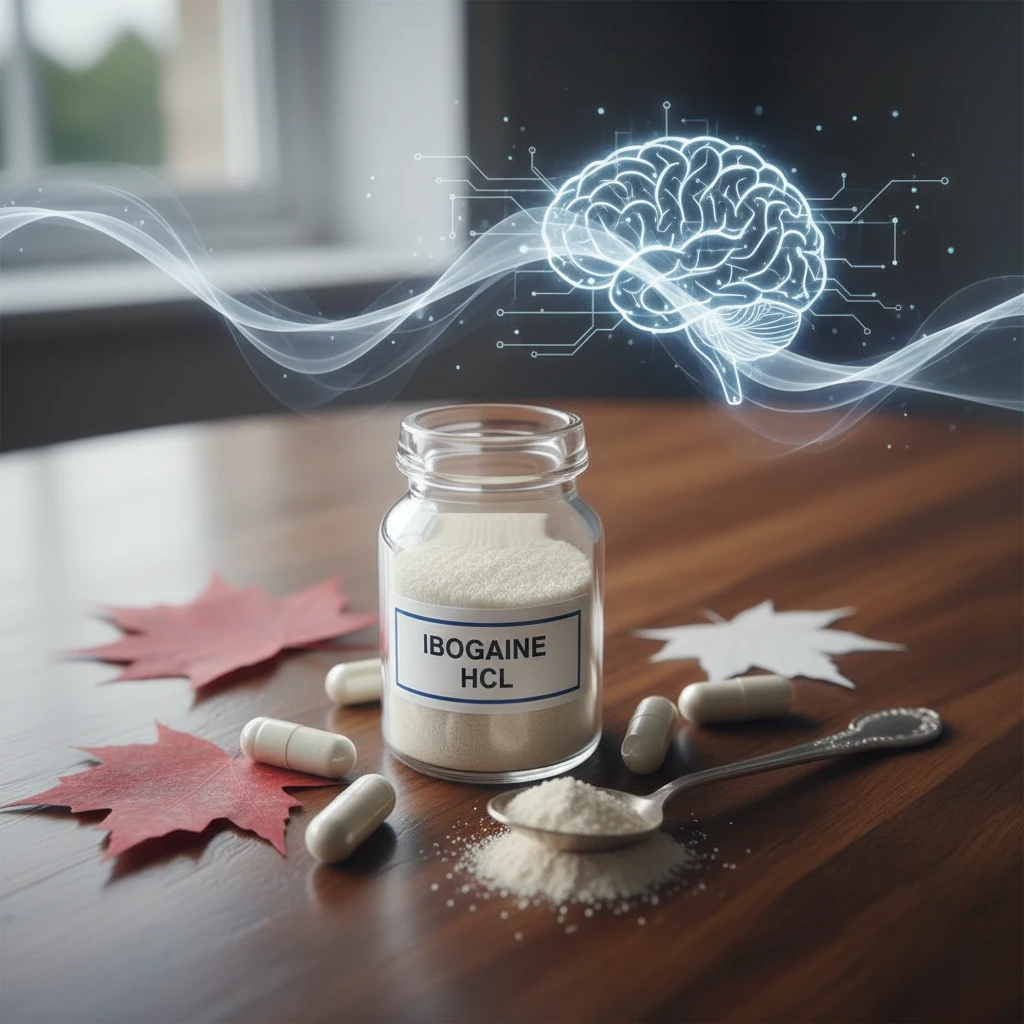
A breakdown of ibogaine’s purported therapeutic applications.
Ibogaine is primarily known for its potential to interrupt addiction cycles, particularly with opioids, stimulants, and alcohol. Its unique mechanism of action involves interacting with multiple neurotransmitter systems, including opioid receptors, dopamine transporters, and serotonin receptors. This multi-faceted action is believed to contribute to its ability to reduce withdrawal symptoms and cravings, offering a window of opportunity for individuals to engage in therapy and address underlying issues. Beyond addiction, research suggests potential applications in treating depression, anxiety, and PTSD, although these remain largely experimental. Some proponents suggest benefits for spiritual exploration and personal growth, citing its ability to induce profound altered states of consciousness. However, it is crucial to emphasize that the therapeutic applications of ibogaine are still under investigation, and more rigorous scientific evidence is needed to confirm its efficacy and safety across different conditions.
The differences between ibogaine powder, capsules, and other forms.
Ibogaine is available in various forms, each with its own characteristics and potential advantages. Ibogaine powder, typically ibogaine hydrochloride (HCl), is the most common form and allows for precise dosage control. Ibogaine capsules offer convenience and pre-measured dosages, simplifying administration. Some providers also offer ibogaine in the form of a total alkaloid extract (TA), which contains a blend of alkaloids found in the iboga root bark, including ibogaine. The TA form is believed by some to offer a more balanced therapeutic effect, although it is less standardized in terms of ibogaine content. The choice between these forms depends on individual preferences, the availability of reliable sources, and the desired level of control over dosage. When using ibogaine powder, accurate weighing scales and careful measurement are essential to avoid under- or over-dosing. Consider the potential pros and cons before deciding which form is right for you.
Potential benefits for addiction treatment and mental wellness.
Ibogaine’s potential benefits in addiction treatment stem from its ability to reduce withdrawal symptoms, interrupt cravings, and promote psychological insight. Many users report a significant reduction in withdrawal severity, making detoxification more manageable. The anti-craving effects can provide a crucial respite, allowing individuals to focus on therapy and relapse prevention strategies. Furthermore, ibogaine can induce vivid memories and emotional processing, potentially uncovering underlying traumas or psychological patterns contributing to addiction. In the realm of mental wellness, some users report improvements in mood, anxiety, and overall sense of well-being. The psychedelic experience can foster introspection and self-discovery, leading to positive behavioral changes. However, it is important to reiterate that ibogaine is not a panacea, and its effectiveness depends on individual factors, the quality of the treatment program, and ongoing aftercare support. Always consult with qualified professionals.
Is Buying Ibogaine Powder Legal in Canada?
Current regulations surrounding ibogaine possession and usage.
As previously mentioned, ibogaine exists in a legal grey area in Canada. It is not a controlled substance under the Controlled Drugs and Substances Act, but it also lacks Health Canada approval for therapeutic use. This means that possessing or using ibogaine is technically not illegal, but it is also not explicitly legal. The ambiguity creates uncertainty and potential risks for individuals seeking ibogaine treatment. Selling or distributing ibogaine, however, may be subject to greater scrutiny, particularly if marketed as a treatment for a specific medical condition. Due to the lack of regulatory oversight, there are no legal avenues for purchasing ibogaine from licensed pharmacies or healthcare providers within Canada. This forces individuals to seek alternative sources, often outside the country, which further complicates the legal landscape.
Exploring the ‘grey areas’ and potential legal risks.
The ‘grey area’ surrounding ibogaine raises several potential legal risks. While possession may not be explicitly illegal, importing ibogaine from other countries could violate customs regulations. Customs officials have the authority to seize substances that are not properly declared or that are deemed to pose a health risk. Furthermore, if ibogaine is obtained from an unregulated source, there is a risk of purchasing a counterfeit or adulterated product, which could have serious health consequences. Individuals involved in facilitating ibogaine treatments, such as therapists or facilitators, could also face legal challenges, particularly if they are not licensed healthcare professionals. It’s paramount to conduct thorough due diligence and seek legal advice before engaging with ibogaine in any capacity. The legality of ketamine, another substance with therapeutic potential, provides an interesting point of comparison, as it is legal under specific circumstances.
Staying up-to-date with changing legislation (as of March 2026).
The legal landscape surrounding ibogaine is subject to change, depending on evolving scientific evidence, public opinion, and government priorities. As of March 2026, there is no indication of imminent regulatory changes, but it is crucial to stay informed about any developments. Monitoring Health Canada’s website for updates on drug regulations is essential. Participating in advocacy efforts and supporting organizations working to promote ibogaine research and responsible regulation can also contribute to shaping future policies. Engaging with legal professionals specializing in drug policy can provide valuable insights and guidance. Remember, the information provided here is for informational purposes only and should not be construed as legal advice. Always consult with qualified legal counsel for specific guidance on your situation. Given that laws around substances like 2C-B pills also shift, ongoing awareness is key.
Factors to Consider Before Purchasing Ibogaine Powder Online
Assessing the quality and purity of ibogaine powder.
Purchasing ibogaine powder online presents significant risks related to quality and purity. Unregulated online vendors may sell counterfeit, adulterated, or mislabeled products, posing serious health hazards. It’s crucial to conduct thorough research before choosing a vendor. Look for vendors who provide independent lab testing results to verify the ibogaine content and purity of their products. Check for certifications or quality assurance measures. Be wary of suspiciously low prices, as they may indicate a compromised product. Read reviews and testimonials from other customers, but exercise caution, as some reviews may be fake. Consider the vendor’s reputation, transparency, and customer service policies. If possible, seek recommendations from trusted sources or experienced ibogaine users. Remember that prioritizing quality and purity is paramount to ensuring a safe and effective experience. Choosing a vendor that prioritizes quality control is essential.
Dosage considerations and potential side effects.
Determining the appropriate ibogaine dosage is crucial for safety and efficacy. Dosage recommendations vary depending on individual factors, such as body weight, medical history, tolerance, and the specific form of ibogaine used. It’s essential to start with a low dose and gradually increase it as needed, under the guidance of a qualified healthcare professional. Potential side effects of ibogaine include nausea, vomiting, anxiety, hallucinations, cardiac arrhythmias, and, in rare cases, death. Individuals with pre-existing heart conditions are at higher risk of serious adverse events. Ibogaine can also interact with certain medications, such as antidepressants and opioids. Be sure to disclose your complete medical history and medication list to your healthcare provider before considering ibogaine treatment. Proper monitoring of vital signs during the treatment process is essential. Understanding these risks and taking appropriate precautions can minimize the likelihood of adverse outcomes. More details can be found at our dosage guide.
Importance of medical consultation and supervision.
Medical consultation and supervision are paramount before, during, and after ibogaine treatment. A thorough medical evaluation can identify any contraindications or potential risks. A qualified healthcare professional can help determine the appropriate dosage and monitor your vital signs during the treatment process. Medical supervision can also provide psychological support and guidance, helping you navigate the challenging emotions and experiences that may arise. It’s essential to choose a healthcare provider who has experience with ibogaine and is knowledgeable about its potential benefits and risks. Avoid self-treating with ibogaine without medical supervision, as this can significantly increase the risk of adverse events. Remember that ibogaine treatment is a complex process that requires a holistic and medically supervised approach. A partner resource, Data-Driven Channel Strategies, highlights the importance of informed decisions.
The dangers of self-medicating with ibogaine.
Self-medicating with ibogaine is extremely dangerous and can have life-threatening consequences. Without proper medical evaluation and supervision, individuals may unknowingly have underlying health conditions that increase their risk of adverse events. Incorrect dosage can lead to serious side effects, including cardiac arrhythmias and death. Unregulated sources of ibogaine may contain contaminants or adulterants that pose additional health risks. Furthermore, self-treating without psychological support can be emotionally overwhelming and potentially trigger or exacerbate existing mental health issues. The absence of a supportive and structured environment can also compromise the treatment process and reduce the likelihood of long-term success. Seeking professional medical guidance is essential to ensure your safety and maximize the potential benefits of ibogaine treatment. Never underestimate the importance of expert supervision.
Identifying Reputable Ibogaine Vendors: Red Flags to Watch Out For
Certifications and lab testing: what to look for.
When sourcing ibogaine powder for sale in Canada, rigorous lab testing and certifications are non-negotiable. Look for vendors who provide Certificates of Analysis (COAs) from independent, third-party laboratories. These COAs should detail the purity level of the ibogaine, confirming the absence of contaminants like heavy metals, pesticides, or other adulterants. A reputable vendor will readily provide these documents upon request and ideally display them directly on their website. Don’t settle for vague claims of “high purity”; demand concrete evidence. A COA should specify the testing methods used (e.g., HPLC, GC-MS) and clearly state the percentage of ibogaine present. Look for purity levels exceeding 90%. It’s also beneficial if the vendor mentions adhering to Good Manufacturing Practices (GMP) which, while not a formal certification in all contexts, indicates a commitment to quality control throughout the manufacturing process.
Transparent sourcing and manufacturing practices.
Traceability is key. A trustworthy vendor should be transparent about the origin of their iboga and the extraction process used to obtain the ibogaine powder. Where is the iboga sourced from? Is it harvested sustainably and ethically, respecting the traditions of indigenous communities in Gabon, where iboga originates? A vendor should be able to answer these questions honestly and provide documentation, if possible, that supports their claims. Avoid vendors who are secretive about their sourcing or who make vague statements about “natural” or “organic” without providing specifics. The extraction method also matters. Some methods use harsh chemicals that can leave residues in the final product. Look for vendors who use cleaner extraction methods, such as those involving ethanol or other food-grade solvents. Transparency also extends to the vendor’s manufacturing facility. While you may not be able to visit the facility yourself, they should be willing to provide information about their quality control processes and sanitation protocols.
Avoiding scams and counterfeit products.
The online marketplace for ibogaine powder can be a breeding ground for scams and counterfeit products. Be wary of vendors offering extremely low prices, as this is a common tactic used by fraudsters. If a deal seems too good to be true, it probably is. Always check for customer reviews and testimonials, but be aware that these can be faked. Look for reviews on independent platforms, not just on the vendor’s website. A lack of reviews, or a suspiciously large number of overly positive reviews, should raise red flags. Verify the vendor’s contact information, including their physical address and phone number. Try calling the number to see if it’s answered by a real person. Legitimate vendors will have a professional website with clear information about their products and services, as well as secure payment processing. Avoid vendors who only accept cryptocurrency or wire transfers, as these payment methods offer little recourse if you’re scammed. Before making a purchase, research the vendor thoroughly and consult with other people who have experience with ibogaine.
Dosage Guidelines for Ibogaine Powder: A Detailed Overview
Factors influencing appropriate dosage (weight, health conditions, etc.).
Determining the correct dosage of ibogaine powder is paramount for both safety and efficacy, and is further explained on our page about Iboga & Ibogaine dosage. Dosage isn’t a one-size-fits-all equation; numerous factors influence the appropriate amount. Body weight is a significant determinant, with heavier individuals generally requiring a higher dose. However, this isn’t a linear relationship, and other factors can outweigh the impact of weight. Pre-existing health conditions, particularly cardiovascular issues, liver problems, and kidney disease, can drastically alter how the body processes ibogaine and increase the risk of adverse effects. Individuals with these conditions often require significantly lower doses, or may be advised against using ibogaine altogether. Mental health conditions, such as psychosis or severe anxiety, can also influence dosage, as ibogaine can sometimes exacerbate these conditions. Prior substance use, especially of opioids or stimulants, can affect ibogaine’s effects and may require a modified dosage protocol. Certain medications, especially those affecting the heart or liver, can interact with ibogaine and necessitate a dosage adjustment. Age can also play a role, with older individuals generally requiring lower doses due to decreased metabolic function.
Microdosing vs. flood dosing: which approach is right for you?
Ibogaine administration typically falls into two categories: microdosing and flood dosing. Microdosing involves taking very small, sub-perceptual doses of ibogaine over an extended period. Proponents of microdosing believe it can enhance mood, focus, and creativity, while also reducing cravings and withdrawal symptoms without inducing a full psychedelic experience. Flood dosing, on the other hand, involves taking a larger, single dose of ibogaine with the intention of inducing a profound psychedelic experience that can facilitate deep introspection and break through deeply ingrained patterns of addiction or trauma. The right approach depends on your individual goals, health status, and risk tolerance. Microdosing may be suitable for those seeking subtle improvements in mood or cognitive function, or for those who are sensitive to the effects of psychedelics. It’s critical to compare Iboga vs Ibogaine differences to determine a safe method for your use case. Flood dosing is typically reserved for those seeking a more transformative experience, such as those struggling with severe addiction or trauma. However, flood dosing carries a higher risk of adverse effects and should only be undertaken under the supervision of experienced professionals.
Potential risks associated with incorrect dosage.
Administering an incorrect dosage of ibogaine can have serious consequences. Overdosing can lead to a range of adverse effects, including nausea, vomiting, ataxia (loss of coordination), seizures, respiratory depression, and potentially life-threatening cardiac arrhythmias. Underdosing, on the other hand, may result in a lack of therapeutic benefit. Individuals may not experience the desired psychological or emotional breakthroughs, and withdrawal symptoms from substance use may not be adequately managed. In some cases, underdosing can even increase the risk of adverse effects, as the body may be more sensitive to ibogaine’s stimulating effects without experiencing its full therapeutic potential. For example, a person attempting to use ibogaine for opioid detox might experience intense withdrawal symptoms without sufficient ibogaine to mitigate them, leading to increased discomfort and a higher risk of relapse. Careful titration, starting with a low dose and gradually increasing it under medical supervision, is crucial to minimize the risk of adverse effects and maximize the therapeutic benefits. Always consult with a qualified healthcare professional before using ibogaine to determine the appropriate dosage for your individual needs and circumstances.
Preparing for an Ibogaine Experience: Safety Protocols and Aftercare
Pre-screening and medical evaluations.
Before even considering taking ibogaine powder, a thorough pre-screening and medical evaluation are absolutely essential. This isn’t just a suggestion; it’s a critical safety measure that can literally save your life. The pre-screening process typically involves a detailed assessment of your medical history, including any pre-existing conditions, medications you’re currently taking, and any history of substance use. A physical examination, including an electrocardiogram (ECG) to assess your heart function, is also crucial. Ibogaine can have significant effects on the cardiovascular system, so it’s vital to identify any pre-existing heart conditions that could increase the risk of adverse events. Blood tests are also typically performed to assess liver and kidney function, as these organs play a key role in metabolizing and eliminating ibogaine from the body. Psychological evaluations are also important to identify any underlying mental health conditions that could be exacerbated by ibogaine. Individuals with a history of psychosis, severe anxiety, or suicidal ideation may not be suitable candidates for ibogaine treatment.
Creating a safe and supportive environment.
The setting in which you take ibogaine can significantly impact your experience. A safe and supportive environment is crucial for minimizing anxiety, promoting relaxation, and facilitating the therapeutic process. This environment should be free from distractions, stressors, and potential hazards. Ideally, you should be in a comfortable and private space where you feel safe and secure. Having experienced and trusted individuals present during the experience is also highly recommended. These individuals can provide emotional support, monitor your vital signs, and intervene if any adverse events occur. They should be trained in basic first aid and CPR and have a clear understanding of the potential risks and side effects of ibogaine. It’s also important to have a clear communication plan in place, so you can easily communicate your needs and concerns to the support team. The environment should also be conducive to rest and recovery. After the ibogaine experience, you’ll likely feel tired and emotionally vulnerable, so it’s important to have a comfortable place to rest and recover. Access to nourishing food and fluids is also important to help your body recover.
Importance of integration therapy post-treatment.
The ibogaine experience is often just the beginning of a longer journey towards healing and recovery. Integration therapy, which involves working with a therapist or counselor to process and integrate the insights gained during the experience, is crucial for long-term success. Ibogaine can bring up deeply buried emotions, memories, and traumas, and it’s important to have a safe and supportive space to explore these issues. Integration therapy can help you make sense of your experience, identify patterns of behavior that are no longer serving you, and develop new coping mechanisms. It can also help you translate the insights gained during the ibogaine experience into concrete actions that you can take to improve your life. Integration therapy can take many forms, including individual therapy, group therapy, and peer support groups. The specific type of therapy that’s right for you will depend on your individual needs and preferences. Regardless of the specific approach, the goal of integration therapy is to help you make lasting changes in your life and prevent relapse. Skipping this step can lead to a failure to implement the insights gained.
Potential Risks and Side Effects of Ibogaine Usage
Cardiovascular concerns and necessary precautions.
Ibogaine’s most significant risks revolve around cardiovascular health. It can prolong the QT interval, a measure of the heart’s electrical recharging time. Prolonged QT intervals can lead to a dangerous heart rhythm called Torsades de Pointes, which can be fatal. Therefore, pre-screening with an ECG is crucial to identify individuals with pre-existing QT prolongation or other heart conditions. Certain medications, such as antiarrhythmics, antipsychotics, and some antibiotics, can also prolong the QT interval and should be avoided in combination with ibogaine. Electrolyte imbalances, such as low potassium or magnesium levels, can also increase the risk of QT prolongation. These imbalances should be corrected before taking ibogaine. During the ibogaine experience, continuous monitoring of heart rate and rhythm is essential. Emergency equipment, such as a defibrillator, should be readily available in case of a cardiac emergency. Individuals with a history of heart disease, high blood pressure, or stroke should exercise extreme caution and consult with a cardiologist before considering ibogaine treatment. Some people may not be good candidates.
Psychological and emotional side effects.
Beyond the physical risks, ibogaine can also trigger a range of psychological and emotional side effects. Anxiety, paranoia, and confusion are common, especially during the peak of the experience. Some individuals may experience intense emotional releases, such as crying, anger, or grief. In rare cases, ibogaine can trigger psychosis or exacerbate pre-existing mental health conditions. Individuals with a history of psychosis, bipolar disorder, or severe anxiety should be carefully screened and monitored. It’s important to have a supportive and experienced team present during the experience to help manage these psychological and emotional side effects. The team should be trained in crisis intervention and be able to provide reassurance and guidance. After the ibogaine experience, some individuals may experience lingering emotional instability, such as depression, anxiety, or insomnia. Integration therapy can be helpful in processing these emotions and developing coping mechanisms. If you have a mental illness or suspect that you may be affected by ibogaine, it is essential to consult with a mental health professional before using ibogaine. See our Iboga and Mental Health guide for more details.
Drug interactions to be aware of.
Ibogaine interacts with numerous medications, and combining it with certain substances can be dangerous, even fatal. Opioids, in particular, pose a significant risk. Ibogaine can potentiate the effects of opioids, increasing the risk of respiratory depression and overdose. It’s crucial to be completely off opioids for a sufficient period before taking ibogaine, typically several days to a week, depending on the specific opioid and individual factors. Stimulants, such as cocaine and amphetamines, can also interact with ibogaine, increasing the risk of cardiac arrhythmias and seizures. Alcohol should be avoided before, during, and after the ibogaine experience, as it can exacerbate the side effects and increase the risk of liver damage. Certain antidepressants, particularly SSRIs and MAOIs, can also interact with ibogaine and should be discontinued under medical supervision before treatment. It’s crucial to provide a complete list of all medications, supplements, and recreational drugs you’re taking to the healthcare provider before considering ibogaine. This information will help them assess the potential risks and determine whether ibogaine is safe for you. The effects of mixing ibogaine with psychedelics like 2C-B pills, or with medications like Ketamine for sale is also something that you should discuss with a healthcare professional.
How to Find Qualified Ibogaine Treatment Centers in Canada
Criteria for selecting a reputable treatment facility.
Choosing an ibogaine treatment center in Canada requires careful consideration. It’s not simply about finding a place that offers the treatment; it’s about ensuring the facility adheres to the highest safety standards and provides comprehensive support. Key criteria include: licensing and accreditation (if available, though formal licensing is uncommon in Canada specifically for ibogaine), the facility’s emergency protocols, client-to-staff ratio (a lower ratio ensures more personalized attention), aftercare planning (crucial for long-term success), and transparency regarding treatment protocols and potential risks. Look for facilities with established medical oversight and positive testimonials that you can verify. It’s also wise to inquire about the center’s experience treating individuals with similar addiction profiles or mental health challenges. For example, a center specializing in opioid addiction might have a different approach than one focused on trauma-related disorders. Finally, understand the total cost of treatment and what services are included, as hidden fees can be significant.
The role of medical professionals in ibogaine therapy.
Medical professionals are central to safe and effective ibogaine therapy. Before, during, and after the treatment, a qualified medical team (including physicians, nurses, and possibly psychiatrists or psychologists) must monitor the patient’s vital signs, manage potential side effects, and address any underlying medical conditions. This includes a thorough pre-screening process, including ECGs, blood tests, and psychological evaluations, to identify contraindications or potential risks. During the ibogaine experience itself, continuous monitoring of heart function, blood pressure, and oxygen levels is essential. The medical team must be prepared to manage potential complications like arrhythmias, seizures, or respiratory distress. Post-treatment, medical professionals should provide guidance on medication management (if applicable), nutritional support, and strategies for managing withdrawal symptoms or psychological challenges. The presence of experienced medical staff distinguishes a reputable treatment center from a less qualified one. The emphasis on a medical team is consistent with information regarding ibogaine powder dosage and safe use.
What to expect during an ibogaine treatment program.
An ibogaine treatment program typically involves several phases. First is the pre-treatment assessment, which includes medical and psychological evaluations. Next comes the stabilization phase, where any existing medications are managed or tapered off under medical supervision. The ibogaine administration itself usually takes place over one to two days, with continuous monitoring by medical staff. The immediate post-treatment phase focuses on rest and recovery, with medical support to manage any lingering side effects. A critical component is the psychological integration phase, where individuals process their experiences and develop coping strategies for long-term sobriety or mental wellness. This phase often involves individual or group therapy, mindfulness practices, or other supportive interventions. The length of the program varies depending on the individual’s needs, but it typically lasts from several days to a few weeks. Understand that ibogaine treatment is not a “quick fix” but rather a catalyst for deeper healing and requires commitment to ongoing recovery efforts, further described in our guide to Iboga & Addiction Recovery.
The Future of Ibogaine Therapy in Canada: Trends and Predictions
Potential for increased research and clinical trials.
While ibogaine currently operates in a legal grey area in Canada, there’s growing momentum for increased research and clinical trials. As anecdotal evidence and preliminary studies suggest the potential benefits of ibogaine for addiction and mental health, researchers are becoming more interested in exploring its mechanisms of action and clinical efficacy. Increased funding for research could lead to a better understanding of optimal dosing strategies, safety protocols, and long-term outcomes. Clinical trials could also help to clarify the specific populations that are most likely to benefit from ibogaine therapy. Furthermore, rigorous scientific evidence could pave the way for regulatory changes and broader acceptance of ibogaine as a treatment option. Imagine, for instance, a multi-center study comparing the effectiveness of ibogaine-assisted therapy versus traditional addiction treatment models. Such research would provide invaluable data for informing clinical practice and public policy.
Shifting public perception and regulatory changes.
Public perception of ibogaine is gradually shifting as more people share their positive experiences and as media coverage becomes more balanced. Increased awareness of the limitations of conventional treatments for addiction and mental health is also driving demand for alternative therapies like ibogaine. This shift in public perception could eventually lead to regulatory changes, such as allowing for legal access to ibogaine under medical supervision or decriminalizing its use for therapeutic purposes. However, regulatory changes are likely to be gradual and will depend on the availability of robust scientific evidence and advocacy efforts from patients, healthcare professionals, and advocacy groups. For instance, the success of similar movements related to medical cannabis could serve as a model for ibogaine advocacy. Public education campaigns that highlight the potential benefits and risks of ibogaine are crucial for fostering informed decision-making and shaping public policy.
The evolving role of ibogaine in mental healthcare.
Ibogaine’s role in mental healthcare is evolving beyond its traditional use for addiction treatment. Emerging research suggests that ibogaine may also have potential benefits for treating depression, anxiety, PTSD, and other mental health conditions. Its ability to induce neuroplasticity and promote introspection may help individuals to process trauma, overcome negative thought patterns, and develop new perspectives. As mental healthcare providers become more aware of ibogaine’s potential, they may begin to incorporate it into their treatment plans, either as a standalone therapy or in combination with other modalities. However, the use of ibogaine for mental health conditions is still considered experimental and requires careful screening, monitoring, and integration with traditional therapies. For example, an individual with treatment-resistant depression might benefit from ibogaine-assisted therapy combined with cognitive behavioral therapy (CBT) to consolidate the insights gained during the ibogaine experience. Always consider if Ibogaine for Wellness is Right for You.
MindHealingShop.ca: Your Trusted Source for Iboga and Psychedelic Products (Responsible Usage)
Commitment to safety, quality, and education.
At MindHealingShop.ca, our priority is providing access to high-quality iboga and other psychedelic products while emphasizing safety, responsible usage, and comprehensive education. We source our products from trusted suppliers who adhere to strict quality control standards. Each batch undergoes rigorous testing to ensure purity, potency, and absence of contaminants. We are committed to transparency in our sourcing and manufacturing processes. We also provide detailed information about the potential benefits, risks, and contraindications of each product we sell. Our website includes resources on safe dosing guidelines, harm reduction strategies, and best practices for integration. We believe that informed consumers are better equipped to make responsible choices and maximize the therapeutic potential of these substances. For instance, when offering Iboga Capsules Buy Safely Online, our product descriptions include detailed information about the sourcing, testing, and recommended dosages.
Providing access to information and resources.
Beyond product sales, MindHealingShop.ca is dedicated to providing a wealth of information and resources to support responsible psychedelic use. Our website features articles, guides, and FAQs on various topics related to iboga, ibogaine, and other psychedelic substances. We also curate links to external resources, such as research studies, harm reduction organizations, and integration support networks. Our goal is to empower individuals to make informed decisions about their mental health and well-being. We strive to create a safe and supportive online community where people can share their experiences, ask questions, and learn from one another. We actively moderate our online forums to ensure that discussions are respectful, evidence-based, and aligned with our values of safety and responsible use. Additionally, we offer confidential consultations with experienced facilitators who can provide personalized guidance and support.
Supporting responsible usage and harm reduction.
Responsible usage and harm reduction are core principles at MindHealingShop.ca. We believe that psychedelic substances should be used with intention, respect, and a clear understanding of the potential risks. We strongly discourage recreational or irresponsible use. We provide detailed guidelines on safe dosing practices, including starting with low doses and gradually increasing as needed. We also emphasize the importance of creating a safe and supportive environment for psychedelic experiences, including having a trusted sitter present. Our website includes information on recognizing and managing potential adverse effects, such as anxiety, nausea, or panic. We also promote harm reduction strategies, such as avoiding mixing substances, staying hydrated, and getting adequate rest. Our resources about finding the right dosage reflect this commitment.
Beyond Ibogaine Powder: Exploring Other Psychedelic Options for Wellness
A brief overview of related products available at mindhealingshop.ca, such as 2C-B pills, ketamine, and magic mushrooms.
MindHealingShop.ca offers a curated selection of other psychedelic products alongside ibogaine, including 2C-B pills, ketamine (subject to legal restrictions and proper prescriptions where applicable), and magic mushrooms. 2C-B is a synthetic psychedelic known for its entactogenic and visual effects. Ketamine, when used under medical supervision, shows promise in treating depression and other mood disorders. Magic mushrooms, containing psilocybin, are increasingly recognized for their therapeutic potential in addressing anxiety, addiction, and existential distress. Each substance interacts differently with the brain and body, producing unique effects and carrying varying levels of risk. It is imperative to understand the specific properties of each product before considering its use. We strive to offer only the highest-quality products from reputable sources,
Related posts







 English
 English (Canada)
 Français du Canada
 Español de México
 Türkçe