
Kanada'da psikedelik araştırmaların alanı sürekli olarak gelişmekte olup, 5-MeO-DMT gibi güçlü bileşiklere olan ilgi giderek artmaktadır. Hızlı ve yoğun etkileriyle bilinen bu doğal olarak oluşan triptamin, araştırmacılar ve etnobotanik meraklıları için benzersiz hususlar sunmaktadır. Kimyasal özelliklerini, yasal durumunu ve diğer maddelerden farklılıklarını anlamak, sorumlu bir şekilde kullanım için son derece önemlidir.
Farmakolojik ve nörobilimsel çalışmalarla ilgilenenler veya entojenik bitkisel ilaçları araştıranlar için, 5-MeO-DMT'nin inceliklerinde yol almak, katı Kanada güvenlik protokollerine ve yasal çerçevelere uyulmasını gerektirir. Bu bölüm, 5-MeO-DMT tozuna gerekli bilimsel titizlik ve uyumlulukla yaklaşmak için gerekli temel bilgileri ele alarak, tüm faaliyetlerin mevcut düzenleyici beklentiler ve zarar azaltma ilkeleriyle uyumlu olmasını sağlar.
5-MeO-DMT'yi Anlamak: Araştırma İçin Güçlü Bir Triptamin Bileşiği
Kimyasal Profil, Sentez ve Doğal Bulunma
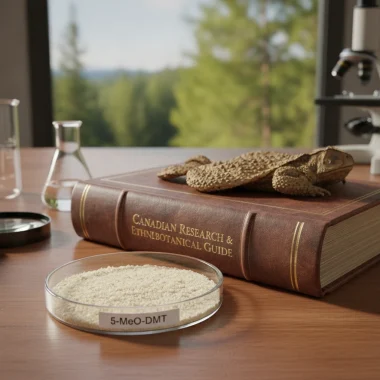
5-MeO-DMT veya 5-metoksi-N,N-dimetiltriptamin, indol halkasının 5 konumunda metoksi grubu bulunmasıyla ayırt edilen, doğal olarak oluşan bir psikedelik triptamindir. Bu yapısal değişiklik, farmakolojik profilini derinden etkiler ve onu metoksi içermeyen triptaminlerden ayırır. Araştırma amaçlı olarak, bileşik ağırlıklı olarak şu yollarla elde edilir: kontrollü kimyasal sentez, Bu da tekrarlanabilir bilimsel deneyler için hayati önem taşıyan yüksek saflık ve tutarlı etkiyi sağlar. 5-MeO-DMT, Sonoran Çölü kurbağasının zehrinde bulunmasıyla ünlüdür (Incilius alvarius, eski adıyla Bufo alvariusBu hayvandan elde edilen ürünlerin temini etik açıdan tartışmalıdır ve koruma kaygıları nedeniyle büyük ölçüde tavsiye edilmemektedir. Diğer doğal kaynaklar arasında bazı bitkiler de yer almaktadır, örneğin... Anadenanthera colubrina ve içindeki türler Phalaris Cins türüne ait olsa da konsantrasyonlar değişkenlik gösterir. Araştırmacılar, etik ikilemleri azaltmak ve garanti altına almak için sentetik yollara öncelik veriyor. bütünlük ve standardizasyon Araştırma materyallerinin doğru analizi ve güvenliği için hayati önem taşıyan bu özellik, sentez yolunun kontrol edilebilmesini sağlayarak spesifik izotopik etiketlemeye olanak tanır ve farmakokinetik ve farmakodinamik çalışmalardaki faydasını daha da artırır.
5-MeO-DMT'yi Diğer Triptaminlerden Ayırt Etme
5-metoksi grubunun varlığı, 5-MeO-DMT ile N,N-DMT veya psilosin gibi yapısal olarak benzer bileşikler arasındaki temel farklılaştırıcı unsurdur. Görünüşte önemsiz olan bu değişiklik, reseptör bağlanma profilini önemli ölçüde değiştirir. Birçok klasik psikedelik madde öncelikle 5-HT2A serotonin reseptörünü aktive ederken, 5-MeO-DMT özellikle güçlü bir agonist etki gösterir. 5-HT1A reseptörü, 5-HT2A ve 5-HT2C reseptörlerinde ek aktiviteye sahiptir. Bu farklı reseptör afinitesi, genellikle derin bir ego çözücü olarak tanımlanan ve birlik duygusu veya "beyaz ışık" deneyimi ile karakterize edilen, N,N-DMT'ye kıyasla daha az belirgin görsel halüsinasyonlarla seyreden benzersiz öznel etkilerine katkıda bulunur. Etkilerin başlangıcı oldukça hızlıdır, buharlaştırıldığında genellikle saniyeler içinde gerçekleşir ve toplam süresi önemli ölçüde daha kısadır, tipik olarak 5-20 dakika sürer. Araştırmacılar için, bu farklı farmakolojik ve deneyimsel farklılıkları anlamak, belirli nörolojik yolları veya bilinç durumlarını hedefleyen çalışmalar tasarlamak için kritik öneme sahiptir. Bu karşılaştırmalı bilgi, araştırma bileşiklerinin daha hassas bir şekilde seçilmesini sağlayarak, deneylerin her maddenin benzersiz özellikleriyle uyumlu olmasını garanti eder.
5-MeO-DMT Tozu İçin Kanada'daki Yasal Ortamda Yolculuk
5-MeO-DMT, Kontrollü Uyuşturucu ve Maddeler Yasası (CDSA) III. Sınıflandırması Kapsamındadır.
Kanada'da 5-MeO-DMT, kontrollü maddeler yasasının III. sınıfında açıkça yer almaktadır. Kontrollü İlaçlar ve Maddeler Kanunu (CDSA). Bu sınıflandırma, 5-MeO-DMT ile ilgili tüm faaliyetlerin, bulundurma, üretim, kaçakçılık ve ithalat/ihracat dahil olmak üzere, Kanada Sağlık Bakanlığı tarafından yetkilendirilmedikçe kesinlikle yasak olduğu anlamına gelir. Araştırmacılar için bu, belirli muafiyetler veya lisanslar almayı gerektirir. III. Sınıflandırma, maddenin bilinen bir kötüye kullanım potansiyeline sahip olmasına rağmen, kabul görmüş bilimsel ve tıbbi faydaya da sahip olduğunu gösterir. Bu nedenle, sıkı düzenleyici gözetim altında meşru bilimsel araştırmalara izin verilir. 5-MeO-DMT'nin kişisel kullanım veya onaylanmamış araştırma için yetkisiz kullanımı, önemli para cezaları ve hapis cezası da dahil olmak üzere ciddi yasal yaptırımlar içerir. Bu temel yasal statüyü anlamak önemlidir. ilk kritik adım Bu bileşikle çalışmayı düşünen herhangi bir kişi veya kurum için, ciddi sonuçlardan kaçınmak adına tanımlanmış yasal sınırlar içinde hareket etmenin gerekliliğinin altını çiziyoruz.
Kanadalı Araştırmacılar ve Etnobotanik Koleksiyoncular İçin Çıkarımlar
5-MeO-DMT'nin III. Sınıflandırması, çeşitli paydaşlar için doğrudan ve önemli sonuçlar doğurmaktadır. Kanada'daki üniversitelerde, özel laboratuvarlarda veya ilaç şirketlerinde çalışan araştırmacılar, genellikle CDSA'nın 56. Bölümü uyarınca araştırma muafiyeti veya satıcı lisansı şeklinde, Kanada Sağlık Bakanlığı'ndan uygun izinleri almak zorundadır. Bu izinler, ayrıntılı araştırma protokollerinin sunulmasına, güvenli depolama tesislerinin gösterilmesine ve titiz envanter kontrol önlemlerinin ana hatlarının belirlenmesine bağlıdır. Etnobotanik koleksiyoncular için yasal ayrım çok önemlidir: 5-MeO-DMT içeren bazı bitkiler toplanabilir veya yetiştirilebilirken, ekstraksiyon veya konsantrasyon Bu doğal kaynaklardan elde edilen kontrollü maddelerin uygun lisans olmadan temin edilmesi yasa dışıdır. Platformumuz bu düzenlemelere sıkı sıkıya bağlı kalmakta olup, yalnızca etnobotanik koleksiyon, araştırma, hatıra veya süs eşyası amaçlı ürünler sunmakta ve insan tüketimine karşı kesin bir uyarıda bulunmaktadır. Tüm kullanıcıların, herhangi bir kontrollü maddeyle işlem yapmadan önce yerel yasalarını ve Kanada Sağlık Bakanlığı düzenlemelerini doğrulamaları ve doğru kayıt tutmaları zorunludur. Alınan, kullanılan ve imha edilen tüm miktarların takibinin yanı sıra, kötüye kullanımı önlemek için depolama konusunda sıkı güvenlik gerekliliklerine uyulması gerekmektedir. Kanada Sağlık Bakanlığı, onaylanmış protokollere ve güvenlik önlemlerine uyulmasını sağlamak için periyodik denetimler de yapabilir. Uyumsuzluk, lisansların veya muafiyetlerin iptaline, önemli yasal cezalara ve mesleki itibara zarar verilmesine yol açabilir. 5-MeO-DMT araştırması yapmayı düşünen kurumlar, sürekli uyumluluğu sağlamak ve en yüksek araştırma bütünlüğü standartlarını korumak için İyi Laboratuvar Uygulamaları (GLP) doğrultusunda, elleçleme, analiz ve imha için kapsamlı standart işletim prosedürleri (SOP) geliştirmelidir. Bu özenli yaklaşım, Kanada'daki etik ve yasal araştırmanın temelini oluşturmaktadır.
5-MeO-DMT ve N,N-DMT: Başlıca Farmakolojik ve Deneyimsel Farklılıklar
Yapısal Farklılıklar ve Reseptör Bağlanma Afiniteleri
5-MeO-DMT ve N,N-DMT arasındaki temel yapısal fark, 5-MeO-DMT'de indol halkasının 5 konumunda bir metoksi grubunun (-OCH3) bulunmasıdır; bu grup N,N-DMT'de yoktur. Bu görünüşte ince değişiklik, bileşiklerin beyindeki serotonin reseptörleriyle etkileşimini önemli ölçüde değiştirir. N,N-DMT, öncelikle klasik halüsinojenik etkileri aracılık ettiği bilinen 5-HT2A ve 5-HT2C reseptörlerinde güçlü bir agonisttir. Buna karşılık, 5-MeO-DMT, daha yüksek bir afinite sergiler. 5-HT1A reseptörü, 5-MeO-DMT, 5-HT2A ve 5-HT2C reseptörlerinde aktivite göstermesinin yanı sıra tam bir agonist olarak da işlev görür. 5-MeO-DMT'deki belirgin 5-HT1A agonizmi, genellikle derin bir ego çözülmesini, evrensel bir bağlantı hissini ve karmaşık görsel halüsinasyonlara daha az önem verilmesini içeren benzersiz öznel profiline katkıda bulunduğu varsayılmaktadır. Bu spesifik reseptör bağlanma afinitelerini anlamak, bilinç nörobiyolojik mekanizmalarını inceleyen araştırmacılar ve çeşitli triptaminlerin terapötik potansiyellerini afinitelerine göre ayırt etmeyi amaçlayanlar için çok önemlidir. hedeflenen farmakolojik etkiler.
Karşılaştırmalı Etkinlik, Süre ve Öznel Profiller
Yapısal farklılıkların ötesinde, 5-MeO-DMT ve N,N-DMT, etki gücü, etki süresi ve öznel deneyim profilleri açısından önemli ölçüde farklılık gösterir. 5-MeO-DMT genellikle şu şekilde kabul edilir: birkaç kat daha etkili 5-MeO-DMT, N,N-DMT'ye göre ağırlıkça daha ağırdır ve derin etkiler yaratmak için çok daha küçük dozlar (buharlaştırıldığında genellikle 3-10 mg aralığında) gerektirir. 5-MeO-DMT'nin etki başlangıcı oldukça hızlıdır, tipik olarak 5-15 saniye içinde gerçekleşir ve yaklaşık 5-20 dakika süren kısa bir tepe etki süresine sahiptir. N,N-DMT de hızlı bir başlangıçla (10-30 saniye) etki gösterir, ancak genellikle biraz daha uzun sürer ve tepe etki süresi 5-30 dakikadır. Öznel olarak, N,N-DMT, sıklıkla "makine elfleri" veya diğer varlıklarla karşılaşmaları ve karmaşık geometrik alemlere girmeyi içeren canlı, karmaşık ve genellikle anlatı açısından zengin görsel halüsinasyonlarıyla ünlüdür. Buna karşılık, 5-MeO-DMT, "görsel olmayan" veya "beyaz ışık" deneyimi, derin kozmik birlik duyguları, ego ölümü ve ezici bir varoluş hissi ile karakterize edilir ve genellikle daha doğrudan ve daha az aracılı bir bilinç deneyimi olarak tanımlanır. Araştırmacılar in vitro çalışmaları değerlendiriyor. Serotonin reseptör sinyal yollarını araştıran araştırmacılar, hücre kültürlerinde ve izole doku preparatlarında dendritogenez, sinaptogenez ve nörogenez dahil olmak üzere nöronal plastisite üzerindeki etkilerini araştırmak için 5-MeO-DMT kullanmaktadır. Bu araştırma, psikedelik bileşiklerin beyin mimarisi ve fonksiyonunda hızlı ve kalıcı değişikliklere nasıl yol açabileceğine dair mekanizmaları aydınlatmaya yardımcı olur. Ayrıca, 5-MeO-DMT, stres yanıtı, inflamasyon ve hücresel dirençle ilgili gen ekspresyonu üzerindeki etkisini incelemek için kullanılabilir ve potansiyel terapötik hedeflere dair bilgiler sağlayabilir. Bu tür bir uygulamanın örneği, bileşiğin çeşitli stres koşulları altında mikrogliyal hücre hatlarında nöroinflamatuar belirteçleri hafifletme yeteneğini incelemeyi içerebilir ve nörodejeneratif süreçler hakkındaki anlayışımıza katkıda bulunabilir. Kullanımının sağlanması yüksek saflıkta, analitik olarak doğrulanmış 5-MeO-DMT Bu, hassas biyolojik deneylerin geçerliliği ve tekrarlanabilirliği için son derece önemlidir ve bilimsel uygulamaların katı standartlarına uygundur.
Farmakolojik ve Nöro-Terapötik Bağlamlarda Potansiyelin Araştırılması
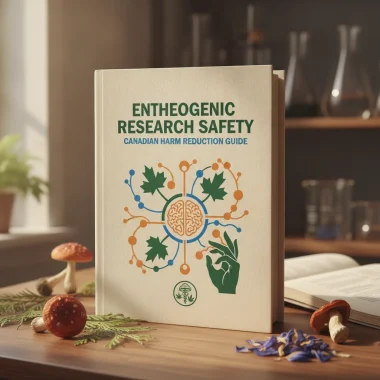
Temel nörobiyolojinin ötesinde, 5-MeO-DMT tozu, preklinik araştırmalar yoluyla farmakolojik ve nöroterapötik bağlamlarda potansiyeli açısından araştırılmaktadır. Titiz klinik denemeler olmadan insan tüketimi için doğrudan bir terapötik ajan olmasa da, hayvan modelleri üzerinde yapılan çalışmalar, hızlı etkili anksiyolitik ve antidepresan benzeri özelliklerini araştırmaktadır. Bileşiğin bilinç üzerindeki derin, ancak kısa süreli etkileri, özellikle ego çözülmesi ve birbirine bağlılık hissi, bu tür deneyimlerin ruh sağlığı durumlarıyla ilgili psikolojik değişimlere nasıl aracılık edebileceğini anlamak için ilgi çekici konulardır. Örneğin, araştırmacılar 5-MeO-DMT'nin kemirgen modellerinde korku sönme öğrenmesini etkileyip etkilemediğini inceleyebilir ve potansiyel olarak travma sonrası stres veya anksiyete bozukluklarındaki uygulanabilirliğine ışık tutabilirler. Bu preklinik araştırmalar, şiddetli depresyon, bağımlılık ve yaşam sonu sıkıntısı gibi durumlar için potansiyel terapötik uygulamalara yönelik gelecekteki translasyonel araştırmalara rehberlik eden temel veriler sağlamaktadır. En önemlisi, tüm bu araştırmalar en yüksek etik standartlara ve düzenleyici çerçevelere uymakta ve şunları vurgulamaktadır: bilimsel ve kontrollü doğa Bu çalışmaların bir parçası olarak, araştırmacıların sürekli olarak bu gibi kaynaklara başvurması gerekmektedir. Entheojenik Araştırmalarda Güvenlik: Kanada Zarar Azaltma Kılavuzu Sorumlu ve etik davranışları sağlamak için.
Kanada Laboratuvarlarında 5-MeO-DMT Tozunun Araştırma Uygulamaları
Kanada laboratuvarları, bilimsel titizliği ve etik denetimi önceliklendiren sağlam bir düzenleyici çerçeve altında faaliyet göstererek, 5-MeO-DMT tozu üzerine en ileri düzey araştırmalar için önemli merkezler olarak ortaya çıkmaktadır. Kanada Sağlık Bakanlığı'nın kontrollü maddeler düzenlemeleri, araştırma kurumlarının 5-MeO-DMT gibi III. Sınıf maddelerin bilimsel ve tıbbi amaçlarla incelenmesi için muafiyet veya lisans almalarına izin vermektedir. Bu, araştırmacıların son derece kontrollü bir ortamda beyin kimyasıyla karmaşık etkileşimlerini ve ruh sağlığı tedavisi üzerindeki potansiyel etkilerini keşfetmelerini sağlar. Örneğin, çalışmalar hayvan modellerinde 5-MeO-DMT tarafından aktive edilen spesifik sinir devrelerinin haritalandırılmasına veya nöroplastisite ve duygusal düzenlemeyle ilişkili çeşitli biyobelirteçler üzerindeki etkisinin araştırılmasına odaklanabilir. Önde gelen kurumlar, genellikle Kanada düzenleyici kurumlarıyla işbirliği içinde, bu tür bileşiklerin araştırma ortamlarında güvenli ve etkili bir şekilde ele alınması için standartlaştırılmış protokoller geliştirmede çok önemlidir.
Kanada'daki araştırmalarda özellikle vurgulanan nokta, bileşiğin diğer psikedeliklerden ayıran hızlı başlangıçlı ve kısa süreli etki mekanizmasını anlamaktır. Araştırmacılar, uygulama sonrasında gerçek zamanlı beyin aktivitesi değişikliklerini gözlemlemek için gelişmiş nörogörüntüleme tekniklerinden yararlanabilir ve bu da etki mekanizmasının daha derinlemesine anlaşılmasına katkıda bulunur. Ayrıca, Kanadalı araştırma grupları, özellikle geleneksel tedavilere dirençli durumlar için, 5-MeO-DMT'nin psikoterapiye yardımcı bir unsur olarak potansiyelini aktif olarak araştırmaktadır. Bu araştırmalar genellikle farmakoloji, nörobilim, psikoloji ve etik alanlarında uzmanlığı birleştiren çok disiplinli ekipleri içermektedir. Araştırmanın bütünlüğünü sağlamak, tekrarlanabilir bilimsel sonuçlar için saflığı ve tutarlılığı doğrulayan, sıkı kalite kontrol standartlarına uyan saygın Kanadalı veya uluslararası tedarikçilerden araştırma kalitesinde 5-MeO-DMT'nin titizlikle temin edilmesini gerektirir. Kanada araştırmaları, kanıta dayalı uygulamalara doğru ilerleyerek, psikedeliklerin küresel olarak anlaşılmasına paha biçilmez veriler sağlamaya devam etmektedir.
5-MeO-DMT Tozunun Kullanımına İlişkin Temel Güvenlik Protokolleri
Araştırma amaçlı 5-MeO-DMT tozu ile çalışmak, hem personeli hem de bileşiklerin bütünlüğünü korumak için belirlenmiş güvenlik protokollerine sıkı sıkıya uyulmasını gerektirir. Bu yönergeler, güçlü araştırma kimyasallarının kullanımıyla ilişkili riskleri azaltmak, doğru deneysel sonuçlar elde etmek ve uyumlu bir araştırma ortamını sürdürmek için çok önemlidir. Odak noktası her zaman kapsamlı eğitim ve sağlam prosedürel güvenlik önlemlerinin uygulanması yoluyla önleme olmalıdır. Bu protokollerin göz ardı edilmesi, özellikle Kanada araştırma etiği ve madde kontrolünün katı çerçevesi içinde, araştırmanın tehlikeye atılmasına, sağlık risklerine ve düzenleyici uyumsuzluğa yol açabilir.
Güvenli Depolama ve Kontrollü Ortam Gereksinimleri
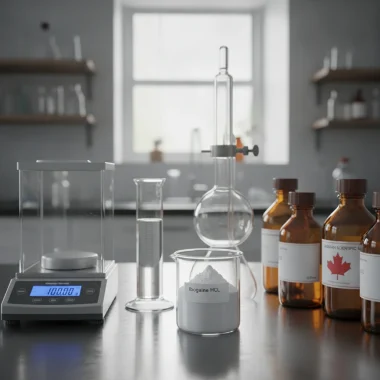
5-MeO-DMT tozunun güvenli bir şekilde saklanması, bozulmayı, kirlenmeyi ve yetkisiz erişimi önlemek için son derece önemlidir. Araştırma amaçlı kullanılan bileşikler şu şekilde saklanmalıdır: hava geçirmez, opak kaplar, Genellikle kehribar renkli cam şişeler, hassas kimyasal yapıyı bozabilecek ışık ve nemden korumak için kullanılır. Bu kaplar daha sonra, partinin özel stabilite profiline bağlı olarak, genellikle sabit bir sıcaklığa (örneğin, -20°C) ayarlanmış bir buzdolabı veya dondurucu gibi kontrollü bir ortama yerleştirilmelidir. Depolama tesislerine erişim, mümkün olduğunca çok faktörlü kimlik doğrulama sistemleri kullanılarak, yetkili araştırma personeliyle kesinlikle sınırlandırılmalıdır. delil zinciri. Bu araştırmayı yürüten laboratuvarlar, tartım ve transfer sırasında havada bulunan partikülleri kontrol altında tutmak için ideal olarak bir çeker ocak altında veya laminar akış kabininde olmak üzere, özel, iyi havalandırılmış çalışma alanlarına ihtiyaç duyar. Uygun çevresel kontroller, malzemenin yayılmasını önler ve steril bir araştırma ortamı sağlayarak, deney sonuçlarını etkileyebilecek değişkenleri en aza indirir.
Kişisel Koruyucu Ekipman (KKD) ve Kirlenmeden Korunma
5-MeO-DMT tozu ile çalışırken Kişisel Koruyucu Ekipmanların (KKD) titizlikle kullanılması şarttır. Bu, aşağıdakileri içerir ancak bunlarla sınırlı değildir:, nitril eldivenler, laboratuvar önlükleri ve uygun göz koruyucu ekipman Örneğin, koruyucu gözlük veya yüz siperliği gibi. İnce tozlar veya aerosoller içeren işlemler için, solunmayı önlemek amacıyla N95 solunum maskesi veya daha yüksek dereceli bir maske kullanılmalıdır. Birincil amaç, araştırmacı ile bileşik arasında fiziksel bir bariyer oluşturarak cilt emilimini, solunmayı veya kazara yutulmayı önlemektir. Çapraz kontaminasyonu önlemek için, spatulalar, tartım kapları ve cam eşyalar dahil olmak üzere tüm ekipman, 5-MeO-DMT araştırmasına özel olmalı veya kullanımdan önce ve sonra onaylanmış protokoller kullanılarak iyice dezenfekte edilmelidir. Çalışma yüzeyleri düzenli olarak uygun laboratuvar dezenfektanlarıyla temizlenmelidir. Sıkı atık bertaraf prosedürleri, 5-MeO-DMT kalıntısının tehlikeli kimyasal atık olarak sınıflandırılması, çevresel salınımı önlemek ve Kanada'nın kontrollü maddelerle ilgili düzenlemelerine uyumu sağlamak için elzemdir; bu düzenlemeler, aşağıdaki gibi kılavuzlarda belirtilmiştir.
5-MeO-DMT Araştırma Bileşiklerinde Saflık ve Kalitenin Sağlanması
5-MeO-DMT tozu içeren herhangi bir araştırmanın bilimsel geçerliliği ve güvenliği, bileşiğin saflığına ve kalitesine kritik derecede bağlıdır. Araştırmacılar, deneysel sonuçları karıştırmamak veya öngörülemeyen riskler ortaya çıkarmamak için malzemelerinin temininde ve bütünlüğünün doğrulanmasında son derece dikkatli olmalıdır. İz miktarda bile olsa safsızlıklar, farmakolojik profilleri önemli ölçüde değiştirebilir, dozaj etkinliğini etkileyebilir ve toksisiteye neden olabilir. Bu zorunluluk, tüm araştırma bileşikleri için evrensel olarak geçerlidir.
Alkaloid Profillerini ve Safsızlık Analizini Anlamak
Basit saflık yüzdelerinin ötesinde, sürecin tamamını anlamak önemlidir. alkaloid profili ve safsızlık analizi Özellikle 5-MeO-DMT doğal kaynaklardan elde ediliyorsa veya potansiyel sentez yan ürünleri içeren sentetik bir bileşik ise, bu durum hayati önem taşır. Sentetik 5-MeO-DMT tozu için yaygın safsızlıklar arasında reaksiyona girmemiş öncüller, sentez ara ürünleri veya diklorometan (DCM) veya metanol gibi artık çözücüler bulunabilir. Kapsamlı bir safsızlık analizi, bu bileşikleri tanımlar ve seviyelerini ölçerek araştırmacıların potansiyel toksikolojik etkileri veya istenmeyen farmakolojik etkileri değerlendirmesine olanak tanır. Örneğin, yapısal olarak ilişkili bileşiklerin küçük miktarları bile reseptör bağlanma profillerini veya metabolik yolları değiştirebilir ve böylece deneysel verileri çarpıtabilir. Araştırmacılar, kimyasal bileşimi tam olarak anlamak ve bileşiğin belirli biyolojik testlere veya güvenlik parametrelerine müdahale edebilecek maddelerden arındırılmış olduğundan emin olmak için ayrıntılı spektroskopik veriler ve kromatogramlar talep etmelidir. Bu profillerin bilinçli bir şekilde anlaşılması, hassas ve tekrarlanabilir sonuçlar hedefleyen araştırmacılar için kritik bir karar kriteridir.
5-MeO-DMT Araştırmalarında Zarar Azaltma Prensipleri ve Risk Azaltma
5-MeO-DMT araştırmalarında sağlam zarar azaltma ilkelerinin entegre edilmesi, Kanada Sağlık Bakanlığı'nın kamu güvenliği ve sorumlu araştırma uygulamalarına verdiği önemle uyumlu, etik bir zorunluluktur. Bu, kimyasal madde kullanımının ötesine geçerek, ilgili tüm insan katılımcılarının ve araştırmacıların refahını da kapsar. Risk azaltmaya yönelik proaktif bir yaklaşım, titiz planlama, kapsamlı tarama ve net acil durum müdahale protokollerinin oluşturulmasını içerir. Amaç, olumsuz olayların olasılığını ve şiddetini en aza indirerek araştırmanın mümkün olan en güvenli ortamda yürütülmesini sağlamaktır. Özellikle Kanada kurumlarından, bu ilkelere titizlikle uymaları, etik davranışa ve denek refahına bağlılık göstermeleri beklenmektedir; bu, bu bileşiğin benzersiz farmakolojik özellikleri göz önüne alındığında özellikle önemlidir.
Kontrendikasyonların ve Potansiyel Etkileşimlerin Belirlenmesi
İnsan katılımcılarla yapılacak herhangi bir araştırmadan önce, 5-MeO-DMT ile ilişkili tüm potansiyel kontrendikasyonların ve ilaç etkileşimlerinin belirlenmesi kritik önem taşır. Bu bileşik, güçlü serotonerjik aktiviteye sahiptir; bu nedenle katılımcıların tıbbi geçmişlerinin, özellikle kardiyovasküler sağlık, psikiyatrik durumlar (örneğin, psikoz, bipolar bozukluk) ve nörolojik bozukluklar açısından dikkatlice değerlendirilmesi gerekir. Özellikle bazı ilaçların eş zamanlı kullanımı da dikkate alınmalıdır. monoamin oksidaz inhibitörleri (MAOI'ler) ve seçici serotonin geri alım inhibitörleri (SSRI'lar), Bu durum, serotonin sendromu da dahil olmak üzere tehlikeli etkileşimlere yol açabilir ve kesinlikle yasaklanmalıdır. Kapsamlı tıbbi değerlendirmeler, psikiyatrik değerlendirmeler ve mevcut ilaç incelemeleri de dahil olmak üzere detaylı tarama protokolleri vazgeçilmezdir. Tuzaklar arasında, doğrulama yapılmadan kendi kendine bildirilen verilere güvenmek ve yetersiz ön tarama yer alır; bunların her ikisi de ciddi yan etkilere yol açabilir. Araştırmacılar, çalışmanın güvenliğini ve etik bütünlüğünü sağlamak için net dışlama kriterleri belirlemeli ve katılımcı değerlendirmesi için tıp uzmanlarıyla işbirliği yapmalı, Dünya Sağlık Örgütü'nün en iyi uygulamalarından yararlanmalıdır..
5-MeO-DMT İçeren Maddelerin Etnobotanik ve Geleneksel Bağlamları
5-MeO-DMT içeren maddelerin etnobotanik ve geleneksel bağlamlarını anlamak, Kanadalı araştırmacılar ve etnobotanik koleksiyoncular için çok önemlidir. Bu bakış açısı, bilimsel araştırmayı zenginleştirmenin yanı sıra, bu bileşiklerin kaynaklandığı kültürler ve ekosistemlerle saygılı bir etkileşimi de teşvik eder. Bu tarihsel ve kültürel arka planı göz ardı etmek, kültürel gasp ve sürdürülemez uygulamalar da dahil olmak üzere önemli etik hatalara yol açabilir. Bu nedenle, sorumlu araştırma, geleneksel bilgiye derin bir saygı duyarak, bu maddelerin yerli topluluklar için taşıdığı derin önemi kabul eder. Bu bütünsel bakış açısı, ister bilimsel çalışma ister etnobotanik koleksiyonculuk için olsun, 5-MeO-DMT ile ilgilenen herkes için çok önemlidir ve uygulamaların hem bilimsel olarak sağlam hem de etik açıdan bilgilendirilmiş olmasını sağlar; özellikle de yerli haklarına ve mirasına saygı duyma bağlamında Kanada çerçevesinde.
Bufo Alvarius ve Akraba Türlerinin Tarihsel Kullanımı
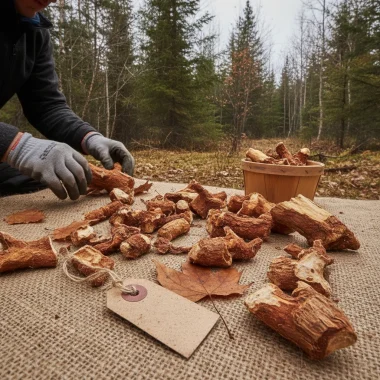
Tarihsel olarak, 5-MeO-DMT'nin en bilinen doğal kaynağı Sonora Çölü kurbağasıdır., Bufo alvarius (artık doğru şekilde tanımlanıyor) Incilius alvariusKurbağanın parotis bezleri, diğer bileşiklerin yanı sıra yüksek konsantrasyonda 5-MeO-DMT içeren sütlü bir zehir salgılar. Bufo salgılarının eski çağlarda yaygın törensel kullanımına dair kanıtlar etnobotanistler arasında tartışmalı olsa da, Sonora Çölü bölgesindeki bazı yerli toplulukların şifa ve manevi amaçlarla kullanımına dair gelenekleri vardır. Daha yakın zamanlarda, 20. yüzyılın ikinci yarısında, bu konuya olan ilgi yeniden canlanmıştır. Bufo alvarius Zehirli madde, aşırı avlanma nedeniyle vahşi kurbağa popülasyonlarının sürdürülebilirliği konusunda endişelere yol açmaktadır. Bu ekolojik etki, hayvan refahı ve uygun kaynak kullanımı sorularıyla birleştiğinde, maddenin kökenleriyle ilgilenen herkes için önemli etik hususlar ortaya koymaktadır. İboga kök kabuğu etnobotanik toplama yöntemlerini ele alan kaynaklarda da incelendiği gibi, bu tarihsel ve çevresel dinamikleri anlamak, 5-MeO-DMT ile sorumlu bir şekilde etkileşim kurmak için kritik öneme sahiptir..
Kanada Araştırmaları için 5-MeO-DMT Tozunun Sorumlu Kaynak Kullanımı
Kanada'da 5-MeO-DMT tozu üzerine çalışan araştırmacılar için tedarik zincirinin bütünlüğü son derece önemlidir. Yüksek saflık ve doğru alkaloid profillemesinin sağlanması Bu, yalnızca bilimsel titizlik meselesi değil, aynı zamanda güvenlik ve güvenilir deneysel sonuçların kritik bir bileşenidir. Araştırma kimyasalları ortamı, temel bulunabilirliğin ötesine geçerek tedarikçinin etik çerçeveleri ve bilimsel doğrulama süreçlerine dair daha derin bir anlayış gerektiren, seçici bir tedarik yaklaşımını zorunlu kılmaktadır. Araştırmacılar, bu karmaşık pazarda yol almak ve çalışma bütünlüğünü tehlikeye atabilecek veya beklenmedik düzenleyici komplikasyonlara yol açabilecek yaygın tuzaklardan kaçınmak için net karar kriterleri belirlemelidir.
Saygın Tedarikçileri Seçme Kriterleri
Kanada'da araştırma amaçlı 5-MeO-DMT tozu tedarikçisi seçerken, karar verme sürecine rehberlik etmesi gereken birkaç temel kriter bulunmaktadır. İlk olarak, doğrulanabilir üçüncü taraf analitik test Bu, pazarlık konusu değildir. Saygın tedarikçiler, yalnızca 5-MeO-DMT'nin saflığını değil, aynı zamanda önemli kirleticilerin yokluğunu da detaylandıran Analiz Sertifikaları (CoA) sağlayacaktır. Bu testlerin ideal olarak akredite bağımsız laboratuvarlar tarafından yapılması gerekir. İkincisi, sentez veya ekstraksiyon süreciyle ilgili şeffaflık çok önemlidir. Kökeni ve metodolojiyi anlamak, potansiyel safsızlık profillerini tahmin etmeye yardımcı olur ve bileşiğin belirli araştırma gereksinimleriyle uyumlu olmasını sağlar. Üçüncüsü, tedarikçinin taahhüdünü göz önünde bulundurun. partiden partiye tutarlı kalite. Araştırmacılar tekrarlanabilir sonuçlara güvenir ve tedarik edilen bileşiklerdeki değişkenlik çalışmaları geçersiz kılabilir. Sağlam kalite kontrol sistemlerine sahip ve ayrıntılı kayıtlar tutan tedarikçileri arayın. Son olarak, tedarikçinin müşteri desteğini ve teknik uzmanlığını inceleyin; bilgili bir ekip, kullanım ve depolama protokolleri hakkında değerli bilgiler sunarak araştırma güvenliğini daha da artırabilir. Yaygın bir hata, kalite yerine maliyete öncelik vermektir; bu da standart altı veya yanlış tanımlanmış bileşiklerin edinilmesine yol açar ve sonuçta araştırma kaynaklarını israf eder ve bilimsel geçerliliği tehlikeye atar.
Etik ve Sürdürülebilir Satın Alma Uygulamalarının Sağlanması
Analitik saflığın ötesinde, 5-MeO-DMT tozunun etik ve sürdürülebilir kaynaklardan temin edilmesi, Kanada araştırma kurumları için giderek daha önemli bir husus haline gelmektedir. Bu, ham maddelerin kökenlerini ve tedarik ve işleme süreçlerinde kullanılan işgücü uygulamalarını anlamayı gerektirir. 5-MeO-DMT için sentetik yollar yaygın olsa da, kullanılan öncüller ve reaktiflerin kendi çevresel ve etik etkileri olabilir. Araştırmacılar, tedarikçinin bu konudaki taahhüdünü sorgulamalıdır. çevre yönetimi, Örneğin, üretim süreçlerinde sorumlu atık yönetimi ve enerji tüketimi gibi konulara dikkat edilmelidir. Doğal kaynaklı bileşikler için, 5-MeO-DMT için daha az yaygın olsa da, etik yabani bitki toplama veya sürdürülebilir yetiştirme uygulamaları son derece önemlidir. En önemli tuzaklardan biri, kimyasal üretimin daha geniş kapsamlı etkisini göz ardı etmektir; kanıtlanabilir sürdürülebilirlik girişimlerine sahip tedarikçileri tercih etmek, yalnızca kurumsal sosyal sorumlulukla uyumlu olmakla kalmaz, aynı zamanda daha yüksek bir operasyonel özen seviyesini de gösterebilir. Tedarikçileri daha yeşil kimya prensiplerini ve şeffaf iş gücü uygulamalarını benimsemeye teşvik etmek, daha sorumlu bir bilimsel topluluğu destekler. Potansiyel tedarikçileri değerlendirirken, diğer bilimsel alanlardaki sağlayıcıları değerlendirirken olduğu gibi, sürdürülebilirlik ve etik kaynak kullanımıyla ilgili belirtilen politikalara bakın.
Kanada'da Triptamin Araştırmalarının Geleceği: Sorumlu Bir İleriye Yönelik Yol
Kanada'da triptamin araştırmalarının gidişatı, ortaya çıkan bilimsel anlayış ve bu bileşiklerin incelikli terapötik potansiyellerine yönelik artan takdir sayesinde önemli bir genişlemeye hazırlanıyor. Düzenleyici çerçeveler geliştikçe ve bilimsel araştırmalar derinleştikçe, araştırma, güvenlik ve etik keşif için sağlam protokoller oluşturmak giderek daha hayati önem kazanıyor. Bu ilerleme, gelişmelerin hem bilimsel olarak sağlam hem de sosyal olarak sorumlu olmasını sağlamak için araştırmacılar, düzenleyici kurumlar ve etik tedarikçiler arasında işbirliği gerektiriyor. Odak noktası, yasal ve güvenlik şartlarına sıkı sıkıya bağlı kalırken potansiyel terapötik uygulamaları bilgilendirebilecek titiz, kanıta dayalı çalışmalara doğru kayıyor; bu da Kanada'da triptamin araştırma potansiyelinin tüm yelpazesini ortaya çıkarmak için metodik ve dikkatli bir yaklaşımın önemini vurguluyor.
Yeni Çalışmalar ve Klinik Araştırma Çerçeveleri
Kanada, triptaminlerin araştırılmasında öncü konumdadır ve çeşitli terapötik bağlamlarda potansiyellerini inceleyen çok sayıda yeni çalışma yürütülmektedir. Bu araştırma çabaları, Kanada Sağlık Bakanlığı'nın ve uluslararası bilimsel standartların katı gereksinimlerini karşılamak üzere tasarlanmış resmi klinik çalışma çerçeveleri içinde giderek daha fazla yapılandırılmaktadır. Araştırmacılar, tedaviye dirençli depresyon, anksiyete ve travma sonrası stres bozukluğu gibi alanlardaki uygulamaları için 5-MeO-DMT gibi bileşikleri aktif olarak araştırmaktadır. standartlaştırılmış araştırma protokollerinin geliştirilmesi Deneysel tasarımların sağlam olmasını, veri toplamanın güvenilir olmasını ve katılımcı güvenliğinin önceliklendirilmesini sağlamak çok önemlidir. Bu, dozajlama, uygulama yöntemleri ve araştırma süreci boyunca psikolojik desteğin entegrasyonuna titizlikle dikkat edilmesini içerir. Yeni araştırmalarda sık karşılaşılan bir tuzak, kolaylık adına yerleşik bilimsel titizliği göz ardı etme eğilimidir; ancak, yerleşik protokollere bağlı kalmak, bulguların güvenilir olmasını ve bilimsel bilgi birikimine anlamlı bir şekilde katkıda bulunmasını sağlar. Kanada'da psikedelik maddelerle ilgili yasal durum Aynı zamanda gelişmekte olan bu süreç, uygun gözetim altında iyi tasarlanmış çalışmaların yürütülmesi için fırsatlar yaratmaktadır. Bu nedenle, araştırmacıların etik ve etkili bilimsel araştırmaları kolaylaştırmak için güncel yönergeler ve en iyi uygulamalar konusunda bilgi sahibi olmaları gerekmektedir.
Güvenli, Etik ve Yasalara Uygun Keşif Çalışmalarının Savunuculuğu
Kanada'da triptamin araştırmalarının sorumlu bir şekilde ilerletilmesi için yapılan savunuculuk çalışmaları, güvenlik, etik davranış ve sıkı yasal uyumluluğu önceliklendiren bir ortamın oluşturulmasına odaklanmaktadır. Bu, kamuoyu ve politika yapıcılar da dahil olmak üzere paydaşları bu bileşiklerin bilimsel değerleri ve potansiyel terapötik faydaları hakkında bilgilendirmeyi ve aynı zamanda riskleri ve kontrollü bir araştırma yaklaşımının gerekliliğini açıkça ifade etmeyi içerir. Kuruluşlar ve araştırmacılar bu konuda çalışmaktadır. güncellenmiş düzenleyici yollar için savunuculuk yapmak Kamu güvenliğini tehlikeye atmadan iyi tasarlanmış klinik denemeleri barındırabilecek bir ortam. Bu, araştırma bileşiklerinin yasal statüsünü açıklığa kavuşturan ve meşru bilimsel araştırmalara erişimi kolaylaştıran girişimleri desteklemeyi içerir. Aşılması gereken önemli bir engel, ilerlemeyi ve kamuoyu kabulünü engelleyebilen, psikedeliklerle ilişkili süregelen damgalanmadır; bu nedenle, bilimsel kanıtlara dayalı açık iletişim çok önemlidir. Sağlık Kanada gibi devlet kurumlarıyla işbirliği ve kaynaklarda belirtilen protokollere uyulması gerekmektedir. Entheojenik Araştırmalarda Güvenlik: Kanada Zarar Azaltma Kılavuzu Bunlar çok önemlidir. Zarar azaltma ve bilgilendirilmiş onam konusunda en iyi uygulamaların teşvik edilmesi, etik araştırmanın temelini daha da güçlendirerek araştırmanın hem bilimsel anlayışa hem de toplumsal refaha olumlu katkıda bulunmasını sağlar. Bu proaktif yaklaşım, olgun ve sorumlu bir araştırma ekosisteminin geliştirilmesine yardımcı olur.

 English
 English (Canada)
 Français du Canada
 Español de México
 Türkçe