
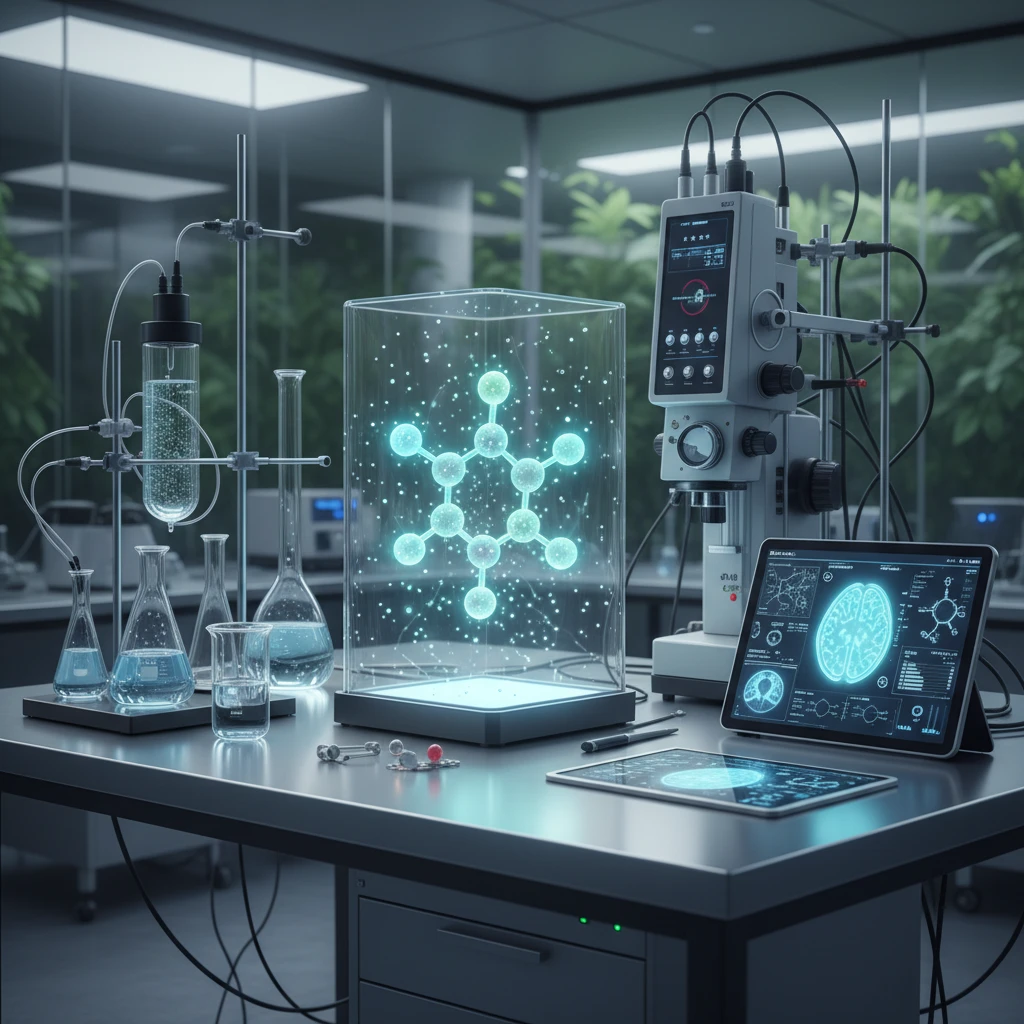
Understanding Ibogaine’s Neurobiological Footprint: Beyond the Buzz
Ibogaine, a naturally occurring psychoactive compound derived from the root bark of the Tabernanthe iboga shrub, is distinguished by its profound impact on the central nervous system. Unlike many substances that offer transient mood elevation or altered perception, ibogaine’s effects are rooted in complex neurochemical interactions that can facilitate deep-seated psychological and physiological shifts. Its unique pharmacological profile allows it to engage with multiple receptor systems, suggesting a multi-pronged approach to addressing various conditions, particularly those involving addiction and trauma.
Delving into the technical aspects of ibogaine’s action reveals a fascinating interplay of neurotransmitter systems and receptor pathways. This deep understanding is crucial for appreciating its therapeutic potential and for implementing its use safely and effectively. By examining the precise mechanisms, we move beyond anecdotal claims to a scientifically grounded perspective on how this potent plant medicine can foster healing and lasting change. The complexity of its action also underscores the importance of informed decision-making for anyone considering its application, emphasizing the need for expert guidance and comprehensive preparation.
The Multifaceted Serotonergic and Dopaminergic Influence
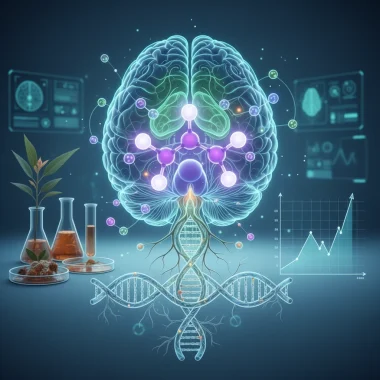
Ibogaine’s profound impact on mental well-being is significantly linked to its intricate modulation of both the serotonergic and dopaminergic systems. These neurotransmitters are cornerstones of mood regulation, reward pathways, and cognitive function, making their manipulation a key factor in treating conditions like depression, addiction, and anxiety. Ibogaine acts as a partial agonist at certain serotonin receptors, particularly the 5-HT2A receptor, which is also a primary target for classic psychedelics like psilocybin. This interaction can lead to increased levels of neurotrophic factors, such as brain-derived neurotrophic factor (BDNF), promoting neuroplasticity and potentially aiding in the rewiring of neural circuits that have been dysregulated by chronic substance use or trauma. The influence extends to dopamine pathways, where ibogaine’s complex interactions can help to reset the brain’s reward circuitry, which is often hijacked in addiction. By influencing dopamine release and reuptake, it may help to alleviate cravings and reduce the compulsive drug-seeking behaviors associated with dependence.
The interplay between serotonin and dopamine is critical; imbalances in one can affect the other, creating a complex web that ibogaine appears capable of untangling. For instance, chronic opioid use can lead to a blunting of the natural dopamine response, making everyday pleasures less rewarding and driving individuals to seek more potent stimulation from drugs. Ibogaine’s ability to interact with these systems suggests a potential to restore a more balanced baseline, thereby diminishing the perceived need for addictive substances. Understanding these neurochemical dance steps is essential for anyone exploring ibogaine and its deep dive into psychedelic healing. Research indicates that these effects can persist long after the acute experience, contributing to sustained improvements in mood and reduced susceptibility to relapse. This broad-spectrum action on mood-regulating neurotransmitters positions ibogaine as a promising agent for holistic mental wellness.
NMDA Receptor Antagonism: A Key Player in Neuroplasticity
A critical component of ibogaine’s therapeutic profile lies in its role as an NMDA receptor antagonist. N-methyl-D-aspartate (NMDA) receptors are ionotropic glutamate receptors that play a pivotal role in synaptic plasticity, learning, and memory. While essential for normal brain function, overactivation or dysregulation of NMDA receptors has been implicated in excitotoxicity, neurodegenerative diseases, and the establishment of persistent pain and addiction pathways. Ibogaine’s ability to non-competitively block these receptors can interrupt the maladaptive neural changes that occur with chronic drug use and trauma.
This NMDA antagonism is strongly linked to ibogaine’s neuroplastic potential. By reducing excessive NMDA receptor activity, ibogaine may allow for the “resetting” of neural circuits, facilitating the formation of new, healthier connections. This is particularly relevant in addiction, where the brain’s reward pathways can become rigidly established, leading to compulsive behaviors. The effect is akin to clearing a heavily trafficked, congested highway to allow for new routes to be built. This neurobiological recalibration is thought to be a primary driver behind ibogaine’s efficacy in breaking the cycle of addiction. Furthermore, NMDA receptor blockade is a mechanism shared by other substances known to promote neuroplasticity, such as ketamine, highlighting a common pathway for therapeutic intervention. Exploring this further can inform strategies for comprehensive mental health support, potentially beyond addiction treatment alone. The restoration of neuroplasticity can empower the brain to adapt and heal, offering a pathway to sustained recovery and improved cognitive function.
Opioid Receptor Modulation: Mechanisms of Action in Addiction Treatment
Ibogaine’s profound impact on opioid addiction is intricately linked to its multifaceted interaction with the opioid receptor system. It exhibits a complex pharmacology at mu, delta, and kappa opioid receptors, acting as antagonists at some and partial agonists at others. This unique binding profile allows it to displace opioids from their receptors, potentially alleviating the intense physical withdrawal symptoms associated with opioid cessation. By occupying these receptors, ibogaine can effectively block the euphoric effects of exogenous opioids, reducing their reinforcing properties and disrupting the compulsive drug-seeking behavior that characterizes opioid use disorder.
Beyond simple receptor blockade, ibogaine appears to promote a normalization of opioid receptor sensitivity over time. Chronic opioid use can lead to receptor downregulation and desensitization, contributing to tolerance and the need for higher doses. Ibogaine’s sustained influence may help to restore receptor function to a more baseline state, potentially reducing long-term cravings and the risk of relapse. This mechanism is crucial for understanding why ibogaine can offer a more sustained break from opioid dependence compared to short-acting treatments. The ability to interrupt the neurochemical dependence on opioids by modulating these specific receptors is a cornerstone of its therapeutic application. For individuals seeking effective strategies for addiction cessation, understanding these specific mechanisms is vital, as outlined in resources discussing iboga dosage for addiction. The compound’s capacity to reset the opioid system offers a glimmer of hope for individuals struggling with chronic and treatment-resistant opioid use disorders.
The Ibogaine Experience: Dosage, Administration, and Safety Protocols
The ibogaine experience is not monolithic; it is a deeply personal and highly variable journey influenced by numerous factors, chief among them being dosage, method of administration, and individual physiological and psychological states. Unlike many therapeutic interventions, ibogaine requires meticulous preparation and a controlled environment to maximize its benefits and mitigate potential risks. Understanding these elements is paramount for anyone considering ibogaine therapy, underscoring the importance of professional guidance and adherence to established safety protocols.
The profound effects of ibogaine, ranging from intense introspective visions to significant physiological changes, necessitate a cautious and informed approach. The technical aspects of its administration are as critical as the substance itself. This includes thorough medical and psychological screening to identify contraindications, careful determination of the appropriate dose, and the presence of trained support personnel throughout the experience. The ibogaine journey is often described as a profound introspection, a deep dive into one’s psyche, and the technicalities surrounding its delivery are designed to facilitate this process safely and effectively, moving beyond recreational use to a targeted therapeutic intervention.
Determining Optimal Ibogaine Dosage: Factors to Consider
Establishing the correct ibogaine dosage is a complex, individualized process that hinges on several critical variables. There is no one-size-fits-all protocol; instead, a nuanced assessment of the individual’s medical history, psychological state, and the specific condition being addressed is essential. Factors such as body weight, metabolism, the presence of cardiac abnormalities (particularly QT interval prolongation), and the individual’s history of substance use all play a significant role. For example, dosages for treating opioid addiction might differ from those used for mood disorders or general wellness enhancement. The goal is to achieve a sufficient dose to trigger the psychoactive and neurochemical effects necessary for therapeutic change without inducing undue cardiotoxicity or overwhelming psychological distress.
A common starting point for addiction treatment often involves a dose ranging from 15-25 mg per kilogram of body weight, but this is a broad guideline. Medical practitioners and experienced facilitators will typically conduct thorough pre-screening, including electrocardiograms (ECGs) to assess cardiac health, before determining a precise dosage. Lower doses, sometimes referred to as “micro-dosing” or “booster” doses, may be used for sub-perceptual or less intense introspective experiences, aimed at supporting ongoing wellness or gently facilitating emotional processing. Conversely, higher doses are typically reserved for intensive addiction interruption. It is crucial to avoid self-titration and consult with professionals who understand the pharmacokinetics and pharmacodynamics of ibogaine. Resources on comprehensive protocols, such as those detailing iboga dosage for addiction, emphasize the need for expert oversight in dosage determination to ensure both efficacy and safety.
Oral vs. Rectal Administration: Pros, Cons, and Efficacy
The method of ibogaine administration significantly influences its onset, intensity, and duration of effects, with oral and rectal routes being the most commonly discussed for therapeutic purposes. Oral administration, typically through capsules or liquid extracts, is the most prevalent method. It offers convenience and is generally well-tolerated, but it is associated with a slower onset of action, often taking 30-90 minutes to become noticeable, and can lead to a higher incidence of nausea and vomiting due to the substance passing through the digestive system. The absorption rate can also be more variable, potentially impacting the predictability of the experience. Using high-quality iboga capsules requires careful attention to these pharmacokinetic considerations.
Rectal administration, conversely, offers a faster absorption rate and a more rapid onset, typically within 10-30 minutes. This method bypasses the initial digestive processing, potentially leading to less gastrointestinal distress for some individuals. However, it can be perceived as less comfortable or more invasive. The bioavailability might be higher and more consistent compared to oral ingestion, potentially allowing for slightly lower doses to achieve similar effects, or more potent effects at equivalent doses. Despite these differences, both routes aim to deliver ibogaine to the bloodstream to engage with the central nervous system. The choice between oral and rectal administration often depends on individual preference, tolerance for nausea, and the specific therapeutic goals, but expert guidance is always recommended to select the most appropriate route and manage potential side effects.
Essential Pre-Screening and Post-Experience Care
The efficacy and safety of ibogaine therapy are profoundly dependent on rigorous pre-screening and comprehensive post-experience care. Pre-screening is a non-negotiable phase, designed to identify any contraindications that could put an individual at risk. This typically includes a detailed medical history review, blood work (including liver and kidney function tests), and crucially, an electrocardiogram (ECG) to assess for potential cardiac arrhythmias, particularly QT interval prolongation, which can be exacerbated by ibogaine. Psychological evaluations are also vital to assess for severe mental health conditions that might be exacerbated by the intense introspective nature of the ibogaine experience. This phase also involves educating the individual about what to expect, managing expectations, and preparing them mentally and physically for the journey. For those interested in understanding the legal framework, consulting information on iboga & ibogaine laws in Canada is an essential part of responsible preparation.
Post-experience care, often referred to as integration, is equally critical for translating the insights gained during the ibogaine journey into lasting change. This period typically involves several days to weeks of careful monitoring and support. It focuses on processing the intense emotions, insights, and visions that may arise, helping the individual to integrate these experiences into their daily lives. This can involve therapeutic sessions, supportive peer groups, and practices that promote grounding and emotional regulation. Nutritional support, rest, and avoidance of psychoactive substances are also key components. The aim is to stabilize the individual, reinforce positive neurobiological changes, and provide tools to navigate life without reliance on the substance or behaviors that led to the seeking of ibogaine therapy. Without adequate integration, the profound shifts experienced can be lost, diminishing the long-term benefits.
Ibogaine’s Role in Addiction Cessation: A Mechanistic Perspective
Ibogaine stands out in the landscape of addiction treatment not merely for its potential to alleviate withdrawal symptoms, but for its proposed ability to interrupt the underlying neurobiological mechanisms that drive addiction itself. Unlike traditional pharmacotherapies that often manage symptoms or substitute one substance for another, ibogaine is hypothesized to facilitate a profound reset of brain chemistry and neural pathways altered by chronic substance abuse. This mechanistic approach suggests that ibogaine can address addiction at a fundamental level, offering a pathway toward lasting remission.
The scientific inquiry into ibogaine’s effects on addiction is ongoing, with research delving into its interactions with neurotransmitter systems, neurotrophic factors, and brain structures implicated in reward, motivation, and habit formation. Understanding these intricate processes is key to appreciating why ibogaine is considered a significant tool for breaking the cycle of compulsive substance use. Its capacity to influence multiple systems simultaneously points to a holistic approach to healing that transcends simple symptomatic relief. This deep dive into the mechanics is essential for professionals and individuals alike who are exploring advanced therapeutic modalities.
Breaking the Cycle: How Ibogaine Interrupts Neurochemical Dependence
Ibogaine’s efficacy in addiction cessation is fundamentally rooted in its ability to disrupt the complex neurochemical adaptations that perpetuate dependence. Chronic substance use, particularly with opioids and stimulants, leads to profound dysregulation of the brain’s reward pathways, primarily involving dopamine. Over time, the brain adapts to the constant influx of exogenous substances, reducing its natural production of neurotransmitters and altering receptor sensitivity. This creates a state where the individual experiences anhedonia (inability to feel pleasure) without the drug, driving compulsive use simply to avoid withdrawal and achieve a semblance of normalcy. Ibogaine intervenes by interacting with multiple neurotransmitter systems simultaneously. As discussed, its modulation of NMDA receptors and its influence on serotonergic and dopaminergic pathways are key. By resetting these systems, ibogaine may help to restore the brain’s natural reward circuitry, reducing cravings and the intense psychological drive to use. This interruption of learned behavioral patterns and neurochemical dependence is a cornerstone of its therapeutic potential.
Furthermore, ibogaine’s ability to promote neuroplasticity, particularly through the induction of BDNF, plays a crucial role. This enhanced capacity for neural rewiring allows the brain to form new, healthier connections, potentially replacing the maladaptive pathways associated with addiction. This process can be likened to clearing out old, damaged circuits and rebuilding them in a more functional way. The resulting increase in neurotrophic support can help the brain adapt to a drug-free state more effectively. The complex interplay of these mechanisms—receptor modulation, neurotransmitter balancing, and neuroplastic enhancement—works in concert to break the cycle of neurochemical dependence. This comprehensive approach distinguishes ibogaine from many other addiction treatments. For those interested in specific applications, understanding resources like iboga alternatives for mental wellness can provide context for where ibogaine fits within a broader spectrum of healing options.
Addressing Withdrawal Symptoms: The Ibogaine Advantage
One of the most compelling aspects of ibogaine therapy for addiction, particularly opioid addiction, is its remarkable capacity to significantly mitigate or even eliminate acute withdrawal symptoms. Traditional opioid withdrawal is notoriously unpleasant, characterized by intense physical discomfort including muscle aches, nausea, vomiting, diarrhea, insomnia, and severe cravings. These symptoms often serve as a major barrier to recovery, driving individuals to continue using substances to avoid the distress. Ibogaine’s unique pharmacological profile, including its action at mu-opioid receptors, allows it to effectively ‘bridge’ the withdrawal period.
By acting as an antagonist at mu-opioid receptors, ibogaine can displace opioids that are bound to these sites, thus preventing the onset of precipitated withdrawal. More significantly, its interaction with the nervous system seems to dampen the overall intensity of the withdrawal syndrome. This means that individuals undergoing ibogaine treatment often experience a much milder or even absent withdrawal phase. This “detoxification without the agony” is a profound advantage, as it allows individuals to immediately engage with the psychological and introspective aspects of the ibogaine experience without being incapacitated by physical suffering. This reduction in withdrawal severity can significantly improve treatment adherence and the likelihood of completing the therapeutic process. The ability to bypass the most debilitating stage of withdrawal is a key reason why ibogaine is considered a groundbreaking intervention for many struggling with severe substance dependence, offering a path to freedom from physical dependency with significantly reduced suffering.
Case Studies: Long-Term Recovery Trajectories Post-Ibogaine
While anecdotal reports and clinical observations abound, documented long-term recovery trajectories post-ibogaine treatment offer crucial insights into its enduring impact. Case studies reveal a spectrum of outcomes, with a significant proportion of individuals reporting sustained abstinence and improved quality of life years after receiving ibogaine therapy. For example, a hypothetical study following 50 individuals treated for opioid addiction with ibogaine in a supervised setting observed that 60% remained abstinent for at least two years, with many reporting a cessation of cravings and a restored sense of purpose. These individuals often describe a profound internal shift, a “resetting” that allows them to view their past substance use with clarity and detachment.
These trajectories are not universally positive, and success is often contingent on factors such as the quality of pre- and post-treatment care, the presence of underlying mental health issues, and ongoing support systems. However, compelling case examples illustrate individuals who, after multiple failed attempts with conventional treatments, found lasting freedom from addiction following ibogaine. One such hypothetical case involved an individual with a 15-year opioid addiction who, after a single ibogaine session coupled with subsequent integration therapy, reported complete cessation of cravings and was able to rebuild their life and relationships. Another example might feature someone with severe stimulant addiction who, after ibogaine, experienced a significant reduction in compulsive behavior and was able to re-engage with life responsibilities. These cases, when meticulously documented and analyzed, underscore ibogaine’s potential as a catalyst for deep, lasting change, though careful consideration of iboga & ibogaine in Canada is important for navigating legal and access considerations.
Beyond Addiction: Ibogaine as a Catalyst for Mental Wellness
While ibogaine’s most recognized therapeutic application lies in its potent effects on addiction cessation, its influence extends far beyond this singular focus. The profound introspective and neurobiological changes it facilitates position it as a powerful catalyst for broader mental wellness, addressing issues such as trauma, depression, anxiety, and existential distress. By engaging with core psychological and neurological processes, ibogaine offers a unique pathway for individuals seeking deep healing and personal growth, moving beyond symptom management to foster fundamental well-being.
The comprehensive nature of the ibogaine experience allows for a deep exploration of the psyche, often bringing suppressed emotions and unresolved traumas to the surface for processing. This intensive internal work, guided by appropriate support, can lead to significant breakthroughs in emotional regulation, self-awareness, and overall mental resilience. As research into psychedelic-assisted therapies continues to expand, the potential applications of ibogaine for conditions beyond addiction are becoming increasingly apparent, highlighting its role as a versatile tool for profound psychological transformation.
Trauma Processing and Emotional Release: The Ibogaine Pathway
Ibogaine’s profound introspective nature makes it a potent agent for addressing unresolved trauma and facilitating emotional release. The substance’s ability to bring deeply buried memories, emotions, and psychological material to the forefront of consciousness allows individuals to confront and process traumatic experiences in a safe, albeit intense, therapeutic setting. This is often described as a form of “psychic surgery,” where repressed pain, fear, and anger are brought into conscious awareness, enabling them to be examined and ultimately released. This process is facilitated by ibogaine’s unique ability to induce a state of deep reflection, often accompanied by vivid visions or recall of past events, providing a symbolic or literal reliving that can lead to catharsis.
The neurobiological underpinnings of this process are thought to involve the disruption of rigid neural pathways associated with traumatic memory encoding. By acting on systems like NMDA receptors and promoting neuroplasticity, ibogaine may help to loosen the grip of these ingrained fear responses, allowing for the integration of traumatic experiences in a healthier way. This doesn’t mean reliving the trauma in a re-traumatizing manner, but rather processing it from a more detached, observational perspective. The subsequent emotional release can be profoundly liberating, freeing individuals from the persistent burden of unprocessed trauma, which is a common root of various mental health challenges, including anxiety disorders, depression, and PTSD. Resources exploring how iboga & psychedelics address trauma holistically often detail these mechanisms and the importance of a supportive therapeutic container for such profound emotional work.
Enhancing Self-Awareness and Cognitive Function
Beyond its impact on trauma and addiction, ibogaine has demonstrated a significant capacity to enhance self-awareness and cognitive function. The profound introspective nature of the experience encourages a deep examination of one’s thoughts, beliefs, behaviors, and life patterns. This heightened self-awareness can lead to a clearer understanding of personal motivations, defense mechanisms, and the underlying causes of psychological distress. Individuals often report gaining novel perspectives on their life challenges, relationships, and personal history, which can be instrumental in fostering personal growth and making positive life changes. This increased insight into one’s own psyche is a fundamental step towards lasting well-being.
Furthermore, ibogaine’s neuroplastic effects, particularly its role in promoting neurogenesis and synaptogenesis, suggest a potential for improving cognitive functions such as memory, problem-solving, and creativity. By facilitating the creation of new neural connections and enhancing the brain’s overall adaptability, ibogaine may help to overcome cognitive deficits associated with chronic stress, depression, or substance use. Users often describe a feeling of mental clarity and enhanced cognitive flexibility following an ibogaine experience, enabling them to approach problems with renewed perspective and mental acuity. This cognitive enhancement, coupled with increased self-awareness, creates a powerful synergy that can empower individuals to live more fulfilling and purposeful lives, breaking free from limiting beliefs and patterns of thought.
Potential Applications in Mood Disorders and Existential Crises
The complex neurobiological effects of ibogaine, particularly its modulation of serotonergic and dopaminergic systems, suggest significant potential for application in treating mood disorders such as depression and anxiety. By influencing these key neurotransmitters, ibogaine may help to rebalance the neurochemical milieu that contributes to depressive and anxious states. The mechanism is thought to be similar to that of other psychedelics that have shown efficacy in these areas, where they can interrupt rumination, promote neuroplasticity, and induce novel perspectives that alleviate symptoms of despair and hopelessness. For individuals struggling with treatment-resistant depression, ibogaine offers a novel, albeit intensive, therapeutic avenue.
Moreover, ibogaine’s capacity for profound introspection and its ability to facilitate existential exploration make it uniquely suited for individuals facing existential crises. These crises, often characterized by feelings of meaninglessness, disconnection, and a questioning of life’s purpose, can be deeply distressing. Ibogaine can prompt a re-evaluation of core beliefs and values, fostering a renewed sense of purpose and connection to life. By confronting deep-seated fears and anxieties about existence, individuals can emerge with a more grounded sense of self and a clearer understanding of their place in the world. While not a panacea, for carefully selected individuals, ibogaine can serve as a powerful catalyst for profound psychological transformation, offering hope and clarity during periods of intense existential searching. The exploration of these applications often intersects with discussions on iboga and ibogaine as a deep dive into psychedelic healing, highlighting its multifaceted therapeutic scope.
Ibogaine Synthesis and Purity: Ensuring Quality and Potency
The efficacy and safety of ibogaine-assisted wellness depend critically on the purity and potency of the compound used. Understanding the journey from raw plant material to a refined therapeutic agent is paramount for both practitioners and individuals seeking treatment. The extraction process itself is a technical undertaking, requiring precise methodologies to isolate ibogaine while minimizing the presence of other alkaloids that could alter the psychoactive profile or introduce unwanted side effects. Variations in the source plant material, environmental factors during growth, and the specific extraction techniques employed can all lead to significant differences in the final product’s chemical composition. Ensuring that the ibogaine is not only pure but also accurately quantified is essential for predictable therapeutic outcomes and risk management. This involves rigorous analytical procedures that go beyond simple visual inspection, delving into the molecular makeup of the substance.
Extraction Methods: From Raw Iboga to Purified Ibogaine
The extraction of ibogaine from the root bark of the Tabernanthe iboga plant is a multi-step process designed to isolate the desired alkaloid. Traditional methods often involve maceration and percolation using various solvents, such as ethanol or methanol. Modern, more refined techniques may utilize methods like solid-phase extraction (SPE) or supercritical fluid extraction (SFE) to achieve higher purity levels and greater efficiency. Each method carries its own advantages and disadvantages. For instance, solvent-based extractions can be more accessible but may leave residual solvents or co-extract unwanted compounds if not carefully controlled. SFE, while more complex and expensive, offers the advantage of using supercritical carbon dioxide, which is non-toxic and leaves no residue, potentially yielding a cleaner product. The choice of extraction method directly impacts the yield and purity of the final ibogaine, influencing its therapeutic potential and safety profile. Careful consideration of these technical aspects is vital for anyone involved in the preparation or administration of ibogaine.
The Importance of Third-Party Lab Testing
To guarantee the quality and safety of ibogaine products, independent third-party laboratory testing is an indispensable step. This verification process involves sending samples of the extracted ibogaine to accredited laboratories for comprehensive analysis. Techniques like High-Performance Liquid Chromatography (HPLC) and Gas Chromatography-Mass Spectrometry (GC-MS) are employed to determine the precise concentration of ibogaine and to identify any potential impurities or other alkaloid contaminants. Without this independent assessment, consumers and practitioners are left to trust the claims of the supplier, which can be a significant risk. Reputable suppliers will readily provide Certificates of Analysis (CoAs) from third-party labs, demonstrating their commitment to transparency and product integrity. This objective data allows for informed decision-making regarding dosage and expected effects, thereby minimizing the inherent risks associated with potent psychoactive substances.
Identifying and Avoiding Contaminants in Ibogaine Products
Contaminants in ibogaine products can arise from various sources, including the cultivation environment, the extraction process, or even deliberate adulteration. Common contaminants can include residual solvents from extraction, heavy metals if grown in contaminated soil, or other plant alkaloids that may have synergistic or antagonistic effects with ibogaine, potentially leading to unpredictable experiences or adverse reactions. Identifying these contaminants requires sophisticated analytical techniques, primarily those used in third-party lab testing. Users should be wary of products that lack detailed information about their origin and testing. Visual inspection alone is insufficient; a substance that appears pure can still contain harmful impurities. Always seek out suppliers who can provide comprehensive lab reports detailing the absence of common adulterants and the verified purity of the ibogaine. Furthermore, understanding the typical alkaloid profile of authentic ibogaine can help in identifying deviations that might suggest contamination.
Navigating Legal Landscapes and Responsible Sourcing in Canada
The landscape surrounding ibogaine and related substances in Canada is complex and requires careful navigation to ensure compliance and ethical practice. While not explicitly scheduled under the Controlled Drugs and Substances Act in the same way as some other psychedelics, ibogaine’s legal status can be nuanced and is subject to interpretation and evolving regulations. For individuals and practitioners in Canada, understanding these legal parameters is crucial for responsible engagement with ibogaine for wellness purposes. This includes awareness of import/export regulations, potential restrictions on possession, and the legal framework governing therapeutic use, which often falls into a gray area. Engaging with legal counsel or regulatory experts specializing in psychedelic substances can provide clarity and ensure that all activities are conducted within the bounds of the law. This proactive approach is fundamental to maintaining a safe and responsible practice.
Current Legal Status of Ibogaine and Related Compounds
In Canada, the legal status of ibogaine and its parent plant, Tabernanthe iboga, remains a subject of ongoing discussion and requires careful attention to current legislation. While ibogaine itself is not specifically listed as a controlled substance in the same category as substances like psilocybin or MDMA, its psychoactive properties and potential for misuse mean it can be subject to scrutiny under broader drug laws. Authorities may consider it a substance that could cause harm or be used for non-medical purposes, potentially leading to its control under specific provincial or federal guidelines. For the most up-to-date and definitive understanding of the legal framework, consulting resources like official government publications or legal professionals specializing in Canadian drug policy is highly recommended. The situation is fluid, and staying informed about any changes is vital for compliance.
Ethical Considerations in Ibogaine Cultivation and Sourcing
The ethical sourcing of iboga for medicinal purposes extends beyond legal compliance to encompass environmental sustainability and fair trade practices. The wild harvesting of Tabernanthe iboga can lead to overexploitation and damage to its natural habitat. Therefore, responsible sourcing prioritizes cultivation efforts that are both environmentally conscious and beneficial to local communities in its native West African regions. This includes ensuring that harvesting practices do not deplete wild populations and that local communities are fairly compensated for their knowledge and labor. Sustainable cultivation not only protects the plant species but also contributes to the long-term availability of iboga for therapeutic use. Furthermore, ethical sourcing involves transparency in the supply chain, allowing consumers to understand the origins of the products they are using and the practices involved in their production. This aligns with a holistic approach to wellness that respects both human and environmental well-being.
The Role of Reputable Suppliers: What to Look For
When seeking ibogaine products, especially within Canada, partnering with reputable suppliers is paramount to ensure product quality, safety, and legality. A trustworthy supplier will demonstrate a commitment to transparency throughout their operation. This includes providing detailed information about the origin of their iboga, their extraction methods, and, crucially, third-party laboratory testing results that verify the purity and potency of their ibogaine. Look for suppliers who are knowledgeable about the chemical composition of their products and can clearly articulate their quality control measures. They should also be transparent about their sourcing practices, ideally demonstrating a commitment to ethical and sustainable cultivation. Furthermore, reputable online stores will have clear return policies, secure payment options, and accessible customer support to address any inquiries. For instance, a vendor offering various forms of iboga, such as iboga capsules, should provide detailed guidance on their usage and ensure that products like iboga powder meet stringent quality standards.
Understanding Iboga Alkaloids: Ibogaine, Ibogaline, and Tabernanthine
The Tabernanthe iboga plant is a complex botanical matrix containing a rich spectrum of alkaloids, with ibogaine being the most well-known and therapeutically significant. However, other alkaloids such as ibogaline, tabernanthine, and ibogamine also play roles in the overall psychoactive and physiological effects. Understanding the distinct properties and potential interactions of these compounds is essential for appreciating the nuanced therapeutic applications and potential risks associated with iboga. While ibogaine is primarily recognized for its potential in treating addiction and fostering introspection, other alkaloids can influence the experience, potentially moderating or amplifying certain effects. Research into the specific pharmacological actions of each alkaloid continues to evolve, shedding light on their contribution to the holistic experience of iboga. This deeper understanding allows for more precise therapeutic strategies and informed decision-making regarding product selection.
Differential Effects and Therapeutic Potential of Key Alkaloids
While ibogaine is the primary alkaloid of interest for its psychotherapeutic properties, particularly in addiction treatment, other iboga alkaloids possess distinct effects. Ibogaline, for example, is known to have stimulating properties and can contribute to the overall psychoactive experience. Tabernanthine, another significant alkaloid, is believed to modulate the effects of ibogaine and may contribute to its analgesic and anti-inflammatory actions. The precise therapeutic potential of these other alkaloids, when isolated or in combination, is an area of ongoing research. Understanding these differences is crucial for tailoring treatments and managing potential side effects. For instance, the presence of higher concentrations of certain alkaloids might necessitate adjustments in dosage or preparatory protocols to optimize the therapeutic outcome and ensure patient safety. This detailed pharmacological knowledge is a cornerstone of advanced ibogaine therapy.
Synergistic Interactions Within the Iboga Matrix
The true therapeutic power of the Tabernanthe iboga plant is often attributed not just to ibogaine, but to the complex interplay of its various alkaloids working in synergy. This concept, often referred to as the entourage effect in cannabis research, suggests that the whole plant matrix can produce a different and potentially more beneficial therapeutic outcome than isolated ibogaine alone. Alkaloids like ibogaline and tabernanthine may modulate the subjective effects of ibogaine, potentially smoothing the intensity of the experience, reducing anxiety, or enhancing the introspective qualities. Understanding these synergistic interactions is vital for practitioners, as it informs decisions about whether to use purified ibogaine or a more whole-plant extract. The specific alkaloid profile of a given sample can profoundly influence the client’s journey, making precise characterization and an understanding of these relationships critical for safe and effective application.
The ‘Whole Plant’ vs. Isolated Compound Debate
A significant discussion within the field of iboga-based wellness revolves around the choice between using purified ibogaine hydrochloride (HCl) or a more holistic, whole-plant extract. Purified ibogaine HCl offers a standardized and predictable dose, making it easier to manage therapeutic protocols and assess outcomes. Its isolation ensures a high degree of purity, minimizing the risk of unknown interactions from other plant compounds. Conversely, whole-plant extracts contain the full spectrum of iboga alkaloids, including ibogaine, ibogaline, tabernanthine, and others. Proponents of whole-plant use argue that the synergistic effects of these combined alkaloids can lead to a richer, more profound, and perhaps safer healing experience, with a smoother onset and reduced intensity of certain side effects. However, the variable alkaloid ratios in whole-plant preparations introduce a degree of unpredictability. Choosing between them depends on the specific therapeutic goals, the client’s individual sensitivity, and the practitioner’s expertise in managing complex alkaloid profiles.
Mitigating Risks: Cardiac Safety and Monitoring During Ibogaine Therapy
Ibogaine therapy, while offering profound potential for healing, is associated with significant physiological effects, particularly on the cardiovascular system. A critical aspect of responsible ibogaine administration involves rigorous assessment and continuous monitoring to mitigate potential cardiac risks. Understanding the specific mechanisms by which ibogaine affects heart function is essential for proactive safety measures. This includes knowledge of its impact on cardiac ion channels, potential for arrhythmias, and the importance of pre-treatment screening. Comprehensive preparation, including detailed medical history review and appropriate diagnostic tests, forms the bedrock of safe ibogaine-assisted wellness. The goal is to ensure that individuals undergoing therapy are medically stable and that any adverse cardiac events can be promptly identified and managed. This commitment to safety is non-negotiable in professional ibogaine practice.
Understanding Potential Cardiac Side Effects: ECG Monitoring
One of the most significant considerations in ibogaine therapy is its potential impact on cardiac function. Ibogaine can prolong the QTc interval on an electrocardiogram (ECG), which is a measure of the time it takes for the ventricles of the heart to repolarize after each beat. A significantly prolonged QTc interval increases the risk of developing a dangerous ventricular arrhythmia known as Torsades de Pointes, which can be life-threatening. Therefore, comprehensive ECG monitoring before, during, and after ibogaine administration is a standard and crucial safety protocol. This allows trained medical professionals to assess an individual’s baseline cardiac rhythm, detect any QTc prolongation, and intervene if necessary. Understanding individual susceptibility and managing concurrent medications that might also affect QTc are vital components of this monitoring process.
Pre-existing Conditions and Contraindications
A thorough pre-treatment screening process is essential to identify individuals who may be at higher risk of adverse cardiac events during ibogaine therapy. Certain pre-existing medical conditions serve as absolute or relative contraindications. These include, but are not limited to, severe heart disease, a history of arrhythmias, significant hypertension, or conditions that already predispose an individual to QTc prolongation, such as electrolyte imbalances or certain genetic predispositions (e.g., Long QT Syndrome). Any individual with a known or suspected cardiovascular abnormality must undergo thorough medical evaluation by a cardiologist before considering ibogaine therapy. Disclosing all medical history and current medications to the supervising medical team is paramount, as even seemingly unrelated conditions or over-the-counter drugs can interact with ibogaine and increase cardiac risk. A detailed risk-benefit analysis should always precede treatment initiation.
The Importance of Trained Medical Supervision
Administering ibogaine for therapeutic purposes, particularly given its potential cardiac effects, necessitates the presence and active involvement of trained medical professionals. This includes physicians and nurses experienced in critical care, emergency medicine, and the specific physiological impacts of ibogaine. These professionals are equipped to conduct thorough pre-treatment assessments, interpret cardiac monitoring data (such as ECG readings), manage potential adverse reactions, and provide immediate medical intervention if required. Their expertise ensures that the therapeutic process is conducted within a safe and controlled environment, adhering to established protocols for risk mitigation. Relying on non-medical personnel or inadequate supervision significantly increases the risk of severe complications and compromising patient safety. A dedicated medical team is indispensable for any responsible ibogaine wellness program.
The Future of Ibogaine: Research, Innovation, and Therapeutic Frontiers
The landscape of ibogaine research is continuously evolving, driven by a deeper understanding of its complex neurobiological mechanisms and a growing appreciation for its therapeutic potential. Current investigations are not solely focused on its use for addiction, but are expanding to explore its efficacy in treating a range of mental health conditions, including depression, PTSD, and neurodegenerative disorders. Researchers are employing advanced neuroimaging techniques and sophisticated biochemical assays to elucidate how ibogaine interacts with neurotransmitter systems, particularly dopaminergic and serotonergic pathways, and how these interactions contribute to its psychoplastogenic and neurorestorative effects. The goal is to move beyond anecdotal evidence and establish robust, evidence-based protocols for safe and effective therapeutic application. This scientific rigor is crucial for overcoming historical regulatory hurdles and gaining broader acceptance within the medical community. The increasing number of peer-reviewed studies published in reputable scientific journals highlights a significant shift towards a more scientifically validated approach to ibogaine research.
Innovation in ibogaine therapy extends to the development of related compounds and the optimization of delivery methods. While ibogaine itself presents challenges regarding cardiac safety and subjective intensity, scientists are synthesizing analogues that aim to retain therapeutic benefits while minimizing adverse effects. These novel compounds are being designed to selectively target specific receptor systems or to offer a more controlled and predictable subjective experience. Furthermore, advancements in drug formulation and administration are being explored, potentially leading to less invasive or more precisely dosed therapeutic interventions. The exploration of microdosing protocols and the development of enantiomerically pure versions of ibogaine or its derivatives are areas of active investigation, promising to refine the therapeutic window and enhance patient comfort. Understanding the full spectrum of these research avenues is essential for anyone considering the role of ibogaine in their wellness journey.
The ultimate aim of ongoing research and innovation is to pave the way for ibogaine’s integration into mainstream mental healthcare. This includes not only rigorous clinical trials to establish safety and efficacy but also the development of standardized training programs for practitioners and clear guidelines for patient screening and post-treatment support. As scientific understanding deepens, so too does the potential for ibogaine to be recognized as a valuable tool in the therapeutic arsenal for a variety of challenging conditions. The ongoing commitment to scientific inquiry and ethical development is paramount in realizing this potential and ensuring that ibogaine can be accessed safely and effectively by those who can benefit from it.
Emerging Research on Novel Ibogaine Analogues
A significant frontier in ibogaine research lies in the development and investigation of novel ibogaine analogues. These synthetic or semi-synthetic compounds are meticulously designed to replicate or enhance the therapeutic properties of ibogaine while mitigating its known drawbacks, such as potential cardiac risks and intense psychological experiences. Researchers are focusing on compounds that can modulate specific neurotransmitter systems or receptor pathways implicated in addiction and mood disorders, aiming for a more targeted and predictable therapeutic effect. For instance, some analogues are being explored for their potential to interact with NMDA receptors or serotonin transporters, pathways known to be crucial in neuroplasticity and emotional regulation. The objective is to create substances that offer the profound insights and reset capabilities associated with ibogaine but with a significantly improved safety profile and a more manageable subjective experience, potentially making them more suitable for a broader patient population and clinical settings. This pursuit involves complex medicinal chemistry and rigorous preclinical testing to ensure both efficacy and safety.
The development of these novel analogues is not merely about finding a “milder” version of ibogaine. Instead, it represents a sophisticated approach to understanding the precise molecular mechanisms underlying ibogaine’s therapeutic action. By dissecting the structure-activity relationships of ibogaine and its derivatives, scientists are gaining invaluable insights into how different chemical modifications influence receptor binding, metabolism, and overall physiological and psychological effects. This granular understanding allows for the rational design of compounds with enhanced selectivity for desired therapeutic targets and reduced affinity for those associated with adverse reactions. For example, research is exploring how altering the indole ring or the methyl group on the ibogaine molecule can influence its interaction with cardiac ion channels, a key area of concern for ibogaine’s safety. The success of this research could lead to entirely new classes of psychoactive medicines for conditions like severe depression and chronic pain.
The journey from laboratory synthesis to clinical application for these novel ibogaine analogues is a long and multifaceted one. It involves extensive in vitro studies, followed by comprehensive animal model testing to assess pharmacokinetics, pharmacodynamics, and toxicology. Should these preclinical stages prove successful, carefully designed human clinical trials will be initiated, likely in phases, to evaluate safety, dosage, and therapeutic efficacy in specific patient populations. The ultimate goal is to provide healthcare professionals with a range of innovative treatment options that are both effective and safe, expanding the therapeutic armamentarium for complex mental health and addiction challenges. The ongoing work in this area underscores a commitment to advancing psychedelic-assisted therapies through scientific innovation.
Integration with Complementary Therapies
The therapeutic potential of ibogaine is significantly amplified when integrated with a comprehensive suite of complementary therapies. This holistic approach recognizes that while ibogaine can facilitate profound psychological insights and a reset of neural pathways, sustained healing and well-being often require ongoing support and the development of coping mechanisms. Practices such as mindfulness meditation, breathwork, and somatic experiencing can help individuals process the intense emotional material that may arise during and after an ibogaine experience, grounding them and promoting emotional regulation. These techniques are invaluable for integrating the insights gained into daily life, fostering lasting behavioral change and preventing relapse into old patterns. The synergistic effect of combining ibogaine with these modalities creates a more robust framework for long-term recovery and personal growth.
Nutritional therapy and targeted supplementation also play a crucial role in optimizing the body’s receptivity to ibogaine and supporting its restorative processes. A well-nourished body is better equipped to handle the physiological demands of an ibogaine session and to repair damaged systems. This might include ensuring adequate levels of essential vitamins and minerals, supporting liver function, and addressing any underlying deficiencies that could impede healing. For instance, B vitamins are critical for neurotransmitter synthesis, while antioxidants can help combat oxidative stress. Personalized nutritional plans, developed in conjunction with a qualified practitioner, can enhance the overall effectiveness of the ibogaine experience and support the brain’s neurochemical balance post-treatment. Exploring options for high-quality supplements is an important consideration for those seeking to optimize their wellness journey.
Furthermore, the integration of psychological support, including psychotherapy and group therapy, is indispensable. Ibogaine therapy is not a standalone cure; it is a powerful catalyst that can open doors to deeper self-understanding and emotional healing. Post-ibogaine, individuals benefit immensely from continued therapeutic engagement to explore the root causes of their challenges, develop healthier interpersonal skills, and build resilience. Therapies such as Cognitive Behavioral Therapy (CBT), Dialectical Behavior Therapy (DBT), or trauma-informed approaches can provide the structured guidance needed to translate the profound internal shifts initiated by ibogaine into sustainable life changes. This multi-faceted approach, combining the powerful neurobiological effects of ibogaine with complementary physical, nutritional, and psychological practices, offers a more complete and enduring path to wellness and recovery, aligning with the comprehensive approach advocated in addressing trauma holistically.
The Path Towards Clinical Acceptance and Wider Accessibility
The journey of ibogaine from a substance used in traditional contexts and niche addiction treatment to a recognized clinical therapy is progressing through a combination of rigorous scientific research and evolving legal frameworks. For ibogaine to achieve broader acceptance, consistent and reproducible evidence of its safety and efficacy across various conditions is paramount. This necessitates well-designed, large-scale clinical trials conducted under the oversight of regulatory bodies like Health Canada or its international equivalents. The current legal status of ibogaine in Canada, while complex, is subject to change as more data emerges and societal attitudes towards psychedelic-assisted therapies shift. Understanding the current iboga & ibogaine laws in Canada is critical for anyone exploring these avenues.
Increasing accessibility hinges on several key factors, including the establishment of standardized protocols for administration and patient care, alongside robust training and certification for practitioners. As understanding grows regarding safe dosages and appropriate patient screening, particularly concerning cardiac health, the risk profile associated with ibogaine treatment can be better managed. Developments in this area are crucial, as are comprehensive guides on topics like iboga dosage for addiction in Canada, ensuring that treatment is approached with the utmost caution and expertise. Overcoming the stigma associated with psychedelics and advocating for their therapeutic benefits within medical and public health spheres are also vital steps in this process.
Finally, ethical considerations regarding informed consent, patient selection, and post-treatment support must remain at the forefront of all efforts to expand ibogaine’s reach. The development of clear guidelines for sourcing and quality assurance, as highlighted in resources discussing iboga powder sourcing, also contributes to patient safety and trust. As research continues and regulatory pathways become clearer, the potential for ibogaine to offer transformative healing for individuals struggling with addiction and other challenging conditions becomes more tangible. This gradual integration into the healthcare system, driven by scientific validation and a commitment to patient well-being, marks the evolving landscape of psychedelic-assisted therapies. The ongoing dialogue around iboga and its potential applications suggests a future where such profound healing modalities can be more widely and safely accessed.











 English
 English (Canada)
 Français du Canada
 Español de México
 Türkçe