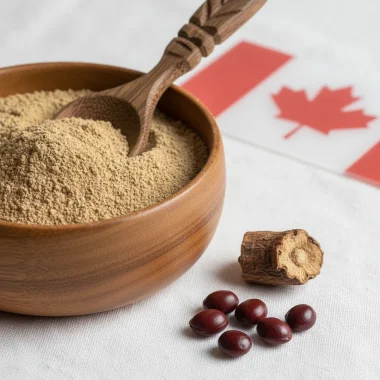
For centuries, indigenous cultures have recognized the profound healing potential of the Iboga plant. It’s not merely a substance to be consumed, but a sacred tool used in deeply spiritual ceremonies to confront and overcome personal challenges. Today, modern understanding is beginning to catch up with this ancient wisdom, exploring Iboga as a comprehensive approach to addiction that addresses the underlying issues rather than just the symptoms.
The journey with Iboga is often described as an intensely introspective and cathartic experience, offering a unique pathway towards lasting recovery. This holistic perspective moves beyond conventional treatments, delving into the deeper aspects of an individual’s relationship with addiction.
Understanding Iboga: More Than Just a Plant Medicine
Iboga, derived from the root bark of the Tabernanthe iboga shrub native to Central Africa, is far more than a simple botanical. Its complex chemical composition, particularly the alkaloid ibogaine, is responsible for its potent psychoactive and therapeutic effects. Historically, it has been used by the Bwiti people of Gabon in spiritual and healing rituals, signifying a deep cultural reverence for its properties. This plant medicine is not administered casually; its use is typically embedded within a framework of spiritual practice and intentional healing, emphasizing respect for its power. Understanding this context is crucial when considering its application for modern challenges.
When we discuss Iboga for addiction recovery, it’s important to differentiate between the whole plant and its primary psychoactive component, ibogaine. While ibogaine is the focus of much scientific research due to its significant impact on neurochemistry, the whole plant contains a spectrum of alkaloids that contribute to its holistic effects. The traditional use of Iboga involves consuming the root bark, which provides a broader range of compounds that may synergize to produce a more nuanced healing experience. The intention and setting of its use are paramount; it’s viewed as a sacred medicine, guiding individuals through profound internal landscapes to foster significant personal transformation. Exploring resources on safe Iboga powder use can provide crucial insights into responsible engagement with this powerful substance.
The decision to embark on an Iboga-assisted healing journey requires careful consideration and thorough preparation. Key decision criteria include the individual’s overall physical and mental health, the specific substance(s) being abused, and the presence of any pre-existing medical conditions, such as heart arrhythmias or psychiatric disorders. A comprehensive medical and psychological evaluation is essential to ensure safety and efficacy. Furthermore, understanding the legal landscape surrounding ibogaine in regions like Canada, as outlined in the Iboga & Ibogaine Laws in Canada: 2026 Update, is vital for responsible planning. Pitfalls to be aware of include the potential for difficult psychological experiences if not adequately supported, the importance of choosing experienced facilitators, and the necessity of a safe, controlled environment to mitigate risks.
The Science Behind Ibogaine’s Anti-Addictive Properties
The potent anti-addictive properties of ibogaine are rooted in its multifaceted interaction with the brain’s intricate neurochemical systems. Unlike many traditional addiction treatments that focus on managing withdrawal or reducing cravings through substitution, ibogaine appears to initiate a deeper neurological reset. This involves its action on multiple neurotransmitter receptors, including dopaminergic, serotonergic, and noradrenergic systems, which play critical roles in reward pathways, mood regulation, and stress response. By influencing these systems, ibogaine can help to disrupt the compulsive drug-seeking behaviors that define addiction.
Research suggests that ibogaine’s unique chemical structure allows it to bind to and modulate various receptors, including opioid, nicotinic, and NMDA receptors. This broad spectrum of action is thought to be key to its efficacy across different types of addiction. For instance, its interaction with opioid receptors may help to alleviate the intense physical withdrawal symptoms associated with opioid dependence, while its effects on NMDA receptors could be involved in interrupting the neuroadaptations that lead to persistent cravings. This complex interplay of pharmacological actions offers a novel approach to breaking the cycle of addiction, aiming for a more fundamental resolution than symptom management alone. For those interested in exploring ibogaine further, a detailed look into ibogaine’s role in wellness can provide valuable context.
Neurochemical Pathways Affected by Ibogaine
Ibogaine’s profound impact on addiction stems from its intricate modulation of several key neurochemical pathways. Foremost among these is its interaction with the dopaminergic system, the brain’s primary reward pathway. By affecting dopamine receptors and transporters, ibogaine can help to recalibrate the dysregulated reward circuitry often seen in addiction, diminishing the intense pull of addictive substances. Additionally, it significantly influences the serotonergic system, which is implicated in mood, appetite, and sleep, potentially addressing co-occurring mood disorders that fuel addiction. Its effect on the noradrenergic system also plays a role, helping to stabilize the stress response and reduce anxiety often exacerbated by withdrawal.
Furthermore, ibogaine acts as an antagonist at NMDA receptors, which are crucial for learning and memory, and are often overstimulated by chronic substance use. This antagonism is believed to be instrumental in interrupting the neurobiological pathways that reinforce addictive behaviors. It also exhibits affinity for sigma receptors, which are implicated in pain perception and mood, further contributing to its multifaceted therapeutic potential. The complex interplay of these actions—from modulating neurotransmitter levels to influencing receptor activity—allows ibogaine to target the neurobiological underpinnings of addiction at a fundamental level, offering a unique pathway for healing. For individuals considering ibogaine capsules, understanding the precise mechanisms through expert usage guidance is essential.
Bypassing Cravings and Withdrawal Symptoms
One of the most significant benefits reported by individuals undergoing ibogaine treatment is its remarkable ability to interrupt the agonizing cycle of cravings and withdrawal. Traditional methods often involve a gradual tapering of substances or the use of replacement medications, which can be prolonged and accompanied by severe discomfort. Ibogaine, however, appears to significantly reduce or even eliminate these debilitating symptoms, often within a single treatment session. This effect is believed to be linked to its interaction with opioid receptors, as well as its broader impact on neurotransmitter systems that regulate mood and stress.
By effectively addressing the acute physical and psychological manifestations of withdrawal, ibogaine liberates individuals from the immediate suffering that often triggers relapse. This creates a crucial window of opportunity for deeper psychological healing and behavioral change. The absence of overwhelming withdrawal allows individuals to engage more fully with the introspective and cathartic aspects of the ibogaine experience, focusing on the underlying causes of their addiction rather than the physical torment. This direct bypass of intense craving and withdrawal is a critical distinguishing factor of ibogaine-assisted recovery, offering a more rapid and often less distressing path to sobriety. Exploring resources on technical deep dives into ibogaine wellness can illuminate these processes further.
Mechanisms of Neuroplasticity and Reset
Beyond its immediate effects on neurotransmitters and cravings, ibogaine is thought to promote significant neuroplasticity, the brain’s ability to reorganize itself by forming new neural connections. This is a crucial mechanism for overcoming the ingrained patterns of thought and behavior associated with addiction. By facilitating this neural rewiring, ibogaine may help to establish healthier pathways and reduce the brain’s reliance on addictive substances for reward and relief. The experience often involves a profound “reset” of the brain’s reward system, diminishing the abnormal sensitivity to addictive stimuli.
This process of neuroplasticity can lead to a lasting reduction in the compulsive drive for drugs or alcohol. It allows individuals to develop new coping mechanisms and healthier ways of responding to life’s challenges. The intense introspective nature of the ibogaine experience, often described as a deep dive into one’s personal history and the roots of addiction, directly supports this rewiring process. By confronting past traumas and understanding the genesis of their addictive patterns, individuals can begin to forge a new narrative for themselves, grounded in self-awareness and resilience. The transformative power of Iboga in this regard is a cornerstone of its therapeutic potential for addiction, as highlighted in discussions about psychedelic therapy and Iboga’s transformative power.
Iboga for Addiction: A Journey of Deep Healing
Embarking on an Iboga-assisted healing journey for addiction is a profound undertaking that moves far beyond superficial symptom management. It is a process designed to facilitate deep, personal transformation by addressing the complex, often hidden, root causes that contribute to substance dependence. This approach recognizes that addiction is rarely a simple choice or a moral failing, but rather a multifaceted condition often stemming from unresolved psychological pain, trauma, or deeply ingrained behavioral patterns. Iboga acts as a catalyst, enabling individuals to confront these underlying issues in a safe and supported environment, paving the way for genuine and lasting recovery.
The journey is not merely about abstaining from a substance; it is about understanding why the substance became a coping mechanism in the first place. Iboga facilitates this by inducing an introspective state that allows individuals to revisit memories, emotions, and beliefs that may have contributed to their addiction. This can include exploring past traumas, unresolved grief, or patterns of self-sabotage. By bringing these elements to the surface in a way that is accessible for processing, Iboga empowers individuals to gain insight and integrate these experiences, thereby dismantling the foundations upon which addiction was built. This comprehensive approach is crucial for achieving sustainable sobriety and reclaiming one’s life. Insights from experts on Iboga for addiction in Canada can provide further guidance.
The decision to use Iboga for addiction requires careful consideration of various factors, including the type and duration of addiction, the individual’s physical and mental health status, and the availability of trained facilitators and appropriate medical support. It is crucial to distinguish between the use of whole Iboga root and purified ibogaine, as the experience and potential risks can differ. For instance, consuming ibogaine powder, as discussed in guides on Iboga powder sourcing, requires specialized knowledge and preparation. Potential pitfalls include adverse cardiovascular effects, psychological distress if not properly managed, and the importance of pre-treatment screening to identify contraindications. Examples of successful outcomes, while anecdotal, often describe individuals achieving complete cessation of cravings and a profound shift in their relationship with substances after a single Iboga experience, demonstrating its potent capacity for rapid change.
Addressing the Root Causes of Addiction
Addiction is often a symptom of deeper, unaddressed issues. Iboga therapy excels at facilitating the exploration and processing of these root causes, which can include past traumas, emotional pain, adverse childhood experiences, or unresolved psychological conflicts. The introspective state induced by ibogaine allows individuals to revisit these difficult memories and emotions with a degree of detachment, enabling them to gain new perspectives and integrate them constructively. This is not simply reliving painful experiences, but rather understanding their impact and how they may have contributed to the development of addictive behaviors as a coping mechanism.
By confronting these underlying issues, individuals can begin to dismantle the psychological architecture that supports their addiction. This might involve identifying limiting beliefs, releasing emotional blockages, or understanding the patterns of learned behavior that perpetuate substance use. The process is often challenging but ultimately liberating, as it addresses the core of the problem rather than merely managing its manifestations. This deep work is essential for preventing relapse and fostering a sustainable path toward recovery. For many, this journey represents a fundamental shift in self-understanding and a reorientation towards a healthier way of living, moving beyond the constraints of their past. Expert discussions on Iboga for addiction from Canadian experts often emphasize this crucial aspect of healing.
Transformative Experiences with Iboga
The experience of taking Iboga, particularly ibogaine, is frequently described as profoundly transformative, often characterized by intense introspection, vivid dream-like visions, and a deep emotional catharsis. This journey into the psyche can last for many hours, during which individuals are encouraged to explore their life experiences, their relationship with substances, and the underlying reasons for their addiction. It is not uncommon for participants to confront painful memories, gain profound insights into their patterns of behavior, and experience a powerful sense of emotional release and clarity. This deep dive into the self is central to Iboga’s healing potential.
These transformative experiences serve as a powerful catalyst for change. For instance, an individual struggling with opioid addiction might have a profound vision that reveals the traumatic event that initially led them to seek solace in substances. By understanding this connection, they can begin to process the trauma and break free from the cycle. Another example could involve a person experiencing intense grief after a loss, which they later discover was the trigger for their alcohol dependency; facing this grief directly within the Iboga experience can initiate the healing process. Hypothetical case studies often report participants feeling as though they have shed years of emotional baggage, emerging with a renewed sense of purpose and a clear path forward. Exploring options like authentic Iboga capsules in Canada can be a starting point for those seeking such experiences.
Post-Treatment Integration and Long-Term Sobriety
The transformative experience with Iboga is only the beginning of the healing process; successful long-term sobriety hinges on effective post-treatment integration. This phase involves carefully processing the insights gained during the Iboga journey and translating them into sustainable changes in daily life. Integration support typically includes continued therapy, mindfulness practices, building a supportive community, and adopting healthier lifestyle choices. Without dedicated integration, the profound clarity and motivation experienced during the Iboga session may fade, leaving individuals vulnerable to relapse.
Key steps in integration include establishing a routine that supports well-being, engaging in activities that foster connection and purpose, and continuing to address any lingering psychological challenges. For example, someone who gained insight into their anxiety-driven drinking might work with a therapist to develop healthier coping strategies, such as meditation or exercise. Building a strong support network, whether through peer groups or supportive relationships, is also crucial for navigating the challenges of early sobriety. Resources that offer guidance on responsible use, such as those pertaining to technical deep dives into ibogaine wellness, can be invaluable during this critical period of sustained recovery.
Beyond Addiction: Ibogaine’s Potential for Mental Wellness
While Ibogaine is gaining significant recognition for its potential in addiction recovery, its therapeutic applications extend far beyond this primary use. Emerging research and anecdotal evidence suggest that ibogaine may offer profound benefits for a range of mental health conditions, addressing complex psychological and emotional challenges. Its ability to induce deep introspection, promote neuroplasticity, and influence key neurotransmitter systems positions it as a promising tool for enhancing overall mental well-being and facilitating profound personal growth. This broader scope highlights its potential as a powerful ally in the pursuit of holistic health.
The insights and emotional processing facilitated by ibogaine can lead to significant improvements in mood regulation, a reduction in symptoms of depression, and a greater capacity to process trauma. By helping individuals to confront and integrate difficult experiences, it can alleviate the burden of unresolved psychological distress. Furthermore, the introspective nature of the experience often leads to enhanced self-awareness, a deeper understanding of one’s place in the world, and a burgeoning sense of spiritual connection. These profound shifts contribute to a more balanced and fulfilling life, addressing mental health from a foundational perspective. Discussions on ibogaine for wellness touch upon these wider applications.
The potential benefits of ibogaine for mental wellness are supported by its mechanism of action, which targets key neurobiological pathways involved in mood, anxiety, and trauma. For instance, its interaction with serotonin and dopamine receptors can help to rebalance the neurochemistry implicated in depression. Moreover, its capacity to facilitate memory reconsolidation and emotional processing is highly relevant for individuals suffering from PTSD. When considering these applications, it is critical to approach them with the same diligence and care as addiction treatment, prioritizing safety, professional guidance, and appropriate screening. The responsible exploration of substances like those found at mindhealingshop.ca is paramount for those seeking therapeutic benefits.
Mood Regulation and Depression Relief
Ibogaine shows significant promise in alleviating symptoms of depression and improving mood regulation. Depression is often characterized by imbalances in neurotransmitters like serotonin and dopamine, which ibogaine is known to influence. By modulating these systems, ibogaine may help to restore a more stable and positive emotional baseline, lifting feelings of anhedonia, fatigue, and hopelessness. The profound introspective journey it facilitates can also uncover underlying causes of depression, such as unresolved grief, trauma, or limiting beliefs, allowing for their direct processing and release.
Beyond just symptom relief, ibogaine can foster a fundamental shift in perspective, helping individuals to reconnect with sources of joy and meaning in their lives. This can be particularly impactful for treatment-resistant depression where conventional therapies have offered limited relief. The cathartic nature of the experience can lead to a significant emotional release, clearing the way for renewed optimism and motivation. For individuals who have felt stuck in a cycle of low mood and despair, ibogaine can offer a pathway to rediscovering emotional vitality and engaging more fully with life. Exploring resources on ibogaine wellness can provide more detailed insights into these effects.
Trauma Processing and PTSD Support
The intense introspective and memory-accessing properties of ibogaine make it a powerful tool for processing trauma and supporting individuals with Post-Traumatic Stress Disorder (PTSD). Traumatic experiences often become deeply embedded in the brain, leading to intrusive memories, hypervigilance, and emotional dysregulation. Ibogaine can help individuals to access these memories in a controlled and guided setting, allowing them to re-experience and reframe traumatic events with a greater sense of safety and emotional distance. This process can be crucial for desensitizing the individual to trauma triggers and reducing the intensity of their impact.
By facilitating the integration of traumatic memories, ibogaine can significantly reduce the debilitating symptoms associated with PTSD, such as anxiety, flashbacks, and avoidance behaviors. The insights gained can help individuals understand how their past experiences have shaped their present responses, empowering them to break free from the cyclical nature of trauma. This often leads to a profound sense of liberation and resilience, enabling individuals to live more fully without being constantly haunted by their past. The work with ibogaine can be seen as a form of accelerated psychotherapy, enabling deep healing in a relatively short period. Considering options such as Iboga capsules, when used under proper guidance, might be part of a comprehensive trauma healing plan.
Enhanced Self-Awareness and Spiritual Growth
Beyond its therapeutic applications for addiction and mental health conditions, ibogaine can also serve as a potent catalyst for enhanced self-awareness and spiritual growth. The profound introspective state it induces encourages a deep examination of one’s life, values, and beliefs, leading to a clearer understanding of oneself and one’s place in the world. This heightened self-awareness can foster a sense of purpose, clarify personal goals, and lead to more authentic decision-making.
Many individuals report experiencing a sense of interconnectedness and a deeper connection to nature or a higher power during and after their ibogaine journeys. This can manifest as a profound spiritual awakening, a renewed sense of wonder, and an increased appreciation for life. This aspect of the ibogaine experience can be incredibly healing, offering solace, meaning, and a framework for navigating life’s challenges with greater wisdom and compassion. The transformative potential for personal and spiritual development is a significant, albeit often secondary, benefit of engaging with this remarkable plant medicine. For those interested in exploring these broader wellness aspects, resources on Iboga for addiction recovery in Canada might offer tangential insights into the profound shifts possible.
Navigating the Iboga Experience: Preparation and Safety
Embarking on an Iboga journey requires meticulous preparation and an unwavering commitment to safety. The profound nature of this experience necessitates a thorough understanding of potential risks and the steps involved in mitigating them. This begins with a comprehensive screening process to ensure an individual is medically and psychologically ready. Factors such as pre-existing heart conditions, mental health disorders like schizophrenia or bipolar disorder, and current medication regimens must be carefully evaluated. Many professionals recommend a thorough medical check-up, including an ECG, to assess cardiovascular health, as ibogaine can significantly impact heart rhythm. Understanding contraindications is paramount to prevent adverse events and ensure the healing potential of iboga is realized safely. This screening is not merely a formality; it’s a critical step in responsible iboga use.
Screening for Contraindications: Medical and Psychological Readiness
Before engaging with iboga, a rigorous screening process is essential to identify any medical or psychological contraindications. This typically involves detailed consultations with experienced practitioners or medical professionals familiar with psychedelic-assisted therapies. Key areas of focus include cardiovascular health, as ibogaine can cause significant changes in heart rate and blood pressure. Individuals with a history of heart disease, arrhythmias, or other serious cardiac issues are generally not candidates for iboga therapy. Furthermore, psychological screening is crucial. Pre-existing severe mental health conditions such as active psychosis, schizophrenia, or severe bipolar disorder can be exacerbated by the intense introspective nature of the iboga experience. It is vital to disclose all current medications, as some can interact dangerously with ibogaine. For instance, MAOI inhibitors and certain antidepressants can create a risk of serotonin syndrome. A thorough medical history and open communication with your facilitator are the cornerstones of safe preparation. This diligence ensures that the individual is in the best possible state for the profound journey ahead.
Choosing a Safe and Reputable Setting
The environment in which an iboga ceremony takes place is as critical as the screening process itself. A safe, supportive, and professional setting is non-negotiable for a positive and transformative experience. This typically involves dedicated iboga retreat centers or clinics staffed by experienced facilitators and medical personnel. These settings offer controlled conditions, ensuring that participants are monitored throughout the experience and have immediate access to medical support if needed. Look for centers that prioritize harm reduction, provide comprehensive pre- and post-ceremony care, and have a proven track record of ethical practices. Beware of unregulated or informal settings, as these often lack the necessary safety protocols and trained personnel. Researching the reputation of the center and its facilitators, reading reviews, and asking detailed questions about their safety procedures are crucial steps. An ideal setting will have a calm atmosphere, comfortable accommodations, and a clear emphasis on the participant’s well-being. For those seeking guidance on responsible use, resources like expert insights on safe iboga powder use can provide valuable perspectives on what to look for.
Dosage Considerations and Administration Protocols
Determining the appropriate dosage of iboga is a highly individualized process, heavily dependent on factors such as body weight, personal tolerance, the specific type of iboga being used (e.g., root bark vs. ibogaine HCL), and the intended therapeutic outcome. Iboga is not a substance for casual self-administration, and precise dosing protocols are essential for safety and efficacy. Typically, dosages are calculated based on a milligram-per-kilogram (mg/kg) ratio. A common starting point for a detoxifying or introspective experience might range from 15-25 mg/kg of ibogaine. Higher doses may be considered for profound addiction treatment, but these carry increased risks and require expert medical supervision. Administration often involves taking the iboga in a single dose, either as a powder or in capsule form, typically on an empty stomach. The experience can last for many hours, and it’s crucial to have a comfortable and secure environment, along with trained support, throughout this period. Understanding these parameters is vital; for instance, delving into expert guidance on iboga capsule usage can illuminate the nuances of this potent substance.
Holistic Integration: Supporting Your Recovery Journey Post-Iboga
While the iboga experience itself can be profoundly transformative, its lasting impact on addiction recovery and overall well-being hinges on effective post-ceremony integration. The insights gained and the emotional shifts experienced during the iboga journey need to be processed, understood, and woven into the fabric of daily life. This phase is not an afterthought but a crucial component of a successful and sustainable recovery strategy. Without proper integration, the valuable momentum generated by iboga can wane, leading to a return to old patterns. Therefore, a comprehensive approach that includes therapeutic support, lifestyle adjustments, and community engagement is vital. The integration period is where the seeds of change planted by iboga truly begin to flourish, leading to lasting healing and personal growth.
The Importance of Post-Ceremony Integration
The period following an iboga ceremony is critical for consolidating the profound insights and emotional release experienced. Integration is the process of making sense of the experience and translating the lessons learned into actionable changes in one’s life. This involves actively processing the journey through therapy, journaling, meditation, and open communication with support networks. Without this deliberate effort, the powerful revelations and shifts in perspective gained during the ceremony can fade, diminishing its long-term therapeutic impact. Professionals emphasize that iboga can clear deep-seated patterns and traumas, but integrating this newfound awareness requires ongoing work. This might involve confronting difficult emotions that surface, understanding the root causes of past behaviors, and developing new coping mechanisms. A structured integration plan, often guided by therapists or experienced mentors, helps individuals navigate this complex but essential phase, ensuring that the healing initiated by iboga becomes a permanent part of their lives.
Therapeutic Modalities that Complement Iboga
To maximize the benefits of an iboga experience and support long-term recovery, a range of complementary therapeutic modalities can be invaluable. These therapies work synergistically with the insights gained during the iboga journey, providing structured pathways for healing and growth. Mindfulness-based practices, such as meditation and yoga, can help individuals stay grounded and manage any lingering emotional intensity, fostering a sense of calm and present-moment awareness. Cognitive Behavioral Therapy (CBT) and Dialectical Behavior Therapy (DBT) can equip individuals with tools to challenge negative thought patterns and develop healthier emotional regulation skills. Experiential therapies, like art or somatic therapy, offer alternative ways to process emotions and experiences that may be difficult to articulate verbally. For those focused on addiction, peer support groups can provide a sense of community and shared understanding. Exploring these options can significantly enhance the sustainability of the changes initiated by iboga, creating a robust framework for ongoing wellness and resilience. The integration of these approaches ensures a holistic recovery.
Building a Sustainable Lifestyle for Long-Term Wellness
Lasting wellness and recovery extend far beyond the immediate impact of iboga and subsequent therapeutic interventions. The key lies in cultivating a sustainable lifestyle that nourishes the mind, body, and spirit on an ongoing basis. This involves establishing healthy routines that promote physical vitality, mental clarity, and emotional balance. Prioritizing regular exercise, a nutrient-dense diet, and adequate sleep forms the foundation of physical well-being, which directly impacts mental resilience. Developing consistent mindfulness or meditation practices can further enhance emotional regulation and reduce stress. Furthermore, fostering strong social connections, engaging in meaningful activities or hobbies, and setting clear personal goals contribute to a sense of purpose and fulfillment. This holistic approach to daily living reinforces the healing achieved through iboga, creating a robust and resilient foundation for long-term health and preventing the re-emergence of old challenges. Building this lifestyle is an active, ongoing commitment to self-care and growth.
The Role of Iboga Capsules and Powders in Modern Wellness
In contemporary wellness landscapes, iboga and its active compounds are increasingly being explored for their potential to address complex health concerns, particularly addiction and mental health challenges. While traditionally used in sacred rituals, modern formulations like iboga capsules and powders offer more accessible and controlled avenues for therapeutic exploration. These forms allow for precise dosing and easier administration, making them attractive options for individuals seeking profound healing. Understanding the different product forms and their applications is crucial for anyone considering iboga as part of their wellness journey. This involves navigating the nuances of sourcing, quality, and responsible usage to harness the potent effects of iboga safely and effectively. As research continues to unveil the therapeutic potential of iboga, its role in personalized wellness strategies is becoming more defined, moving from ceremonial use to evidence-informed applications.
Understanding Different Iboga Product Forms
Iboga is available in several forms, each offering distinct advantages and requiring specific considerations for use. The most common are iboga root bark powder and ibogaine hydrochloride (HCL). Root bark powder, the traditional form, contains a complex mix of alkaloids, including ibogaine, ibogaline, and tabernanthine. Its effects are often considered more holistic and nuanced due to the synergistic action of these compounds. Ibogaine HCL, on the other hand, is a purified extract, primarily containing the potent ibogaine alkaloid. This form allows for more precise dosing and predictable effects, often preferred in clinical settings. Beyond these, iboga capsules are a convenient and discreet way to consume iboga, typically containing either root bark powder or ibogaine HCL. These capsules offer ease of use and standardized dosages, simplifying the process for users. Understanding these distinctions is vital, as the choice of product form can significantly influence the intensity, duration, and nature of the iboga experience. For those exploring options, information on authentic iboga capsules in Canada can be particularly enlightening.
Factors to Consider When Purchasing Iboga Capsules for Sale
When seeking to purchase iboga capsules, several critical factors must be evaluated to ensure quality, safety, and efficacy. Reputable sourcing and transparency are paramount. Look for vendors who provide detailed information about the origin of their iboga, cultivation practices, and alkaloid content. Certificates of analysis from third-party laboratories are a strong indicator of product integrity, verifying the potency and purity of the capsules. Consider the concentration of ibogaine within each capsule; this is often specified in milligrams and is crucial for accurate dosing. The encapsulation material itself should also be considered, with vegetarian or gelatin options available. Furthermore, customer reviews and testimonials, while not solely determinative, can offer insights into a vendor’s reliability and product quality. Always ensure the vendor complies with all relevant regulations in your region, especially concerning the sale of psychoactive substances. Prioritizing vendors who demonstrate a commitment to responsible practices will ensure you receive a safe and effective product for your wellness journey.
Quality and Potency: What to Look For in Ibogaine Powder for Sale
When purchasing ibogaine powder, the focus must be on quality and potency to ensure a safe and effective experience. Verifiable alkaloid content is the most critical factor. Reputable suppliers will provide a certificate of analysis (COA) detailing the percentage of ibogaine and other key alkaloids present. Ideally, the ibogaine content should be clearly stated, often ranging from 10-25% for root bark powder, or higher for more refined extracts. The physical appearance of the powder can offer some clues – it should have a fine, consistent texture and a distinct aroma, typically earthy or bitter. Avoid powders that appear clumpy, discolored, or have an unusual smell, as these could indicate contamination or degradation. Sourcing from established vendors with a strong reputation for purity and ethical practices is essential. Understanding the difference between whole root bark powder and refined ibogaine extracts is also important, as their potency and effects vary significantly. For Canadian consumers looking to understand the market, resources discussing iboga powder sourcing for Canadian wellness can provide valuable context and guidance.
Exploring Ibogaine and Psychedelic Alternatives for Mental Health
The therapeutic landscape for mental health and addiction is rapidly evolving, with psychedelics like ibogaine emerging as potent tools for profound healing. Beyond ibogaine, a growing interest in other psychedelic compounds such as psilocybin and ketamine is also shaping modern wellness practices. These substances offer unique mechanisms of action and therapeutic potentials, providing diverse options for individuals seeking relief from conditions ranging from depression and anxiety to substance use disorders. Understanding the distinctions and applications of these powerful allies is crucial for informed decision-making. As research progresses and regulatory frameworks adapt, these psychedelic therapies are moving from the fringes into more mainstream discussions about mental healthcare. Exploring these alternatives allows for a more personalized and effective approach to well-being, acknowledging that different compounds may be better suited to specific needs and conditions.
Comparing Ibogaine with Other Psychedelic Therapies (e.g., Psilocybin, Ketamine)
While ibogaine, psilocybin, and ketamine are all psychedelic compounds with significant therapeutic potential, they differ markedly in their mechanisms, applications, and experiences. Ibogaine is most renowned for its potent addiction interrupting capabilities and its ability to facilitate deep introspection into the root causes of trauma. Its effects are often intensely physical and can last for many hours, requiring significant preparation and medical supervision. Psilocybin, found in magic mushrooms, is typically associated with profound shifts in perspective, ego dissolution, and increased emotional connection, making it highly effective for depression, anxiety, and end-of-life distress. The experience is generally shorter than ibogaine, usually lasting 4-6 hours. Ketamine, an anesthetic that also has psychedelic properties, acts on NMDA receptors and has shown rapid antidepressant effects, often administered in a clinical setting on a more frequent basis than ibogaine or psilocybin. Each substance offers a unique therapeutic pathway, and the choice often depends on the specific condition being treated and the desired outcome. Exploring resources on psychedelic therapy and iboga’s transformative power can offer valuable comparisons.
When to Consider Ibogaine vs. Other Options
Deciding whether ibogaine is the right therapeutic path versus other psychedelic or conventional treatments requires careful consideration of individual circumstances. Ibogaine is often considered when other treatments have failed, particularly for severe substance use disorders where the goal is a profound reset. Its unique ability to interrupt cravings and withdrawal symptoms, combined with its capacity to bring deeply buried psychological issues to the surface, makes it a powerful option for those facing life-threatening addictions. For conditions like treatment-resistant depression, anxiety, or PTSD where immediate relief and mood elevation are primary goals, psilocybin or ketamine might be more appropriate due to their generally shorter duration and less intense physical effects. Furthermore, contraindications for ibogaine, such as cardiac issues, would naturally steer individuals towards other options. Consulting with experienced practitioners who understand the nuances of each modality is crucial for making an informed decision that aligns with personal health needs and recovery goals. The journey towards healing is personal, and selecting the most suitable tool is key.
The Emerging Landscape of Psychedelic Wellness Products
The wellness industry is witnessing a significant expansion in the availability of products derived from or inspired by psychedelic research, reflecting a growing societal acceptance and interest in these compounds for mental health and personal growth. Beyond prescription-based ketamine treatments, this emerging landscape includes a variety of offerings aimed at supporting various aspects of well-being. Microdosing formulations of compounds like psilocybin are gaining popularity, with users reporting enhanced mood, creativity, and focus without significant perceptual changes. Legal and regulated products, such as those containing Lion’s Mane mushroom extracts or adaptogens, are often marketed to mimic some of the cognitive benefits associated with psychedelics. While the availability of raw psychedelic materials like ibogaine powder or capsules is subject to regional laws, the broader trend points towards increased accessibility and diversification of psychedelic-adjacent wellness products. This evolution necessitates a discerning approach, focusing on product quality, transparent sourcing, and responsible usage to navigate this dynamic market safely and effectively. As interest grows, so does the need for educated consumers.
Legal and Ethical Considerations for Iboga Use in Canada
Navigating the legal and ethical landscape surrounding the use of iboga and ibogaine in Canada is paramount for ensuring safety and responsible practice. Understanding the current legal status is the foundational step. While ibogaine is not explicitly scheduled as a controlled substance under the Controlled Drugs and Substances Act in Canada, its psychoactive properties place it in a complex regulatory gray area. This means that while possessing or using it may not carry the same direct penalties as strictly prohibited substances, its sale, import, and distribution are subject to interpretation and potential enforcement, especially when offered for human consumption. For individuals seeking to explore iboga for therapeutic purposes, it is crucial to be aware of these nuances. Researching the most up-to-date legislation is highly recommended, as interpretations can evolve. Consulting with legal professionals specializing in drug policy or alternative medicine can provide clarity on the permissible boundaries for personal use and possession. Awareness of provincial and territorial variations in enforcement is also beneficial. This careful consideration lays the groundwork for making informed decisions about accessing and utilizing these potent plant-based medicines.
Current Legal Status of Iboga and Ibogaine in Canada
As of early 2026, the legal standing of iboga and ibogaine in Canada remains a developing area. While not a Schedule I drug under the federal Controlled Drugs and Substances Act, ibogaine is often treated with caution due to its powerful effects and potential for medical intervention. Health Canada has not approved ibogaine as a prescription drug for addiction treatment, which means its therapeutic use outside of approved research settings operates in a legal gray zone. Possession of ibogaine for personal use might not be a primary focus of law enforcement, but the intent behind possession and any commercial activity surrounding it can lead to significant legal scrutiny. The distinction between raw iboga root and the extracted alkaloid ibogaine is also relevant. Sourcing and possessing raw iboga for traditional or personal ceremonial use may be viewed differently than acquiring purified ibogaine for administration as a therapeutic agent. It is essential for individuals to stay informed about any updates to drug policy and legal interpretations. Understanding these complexities is key to mitigating risks and ensuring that any engagement with iboga or ibogaine aligns with current Canadian regulations. For more detailed information, refer to resources that track legislative changes, such as those focusing on Iboga & Ibogaine Laws in Canada: 2026 Update.
Responsible Sourcing and Ethical Consumption
Responsible sourcing and ethical consumption are critical pillars when engaging with iboga. Given its potent nature and traditional significance, acquiring iboga products requires diligence and a commitment to ethical practices. Consumers should prioritize suppliers who demonstrate transparency regarding the origin of their iboga. This includes information about sustainable harvesting methods and fair trade practices, ensuring that indigenous communities involved in cultivation and harvesting are justly compensated. Authenticity and purity are also paramount; purchasing from reputable sources minimizes the risk of receiving adulterated or mislabeled products, which can have severe health consequences. Examining supplier credentials, reading customer reviews, and looking for certifications or detailed product descriptions can help in making informed choices. Ethical consumption extends beyond just the source to the intent of use. Understanding iboga’s powerful psychoactive and detoxifying properties means approaching its use with respect and a clear intention for healing and growth. This ethical framework supports both the individual’s well-being and the preservation of the traditions and environments from which iboga originates. For guidance on finding reliable sources, exploring information on Iboga Powder: Sourcing Guide for Canadian Wellness can be beneficial.
The Importance of Informed Consent and Practitioner Ethics
Informed consent and practitioner ethics are non-negotiable aspects of any therapeutic engagement with iboga. Before any administration, individuals must receive comprehensive, unbiased information about the substance, including its potential benefits, risks, contraindications, and the expected journey experience. This involves a thorough screening process to identify any pre-existing medical or psychological conditions that could make iboga use unsafe. Practitioners must be qualified, experienced, and possess a deep understanding of iboga’s effects, as well as emergency protocols. Ethical practitioners prioritize the client’s safety and autonomy above all else. This includes creating a secure and supportive environment for the experience, providing appropriate support during and after the session, and refraining from any form of coercion or exploitation. A true therapeutic relationship is built on trust, respect, and a commitment to the client’s holistic well-being. Patients have the right to ask questions, understand the proposed protocol, and have the final say in their treatment decisions. A robust informed consent process ensures that the individual is fully prepared and willingly participates in their healing journey, making it a truly empowering experience rather than a passive one. This aligns with the broader goals of Psychedelic Therapy: Iboga’s Transformative Power.
Empowering Your Wellness Journey with MindHealingShop.ca
Embarking on a path toward enhanced mental well-being and overcoming challenges like addiction requires access to reliable, high-quality resources. MindHealingShop.ca is dedicated to supporting individuals across Canada in their pursuit of holistic health through carefully selected products. We understand that the journey is personal and often complex, which is why our focus is on providing ethically sourced, potent compounds that can facilitate profound shifts. Whether you are exploring iboga for its renowned properties in addressing addiction, or seeking other agents to support your mental clarity and emotional balance, our commitment is to offer products that meet stringent quality standards. Our platform aims to demystify the use of these powerful natural substances by providing clear information and guidance, enabling you to make confident choices for your wellness journey. We believe in empowering individuals with the knowledge and tools necessary to achieve lasting positive change, fostering a sense of hope and capability in every step of the process. Your pursuit of a healthier, more balanced life is our priority, and we strive to be a trustworthy partner in that endeavor.
Our Commitment to Quality and Safety
At MindHealingShop.ca, our commitment to quality and safety is the bedrock of our operations. We understand the profound impact that iboga and related compounds can have on an individual’s life, which is why we implement rigorous standards throughout our sourcing and distribution processes. Every product available on our platform is carefully selected from reputable cultivators and manufacturers who adhere to strict ethical and quality control measures. This ensures that the iboga and ibogaine we offer are authentic, pure, and free from contaminants. We prioritize transparency, providing detailed product information and origin stories where possible, so you can feel confident in what you are purchasing. Our dedication to safety extends to our packaging and shipping practices, ensuring that products reach you discreetly and in pristine condition. We continually research and stay updated on best practices within the wellness community to ensure we are offering the most effective and safest options available. This unwavering focus on quality and safety is our promise to you as you embark on your wellness journey.
Guidance on Iboga Capsules and Ibogaine Powder
Choosing between iboga capsules and ibogaine powder involves understanding their respective applications and delivery methods. Iboga capsules offer a convenient and pre-measured dosage, making them an accessible option for those new to iboga or seeking a straightforward administration. They are ideal for consistent dosing and ease of use, simplifying the integration into a wellness regimen. On the other hand, ibogaine powder provides greater flexibility for experienced users or practitioners who may wish to customize dosages or prepare them in specific ways. Working with powder requires a higher degree of precision and understanding of measurement to ensure accurate intake. Both forms, when sourced responsibly, can be powerful tools for supporting addiction recovery and mental well-being. At MindHealingShop.ca, we provide detailed product descriptions and guidance to help you select the form that best suits your needs and experience level. For those interested in the specifics of utilizing iboga in powder form, our resources on Safe Iboga Powder Use: Expert Canadian Insights offer valuable information. Similarly, detailed usage instructions for capsules can be found within our guide on Iboga Capsules: Expert Usage Guidance.
Supporting Your Holistic Health and Addiction Recovery Goals
Achieving holistic health and successfully navigating addiction recovery is a multifaceted process, and iboga offers a unique avenue for profound transformation. We are committed to providing resources that not only address the immediate needs of addiction but also support long-term well-being. Our offerings are designed to complement a comprehensive approach, encouraging individuals to integrate these powerful natural compounds into a broader strategy that may include therapy, mindfulness, and lifestyle changes. Whether your goal is to break free from substance dependence, alleviate chronic pain, or foster greater emotional resilience, the products available through MindHealingShop.ca are selected with these aspirations in mind. We believe in the potential of iboga to facilitate deep introspection, release emotional blockages, and promote a renewed sense of self. By providing access to high-quality, ethically sourced materials, we aim to be a supportive partner in your journey towards lasting health and recovery, aligning with the principles discussed in Iboga: Addiction Recovery in Canada.
We understand that finding reliable information and high-quality products for your wellness journey can be challenging. MindHealingShop.ca is here to serve as a trusted resource for those in Canada seeking to explore the potential of iboga and related compounds for their health and recovery goals.