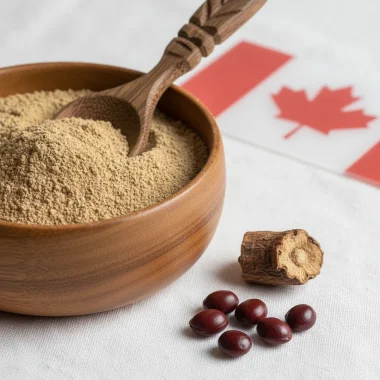
Navigating the path to wellness with iboga powder involves more than just sourcing the substance. It requires a deep dive into its origins, its various forms, and a thorough understanding of the legal and logistical frameworks in place across Canada. Prioritizing safety, efficacy, and informed consent is paramount for anyone considering this powerful plant medicine.
Understanding the Nuances of Iboga: Beyond the Hype
What is Iboga and its Place in Traditional and Modern Wellness
Iboga is derived from the root bark of the *Tabernanthe iboga* shrub, indigenous to Central West Africa. Traditionally, it has been used in Bwiti religious ceremonies for spiritual initiation, healing, and divination. These ceremonies often involve a profound, introspective journey facilitated by the plant’s psychoactive properties, particularly its primary alkaloid, ibogaine. In modern wellness contexts, particularly in Canada, iboga and its derivatives are being explored for their potential in addressing a range of conditions, most notably substance use disorders. Research suggests ibogaine’s ability to interrupt addiction cycles by interacting with multiple neurotransmitter systems, including dopamine, serotonin, and NMDA receptors. This makes it a subject of interest for those seeking alternatives to conventional treatments, although it is crucial to distinguish between traditional ceremonial use and contemporary wellness applications. The therapeutic potential extends beyond addiction, with emerging discussions around its use in treating depression, PTSD, and other mental health challenges, often within a controlled therapeutic framework. Understanding this dual role – as a sacred plant and a potential therapeutic agent – is fundamental.
Distinguishing Iboga Powder from Ibogaine HCl and Full-Spectrum Extracts
When exploring iboga for wellness, it’s vital to differentiate between various forms. Iboga powder is typically the ground root bark of the *Tabernanthe iboga* plant, containing a complex mixture of alkaloids. Its potency and effects can vary significantly depending on the specific plant, harvest, and preparation methods. In contrast, Ibogaine HCl (hydrochloride) is a purified, synthesized form of ibogaine, the primary psychoactive alkaloid. This form offers a more standardized and predictable dosage, which is often preferred in clinical research and therapeutic settings due to its controlled chemical composition. A third category, full-spectrum extracts, aims to capture a broader range of iboga’s naturally occurring alkaloids beyond just ibogaine, potentially offering synergistic effects. Each form has distinct characteristics regarding onset, duration, intensity, and potential side effects. For instance, ibogaine HCl might provide a more focused experience on ibogaine’s specific properties, while whole root powder offers the plant’s complete alkaloid profile. For Canadians seeking clarity on these distinctions, resources like this deeper look at wellness can be invaluable in making informed choices based on individual needs and desired outcomes.
Canadian Regulatory Landscape for Iboga and Related Substances
Navigating Legalities: What You Need to Know in 2026
In 2026, the legal status of iboga and ibogaine in Canada remains complex and requires careful attention. While not explicitly scheduled as a controlled substance under the Controlled Drugs and Substances Act for general possession or sale in the same way as many classic psychedelics, ibogaine is listed as a Schedule III substance. This designation means that its import, export, and possession require specific authorization from Health Canada, primarily for research purposes. For personal use, even for therapeutic intent, navigating these regulations can be challenging. Individuals seeking to use iboga powder for personal wellness must understand that unauthorized importation or possession can carry significant legal risks. The focus for many in Canada is on understanding exceptions or exemptions, particularly for medical use, though these are not broadly available for iboga products outside of approved research trials. Staying informed about the latest legal interpretations and any evolving Health Canada policies is crucial. Resources that offer detailed updates, such as those covering Iboga & Ibogaine Laws in Canada: 2026 Update, are essential for anyone contemplating engagement with these substances.
The Role of Health Canada and Provincial Guidelines
Health Canada plays a central role in governing substances with therapeutic potential, including ibogaine. While the federal agency oversees drug scheduling and research authorizations, provincial governments and health authorities also contribute to the regulatory environment, particularly concerning healthcare practices and the approval of therapeutic modalities. Currently, ibogaine is not a Health Canada-approved drug for any medical condition, meaning it cannot be prescribed or dispensed through standard pharmaceutical channels. Access is typically limited to authorized clinical trials or through Special Access Programs, which are generally reserved for life-threatening or debilitating conditions when conventional treatments have failed. Provincial guidelines might further influence how such substances are considered within healthcare settings, though widespread integration of iboga therapy is not yet a reality. Understanding that the absence of federal approval means that any use outside of these strictly controlled pathways falls into a legal grey area is critical for Canadians. Furthermore, there are no specific provincial guidelines that broadly permit the over-the-counter sale or personal administration of iboga powder for wellness purposes.
Importation and Possession Considerations for Personal Use
Importing iboga powder into Canada for personal use, even for recognized wellness benefits, presents significant legal hurdles. As ibogaine is a Schedule III substance, unauthorized importation is illegal and can result in confiscation of the goods and potential legal penalties. Canada Border Services Agency (CBSA) enforces these regulations at all points of entry. Individuals considering importing iboga powder must be aware of these risks. Similarly, possession without proper authorization can be problematic. While enforcement priorities may vary, the legal framework does not provide a general exemption for personal use of ibogaine-containing substances for therapeutic purposes. For those seeking to explore iboga’s potential benefits, especially in contexts related to addiction recovery in Canada, it is paramount to understand that reliance on unlicensed international sources or informal channels carries substantial legal and safety risks. It is advisable to seek legal counsel or consult with authorities for the most current and accurate information regarding import and possession regulations, rather than relying on anecdotal evidence.
Identifying Reputable Sources for Iboga Powder in Canada
Key Indicators of Quality and Authenticity
When seeking iboga powder for wellness purposes in Canada, identifying a reputable source is paramount for both safety and efficacy. High-quality iboga powder should originate from sustainably harvested *Tabernanthe iboga* root bark, ideally from known geographical regions. Look for suppliers who are transparent about their sourcing practices, including where and how the plant material was cultivated or wild-harvested. Authenticity can be indicated by the supplier’s willingness to provide detailed information about the product, such as its botanical name, part of the plant used (root bark), and any processing methods employed. The physical appearance of the powder – its color, texture, and aroma – can also offer clues, though these are subjective. A trustworthy vendor will emphasize ethical sourcing and fair trade practices, recognizing the cultural significance of iboga. Furthermore, consistent customer reviews and a professional online presence can be positive indicators, but should not replace direct verification of product quality. For Canadians seeking assurance, exploring guides on Iboga Powder Sourcing Guide for Canadian Wellness can offer practical advice.
Questions to Ask Your Supplier: Due Diligence for Safety
Engaging with a supplier of iboga powder necessitates a thorough due diligence process, beginning with asking pertinent questions. You should inquire about the origin of the iboga root bark – specifically, which country and region it comes from, as this can impact alkaloid content. Understanding how the powder was processed is also crucial; was it sun-dried, oven-dried, and finely ground? Ask about any storage conditions to ensure the product hasn’t degraded. A reputable supplier will be able to provide batch numbers and information on the harvesting season, demonstrating traceability. Furthermore, inquire about their testing procedures – do they conduct in-house testing, or do they rely on third-party analysis? Don’t hesitate to ask for documentation supporting their claims, such as Certificates of Analysis (CoAs), which should detail alkaloid content and purity. A vendor who is evasive or unwilling to answer these questions clearly is a red flag. Transparency and a commitment to providing detailed product information are hallmarks of a trustworthy source.
The Importance of Third-Party Lab Testing and Certificates of Analysis (CoAs)
The single most critical factor in verifying the quality and safety of iboga powder is third-party laboratory testing and the resulting Certificates of Analysis (CoAs). Reputable suppliers will have their products independently analyzed by accredited laboratories to determine the alkaloid profile, including the concentration of ibogaine and other key alkaloids, as well as to screen for contaminants such as heavy metals, pesticides, and microbial pathogens. A CoA should be specific to the batch of product you are considering purchasing. When reviewing a CoA, look for the laboratory’s accreditation, the date of testing, and clear identification of the sample tested. It should detail the percentage or milligram-per-gram content of major alkaloids and confirm the absence of harmful adulterants. Without this independent verification, assessing the potency and purity of iboga powder is essentially guesswork, significantly increasing safety risks. This level of scrutiny is essential, especially when considering substances intended for internal use for wellness purposes. For those interested in exploring various wellness options, understanding lab reports can be as important as understanding the effects of substances like magic mushrooms, ensuring a product is what it claims to be.
Preparing for an Iboga Experience: A Holistic Approach
Pre-Ceremony Screening: Assessing Physical and Mental Health Readiness
Before embarking on an iboga experience, rigorous pre-ceremony screening is non-negotiable for ensuring safety and maximizing potential benefits. This process involves a comprehensive assessment of both physical and mental health. Key physical health considerations include cardiovascular health; individuals with known heart conditions, arrhythmias, or prolonged QT intervals are at significant risk due to ibogaine’s potential effects on heart rhythm. A thorough medical history, including current medications, is essential, as numerous drugs can interact dangerously with iboga, particularly those affecting serotonin levels or cardiac function. Mental health screening is equally important. While iboga is explored for mental health conditions, pre-existing severe psychotic disorders or certain personality disorders may contraindicate its use. A professional assessment, ideally with a healthcare provider experienced in psychedelic-assisted therapy or harm reduction, can identify potential risks. This screening ensures that the individual is physiologically and psychologically prepared for the intense introspective journey iboga can facilitate, aligning with the principles of safe engagement discussed in resources on Ibogaine Wellness: A Technical Deep Dive.
Setting Intentions: Defining Your Personal Wellness Goals
The efficacy of any plant medicine experience, including one involving iboga powder, is profoundly influenced by the user’s preparation and mindset. Setting clear intentions is a foundational step in this process. Before any ceremony, individuals should dedicate time to reflect on what they hope to achieve. Are you seeking relief from addiction, resolution of deep-seated trauma, or personal growth? Is the goal to gain clarity on a specific life challenge? Articulating these wellness goals provides direction for the experience. It helps focus the mind’s energy during the profound introspective state that iboga can induce, transforming a potentially disorienting journey into a targeted exploration. This intention acts as a compass, guiding the insights and revelations that may arise. Without well-defined intentions, the experience, while powerful, might lack the specific therapeutic outcomes one seeks. This focused approach is similar to how individuals might prepare for other transformative wellness journeys, such as those explored within the context of Iboga & Psychedelics: Addressing Trauma Holistically.
Creating a Safe and Supportive Environment: Physical Space and Emotional Support
The environment in which an iboga experience takes place is critical for fostering safety, comfort, and optimal therapeutic outcomes. This encompasses both the physical setting and the emotional support system. The physical space should be quiet, comfortable, and free from distractions. It needs to be a secure place where the individual feels completely at ease to surrender to the experience. This often means a dimly lit, clean, and temperature-controlled room, free of potential hazards. Essential items like water, blankets, and a waste receptacle should be readily accessible. Equally important is having trained and compassionate support. A sober sitter or facilitator who understands the potential effects of iboga, knows how to respond to challenging moments, and can provide grounding presence is invaluable. This support should be non-judgmental and reassuring, helping to navigate the intense emotional and psychological landscape that may emerge. For those considering iboga capsules, detailed guidance on usage and preparation can be found in resources like Iboga Capsules: Expert Usage Guidance, which also touches upon the importance of a conducive environment.
Dosage and Administration Guidelines for Iboga Powder
Determining the correct dosage of iboga powder is paramount for a safe and effective experience. Unlike many other substances, iboga’s effects are highly dose-dependent, ranging from subtle perceptual shifts to profound visionary journeys. Microdosing typically involves very small, sub-perceptual amounts, often less than 50mg, intended for daily use to promote mood enhancement and focus without significant alteration of consciousness. This approach is gaining traction for its potential in managing subtle mood imbalances and boosting creativity. Conversely, macrodosing involves significantly larger quantities, often ranging from 200mg to over 1000mg, and is typically undertaken for deep psychological exploration, addiction interruption, and trauma processing. The distinction is crucial; using macrodose levels for microdosing purposes can lead to overwhelming and potentially unsafe experiences, while microdosing will likely yield no significant therapeutic benefit for severe addiction.
Understanding Microdosing vs. Macrodosing: Different Pathways to Wellness
Microdosing iboga powder, typically between 25mg and 100mg, aims to leverage its subtle energetic properties. Users might incorporate this into their daily routines to potentially enhance focus, creativity, and emotional resilience. The key is to remain functional and present in daily life. This approach is sometimes explored for managing symptoms of mild depression or anxiety, or for those seeking a gentle boost in cognitive function. It’s characterized by a lack of psychedelic effects. In contrast, macrodosing is undertaken for a more intensive therapeutic breakthrough. Doses can range from 400mg to well over 1000mg, depending on the individual and the specific therapeutic goal, such as interrupting severe addiction cycles. This form of use is designed to induce a profound altered state of consciousness, facilitating deep introspection and the processing of core psychological issues. It’s essential to understand that these two approaches serve fundamentally different purposes and require vastly different preparation and support structures.
Factors Influencing Optimal Dosage: Body Weight, Tolerance, and Desired Outcome
Several critical factors dictate the appropriate iboga powder dosage for any given individual. Body weight is a primary consideration, with higher body mass generally requiring a higher dose to achieve a desired effect. However, it’s not a simple linear relationship. Individual tolerance also plays a significant role; someone with prior experience with psychoactive substances, or even iboga itself, may require a higher dose than a novice. Crucially, the desired outcome must guide the dosage strategy. For instance, an individual seeking to interrupt opioid dependence might require a higher dose designed for a full-body detox and reset, often in the range of 800-1200mg. Conversely, someone exploring iboga for mild anxiety or creative enhancement might opt for a microdose or a moderate dose (200-400mg) to facilitate introspection without overwhelming the system. Consulting experienced practitioners or referring to detailed technical guides can provide more granular insights.
Methods of Consumption: Oral Ingestion Techniques and Considerations
The most common method of consuming iboga powder is oral ingestion. Due to its notoriously bitter taste, many individuals opt to encapsulate the powder to make it more palatable. Using high-quality iboga capsules can ensure accurate dosing and a more comfortable experience. Alternatively, some choose to mix the powder with a small amount of liquid, such as water or juice, and consume it quickly, often followed by a strong chaser like ginger or honey to mask the bitterness. For more potent experiences, such as those aimed at addiction interruption, practitioners might prepare a ritualistic brew. It’s vital to ensure the powder is of good quality and sourced responsibly, as impurities can affect both efficacy and safety. Always consume iboga powder on an empty stomach to maximize absorption, and never mix it with other substances.
Potential Benefits of Iboga for Mental Health and Addiction
Iboga, particularly its alkaloid ibogaine, has garnered significant attention for its potential therapeutic applications, especially in the realms of mental health and addiction recovery. While research is ongoing, anecdotal evidence and preliminary studies suggest profound effects on the brain’s neurochemistry, particularly concerning serotonin and dopamine pathways, which are heavily implicated in mood disorders and addictive behaviours. Its ability to facilitate deep introspection and emotional processing is often cited as a key mechanism. The substance’s unique properties allow individuals to confront underlying psychological issues that may contribute to their struggles, offering a path towards lasting change rather than mere symptom management. This holistic approach is a cornerstone of its therapeutic promise, moving beyond superficial treatments to address root causes.
Addressing Opioid and Other Substance Dependencies
One of the most well-documented and compelling applications of iboga is its potential to interrupt severe substance dependencies, particularly opioids. The experience of taking a full iboga flood dose can be intense and challenging, often involving vivid hallucinations and profound emotional release, but it is frequently followed by a significant reduction in withdrawal symptoms and cravings. This effect is believed to stem from ibogaine’s interaction with neurotransmitter systems, essentially helping to reset the brain’s reward pathways that have been hijacked by chronic substance use. Many individuals report a complete cessation of their desire for the substance they were addicted to, making it a powerful tool in addiction recovery protocols. Its efficacy in treating dependencies on substances like heroin, methadone, and crystal meth has led to its exploration in specialized addiction treatment centres globally, though its use remains regulated and requires careful supervision. The Canadian expert insights underscore the need for professional guidance in these sensitive cases.
Exploring Iboga’s Role in Post-Traumatic Stress Disorder (PTSD) and Depression
Beyond addiction, iboga is increasingly being explored for its potential to alleviate the debilitating effects of Post-Traumatic Stress Disorder (PTSD) and treatment-resistant depression. The intense introspective nature of an iboga experience can allow individuals to revisit and process traumatic memories from a new perspective, often leading to a significant reduction in symptoms like flashbacks, nightmares, and hypervigilance. By facilitating a confrontation with deeply buried emotional pain, iboga may enable a cathartic release and foster a sense of emotional integration. For those suffering from chronic depression, iboga’s potential to modulate neurotransmitter systems, particularly serotonin and dopamine, could offer a powerful alternative to conventional treatments that may not be effective. The holistic trauma addressing capabilities are a significant area of interest.
Insights into Pain Management and Chronic Pain Conditions
Preliminary research and anecdotal reports suggest that iboga may also offer benefits in managing chronic pain conditions. While not a direct analgesic in the way conventional painkillers are, iboga’s profound psychological effects can alter an individual’s perception of pain and suffering. By addressing the underlying emotional and psychological factors that often exacerbate chronic pain, such as anxiety, depression, and trauma, iboga can contribute to a reduced overall experience of discomfort. Furthermore, some users report a desensitization to pain for a period following an iboga experience. This is a complex area, and its application for pain management is still largely in the experimental phase, requiring careful consideration and professional oversight. The potential for reduced reliance on opioid painkillers, which carry their own risks of dependency, makes this an avenue worth exploring further.
Mitigating Risks: Critical Safety Protocols for Iboga Use
While iboga holds significant therapeutic promise, its use is not without risks. A thorough understanding and strict adherence to safety protocols are absolutely essential for anyone considering this powerful substance. The primary concern revolves around iboga’s potent physiological effects, particularly its impact on the cardiovascular system. It can cause significant changes in heart rate and blood pressure, and in rare cases, can lead to cardiac arrhythmias. This underscores the critical importance of comprehensive medical screening prior to use. Additionally, iboga can interact with other medications, potentially leading to dangerous side effects. Thorough pre-screening and ongoing medical monitoring by qualified professionals are non-negotiable steps in ensuring a safe experience. Education regarding potential risks and contraindications is the first line of defence.
Understanding Contraindications: Who Should Avoid Iboga?
Certain medical and psychological conditions render iboga use unsafe and potentially dangerous. Individuals with pre-existing cardiovascular issues, including but not limited to a history of heart attack, arrhythmias, or significant hypertension, should strictly avoid iboga. Its effects on the heart are profound and can exacerbate these conditions. Similarly, individuals with certain neurological disorders, such as epilepsy or a history of seizures, are at increased risk. Psychiatric contraindications include active psychosis, schizophrenia, or severe bipolar disorder, as iboga can potentially trigger or worsen psychotic episodes. Furthermore, it is crucial to disclose all current medications, as many can interact dangerously with iboga, leading to potentially fatal outcomes. This includes prescription drugs, over-the-counter medications, and even certain supplements. A comprehensive medical history review is therefore paramount.
Potential Side Effects and How to Manage Them
Beyond the serious cardiac risks, iboga use can induce a range of other side effects. Nausea and vomiting are very common, often occurring during the peak of the experience. While unpleasant, these can sometimes be a natural way for the body to purge, and anti-emetics can be administered cautiously under guidance. Tremors, ataxia (loss of coordination), and dizziness are also frequently reported. These effects are typically temporary and subside as the substance clears the system. A significant psychological side effect can be intense anxiety or fear, especially if the individual is unprepared for the depth of the experience. Providing a calm, supportive environment and clear guidance from a trained sitter or facilitator can significantly mitigate these psychological challenges. Staying hydrated and resting are crucial for recovery.
The Crucial Role of a Trained sitter or Facilitator
Engaging the services of a trained sitter or facilitator is arguably the most critical safety measure when using iboga powder, especially for macrodosing. These individuals are experienced in guiding participants through the intense psychological and physiological landscape of an iboga experience. Their responsibilities are multifaceted: they conduct thorough pre-experience screening, ensure a safe and comfortable setting, administer the substance at the appropriate time and dosage, monitor vital signs (heart rate, blood pressure), and provide continuous emotional and psychological support throughout the journey. They are trained to recognize and respond to potential emergencies, administer first aid if necessary, and help the individual navigate difficult emotional terrain. Without this expert oversight, the risks associated with iboga use are significantly amplified. Their presence is not just for comfort but for essential safety monitoring and therapeutic support, particularly when exploring psychedelic therapy.
Post-Iboga Integration: Maximizing Long-Term Wellness Gains
The iboga experience, particularly a full flood dose, can be profoundly transformative, but the true integration of its insights into daily life is an ongoing process that begins immediately after the acute effects subside. This post-experience phase, often referred to as integration, is where the lasting therapeutic benefits are solidified. It involves processing the often intense emotions, visions, and realizations that arise during the journey. Without proper integration, the profound shifts experienced can fade, and individuals may revert to old patterns. Therefore, dedicating time and resources to thoughtful integration is as crucial as the preparation and administration of iboga itself. This phase requires patience, self-compassion, and often, continued professional support to translate the internal work into sustainable external changes.
Therapeutic Strategies for Processing the Experience
Several therapeutic strategies can effectively aid in processing the iboga experience. Journaling is a cornerstone, allowing individuals to capture fleeting thoughts, emotions, and visions before they dissipate. Detailed journaling can reveal recurring themes or insights that may require further exploration. Talking therapies, such as psychotherapy or counseling with a therapist experienced in psychedelic integration, can provide a safe space to unpack complex emotions and integrate challenging memories or realizations. Creative modalities like art, music, or movement can also be powerful tools for expressing and processing experiences that are difficult to articulate verbally. Reflecting on the insights gained about one’s life, relationships, and behaviours is key. The goal is to weave the profound lessons learned into a coherent understanding of self and a roadmap for future growth.
Sustaining Momentum: Lifestyle Changes and Continued Support
To ensure the long-term efficacy of an iboga experience, individuals must actively implement sustainable lifestyle changes and seek ongoing support. This often involves addressing the root causes of the issues that led them to iboga in the first place. For example, if addiction was the primary concern, establishing a robust recovery plan that includes attending support groups, maintaining healthy routines, and avoiding triggers is vital. Similarly, for mental health applications, adopting practices that promote well-being, such as regular exercise, mindfulness meditation, a balanced diet, and sufficient sleep, is essential. Connecting with a supportive community, whether through peer support groups or ongoing therapeutic relationships, provides accountability and encouragement. The insights gained during the iboga journey should serve as a catalyst for positive, lasting behavioural shifts.
Recognizing and Responding to Integration Challenges
The integration phase is not always smooth and can present significant challenges. Individuals may experience periods of emotional intensity, confusion, or even a temporary resurgence of old symptoms. It’s important to recognize these integration challenges as a normal part of the healing process rather than a sign of failure. This might include feelings of isolation, difficulty returning to daily responsibilities, or confronting uncomfortable truths about oneself or one’s relationships. A key aspect of responding effectively is maintaining open communication with support systems, whether it’s a therapist, facilitator, or trusted friend. Patience and self-compassion are critical; transformation takes time. If challenges become overwhelming, seeking professional guidance is paramount to navigate these hurdles constructively and ensure the continued progress towards holistic wellness.
Choosing the Right Iboga Product: Powder, Capsules, or Extracts
Selecting the appropriate form of iboga is a critical first step for individuals exploring its potential wellness benefits. Each format – powder, capsules, and extracts – offers distinct advantages and considerations, impacting dosage accuracy, ease of use, and the nuanced delivery of iboga’s complex alkaloid profile. Understanding these differences is paramount to a safe and effective experience. The most significant factor in choosing a product is **clarity on your intended use and desired outcome**. Are you seeking a precise, customizable dose for a specific therapeutic intention, or prioritizing discreet, on-the-go convenience? The origin and processing methods also play a vital role, directly influencing purity and the spectrum of bioactive compounds. Always prioritize products from reputable suppliers who provide transparent sourcing information and laboratory testing results. This due diligence helps mitigate risks associated with adulteration or misidentification, which can be particularly dangerous with potent substances like iboga.
Advantages of Iboga Powder for Customization and Potency
Iboga powder, typically derived from the root bark of the *Tabernanthe iboga* plant, offers the **highest degree of flexibility and potential for potency control**. Because it is the raw, ground material, users can meticulously measure out precise dosages, which is crucial for titrating effects and minimizing potential adverse reactions. This is especially important for individuals new to iboga or those with specific sensitivity levels. The powder form also ensures that the user receives the full spectrum of naturally occurring alkaloids present in the root bark, potentially offering a more comprehensive therapeutic experience than isolated compounds or certain extract ratios. For those experienced with iboga and seeking to explore its profound effects, **unadulterated powder allows for a direct connection to the plant’s inherent properties**. However, this flexibility comes with increased responsibility; accurate weighing scales and a thorough understanding of safe dosing protocols are essential. Improper handling or inaccurate measurement of iboga powder can lead to unpredictable and potentially overwhelming experiences. For those delving into the intricacies of iboga, a resource like the guide to sourcing iboga powder can provide crucial insights into quality assessment and responsible purchasing within Canada.
Convenience and Portability of Iboga Capsules
Iboga capsules represent a significant step towards user-friendliness and discretion, making them an attractive option for many seeking iboga’s wellness benefits. Each capsule contains a pre-measured dose of iboga, removing the need for precise weighing and simplifying administration. This **standardization is invaluable for maintaining consistent intake** and ensuring that users receive a predictable amount of the active compounds. Capsules are also highly portable and discreet, allowing for easier integration into a wellness routine without the public visibility or logistical challenges associated with powders or liquid extracts. For individuals who may be new to iboga or prefer a more straightforward approach, capsules offer a **convenient entry point**. This format is particularly beneficial for managing ongoing wellness practices rather than acute therapeutic interventions that might require micro-dosing adjustments. Exploring detailed guidance on their use can enhance the overall effectiveness and safety, as outlined in resources detailing expert usage of iboga capsules.
Understanding the Spectrum of Effects in Full-Spectrum Extracts
Full-spectrum iboga extracts are designed to capture the **rich tapestry of alkaloids present in the *Tabernanthe iboga* plant**, offering a more concentrated and often more intense experience compared to raw powder or capsules. These extracts aim to replicate the synergistic effects of the plant’s natural chemical composition, potentially unlocking deeper therapeutic potential. The specific ratio of alkaloids within an extract can vary based on the extraction process and the plant material used, leading to a diverse range of effects. Some extracts may be formulated to emphasize certain alkaloid profiles, such as ibogaine, while still retaining a broader spectrum. This makes them powerful tools for specific therapeutic goals, such as addressing deep-seated trauma or aiding in addiction recovery. However, the **potency of these extracts necessitates a profound understanding of dosage and individual sensitivity**. It is crucial to source extracts from providers who clearly delineate the alkaloid content and provide comprehensive usage guidelines, as their concentrated nature can amplify both benefits and risks.
Expert Perspectives on Iboga’s Future in Canadian Wellness
As understanding of plant-based medicines evolves, Canadian experts are increasingly vocal about the nuanced role iboga can play in mental health and addiction recovery. The conversation is shifting from prohibition to exploration, driven by growing anecdotal evidence and emerging scientific inquiry. Professionals in fields ranging from psychology to neuroscience are examining iboga’s potential to address complex conditions that often prove resistant to conventional treatments. The discourse highlights a growing appreciation for the plant’s unique psychotherapeutic properties and its capacity for profound personal transformation. This forward-thinking perspective acknowledges the need for **rigorous research and ethical integration** into existing wellness frameworks. The future of iboga in Canada is being shaped by those who advocate for its responsible exploration, emphasizing safety protocols and a deeper understanding of its mechanisms of action.
Emerging Research and Clinical Applications
The landscape of iboga research is continuously expanding, with a particular focus on its application in **treating substance use disorders and exploring its neurobiological effects**. Canadian researchers and clinicians are contributing to a growing body of evidence suggesting iboga’s potential as a powerful tool for addiction interruption and relapse prevention. Studies are investigating the mechanisms by which ibogaine, the primary psychoactive alkaloid, interacts with neurotransmitter systems, potentially resetting brain pathways affected by chronic substance abuse. Beyond addiction, preliminary research is also exploring iboga’s capacity to address other mental health challenges, such as depression, PTSD, and anxiety, often through its ability to facilitate introspection and emotional processing. While still in its early stages, this scientific exploration is crucial for developing **evidence-based protocols and understanding the long-term implications** of iboga-assisted interventions. The insights gleaned from these studies are vital for informing clinical practice and guiding regulatory discussions surrounding psychedelic-assisted therapies in Canada, building upon foundational knowledge found in resources like Ibogaine: A Deeper Look at Wellness.
The Evolving Discourse on Psychedelic-Assisted Therapies
The Canadian wellness sector is witnessing a significant evolution in its approach to mental health, with psychedelic-assisted therapies, including those involving iboga, moving from the fringes to the forefront of discussion. Experts are increasingly advocating for a **framework that supports safe, legal, and therapeutic access** to these powerful modalities. This shift is fueled by a growing recognition of their potential to address conditions that have historically been difficult to treat with traditional pharmaceuticals and talk therapy alone. The conversation now encompasses not just the pharmacological effects but also the crucial importance of the therapeutic container, including preparation, integration, and the role of trained facilitators. As exemplified by discussions surrounding psychedelic therapy and iboga’s transformative power, the focus is on a holistic approach that honors the profound psychological and spiritual dimensions of these experiences. This evolving discourse is paving the way for more integrated and effective mental healthcare solutions.
Ethical Considerations and Responsible Sourcing for the Canadian Market
As the demand for iboga and other psychedelics grows within Canada, ethical considerations and responsible sourcing have become paramount. Experts emphasize the critical need to ensure that iboga products are obtained through sustainable and equitable practices, respecting both the environment and the communities where the *Tabernanthe iboga* plant is harvested. This includes **supporting fair trade initiatives and ensuring that indigenous knowledge and stewardship are honored**. For consumers, this translates to seeking out suppliers who are transparent about their sourcing chains and can demonstrate a commitment to ethical practices. Furthermore, the ethical use of iboga necessitates comprehensive education and harm reduction strategies. This means providing clear guidelines on dosage, potential contraindications, and the importance of psychological readiness. Initiatives aimed at educating the public, such as those discussing Canadian experts speaking on iboga for addiction, play a vital role in fostering a culture of informed and responsible engagement with these potent substances.
Navigating the world of iboga requires a diligent approach, from product selection to understanding the broader scientific and ethical implications. By prioritizing informed choices, embracing expert insights, and engaging with responsible sourcing practices, individuals can approach iboga’s potential for wellness with greater confidence and safety within the Canadian context.