

Are you seeking a path toward healing, personal growth, or liberation from addiction? Iboga and ibogaine, derived from the Tabernanthe iboga plant, have a rich history of traditional use and are gaining recognition for their potential therapeutic benefits. However, navigating the world of iboga and ibogaine can be complex. This comprehensive FAQ is designed to provide Canadians with the information they need to make informed decisions about exploring these powerful substances. This guide addresses key questions regarding legality, potential benefits, treatment processes, and safe usage within the Canadian context.
This article will explore the nuances between iboga and ibogaine, delve into potential applications for addiction treatment, mental health support, and spiritual exploration, and provide guidance on navigating the treatment experience. Whether you are considering ibogaine for wellness or are seeking help with addiction, this guide will help you understand the important considerations.
Considering Iboga or Ibogaine? Start Here.
Brief history and traditional use of Iboga
Iboga’s roots lie deep within the Bwiti religion of West Central Africa, primarily in Gabon. For centuries, the Bwiti have used iboga in initiations, spiritual ceremonies, and healing practices. The root bark of the Tabernanthe iboga plant is consumed to induce profound altered states of consciousness, believed to facilitate communication with ancestors, spiritual insight, and personal transformation. These traditional practices view iboga not merely as a drug, but as a sacred medicine with the power to heal physical, psychological, and spiritual ailments. The Bwiti tradition emphasizes the importance of a guided and ritualistic approach to iboga use, highlighting the significance of set, setting, and intention. This reverence for iboga underscores the importance of respecting its power and approaching it with caution and guidance. Failure to respect this powerful medicine can result in adverse effects, demonstrating the necessity of understanding traditional uses before exploring its potential benefits.
Iboga vs. Ibogaine: Key differences in form and potency
While often used interchangeably, iboga and ibogaine are distinct. Iboga refers to the entire root bark of the Tabernanthe iboga plant, containing a complex mixture of alkaloids, including ibogaine as the primary active compound. Ibogaine, on the other hand, is an isolated, purified extract of the iboga root bark. This difference in composition impacts both the potency and the overall experience. Iboga root bark contains lower concentrations of ibogaine compared to pure ibogaine HCL (hydrochloride), requiring larger doses to achieve similar effects. The other alkaloids present in iboga root bark contribute to a unique and potentially gentler experience, often described as more grounded and connected to nature. Conversely, ibogaine HCL provides a more concentrated and intense experience, facilitating a faster and potentially more profound journey. Choosing between iboga and ibogaine depends on individual preferences, sensitivities, and the specific goals of the treatment.
Legal status of Iboga and Ibogaine in Canada as of March 2026
As of March 2026, Iboga and ibogaine are not legal for sale or consumption in Canada. They are not approved by Health Canada for medical use, meaning that possessing, trafficking, and producing iboga or ibogaine can have legal consequences. However, regulations can evolve, and it’s crucial to stay informed about the current legal landscape. Individuals considering iboga or ibogaine treatment often seek options outside of Canada, where the substances may be legally administered in clinical settings. If considering such treatment, it’s vital to research the legality and safety of facilities in other countries, ensuring compliance with both Canadian and international laws. Furthermore, importing iboga or ibogaine into Canada is illegal, and attempting to do so could result in serious legal penalties. Canadians seeking treatment must carefully consider these legal aspects and seek professional guidance to navigate the complexities surrounding iboga and ibogaine. You can stay updated on Canadian drug regulations through resources like Health Canada’s Compliance and Enforcement for Drugs and Controlled Substances.
What Conditions Can Iboga and Ibogaine Help With?
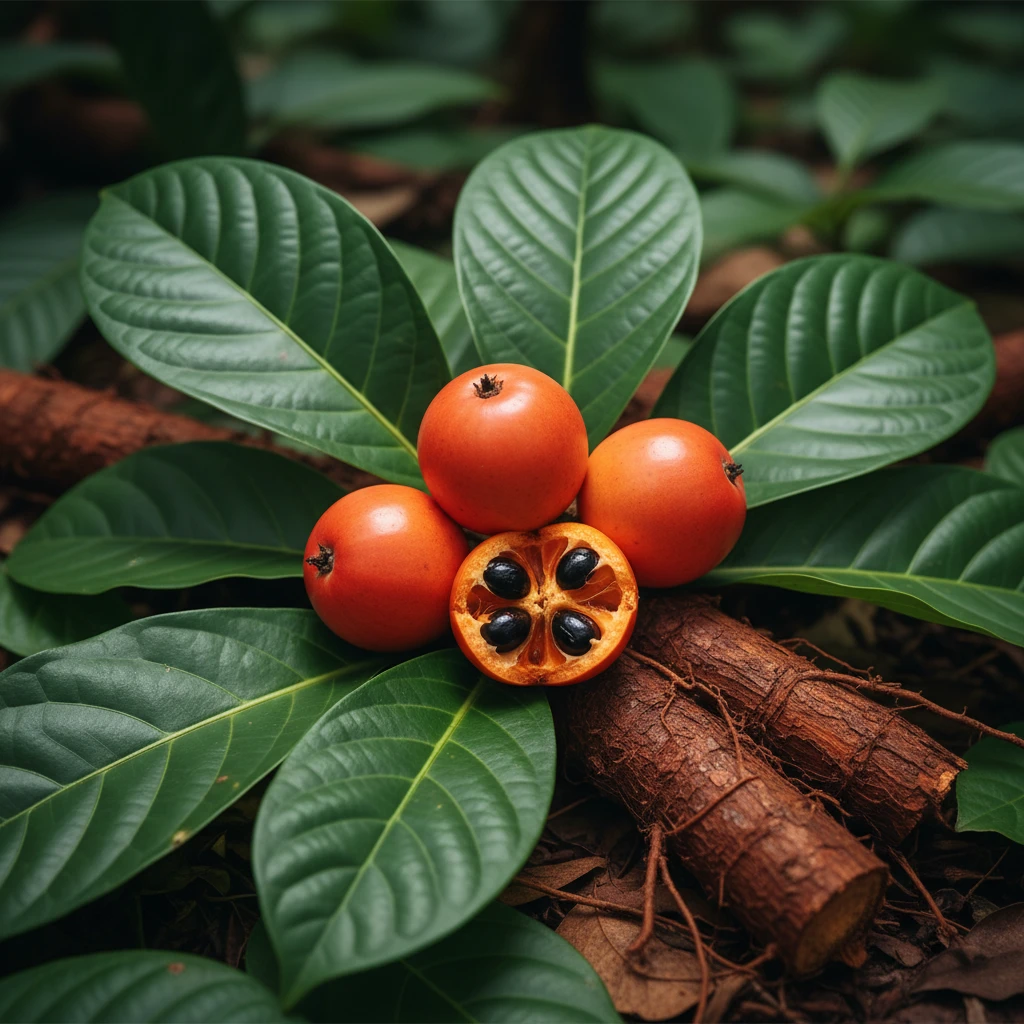
Addiction treatment (opioids, alcohol, stimulants): Mechanisms of action
Iboga and ibogaine have demonstrated significant potential in addiction treatment, particularly for opioid dependence. Their efficacy stems from a unique mechanism of action that targets the underlying neurobiological pathways of addiction. Ibogaine is thought to disrupt the reward pathways in the brain, specifically affecting neurotransmitters like dopamine and serotonin. This “resetting” effect can drastically reduce cravings and withdrawal symptoms, providing a crucial window of opportunity for individuals to break free from the cycle of addiction. Moreover, ibogaine produces a metabolite, noribogaine, which has a longer half-life and may contribute to sustained anti-addictive effects. While research is ongoing, evidence suggests that ibogaine can be effective for opioid, alcohol, and stimulant addictions. However, it is essential to approach addiction treatment with iboga or ibogaine within a comprehensive program that includes medical supervision, psychological support, and aftercare to maximize the chances of long-term recovery. The disruption of addiction pathways makes the brain more receptive to new learning and behavioral changes.
Mental health disorders: Depression, anxiety, PTSD
Emerging research suggests that iboga and ibogaine may hold promise in addressing certain mental health disorders, including depression, anxiety, and post-traumatic stress disorder (PTSD). While not a replacement for traditional therapies, they may offer a unique approach by facilitating profound introspection and emotional processing. Ibogaine’s ability to induce altered states of consciousness can allow individuals to confront deeply rooted trauma and unresolved emotional issues. The visionary experiences associated with ibogaine can provide new perspectives and insights, helping individuals to reframe their narratives and develop healthier coping mechanisms. For example, someone struggling with depression might experience a vision that clarifies the origins of their negative thought patterns, allowing them to challenge and overcome these patterns. For anxiety, ibogaine may help individuals confront underlying fears and anxieties, leading to a reduction in symptoms. Individuals with PTSD may find that ibogaine-assisted therapy helps them process traumatic memories in a safe and supportive environment. It’s crucial to note that more research is needed, and ibogaine treatment for mental health disorders should only be pursued under the guidance of experienced professionals.
Spiritual growth and self-discovery: What to expect
Beyond their therapeutic applications, iboga and ibogaine are also used for spiritual growth and self-discovery. Many individuals report experiencing profound insights, a sense of connection to something larger than themselves, and a deeper understanding of their purpose in life. The visionary experiences induced by iboga can be intensely personal and transformative, often involving encounters with archetypal figures, past life memories, or spiritual guides. These experiences can lead to significant shifts in perspective, values, and beliefs. However, it’s important to approach iboga for spiritual exploration with respect and intention. A clear understanding of one’s motivations and a willingness to confront uncomfortable truths are essential for a positive and productive experience. It is advisable to work with experienced facilitators who can provide guidance and support throughout the process. Furthermore, integrating the insights gained during the iboga experience into daily life is crucial for lasting personal growth.
Pain Management: Exploring Iboga’s potential
While research is still in its early stages, there is growing interest in exploring iboga’s potential for pain management. Some anecdotal evidence suggests that iboga may have analgesic properties and could be beneficial for individuals suffering from chronic pain conditions. The mechanisms underlying this potential pain-relieving effect are not fully understood, but may involve ibogaine’s interaction with opioid receptors and its influence on the central nervous system. Some users have reported a reduction in pain levels after iboga treatment, potentially due to its effects on inflammation and nerve function. However, it is crucial to emphasize that iboga is not a substitute for conventional pain management therapies. Individuals considering iboga for pain relief should consult with their healthcare providers to discuss the potential risks and benefits, as well as to ensure that it is used safely and appropriately. Rigorous clinical trials are needed to further investigate iboga’s efficacy and safety for pain management.
Understanding the Ibogaine Treatment Experience
The pre-treatment phase: Screening, preparation, and dietary guidelines
The pre-treatment phase is critical for ensuring the safety and efficacy of ibogaine therapy. It typically involves a comprehensive medical and psychological screening to assess the individual’s suitability for treatment. This includes evaluating their physical health, medical history, and any existing mental health conditions. Cardiac health is of particular concern, as ibogaine can affect the heart’s electrical activity. Blood tests, electrocardiograms (ECGs), and consultations with cardiologists are often necessary. Psychological assessments help to identify any potential contraindications, such as psychosis or severe personality disorders. Dietary guidelines are also an important component of the pre-treatment phase. Individuals are typically advised to abstain from alcohol, caffeine, and certain medications in the weeks leading up to treatment. A healthy diet rich in nutrients can help to optimize the body’s preparation for the ibogaine experience. Transparency with the treatment provider during the screening process is paramount to mitigating potential risks and maximizing the therapeutic benefits of ibogaine.
The treatment process: The ‘visionary’ phase and subsequent integration
The ibogaine treatment process is typically divided into distinct phases. The initial phase, often referred to as the “visionary” phase, is characterized by intense altered states of consciousness, including vivid visual hallucinations, emotional processing, and profound insights. This phase can last for several hours, during which the individual may confront repressed memories, unresolved traumas, and limiting beliefs. Experienced facilitators provide a safe and supportive environment throughout this process, helping the individual to navigate the challenging emotions and experiences that may arise. Following the visionary phase, there is a period of integration, where the individual begins to process and integrate the insights gained during the experience. This phase can involve therapy, counseling, and other supportive practices to help the individual make sense of their journey and apply it to their daily life. The duration of the treatment process varies depending on individual needs and the specific treatment protocol. Understanding these phases and their potential challenges is essential for preparing for the ibogaine experience.
Post-treatment care: Therapy, support groups, and lifestyle adjustments
Post-treatment care is a vital component of the ibogaine treatment process. The insights and experiences gained during ibogaine therapy need to be integrated into daily life for lasting change. Therapy plays a crucial role in this integration, providing a safe space for individuals to process their experiences and develop new coping mechanisms. Support groups can also be invaluable, offering a sense of community and shared understanding. Connecting with others who have undergone similar experiences can help to reduce feelings of isolation and provide ongoing support. Lifestyle adjustments, such as adopting a healthy diet, engaging in regular exercise, and practicing mindfulness, can further support the recovery process. Identifying and addressing any underlying issues that contributed to the addiction or mental health condition is also essential. This may involve addressing relationship problems, financial stressors, or other life challenges. Post-treatment care is an ongoing process that requires commitment and self-awareness.
Dosage and Administration: Finding the Right Approach
Factors influencing dosage: Weight, medical history, and substance use
Determining the appropriate dosage of iboga or ibogaine is a complex process that depends on several factors. Weight is a primary consideration, as a higher body weight typically requires a higher dose to achieve the desired effects. Medical history is also crucial, as certain medical conditions, particularly cardiac issues, can increase the risk of adverse effects. Individuals with pre-existing heart conditions may require a lower dose or may not be suitable candidates for ibogaine treatment. Substance use history is another important factor, as individuals with a history of heavy or prolonged substance abuse may require a higher dose to overcome tolerance. However, it’s essential to start with a lower dose and gradually increase it as needed to minimize the risk of adverse effects. Other factors that may influence dosage include age, gender, and individual sensitivity to ibogaine. Consulting with experienced professionals who can assess these factors and determine the appropriate dosage is crucial for ensuring safety and efficacy.
Different forms of administration: Iboga root bark, Ibogaine HCL, TA extract
Iboga and ibogaine are available in various forms, each with its own advantages and disadvantages. Iboga root bark is the most traditional form, containing a complex mixture of alkaloids, including ibogaine. It is typically consumed orally, either by chewing the bark or by taking it in powdered form. Ibogaine HCL (hydrochloride) is a purified extract of ibogaine, offering a more concentrated and potent form of the substance. It is typically administered orally in capsule form. TA (Total Alkaloid) extract is another form of iboga extract, containing a wider range of alkaloids than ibogaine HCL. The choice of administration method depends on individual preferences, the desired effects, and the availability of the different forms. Iboga root bark is often preferred by those seeking a more traditional and holistic experience, while ibogaine HCL is favored for its potency and ease of administration. TA extract offers a middle ground between the two, providing a broader spectrum of alkaloids than ibogaine HCL but with a lower potency than iboga root bark. For those seeking ibogaine powder for sale, it’s important to understand the different forms available.
Dosage levels explained: Microdosing vs. Flood Doses
Dosage levels for iboga and ibogaine vary widely depending on the intended purpose. Microdosing involves taking very small doses of iboga, typically below the threshold for psychoactive effects. Microdosing is often used for enhancing mood, improving focus, and increasing energy levels. Flood doses, on the other hand, involve taking much larger doses of iboga or ibogaine, typically within a therapeutic setting for addiction treatment or spiritual exploration. Flood doses induce profound altered states of consciousness and can lead to significant personal transformations. The appropriate dosage level depends on individual needs, goals, and the specific treatment protocol. Microdosing is generally considered to be relatively safe, while flood doses carry a higher risk of adverse effects and require careful medical supervision. Consulting with experienced professionals is essential for determining the appropriate dosage level and for ensuring safety. The journey toward finding the right iboga & ibogaine dosage should be undertaken with caution and guidance.
Safety and Potential Side Effects: Knowing the Risks
Common side effects: Nausea, vomiting, anxiety, and cardiovascular issues
Ibogaine treatment, while potentially beneficial, is associated with a range of side effects. The most common are nausea and vomiting, often occurring during the initial stages as the substance takes effect. Anxiety is also frequently reported, stemming from the intense psychoactive experience. These effects are usually managed with supportive care. However, the most concerning side effects involve the cardiovascular system. Ibogaine can prolong the QT interval, which is a measurement of the heart’s electrical activity. Prolongation of the QT interval can lead to dangerous arrhythmias, potentially causing sudden cardiac arrest. Therefore, careful pre-screening and continuous EKG monitoring are critical during and after ibogaine administration.
Beyond these immediate effects, some individuals may experience ataxia (loss of coordination) or hallucinations lasting for several days. It’s important to remember that the intensity and duration of side effects can vary significantly based on individual factors such as dosage, pre-existing conditions, and overall health. For example, individuals with a history of anxiety or panic disorders might experience a more pronounced anxiety response during treatment. Thorough psychological evaluation is crucial.
Contraindications: Pre-existing heart conditions, liver problems, and certain medications
Certain pre-existing conditions and medications pose significant risks when combined with ibogaine. Individuals with known heart conditions, particularly those affecting the QT interval, are generally not suitable candidates for ibogaine treatment. Liver problems also present a major contraindication, as the liver is responsible for metabolizing ibogaine. Impaired liver function can lead to elevated ibogaine levels in the body, increasing the risk of adverse effects. A liver function test is therefore essential. Certain medications, especially those that affect the cardiovascular system or interact with liver enzymes, are also contraindicated. These may include antiarrhythmics, certain antidepressants, and some antihistamines. A thorough review of all medications, including over-the-counter drugs and supplements, is essential before considering ibogaine treatment.
For example, someone taking medication for high blood pressure might experience dangerous drops in blood pressure when combined with ibogaine. Individuals with a history of seizures or severe mental illness, such as psychosis, should also avoid ibogaine due to the potential for exacerbation of these conditions. Furthermore, active substance abuse (of substances other than what ibogaine is intended to treat) can complicate the treatment process and increase the risk of adverse outcomes. Always discuss your complete medical history openly with the treatment provider.
Importance of medical supervision and EKG monitoring
Given the potential for serious side effects, medical supervision is absolutely paramount during ibogaine treatment. Continuous EKG monitoring is essential to detect any changes in the heart’s electrical activity, allowing for prompt intervention if necessary. This typically involves a 12-lead EKG taken at regular intervals throughout the treatment. Skilled medical professionals should be present to manage any complications that may arise, such as arrhythmias, seizures, or severe anxiety. Proper preparation includes baseline blood work, including liver and kidney function tests, and a comprehensive physical examination. Medical staff should be trained in advanced cardiac life support (ACLS) and have immediate access to resuscitation equipment. The treatment setting itself should be equipped to handle medical emergencies, including access to oxygen, defibrillators, and medications. For instance, a facility might have a protocol in place to immediately administer magnesium sulfate if QT prolongation is detected. Finally, post-treatment monitoring is crucial to ensure that the individual’s cardiovascular system is stable and that any lingering side effects are properly managed. Continuous access to medical support should be available for at least 72 hours following treatment. To understand the standards of care, consider reviewing guidelines from organizations like the Global Ibogaine Alliance.
Finding Reputable Ibogaine Providers in Canada
Key qualifications and certifications to look for
When seeking ibogaine treatment in Canada, careful vetting of potential providers is critical. Look for facilities with licensed medical doctors on staff, preferably those with experience in addiction medicine, cardiology, and/or psychiatry. The presence of registered nurses and experienced support staff is also essential. Certifications in advanced cardiac life support (ACLS) and other relevant emergency medical training demonstrate a commitment to safety. Facilities should adhere to strict medical protocols and have established procedures for managing potential complications. Inquire about the provider’s experience with ibogaine treatment specifically, including the number of patients they have treated and their success rates. A reputable provider will be transparent about their qualifications and willing to provide references from previous patients. The facility should also demonstrate a commitment to ongoing training and education for its staff. Accreditation from recognized healthcare organizations can also provide assurance of quality and safety standards. For instance, a facility adhering to standards set by the Canadian Association of Addiction Medicine demonstrates a commitment to evidence-based practices.
Red flags to avoid: Unlicensed practitioners and unsafe environments
Several red flags should raise concerns when evaluating ibogaine providers. Avoid practitioners who are not licensed medical professionals or who lack appropriate training and experience. Be wary of facilities that operate in secrecy or are unwilling to provide detailed information about their treatment protocols and safety measures. Unsanitary or poorly maintained environments are also a major concern, as they increase the risk of infection and other complications. Avoid providers who make unrealistic promises or guarantees of success, as ibogaine treatment is not a guaranteed cure. High-pressure sales tactics or demands for large upfront payments should also raise suspicion. Steer clear of facilities that do not prioritize medical screening or EKG monitoring. Providers who are dismissive of potential risks or side effects are also untrustworthy. Any indication of illegal or unethical practices is a serious red flag. Trust your instincts and choose a provider that you feel comfortable and confident in.
Questions to ask potential providers: Treatment protocols, safety measures, and aftercare support
Before committing to ibogaine treatment, ask potential providers detailed questions about their protocols, safety measures, and aftercare support. Inquire about the specific type of ibogaine used (e.g., ibogaine HCl, total alkaloid extract) and the dosage protocols. Ask about the pre-treatment medical screening process, including blood work and EKG monitoring. Understand the facility’s procedures for managing potential side effects, such as nausea, anxiety, and arrhythmias. Determine the qualifications and experience of the medical staff who will be involved in your care. Ask about the level of medical supervision provided during and after the treatment. Find out what emergency medical equipment is available on-site. Inquire about the aftercare support offered, including counseling, therapy, and integration services. A reputable provider will have clear and comprehensive answers to these questions, demonstrating a commitment to safety and patient well-being. Understanding the specific protocols and support systems in place will empower you to make an informed decision. A partner resource, Elementor + AI, can help you compare website designs and presentation of different provider offerings.
Navigating the Legal Landscape of Iboga and Ibogaine in Canada
Current regulations and restrictions (as of March 2026)
As of March 2026, ibogaine remains unregulated in Canada, meaning there are no specific laws that explicitly prohibit or permit its use. However, it is not an approved medication under the Food and Drugs Act. This creates a grey area, as the legality of its use depends on interpretation and enforcement. The sale and distribution of ibogaine are also unregulated. Health Canada has not approved ibogaine for any medical use, and therefore, it cannot be legally prescribed by doctors. This lack of regulatory oversight poses challenges for individuals seeking treatment, as it can be difficult to find reputable providers operating within a clear legal framework. The legal status of iboga, the plant from which ibogaine is derived, is similarly ambiguous. While the plant itself is not explicitly illegal, its use for the purpose of extracting ibogaine could be subject to legal scrutiny. This ambiguous legal landscape underscores the need for caution and due diligence when considering ibogaine treatment in Canada.
Potential legal risks of importing or possessing Iboga/Ibogaine
Importing iboga or ibogaine into Canada carries potential legal risks, even though it isn’t explicitly illegal. Border Services officers have the authority to seize substances that they suspect may be intended for illegal purposes or that pose a risk to public health and safety. The lack of regulatory approval for ibogaine in Canada could lead to its seizure at the border. Possessing ibogaine may also carry legal risks, depending on the circumstances and the intent of the individual. While personal use may be viewed differently than large-scale distribution, law enforcement could still potentially pursue charges related to possession of an unapproved drug. Furthermore, individuals involved in the unauthorized sale or distribution of ibogaine could face criminal charges under the Food and Drugs Act or other relevant legislation. It’s important to be aware of these potential legal risks before importing or possessing iboga or ibogaine in Canada. Seeking legal advice from a qualified attorney is recommended to fully understand the potential implications.
Future prospects for legalization and regulation
The future of ibogaine legalization and regulation in Canada remains uncertain as of 2026, but there are ongoing discussions and advocacy efforts aimed at changing its legal status. Increased research into the potential therapeutic benefits of ibogaine, particularly for addiction treatment, could strengthen the case for regulation. Public awareness campaigns highlighting the potential benefits and risks of ibogaine could also influence policy decisions. Regulatory models adopted in other countries, such as those in Europe or South America, could serve as potential frameworks for Canada. The emergence of a more robust and transparent ibogaine treatment industry could also encourage regulators to establish clear guidelines and standards. Ultimately, the decision to legalize and regulate ibogaine will depend on a complex interplay of scientific evidence, public opinion, and political considerations. As understanding of ibogaine deepens, a shift towards a regulated and medically supervised approach may become more likely.
Cost of Ibogaine Treatment: What to Expect to Pay
Factors influencing the overall cost: Location, facility, and length of stay
The cost of ibogaine treatment in Canada varies significantly based on several factors. The location of the treatment facility is a major determinant, with facilities in major urban centers typically charging more than those in rural areas. The type of facility also influences the cost, with luxurious or upscale facilities often commanding higher prices. The length of stay is another key factor, as longer treatment programs typically involve higher costs. The specific treatment protocols used, including the dosage of ibogaine and the level of medical supervision provided, can also impact the overall cost. Additional services, such as individual therapy, group counseling, and aftercare support, may be included in the treatment package, adding to the total expense. The expertise and qualifications of the medical staff also play a role, with facilities employing highly experienced physicians and therapists often charging more. Consider how these factors align with your budget and needs when evaluating different treatment options. Consider also that the cost of purchasing Iboga Capsules outside a formal treatment center varies significantly and requires significant self-responsibility.
Comparing prices of different treatment options in Canada
The price of ibogaine treatment in Canada can range from approximately $8,000 to $25,000 or more, depending on the factors mentioned above. Shorter, less intensive programs may cost less, while longer, more comprehensive programs can be significantly more expensive. It’s important to compare prices carefully and understand what is included in each treatment package. Some facilities may offer all-inclusive packages that cover accommodation, meals, medical care, and aftercare support, while others may charge separately for these services. Be sure to ask about any hidden fees or additional costs that may not be immediately apparent. It’s also important to compare the quality of care provided by different facilities, not just the price. A cheaper treatment option may not necessarily be the best value if it lacks adequate medical supervision or aftercare support. Researching different facilities and obtaining multiple quotes is essential to making an informed decision. For instance, a facility in a remote area might offer a 7-day program for $10,000, while a clinic in Toronto might charge $18,000 for a similar program with more extensive aftercare.
Exploring potential funding options: Insurance coverage, loans, and crowdfunding
Given the high cost of ibogaine treatment, exploring potential funding options is essential. Unfortunately, insurance coverage for ibogaine treatment is currently rare in Canada, as it is not an approved medical treatment. However, some individuals may be able to obtain partial coverage through extended health insurance plans or employee assistance programs, particularly if the treatment is considered part of a broader addiction recovery program. Personal loans from banks or credit unions are another potential funding option, although interest rates and eligibility requirements may vary. Medical credit cards specifically designed for healthcare expenses can also provide access to financing. Crowdfunding platforms, such as GoFundMe, can be used to solicit donations from friends, family, and the wider community. Some organizations may offer grants or scholarships to help individuals cover the cost of addiction treatment, but these are often highly competitive. Exploring all available funding options and seeking professional financial advice is recommended to determine the best approach for your individual circumstances. It is also worth checking into any indigenous funding opportunities that may be available, given the plant’s origins.
Iboga and Ibogaine for Wellness: Alternatives to Traditional Addiction Treatment
Traditional addiction treatment often involves lengthy therapies and medications with potential side effects. Some individuals are exploring iboga for wellness as an alternative, particularly for its potential to address the root causes of addiction rather than simply managing symptoms. While ibogaine, the active alkaloid in Iboga, is known for its potential to interrupt addictive patterns, whole Iboga root bark offers a broader spectrum of alkaloids that some users find beneficial for sustained wellness. It is crucial to acknowledge that Iboga treatment is not without risks and should always be undertaken under the guidance of experienced medical professionals.
Microdosing Iboga for mental clarity and focus
Microdosing Iboga involves taking sub-perceptual doses of the root bark, typically a small fraction of a gram, to potentially enhance cognitive function. Proponents suggest that microdosing may improve focus, concentration, and mental clarity without inducing psychoactive effects. For example, someone struggling with afternoon slumps might experiment with a 50-100mg dose of Iboga root bark in the morning. However, systematic research on the effects of microdosing Iboga is limited, and individual responses can vary. It is crucial to start with extremely low doses and monitor effects carefully. A potential pitfall is mistaking subtle anxiety for increased alertness, which underscores the need for mindfulness and self-awareness. Consulting with a knowledgeable practitioner is recommended. Remember that while some may find mental clarity and focus with Iboga microdoses, these are only personal accounts and are not supported by clinical evidence.
Using Iboga for spiritual exploration and personal growth
Beyond addiction treatment, Iboga is used by some for spiritual exploration and personal growth. This often involves more substantial doses of Iboga, administered in a ceremonial setting under the guidance of experienced facilitators. Users report profound introspective experiences, emotional release, and a deeper connection to themselves and the universe. For instance, someone feeling lost or disconnected might seek an Iboga retreat to gain clarity on their life purpose. However, these experiences can also be challenging and emotionally intense, and careful screening and preparation are essential. A potential pitfall is entering into such an experience without adequate psychological support, which can lead to emotional overwhelm. It is also worth noting that the legality of using Iboga for spiritual exploration varies by jurisdiction, and seeking guidance from trusted sources like experienced facilitators, such as the Bwiti tradition, is paramount. Spiritual exploration with Iboga is a deeply personal journey and should be approached with respect, intention, and proper support.
Combining Iboga with other wellness practices: Meditation, yoga, and psychotherapy
Some individuals integrate Iboga experiences with other wellness practices to enhance its potential benefits. Meditation and yoga can help to cultivate mindfulness, emotional regulation, and body awareness, which can be valuable tools for navigating the Iboga experience and integrating insights afterward. Psychotherapy can provide a safe and supportive space to process emotions, explore patterns, and develop coping strategies. For example, someone recovering from addiction might combine Iboga treatment with regular therapy sessions to address underlying trauma and develop relapse prevention strategies. Combining Iboga with other wellness practices is not an exact science, and the best approach depends on individual needs and preferences. However, a holistic approach that addresses the physical, emotional, and spiritual dimensions of well-being may yield the most sustainable results. This is particularly important in the aftercare phase.
Buying Iboga Products Online at MindHealingShop.ca: What to Consider
Purchasing Iboga products online requires careful consideration to ensure quality, authenticity, and safety. MindHealingShop.ca aims to provide a trusted source for Canadians seeking Iboga and related products, but it’s still vital to be an informed consumer. Before making a purchase, research the vendor’s reputation, read customer reviews, and verify that products are sourced ethically and sustainably. Also, be sure to consult the relevant regulations surrounding these substances in Canada to ensure compliance.
Ensuring product quality and authenticity: Lab testing and vendor verification
One of the most critical steps in buying Iboga online is verifying the product’s quality and authenticity. Look for vendors who provide third-party lab testing results for their products, confirming the Ibogaine content and absence of contaminants. These tests should be conducted by reputable laboratories and readily accessible on the vendor’s website. Example: MindHealingShop.ca publishes certificates of analysis, including thin layer chromatography results, for all Iboga products. Also, research the vendor’s sourcing practices to ensure they obtain Iboga from sustainable and ethical sources. Look for vendors who are transparent about their supply chain and committed to supporting the communities where Iboga is harvested. Contacting the vendor directly with questions about their products and practices can also provide valuable insights. If a vendor is unwilling to provide information or seems evasive, it may be a red flag. Vendor verification is also important; check online forums and communities for user reviews and feedback.
Understanding the different Iboga products available: Capsules, powder, and root bark
Iboga is available in various forms, including capsules, powder, and root bark. Capsules offer a convenient and pre-measured dosage, making them suitable for microdosing or those new to Iboga. Iboga powder allows for greater flexibility in dosage, but requires careful measurement. Root bark is the traditional form of Iboga and is often preferred by experienced users. Each form has its advantages and disadvantages, and the best choice depends on individual preferences and experience level. For example, someone new to Iboga might start with capsules to ensure accurate dosing, while someone more experienced might prefer the flexibility of powder or root bark. Consider factors like ease of use, dosage accuracy, and personal preferences when choosing an Iboga product. Understanding the difference between Iboga and ibogaine is also key.
Proper storage and handling of Iboga products to maintain potency
Proper storage and handling are essential to maintain the potency and quality of Iboga products. Store Iboga in a cool, dark, and dry place, away from direct sunlight and moisture. Exposure to heat, light, and humidity can degrade the active alkaloids in Iboga, reducing its effectiveness. Keep Iboga products in airtight containers to prevent oxidation and moisture absorption. If storing root bark, ensure it is completely dry before sealing it to prevent mold growth. Handle Iboga with clean, dry hands to avoid contamination. Avoid storing Iboga near strong-smelling substances, as it can absorb odors. With proper storage, Iboga products can maintain their potency for several years. For instance, storing Iboga capsules in a dark cupboard away from the kitchen sink will help preserve their effectiveness. Regular inspection for signs of degradation is also recommended. If the color or smell changes significantly, it may be a sign that the product has lost its potency.
Preparing for Your Iboga or Ibogaine Journey: A Comprehensive Checklist
Preparing for an Iboga or ibogaine journey is crucial for ensuring a safe and transformative experience. This preparation involves medical, mental, emotional, and practical considerations. Thorough preparation will not only minimize risks but also maximize the potential benefits of the experience.
Medical evaluation and clearance
Before embarking on an Iboga or ibogaine journey, a thorough medical evaluation is essential. This evaluation should include a physical examination, electrocardiogram (ECG) to assess heart function, and blood tests to check liver and kidney function. Iboga can have significant effects on the cardiovascular system, so it’s crucial to rule out any pre-existing heart conditions. Individuals with certain medical conditions, such as heart disease, liver disease, or kidney disease, may not be suitable candidates for Iboga treatment. Example: Someone with a history of arrhythmia would require a cardiologist’s clearance before considering Iboga. A qualified medical professional should review the results of the medical evaluation and provide clearance before proceeding with the journey. This is a non-negotiable step to ensure safety. If considering ibogaine for wellness, this is especially critical.
Mental and emotional preparation
Mental and emotional preparation is just as important as medical clearance. This involves exploring your intentions for the journey, addressing any fears or anxieties, and developing coping strategies for challenging emotions. Consider working with a therapist or counselor to process any unresolved trauma or emotional issues that may arise during the experience. Engage in mindfulness practices, such as meditation or yoga, to cultivate emotional regulation and body awareness. For instance, someone seeking Iboga for addiction recovery might spend time reflecting on the underlying causes of their addiction and developing a plan for relapse prevention. It’s also helpful to journal about your expectations and concerns to gain clarity and perspective. This preparation can help you approach the journey with a sense
Comments (2)
Leave a Reply
Related posts










Pingback: Iboga Capsules: Dosage Guide for Optimal Results - Mind Healing Shop
Pingback: Iboga & Ibogaine: Understanding the Canadian Landscape - Mind Healing Shop