
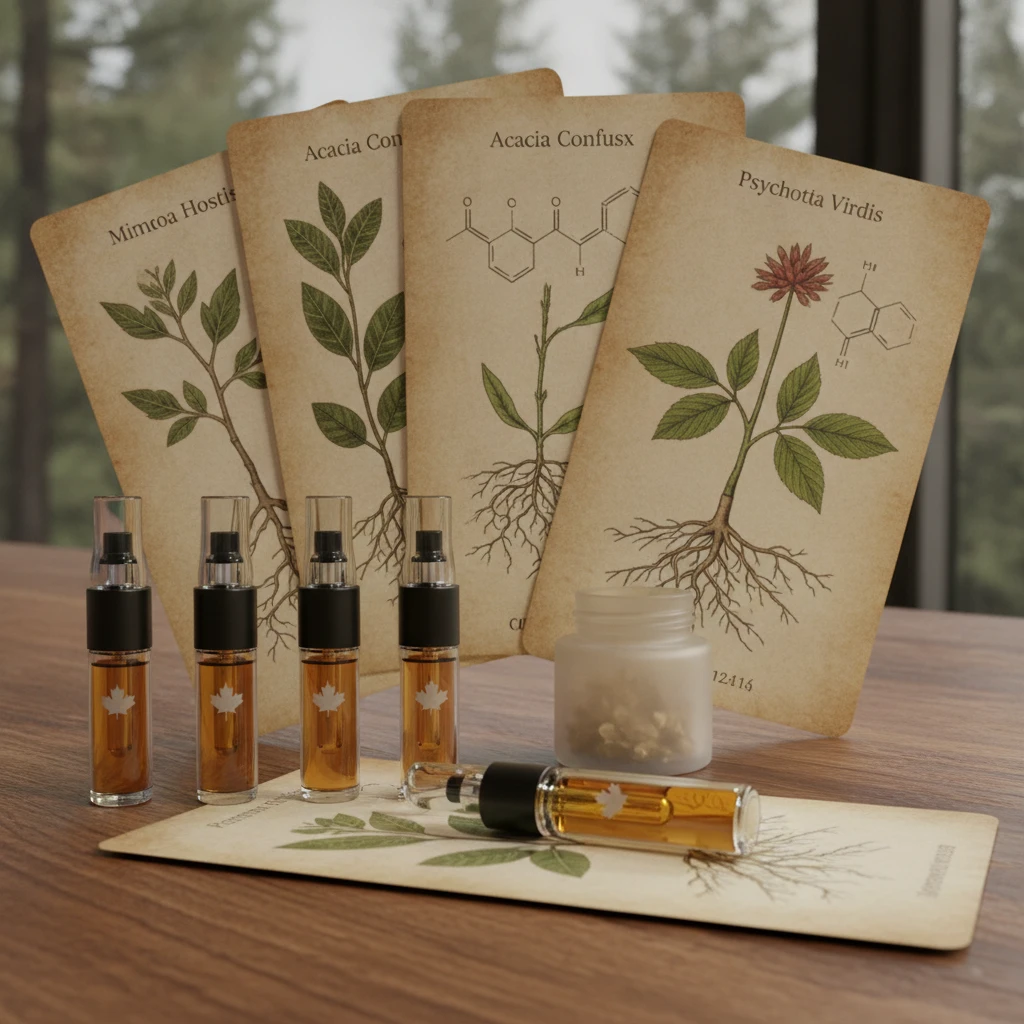
The study of N,N-Dimethyltryptamine (N,N-DMT), a naturally occurring indole alkaloid, continues to be a frontier in neuroscientific and ethnobotanical research within Canada. Renowned for its rapid-acting psychedelic properties, N,N-DMT holds significant interest for its profound subjective effects and potential as a tool for exploring consciousness and neural mechanisms.
As researchers delve deeper into the complex pharmacology and traditional uses of this powerful compound, understanding its specific alkaloid profile and controlled delivery methods, such as those offered by DMT vape cartridges Canada, becomes paramount for ensuring rigorous scientific inquiry and adherence to compliance standards.
Exploring N,N-DMT: A Potent Tryptamine for Research and Ethnobotanical Study in Canada
The Spectrum of Psychedelic Tryptamines in Ethnobotany
N,N-DMT stands as a prominent member within the diverse family of tryptamine alkaloids, many of which are known for their profound psychedelic properties. Found ubiquitously in various plant species, animals, and even endogenously within the human body, its presence in nature has cemented its role in numerous ethnobotanical traditions worldwide. For researchers in Canada, identifying N,N-DMT’s natural sources, such as Mimosa hostilis or Psychotria viridis, provides crucial context for its study. Decision criteria for selecting N,N-DMT for ethnobotanical research often center on its specific interaction profile, rapid onset, and the distinct visual and experiential qualities it induces, setting it apart from other compounds like psilocybin. The compound’s prevalence in shamanic preparations like ayahuasca underscores its historical and continued significance in exploring altered states of consciousness.
Historical and Contemporary Relevance in Research
The historical understanding of N,N-DMT dates back to its isolation in 1931, with initial research primarily focused on its chemical synthesis and basic pharmacology. Today, its relevance has surged, particularly in contemporary neuroscientific research exploring its interaction with serotonin receptors and its potential implications for conditions related to consciousness, perception, and mental well-being. Canadian research institutions and private labs are increasingly investigating N,N-DMT’s mechanisms, often under the purview of strict regulatory frameworks, given its status as a Schedule III controlled substance under the Controlled Drugs and Substances Act. A significant pitfall in this area is the misinterpretation of traditional ceremonial uses as direct therapeutic protocols; responsible research necessitates rigorous scientific methodology. Actionable steps for researchers include partnering with suppliers who prioritize purity and ethical sourcing, alongside developing protocols that align with both scientific integrity and legal compliance.
N,N-DMT Alkaloid Profile: Understanding its Unique Properties for Scientific Inquiry
Chemical Structure and Endogenous Presence
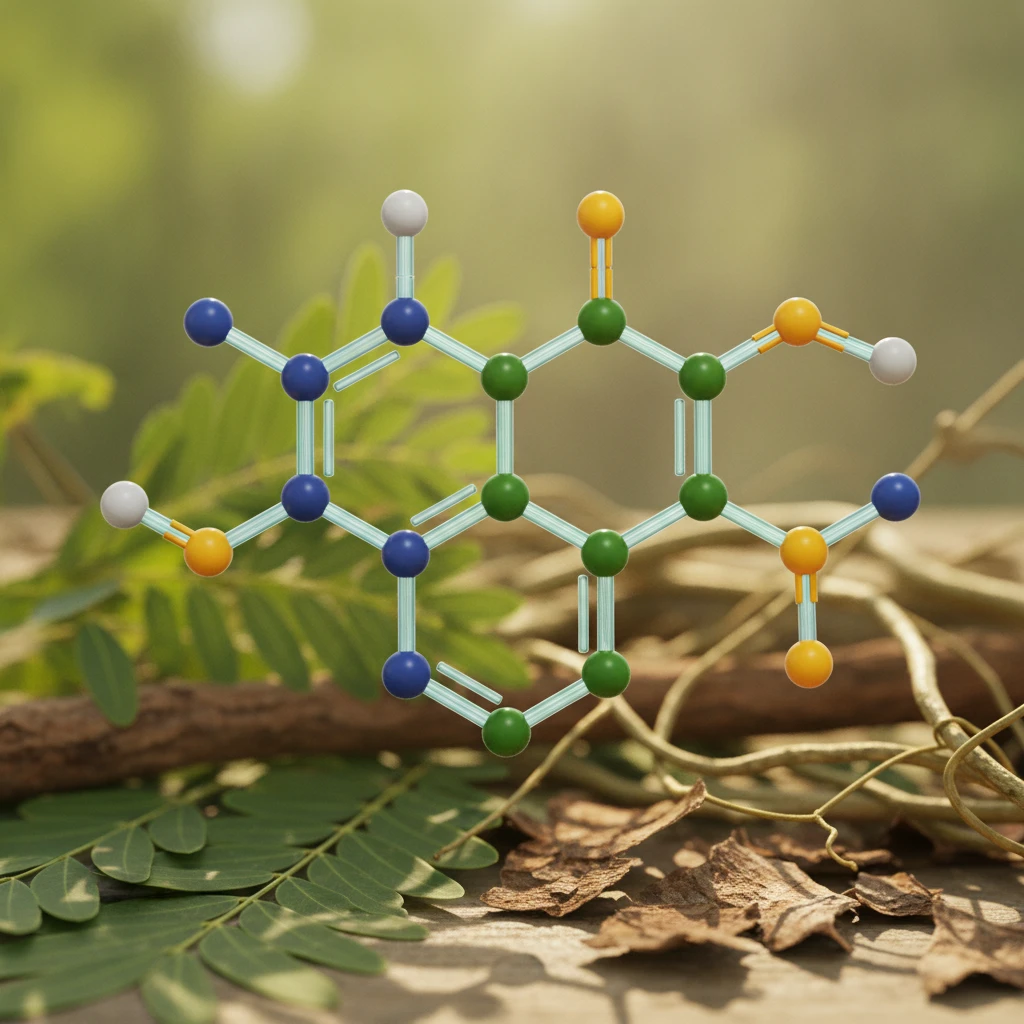
N,N-DMT is chemically classified as an indole alkaloid, specifically a substituted tryptamine, characterized by its core indole ring system and a dimethylamino group attached to the ethylamine side chain. This precise molecular architecture is fundamental to its biological activity and ability to interact with various neurotransmitter systems. While popular theories often cite the pineal gland as its primary endogenous source, current research suggests a broader distribution within mammalian brains, including regions like the cerebral cortex and hippocampus. Understanding its endogenous presence is crucial for theories positing its role in natural states of consciousness, dreaming, or near-death experiences. For example, the structural similarity of N,N-DMT to serotonin, a key neurotransmitter, provides a foundational understanding of its primary mechanism of action as a serotonin receptor agonist.
Pharmacological Mechanisms of Action and Receptor Interactions
The profound effects of N,N-DMT are primarily mediated through its potent agonism at serotonin receptors, most notably the 5-HT2A subtype. However, its pharmacological profile extends beyond this, involving interactions with other serotonin receptor subtypes (e.g., 5-HT1A, 5-HT2C), as well as sigma-1 receptors and trace amine-associated receptors (TAARs). This multi-receptor engagement contributes to its complex and multifaceted subjective experience. The rapid onset and short duration of N,N-DMT’s effects are largely attributed to its rapid metabolism by monoamine oxidase (MAO), particularly MAO-A. For scientific inquiry, precisely understanding these pharmacological mechanisms is critical for designing targeted experiments and interpreting results accurately. A significant pitfall for researchers is oversimplifying its action, overlooking the intricate interplay of receptor interactions and metabolic pathways that define its unique profile.
Differentiating Tryptamines: N,N-DMT vs. 5-MeO-DMT for Specialized Research
Distinct Molecular Structures and Potency
While both N,N-DMT and 5-MeO-DMT belong to the tryptamine class, their molecular structures exhibit crucial differences that profoundly impact their pharmacological profiles and subjective effects. The key distinction lies in the presence of a methoxy group (-OCH3) at the 5-position of the indole ring in 5-MeO-DMT, which is absent in N,N-DMT. This seemingly small alteration significantly enhances 5-MeO-DMT’s potency and alters its receptor binding affinity, particularly for the 5-HT1A and 5-HT2A receptors. For instance, research indicates that 5-MeO-DMT can be considerably more potent by weight than N,N-DMT, requiring much lower doses to elicit effects. Researchers must account for these quantitative differences when designing studies to ensure accurate dosing and prevent unintended outcomes, making the selection between these two tryptamines a critical methodological decision based on desired intensity and duration of action.
Varying Subjective Experiences and Ethnobotanical Contexts
The subjective experiences induced by N,N-DMT and 5-MeO-DMT are markedly different, reflecting their distinct pharmacological signatures. N,N-DMT is renowned for its visually rich, immersive, and often narrative-like experiences, frequently involving encounters with entities or complex geometries. In contrast, 5-MeO-DMT typically elicits less visual and more somatic, non-dual, or “unity” experiences, often described as a complete dissolution of ego and a profound sense of connection. These experiential differences are mirrored in their distinct ethnobotanical contexts; N,N-DMT is central to ayahuasca and various Amazonian snuffs, while 5-MeO-DMT has been traditionally sourced from species like Bufo alvarius (Sonoran Desert toad) and certain plant species. Researchers must carefully consider these phenomenological distinctions when selecting a compound for studies aiming to investigate specific aspects of consciousness, perception, or therapeutic potential. A pitfall is mistakenly equating their effects, which can lead to inappropriate research designs or misinterpretation of data.
DMT Vape Cartridges Canada: Design, Purity, and Controlled Delivery for Researchers
Advantages of Vaporization for Precise Dosing in Studies
For scientific research involving N,N-DMT, vaporization offers significant advantages over other administration routes, primarily due to its capacity for rapid onset and highly controlled titration. The pulmonary route allows for almost immediate absorption into the bloodstream, bypassing first-pass metabolism and resulting in peak effects within seconds to minutes, with a total duration of 5-20 minutes. This swift and predictable pharmacokinetic profile is invaluable for experimental protocols requiring precise timing, such as neuroimaging studies or psychometric assessments. Furthermore, the ability to control the dosage incrementally through carefully calibrated vape cartridges enables researchers to explore dose-response relationships with greater accuracy, minimizing variability and enhancing participant safety. This method offers a level of experimental control difficult to achieve with traditional methods like smoking or oral ingestion combined with MAOIs.
Ensuring High-Purity Extracts and Carrier Solutions
The integrity of any scientific study involving N,N-DMT is fundamentally reliant on the purity of the extract and the safety of its carrier solution. Researchers must prioritize sourcing DMT vape cartridges from reputable suppliers that provide comprehensive Certificates of Analysis (CoAs). These CoAs should confirm the N,N-DMT concentration, verify the absence of harmful impurities, heavy metals, pesticides, and residual solvents, and ensure the carrier solution (typically pharmaceutical-grade propylene glycol or vegetable glycerin) is free from contaminants. The presence of adulterants or unknown byproducts can compromise research results, introduce confounding variables, and pose significant health risks to study participants. For Canadian researchers, demanding transparency regarding compound purity and compliance is an actionable step towards maintaining the highest standards of scientific rigor and ethical conduct.

Bioavailability and Absorption Considerations
When N,N-DMT is administered via vaporization, its bioavailability is remarkably high, owing to the efficient absorption through the vast surface area of the pulmonary alveoli and the circumvention of hepatic first-pass metabolism. This direct route into the systemic circulation leads to rapid increases in plasma concentrations, allowing for a swift onset of psychoactive effects. Factors influencing absorption include the design of the vaporizer device, the temperature settings, and the inhalation technique employed by the user. For scientific inquiry, understanding these bioavailability and absorption kinetics is critical for accurately modeling dose-response curves and designing pharmacokinetic studies. Researchers must consider how differences in vaping hardware or subject inhalation patterns could subtly influence the actual delivered dose and subsequent physiological or psychological responses, ensuring robust and reproducible experimental outcomes.
Ethnobotanical Applications of N,N-DMT: From Traditional Use to Modern Scientific Inquiry
Indigenous Ceremonial Contexts and Analogous Preparations (e.g., Ayahuasca blends)
N,N-DMT, a powerful indole alkaloid, has a profound history rooted in numerous indigenous cultures worldwide, where it serves as a central component in various entheogenic plant medicines. For millennia, indigenous communities in the Amazon basin have utilized N,N-DMT-containing plants in their spiritual and healing ceremonies, most notably in the preparation of Ayahuasca. This complex brew, often combining DMT-rich plants like Psychotria viridis with MAO-inhibiting plants such as Banisteriopsis caapi, facilitates deep visionary experiences integral to their traditional ceremonial use. These practices are not merely recreational but are revered for their perceived healing properties, fostering connection to nature, spiritual insight, and community cohesion. Understanding these historical and cultural significances is paramount when approaching DMT, emphasizing its sacred origins and the respectful stewardship of these ancient traditions. Contemporary ethnobotanical research often seeks to document and understand these traditional applications without appropriation, respecting the profound knowledge held by indigenous peoples.
Emerging Areas of Neuroscientific and Psychiatric Research
Beyond traditional contexts, N,N-DMT is now a focal point in burgeoning neuroscientific research and explorations into its potential psychiatric applications. Modern science is particularly interested in DMT’s rapid onset and short duration of action, making it a unique compound for studying consciousness, perception, and brain states. Researchers are investigating its impact on neural plasticity, its ability to promote new neuronal connections, and its potential role in neurogenesis. Studies are exploring its interactions with serotonin receptors, particularly 5-HT2A, and its downstream effects on mood, cognition, and emotional processing. These investigations aim to unravel the intricate mechanisms by which DMT might exert its profound psychological effects, with a view towards developing novel treatments for conditions such as depression, anxiety, and post-traumatic stress disorder (PTSD). The short pharmacokinetic profile of DMT also offers practical advantages for controlled clinical settings, allowing for more manageable therapeutic sessions.
Framing Therapeutic Potential: Anecdotal, Traditional, and Clinical Investigations
The discussion surrounding N,N-DMT’s therapeutic potential spans a spectrum from deeply personal anecdotal accounts to rigorous clinical investigations. Traditional uses, as seen in Ayahuasca ceremonies, have long provided a framework for understanding DMT’s perceived healing effects, often centered around emotional release, self-discovery, and spiritual growth. While these traditional insights offer valuable qualitative data, modern science requires empirical evidence. Current clinical trials are diligently working to establish the safety and efficacy of DMT-assisted therapies for various mental health conditions. Researchers are meticulously designing studies to quantify its impact on psychological well-being, mood disorders, and existential distress, often in conjunction with psychotherapy. It is crucial to differentiate between these forms of evidence, recognizing traditional wisdom while adhering to the scientific rigor necessary for clinical validation. This comprehensive approach, balancing historical understanding with contemporary scientific methods, is vital for a responsible and informed progression of DMT’s role in mental health. All research must adhere to strict ethical guidelines, ensuring participant safety and informed consent.
Canadian Regulatory Framework: DMT under the Controlled Drugs and Substances Act (CDSA)
Understanding Schedule III Classification for Tryptamines
In Canada, N,N-DMT is explicitly listed under Schedule III of the Controlled Drugs and Substances Act (CDSA). This classification places it alongside other psychoactive tryptamines, including psilocybin and psilocin, indicating a significant level of control. Substances under Schedule III are recognized for having psychoactive properties and potential for abuse, yet their control is less stringent than Schedule I (e.g., opioids, cocaine) or Schedule II (e.g., cannabis). The implications of this classification are far-reaching: unauthorized possession, production, trafficking, importation, or exportation of DMT are strictly prohibited and can lead to severe legal penalties. For individuals or organizations engaged in any activity involving DMT, it is absolutely essential to understand and comply with these regulations. This rigorous legal framework underscores the importance of obtaining the necessary exemptions or licenses from Health Canada for any legitimate research or scientific purposes, as outlined by the CDSA.
Implications for Research, Ethnobotanical Collection, and Possession in Canada
The Schedule III classification profoundly impacts various activities related to DMT in Canada. For academic and private sector researchers, conducting studies involving N,N-DMT requires a specific Controlled Substances Research Licence issued by Health Canada. This licence dictates strict protocols for storage, security, handling, and destruction of the substance. Ethnobotanical collectors and spiritual explorers face significant restrictions, as unauthorized possession of even trace amounts of DMT, whether in isolated form or as a component of plant materials like Ayahuasca brews, is illegal without a valid exemption or licence. While some exemptions exist for traditional use of specific substances (e.g., peyote for Indigenous peoples), these do not broadly apply to DMT. It is critical for anyone considering interaction with DMT-containing materials to verify their legal standing and adhere to all Health Canada regulations. Ignorance of the law is not a defence, and engaging in unauthorized activities carries substantial legal risk.
Health Canada Compliance for Ethnobotanical Research Compounds
Navigating Health Canada compliance for ethnobotanical research compounds like DMT requires meticulous attention to detail and a proactive approach. Research institutions and individual investigators must secure the appropriate permits and licences, which typically involve demonstrating secure storage facilities, detailed research protocols, and qualified personnel. For those acquiring research compounds, transparency and documentation from the supplier are critical, including certificates of analysis and proof of legal acquisition. Our platform strictly adheres to these principles, providing compounds solely for ethnobotanical collection, research, souvenir, or ornamental purposes, and explicitly not for human consumption. For instance, processes for sourcing and ensuring purity in substances like ibogaine, which also has a complex regulatory status, parallel the due diligence required for DMT. Understanding requirements for Canadian ibogaine supply purity and compliance can offer a useful parallel in navigating research compound acquisition. Any entity involved must maintain comprehensive records of all transactions, inventory, and disposal to satisfy regulatory audits, ensuring full accountability and legal adherence within Canada’s controlled substances framework.
Sourcing DMT Vape Cartridges in Canada: Transparency, Quality, and Ethical Considerations
Verifying Third-Party Lab Testing and Comprehensive Alkaloid Profiles
When sourcing DMT vape cartridges in Canada for ethnobotanical research or collection, verifying the product’s authenticity and purity through third-party lab testing is not merely a recommendation but a critical safety and ethical imperative. Reputable suppliers will provide readily accessible Certificates of Analysis (CoAs) from independent laboratories, detailing the comprehensive alkaloid profiles of their products. These reports should confirm the presence and concentration of N,N-DMT, while crucially also identifying the absence of harmful contaminants such as heavy metals, pesticides, residual solvents, and other unwanted byproducts that can arise from improper synthesis or extraction. A robust CoA provides verifiable data on the product’s purity and potency, ensuring that researchers are working with a consistent and unadulterated compound. Without such transparent documentation, the risks associated with unknown substances or inaccurate concentrations significantly increase, potentially compromising research integrity and safety protocols.
Ethical Sourcing Practices for Entheogenic and Research Compounds
Beyond analytical purity, the ethical dimensions of sourcing entheogenic and research compounds, particularly those derived from natural plant sources, demand careful consideration. For DMT, which can be extracted from various plants, ethical sourcing practices involve ensuring that the raw materials are harvested sustainably and that the communities involved in their cultivation or collection are treated fairly and equitably. This includes supporting practices that prevent environmental degradation, respect indigenous land rights, and contribute to the well-being of local populations rather than exploiting natural resources or traditional knowledge. Suppliers should ideally demonstrate a clear chain of custody, from raw material to finished product, showcasing their commitment to transparency and social responsibility. Choosing a supplier that prioritizes these ethical considerations helps to uphold the integrity of ethnobotanical research and ensures that the pursuit of knowledge does not inadvertently contribute to harmful practices. This commitment to sustainability and fair trade is paramount for any reputable provider of sacred botanicals.
Harm Reduction Protocols for N,N-DMT Ethnobotanical Research and Exploration
Contraindications and Safety Screening for Research Participants
Prioritizing safety in any N,N-DMT ethnobotanical research or exploration mandates rigorous contraindications and safety screening for all potential participants. Individuals with a history of serious mental health conditions, particularly psychosis, schizophrenia, or bipolar disorder, should be excluded due to the potential for exacerbation of symptoms. Similarly, those with pre-existing cardiovascular conditions, uncontrolled hypertension, or a history of seizures are at heightened physiological risk. Certain medications, especially MAOIs (monoamine oxidase inhibitors) and SSRIs (selective serotonin reuptake inhibitors), can interact dangerously with DMT, necessitating a thorough review of all prescribed and over-the-counter drugs. A comprehensive medical and psychological assessment conducted by qualified professionals is indispensable to identify any factors that could increase the risk of an adverse reaction. This meticulous screening process is the first critical step in ensuring the safety and well-being of research participants and adhering to ethical research standards.
Importance of Set, Setting, and Integration Practices
The concepts of set and setting are foundational to harm reduction in the context of N,N-DMT experiences, whether for research or personal exploration. “Set” refers to the participant’s internal mindset, including their intentions, expectations, and current emotional state. A positive, prepared mindset, free from significant anxiety or distress, is crucial. “Setting” pertains to the physical and social environment, which should be safe, comfortable, quiet, and supportive, ideally with experienced facilitators present. Attention to these elements significantly influences the nature and quality of the experience. Equally vital are integration practices, which involve processing the insights and experiences gained after the session. This often includes journaling, artistic expression, psychotherapy, or discussions with trusted individuals, helping to weave the experience into one’s daily life in a meaningful and constructive way. Neglecting set, setting, or integration can lead to challenging experiences or missed opportunities for personal growth.
Emergency Response Planning and Access to Professional Support
Despite diligent screening and careful preparation, unforeseen circumstances can arise during N,N-DMT experiences, making robust emergency response planning absolutely essential. This includes having immediate access to trained medical professionals or personnel with first aid and CPR certification. A clear protocol for managing acute adverse reactions, such as severe anxiety, paranoia, or physiological distress, must be in place. This involves de-escalation techniques, a safe and quiet space for recovery, and, in rare cases, the administration of appropriate medical interventions. Furthermore, identifying and establishing relationships with local mental health resources and emergency services ensures that professional support can be accessed quickly if a situation exceeds the capacity of on-site personnel. Providing participants with information on where to seek follow-up psychological support is also a critical component of post-session harm reduction. Emphasizing access to professional support underscores a commitment to participant welfare and responsible ethnobotanical exploration.
Beyond Vape Cartridges: Exploring Other Forms of N,N-DMT for Ethnobotanical Study
While N,N-DMT vape cartridges offer a convenient and discreet method for research and ethnobotanical observation, the broader landscape of N,N-DMT forms presents distinct advantages for in-depth scientific inquiry. Researchers often require raw materials or alternative preparations to investigate pharmacological properties, conduct extraction validation studies, or explore traditional uses beyond contemporary vaporization methods. Understanding these alternative forms is crucial for a comprehensive ethnobotanical and analytical approach to N,N-DMT, enabling more controlled experimental designs and a deeper appreciation of its natural origins.
Crystalline N,N-DMT Powder for Extraction and Analytical Research
Crystalline N,N-DMT powder serves as a foundational material for advanced ethnobotanical and analytical research. Its primary appeal lies in its high purity, typically offered at ≥98% by reputable suppliers, which is essential for ensuring the integrity and reproducibility of experimental results. Researchers can utilize this pure form for precise dosage measurements in in-vitro studies, for calibrating analytical instruments, or as a reference standard in pharmacological assays. The powder form allows for unparalleled control in formulating novel delivery systems, preparing specific research solutions, or analyzing its spectroscopic properties without interference from carrier liquids or other additives often found in vape cartridges. Pitfalls include the hygroscopic nature of some N,N-DMT salts, necessitating strict storage conditions to maintain purity and stability. Moreover, legal compliance surrounding the acquisition and storage of Schedule III substances under the Controlled Drugs and Substances Act (CDSA) in Canada must be rigorously observed, emphasizing its use strictly for ethnobotanical and research purposes, not human consumption.
Actionable steps for researchers include obtaining a Certificate of Analysis (CoA) from suppliers to verify purity and absence of contaminants. Proper storage involves airtight, amber glass containers kept in a cool, dark, and dry environment. For instance, a research lab conducting a comparative study on N,N-DMT analogues might acquire crystalline powder to ensure consistent starting material, mitigating variability inherent in plant-derived extracts or pre-formulated products. This allows for rigorous examination of structure-activity relationships or potential interactions with various biological targets.
Natural Sources and Extraction Methodologies (e.g., Mimosa hostilis, Acacia confusa)
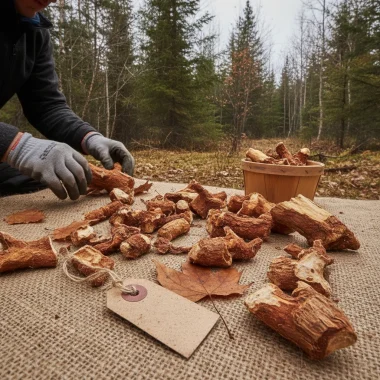
Ethnobotanical study extends to the natural plant sources from which N,N-DMT can be derived, offering insights into traditional preparations and the biosynthetic pathways of this intriguing compound. Key botanical sources include the root bark of Mimosa hostilis (syn. Mimosa tenuiflora) and the bark of Acacia confusa, both known for their significant N,N-DMT content. Researchers may acquire these plant materials to study natural alkaloid profiles, validate traditional extraction techniques, or investigate the synergistic effects of co-occurring plant compounds. Decision criteria for selecting a source often involve alkaloid yield, sustainability of sourcing, and the legal status of the raw plant material in Canada. While the plants themselves may be legally accessible for ornamental or ethnobotanical collection, extracting controlled substances like N,N-DMT remains subject to CDSA regulations for research purposes only, under appropriate licenses.
Common extraction methodologies for research purposes typically involve acid-base extraction, followed by solvent purification to isolate the N,N-DMT alkaloid. This process often includes a defatting step, an acid soak to protonate alkaloids, a basification step, and subsequent non-polar solvent pulls to isolate the freebase. Pitfalls include the safe handling of solvents and reagents, ensuring proper ventilation, and precise pH control to maximize yield and purity. For example, a university ethnobotany department might compare the alkaloid extraction efficiency from different batches of Mimosa hostilis sourced globally, focusing on analytical yields rather than product for consumption. This research contributes to a deeper understanding of plant chemistry and historical use, respecting both scientific rigor and ethnobotanical traditions.
Exploring N,N-DMT beyond vape cartridges offers researchers and ethnobotanical collectors a more profound understanding of this powerful compound, from its crystalline purity to its complex natural origins. These alternative forms are essential for rigorous analytical study, contributing to the growing body of scientific knowledge and respecting traditional plant medicine practices, always within the strict confines of Canadian regulations for research purposes only.



 English
 English (Canada)
 Français du Canada
 Español de México
 Türkçe