
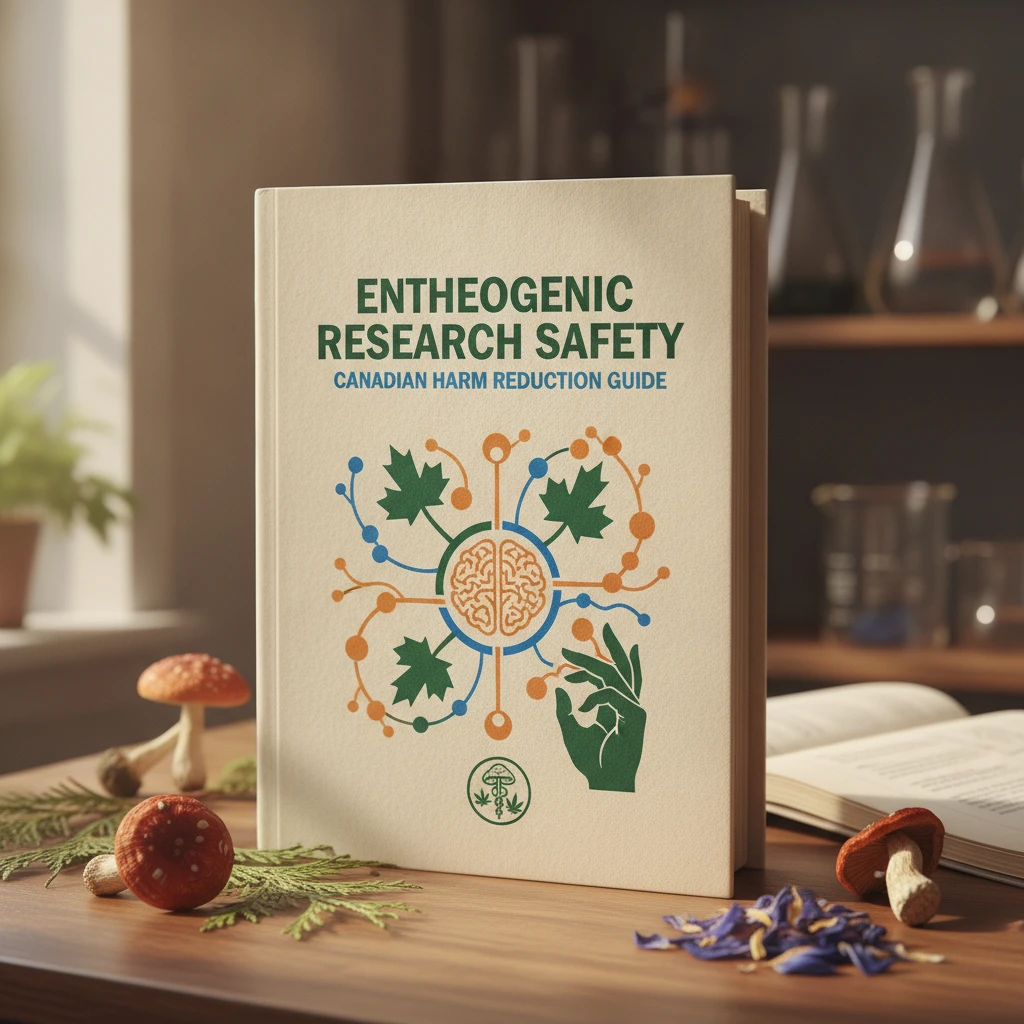
The Imperative of Safety in Canadian Entheogenic Research
Defining Harm Reduction within Ethnobotanical & Pharmacological Study
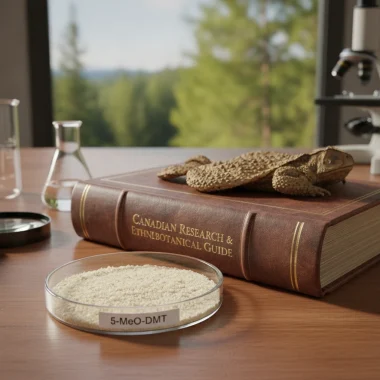
Harm reduction, within the context of entheogenic research, extends beyond clinical patient care to encompass every stage of the scientific process. It focuses on minimizing potential risks associated with the acquisition, handling, storage, and analysis of potent compounds. For ethnobotanical collection, this means ensuring plant identification is unequivocal to prevent accidental exposure to toxic lookalikes, a common pitfall in field research. In pharmacological studies, it demands stringent protocols for compound purity verification, precise dosing, and robust experimental design to protect both researchers and the validity of results. A university lab, for instance, might meticulously verify the alkaloid profile of a batch of 5-MeO-DMT powder using GC-MS to confirm identity and quantify active constituents, thereby mitigating risks from adulterants or incorrect concentrations before in vitro studies. This proactive approach is fundamental to advancing the field responsibly.
Ethical Obligations for Canadian Researchers and Collectors
Canadian researchers and ethnobotanical collectors carry significant ethical obligations. Foremost is the principle of non-maleficence, ensuring that all activities do no harm—to participants (if applicable), the environment, or Indigenous communities from whom traditional knowledge or plant materials may originate. This includes adhering to informed consent protocols for any human-based studies, respecting intellectual property rights, and implementing sustainable sourcing practices for plant materials like Iboga. Decision criteria for ethical engagement should involve comprehensive risk assessments, engagement with relevant institutional Research Ethics Boards (REBs), and transparency in methodology. A key pitfall is the uncritical adoption of traditional practices without understanding their original context or potential for harm in a modern research setting, underscoring the need for interdisciplinary collaboration and cultural sensitivity.

Navigating Canada’s Regulatory Landscape: CDSA and Health Canada
Understanding Scheduled Substances (Ibogaine, Ketamine, Psilocybin, DMT, Mescaline)
Canada’s Controlled Drugs and Substances Act (CDSA) categorizes entheogenic compounds, dictating strict regulatory requirements. Psilocybin, DMT, and mescaline fall under Schedule III, requiring specific licenses from Health Canada for any research involving their possession or use. Ketamine is a Schedule I substance, reflecting its higher control. Ibogaine, while not CDSA-scheduled, is regulated differently, primarily through Health Canada’s Prescription Drug List. Researchers must obtain appropriate permits for these compounds to ensure legal compliance in all study phases. Understanding these schedules is fundamental for any Canadian pharmacological or ethnobotanical investigation. For details on ketamine’s specific framework, researchers can consult resources discussing ketamine HCL in Canadian research. For comprehensive details on Canadian drug scheduling and regulatory processes, researchers can refer directly to Health Canada’s official resources.
Health Canada’s Prescription Drug List: Implications for Research
Ibogaine’s status in Canada is defined by its inclusion on Health Canada’s Prescription Drug List (PDL), not the CDSA. This means it is classified as a prescription drug, necessitating a medical prescription for distribution. For researchers, obtaining ibogaine for in vivo studies or clinical trials often requires navigating the Special Access Program (SAP) or securing specific research exemptions. The PDL status underscores the need for medical oversight due to its potent pharmacological effects, especially on the cardiovascular system. This regulatory approach impacts how researchers procure and manage ibogaine, requiring diligence in obtaining necessary approvals.
Legal Distinctions: Controlled Compounds vs. Exempt Plant Material (e.g., Peyote, San Pedro)
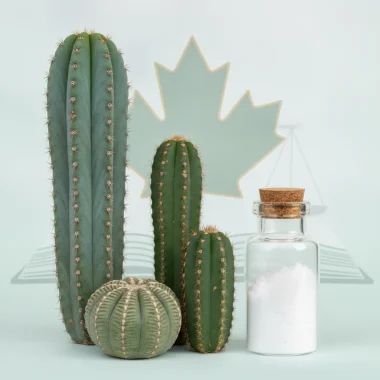
A key distinction in Canadian law separates controlled compounds from their source plant materials. Mescaline is a Schedule III controlled substance under the CDSA. However, live cacti like Peyote (Lophophora williamsii) and San Pedro (Echinopsis pachanoi) are exempt when cultivated for ethnobotanical, ornamental, or souvenir purposes. This allows researchers to legally acquire and study these cacti botanically without a CDSA license, provided there is no intent to extract the controlled mescaline or prepare the plant for consumption. The exemption pertains strictly to the plant itself, not the isolated psychoactive compound. Further insights into this legal distinction can be found in discussions around mescaline cacti and alkaloid legality.

Foundational Harm Reduction Practices for Entheogenic Compounds
Ensuring Purity: Importance of Lab Testing and Certificate of Analysis (CoA)
The integrity of entheogenic research hinges on the purity and accurate identification of compounds. Variability, especially in botanical preparations, can introduce significant confounds and safety risks. Researchers must prioritize obtaining substances accompanied by a Certificate of Analysis (CoA) from an independent, accredited laboratory. A comprehensive CoA should detail the chemical identity (e.g., via GC-MS or HPLC), quantify the active ingredients, and screen for common contaminants such as heavy metals, pesticides, or residual solvents. For instance, purchasing “5-MeO-DMT powder” requires verifying it’s not N,N-DMT or an adulterant, a critical step to ensure experimental validity and safety. Relying solely on visual inspection or vendor claims is a significant pitfall.
Precise Dosing: Tools and Techniques for Research Accuracy
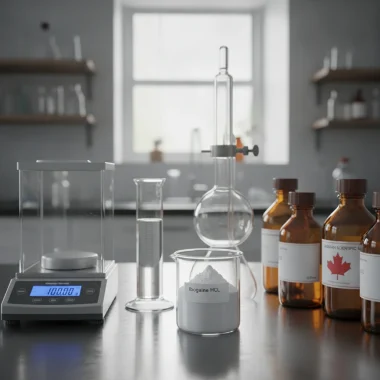
Accurate dosing is paramount in entheogenic research due to the potency and narrow therapeutic windows of many compounds. Researchers must employ highly sensitive and calibrated tools, such as analytical balances capable of measuring down to micrograms, for powdered substances. For solutions, volumetric glassware and precise pipettes are indispensable. Techniques like serial dilution, meticulously documented, are essential for preparing microdoses or specific concentrations for in vitro assays. A common pitfall is using imprecise kitchen scales or approximating measurements, which can lead to unreliable data and potential safety hazards. Ensuring reproducibility and validity in research requires this rigorous approach to quantification.
Safe Handling, Storage, and Disposal Protocols
Implementing stringent protocols for handling, storage, and disposal is crucial for safety and regulatory compliance. This involves using appropriate Personal Protective Equipment (PPE), such as gloves, lab coats, and eye protection, to prevent dermal absorption or inhalation. Compounds should be stored in secure, clearly labeled containers, away from light, moisture, and extreme temperatures, in locked facilities to prevent diversion or degradation. Specific disposal protocols must adhere to federal and provincial hazardous waste regulations, ensuring environmentally responsible and secure destruction of unused or expired materials. Never dispose of research compounds in standard waste or drainage, as this poses significant environmental and public health risks.
Ibogaine and Iboga Derivatives: Specific Safety Protocols for Research
Distinguishing Ibogaine HCL, PTA, and TA: Alkaloid Profiles and Potency
Research involving iboga and its derivatives requires a nuanced understanding of their distinct alkaloid profiles and corresponding potencies. Ibogaine HCl is a purified salt, offering a precise concentration of the primary active alkaloid, ibogaine, making it ideal for controlled pharmacological studies where exact dosing is critical. Total Alkaloid (TA) extract from Tabernanthe iboga root bark contains a broader spectrum of iboga alkaloids, including ibogamine, tabernanthine, and noribogaine, in addition to ibogaine. The Pure Total Alkaloid (PTA) extract is a refined TA, with a higher concentration of the primary psychoactive alkaloids and fewer inert plant materials. The varying composition means PTA and TA extracts may produce different pharmacokinetic and pharmacodynamic effects compared to isolated ibogaine HCl, making alkaloid profiling indispensable for research validity.
Pre-Research Screening: Cardiovascular Considerations and Drug Interactions
Ibogaine’s unique pharmacology necessitates rigorous pre-research screening, particularly concerning cardiovascular health. It can prolong the QTc interval, posing a risk of cardiac arrhythmias. Therefore, for any in vivo study involving human subjects (under appropriate Health Canada approvals), comprehensive cardiac evaluations, including electrocardiograms (ECGs) and electrolyte panels, are essential. Furthermore, researchers must thoroughly screen for potential drug-drug interactions, especially with substances that inhibit cytochrome P450 2D6 (CYP2D6), as this enzyme metabolizes ibogaine into noribogaine. Concomitant use with other QTc-prolonging medications or central nervous system depressants presents significant safety concerns and must be strictly avoided or carefully managed.
Responsible Sourcing of Iboga Root Bark Canada
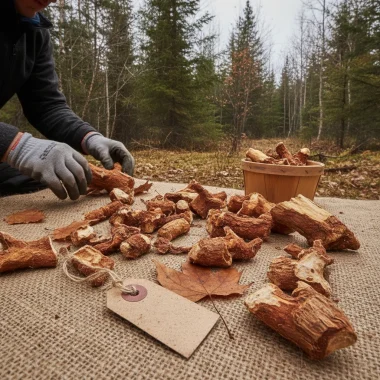
Ethical and sustainable sourcing is paramount when working with iboga root bark Canada for ethnobotanical collection or research. The increasing global demand for Tabernanthe iboga has led to concerns about overharvesting and environmental impact in its native West African habitats. Researchers and collectors have an obligation to prioritize sources that demonstrate transparent, sustainable cultivation practices and fair trade principles. This involves verifying supply chains to ensure the material is not illegally harvested or contributing to species depletion. Partnering with reputable Canadian suppliers who can attest to the origin and ethical collection methods is a critical component of responsible research conduct, upholding both ecological integrity and cultural respect. The Canadian regulatory framework, while permitting ethnobotanical collection, still encourages best practices in sourcing.
Classical Psychedelics & Tryptamines: Mitigating Risks in Canadian Studies
Research involving classical psychedelics and tryptamines in Canada requires stringent adherence to harm reduction protocols and regulatory frameworks. Substances such as psilocybin, N,N-DMT, and 5-MeO-DMT, classified under Schedule III of the Controlled Drugs and Substances Act (CDSA), necessitate meticulous planning for procurement, storage, and study execution. Researchers must prioritize compound purity, understand distinct pharmacological profiles, and implement robust safety measures to protect participants and ensure data integrity. Ethical oversight and a comprehensive understanding of each substance’s unique characteristics are paramount for advancing entheogenic science responsibly.
5-MeO-DMT vs. N,N-DMT: Understanding Differences in Potency and Experience
While both 5-MeO-DMT and N,N-DMT are potent tryptamine psychedelics, their pharmacological profiles and subjective experiences differ significantly, demanding distinct safety considerations in research. N,N-DMT, often associated with a rapid-onset, short-duration, and intensely immersive experience, typically acts as a full agonist at various serotonin receptors, notably 5-HT2A. In contrast, 5-MeO-DMT is recognized for its extraordinarily fast onset and profound, often non-dualistic, effects, primarily through agonism at 5-HT1A/2A/2C receptors. Its potency is considerably higher than N,N-DMT, requiring significantly lower dosages. For researchers seeking high-purity DMT vape cartridges Canada, understanding these distinctions is crucial for designing appropriate dosing regimens and ensuring participant safety. Accurate compound identification and precise measurement are indispensable to prevent accidental overdose or unintended outcomes in controlled settings, especially given the rapid and overwhelming nature of both compounds.
Psilocybin Research: Microdosing vs. Macrodosing Safety Guidelines for magic mushrooms Canada and microdosing psilocybin capsules
Psilocybin research, whether exploring sub-perceptual microdoses or full “macrodose” experiences, operates under specific safety guidelines within the Canadian regulatory landscape. Microdosing involves administering negligible amounts of psilocybin (typically 0.1-0.5 grams of dried Psilocybe cubensis mushrooms or corresponding psilocybin content in magic mushrooms Canada), necessitating rigorous psychological screening, a supportive “set and setting,” and the presence of trained facilitators. Both approaches require a thorough understanding of contraindications, potential drug interactions, and the provision of robust psychological support for participants, ensuring ethical conduct and mitigating adverse psychological events.
Ayahuasca Preparations: MAOI Interactions and Traditional Safety Wisdom
Ayahuasca, a traditional Amazonian botanical brew, poses unique safety considerations for research due to its complex pharmacology, particularly the presence of monoamine oxidase inhibitors (MAOIs) like harmaline, harmine, and tetrahydroharmine. These MAOIs, sourced from the Banisteriopsis caapi vine, prevent the breakdown of N,N-DMT (from plants like Psychotria viridis) in the gut, allowing it to become orally active. The primary safety concern revolves around critical drug-drug and drug-food interactions. Researchers must implement strict dietary restrictions for participants for several days prior to administration, avoiding tyramine-rich foods (e.g., aged cheeses, fermented products) that can precipitate a hypertensive crisis. Furthermore, extreme caution is warranted with participants on SSRIs, tricyclic antidepressants, stimulants, or other medications that affect serotonin or norepinephrine levels, as these can lead to potentially life-threatening serotonin syndrome. Traditional wisdom emphasizes the importance of ‘dieta’ and experienced practitioners (‘curanderos’), translating in a research context to rigorous participant screening, comprehensive medication reviews, and a controlled, medically supervised environment to ensure participant well-being.
Ketamine HCL Research Safety: Adhering to Schedule I Regulations
Ketamine HCl, a dissociative anesthetic with emerging therapeutic applications, is classified as a Schedule I substance under Canada’s Controlled Drugs and Substances Act (CDSA). This classification mandates exceptionally strict controls over its acquisition, storage, and utilization in research. For institutions and private labs looking to buy ketamine powder Canada, ensuring the integrity of their scientific findings and the safety of their experiments. High-purity standards are essential for reliable pharmacological data.
Legal Framework for Ketamine Research in Canada (CDSA Schedule I)
The legal framework governing ketamine research in Canada is highly prescriptive, reflecting its classification as a Schedule I substance under the CDSA. Research institutions and individual investigators must obtain specific licenses and permits from Health Canada prior to acquiring, possessing, or conducting studies with ketamine. These permits dictate strict requirements for secure storage, inventory management, record-keeping, and disposal of the compound. Facilities must demonstrate robust security measures to prevent diversion, including locked safes, restricted access, and comprehensive tracking systems. Furthermore, any research involving human or animal subjects requires approval from an accredited Research Ethics Board (REB) and adherence to guidelines set by the Canadian Council on Animal Care (CCAC), respectively. Strict compliance with Health Canada regulations is not merely a legal obligation but a cornerstone of ethical and safe scientific practice.
Dosage Parameters for In-Vitro and Pre-Clinical Studies
Establishing precise dosage parameters is critical for safety and scientific validity in both in-vitro and pre-clinical ketamine research. For in-vitro studies (e.g., cell cultures, tissue samples), researchers must carefully determine the appropriate concentration ranges to observe desired cellular or molecular effects without inducing cytotoxicity or non-specific interactions. This often involves dose-response curves to identify optimal concentrations. In pre-clinical studies, typically involving animal models, dosage scaling based on body weight, metabolic rate, and species-specific pharmacokinetics is paramount. Researchers must account for species differences in drug metabolism and receptor sensitivity. Ethical considerations demand the use of the minimum effective dose to achieve scientific objectives while minimizing potential harm to animal subjects. Detailed protocols outlining administration routes, frequency, and monitoring for adverse effects are essential components of any REB-approved pre-clinical study. Rigorous experimental design and careful titration ensure both ethical treatment and scientific accuracy.
Mescaline-Containing Cacti: Ethnobotanical Safety & Conservation in Canada
Mescaline-containing cacti, such as San Pedro (Echinopsis pachanoi) and Peyote (Lophophora williamsii), hold profound ethnobotanical significance and are increasingly subjects of research in Canada. While mescaline itself is a Schedule III controlled substance under the CDSA, the cacti themselves (specifically Peyote, and implicitly San Pedro as it is not listed) are exempt when grown for ornamental, ethnobotanical, or non-consumption purposes. This distinction is crucial for researchers and collectors. Safety in this domain extends beyond pharmacology to encompass ethical acquisition, sustainable cultivation practices, and responsible handling of plant materials for non-consumption research. Our focus remains on supporting ethnobotanical collection and research that respects both legal guidelines and ecological preservation.
Legally Acquiring San Pedro Cactus for sale Canada and Peyote Seeds Canada for Research
The legal acquisition of mescaline-containing cacti for research or ethnobotanical collection in Canada requires a clear understanding of the Controlled Drugs and Substances Act. While mescaline, the alkaloid, is controlled, the live Peyote cactus (Lophophora williamsii) is explicitly exempt from Schedule III when grown for ornamental or ethnobotanical purposes. Similarly, Peyote seeds Canada or live San Pedro plants from reputable ethnobotanical suppliers, nurseries, or private collectors who adhere to legal guidelines. It is vital to maintain clear documentation of provenance and intended use to remain compliant with Canadian law. Due diligence in sourcing ensures legal and ethical practices.
Safe Preparation Methods for Alkaloid Extraction (Non-Consumption Focus)
For research purposes, the preparation of mescaline-containing cacti typically involves alkaloid extraction rather than traditional consumption. This process, often conducted in a laboratory setting, focuses on isolating specific compounds for analytical study, such as high-performance liquid chromatography (HPLC) or mass spectrometry. Safety protocols during extraction are critical and involve the use of appropriate personal protective equipment (PPE), including gloves, eye protection, and fume hoods, especially when working with solvents like methanol, ethanol, or chloroform. Researchers must adhere to standard chemical hygiene practices, ensuring proper ventilation and waste disposal. The goal is to obtain purified mescaline or other alkaloids for quantitative analysis, structure-activity relationship studies, or spectroscopic characterization, explicitly for research and non-human consumption. Rigorous lab safety standards are paramount to prevent chemical exposure and ensure the integrity of the extracted compounds.
Conservation Ethics and Sustainable Practice for Plant Collectors
The ethnobotanical community and researchers have a profound responsibility to uphold conservation ethics and sustainable practices when interacting with mescaline-containing cacti. Peyote, in particular, is an endangered species facing significant pressure from overharvesting and habitat destruction. Ethical collection prioritizes sourcing ethical research standards.
Physical Health Considerations: Pre-Study Medical Review
A comprehensive pre-study medical review is an indispensable component of entheogenic research safety protocols. This involves a thorough physical examination, review of medical history, and relevant laboratory tests (e.g., liver function, kidney function, cardiovascular assessment, toxicology screening). Researchers must identify any pre-existing physical health conditions that could be exacerbated by the physiological effects of the compounds under investigation. Conditions such as uncontrolled hypertension, severe cardiovascular disease, hepatic or renal impairment, or pregnancy are typically considered contraindications. For instance, substances that elevate heart rate or blood pressure could pose serious risks to individuals with cardiac vulnerabilities. The medical review ensures that participants are physically fit to undergo the research protocol and helps establish baseline health parameters against which any physiological changes can be measured. Rigorous medical clearance protects participants and strengthens the scientific validity of physiological data collected.
Identifying Contraindications and Potential Interactions: A Critical Checklist
Beyond pre-study medical review, a crucial safety measure in entheogenic research involves systematically identifying contraindications and potential drug-drug interactions. This process requires a comprehensive checklist and detailed screening protocols. Researchers must ascertain if participants are currently taking any medications, supplements, or substances that could interact adversely with the psychedelic compound. Common classes of drugs that pose significant interaction risks include selective serotonin reuptake inhibitors (SSRIs), serotonin-norepinephrine reuptake inhibitors (SNRIs), tricyclic antidepressants (TCAs), monoamine oxidase inhibitors (MAOIs), lithium, antipsychotics, benzodiazepines, and certain cardiovascular medications. For example, combining serotonergic psychedelics with MAOIs can lead to serotonin syndrome, a potentially life-threatening condition characterized by hyperthermia, muscle rigidity, and cardiovascular instability. Similarly, some psychedelics can increase blood pressure and heart rate, which could be dangerous for individuals on specific cardiovascular drugs. Detailed pharmacological knowledge of both the investigational compound and the participant’s concomitant medications is essential. This often involves consulting drug interaction databases and pharmacologists to assess risk. The checklist should also include psychological contraindications, such as a personal or family history of severe psychiatric disorders (e.g., schizophrenia, bipolar disorder), as these individuals may be at higher risk for adverse psychological reactions. Thorough screening for contraindications and interactions is indispensable for participant safety and ethical research conduct.
Controlled Environment and Expert Supervision During Sessions
Following comprehensive screening and preparation, the safety of participants during entheogenic sessions hinges critically on a controlled environment and expert supervision. The physical setting must be meticulously curated to be safe, comfortable, and conducive to a therapeutic experience, often resembling a quiet, aesthetically pleasing room rather than a clinical one, to minimize potential stressors and maximize psychological safety. Beyond the physical space, the presence of highly trained facilitators is paramount. These professionals typically include therapists, medical doctors, and nurses who possess specific expertise in psychedelic-assisted therapy, crisis intervention, and physiological monitoring. They are responsible for continuous observation of participants, both psychologically and physiologically. This involves monitoring vital signs (heart rate, blood pressure, oxygen saturation) and assessing the participant’s psychological state throughout the session, which can last several hours. Facilitators provide non-directive support, reassurance, and guidance as needed, ensuring that participants feel safe to explore their internal experiences. They are also trained to identify early signs of distress, anxiety, or emergent adverse reactions and to intervene appropriately. The presence of readily available medical support and emergency protocols further reinforces safety, allowing for swift action in the unlikely event of a medical or psychological crisis. A meticulously managed environment and expert supervision are foundational to conducting safe and ethically sound entheogenic research.
Emergency Preparedness and Response in Entheogenic Research Settings
Recognizing Adverse Reactions and Over-Response Indicators
In entheogenic research, distinguishing between an expectedly intense subjective experience and an actual adverse reaction is paramount. Researchers must establish clear baselines for participants’ physiological and psychological states, utilizing continuous monitoring for vital signs such as heart rate, blood pressure, and oxygen saturation, particularly with compounds like 5-MeO-DMT powder, respiratory depression or a sudden, severe physiological crash demands immediate attention. Establishing a tiered response system, from verbal de-escalation to medical intervention, ensures appropriate actions are taken promptly. Researchers should be trained to recognize subtle shifts in participant demeanor or non-verbal cues that may precede a more significant adverse event, emphasizing proactive intervention over reactive crisis management.
Establishing Clear Emergency Protocols and Access to Medical Aid
Effective emergency protocols are non-negotiable in entheogenic research settings. This includes developing comprehensive Standard Operating Procedures (SOPs) for every conceivable adverse event, from severe anxiety to a medical emergency requiring external intervention. These SOPs should detail specific roles and responsibilities for each team member, communication pathways to external medical services, and a clear chain of command. Essential medical equipment, including first-aid kits, an Automated External Defibrillator (AED), oxygen administration devices, and potentially antagonist medications (where legally permissible and clinically indicated), must be readily accessible and regularly checked. For studies involving compounds with known cardiotoxic profiles, such as DMT vape cartridges. Rigorous pre-screening for psychological contraindications, such as a history of psychosis or severe personality disorders, is essential. Moreover, ethical stewardship extends beyond the research session itself, necessitating a robust framework for psychological preparation and integration support. This includes post-session debriefing, psychological counselling resources, and, where appropriate, long-term follow-up to ensure sustained well-being and to address any emergent issues, reinforcing the non-exploitation principle inherent in human research. Access to clear, objective information is a right; organizations like the World Health Organization provide extensive guidelines on ethical research practices.
Respecting Indigenous Knowledge and Traditional Practices
Engaging in entheogenic research demands profound respect for the Indigenous knowledge and traditional practices that have stewarded many of these plant medicines for millennia. Compounds like those derived from Ketamine HCl Canada, ensuring replicability and verifiability. Implementing robust data management plans, secure storage, and clear chains of custody for research materials are fundamental. Pre-registration of studies in public databases is an ethical imperative that counters selective reporting and enhances scientific rigor. Furthermore, ethical stewardship involves active participation in peer review processes and, where possible, contributing to open-access publishing models to maximize the accessibility and scrutiny of research findings within the broader scientific community and the public, aligning with principles of open science promoted by institutions like Health Canada.
Adhering to these principles of emergency preparedness, ethical conduct, and scientific integrity is not merely a regulatory requirement but a moral imperative. It ensures that entheogenic research advances safely, responsibly, and with respect for both human participants and the rich cultural heritage of these powerful substances. Prioritizing harm reduction, informed consent, and transparent reporting contributes to a robust and credible body of knowledge, ultimately benefiting public health and facilitating the responsible exploration of entheogenic compounds for research and ethnobotanical purposes in Canada.
Ethical Stewardship: Responsible Conduct in Entheogenic Research
Ethical stewardship extends beyond mere compliance with regulations; it demands a proactive, continuous commitment to upholding the highest moral standards throughout the research lifecycle. This involves cultivating an organizational culture that prioritizes integrity, transparency, and accountability at every level. Researchers, institutions, and funders share a collective responsibility to foster public trust, ensuring that the pursuit of knowledge in entheogenic science serves the greater good and avoids potential pitfalls of commercial exploitation or cultural appropriation. This includes transparently disclosing funding sources, managing conflicts of interest, and actively engaging with communities to ensure research outcomes are communicated responsibly and equitably. Furthermore, a commitment to ongoing ethical education and professional development for all personnel involved is paramount, ensuring that practices evolve in tandem with emerging ethical considerations, guided by resources such as those provided by the Canadian Institutes of Health Research.
This enduring commitment to ethical stewardship is vital for maintaining the credibility and societal acceptance of entheogenic research. It underpins the long-term sustainability of scientific inquiry into these powerful substances, ensuring that potential therapeutic benefits are explored responsibly, with profound respect for the participants, the scientific process, and the cultural contexts from which many of these substances originate. By consistently demonstrating responsible conduct, the research community can build a robust foundation for future discoveries that genuinely contribute to human well-being while upholding the highest ethical standards.



 English
 English (Canada)
 Français du Canada
 Español de México
 Türkçe