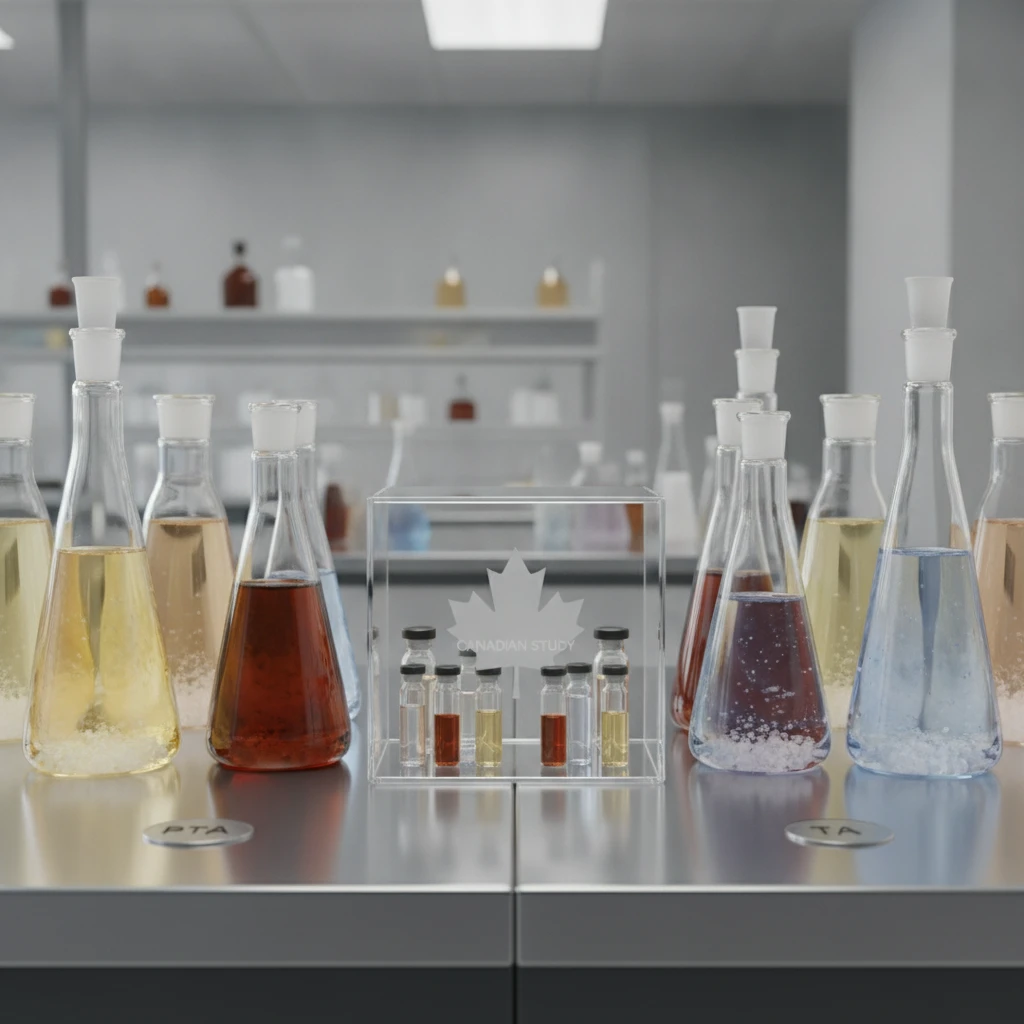
The intricate world of ibogaine research in Canada demands a meticulous understanding of its various forms. From traditional Iboga root bark extracts to highly refined pharmaceutical derivatives, each offers unique therapeutic potential and research avenues. For Canadian scientists and ethnobotanical explorers, distinguishing between Pure Total Alkaloid (PTA) and Total Alkaloid (TA) ibogaine is paramount for achieving precise results and ensuring compliance.
This detailed comparison delves into the nuanced alkaloid ratios of PTA versus TA ibogaine, providing essential insights for researchers aiming to isolate specific effects, explore synergistic interactions, or replicate traditional practices. Understanding these profiles is critical for advancing our knowledge within the rigorous framework of Health Canada’s regulations.
The Critical Role of Alkaloid Specificity in Ibogaine Research and Ethnobotanical Exploration
Demystifying the Iboga Alkaloid Spectrum
Tabernanthe iboga is a botanical powerhouse, producing a complex array of indole alkaloids, not merely ibogaine. While ibogaine is the most studied and often the primary focus, the plant naturally synthesizes over a dozen related compounds, including noribogaine, ibogamine, tabernanthine, and coronaridine. Each of these iboga alkaloids possesses a distinct pharmacological profile, influencing neurotransmitter systems in various ways. For instance, noribogaine, a primary metabolite of ibogaine, exhibits a longer half-life and plays a significant role in the sustained effects often associated with ibogaine experiences. Understanding this broad spectrum is fundamental for any comprehensive research.
The Scientific Imperative for Precise Compound Selection
For scientific research, particularly in fields like neuropharmacology and addiction science, the ability to select compounds with known and consistent alkaloid profiles is non-negotiable. Reproducibility of results hinges on the precise composition of the tested substance. Using an extract with an undefined or variable alkaloid ratio can introduce confounding variables, making it challenging to attribute observed effects to specific compounds. This imperative extends to clinical translation, where consistent and well-characterized formulations are essential for safety and efficacy. Researchers must prioritize sources that provide transparent Certificates of Analysis (CoAs) to ensure the integrity of their studies, especially when dealing with ibogaine supply and compliance in Canada.
Understanding Total Alkaloid (TA) Ibogaine: A Spectrum of Natural Synergies
Composition Profile: Beyond Ibogaine HCL
Total Alkaloid (TA) ibogaine represents a crude extract from the Tabernanthe iboga root bark, containing a broad spectrum of its naturally occurring alkaloids. Unlike highly purified ibogaine HCL, which isolates the primary compound, TA preserves the natural synergy of the plant’s constituents. While ibogaine typically remains the predominant alkaloid, its concentration in TA usually ranges from 20% to 50%, with the remainder comprising a significant percentage of minor alkaloids. This broader profile is thought by some ethnobotanical researchers to contribute to a distinct “entourage effect,” where the combined action of multiple compounds yields outcomes different from the sum of individual isolates. The balance of these alkaloids can vary depending on the source and extraction method.
Traditional Context and Ethnobotanical Value of TA Extracts
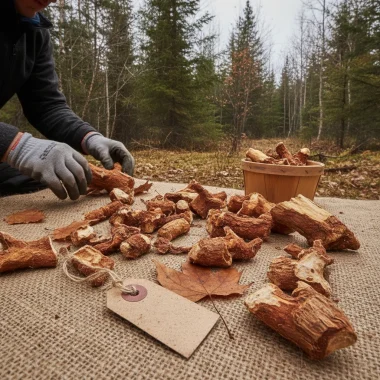
TA extracts closely mirror the traditional preparations of Iboga root bark used for centuries in spiritual and healing ceremonies within indigenous cultures, particularly the Bwiti tradition. These traditional uses emphasize the holistic experience provided by the entire plant matrix, suggesting that the full spectrum of alkaloids contributes to the profound and often transformative effects reported. For ethnobotanical collectors and researchers interested in understanding the plant’s historical and cultural significance, TA provides a crucial link to these practices. Its value lies not just in its chemical composition but also in its representation of the plant’s full natural complexity, making it a subject of significant interest for those studying traditional plant medicines in Canada.
Pure Total Alkaloid (PTA) Ibogaine: Maximizing Ibogaine Concentration for Study
The Refinement Process and Alkaloid Enrichment
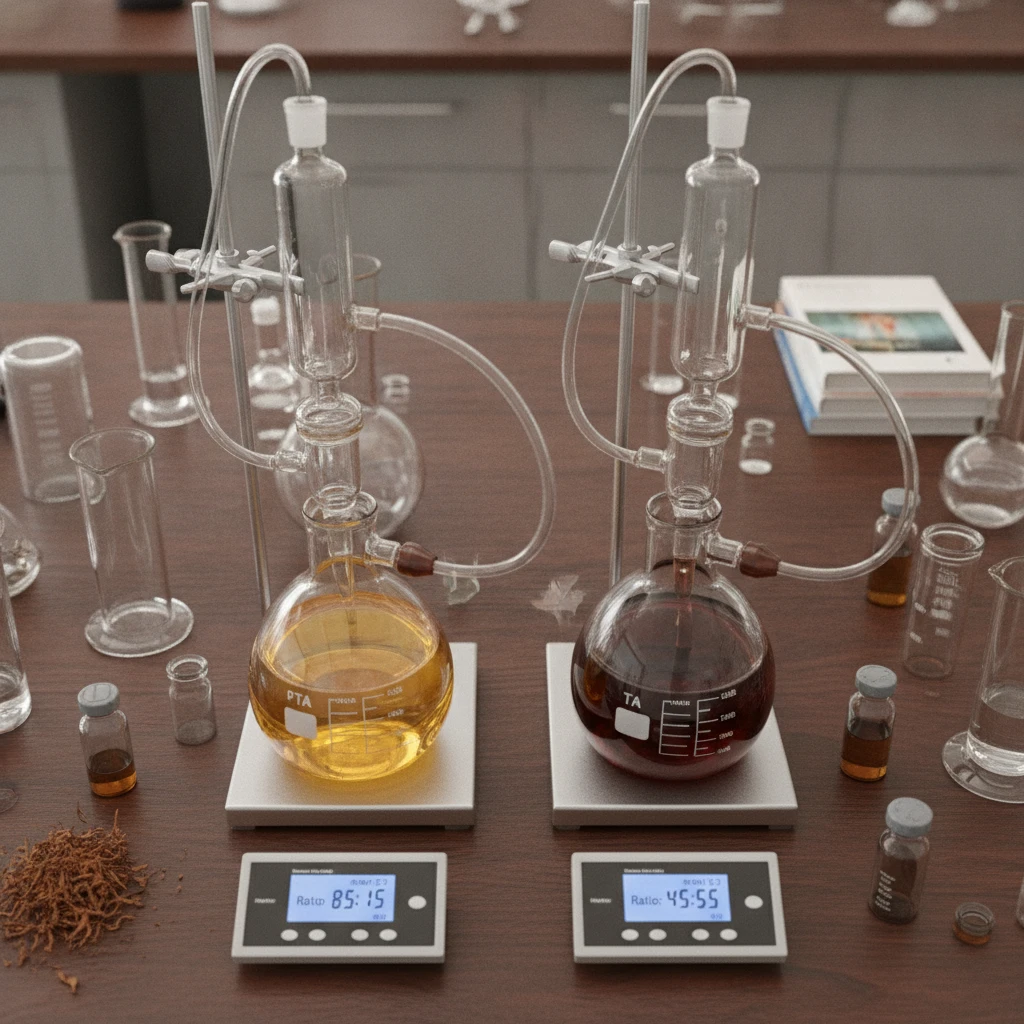
Pure Total Alkaloid (PTA) ibogaine represents a refined step beyond TA, undergoing further purification processes designed to significantly increase the concentration of ibogaine while still retaining a portion of the other naturally occurring alkaloids. This refinement typically involves sequential solvent extractions and chromatographic separation techniques that selectively enrich ibogaine. The goal is to maximize the primary active compound’s presence without fully isolating it, thus bridging the gap between crude TA extracts and pure ibogaine HCL for sale. This process results in a product that offers a higher degree of consistency in its main active component while preserving some of the synergistic potential from the plant’s other compounds, making it suitable for specific research applications.
Typical Alkaloid Ratios in PTA Formulations
In PTA formulations, the concentration of ibogaine is notably higher than in TA, often ranging from 75% to 90% or even higher. While the purification process is designed to elevate ibogaine, minor alkaloids like noribogaine, ibogamine, and tabernanthine are still present, albeit in reduced proportions compared to TA. For example, a typical PTA batch might contain 85% ibogaine, 5% noribogaine, and smaller percentages of other related alkaloids. These ratios are critical for researchers who require a high concentration of ibogaine for their studies but wish to investigate potential modulatory effects of the remaining trace alkaloids. Transparent labeling and detailed analytical reports are essential for confirming these precise ratios.
Detailed Comparison: PTA vs TA Alkaloid Ratios for Research Precision
Primary Alkaloid Presence: Ibogaine and Noribogaine in Each
The most significant distinction between PTA and TA lies in their primary alkaloid concentrations, particularly ibogaine and its active metabolite, noribogaine. In TA, ibogaine content typically ranges from 20-50%, with a more substantial presence of other minor alkaloids that can vary significantly. PTA, on the other hand, is refined to achieve an ibogaine content of 75-90% or even higher, thereby reducing the relative proportion of other compounds. Noribogaine, a crucial component often formed metabolically from ibogaine, is present in both, but its initial concentration in the extract will differ based on the level of purification. Researchers studying specific mechanisms may prefer the higher ibogaine concentration of PTA for better dose-response clarity, while those exploring traditional contexts might lean towards TA for its broader alkaloid profile and potential broader interaction network.
Minor Alkaloids and Their Potential Contribution to Effects
Beyond ibogaine and noribogaine, the presence and concentration of minor alkaloids suchate ibogamine, tabernanthine, and coronaridine, differentiate TA and PTA. TA contains a more diverse and quantitatively richer array of these minor alkaloids, which may contribute to what is often described as a more “full spectrum” experience, echoing traditional uses. These minor alkaloids can interact synergistically with ibogaine, potentially influencing its pharmacokinetics, pharmacodynamics, or even contributing unique effects. In PTA, while these minor alkaloids are still present, their concentrations are significantly reduced, leading to a profile that is more heavily weighted towards ibogaine itself. Understanding these subtle differences is crucial for researchers investigating the complex pharmacology of ethnobotanical research compounds and their potential impact on neurobiological pathways.
Navigating Purity Standards for Canadian Research
For Canadian researchers, adhering to strict purity standards is paramount, especially given that ibogaine is on Health Canada’s Prescription Drug List. Whether utilizing TA or PTA, laboratories must demand comprehensive Certificates of Analysis (CoAs) that detail the entire alkaloid profile, not just ibogaine content. This includes verifying the absence of contaminants and ensuring accurate quantification of all major and minor alkaloids. Such rigorous documentation is essential for maintaining research integrity, enabling reproducibility, and supporting future clinical translations. Without verified purity and precise alkaloid ratios, the validity of research findings can be compromised, underscoring the importance of sourcing from reputable suppliers who prioritize analytical transparency and Health Canada compliance.
Implications of Alkaloid Ratios for Pharmacological & Neuroscientific Studies
The distinction between Pure Total Alkaloid (PTA) and Total Alkaloid (TA) ibogaine extracts is paramount for researchers conducting pharmacological and neuroscientific investigations. While ibogaine HCL represents a highly purified, single-molecule compound, TA extracts contain ibogaine alongside a broader spectrum of naturally occurring indole alkaloids present in the iboga root bark Canada, such as tabernanthine, ibogaline, and coronaridine. PTA, in contrast, aims to isolate ibogaine with a very high purity while retaining trace amounts of specific other alkaloids, offering a nuanced profile distinct from both the raw root bark and crystalline HCL. These varying alkaloid ratios can significantly influence receptor binding profiles, metabolic pathways, and overall therapeutic or research effects, necessitating careful consideration in study design.
Understanding the interplay between these alkaloids is critical for attributing specific biological activities. For instance, some research suggests that other iboga alkaloids might modulate ibogaine’s efficacy or duration of action, or contribute to its distinct anecdotal effects. Researchers must recognize that comparing findings from studies using different extract types (e.g., ibogaine HCL versus a TA extract) without accounting for these compositional differences can lead to inconsistent or incomparable data. This specificity is crucial when investigating mechanisms of action or potential neuroplastic changes.
Designing Studies: Structure-Activity Relationship (SAR) Analysis
When designing studies focused on the structure-activity relationship (SAR) of ibogaine and its derivatives, the choice between PTA and TA extracts is a foundational decision. SAR analysis typically seeks to correlate specific chemical structures with their biological activities. Using pure ibogaine HCL allows for direct attribution of observed effects to the ibogaine molecule itself, providing a clean baseline for pharmacological evaluation. However, TA extracts, with their complex blend of alkaloids, present an opportunity to explore potential synergistic or antagonistic interactions among the constituent compounds. This is particularly relevant for understanding the “entourage effect” often hypothesized in botanical medicines.
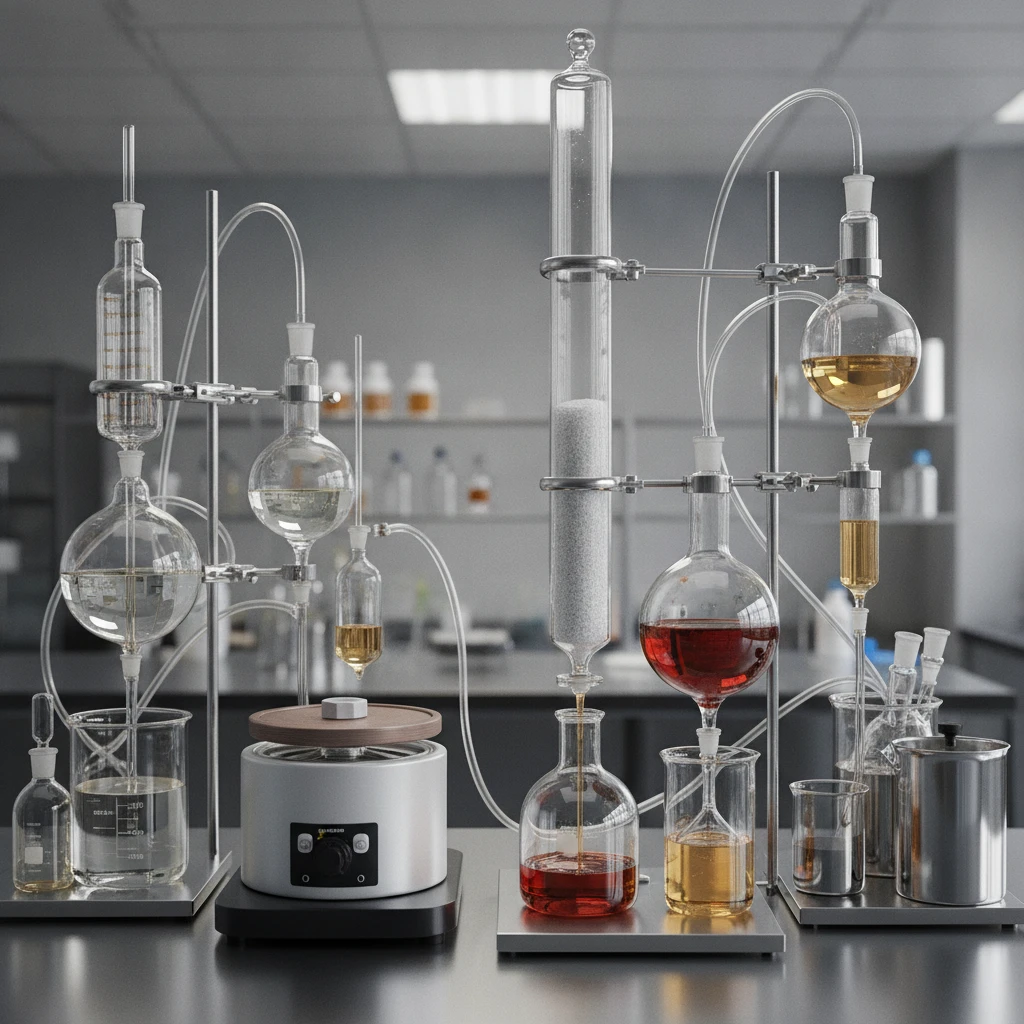
To effectively conduct SAR analysis with complex extracts, researchers can employ techniques such as analytical fractionation, where the TA extract is systematically separated into its individual components, each of which is then tested. This allows for the identification of active constituents beyond ibogaine and the characterization of their individual and combined pharmacological profiles. Pitfalls include the inherent variability of natural extracts, which can complicate reproducibility. Therefore, rigorous chemical characterization of each batch of TA or PTA Health Canada compliant research material is essential, employing advanced techniques like HPLC-MS or GC-MS to confirm the exact alkaloid ratios before initiating any biological assays. This ensures that observed effects can be accurately correlated with the specific chemical composition.
In-vitro vs. In-vivo Applications: Choosing the Right Extract
The selection between PTA and TA ibogaine extracts for in-vitro (cell culture, biochemical assays) versus in-vivo (animal models, human research) applications hinges on the study’s primary objective. For in-vitro studies aiming to elucidate specific molecular targets or receptor binding kinetics, highly purified ibogaine HCL or a carefully characterized PTA extract is often preferred. This minimizes confounding variables and allows for precise control over the concentration of the primary alkaloid, facilitating clearer interpretations of dose-response relationships and mechanism of action studies at a cellular level. Researchers investigating specific enzyme inhibition or ion channel modulation would benefit from the reduced complexity of a purified compound, offering greater specificity in their findings.
Conversely, in-vivo studies, particularly those exploring broader physiological or behavioral effects, might benefit from using TA extracts. These extracts more closely mimic the natural composition found in the iboga plant, potentially offering a more ecologically valid model for understanding the plant’s traditional effects. When using TA extracts in-vivo, it’s crucial to acknowledge the potential for metabolic conversion of various alkaloids and their collective contribution to the overall observed effect. For example, the metabolism of tabernanthine could produce distinct active metabolites that interact with ibogaine’s effects. Researchers must develop robust analytical methods to track the pharmacokinetics of multiple alkaloids and their metabolites, ensuring that the chosen extract aligns with the hypothesis and provides relevant data for the intended application, whether it’s understanding neurochemical changes or complex behavioral outcomes. The ultimate goal is to select the extract that best supports the research question, recognizing the trade-offs between precision and holistic representation.
Considerations for Dosage Standardization and Data Reproducibility
Achieving dosage standardization and ensuring data reproducibility are paramount challenges when working with ibogaine extracts, particularly with PTA and TA formulations due to their inherent compositional variability. Unlike pure compounds like ibogaine HCL for sale, which can be dosed precisely by weight to achieve a specific molar concentration, TA extracts present a complex challenge where the active components are numerous and their exact concentrations can vary between batches. For dosage standardization, researchers must rely heavily on detailed Certificates of Analysis (CoA) for each batch, which quantifies the major alkaloid concentrations, especially ibogaine, tabernanthine, and others. Dosing for TA extracts often refers to the total alkaloid content or the ibogaine equivalent, but this simplification can obscure the contributions of other compounds.
To enhance data reproducibility, a rigorous approach to extract characterization is indispensable. Beyond basic CoAs, employing advanced analytical techniques such as quantitative NMR or comprehensive chromatography (HPLC-MS/MS) on every batch used in a study can provide a fingerprint of the extract’s precise alkaloid profile. This detailed chemical information should be meticulously recorded and reported in publications, allowing other researchers to replicate experiments with comparable materials. Example: A study investigating neurogenesis might use a TA extract with 25% ibogaine, 5% tabernanthine, and 2% ibogaline. If a subsequent study uses a TA extract with 20% ibogaine, 8% tabernanthine, and 1% ibogaline, direct comparison of results without acknowledging these differences would be scientifically unsound. Establishing clear guidelines for reporting extract composition is vital for advancing the field of ethnobotanical research compounds.
Health Canada Regulations & Legal Considerations for Ibogaine Derivatives
Navigating the regulatory landscape for ibogaine derivatives in Canada requires a thorough understanding of Health Canada’s stipulations and the Controlled Drugs and Substances Act (CDSA). While ibogaine itself is not explicitly listed in the schedules of the CDSA, its inclusion on the Prescription Drug List (PDL) by Health Canada signifies its classification as a prescription drug. This means that possession, sale, and use are regulated, limiting access primarily to licensed practitioners for specific, approved medical purposes, or for legitimate research under appropriate authorizations. For ethnobotanical collectors and researchers, this necessitates strict adherence to legal frameworks, ensuring that all acquisition and handling of ibogaine and its derivatives, including iboga root bark Canada, PTA vs TA ibogaine extracts, and ibogaine HCL for sale, are conducted lawfully and for approved purposes only. Products supplied are strictly for ethnobotanical collection, research, souvenir, or ornamental purposes only and are not for human consumption.
The regulatory complexity extends to the various forms of ibogaine. Whether dealing with raw iboga root bark powder, purified ibogaine HCL, or the spectrum of PTA and TA extracts, each form falls under the same general regulatory scrutiny as a prescription drug. Misinterpretations of these regulations can lead to severe legal consequences. It is paramount for all entities involved, from suppliers to researchers, to ensure Health Canada compliance and verification of local laws before engaging with these compounds. This diligent approach safeguards both the individual and the integrity of scientific and ethnobotanical pursuits within Canada.
Ibogaine’s Status on the Prescription Drug List (PDL)
Health Canada’s decision to place ibogaine on the Prescription Drug List (PDL) significantly shapes its availability and legal use across Canada. This classification means that ibogaine is considered a substance that requires a prescription from a licensed practitioner for its therapeutic use, effectively removing it from the over-the-counter market. For researchers, this implies that any study involving the administration of ibogaine to humans, even in clinical trial settings, must be conducted under the stringent oversight of Health Canada’s regulatory pathways, such as the Special Access Program or through a Clinical Trial Application. This regulatory framework ensures patient safety and scientific rigor.
The PDL status also impacts the importation and distribution of ibogaine and its derivatives. Any entity wishing to import or distribute these substances for research or other approved purposes must possess the appropriate licenses and permits issued by Health Canada. For suppliers offering ibogaine HCL for sale or various ibogaine supply in Canada, maintaining strict records and adhering to Good Manufacturing Practices (GMP) or equivalent quality standards is critical. This ensures the purity and quality of the product, which is vital for any research compound. It is a common pitfall for individuals or organizations to mistakenly believe that because ibogaine is not scheduled under the CDSA, it is unregulated, leading to potential legal complications. Adherence to the PDL provisions is non-negotiable for all interactions with ibogaine within Canada.
Navigating the Controlled Drugs and Substances Act (CDSA) for Research
While ibogaine itself is listed on the Prescription Drug List, not the schedules of the Controlled Drugs and Substances Act (CDSA), researchers must still be acutely aware of how the CDSA impacts other substances and broader research practices. The CDSA categorizes substances into schedules based on their potential for harm and abuse, dictating specific regulations for possession, production, and distribution. For instance, substances like ketamine powder Canada (Schedule I) and 5-MeO-DMT powder, DMT vape cartridges Canada, and magic mushrooms Canada (all Schedule III) are explicitly controlled under this Act. Although ibogaine is not scheduled, many psychedelic research compounds are, meaning that laboratories or institutions working with a range of psychoactive substances must maintain comprehensive protocols for CDSA compliance.
Navigating the CDSA for research requires obtaining specific Section 56 exemptions or Dealer’s Licenses from Health Canada for controlled substances. Even when working with ibogaine, understanding the CDSA is crucial because research often involves comparison with scheduled compounds or explores poly-drug interactions. Researchers must ensure that their facilities, security measures, record-keeping, and personnel training meet the rigorous standards mandated by the CDSA for any scheduled substances they may handle. This integrated approach to regulatory compliance protects researchers and institutions from legal repercussions and upholds the highest standards of ethical research. Always verify your local laws and Health Canada regulations before ordering any Tabernanthe iboga, requires adherence to principles of sustainability and fair benefit sharing, often guided by agreements like the Nagoya Protocol, even if not directly legislated in Canada for all aspects. When sourcing iboga root bark Canada, suppliers must demonstrate a clear chain of custody, ensuring that the plant material is acquired legally and ethically from its origin. This includes verifying that local communities are compensated fairly and that harvesting practices are sustainable to prevent overexploitation.
The supply chain for ibogaine HCL for sale, PTA, or TA extracts must be transparent and traceable. This means documenting every step, from raw material acquisition to extraction and purification processes. For Canadian suppliers, this also involves ensuring that all products are explicitly labeled for ethnobotanical collection, research, souvenir, or ornamental purposes only and strictly not for human consumption, aligning with Health Canada’s regulations. Example: A supplier offering TA ibogaine must provide documentation proving the root bark was sourced from a sustainably managed farm in Cameroon, imported legally into Canada, and then processed in a licensed facility, with final product analysis confirming alkaloid profiles. This rigorous approach is fundamental for legal operation and maintaining trust within the research and ethnobotanical community, particularly when dealing with sensitive ethnobotanical research compounds.
Sourcing High-Purity Ibogaine Extracts in Canada: What to Look For
Sourcing high-purity ibogaine extracts in Canada for research or ethnobotanical purposes demands meticulous attention to quality, transparency, and compliance. Given the regulatory landscape and the critical nature of these compounds for scientific inquiry, selecting a reputable supplier is paramount. Researchers seeking ibogaine HCL for sale, PTA, or TA ibogaine extracts must prioritize vendors who can provide comprehensive documentation verifying the product’s identity, purity, and safety. This involves more than just a basic label; it requires a deep dive into the supplier’s quality control processes and analytical capabilities. The primary goal is to ensure that the material received is precisely what is expected, free from contaminants, and consistent across batches, which is foundational for reliable research outcomes. For those engaged in ethnobotanical research, the authenticity and sustainability of Canadian ibogaine supply is equally important.
Key indicators of a trustworthy supplier include their willingness to share detailed Certificates of Analysis (CoA), their ethical sourcing practices for iboga root bark Canada, and their adherence to strict storage and handling guidelines. The burgeoning interest in ethnobotanical research compounds has also led to a greater scrutiny of the supply chain, pushing for more accountability. Researchers should always inquire about the origin of the raw material, the extraction methods used, and the quality assurance procedures implemented at every stage. This due diligence ensures that the compounds are suitable for sensitive pharmacological and neuroscientific studies and are supplied strictly for ethnobotanical collection, research, souvenir, or ornamental purposes only and not for human consumption.
Importance of Certificates of Analysis (CoA)
The Certificate of Analysis (CoA) is the cornerstone of trust and quality assurance when sourcing ibogaine extracts. A comprehensive CoA provides verifiable data on the extract’s chemical composition, purity, and the absence of contaminants, making it an indispensable document for any researcher. For ibogaine HCL for sale, a CoA should specify the percentage of ibogaine, any residual solvents, heavy metals, and microbiological contaminants. For PTA vs TA ibogaine extracts, the CoA must detail the concentrations of major and minor alkaloids present, giving researchers a precise alkaloid profile to work with. This level of detail is critical for experimental design, allowing researchers to accurately account for the compound’s characteristics and ensure Health Canada compliance.
A reliable supplier will readily provide a batch-specific CoA, ideally from an independent third-party laboratory, for every order. Pitfalls include relying on generic CoAs that do not correspond to the specific batch being purchased, or CoAs that are incomplete or lack independent verification. Researchers should scrutinize CoAs for clear identification of the testing laboratory, the analytical methods used (e.g., HPLC, GC-MS, ICP-MS), and the reporting of limits of detection. Example: A CoA for a TA extract might show 85% ibogaine, 5% tabernanthine, and trace amounts of coronaridine, with undetectable levels of lead and mercury. This robust data empowers researchers to make informed decisions about the suitability of the material for their specific studies and is essential for reproducible scientific work.
Verifying Supplier Transparency and Ethical Sourcing
Verifying supplier transparency and ethical sourcing is a critical step in acquiring ibogaine extracts, extending beyond just chemical purity to encompass environmental and social responsibility. Ethical sourcing for iboga root bark Canada involves ensuring that the plant material is harvested sustainably from its native regions, protecting biodiversity and supporting local communities. Suppliers should be able to articulate their sourcing strategy, demonstrating that they engage with responsible growers or collectors who employ sustainable practices and adhere to fair trade principles. This not only aligns with ethical considerations but also often correlates with the quality and authenticity of the ethnobotanical research compounds.
Transparency also refers to the supplier’s operational practices, including their manufacturing processes, quality control protocols, and regulatory adherence. A transparent supplier will be open about their extraction methods, their purification standards for ibogaine HCL, and how they differentiate between PTA vs TA ibogaine extracts. They should also clearly communicate that their products are supplied strictly for ethnobotanical collection, research, souvenir, or ornamental purposes only and are not for human consumption. Researchers should investigate supplier reputation, look for certifications if applicable, and engage in direct communication to assess their commitment to these principles. Avoid suppliers who are vague about their origins or unwilling to provide comprehensive information, as this can indicate a lack of quality control or adherence to responsible sourcing practices.
Storage, Stability, and Handling Guidelines for Alkaloid Integrity
Maintaining the alkaloid integrity of ibogaine extracts, whether ibogaine HCL, PTA, or TA, requires strict adherence to proper storage, stability, and handling guidelines. Ibogaine and its related indole alkaloids are sensitive to environmental factors such as light, heat, moisture, and oxygen, which can lead to degradation and alter the alkaloid profile. For optimal stability, extracts should typically be stored in cool, dark, and dry conditions, often in airtight containers under an inert atmosphere (e.g., nitrogen or argon) to prevent oxidation. Refrigeration or freezing may be recommended for long-term storage, depending on the specific form and the supplier’s recommendations.
Handling protocols are equally important. Minimizing exposure to air and moisture during weighing and transfer operations is crucial. Using appropriate laboratory equipment, such as desiccators for storage and gloved hands, prevents contamination and degradation. For liquid formulations or solutions, factors like solvent choice, pH, and concentration can also influence stability. Suppliers should provide specific stability data and handling instructions tailored to their products. Example: A batch of ibogaine HCL stored at room temperature in an open container for several weeks might show a significant reduction in purity compared to one stored in a sealed, refrigerated amber vial. Following these guidelines is not merely a best practice; it is essential for ensuring the consistency, safety, and pharmacological reliability of ethnobotanical research compounds throughout the duration of any study, maintaining the integrity of the iboga root bark Canada derivatives.
Harm Reduction & Responsible Practices in Ibogaine Research and Ethnobotany
Harm reduction and responsible practices are non-negotiable principles in all facets of ibogaine research and ethnobotany, particularly given the potency and complex pharmacology of these substances. For researchers, this means prioritizing the safety and well-being of participants in clinical trials or animal studies, adhering to stringent ethical guidelines, and ensuring that all experiments contribute meaningfully to scientific knowledge. For ethnobotanical collectors and suppliers, responsible practices extend to the ethical sourcing of iboga root bark Canada, ensuring sustainable harvesting, and providing accurate information about the compounds’ properties and legal status. Crucially, all products, including ibogaine HCL for sale, PTA, and TA ibogaine extracts, are supplied strictly for ethnobotanical collection, research, souvenir, or ornamental purposes only and are not for human consumption. This fundamental disclaimer underpins all interactions, emphasizing the legal and safety boundaries.
A robust harm reduction framework also encompasses comprehensive education on potential risks, contraindications, and appropriate handling. This is especially vital when dealing with potent ethnobotanical research compounds. The goal is to minimize adverse outcomes by fostering an environment of informed consent, transparency, and professional oversight. For anyone interacting with ibogaine derivatives, it is imperative to verify their local laws and Health Canada regulations before ordering, recognizing the Prescription Drug List status of ibogaine and the broader regulatory environment for psychoactive substances. Responsible practices ultimately safeguard public health, promote ethical research, and preserve the integrity of traditional ethnobotanical knowledge.
The Imperative for Controlled Environments and Expert Oversight
The imperative for controlled environments and expert oversight in ibogaine research cannot be overstated. Given the profound physiological and psychological effects of ibogaine and its derivatives, any research involving human or animal subjects must be conducted within a highly controlled setting, under the direct supervision of qualified professionals. This includes medical doctors, pharmacologists, neuroscientists, and trained support staff who are proficient in managing potential adverse reactions and monitoring vital signs. The environment must be equipped for emergency medical intervention, and protocols for managing acute intoxication or cardiovascular events must be established and rigorously followed. This applies not just to clinical trials but also to animal studies where precise dosing and observation are critical.
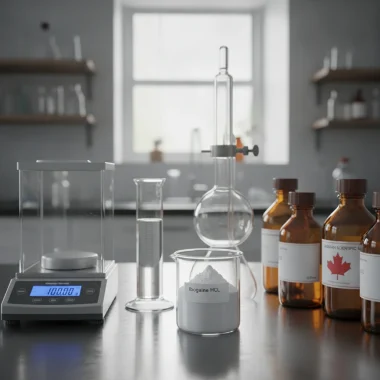
Expert oversight also extends to the analytical and preparative stages of research. Laboratories working with ibogaine HCL for sale, PTA, or TA ibogaine extracts must employ experienced chemists and technicians to ensure accurate weighing, dissolution, and formulation, minimizing errors that could compromise data integrity or safety. Regular audits of facilities, equipment calibration, and personnel training are essential for maintaining these high standards. Without a strictly controlled environment and expert supervision, the risks associated with ibogaine research—ranging from experimental inaccuracy to severe health consequences—become unacceptably high. This due diligence ensures that all ethnobotanical research compounds are handled with the utmost care and professionalism, adhering to the highest ethical and scientific standards.
Understanding Contraindications and Potential Interactions
A comprehensive understanding of contraindications and potential interactions is fundamental for responsible ibogaine research and harm reduction. Ibogaine has a complex pharmacological profile, including effects on cardiac function (e.g., QT prolongation) and interactions with various neurotransmitter systems. Therefore, individuals with pre-existing cardiovascular conditions, liver disease, or certain psychiatric disorders are typically contraindicated for ibogaine administration in therapeutic contexts, though research aims to explore these boundaries. Researchers must be acutely aware of any medications or substances participants might be taking that could interact negatively with ibogaine, leading to enhanced toxicity or altered metabolic pathways. This includes other psychoactive compounds, prescription medications, and even herbal supplements. For example, combining ibogaine with substances that also prolong the QT interval can significantly increase the risk of serious cardiac arrhythmias.
Prior to any administration in human or animal studies, thorough screening protocols are indispensable. This involves detailed medical history questionnaires, physical examinations, and diagnostic tests (e.g., ECG, liver function tests) to identify any contraindications. Research protocols must explicitly outline drug-drug interaction risks and provide clear guidelines for managing them. This proactive approach is a cornerstone of harm reduction, ensuring that participants are not unnecessarily exposed to risk. For individuals interested in ethnobotanical applications or microdosing psilocybin capsules, similar attention to contraindications is critical, even if the legal frameworks differ. Responsible research and use demand a meticulous appreciation for ibogaine’s potent effects and its complex interactions within the biological system, promoting safety above all else when dealing with ethnobotanical research compounds like iboga root bark Canada derivatives.
Future Directions: Advancing Ibogaine Research with Tailored Alkaloid Formulations
The nuanced distinction between Pure Total Alkaloid (PTA) and Total Alkaloid (TA) ibogaine formulations is increasingly central to refining research protocols for iboga derivatives within the Canadian scientific community. Researchers must critically evaluate the choice between PTA’s concentrated ibogaine profile and TA’s broader spectrum of accompanying alkaloids from the Tabernanthe iboga plant. This decision directly impacts the pharmacological specificity and the potential for synergistic effects in experimental designs. For instance, PTA is often favored for studies isolating ibogaine’s mechanism of action, while TA offers an avenue to explore the “entourage effect” of the full plant matrix. A key pitfall lies in overlooking the potential modulatory effects of minor alkaloids present in TA, or conversely, limiting insights by exclusively focusing on PTA and thereby neglecting the holistic traditional context of whole plant medicine. To ensure reproducibility and precise characterization for each study, comprehensive spectroscopic analysis, such as HPLC-MS, of both PTA and TA batches is an indispensable actionable step.
The Potential for Targeted Therapeutic Development (Under Investigation)
Current investigations are exploring the hypothesis that specific alkaloid ratios might enable the targeted modulation of neurological pathways or conditions. For example, a hypothetical Canadian research initiative could explore whether a formulation with a higher concentration of ibogaine and noribogaine, characteristic of PTA, demonstrates superior efficacy in models examining opioid receptor modulation. Conversely, a TA formulation, naturally enriched with other iboga alkaloids like voacangine or ibogamine, might be investigated for broader neurotrophic or anti-inflammatory effects relevant to diverse neurological conditions. This area remains speculative and is subject to rigorous scientific scrutiny, reflecting the foundational principles endorsed by organizations like the World Health Organization for responsible health research. The ultimate goal is to discern how these nuanced alkaloid profiles translate into differentiated pharmacological outcomes, moving beyond a generalized approach to ibogaine research. It is crucial to reiterate that all such investigations are strictly for research and ethnobotanical purposes and are not intended for human consumption, in strict adherence to Health Canada guidelines and the Controlled Drugs and Substances Act.
Bridging Traditional Knowledge with Modern Scientific Inquiry
The rich history of traditional African Bwiti practices provides a profound foundation, having long utilized various preparations of iboga root bark, implicitly recognizing differential effects based on preparation methods and plant parts. Modern scientific inquiry, particularly in the ethnobotanical research compounds sector, seeks to systematically elucidate these historical observations. By meticulously analyzing the alkaloid profiles of traditionally prepared materials alongside standardized PTA and TA, researchers can gain invaluable insights into why specific preparations were historically favored for particular purposes. This bridge between traditional understanding and contemporary science is vital for respectful innovation. For instance, comprehending the traditional use of distinct Tabernanthe iboga cultivars or varied processing methods can inform targeted hypotheses about specific alkaloid synergies, guiding controlled studies with high-purity ethnobotanical research compounds. This collaborative methodology not only acknowledges the plant’s deep cultural significance but also applies rigorous scientific methodologies to unlock its full research potential, aligning with the principles outlined for responsible Canadian ibogaine supply and compliance.
The evolving understanding of PTA versus TA ibogaine ratios marks a critical advancement in the field of ethnobotanical and pharmacological research. This sophisticated approach promises not only to refine our scientific understanding of iboga’s complex chemistry but also to foster a deeper, more respectful engagement with its profound traditional heritage, all within the stringent framework of Canadian regulatory compliance.