The landscape of psychedelic research in Canada is undergoing a profound transformation, with increasing scientific interest in compounds like ibogaine for their potential therapeutic applications. As a complex alkaloid derived from the Tabernanthe iboga plant, ibogaine presents unique challenges and opportunities for Canadian researchers. Its intricate pharmacology and legal classification necessitate a rigorous approach to sourcing and compliance.
This guide aims to demystify the process for Canadian institutions and researchers seeking high-purity ibogaine and related ethnobotanical research compounds. We will delve into the scientific methodologies, regulatory frameworks, and ethical considerations essential for responsible engagement with this powerful substance in the evolving Canadian research environment.
The Evolving Landscape of Ibogaine Research in Canada
Emerging Neuropharmacological Applications in Canadian Labs
Canadian research institutions are increasingly exploring the diverse neuropharmacological properties of ibogaine beyond its traditional association with addiction interruption. Modern studies are investigating its potential in areas such as neuroplasticity, memory, and even neurodegenerative conditions, positioning it as a compound of significant interest for basic science. Researchers are employing advanced techniques like Health Canada-approved in-vitro models and electrophysiological studies to understand ibogaine’s interactions with various receptor systems, including NMDA, serotonin, and opioid receptors. This shift towards a broader understanding of its mechanisms suggests a future where ibogaine’s applications could extend well beyond its current scope, requiring meticulous controls over research-grade compounds.
Health Canada’s Approach to Novel Psychedelic Compounds
Health Canada maintains a cautious yet evolving stance on novel psychedelic compounds, including ibogaine. While ibogaine itself is not listed under the Controlled Drugs and Substances Act (CDSA), its placement on the Prescription Drug List (PDL) means it is regulated as a prescription medication. This designation significantly impacts research, requiring institutional review board (IRB) approval and adherence to specific protocols for procurement, storage, and handling. For researchers, understanding these nuanced regulations is paramount to ensuring compliance and avoiding legal pitfalls. The regulatory environment demands transparency in research objectives and stringent oversight for any studies involving human subjects, even when operating under special access programs for other psychedelic substances.
The Role of Ibogaine in Advancing Addiction Science
Ibogaine has long been recognized for its purported ability to interrupt drug withdrawal symptoms and reduce cravings, particularly for opioids. In Canada, research continues to explore these anti-addictive properties, seeking to elucidate the underlying neurobiological mechanisms responsible for its efficacy. Studies focus on ibogaine’s metabolic conversion to noribogaine and its sustained action, which may contribute to prolonged anti-craving effects. This research is critical for developing new pharmacological treatments for substance use disorders, potentially offering novel pathways where conventional therapies have fallen short. The goal is to move beyond anecdotal evidence and establish robust, peer-reviewed scientific data that could inform future therapeutic interventions, emphasizing the need for high-quality, standardized research compounds.

Understanding the Spectrum of Ibogaine Research Compounds
Ibogaine HCl for Sale Canada: Purity and Standardization
For scientific research, the purity and standardization of ibogaine hydrochloride (HCl) are non-negotiable. Ibogaine HCl is the most common form utilized in laboratory settings due to its high purity and precise alkaloid concentration, allowing for accurate dosage and repeatable experimental results. Researchers sourcing ibogaine HCl for sale in Canada must prioritize suppliers who provide comprehensive Certificates of Analysis (CoAs). These documents should detail the compound’s identity, purity (typically >98%), and absence of contaminants, often verified through techniques like High-Performance Liquid Chromatography (HPLC), Mass Spectrometry (MS), and Nuclear Magnetic Resonance (NMR). Consistent purity is critical for maintaining experimental validity and ensuring the safety of any preclinical studies.
Differentiating PTA vs TA Ibogaine: Alkaloid Profiles and Research Suitability
Beyond isolated Ibogaine HCl, researchers often encounter Pure Total Alkaloid (PTA) and Total Alkaloid (TA) extracts. Differentiating PTA vs TA ibogaine is crucial for specific research objectives. PTA refers to an extract where ibogaine is the predominant alkaloid, purified to a high degree but still containing a minor spectrum of other iboga alkaloids. TA, on the other hand, represents a broader extract from the iboga plant, containing a more complete profile of naturally occurring alkaloids, including ibogamine, tabernanthine, and coronaridine, alongside ibogaine. While Ibogaine HCl is preferred for studies requiring precise, isolated effects, TA and PTA extracts are valuable for investigating synergistic effects or replicating ethnobotanical preparations. The choice depends entirely on the research question, with each form offering distinct advantages.
Iboga Root Bark Canada: Ethnobotanical Significance and Research Potential
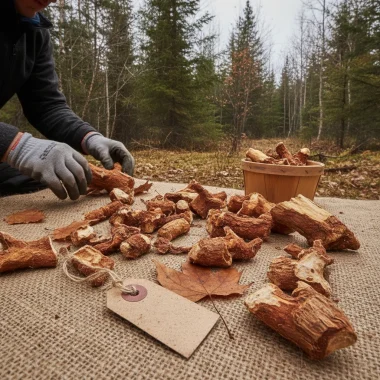
Iboga root bark, the raw botanical source of ibogaine, holds significant ethnobotanical and cultural importance, particularly in traditional Bwiti ceremonies. In Canada, researchers may procure iboga root bark for research to study its full alkaloid spectrum, historical preparation methods, or the effects of the plant matrix itself. While less precise for controlled pharmacological studies compared to purified alkaloids, whole root bark offers insights into traditional uses and the complex interplay of hundreds of compounds. Research into root bark often involves ethnobotanical analysis, phytochemical profiling, and investigating how traditional processing methods might alter its chemical composition and bioavailability. Understanding the traditional context and natural complexity of iboga root bark is a vital component of holistic plant medicine research.
Navigating Canadian Legalities for Ibogaine & Iboga Products
Ibogaine’s Status on Health Canada’s Prescription Drug List (PDL)
A critical aspect of ibogaine research in Canada is its legal standing. Ibogaine is not scheduled under the federal Controlled Drugs and Substances Act (CDSA), which governs most illicit substances. However, Health Canada has placed ibogaine on the Prescription Drug List (PDL). This classification means that ibogaine is recognized as a prescription-only medication, even though it is not yet approved for widespread therapeutic use. For researchers, this designation implies that any procurement, possession, or use of ibogaine must adhere to strict pharmaceutical handling standards, often requiring a licensed pharmacist or researcher with appropriate authority to obtain and manage the compound. Failing to observe these regulations can lead to severe legal penalties, underscoring the importance of meticulous compliance.
Controlled Drugs and Substances Act (CDSA) Implications for Related Botanicals
While ibogaine itself is not CDSA-scheduled, researchers must be vigilant about other compounds within the iboga plant or potential synthetic derivatives. The CDSA categorizes substances into schedules based on their perceived risk and potential for abuse. For instance, specific synthetic analogs of ibogaine could potentially fall under existing CDSA schedules if they mimic the effects of controlled substances. Furthermore, other entheogenic plant medicines, such as psilocybin and DMT, are explicitly listed under Schedule III of the CDSA. This distinction is crucial: while raw iboga root bark is generally less scrutinized than isolated ibogaine, researchers should ensure that their procurement and study of any related botanicals or derivatives do not inadvertently violate CDSA provisions, especially regarding novel psychoactive substances. Thorough legal review is always recommended for any new research chemical.
Mandatory ‘Research Only’ Designation for Procurement and Use
For Canadian laboratories and institutions, the procurement and use of ibogaine are strictly confined to a “research only” designation. This is not merely a formality but a legal imperative. Suppliers of research-grade ibogaine compounds will require documentation proving the legitimacy of the research institution, the credentials of the principal investigator, and a clear statement that the material is for non-human, laboratory-based scientific study only. This strict designation ensures that ibogaine does not enter the broader market or is misused. Researchers must maintain meticulous records of acquisition, inventory, usage, and disposal, making these available for audit. Adhering to the “research only” paradigm protects both the institution and individual researchers from legal liabilities and helps to preserve the integrity of scientific inquiry into this powerful compound. Documentation and accountability are paramount.

Sourcing High-Purity Ibogaine Online Canada for Scientific Study
Criteria for Verifying Compound Authenticity and Quality
Sourcing high-purity ibogaine online in Canada for scientific study demands a rigorous verification process. Researchers must establish stringent criteria for evaluating potential suppliers. Firstly, look for vendors that explicitly cater to the research community, providing transparency about their sourcing and manufacturing practices. Key indicators of authenticity include the provision of a comprehensive Certificate of Analysis (CoA) with every batch. This CoA should detail the product’s purity level, often expressed as a percentage, and confirm the absence of heavy metals, residual solvents, and other contaminants. Reputable suppliers will also provide clear data from analytical tests such as HPLC, GC-MS, and NMR, which scientifically validate the compound’s chemical structure and purity. Due diligence in supplier vetting is non-negotiable for critical research compounds.
The Value of Transparent Alkaloid Profiles and Third-Party Testing
Beyond basic purity, transparent alkaloid profiles are invaluable, particularly when working with Total Alkaloid (TA) or Pure Total Alkaloid (PTA) extracts. A detailed alkaloid profile quantifies the concentrations of major and minor alkaloids present, offering a complete picture of the compound’s composition. This information is vital for researchers aiming to understand the full pharmacological scope or replicate specific ethnobotanical effects. Furthermore, the commitment to third-party testing by an independent, accredited laboratory significantly enhances trust and verifies a supplier’s claims. Third-party results offer an unbiased assessment of purity and composition, acting as a crucial safeguard against mislabeled or contaminated products. Researchers should prioritize suppliers who voluntarily provide these external verification documents, demonstrating a commitment to scientific integrity and product reliability.
Ethical Sourcing and Sustainability in Iboga Supply Chains
The global demand for ibogaine and iboga products raises significant ethical and sustainability concerns. The Tabernanthe iboga plant is native to Central Africa, and its harvesting impacts local ecosystems and communities. Researchers have an ethical responsibility to ensure that their procurement practices do not contribute to unsustainable harvesting or exploitation. When sourcing ibogaine online in Canada, inquire about the supplier’s commitment to ethical sourcing, fair trade practices, and conservation efforts. Look for evidence that the raw material is harvested responsibly, ideally from cultivated sources or through managed wild harvesting that ensures regeneration. Supporting suppliers with transparent supply chains that engage directly and fairly with local communities helps to protect both the plant and the people who traditionally rely on it. Prioritizing sustainable and ethical supply chains reinforces responsible research practices.
Compliance Protocols for Canadian Research Facilities
Canadian research facilities engaging with substances like ibogaine, which is on Health Canada’s Prescription Drug List (PDL), or compounds scheduled under the Controlled Drugs and Substances Act (CDSA) such as ketamine, psilocybin, and DMT, must adhere to rigorous compliance protocols. Navigating these regulations requires a deep understanding of federal guidelines to ensure ethical and legal operation. Research institutions, from universities to private laboratories, are tasked with establishing comprehensive frameworks that cover everything from procurement to disposal, ensuring all experimental activities contribute to legitimate scientific inquiry without compromising public health or safety. Strict adherence to regulatory standards is paramount, protecting both researchers and the integrity of the scientific process.
Safe Storage, Handling, and Disposal Guidelines for Research Compounds
Ensuring the safe storage, handling, and disposal of research compounds, particularly scheduled substances and PDL items, is a cornerstone of compliance in Canada. Facilities must implement secure storage solutions, typically involving double-locked cabinets or vaults with restricted access, to prevent diversion and unauthorized use. Environmental controls are equally critical; maintaining appropriate temperature, humidity, and light conditions protects the purity and stability of compounds, such as PTA vs TA ibogaine, purchase dates, supplier information, and batch numbers. A robust chain of custody must be documented, identifying every individual who accessed or handled the substance, along with the purpose and amount. Usage records, including experimental protocols, researcher identification, and post-experiment reconciliation of remaining quantities, are crucial for audit trails. These detailed records are vital for demonstrating Health Canada compliance and fulfilling reporting obligations under the CDSA and PDL regulations, safeguarding against accountability gaps and potential legal repercussions.
Institutional Review Board (IRB) and Ethics Committee Considerations
Research involving ibogaine or other psychotropic substances, especially when extending to human participants or animal models, necessitates stringent oversight from an Institutional Review Board (IRB) or Research Ethics Committee (REC). These committees ensure that all studies adhere to the highest ethical standards, prioritizing the well-being and rights of subjects above all else. Key considerations include the thorough review of research protocols to ensure scientific merit, minimal risk, and appropriate methodology. For human studies, obtaining genuine informed consent is paramount, requiring clear disclosure of potential risks, benefits, and the voluntary nature of participation. Data privacy, confidentiality, and mechanisms for subject withdrawal must be explicitly outlined. When dealing with novel or ethnobotanical research compounds, IRBs will often require additional safeguards, reflecting the unique ethical challenges and potential vulnerabilities associated with these substances, thereby upholding principles of beneficence and non-maleficence throughout the research lifecycle.
Applications of Ibogaine in Pre-Clinical and In-Vitro Research
Ibogaine, a naturally occurring psychoactive alkaloid derived from the iboga root bark, holds significant promise as a subject for pre-clinical and in-vitro research, particularly within Canadian academic and private institutions. Its complex pharmacology offers numerous avenues for exploration into neurobiological mechanisms and potential therapeutic applications. Researchers are actively investigating its interactions with various receptor systems and its impact on cellular processes, seeking to unlock its full potential while understanding its intricate safety profile. The rigorous study of ibogaine helps to differentiate the specific effects of its various forms, such as
Safety Pharmacology and Toxicology Assessments of Ibogaine Derivatives
Given ibogaine’s potent effects, comprehensive safety pharmacology and toxicology assessments are indispensable in pre-clinical research. These studies rigorously evaluate the potential for adverse effects, with a particular emphasis on cardiotoxicity, including QT interval prolongation and ventricular arrhythmias, which have been observed in some clinical contexts. In-vitro assays and animal models are employed to assess hepatotoxicity, neurotoxicity, and general systemic toxicity across various dose ranges. Researchers also focus on understanding the metabolism of ibogaine and its derivatives, identifying potential drug-drug interactions, especially with compounds that affect cardiac function or are metabolized by the cytochrome P450 enzyme system. The goal is to establish a clear therapeutic window and identify safer analogues or administration protocols, ensuring that any future human applications are based on a robust understanding of its risks and benefits, moving towards a responsible and evidence-based integration of such ethnobotanical research compounds.
Ethnobotanical Perspectives on Iboga and Its Traditional Uses
The study of ibogaine extends far beyond its pharmacological properties, encompassing rich ethnobotanical traditions that provide crucial context for its modern scientific investigation. Understanding the historical and cultural uses of iboga, the plant from which ibogaine is derived, offers invaluable insights into its effects and the responsible frameworks for engaging with it. These traditional practices, primarily rooted in Central Africa, highlight the deep spiritual and healing significance attributed to the plant for centuries. For Canadian researchers and ethnobotanical collectors, appreciating these contexts is not merely academic; it is an ethical imperative that informs respectful sourcing, sustainable practices, and the appropriate interpretation of iboga’s profound impact. Engaging with indigenous knowledge systems requires sensitivity and a commitment to reciprocity, ensuring that traditional wisdom is honored alongside scientific inquiry.
Bwiti Ceremonial Contexts and Spiritual Significance
The most renowned traditional use of iboga is within the Bwiti spiritual traditions of Gabon and Cameroon. Here, the iboga root bark Canada is consumed in powerful rites of passage, initiations, and spiritual healing ceremonies. Unlike modern research, the Bwiti context emphasizes the spiritual journey, where iboga acts as a guide to confront ancestral spirits, gain self-knowledge, and address communal challenges. The experience is often intense, leading to profound introspection and visions, believed to facilitate spiritual cleansing and reconnection to one’s lineage. The spiritual significance of iboga within Bwiti is deeply interwoven with their cosmology, morality, and social structure, making it a sacred sacrament rather than merely a medicinal plant. Understanding these ceremonial contexts is vital for any researcher or ethnobotanical enthusiast to grasp the full spectrum of iboga’s cultural role and avoid misappropriation of its sacred status.
Historical Use in African Healing Traditions and Rites of Passage
Beyond Bwiti, iboga has a long history of use in various African healing traditions and rites of passage across Central and West Africa. Traditionally, smaller doses of the iboga root bark were used to combat fatigue, hunger, and as an aphrodisiac, demonstrating its utility as a survival aid in harsh environments. Larger ceremonial doses played a crucial role in initiatory rites for young men and women transitioning into adulthood, symbolizing death and rebirth. These practices often involved elders imparting vast indigenous knowledge about the plant’s preparation, administration, and the interpretation of the experiences it facilitated. The reverence for iboga as a teacher and healer within these cultures underscores its perceived ability to facilitate profound personal transformation and community cohesion, reflecting a holistic approach to well-being that combines physical, psychological, and spiritual dimensions. This deep cultural history informs the respect due to Peyote seeds Canada or other sacred botanicals, must ensure that their activities contribute positively to the communities whose heritage is involved. This includes advocating for fair benefit-sharing agreements, recognizing intellectual property rights, and actively involving indigenous peoples in research design and dissemination. Prioritizing informed consent from traditional knowledge holders and supporting sustainable harvesting practices are actionable steps towards ethical engagement. Such an approach not only honors cultural heritage but also enriches scientific understanding by integrating diverse perspectives on plant medicines.
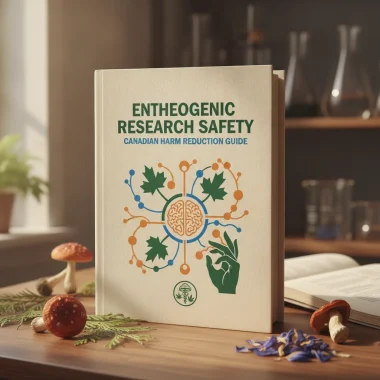
Harm Reduction Principles for Responsible Ibogaine Research
Implementing stringent harm reduction principles is absolutely critical for any responsible ibogaine research in Canada, whether in pre-clinical laboratory settings or potential future clinical trials. Given ibogaine’s potent pharmacological effects and its complex safety profile, researchers must prioritize subject safety and mitigate risks at every stage of experimentation. This involves meticulous pre-screening, controlled administration protocols, and robust emergency preparedness. The goal of harm reduction in this context is to minimize potential adverse events, ensure the well-being of all participants, and maintain the highest ethical standards. By rigorously adhering to these principles, the scientific community can pursue valuable insights into ibogaine’s mechanisms and applications while safeguarding against the known and potential dangers associated with this powerful compound, upholding the responsible nature of ethnobotanical research compounds.
Identifying Contraindications and Potential Pharmacological Interactions
A cornerstone of ibogaine harm reduction in research is the exhaustive identification of contraindications and potential pharmacological interactions. Researchers must conduct thorough medical evaluations of all subjects, particularly screening for cardiovascular conditions (e.g., pre-existing arrhythmias, QT prolongation), liver dysfunction, renal impairment, and specific psychiatric disorders. Ibogaine’s impact on cardiac function necessitates detailed electrocardiogram (ECG) monitoring. Furthermore, a comprehensive review of all concomitant medications is essential to identify potential pharmacological interactions, especially with substances that affect cardiac rhythm, liver metabolism (e.g., CYP2D6 inhibitors), or central nervous system depressants. Failure to meticulously identify these risks can lead to severe adverse events, making pre-screening a critical gatekeeper for subject safety in any research involving PTA vs TA ibogaine for dosing is also critical, as their alkaloid profiles differ, impacting potency and effect. The experimental environment must be controlled to minimize external stressors, and trained personnel should be present to observe and intervene if necessary. These stringent controls reduce the risk of over-administration and facilitate accurate data collection, which is crucial for understanding the dose-response relationship.
Emergency Preparedness and Support Protocols in Research Settings
Robust emergency preparedness and comprehensive support protocols are non-negotiable in any research setting involving ibogaine. Facilities must have immediate access to emergency medical equipment, including defibrillators, oxygen, and resuscitation drugs, and all research staff must be proficient in emergency medical procedures (e.g., Advanced Cardiac Life Support or equivalent). Clear, pre-defined support protocols for managing potential adverse events—ranging from severe psychological distress to cardiac emergencies—are essential. This includes immediate access to medical consultation, clearly defined escalation procedures, and a dedicated safety team. Furthermore, psychological support should be integrated into protocols for studies involving human subjects, anticipating potential emotional challenges. A well-rehearsed emergency plan ensures that any unforeseen complications can be addressed swiftly and effectively, upholding the utmost commitment to the safety and well-being of all participants in ibogaine research.
The MindHealingShop.ca Commitment to Quality and Compliance
At MindHealingShop.ca, our dedication extends beyond merely supplying PTA vs TA ibogaine, 5-MeO-DMT powder, and other specified botanicals, ensuring every product meets the exacting standards demanded by the scientific and ethnobotanical communities. We prioritize the integrity of your research and collection endeavors, offering transparent sourcing information and detailed alkaloid profiles.
Our Rigorous Sourcing and Laboratory Testing Standards
Ensuring the highest standard for purity and consistent composition, crucial for reliable experimental outcomes.
Facilitating Legally Compliant Research Acquisition in Canada
Navigating the complex regulatory environment surrounding ethnobotanical research compounds in Canada requires a clear understanding of federal and provincial laws. MindHealingShop.ca is committed to facilitating legally compliant acquisition for the Canadian research community. We operate strictly within the parameters set by Health Canada and the Controlled Drugs and Substances Act (CDSA). For instance, while ibogaine is not scheduled under the CDSA, it is listed on the Prescription Drug List, influencing its acquisition and use. Similarly, substances like ketamine powder Canada are Schedule I, and
Comprehensive Educational Resources for the Canadian Research Community
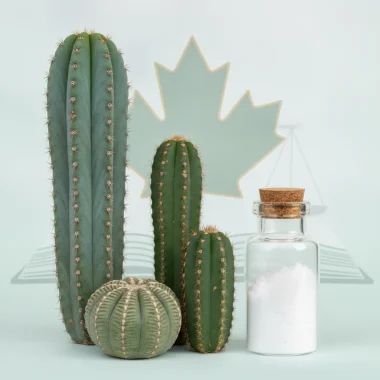
Beyond supplying high-quality compounds, MindHealingShop.ca serves as a vital educational hub for the Canadian research and ethnobotanical community. Our extensive resources delve into critical topics such as Peyote seeds Canada or San Pedro cactus for sale Canada. We provide rigorously researched, science-backed content covering pharmacological mechanisms, traditional uses, and comprehensive harm-reduction protocols. This includes contraindication charts, integration practices, and guidance on precise dosing for microdosing psilocybin capsules, ensuring responsible engagement with these powerful substances. Our educational mandate is to empower researchers and collectors with accurate, up-to-date information, fostering informed decision-making and ethical practices. By distinguishing between legal nuances—like the exempt status of the Peyote cactus versus controlled mescaline—and providing comparative analyses of different compound forms, we enable a deeper, more responsible understanding of our entire catalog.
MindHealingShop.ca remains steadfast in its mission to be a trusted partner for the Canadian research and ethnobotanical community, providing not only high-purity compounds but also the foundational knowledge and compliance framework necessary for safe and responsible exploration.