This comprehensive guide delves into the essential aspects researchers must consider, from Health Canada’s nuanced stance to the critical purity standards and complex mechanisms of action that define Ibogaine HCL, alongside its distinction from other iboga extracts. Our aim is to provide clarity and actionable insights for compliant and effective pharmacological study.
The Unique Regulatory and Research Landscape of Ibogaine in Canada
Health Canada’s Prescription Drug List Status and Its Implications
Ibogaine occupies a distinct position within Canada’s regulatory framework. Unlike substances listed under the Controlled Drugs and Substances Act (CDSA), ibogaine is not scheduled as a controlled substance. Instead, Health Canada has placed it on the Prescription Drug List (PDL), classifying it as a prescription drug. This designation means that while it is not outright prohibited, its sale and use are restricted to prescription by a licensed practitioner, primarily for medical or research purposes. For researchers, this implies that acquiring and working with ibogaine HCL necessitates adherence to specific guidelines and often requires the involvement of institutional ethics boards and, in some cases, a Section 56 exemption for human studies, much like other substances being explored through the Special Access Program for specific therapeutic applications. Understanding this regulatory nuance is crucial for any Canadian lab initiating studies involving this compound.
Navigating the Framework for Pharmacological and Neuroscientific Studies
Conducting pharmacological and neuroscientific research with ibogaine in Canada demands meticulous planning and strict adherence to established protocols. Researchers must secure their supply from compliant sources that can provide not only the raw compound but also comprehensive documentation, including Certificates of Analysis (CoAs). A key actionable step involves ensuring that institutional research ethics boards (REBs) approve study designs, especially when working with animal models or considering any future human applications. Pitfalls often arise from inadequate documentation or sourcing compounds from non-compliant channels, which can lead to significant regulatory delays or even project cancellation. For example, a university-based neuroplasticity study using in vitro cultures or rodent models would require a detailed proposal outlining the sourcing, handling, and disposal of ibogaine, all vetted by their REB, ensuring ethical and legal compliance for their ibogaine research compounds in Canada.

Ibogaine HCL: Chemical Characterization and Purity Standards for Research Applications
Molecular Structure and Synthesis Considerations for High-Purity Ibogaine HCL
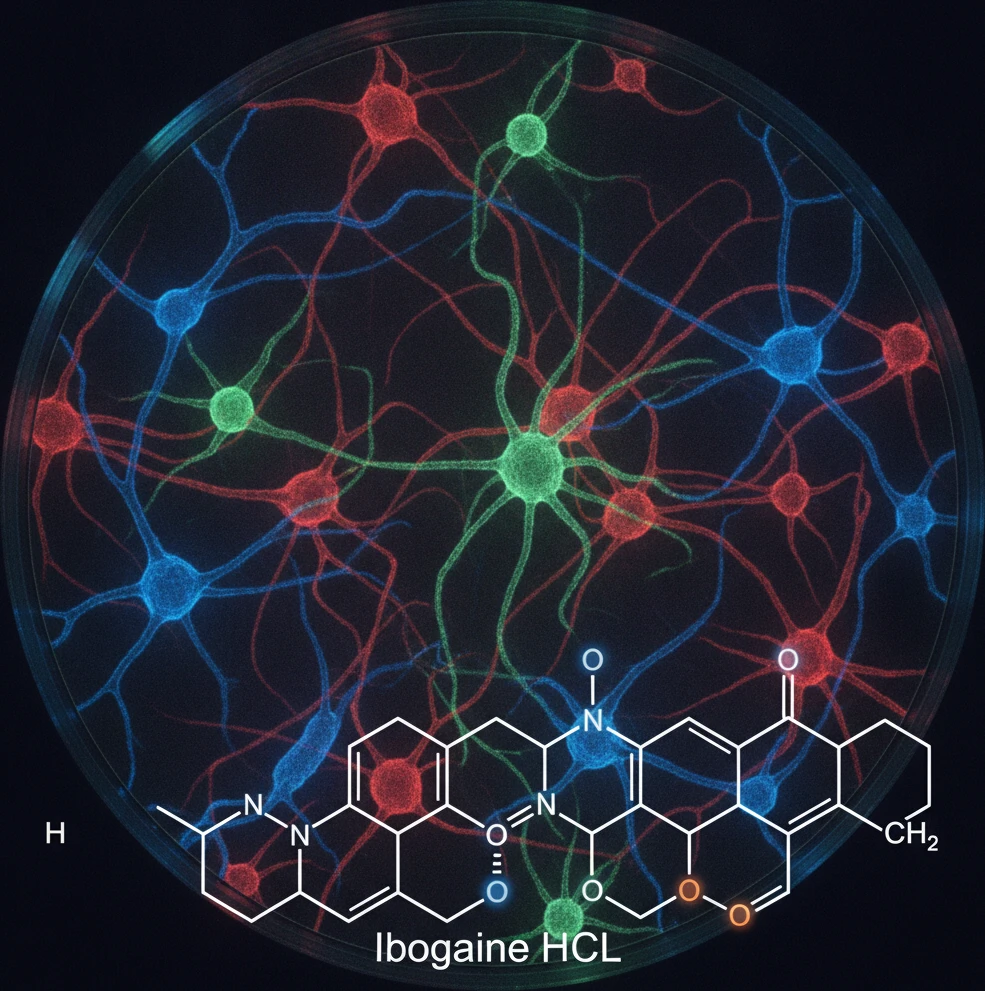
Ibogaine HCL is the hydrochloride salt of ibogaine, an indole alkaloid derived primarily from the Tabernanthe iboga plant. Its molecular structure, characterized by a complex polycyclic system, is responsible for its unique pharmacological profile. For research applications, the synthesis or extraction process leading to Ibogaine HCL must prioritize exceptional purity. Impurities, whether they are residual solvents, synthesis byproducts, or other plant alkaloids, can significantly confound experimental results, making data interpretation unreliable. The HCL salt form is specifically chosen for its enhanced stability and solubility, which are critical properties for precise dosing and consistent experimental conditions in rigorous scientific studies. Researchers often seek highly refined forms to ensure that observed effects are attributable solely to ibogaine itself.
The Critical Role of Assay Purity (>95% HCL) in Experimental Reproducibility
For any pharmacological or neuroscientific study, the assay purity of Ibogaine HCL is paramount for achieving reliable and reproducible results. Most reputable suppliers for research-grade ibogaine HCL aim for purity levels exceeding 95%, with many reaching >98%. This high purity ensures that the observed biological effects are primarily due to ibogaine and not co-occurring compounds. Decision criteria for researchers must include requesting and meticulously reviewing Certificates of Analysis (CoAs) from their suppliers, which should detail the purity, impurity profile, and analytical methods used (e.g., HPLC, NMR, MS). A significant pitfall is utilizing compounds with unknown or low purity, which can lead to inconsistent experimental outcomes, misinterpretation of structure-activity relationships, and wasted resources. For instance, a study investigating the precise binding affinity of ibogaine to a specific receptor requires a compound with validated purity to ensure accurate kinetic measurements and robust data. This is particularly vital for Canadian ibogaine supply to maintain research integrity.
Pharmacological Mechanisms: Unpacking Ibogaine’s Complex Actions in Research Models
Multimodal Receptor Interactions: NMDA, Opioid, and Serotonin System Modulations
Ibogaine’s profound effects stem from its multimodal interactions with various neurotransmitter systems. Pre-clinical research has extensively documented its role as a non-competitive antagonist at the N-methyl-D-aspartate (NMDA) receptor, which is implicated in neuroplasticity and learning, and potentially in the neuroadaptive changes associated with addiction. Furthermore, ibogaine acts as an agonist at kappa-opioid receptors and influences serotonin transporters (SERT) and 5-HT2A receptors, contributing to its diverse range of acute and protracted effects. These complex interactions suggest a broad pharmacological footprint that extends beyond a single target, making it a compelling subject for studies aiming to understand its potential in modulating addictive behaviors, neurological disorders, and even its neuroprotective properties in various in vitro and in vivo models.
The Active Metabolite Noribogaine: Extended Bioactivity and Therapeutic Window Research
A crucial aspect of ibogaine’s pharmacology is its metabolism into noribogaine (12-hydroxyibogamine), its primary active metabolite. Noribogaine is formed through O-demethylation via cytochrome P450 enzymes (specifically CYP2D6) and typically exhibits a significantly longer half-life than ibogaine, contributing to the prolonged effects observed in preclinical models. Research indicates that noribogaine possesses its own distinct pharmacological profile, including higher affinity for serotonin transporters (SERT) and a more potent effect on some opioid receptors compared to ibogaine itself. Understanding the interplay between ibogaine and noribogaine is vital for delineating the full spectrum of their combined therapeutic potential and for optimizing dosing strategies in future research, particularly when investigating the extended pharmacological window for anti-addictive or neurorestorative effects.
In-Vitro and Pre-Clinical Research Paradigms for Understanding Efficacy and Safety Profiles
The efficacy and safety profiles of ibogaine HCL are rigorously investigated through a range of in vitro and pre-clinical research paradigms. In vitro studies often involve cell cultures (e.g., neuronal cell lines, cardiomyocytes) to assess receptor binding affinities, cellular toxicity, and electrophysiological effects, such as QT interval prolongation, which is a known safety concern. Animal models, primarily rodents, are widely used to explore ibogaine’s potential in reducing drug self-administration, mitigating withdrawal symptoms, and inducing neuroplastic changes. Decision criteria for selecting a research paradigm depend on the specific scientific question; for instance, assessing cardiotoxicity requires careful in vitro electrophysiology and in vivo ECG monitoring. Actionable steps include designing studies that utilize multiple complementary models to build a comprehensive understanding of both the beneficial effects and potential adverse reactions, ensuring a holistic safety and efficacy assessment.
Distinguishing Ibogaine HCL from Total Alkaloid (TA) and Pure Total Alkaloid (PTA) Extracts
Alkaloid Profiles and Their Specific Impact on Research Parameters
When conducting research with iboga-derived compounds, it is critical to distinguish between Ibogaine HCL, Total Alkaloid (TA), and Pure Total Alkaloid (PTA) extracts due to their vastly different alkaloid profiles. Ibogaine HCL represents the isolated, highly purified hydrochloride salt of ibogaine, offering a precisely quantified and singular active compound. In contrast, Total Alkaloid (TA) extracts are derived directly from the Tabernanthe iboga root bark and contain a broad spectrum of naturally occurring alkaloids, including ibogaine, tabernanthine, voacangine, coronaridine, and others. Pure Total Alkaloid (PTA) extracts are a refined form of TA, where the ibogaine content is enriched, but a significant spectrum of other alkaloids is still present. The presence of these co-alkaloids in TA and PTA can lead to an “entourage effect,” where the combined action of multiple compounds may differ from that of isolated ibogaine, potentially influencing pharmacokinetics, pharmacodynamics, and observed research outcomes.
Practical Considerations for Researchers: HCL Purity vs. Broader Alkaloid Spectrum of TA/PTA
Researchers face a critical decision when choosing between Ibogaine HCL and broader alkaloid extracts like TA or PTA. For studies focused on elucidating the precise pharmacological mechanisms of ibogaine at specific receptors, determining structure-activity relationships, or conducting dose-response experiments, the high purity and singular nature of Ibogaine HCL are indispensable. It allows for accurate quantification and minimizes confounding variables. Conversely, if the research aims to understand the traditional ethnobotanical uses, explore the potential synergistic effects of the full alkaloid profile, or replicate effects observed with traditional preparations, TA or PTA might be more appropriate. A significant pitfall is applying research findings from one formulation (e.g., pure HCL) directly to another (e.g., TA) without accounting for the compositional differences. Actionable steps include clearly defining the research objective and selecting the compound that best aligns with that goal, understanding that each formulation offers unique advantages and limitations.
Comparative Analysis: Ibogaine HCL, Total Alkaloid (TA), and Pure Total Alkaloid (PTA) Formulations
To further clarify the distinctions, a comparative overview is useful. Ibogaine HCL offers maximum purity (typically >95-98% ibogaine), precise dosing, and is ideal for targeted mechanistic studies. Its effects are attributable almost entirely to ibogaine itself, making it suitable for rigorous scientific inquiry into a single compound. Total Alkaloid (TA), on the other hand, represents a full-spectrum extract, typically containing 15-25% ibogaine along with a diverse array of other iboga alkaloids. It is favored for studies exploring the traditional plant medicine context and potential synergistic interactions among the natural blend of compounds. Pure Total Alkaloid (PTA) stands as an intermediate, often containing 80-85% ibogaine, but still retaining a significant presence of other alkaloids. PTA aims to provide an enhanced ibogaine experience while preserving some of the full-spectrum characteristics. Researchers should consult detailed alkaloid profiles for each product type when planning their studies to ensure the chosen formulation aligns with their research questions, as discussed in more detail for PTA vs TA ibogaine alkaloid ratios.
Responsible Sourcing and Quality Assurance for Ibogaine HCL in Canadian Research
For Canadian pharmacological and neuroscientific researchers, the integrity of
Verifying Supplier Credentials and Third-Party Laboratory Testing
The first step in responsible sourcing involves a comprehensive verification of supplier credentials. Researchers should prioritize Canadian suppliers or those with a proven track record of exporting high-purity third-party laboratory testing conducted by independent, accredited analytical facilities, confirming the identity and purity of the compound batch. This independent verification adds a crucial layer of trust and ensures unbiased assessment.
Interpreting Certificates of Analysis (CoA) and Ensuring Batch-Specific Traceability
A Certificate of Analysis (CoA) serves as the cornerstone of quality assurance for research chemicals. Researchers must possess the expertise to interpret these documents meticulously. A comprehensive CoA for ibogaine HCL should detail the compound’s purity (typically via HPLC or GC-MS), the presence and concentration of any impurities (including other iboga alkaloids, residual solvents, and heavy metals), and the analytical methods used. Critically, each CoA must be batch-specific, bearing a unique lot or batch number that correlates directly with the supplied material. Generic or outdated CoAs are immediate red flags. Actionable steps include cross-referencing the CoA’s reported purity with the supplier’s specifications, noting the dates of analysis to ensure currency, and understanding the detection limits of the analytical tests performed. For example, a CoA indicating 99.5% ibogaine HCL purity with a 0.1% impurity profile and no detectable heavy metals, verified by an ISO/IEC 17025 accredited lab, signifies a high-quality product suitable for rigorous pharmacological studies. Maintaining detailed records of CoAs, batch numbers, and supplier information ensures complete traceability, a critical component for both internal quality control and external auditing.
Essential Safety Protocols and Ethical Guidelines for Ibogaine HCL Research
The handling of any potent research compound, particularly one with the complex pharmacology of ibogaine HCL, mandates strict adherence to established safety protocols and ethical guidelines. While our products are for research and ethnobotanical purposes only and not for human consumption, researchers must manage compounds with the utmost care, understanding their potential physiological effects. These protocols extend beyond personal protective equipment to encompass secure storage, controlled access, and environmentally responsible disposal, alongside rigorous ethical oversight for any study involving biological systems. Upholding these standards is non-negotiable for conducting credible and conscientious research in Canada.
Secure Handling, Storage, and Environmentally Sound Disposal of Research Compounds
Implementing stringent protocols for the secure handling and storage of ibogaine HCL is crucial to prevent accidental exposure, contamination, and unauthorized access. Research personnel must be fully trained in Good Laboratory Practice (GLP), including the consistent use of appropriate personal protective equipment (PPE) such as gloves, lab coats, and eye protection. Ibogaine HCL should be stored in a controlled-access environment, ideally a locked cabinet or refrigerator, in opaque, airtight containers to protect against light and moisture degradation. Precise labeling, including chemical name, concentration, batch number, and safety warnings, is essential. For environmentally sound disposal, researchers must consult and strictly follow institutional guidelines and provincial hazardous waste regulations. This typically involves collection by licensed waste management facilities, ensuring that the compound is not released into the environment. Proper inventory management, including detailed logs of compound acquisition, usage, and disposal, enhances accountability and safety.
Addressing Potential Contraindications and Interactions in a Controlled Research Context
Although research compounds are not intended for human consumption, understanding ibogaine’s pharmacological profile, including potential contraindications and interactions, is vital for managing laboratory safety and informing research design. Researchers must be acutely aware of ibogaine HCL’s known effects on the cardiovascular system, particularly its potential to prolong the QT interval, even at low doses. This understanding guides the establishment of emergency response procedures in case of accidental exposure. While animal research might explore therapeutic interactions, personnel safety dictates knowledge of how ibogaine might interact with common medications or pre-existing health conditions in an accidental exposure scenario. Actionable steps include comprehensive risk assessments, developing a chemical exposure response plan, and providing regular safety briefings that detail ibogaine’s unique pharmacological considerations, including potential interactions with other research compounds that might be present in the lab environment. Recognizing these factors underpins a truly safe research environment.
Adherence to Institutional Review Board (IRB) and Animal Care Committee (ACC) Standards
Any research involving living subjects, whether human participants or animal models, demands meticulous adherence to the highest ethical standards and regulatory oversight. In Canada, this means securing approval from an Institutional Review Board (IRB) for human studies or an Animal Care Committee (ACC) for animal research. These bodies ensure that research protocols are ethically sound, minimize harm, and maximize scientific rigor. For animal studies involving ibogaine HCL, researchers must submit detailed proposals outlining the experimental design, justification for animal use, humane care protocols, pain management strategies, and endpoints. The ACC ensures compliance with guidelines such as those from the Canadian Council on Animal Care (CCAC). Decision criteria for approval hinge on demonstrating that the research is scientifically meritorious, that alternatives to animal models have been considered, and that all procedures adhere to the “3 Rs” principle: Replacement, Reduction, and Refinement. Adherence to these standards is not merely a formality but a fundamental commitment to ethical scientific inquiry and public trust, ensuring the responsible advancement of knowledge.
Current and Emerging Research Frontiers for Ibogaine HCL in Neuroscience
The multifaceted pharmacological actions of ibogaine HCL continue to captivate neuroscientists, propelling research into its mechanisms beyond its well-known anti-addictive properties. Contemporary studies are delving deeper into ibogaine’s influence on neural circuitry, exploring its potential to modulate fundamental brain processes. This evolving research landscape promises to uncover novel therapeutic applications, moving beyond the traditional focus on substance use disorders. Researchers are employing advanced neuroimaging techniques, molecular biology tools, and sophisticated behavioral models to unravel the intricate ways ibogaine HCL interacts with the central nervous system, opening new avenues for understanding and potentially treating complex neurological and psychiatric conditions.
Investigations into Neuroplasticity and Brain Repair Mechanisms
A significant frontier in ibogaine HCL research involves its potential to induce neuroplasticity and facilitate brain repair. Preclinical studies suggest that ibogaine and its primary metabolite, noribogaine, can influence the expression of neurotrophic factors, such as brain-derived neurotrophic factor (BDNF), which are crucial for neuronal survival, growth, and synaptic plasticity. Investigations are exploring whether ibogaine HCL can promote neurogenesis in specific brain regions, potentially aiding in recovery from neurological damage or improving cognitive function. For example, animal models of addiction or neurological injury are being used to observe changes in dendritic spine density, synaptogenesis, and the formation of new neurons. Actionable steps for researchers include designing experiments that precisely measure these cellular and molecular changes, using techniques like immunohistochemistry, quantitative PCR, and advanced microscopy. The decision criteria for successful research in this area involve demonstrating significant and replicable alterations in neural architecture or function. Pitfalls include distinguishing direct ibogaine-induced effects from compensatory mechanisms or other confounding variables inherent in complex biological systems. Understanding these mechanisms could unlock new strategies for addressing conditions characterized by impaired neuroplasticity.
Exploratory Studies on Psychiatric and Neurological Conditions: An Evolving Research Focus
Beyond addiction, ibogaine HCL is generating considerable interest for its potential in a broader spectrum of psychiatric and neurological conditions. Exploratory studies are investigating its effects on mood disorders like depression and anxiety, post-traumatic stress disorder (PTSD), and even neurodegenerative conditions such as Parkinson’s disease. The compound’s interaction with various neurotransmitter systems, including serotonin, dopamine, and opioid receptors, suggests a broad pharmacological footprint. Research often involves assessing changes in behavioral paradigms (e.g., anxiety-like behavior in rodents) and neurochemical alterations in relevant brain regions. For instance, studies might examine ibogaine’s impact on inflammation or oxidative stress pathways implicated in neurodegeneration. Actionable steps include developing sophisticated animal models that mimic specific disease states and applying targeted pharmacological tools to dissect receptor-specific mechanisms. The decision criteria for pursuing these avenues include compelling preliminary data and a clear mechanistic hypothesis linking ibogaine’s known pharmacology to the pathophysiology of the condition. Pitfalls include the complexity of these disorders, which often have multiple contributing factors, and the challenge of translating preclinical findings to human therapeutics, particularly given ibogaine’s unique safety profile. This evolving focus underscores the compound’s rich potential as a research tool.
The Ethnobotanical Roots of Iboga: From Traditional Use to Modern Scientific Inquiry
Understanding ibogaine HCL fully requires acknowledging its deep ethnobotanical roots. The journey of iboga from the rainforests of West Africa into the global scientific arena represents a powerful intersection of traditional knowledge systems and contemporary pharmacological research. This dual perspective is crucial for Canadian researchers, not only for ethical sourcing and respectful engagement but also for gleaning insights that can inform modern scientific hypotheses. The profound cultural significance of Tabernanthe iboga in traditional contexts offers a rich historical backdrop, emphasizing the necessity of integrating indigenous wisdom with rigorous empirical investigation.
Cultural Significance of Tabernanthe Iboga in West African Shamanic Traditions
The psychoactive properties of Tabernanthe iboga root bark have been integral to the spiritual and cultural practices of indigenous communities, particularly the Bwiti people of Gabon and Cameroon, for centuries. In these West African shamanic traditions, iboga is not merely a plant but a sacred tool used in rites of passage, spiritual initiations, and healing ceremonies. It is revered for its ability to induce profound introspective states, facilitate spiritual communion, and impart wisdom. The use of Tabernanthe iboga in 1901 was directly influenced by centuries of indigenous use. Modern ethnopharmacology seeks to validate and expand upon these traditional insights through rigorous scientific methods, identifying specific alkaloids and their mechanisms of action. Researchers can use traditional knowledge to formulate new hypotheses, for example, by studying the synergistic effects of the full spectrum of iboga alkaloids (Total Alkaloid or TA) as opposed to isolated ibogaine HCL. Pitfalls include the risk of intellectual property exploitation without proper recognition or benefit-sharing with indigenous communities. An actionable step is to foster ethical collaborations and ensure that scientific inquiry does not undermine the cultural integrity of traditional practices. This respectful integration of knowledge enriches both scientific understanding and cultural preservation, leading to a more holistic appreciation of ibogaine HCL.
Exploring Other Entheogenic Research Compounds: Alternatives and Complementary Agents to Ibogaine HCL
While Ibogaine HCL remains a significant focus in addiction and neurological research, the broader landscape of entheogenic compounds offers a rich array of alternatives and complementary agents for scientific inquiry. Canadian researchers are exploring substances like various tryptamines, dissociatives, and naturally occurring psychedelics for their distinct pharmacological profiles and potential therapeutic mechanisms. Understanding these diverse agents is crucial for developing comprehensive research strategies and identifying optimal compounds for specific neurobiological investigations, each presenting unique opportunities in the study of neuroplasticity, consciousness, and mental health.
Tryptamines (e.g., 5-MeO-DMT, N,N-DMT) and Their Distinct Research Profiles
Tryptamines like 5-MeO-DMT and N,N-DMT are potent, short-acting serotonergic agonists, offering distinct research profiles. N,N-DMT is studied for its rapid-onset, immersive psychedelic effects and potential in neurogenesis and consciousness. 5-MeO-DMT, in contrast, induces profound, often non-visual, mystical experiences, drawing attention for its role in rapid neuroplasticity and existential distress mitigation. Both are Schedule III substances under Canada’s Controlled Drugs and Substances Act, requiring strict adherence to research licenses. Researchers often compare these compounds’ acute shifts to Ibogaine’s prolonged effects. Further information on these compounds can be found by exploring DMT vape cartridges and ethnobotanical profiles.
Dissociatives (e.g., Ketamine HCL) as Modulators of Neuroplasticity
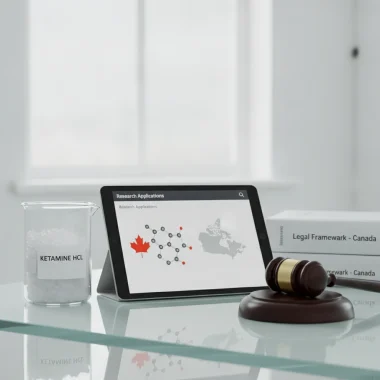
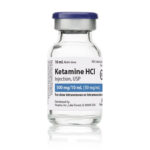
Ketamine HCL, a dissociative anesthetic and NMDA receptor antagonist, is a prominent subject in neuroscientific research due to its rapid antidepressant effects and role in modulating neuroplasticity. Its distinct mechanism of action, involving glutamate burst and synaptic potentiation, makes it valuable for exploring novel interventions in mood disorders, chronic pain, and PTSD. Research focuses on optimizing dosage and understanding molecular cascades leading to its therapeutic outcomes, often involving synaptic restoration. Ketamine is classified as a Schedule I substance under the CDSA, requiring significant regulatory controls for research. For comprehensive details on its research applications and legal framework, consider reviewing Ketamine HCL in Canada.
Psilocybin and Mescaline-Containing Botanicals for Comparative Pharmacological Studies
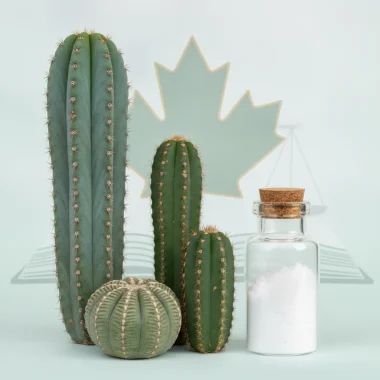
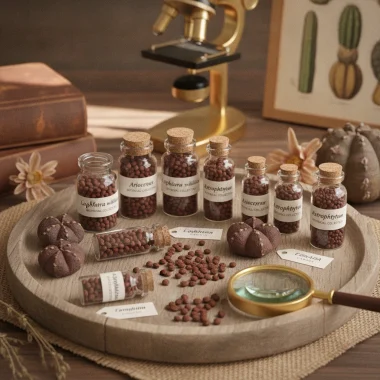
Psilocybin and mescaline, classical psychedelics primarily agonizing the 5-HT2A receptor, offer unique research avenues in consciousness, perception, and psychotherapy. Psilocybin is investigated for its capacity to induce enduring changes in perspective and emotional processing during extended sessions. Mescaline-containing cacti (San Pedro, Peyote), revered for their ethnobotanical significance, provide another path for exploring long-acting serotonergic effects; mescaline is Schedule III, while the cacti are exempt. Comparative studies analyze the unique pharmacokinetic profiles and subjective experiences against other compounds, furthering the understanding of diverse psychedelic action. Researchers interested in these botanicals often explore their traditional preparation methods for historical context.
Legal Compliance and Acquiring Ibogaine HCL for Research Purposes in Canada
Navigating the legal landscape for acquiring research compounds in Canada is paramount, particularly for substances with complex regulatory statuses like Ibogaine HCL. While many entheogens fall under specific schedules of the Controlled Drugs and Substances Act (CDSA), Ibogaine presents a distinct case, being regulated primarily through Health Canada’s Prescription Drug List (PDL). Researchers must possess a thorough understanding of these frameworks to ensure lawful procurement and utilization of compounds for scientific study. Adherence to all federal and provincial regulations is not merely a legal obligation but a cornerstone of ethical and responsible scientific practice.
Understanding the Controlled Drugs and Substances Act (CDSA) and Relevant Schedules
The Controlled Drugs and Substances Act (CDSA) outlines the legal framework for controlled substances in Canada. Notably, ibogaine itself is not listed on any CDSA schedule. However, Health Canada has placed ibogaine on the Prescription Drug List (PDL), classifying it as a prescription drug. This means its sale and use are regulated, requiring a prescription or specific research authorization. In contrast, compounds like psilocybin, DMT, and mescaline are Schedule III substances, and ketamine is Schedule I under the CDSA, each with stringent controls. Researchers must differentiate these regulatory nuances to avoid legal pitfalls, ensuring proper licensing and approvals from Health Canada for their intended studies. Further information can be found on the Health Canada website.
Mind Healing Shop’s Commitment to Legal and Ethical Supply of Research Compounds
Mind Healing Shop is committed to supporting the Canadian research community by providing research-grade compounds with unwavering attention to legal and ethical supply. Our rigorous process includes sourcing raw materials from verified origins and conducting analytical testing to confirm research-grade purity and precise alkaloid profiles. We understand the critical importance of transparency and compliance with Canadian regulations. Researchers acquiring compounds from us can expect detailed documentation affirming their quality and origin, facilitating their own regulatory submissions. This dedication ensures that our products, including Ibogaine research compounds, meet the exacting standards required for scientific investigation.
Crucial Disclaimers: For Ethnobotanical Collection, Research, or Ornamental Purposes Only – Not for Human Consumption
It is imperative to state that all products supplied by Mind Healing Shop, including Ibogaine HCL and other research compounds, are offered strictly for ethnobotanical collection, laboratory research, souvenir, or ornamental purposes only. These products are unequivocally not for human consumption. Purchasers are responsible for understanding and adhering to all applicable federal, provincial, and local laws and regulations concerning the possession, handling, and use of these materials. We strongly advise all customers to verify their local regulations and Health Canada guidelines before placing any order, ensuring complete legal compliance and responsible stewardship of these unique botanicals.
Although ibogaine occupies a distinct place in research due to its unique pharmacological profile, Canadian researchers benefit from a diverse range of entheogenic compounds, each offering unique avenues for scientific inquiry. Understanding the specific regulatory status of each compound—from ibogaine’s placement on the PDL to the various schedules under the CDSA—is critical for ensuring legal compliance. Responsible sourcing from suppliers committed to purity and ethical practices, coupled with a steadfast adherence to regulations, underpins all legitimate ethnobotanical and pharmacological research in Canada.
In conclusion, the evolving landscape of research into ethnobotanical compounds like ibogaine in Canada underscores the vital role of suppliers who prioritize legal compliance, ethical sourcing, and product purity. As scientific understanding advances, collaborative efforts between researchers and responsible suppliers will be paramount in unlocking the full therapeutic potential of these unique substances, all while strictly adhering to regulatory frameworks and maintaining a clear distinction between research applications and human consumption.
At Mind Healing Shop, we remain steadfast in our commitment to supporting ethical and legal research endeavors, fostering the responsible advancement of scientific knowledge within these crucial guidelines.