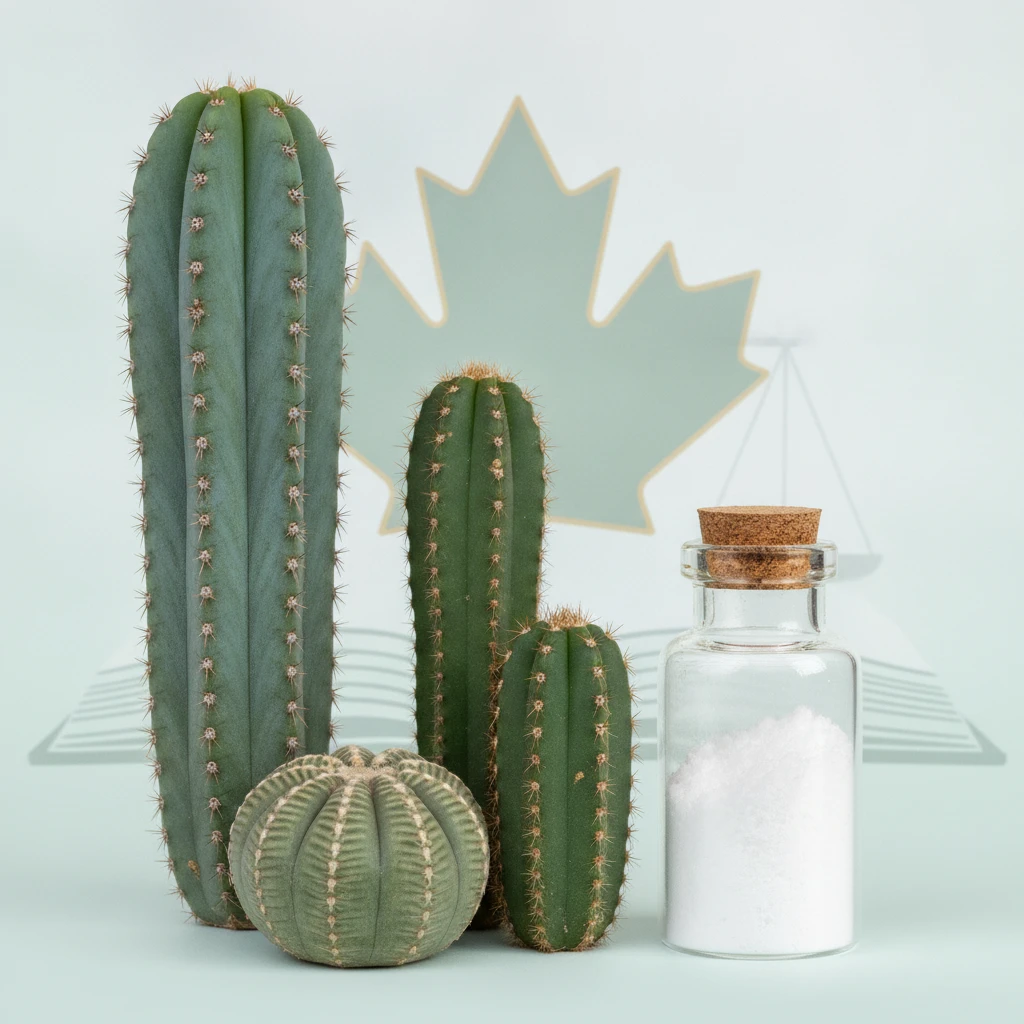
The intricate legal landscape surrounding mescaline-bearing cacti in Canada presents unique considerations for both ethnobotanical researchers and dedicated collectors. While the psychoactive alkaloid mescaline is a strictly controlled substance under federal law, the plants themselves, such as San Pedro and Peyote, often occupy a distinct legal space, subject to various regulations and exemptions. Understanding this nuanced distinction is paramount for ensuring compliance and responsible engagement with these revered botanicals.
This guide aims to clarify the Canadian legal framework, offering essential insights for those interested in the botanical, historical, or scientific aspects of these cacti, strictly for non-consumption applications and within the bounds of the law. All products are supplied for ethnobotanical collection, research, souvenir, or ornamental purposes only and are not for human consumption.
Navigating Ethnobotanical Interest in Mescaline-Bearing Cacti
The enduring fascination with mescaline-bearing cacti stems from a rich tapestry of ethnobotanical history, scientific inquiry, and ornamental appreciation. For centuries, various Indigenous cultures have revered species like Peyote and San Pedro for their profound spiritual and healing properties, a legacy that continues to draw significant academic and botanical interest today. In Canada, this interest manifests primarily through a focus on botanical collection, horticultural study, and ethnobotanical research into their traditional uses, without any implication of consumption. Researchers, for example, might study the plant’s genetics, growth patterns, or historical cultural significance, while collectors may simply cultivate them for their aesthetic value or as part of a broader cactus collection.
However, navigating this interest requires a meticulous understanding of Canadian law. A primary pitfall for enthusiasts is the misconception that legality of the plant equates to legality of its psychoactive compounds for personal use or extraction. This is a critical distinction that can lead to legal complications. Decision criteria for responsible engagement should always prioritize adherence to the Controlled Drugs and Substances Act (CDSA) and provincial regulations. For instance, an academic institution might legally acquire San Pedro cactus for a study on drought resistance in succulents, meticulously documenting its non-consumptive research intent. Actionable steps include sourcing plants from reputable botanical nurseries, clearly defining the purpose of acquisition (e.g., ornamental or research), and abstaining from any activities related to extraction or consumption of controlled substances. Due diligence ensures that engagement remains within legal and ethical boundaries, reinforcing respect for both the plant and the law.
Understanding Mescaline: Pharmacological Profile and CDSA Classification
Chemical Structure, Mechanism of Action, and Psychoactive Properties
Mescaline, scientifically known as 3,4,5-trimethoxyphenethylamine, is a naturally occurring phenethylamine alkaloid found in several cactus species. Its chemical structure bears similarities to dopamine and noradrenaline, influencing its pharmacological activity. The primary mechanism of action involves acting as a partial agonist at serotonin 5-HT2A receptors in the brain, a pathway shared by other classical psychedelics such. This interaction with serotonin receptors is primarily responsible for its well-documented psychoactive properties, which include profound alterations in perception, visual hallucinations, introspective insights, and emotional shifts. Historically, mescaline was one of the first psychedelics to be isolated and studied, playing a pivotal role in early psychedelic research and psychological exploration. Understanding its precise pharmacological profile is essential for any scientific or academic inquiry, emphasizing a scholarly approach to its study rather than casual or recreational interest.
Mescaline’s Schedule III Status under the Canadian Controlled Drugs and Substances Act (CDSA)
Under the Canadian Controlled Drugs and Substances Act (CDSA), mescaline is explicitly listed as a Schedule III controlled substance. This classification means that unauthorized possession, trafficking, import, export, and production of mescaline are prohibited by law, carrying significant legal penalties. For researchers, this implies that any work involving isolated mescaline compounds requires specific licenses and authorizations from Health Canada, typically granted only to licensed dealers or for approved clinical trials. A common pitfall is misunderstanding that while some mescaline-containing cacti may be legally acquired for ornamental purposes, the act of extracting or possessing the isolated mescaline alkaloid without proper authorization remains illegal. Thus, the legal framework clearly distinguishes between the plant material itself and the controlled substance it contains. Actionable steps for academic or private research facilities interested in studying mescaline involve rigorously applying for and obtaining the necessary Health Canada licenses to ensure full legal compliance, thereby facilitating legitimate scientific advancement under strict regulatory oversight.
San Pedro (Echinopsis spp.): Traditional Uses and Canadian Legality
Ethnobotanical History of Echinopsis pachanoi and Echinopsis peruviana
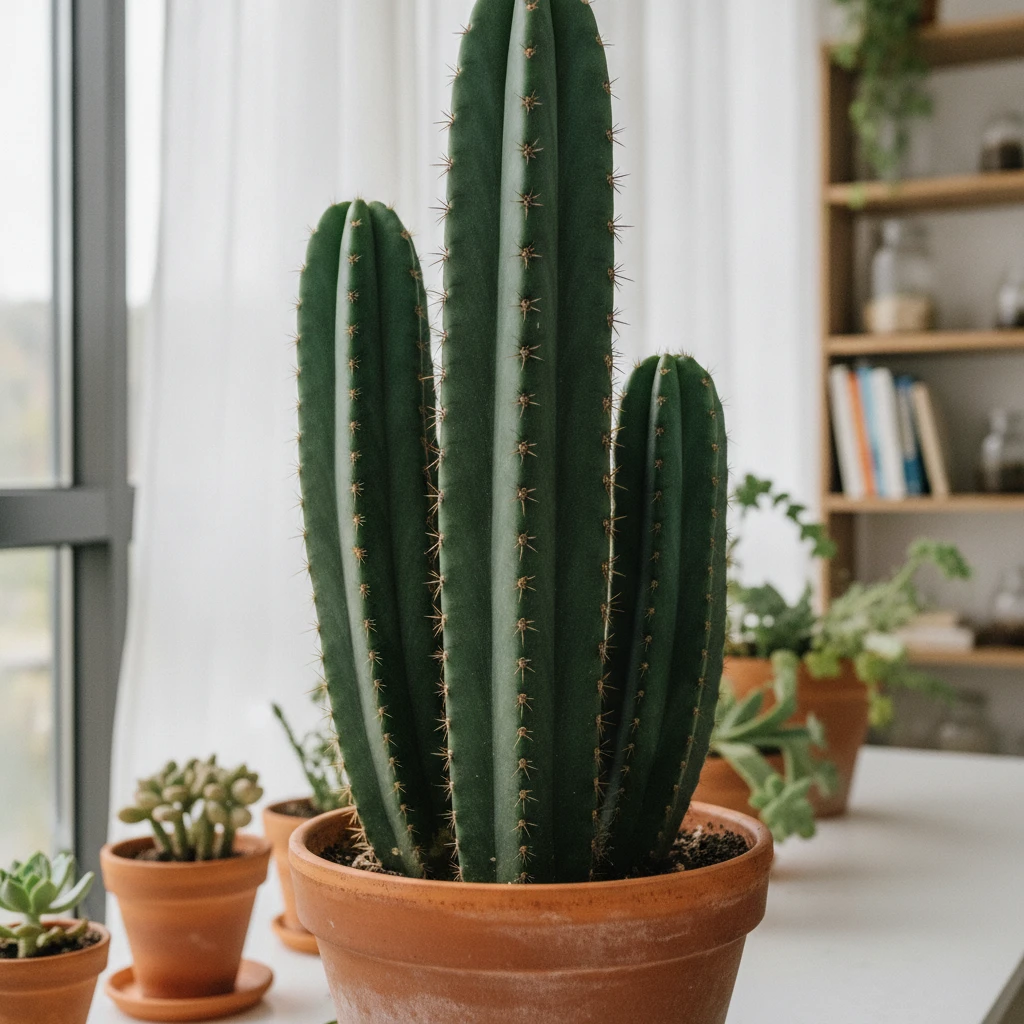
The San Pedro cactus, primarily encompassing species like Echinopsis pachanoi (formerly Trichocereus pachanoi) and Echinopsis peruviana (formerly Trichocereus peruvianus), boasts a profound ethnobotanical history dating back thousands of years in the Andean regions of Peru, Ecuador, and Bolivia. Known traditionally as “Huachuma,” this sacred plant has been central to spiritual ceremonies, healing rituals, and divinatory practices for numerous Indigenous cultures. Archaeological evidence, including ancient textiles and pottery, depicts its use, underscoring its deep cultural significance as a plant teacher and medicine. While its traditional uses involved ceremonial consumption, in Canada, contemporary interest in San Pedro is strictly directed towards its ornamental, botanical, and research value, honoring its heritage without engaging in activities that contravene Canadian law. Its distinctive columnar growth and aesthetic appeal also make it a popular specimen among cactus enthusiasts and horticulturists.
Cultivation for Ornamental, Research, and Ethnobotanical Purposes in Canada
In Canada, the *cultivation of Echinopsis spp. is generally legal, provided the intent is strictly for ornamental gardening, botanical study, or ethnobotanical collection, and not for the extraction or consumption of mescaline. This legal distinction is crucial: the plant itself is not listed under the CDSA as a controlled substance, unlike its principal alkaloid, mescaline. Therefore, individuals and institutions can legally grow San Pedro cacti as houseplants, landscape features, or specimens for botanical gardens. However, any act demonstrating the intent to extract mescaline* from the plant, or to prepare it for human consumption, would constitute illegal activity under the CDSA. A key decision criterion for cultivators is to maintain clear documentation of their intent, ensuring their activities align with legal, non-consumptive purposes. A pitfall would be to misinterpret the legality of cultivation as permission for psychoactive use, which is strictly prohibited. Actionable advice includes sourcing plants from legitimate, licensed nurseries and publicly stating the purpose of cultivation (e.g., “for botanical display” or “for research into cactus growth patterns”).
Where to find San Pedro cactus for sale Canada (for non-consumption applications)
For those interested in acquiring San Pedro cactus in Canada for legitimate, non-consumptive purposes, several avenues are available. Reputable online ethnobotanical retailers, specialized cactus nurseries, and garden centers often stock Echinopsis pachanoi or Echinopsis peruviana. When searching for “San Pedro cactus for sale Canada,” it is imperative to verify the supplier’s legitimacy and commitment to legal compliance. Prioritize vendors who explicitly state that their products are for ornamental, research, or ethnobotanical collection purposes only and are not intended for human consumption. For example, a collector might purchase a large San Pedro cutting to propagate as a unique ornamental plant in their home, valuing its architectural form. Another might acquire it for a university greenhouse to study its horticultural properties. Always ensure that the purchase and subsequent cultivation are aligned with a clear, non-consumption application, thereby respecting the Canadian legal framework. This responsible approach supports both botanical appreciation and adherence to the law.
Peyote (Lophophora williamsii): Sacred Plant, Conservation, and Canadian Regulations
Traditional Indigenous Use and Cultural Significance in North America
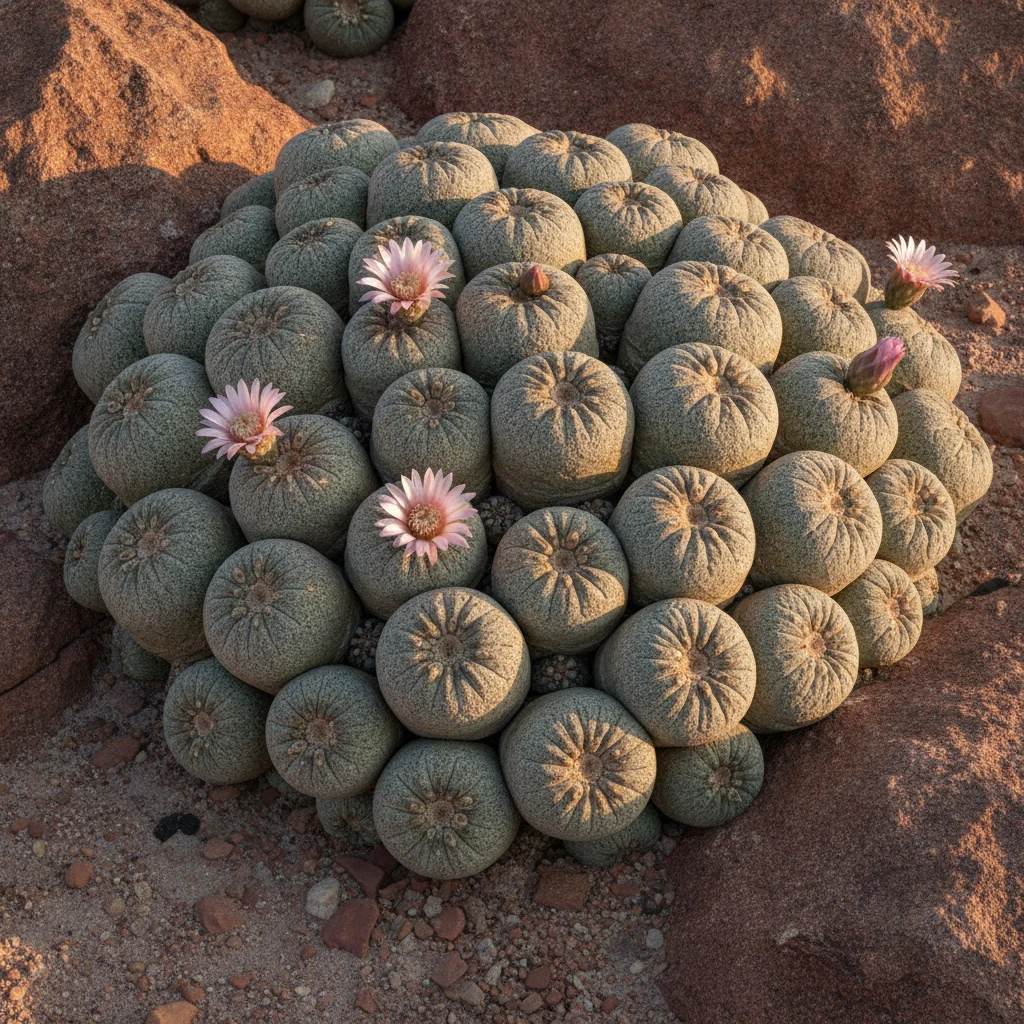
Peyote, or Lophophora williamsii, holds unparalleled sacred status among numerous Indigenous peoples across North America, particularly within the Native American Church (NAC). Its traditional use as a sacrament in spiritual ceremonies dates back thousands of years, embodying profound cultural, religious, and healing significance. For these communities, Peyote is not merely a plant but a revered elder, a teacher, and a conduit for spiritual connection, wisdom, and communal bonding. Ceremonies involving Peyote are deeply sacred, integral to identity, and focus on prayer, introspection, and healing, guided by strict protocols and traditions. Understanding this deep cultural significance is paramount for any discussion of Peyote, reinforcing the need for respect and protection of these invaluable Indigenous practices. Any engagement with Peyote, even for botanical study, must acknowledge and honor its place in Indigenous spirituality.
Conservation Status and Ethical Sourcing of Peyote seeds Canada
The conservation status of wild Peyote populations is a critical concern. Due to habitat destruction, unsustainable harvesting practices, and climate change, Lophophora williamsii is increasingly threatened in its native habitats, leading to its classification as endangered in many regions. Consequently, ethical sourcing is paramount for anyone considering Convention on International Trade in Endangered Species of Wild Fauna and Flora (CITES) list Peyote, underscoring the international effort to regulate its trade. A pitfall to avoid is inadvertently supporting illegal poaching or unscrupulous harvesting. Actionable steps include prioritizing vendors with transparent sourcing practices, supporting conservation efforts through donations to relevant organizations, and cultivating the plant from ethically acquired seeds for ornamental or propagation purposes, ensuring responsible stewardship of this vulnerable species.
Legal Exemptions for Peyote Cacti within Indigenous Spiritual and Ceremonial Contexts
A distinctive aspect of Peyote’s legal standing in Canada, contrasting sharply with isolated mescaline, is the recognition of legal exemptions for its use within Indigenous spiritual and ceremonial contexts. While mescaline is a Schedule III controlled substance, the Controlled Drugs and Substances Act (CDSA) has historically accommodated the traditional use of Peyote by Indigenous peoples, particularly members of the Native American Church. This exemption is not a blanket legalization for all Canadians but is specifically tailored to uphold Indigenous religious freedom and cultural practices. It permits the acquisition, possession, and use of the Peyote cactus for legitimate spiritual and ceremonial purposes by recognized Indigenous groups and their members. Decision criteria for understanding this exemption revolve around its strict application to Indigenous spiritual practices and not to recreational or generalized use by the public. A critical pitfall is for non-Indigenous individuals to assume these exemptions extend to them, which they do not. Actionable advice is to respect the specificity of these legal provisions and acknowledge their importance in protecting Indigenous cultural heritage.
Mescaline Alkaloid vs. Cactus: The Crucial Canadian Legal Distinction
Explicit Control of Isolated Mescaline under CDSA Schedule III
Under the Canadian Controlled Drugs and Substances Act (CDSA), mescaline as an isolated alkaloid is explicitly classified as a Schedule III controlled substance. This designation strictly prohibits the possession, production, trafficking, and import or export of pure mescaline without specific authorization from Health Canada. For researchers, this means obtaining appropriate licenses and permits is essential for any work involving the synthesized compound or extracted mescaline to ensure full legal compliance within Canada.
The regulatory framework’s focus on psychoactive compounds, rather than the plants themselves, is key. Research activity involving mescaline must operate within stringent legal boundaries. Our live cactus offerings are supplied strictly for ethnobotanical collection, research, souvenir, or ornamental purposes only and are not intended for human consumption.
Legal Status of Live Mescaline-Containing Cacti (Peyote Exemption, San Pedro as an Unscheduled Plant)
While isolated mescaline is controlled, the legal status of mescaline-containing cacti in Canada presents important distinctions. Lophophora williamsii, or Peyote, holds a unique exemption under the CDSA as a live plant not prepared for consumption, primarily acknowledging traditional Indigenous use. Conversely, species such as Echinopsis pachanoi (San Pedro) and Echinopsis peruviana (Peruvian Torch) are not explicitly scheduled plants under the CDSA.
For ethnobotanical collectors and researchers, live San Pedro cactus specimens can generally be possessed, cultivated, and traded in Canada, provided there is no intent to extract or prepare mescaline for consumption. It is critical to understand that any act of extracting the mescaline alkaloid from these plants without appropriate licensing constitutes illegal production. We supply Health Canada, reflecting the rigorous oversight of controlled substances.
Individuals engaged in ethnobotanical pursuits must exercise extreme caution, ensuring their activities align precisely with Canadian federal and provincial laws. It is always advisable for users to verify their local laws and Health Canada regulations before acquiring or conducting research with these plants. Our platform prioritizes supplying these unique botanicals for purposes that strictly conform to the Controlled Drugs and Substances Act and related guidelines.
Comparative Alkaloid Profiles in Mescaline Cacti for Research
Variations in Mescaline Concentration Across Different Echinopsis Species and Cultivars
The mescaline content within cacti varies dramatically by species, cultivar, and even growing conditions. Different clones of Echinopsis pachanoi (San Pedro) or Echinopsis peruviana (Peruvian Torch) can exhibit substantially different alkaloid profiles. Factors such as light, water, nutrients, and the plant’s age all contribute to the biosynthesis of mescaline and other phenethylamine alkaloids. Researchers often seek specific variants for comparative studies to understand these physiological differences, highlighting the importance of transparent sourcing for detailed botanical analysis, always explicitly stating these are not for consumption.
For example, a study comparing a ‘Huachuma’ cultivar of San Pedro grown under optimal conditions versus a wild-harvested ‘Peruvian Torch’ might reveal distinct mescaline concentrations. This variability makes quantitative analysis indispensable for rigorous ethnobotanical or pharmacological research aiming to understand the full chemical complexity of these plants.
Importance of Quantitative Analysis for Ethnobotanical Research Compounds
Quantitative analysis is paramount for any credible ethnobotanical research involving mescaline-containing cacti. Techniques such as High-Performance Liquid Chromatography (HPLC) or Gas Chromatography-Mass Spectrometry (GC-MS) enable researchers to precisely measure the concentration of mescaline and identify other co-occurring alkaloids. This precision is essential for standardizing research protocols, ensuring reproducibility of findings, and accurately comparing specimens from different geographical origins or cultivation methods, making drawing robust scientific conclusions about these complex botanical matrices challenging otherwise.
For institutions and private labs, understanding the exact alkaloid profile provides a foundation for subsequent studies, such as structure-activity relationship analysis (if licensed for isolated compounds) or historical ethnobotanical correlation. Our commitment is to provide products with transparent alkaloid profiles where feasible, aiding researchers in their quest for accurate and reliable data concerning these valuable ethnobotanical research compounds.
Overview of Other Minor Alkaloids and Their Contribution to Cactus Chemistry
Beyond mescaline, mescaline-containing cacti are rich in a variety of other phenethylamine alkaloids, including hordenine, tyramine, and anhalonidine. While mescaline is the primary psychoactive component, these minor alkaloids contribute significantly to the plant’s overall chemical signature and are subjects of ongoing scientific interest. Ethnobotanical research often explores how these secondary metabolites might contribute to the plants’ traditional uses or unique pharmacological effects, sometimes referred to as an “entourage effect” in other plant medicines.
Studying the complete alkaloid spectrum helps researchers gain a holistic understanding of the cactus’s biochemistry and its historical significance. This comprehensive approach is crucial for modern ethnobotanical inquiry, moving beyond single-compound analyses to appreciate the synergistic potential of the full plant matrix. Our products facilitate this deeper exploration, supporting non-consumptive research into these fascinating botanical compounds.
Ethical Sourcing and Responsible Collection Practices for Researchers
Prioritizing Sustainable Practices and Conservation Efforts in Plant Procurement
Ethical sourcing is a cornerstone of responsible ethnobotanical research and collection. The demand for certain mescaline-containing cacti, particularly wild Lophophora williamsii (Peyote), has led to significant over-harvesting and habitat destruction, placing these species at risk. For researchers, prioritizing sustainable practices means opting for cultivated specimens or seeds from reputable nurseries rather than wild-harvested plants. This approach helps alleviate pressure on wild populations and supports long-term species conservation, vital for preserving biodiversity and traditional plant knowledge.
Our commitment extends to supporting conservation efforts through responsible procurement. Researchers should consider sourcing from suppliers who actively engage in propagation programs or collaborate with Indigenous communities dedicated to sustainable cultivation. This ensures that the pursuit of knowledge does not inadvertently contribute to the endangerment of these culturally and biologically significant plants, fostering a future where ethnobotanical resources remain abundant.
Ensuring Transparency and Provenance in Sourcing Live Specimens and Seeds
Transparency and verifiable provenance are critical when acquiring live specimens and seeds for research. Knowing the exact origin and cultivation history of a plant ensures its authenticity for scientific study and helps researchers comply with international regulations such as CITES, where applicable. A reputable supplier should be able to provide detailed information about their sourcing methods, guaranteeing that plants are acquired legally and ethically. This commitment to transparent supply chains builds trust and contributes to the integrity of research outcomes.
For collectors and researchers, inquiring about the lineage and cultivation conditions of San Pedro cacti or Peyote seeds is a crucial step in responsible ethnobotanical practice. This due diligence not only supports ethical commerce but also provides valuable context for any study involving these plants, from genetic analysis to alkaloid profiling. We pride ourselves on providing clear information on the provenance of our botanicals, ensuring researchers can trace their specimens’ origins with confidence.
Exploring Other Ethnobotanical Research Compounds and Plant Medicines
Tryptamines & Classical Psychedelics: 5-MeO-DMT powder, DMT vape cartridges Canada, Ayahuasca preparation, magic mushrooms Canada, microdosing psilocybin capsules
Beyond mescaline-containing cacti, ethnobotanical research includes a diverse array of tryptamines and classical psychedelics, all subject to stringent regulatory oversight in Canada. Substances like DMT vape cartridges Canada fall under Schedule III of the CDSA. Similarly, components used in Ayahuasca preparation, as well as psilocybin and psilocin found in magic mushrooms Canada and microdosing psilocybin capsules, are also Schedule III controlled substances. Access for research requires explicit Health Canada authorization, reflecting their status as potent pharmacological agents.
Our platform supports the Canadian research community by providing these compounds strictly for research, ethnobotanical collection, or ornamental purposes, emphasizing that they are not for human consumption. Researchers interested in the neuropharmacology, traditional uses, or chemical synthesis of these substances can find high-purity materials, provided all legal and regulatory requirements are met. This strict adherence ensures that scientific inquiry proceeds responsibly and within established legal frameworks.
Iboga & Ibogaine Derivatives: Iboga root bark Canada, Ibogaine HCL for sale (PTA vs TA ibogaine)
Another significant category within ethnobotanical research compounds involves Iboga and its derivatives. While ibogaine is not a controlled substance under the CDSA, Health Canada has placed it on the Prescription Drug List, signifying its regulatory status. We offer various forms, including Iboga root bark Canada, PTA vs TA ibogaine is crucial for researchers, as it relates to purity and specific alkaloid ratios, influencing pharmacological studies.
Our commitment to providing quality Canadian Ibogaine Supply: Purity & Compliance, is essential for accurate scientific investigation into this complex plant medicine, always with the explicit understanding that products are not for human consumption.
Dissociative Therapeutics: Buy ketamine powder Canada (for research and ethnobotanical study)
The field of dissociative therapeutics also offers compelling avenues for ethnobotanical and pharmacological research. Ketamine, a Schedule I substance under the CDSA, is a dissociative anesthetic with emerging applications in mental health research. For authorized researchers, the ability to buy ketamine powder Canada for controlled studies allows for investigations into its mechanisms of action, potential therapeutic uses, and safety profiles. Strict regulatory compliance, including appropriate licensing from Health Canada, is mandatory for any acquisition or use of ketamine in research settings.
Our platform provides access to high-purity ketamine for legitimate scientific and ethnobotanical study, strictly for non-consumptive purposes. This ensures that researchers can pursue their inquiries into this powerful compound responsibly, contributing to the growing body of knowledge surrounding its properties and applications, while always maintaining the highest standards of legal and ethical conduct.
Psychedelic Tryptamines & Phenethylamines for Research
The realm of psychedelic tryptamines and phenethylamines presents another vital area for advanced ethnobotanical and pharmacological investigation. Compounds such as psilocybin analogues, DMT, and various mescaline derivatives are classified under Schedule III of the Controlled Drugs and Substances Act (CDSA) in Canada. Despite their strict regulation, their profound impact on consciousness and neural pathways makes them subjects of intense scientific interest, particularly in understanding neurological disorders and mental health conditions.
Our selection of high-purity research materials in this category is made available exclusively to authorized institutions and licensed researchers. All acquisitions and studies must comply with Health Canada’s rigorous oversight, ensuring that research proceeds ethically and legally. Researchers exploring the potential of these substances in areas like neuroplasticity, mood regulation, and therapeutic applications can access these compounds, with the unequivocal stipulation that they are not for human consumption and are solely for laboratory-based scientific inquiry.
Our commitment extends beyond merely supplying research materials; we are dedicated to fostering a responsible and compliant research environment. By providing access to these carefully regulated substances, we empower scientists and ethnobotanists to push the boundaries of knowledge, explore new therapeutic paradigms, and contribute invaluable insights to fields ranging from neuroscience to traditional medicine. Every interaction with our platform reinforces the paramount importance of adherence to Canadian regulations and the highest ethical standards in scientific inquiry, ensuring that all research endeavors are conducted with integrity and a focus on advancing understanding for the greater good.
Adhering to Health Canada Regulations and Harm Reduction Principles
Navigating the legal landscape surrounding ethnobotanical materials in Canada, particularly those containing controlled substances like mescaline, requires a meticulous understanding of federal and provincial regulations. While mescaline itself is a Schedule III substance under the Controlled Drugs and Substances Act (CDSA), the legal status of mescaline-bearing cacti like San Pedro (Echinopsis pachanoi) and Peyote (Lophophora williamsii) differs significantly. San Pedro can be legally cultivated and sold for ornamental or ethnobotanical research purposes, provided the intent is not for consumption or extraction of controlled compounds. Peyote also holds a unique exemption for traditional Indigenous spiritual use, but its general possession and sale remain restricted. Strict adherence to these nuanced distinctions is paramount for any individual or institution involved in the collection, study, or distribution of such botanicals, ensuring operations remain within legal boundaries and promote responsible practices.
Strict Compliance with Health Canada’s Prescription Drug List and CDSA Schedules
Compliance with Health Canada’s Prescription Drug List (PDL) and the various schedules of the CDSA is the cornerstone of responsible engagement with ethnobotanical research materials. For instance, substances like mescaline, psilocybin, and DMT are explicitly listed under Schedule III of the CDSA, making their unauthorized possession, production, and trafficking illegal. Similarly, ketamine is a Schedule I substance, while ibogaine, though not scheduled under the CDSA, is on the PDL, meaning it is regulated as a prescription drug and requires specific authorization for use. The distinction lies in the substance itself versus the plant material. For example, while mescaline is controlled, live San Pedro cacti are not, as long as the intent is clearly for ornamental or research purposes that do not involve extracting or preparing the controlled alkaloid. Researchers must be acutely aware of these distinctions, as failure to comply can lead to severe legal ramifications, including fines and imprisonment. Understanding these nuances is critical for sourcing ketamine HCL Canada for compliant studies.
Verifying Local Laws and Personal Responsibilities Before Acquisition and Use
Beyond federal legislation, individuals and organizations must diligently verify local laws and personal responsibilities before acquiring or utilizing ethnobotanical research materials. Provincial and municipal regulations can sometimes impose additional restrictions or require specific permits, even for federally exempt plant materials. For instance, while San Pedro cactus may be federally legal for ornamental purposes, local bylaws might have specific rules regarding plant cultivation or commercial sales that warrant attention. Purchasers bear the ultimate responsibility to ensure their activities align with all applicable laws in their jurisdiction. This proactive due diligence includes consulting provincial health authorities, legal professionals, and regulatory bodies to confirm compliance for specific research projects or ethnobotanical collections. Ignorance of the law is not a valid defense, making comprehensive legal verification an indispensable step for any responsible party.
General Harm Reduction Protocols for Handling Ethnobotanical and Research Materials
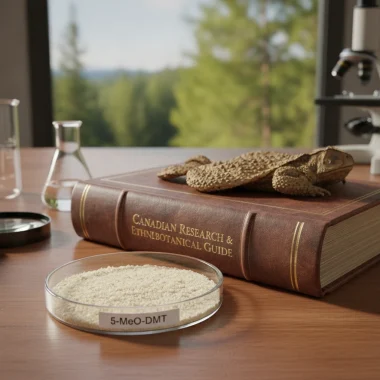
Implementing robust harm reduction protocols is essential when handling any ethnobotanical or research material, regardless of its legal status. This includes meticulous labeling, secure storage in controlled environments to prevent accidental exposure or unauthorized access, and precise documentation of origins and intended use. For substances like 5-MeO-DMT powder, strict laboratory protocols, including personal protective equipment (PPE) and proper ventilation, are mandatory to minimize risks associated with handling potent alkaloids. Emphatically, all products supplied for ethnobotanical collection or research purposes are strictly not for human consumption, and this fundamental rule underpins all harm reduction strategies. Proper disposal methods for unused or expired materials are also critical, preventing environmental contamination and ensuring controlled substances do not enter illicit channels. These comprehensive safety measures reflect a commitment to ethical conduct and responsible scientific inquiry.
Quality Assurance for Research-Grade Ethnobotanical Compounds
For scientific research and ethnobotanical studies, the integrity of compounds is paramount. Quality assurance in the realm of ethnobotanical materials, especially those containing sensitive alkaloids, involves a rigorous process from sourcing to final analysis. Researchers rely on accurate and consistent data, which is only achievable when the purity, identity, and potency of their materials are unequivocally established. This commitment extends beyond mere compliance; it directly impacts the validity and reproducibility of scientific findings. Whether studying the unique alkaloid profiles of different mescaline-bearing cacti or analyzing isolated compounds like ibogaine HCL, a robust quality assurance framework ensures that the materials meet stringent research-grade standards, fostering reliable and impactful scientific exploration. This rigorous approach supports the Canadian research community in advancing our understanding of these complex botanicals.
The Role of Lab Testing in Verifying Purity and Alkaloid Content
Third-party lab testing is an indispensable component of verifying the purity and alkaloid content of ethnobotanical research compounds. Advanced analytical techniques such as High-Performance Liquid Chromatography (HPLC) and Gas Chromatography-Mass Spectrometry (GC-MS) are employed to identify and quantify specific alkaloids, ensuring the material matches its stated profile. This verification process goes beyond confirming the presence of target compounds; it also screens for potential contaminants like heavy metals, pesticides, molds, and residual solvents, which could compromise research integrity or pose health risks if mishandled. For researchers, obtaining materials accompanied by comprehensive Certificates of Analysis (CoAs) from accredited laboratories provides the necessary assurance that their compounds are authentic, pure, and accurately characterized, critical for precise dosing and experimental reproducibility. This diligence is particularly important when acquiring sensitive substances like PTA vs TA Ibogaine: Alkaloid Ratios for Canadian Study, highlights how precise alkaloid ratios can significantly impact research design and expected pharmacological outcomes. Without this granular level of detail, researchers face challenges in replicating experiments or drawing definitive conclusions about specific compound activities. A clear alkaloid profile also aids in standardizing research protocols, making findings more robust and transferable across different studies and institutions.
Ethnobotanical Research Compounds: Ensuring Authenticity and Consistency
Ensuring the authenticity and consistency of ethnobotanical research compounds is vital for maintaining the integrity of any scientific endeavor. Authenticity refers to the verification that the plant material or extract is precisely what it claims to be, often confirmed through botanical identification, DNA barcoding for plant species, or comprehensive chemical fingerprinting for extracts. Consistency, on the other hand, relates to the batch-to-batch uniformity of the material’s composition, ensuring that researchers can expect similar results from different purchases over time. Factors such as sourcing practices, cultivation conditions, harvesting techniques, and extraction methods can all influence the final alkaloid content and overall quality of the material. Reputable suppliers, therefore, prioritize stringent quality control measures at every stage, providing researchers with reliable and standardized compounds that minimize variability and enhance the scientific validity of their studies. This commitment underpins trust in the ethnobotanical research community.
Mind Healing Shop: Your Partner in Compliant Ethnobotanical Exploration
Our Commitment to Legal Adherence and Science-Backed Educational Resources
Mind Healing Shop is deeply committed to upholding the highest standards of legal adherence and providing robust, science-backed educational resources for the Canadian ethnobotanical and research community. We understand the complexities of Canadian regulations, particularly concerning substances like mescaline, ibogaine, psilocybin, and DMT. Our platform serves as a trusted source for meticulously sourced ethnobotanical collection, research, souvenir, or ornamental purposes, always emphasizing strict compliance with Health Canada guidelines and the CDSA. We ensure all product information is transparent, detailing origins, processing methods, and relevant legal frameworks. Our educational content is rigorously researched, drawing from peer-reviewed studies and traditional knowledge to empower users with accurate information for responsible engagement. This commitment extends to providing clear distinctions, such as the legal status of San Pedro cactus for sale Canada versus controlled mescaline alkaloids, or the specifics of mindhealingshop.ca stands as a reliable partner, dedicated to supporting informed and responsible exploration.