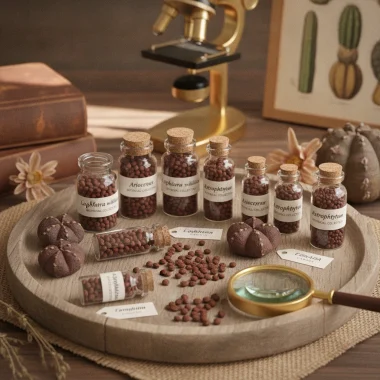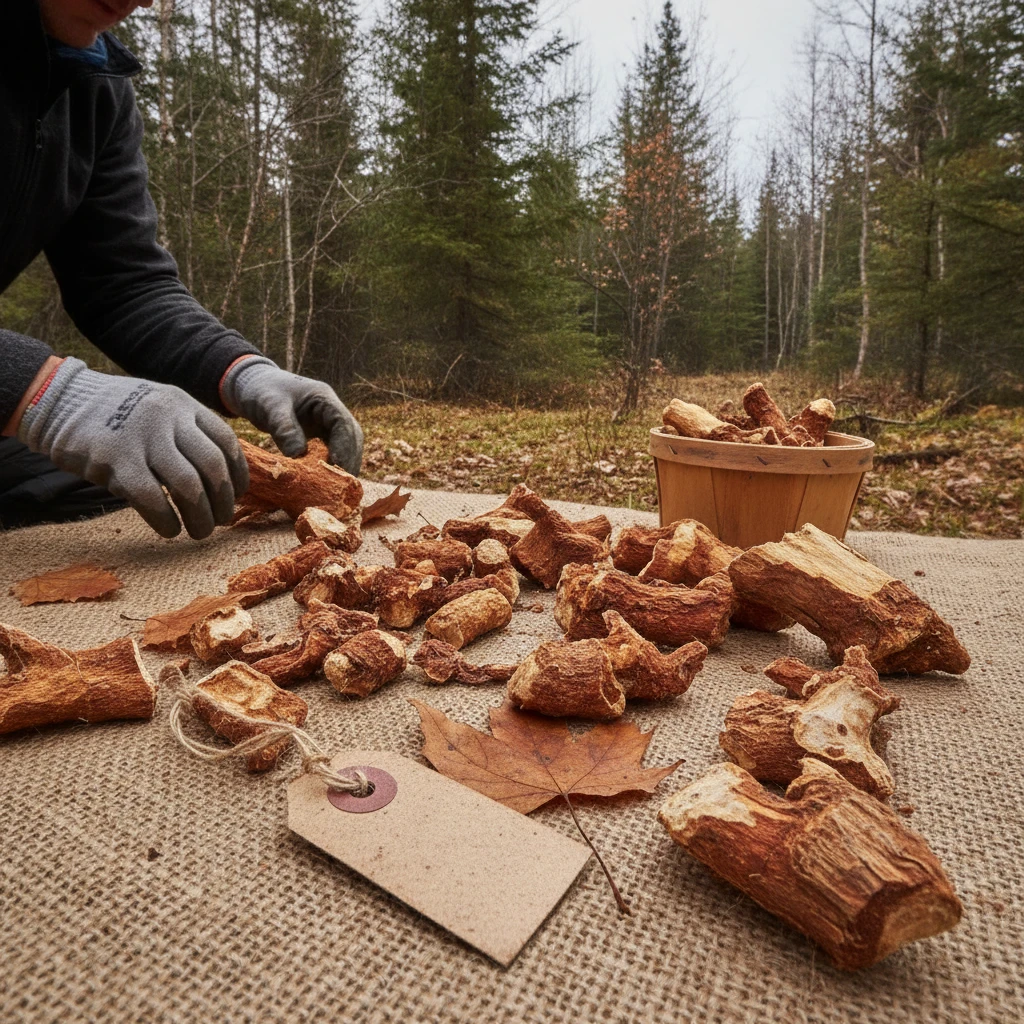
The quest for profound ethnobotanical insights often leads to substances with deep historical and cultural roots, and among them, Tabernanthe iboga stands out. As Canadian researchers and ethnobotanical collectors increasingly explore the rich tapestry of plant medicines, understanding the multifaceted nature of iboga root bark becomes paramount. Its unique alkaloid profile and traditional significance present a compelling area of study, demanding a rigorous approach to sourcing, legal compliance, and ethical considerations.
This comprehensive guide delves into the intricate world of iboga, from its enduring legacy in West African traditions to the complex legal framework governing its study and collection in Canada. We will examine the distinct chemical compounds that give iboga its properties, clarify the critical distinctions in its legal status, and underscore the indispensable importance of ethical sourcing and sustainability. Our aim is to equip the Canadian research and ethnobotanical community with the knowledge needed to engage with this potent botanical responsibly and compliantly.
The Enduring Legacy of Tabernanthe iboga in Ethnobotany
Traditional Uses and Cultural Significance in West Africa
For centuries, Tabernanthe iboga has been revered as a sacred plant in the spiritual and healing traditions of indigenous communities in West and Central Africa, particularly among the Bwiti in Gabon and Cameroon. Its root bark is central to rites of passage, spiritual initiations, and healing ceremonies, serving as a powerful tool for self-discovery and communal cohesion. The Bwiti tradition emphasizes iboga’s role in spiritual awakening, facilitating profound introspective journeys that connect individuals to their ancestors and the natural world. These ceremonies often involve consuming carefully prepared iboga root bark, guided by experienced elders, to induce altered states of consciousness believed to offer spiritual guidance and facilitate emotional and physical healing. Ethnobotanical collection of iboga must always be approached with profound respect for these deep-seated cultural practices, recognizing its sacred status rather than merely viewing it as a botanical specimen.
Historical Context of Iboga’s Introduction to the West
Iboga’s journey from the heart of Africa to Western scientific interest began in the late 19th and early 20th centuries. French explorers and colonialists were among the first Europeans to document its use, observing its effects on indigenous populations. The primary active alkaloid, ibogaine, was first isolated in 1901 by Dybowski and Landrin. Early Western interest was largely pharmacological, initially exploring its potential as a stimulant and later, more significantly, for its reported anti-addictive properties. This shift marked a critical pivot, transforming iboga from a revered spiritual tool into a subject of medical and scientific scrutiny. While Western science has focused on isolating and studying individual compounds like ibogaine for specific therapeutic applications, it is crucial to remember the holistic and ceremonial context from which the plant originates. The historical introduction highlights a persistent tension between reductionist scientific approaches and the rich, complex ethnobotanical traditions.
Understanding Iboga Root Bark: Its Unique Alkaloid Profile
Key Alkaloids Present (Ibogaine, Tabernanthine, Voacangine, etc.)
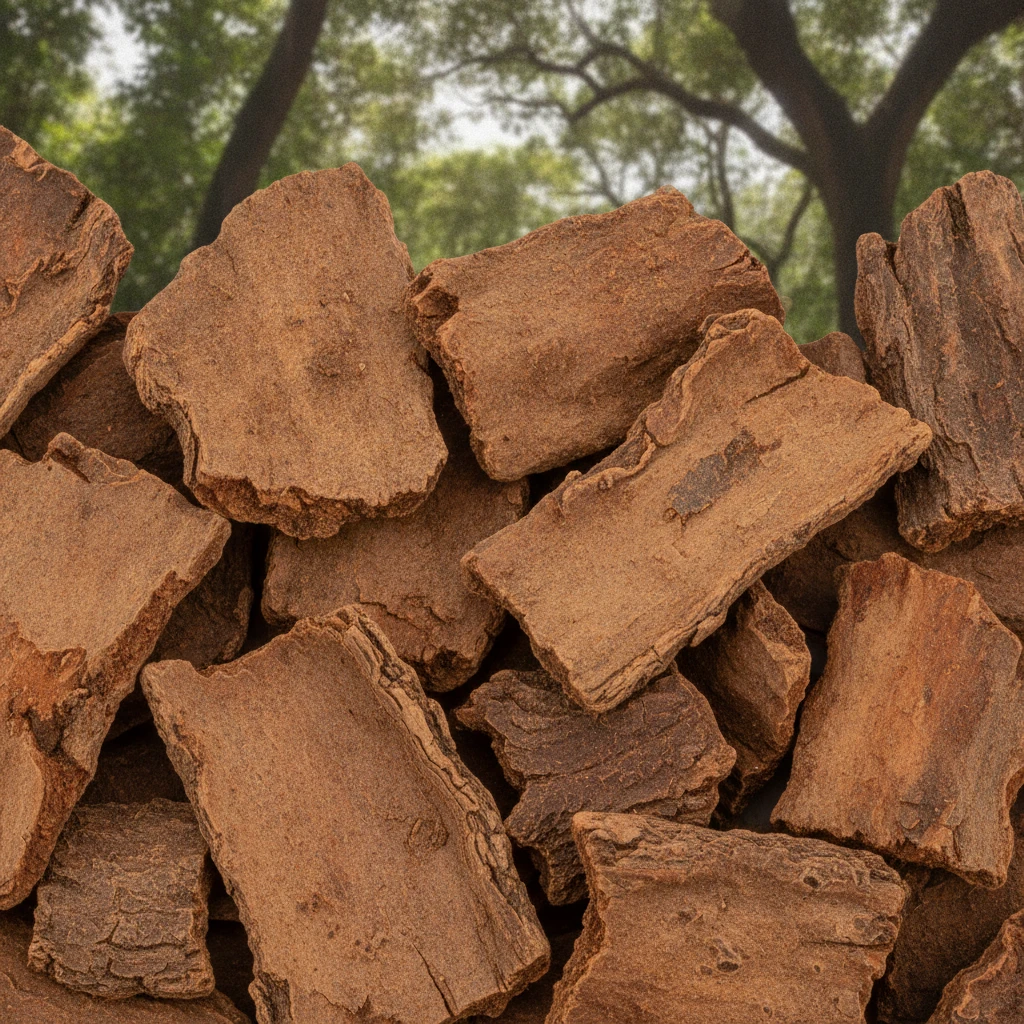
The therapeutic and spiritual properties of iboga root bark are attributed to its complex synergy of indole alkaloids. While ibogaine is the most well-known alkaloid, it is part of a larger, intricate chemical profile that includes compounds like tabernanthine, voacangine, ibogaline, and ibogamine. Each of these alkaloids contributes to the overall effect, albeit with varying potencies and mechanisms. Ibogaine itself is a potent antagonist at various receptors, including NMDA receptors, and modulates opioid receptors, which is believed to underpin its anti-addictive potential. Tabernanthine shares structural similarities with ibogaine but exhibits distinct pharmacological actions, often described as less potent. Voacangine, another significant alkaloid, can be converted into ibogaine through chemical synthesis and also possesses its own array of effects. For Canadian researchers and ethnobotanical collectors, understanding these individual components is crucial for appreciating the full spectrum activity of the whole root bark.
The Spectrum Effect of Whole Root Bark Extracts
Many traditional practitioners and ethnobotanical proponents advocate for the use of whole iboga root bark or total alkaloid (TA) extracts over isolated ibogaine HCL. This preference stems from the concept of the “entourage effect,” where the synergistic interaction of all naturally occurring alkaloids and other plant compounds is believed to produce a more balanced, nuanced, and potentially safer experience than isolated compounds. While ibogaine HCL offers precise dosing and purity, the full spectrum of the root bark is thought to provide a more holistic and less abrupt experience, mitigating some of the intense psychoactive effects of isolated ibogaine. For those engaged in ethnobotanical research, exploring these alkaloid ratios in Ibogaine TA vs. PTA provides valuable insights into the differing experiential outcomes. The nuanced interplay of alkaloids in whole root bark is a primary reason why many researchers prioritize investigating the full botanical matrix.
Available Forms for Ethnobotanical Collection (e.g., Shredded, Powdered)
Iboga root bark is available to Canadian ethnobotanical collectors and researchers in several forms, each with specific considerations. The most common include shredded root bark, powdered root bark, and sometimes larger root chips. Shredded root bark maintains much of its original botanical structure, which can be advantageous for identification and verifying authenticity, though it may require further processing for extraction or specific research applications. Powdered root bark offers convenience for measuring and incorporating into research formulations but increases the risk of adulteration if the source is not fully transparent. When collecting or sourcing, verifying the form and purity is paramount. It is essential to choose reputable suppliers who provide detailed Certificates of Analysis (CoA) to ensure the material is free from contaminants and accurately represents its botanical origin. The choice of form often depends on the specific research objective, whether it is for botanical display, chemical extraction, or comparative analysis.
Navigating the Legal Landscape of Iboga and Ibogaine in Canada
Health Canada’s Prescription Drug List Status for Ibogaine
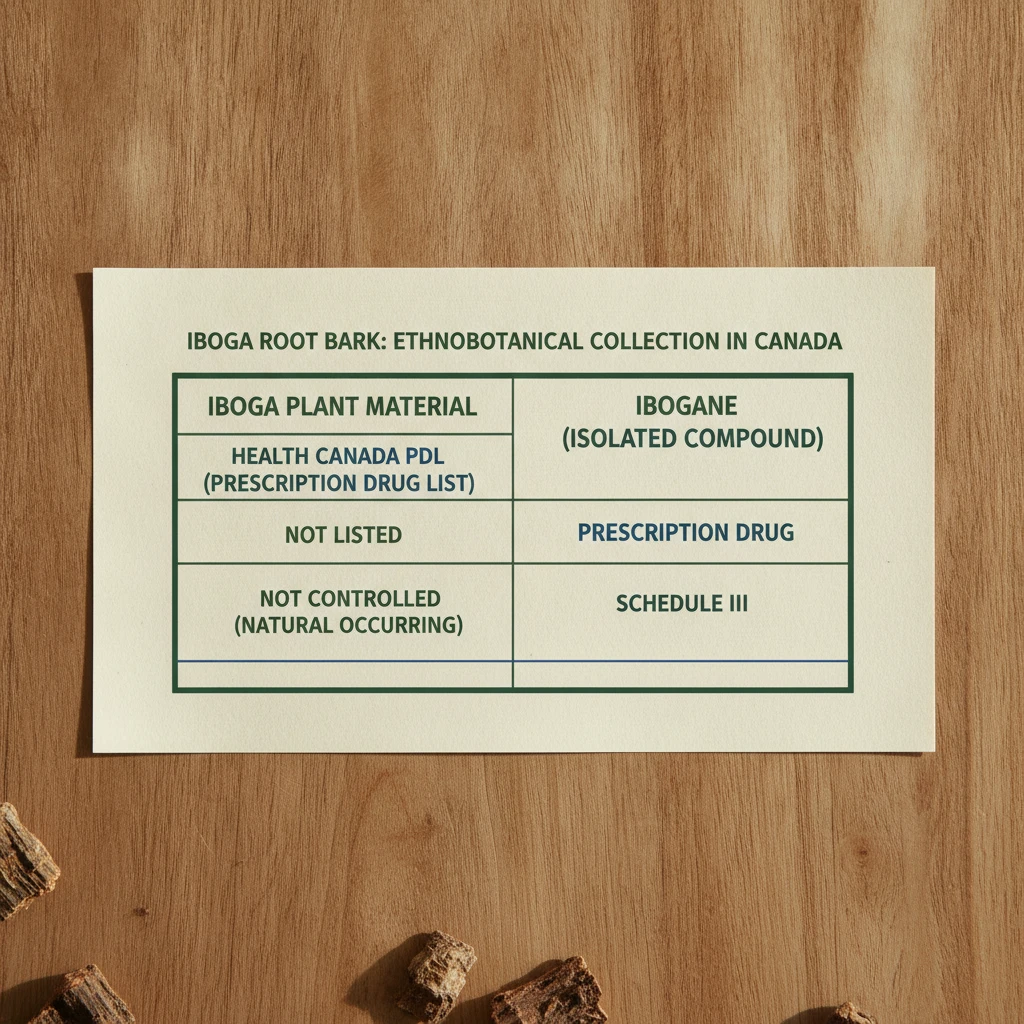
In Canada, the legal status of iboga and its principal alkaloid, ibogaine, is nuanced and requires careful consideration. While the plant Tabernanthe iboga itself is not explicitly listed under the Controlled Drugs and Substances Act (CDSA), ibogaine is designated as a prescription drug on Health Canada’s Prescription Drug List (PDL). This means that ibogaine, in its isolated chemical form, cannot be advertised, sold, or imported for human consumption without a prescription or specific authorization from Health Canada. This distinction is critical for researchers; while one might legally possess the raw botanical for ethnobotanical collection or research, the moment ibogaine is extracted or offered as a standalone compound for therapeutic use, it falls under the purview of the PDL. Any engagement with ibogaine HCL for pharmacological research in Canada demands strict adherence to these federal regulations.
Controlled Drugs and Substances Act (CDSA) Context for Research Materials
The Controlled Drugs and Substances Act (CDSA) governs the possession, production, and distribution of scheduled substances in Canada. While ibogaine is regulated under the PDL, the Tabernanthe iboga plant material itself is not listed in any of the CDSA schedules. This creates a unique situation where raw iboga root bark, when explicitly collected for ethnobotanical research, souvenir, or ornamental purposes, generally falls outside the CDSA’s direct prohibition. However, the intent of use is paramount. If the plant material is acquired with the intent to extract ibogaine for human consumption, or to circumvent the PDL regulations, it could face legal scrutiny. Therefore, Canadian entities engaged in ethnobotanical research must clearly define and document the purpose of their collection. Understanding these regulatory intricacies is fundamental for compliant sourcing and compliance for ibogaine research compounds within Canada.
Personal and Institutional Compliance Requirements for Canadian Entities
For both individual ethnobotanical collectors and institutional researchers in Canada, navigating the legal framework for iboga and ibogaine demands rigorous compliance. Individuals must ensure their activities are strictly limited to ethnobotanical, research, or ornamental purposes and never for human consumption. Institutions, such as universities or private laboratories, seeking to work with
Ethical Sourcing and Sustainability for Iboga Root Bark
Importance of Responsible Wild-Harvested vs. Cultivated Sources
The growing global demand for iboga and ibogaine-related products has put immense pressure on wild Tabernanthe iboga populations, particularly in its native Central African habitat. Responsible ethnobotanical collection necessitates a critical evaluation of sourcing methods. Wild-harvested iboga, if not managed sustainably, can lead to overexploitation, habitat degradation, and genetic erosion. Cultivated sources offer a sustainable alternative, reducing pressure on wild populations and often allowing for more consistent quality control. However, cultivated iboga may have variations in alkaloid profiles depending on growing conditions and genetics. Collectors and researchers should prioritize sources that transparently declare their harvesting methods and ideally contribute to community-based cultivation initiatives. Understanding the provenance helps ensure that the material collected does not contribute to ecological harm.
Supporting Fair Trade Practices and Indigenous Communities
Ethical sourcing extends beyond environmental sustainability to encompass social responsibility, particularly concerning indigenous communities whose traditional knowledge has preserved iboga for generations. Supporting fair trade practices ensures that the economic benefits of iboga collection flow directly back to the local communities who harvest and cultivate it, providing fair compensation for their labor and stewardship. This approach respects intellectual property and traditional ecological knowledge, preventing exploitative practices. Ethnobotanical collectors should seek suppliers who demonstrate direct, transparent relationships with harvesters and cultivators, ensuring that indigenous communities are empowered and justly compensated. Look for certifications or clear statements of partnership that affirm adherence to fair trade principles and benefit-sharing mechanisms, which are crucial for long-term sustainable and respectful engagement with this sacred plant.
Conservation Efforts for Tabernanthe iboga
The increasing international interest in Tabernanthe iboga for both traditional and emergent therapeutic uses has unfortunately led to its classification as a vulnerable or endangered species in some regions. This highlights the urgent need for robust conservation efforts. Researchers and ethnobotanical collectors have a vital role in supporting these initiatives by prioritizing sustainably sourced material, whether from managed wild populations or cultivated farms. Supporting organizations dedicated to iboga reforestation projects or those engaged in developing sustainable harvesting protocols can contribute significantly. Furthermore, advocating for the protection of iboga’s natural habitats and promoting public awareness about its ecological status are critical steps. By making informed purchasing decisions and aligning with suppliers committed to conservation, the Canadian ethnobotanical community can directly contribute to ensuring the long-term viability of this culturally significant and pharmacologically important plant.
Distinguishing Iboga Root Bark from Isolated Ibogaine Derivatives
Iboga Root Bark (Whole Spectrum) vs. Ibogaine HCL for Sale Canada
For researchers and ethnobotanical collectors in Canada, understanding the nuanced differences between whole iboga root bark and isolated ibogaine derivatives is paramount. Iboga root bark, derived from the Tabernanthe iboga plant, contains a complex matrix of indole alkaloids, with ibogaine being the most prominent. This natural matrix includes other active compounds such as tabernanthine, ibogaline, and noribogaine, which are believed to contribute to the plant’s traditional effects through entourage synergy. In contrast, PTA ibogaine refers to extracts where ibogaine is the primary and most abundant alkaloid, with other secondary alkaloids present in significantly reduced or negligible quantities. The distinction between TA and PTA is crucial for research design; TA is preferred when investigating the traditional ethnobotanical effects, while PTA may be chosen for studies requiring a highly concentrated ibogaine focus while still retaining a minimal “full spectrum” character compared to crystalline HCL.
Implications for Research Design and Alkaloid Specificity
The choice between iboga root bark, TA extracts, PTA extracts, or purified ibogaine HCL profoundly impacts research design and the interpretation of results. When conducting pharmacological studies, the specificity offered by isolated ibogaine HCL allows for precise investigation of mechanisms of action, such as its interaction with opioid receptors or serotonin transporters. However, research into the broader ethnobotanical applications or the full scope of iboga’s effects may necessitate the use of whole root bark or TA extracts to capture potential synergistic or modulating effects of secondary alkaloids. Understanding this alkaloid specificity is critical for ensuring the validity and reproducibility of experiments, especially when exploring areas like neuroplasticity or complex behavioral models. Canadian researchers must carefully align their chosen compound with their specific scientific inquiry to yield meaningful and applicable data.
Quality and Purity Considerations for Ethnobotanical Research Compounds
Importance of Lab-Tested Alkaloid Profiles and Certificate of Analysis (CoA)
For any ethnobotanical research compound, particularly iboga root bark in Canada, the integrity of scientific inquiry hinges on assured quality and purity. A comprehensive Certificate of Analysis (CoA), generated by an independent third-party laboratory, is indispensable. This document provides a detailed alkaloid profile, quantifying the precise concentrations of ibogaine, noribogaine, and other key indole alkaloids present. Beyond active compounds, the CoA should also confirm the absence or acceptable levels of heavy metals, pesticides, and microbial contaminants. Researchers relying on these materials for controlled studies must prioritize sources that provide transparent, lab-tested documentation, ensuring consistency across batches and the reliability of experimental outcomes.
Contaminant Screening and Best Practices for Raw Botanicals
Raw botanical materials are inherently susceptible to various contaminants that can compromise research integrity and safety. For iboga root bark, robust contaminant screening protocols are essential. This includes testing for heavy metals like lead, cadmium, and mercury, which can accumulate in plants from soil or water sources. Furthermore, screening for residual pesticides, herbicides, and fungicides is critical, especially given that many botanicals are wild-harvested or cultivated without strict organic controls. Microbiological contaminants such as mold, yeast, and pathogenic bacteria must also be ruled out to prevent degradation of the compound and potential health risks in laboratory settings. Adherence to Good Laboratory Practices (GLP) and best practices in botanical sourcing significantly mitigates these risks, ensuring a cleaner, safer research compound.
Ensuring Product Authenticity and Identity
The authenticity and precise botanical identity of ethnobotanical research compounds are foundational for scientific validity. Misidentification can lead to erroneous research conclusions and wasted resources. For iboga root bark, this means verifying that the material is indeed derived from Tabernanthe iboga and not a related species or an adulterant. Methods for ensuring authenticity include macroscopic and microscopic botanical identification, and increasingly, DNA barcoding technology for genetic confirmation. A reputable supplier will provide clear provenance and documentation affirming the botanical source. This meticulous attention to product identity is a non-negotiable step in responsible ethnobotanical research, ensuring that studies are conducted on the intended compound with confidence in its biological origin.
Responsible Collection and Research Practices in Canada
Guidelines for Non-Human Use and Controlled Laboratory Settings
All iboga root bark and associated derivatives provided by Mind Healing Shop are strictly for ethnobotanical collection, research, souvenir, or ornamental purposes only and are not for human consumption. Researchers in Canada must operate under strict adherence to this disclaimer and all applicable laws. While ibogaine itself is not scheduled under the Controlled Drugs and Substances Act (CDSA), Health Canada has placed it on the Prescription Drug List, regulating its use. Therefore, any research involving iboga compounds must be conducted in controlled laboratory settings that meet established safety and ethical standards. This includes obtaining appropriate institutional approvals, ensuring secure storage, and maintaining rigorous protocols for handling substances. Researchers are explicitly advised to verify their local laws and Health Canada regulations before acquiring or working with these materials.
Ensuring Proper Storage, Handling, and Waste Disposal Protocols
Maintaining the integrity and safety of iboga root bark and its derivatives necessitates strict protocols for storage, handling, and waste disposal. Compounds should be stored in cool, dark, and dry conditions, ideally in airtight containers, to prevent degradation from light, moisture, and oxidation, which can alter alkaloid profiles. During handling, researchers must utilize appropriate personal protective equipment (PPE) such as gloves and eye protection, especially when working with concentrated extracts or powders, to minimize exposure. For waste disposal, all materials, including used samples, contaminated glassware, and packaging, must be managed according to hazardous waste guidelines. This involves proper labeling, segregation, and disposal through certified waste management services, ensuring both environmental responsibility and compliance with Canadian regulations.
Documentation and Record-Keeping for Research Integrity
Thorough documentation and meticulous record-keeping are cornerstones of credible and reproducible ethnobotanical research. Researchers must maintain detailed logs of all iboga root bark and derivative acquisitions, including supplier information, batch numbers, and Certificate of Analysis data. Records should also meticulously track the quantity of material received, consumed in experiments, and disposed of. Each experimental procedure, including preparation methods, dosages, and observations, requires comprehensive documentation. This includes maintaining a complete chain of custody for all materials. Such detailed record-keeping is vital not only for internal accountability and scientific rigor but also for demonstrating compliance with regulatory bodies and facilitating potential audits or peer review processes. Robust documentation upholds the integrity and transparency of the research endeavor.
Mind Healing Shop’s Commitment to Compliance and Transparency
Our Rigorous Sourcing and Testing Standards for Iboga Root Bark Canada
Mind Healing Shop is dedicated to providing the Canadian research and ethnobotanical community with ethically sourced and meticulously tested iboga root bark. Our sourcing strategy emphasizes suppliers who adhere to sustainable collection practices, minimizing environmental impact and supporting indigenous communities where applicable. Upon receipt, all batches of iboga root bark undergo rigorous third-party laboratory testing to verify authenticity and determine precise alkaloid profiles. This includes quantitative analysis of key compounds like ibogaine and noribogaine, ensuring consistency and potency. We recognize the critical importance of reliable ibogaine research compounds Canada, and our commitment to these high standards underpins every product we offer, providing researchers with confidence in their materials.
Adherence to Canadian Laws and Health Canada Regulations for Ethnobotanical Compounds
Operating within Canada, Mind Healing Shop maintains unwavering adherence to all relevant federal and provincial laws, including the Controlled Drugs and Substances Act (CDSA) and Health Canada regulations. We explicitly state that all iboga root bark and derivatives are supplied solely for ethnobotanical collection, research, souvenir, or ornamental purposes and are strictly not intended for human consumption. We actively monitor regulatory updates concerning ethnobotanical compounds to ensure our practices remain fully compliant. Our commitment extends to informing our customers about their responsibilities to verify their local laws and Health Canada guidelines before placing an order. This proactive approach ensures that our operations and customer interactions are conducted with the utmost legality and transparency, fostering responsible engagement with these unique botanicals.
Providing Resources for Informed Decision-Making
Mind Healing Shop believes that informed decision-making is paramount for responsible ethnobotanical research. Beyond supplying high-quality compounds, we are committed to being a comprehensive educational resource. Our platform provides detailed information on product differentiation, such as the distinctions between iboga root bark, TA, PTA, and Ibogaine HCL. We offer insights into alkaloid profiles, traditional uses, and the latest scientific research to aid Canadian researchers in selecting the most appropriate materials for their studies. Through our content, we consistently emphasize harm reduction protocols, contraindication awareness, and the strict legal framework surrounding these substances in Canada, ensuring that our community is equipped with the knowledge needed to engage safely, ethically, and in full compliance with regulations.
Iboga Root Bark as a Resource for Canadian Researchers and Ethnobotanists
Supporting Neuroscientific and Pharmacological Studies on Alkaloid Interactions
The unique alkaloid profile of Iboga root bark Canada presents an invaluable resource for advanced neuroscientific and pharmacological investigations. Researchers are actively exploring the complex interactions of ibogaine, noribogaine, and other trace alkaloids with various neurotransmitter systems. These studies often involve examining potential mechanisms for neuroplasticity or novel therapeutic targets, particularly in areas related to addiction and neurodegenerative conditions. Access to high-purity ethnobotanical research compounds, such as ibogaine HCl for sale, facilitates rigorous in-vitro and animal model studies, providing critical data on dose-response curves and long-term effects. Understanding the precise ratios of different alkaloids, such as comparing total alkaloid extracts to purified compounds, is paramount for specific research objectives.
Applications in Botanical Preservation and Traditional Medicine Studies
Beyond pharmacological analysis, Iboga root bark serves as a cornerstone for botanical preservation efforts and the scholarly study of traditional medicine. Ethnobotanists and cultural anthropologists in Canada often focus on documenting the sustainable harvesting practices and ritualistic uses of Tabernanthe iboga in its indigenous contexts. This involves careful collection, taxonomic identification, and genetic sequencing to contribute to global biodiversity databases. Our offerings support educational institutions and private researchers engaged in building comprehensive botanical libraries and facilitating comparative studies of plant medicine traditions. Such work helps in both the conservation of the species and the preservation of crucial ethnobotanical knowledge for future generations.
Contribution to the Broader Ethnobotanical Research Community
Providing access to quality
Essential Legal Disclaimer and Harm Reduction for Ethnobotanical Use
Products Supplied Strictly for Ethnobotanical Collection, Research, Souvenir, or Ornamental Purposes Only
It is imperative for all users to understand that products featuring Iboga root bark and other associated compounds are supplied strictly for ethnobotanical collection, research, souvenir, or ornamental purposes only. Our platform caters specifically to the Canadian research and ethnobotanical community, providing materials for scientific inquiry and educational displays. These items are not intended for any form of human or animal consumption, nor are they promoted for such uses. This clear demarcation ensures adherence to legal frameworks and prioritizes the responsible stewardship of these potent botanicals. Users are expected to respect these guidelines and utilize products solely within these defined parameters.
Not for Human Consumption: Strict Adherence to Health Canada Regulations
Our firm policy dictates that all products, including Iboga root bark, are not for human consumption. This strict adherence aligns with Health Canada’s regulatory stance, particularly regarding substances like ibogaine, which is listed on the Prescription Drug List. While raw plant material such as iboga root bark is not explicitly scheduled under the Controlled Drugs and Substances Act (CDSA), any preparation or compound containing ibogaine is regulated when intended for use as a drug. We emphasize that our offerings are for research and ethnobotanical purposes, and any deviation from this intended use is the sole responsibility of the purchaser. For further information on global health guidelines, please refer to the World Health Organization.
User Responsibility: Verify Local Laws and CDSA Schedules Before Ordering
As a Canadian supplier of ethnobotanical research compounds, we place significant emphasis on user responsibility. It is critically important for every individual to verify and understand their local laws and the specific CDSA schedules before placing an order. While we provide general guidance on Canadian legality, regulations can be complex and subject to interpretation or change. Substances like psilocybin, DMT, and mescaline, for instance, are Schedule III under the CDSA, while ketamine is Schedule I. Although Iboga root bark itself may not be scheduled, its active compounds have regulatory considerations. Your due diligence in verifying compliance with all applicable federal, provincial, and municipal statutes is an essential component of responsible sourcing and use.
Our commitment remains to provide high-quality, ethically sourced ethnobotanical materials and research compounds, coupled with comprehensive educational resources. We aim to empower the Canadian research and ethnobotanical community with the tools and knowledge necessary for responsible and compliant exploration of these significant botanicals.
Ethical Sourcing and Sustainability: Our Commitment
We meticulously vet our suppliers to ensure all ethnobotanical materials, including Iboga root bark, are harvested in a sustainable manner that respects both the environment and local communities. Our commitment extends to fair compensation for collectors and adherence to practices that promote the long-term viability of plant populations. We advocate for responsible stewardship of these invaluable natural resources, aligning with principles promoted by organizations dedicated to ethical trade and conservation. For more details on sustainable harvesting practices, please consult resources like the Fair Trade International website.
Disclaimer and Limitation of Liability
It is imperative to understand that all information provided on this site and with our products is for educational and research purposes only. We do not offer medical advice, nor do we endorse or condone the use of any product for therapeutic, diagnostic, or recreational purposes. The purchaser assumes full responsibility for the proper handling, storage, and use of all materials. Our liability is strictly limited to the purchase price of the product, and we shall not be liable for any direct, indirect, incidental, consequential, or punitive damages arising from the use or misuse of our products. By placing an order, you acknowledge and accept these terms.
Ordering and Shipping Information
Placing an order with us is designed to be a straightforward and secure process. Browse our extensive catalog of ethnobotanical materials and research compounds, add your desired items to your cart, and proceed to our secure checkout. We accept various payment methods, detailed during the checkout process. Once your order is confirmed, you will receive an email verification.
We prioritize discreet and secure shipping for all our products. Orders are typically processed and dispatched within 1-3 business days. We offer several shipping options, including expedited services, with costs calculated based on destination and package weight. All shipments within Canada include tracking information, which will be provided to you via email once your order has shipped. While we strive for timely delivery, please note that shipping times can vary depending on your location and carrier efficiency. For detailed information on shipping rates and estimated delivery times, please refer to our dedicated shipping policy page on our website.
Customer Support and Contact
Our dedicated customer support team is available to assist you with any inquiries regarding products, orders, or general information. We are committed to providing prompt and helpful assistance to ensure a positive experience. Before contacting us, we encourage you to review our comprehensive Frequently Asked Questions (FAQ) section, which addresses many common questions about our offerings, legalities, and processes.
If you require further assistance, please do not hesitate to reach out. You can contact us via our online contact form, and we aim to respond to all inquiries within 24-48 business hours. Your feedback and questions are invaluable as we continuously strive to improve our services and support the Canadian research and ethnobotanical community.
Conclusion
We are dedicated to being a trusted resource for high-quality, ethically sourced ethnobotanical materials and research compounds in Canada. By prioritizing responsible sourcing, adherence to legal frameworks, and comprehensive educational resources, we aim to empower researchers, academics, and enthusiasts in their compliant exploration of these fascinating botanicals. We encourage all users to engage with our products responsibly, armed with knowledge and respect for the intricate legal and ethical considerations involved. Thank you for choosing us as your partner in the responsible advancement of ethnobotanical understanding.