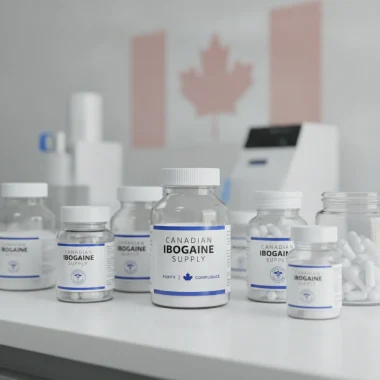
In Canada (2026), there’s a growing buzz around Iboga and Ibogaine, substances derived from the African Iboga plant. People are increasingly interested in these compounds, particularly for their potential to address addiction and mental health challenges. This article provides a comprehensive overview of Iboga and Ibogaine within the Canadian context, exploring everything from their traditional uses to their legal status and potential benefits.
Whether you’re exploring psychedelics as a wellness option, seeking addiction treatment solutions, or are simply curious about these intriguing substances, this guide aims to provide you with accurate and up-to-date information. We’ll delve into the rising interest, the science behind them, the legal landscape, and their potential therapeutic applications. For a more visual introduction, consider exploring this deep dive into psychedelic healing.
The Rising Interest in Iboga and Ibogaine in Canada (2026)
Increased Awareness of Alternative Therapies
Canadians are becoming increasingly open to exploring alternative therapies for various health conditions, signaling a shift away from solely relying on conventional medicine. This growing acceptance stems from several factors, including dissatisfaction with traditional treatments, a desire for more holistic approaches, and increased access to information via the internet. For instance, individuals struggling with chronic pain may seek alternative solutions when traditional painkillers prove ineffective or cause unwanted side effects. Similarly, those facing mental health challenges, like anxiety or depression, might explore options beyond prescription medication and therapy. This openness has paved the way for increased interest in substances like Iboga and Ibogaine, which are often presented as potential solutions for addiction, mental health, and even spiritual exploration.
Growing Demand for Addiction Treatment Options
The opioid crisis and rising rates of alcohol and stimulant addiction in Canada have created a critical need for more effective treatment options. Traditional addiction treatment methods, such as rehabilitation centers and medication-assisted therapy, can be costly and may not always yield the desired results for everyone. This has fueled a search for alternative approaches, including those involving psychedelics. Ibogaine, in particular, has garnered attention for its potential to interrupt addiction pathways and reduce withdrawal symptoms, offering a possible “reset” for individuals struggling with substance use disorders. The growing demand for these alternative treatments is reflected in the increasing number of clinics and underground providers offering Ibogaine therapy, despite its legal ambiguity. Furthermore, success stories and anecdotal evidence shared online contribute to the allure and hope surrounding Ibogaine as a potential solution. To explore further, consider our page on Iboga for addiction success stories in Canada.
The Role of Online Resources and Communities
The internet has played a significant role in spreading awareness about Iboga and Ibogaine in Canada. Online forums, social media groups, and websites dedicated to psychedelic substances provide platforms for individuals to share information, personal experiences, and connect with others who are interested in or have used Iboga or Ibogaine. These online communities often serve as a crucial source of support and guidance, particularly for those who are considering Ibogaine treatment but lack access to reliable information or professional advice. However, it’s crucial to exercise caution when relying on online resources, as the information shared may not always be accurate or evidence-based. Look for reputable sources, consult with healthcare professionals, and critically evaluate the information you encounter. Be wary of providers who make unsubstantiated claims or guarantees of success. Always prioritize safety and informed decision-making. Accessing reliable information online is a crucial first step, though this should be combined with professional guidance before pursuing such potent compounds. Don’t forget to consult our FAQ on Iboga and Ibogaine for answers to common questions.
What are Iboga and Ibogaine? A Detailed Overview
Iboga: Origin and Traditional Uses in Bwiti Religion
Iboga (Tabernanthe iboga) is a perennial rainforest shrub native to Central Africa, particularly Gabon, Cameroon, and the Republic of Congo. For centuries, the Bwiti religion, an indigenous spiritual tradition, has utilized the Iboga root bark in various rituals and ceremonies. These ceremonies often involve initiations, spiritual healing, and connecting with ancestors. The Bwiti consider Iboga to be a sacred plant with the power to facilitate profound spiritual experiences, provide guidance, and heal both physical and psychological ailments. During these ceremonies, participants consume significant amounts of the Iboga root bark, which contains a complex mixture of alkaloids, with Ibogaine being the most prominent. The Bwiti’s deep connection to Iboga and their extensive knowledge of its properties have been passed down through generations, shaping their culture and spiritual practices. Their traditional use highlights the importance of respect and reverence when working with Iboga. More on the Bwiti tradition can be found at the Ibogaine Alliance website.
Ibogaine: The Psychoactive Alkaloid and its Properties
Ibogaine is the primary psychoactive alkaloid found in Iboga root bark. It is a naturally occurring compound with a complex chemical structure that interacts with multiple neurotransmitter systems in the brain. Unlike many other psychedelic substances, Ibogaine has a relatively long duration of action, with effects lasting for 24-36 hours or even longer. Its mechanism of action is multifaceted and not fully understood, but it is believed to involve interactions with serotonin, dopamine, opioid, and glutamate receptors. This complex interaction is thought to contribute to Ibogaine’s unique therapeutic properties, including its ability to reduce cravings and withdrawal symptoms associated with addiction. Research suggests that Ibogaine can reset dopamine levels, which are often dysregulated in individuals with addiction. Furthermore, Ibogaine’s effects on neuroplasticity may contribute to its potential for facilitating long-term changes in behavior and thinking patterns. These properties distinguish it from other substances, like 2C-B pills, which induce primarily visual and emotional effects.
Different Forms: Iboga Root Bark, TA Extract, and Ibogaine HCl
Iboga is available in several forms, each with varying potency and effects. Iboga root bark is the most natural form, consisting of the dried and ground bark of the Iboga plant. The alkaloid content can vary significantly depending on the source and preparation of the bark. Total Alkaloid (TA) extract is a concentrated form that contains a mixture of all the alkaloids found in Iboga, including Ibogaine, Ibogamine, and other minor alkaloids. TA extract is generally more potent than root bark and is often preferred for therapeutic use because of its standardized alkaloid content. Ibogaine Hydrochloride (HCl) is the purest form of Ibogaine, isolated and synthesized in a laboratory. Ibogaine HCl offers the advantage of precise dosing and is commonly used in clinical settings and research studies. When choosing a form of Iboga or Ibogaine, it’s crucial to consider the potential risks and benefits, as well as the specific needs of the individual. Root bark is generally considered to have a more holistic and grounding effect, while Ibogaine HCl offers a more direct and intense experience. The dosage guide for Iboga capsules may offer some further guidance on this.
Legality of Iboga and Ibogaine in Canada: A Grey Area
Current Legal Status: Unregulated but Not Explicitly Illegal
In Canada, the legal status of Iboga and Ibogaine is complex and often described as a “grey area”. Neither substance is explicitly listed as a controlled substance under the Controlled Drugs and Substances Act (CDSA). This means that possession, sale, and use are not explicitly illegal at the federal level. However, the lack of regulation also means that there are no quality control standards or safety guidelines in place for Iboga and Ibogaine products. This absence of regulation creates potential risks for consumers, as the purity and potency of products may vary significantly, and there is no legal recourse in case of adverse events. The legal ambiguity also poses challenges for healthcare professionals who may be interested in offering Ibogaine treatment, as they face uncertainty regarding liability and regulatory oversight.
Health Canada’s Stance on Ibogaine Use and Research
Health Canada has not approved Ibogaine for any therapeutic use. This means that it cannot be legally prescribed by physicians or marketed as a treatment for any medical condition. Health Canada’s stance is largely based on concerns about the safety and efficacy of Ibogaine, as well as the lack of sufficient clinical evidence to support its widespread use. However, Health Canada has allowed some researchers to conduct clinical trials with Ibogaine under strict conditions, using a Section 56 exemption. These exemptions are granted on a case-by-case basis and require researchers to demonstrate that the potential benefits of the research outweigh the risks. Health Canada also monitors the use of Ibogaine through its adverse drug reaction reporting system, tracking any reported side effects or complications associated with its use. Any company selling Ketamine for sale, Iboga, or Ibogaine in Canada needs to do their own due diligence to ensure they understand and comply with Health Canada’s regulations. More information can be found through Health Canada’s official website.
Potential Legal Risks Associated with Purchase and Use
Despite the lack of explicit legal prohibition, there are potential legal risks associated with the purchase and use of Iboga and Ibogaine in Canada. While possession alone may not be illegal, activities such as importing, exporting, or producing Iboga or Ibogaine could potentially be subject to prosecution under other laws, such as the Food and Drugs Act or the Customs Act. Additionally, individuals who provide Ibogaine treatment without proper medical licenses or in a manner that is deemed negligent could face legal liability. It is also important to consider that the legal status of Iboga and Ibogaine may vary depending on the province or territory. Some provinces may have specific regulations or policies that restrict its use or availability. Individuals considering using Iboga or Ibogaine should be aware of these potential legal risks and consult with legal counsel if they have any concerns. Always prioritizing safety and legality is paramount. Don’t forget to review information to assist in navigating Canadian laws related to Iboga and Ibogaine. For further legal research in Canada, consider consulting resources like CanLII.
Potential Benefits of Ibogaine Treatment: Addiction and Beyond
Addiction Interruption: Opioids, Alcohol, and Stimulants
Ibogaine has garnered significant attention for its potential to interrupt addiction, particularly in the context of opioid, alcohol, and stimulant dependence. Many users report a significant reduction in withdrawal symptoms. For example, a person dependent on opioids, such as fentanyl, might experience drastically reduced withdrawal symptoms—chills, nausea, anxiety—after Ibogaine treatment. This can make the detoxification process far more manageable and potentially life-saving. Furthermore, Ibogaine is believed to reduce cravings for addictive substances, giving individuals a window of opportunity to address the underlying psychological and emotional factors contributing to their addiction. For alcohol dependence, some individuals find that Ibogaine helps them abstain from drinking and re-evaluate their relationship with alcohol. Similarly, people struggling with stimulant addiction, such as cocaine or methamphetamine, may find that Ibogaine reduces their cravings and improves their ability to manage impulsivity. The long-term success of Ibogaine treatment depends on various factors, including the individual’s commitment to recovery, aftercare support, and addressing any underlying mental health issues. Success rate estimates vary, but some studies suggest that a significant percentage of individuals experience sustained abstinence for several months or even years after Ibogaine treatment. Proper integration is key.
Mental Health Applications: Depression, Anxiety, and PTSD
Beyond its potential for addiction treatment, Ibogaine is being explored for its potential benefits in addressing various mental health conditions, including depression, anxiety, and post-traumatic stress disorder (PTSD). Some anecdotal reports and preliminary research suggest that Ibogaine can have a profound impact on mood regulation and emotional processing. For example, individuals struggling with treatment-resistant depression might experience a significant uplift in mood and a renewed sense of hope after Ibogaine treatment. The underlying mechanism may involve Ibogaine’s effects on serotonin receptors and its ability to promote neuroplasticity, allowing for the formation of new neural connections. People with anxiety may also find that Ibogaine helps them to process underlying anxieties and fears, leading to a reduction in symptoms. For those suffering from PTSD, Ibogaine may facilitate the processing of traumatic memories and reduce the intensity of flashbacks and nightmares. It’s crucial to emphasize that the use of Ibogaine for mental health conditions is still considered experimental, and more research is needed to fully understand its safety and efficacy. Individuals with pre-existing mental health conditions should proceed with caution and consult with qualified mental health professionals before considering Ibogaine treatment. It’s also worth considering other alternatives such as magic mushrooms for sale.
Spiritual Exploration and Personal Growth
In addition to its potential therapeutic applications, Iboga is sometimes used for spiritual exploration and personal growth. Some individuals seek out Iboga experiences to gain deeper insights into themselves, their relationships, and their place in the world. The psychoactive effects of Iboga can induce altered states of consciousness, vivid imagery, and profound emotional experiences, which some people find transformative. For example, a person feeling lost or disconnected might use Iboga to gain clarity about their life purpose and reconnect with their inner self. Others may use Iboga to explore their spiritual beliefs or to connect with a higher power. However, it’s important to approach Iboga for spiritual purposes with caution and respect. It is not a recreational drug and should not be used lightly. Individuals seeking spiritual experiences with Iboga should be prepared for potentially challenging emotions and psychological experiences. It’s also important to have a clear intention and to seek guidance from experienced facilitators or spiritual leaders. Be wary of any promises of a quick or easy path to enlightenment. The transformative process often requires significant effort, introspection, and integration. Consider the potential price when exploring psychedelics like Iboga.
Navigating Ibogaine Treatment Options in Canada
Finding Reputable Clinics and Providers
Finding a reputable ibogaine clinic in Canada requires careful consideration. Begin by researching clinics online, focusing on those with transparent websites detailing their staff, qualifications, and treatment approaches. Look for clinics that are upfront about the potential risks and benefits of ibogaine treatment. Investigate the clinic’s history and any reported incidents. A key decision criterion is the clinic’s adherence to ethical guidelines and their commitment to patient safety. Verify the credentials of the medical professionals involved, including their experience with ibogaine therapy. For example, a clinic should clearly state the qualifications of their doctors, nurses, and therapists. Ensure that the clinic conducts thorough pre-screening assessments to determine suitability for treatment. Pitfalls to avoid include clinics that make unrealistic promises or lack transparency about their practices. Check if the clinic provides ongoing support after the ibogaine experience. Consider clinics that offer integration therapy to support long-term recovery. An actionable step is to schedule initial consultations with several clinics to compare their approaches and assess your comfort level with their staff.
Understanding Treatment Protocols and Screening Processes
Ibogaine treatment protocols vary between clinics, but generally involve several phases: assessment, preparation, ibogaine administration, and integration. A comprehensive screening process is essential to identify potential contraindications and risks. This typically includes a physical examination, blood tests, and psychological evaluation. The cardiovascular system is of particular concern; therefore, an ECG (electrocardiogram) is usually required. The psychological evaluation aims to identify any underlying mental health conditions that might complicate treatment. Clinics should also assess a patient’s motivation for treatment and their understanding of the process. For instance, a patient struggling with opioid addiction will typically undergo a urine drug screen to confirm substance use. Treatment protocols often involve medically supervised detoxification prior to ibogaine administration, which minimizes the risk of complications. Understanding these protocols will help you to determine if the clinic has your best interests at heart. The duration of the entire process can vary from several days to several weeks, depending on the clinic’s approach. A potential pitfall is assuming all clinics offer the same standard of care; therefore, always confirm the credentials of any potential clinic.
The Importance of Medical Supervision and Integration Therapy
Medical supervision is paramount during ibogaine treatment due to its potential effects on the cardiovascular and nervous systems. Continuous monitoring of vital signs, such as heart rate, blood pressure, and oxygen saturation, is essential. Qualified medical personnel should be present to manage any adverse reactions or complications that may arise. The presence of trained medical staff differentiates a safe and responsible treatment setting from a risky one. Integration therapy is equally crucial for long-term success. This involves working with a therapist or counselor to process the insights and experiences gained during the ibogaine journey. Integration helps individuals translate these experiences into lasting behavioral changes and coping strategies. For example, someone who used ibogaine to overcome addiction might use integration therapy to develop new, healthier habits and strategies for managing cravings. Integration therapy can involve individual counseling, group therapy, and mindfulness practices. A lack of adequate integration support can increase the risk of relapse or psychological distress. Therefore, consider this when evaluating treatment options. Ideally, clinics should offer both immediate aftercare and continued support for several months following treatment.
Safety Considerations and Potential Risks of Ibogaine
Cardiovascular Risks and Pre-Treatment Screening
Ibogaine’s potential to cause cardiac arrhythmias and QT prolongation necessitates rigorous pre-treatment screening. Individuals with pre-existing heart conditions, such as long QT syndrome or a history of heart failure, are generally not suitable candidates for ibogaine treatment. An ECG is mandatory to assess the heart’s electrical activity, and individuals with a prolonged QT interval are typically excluded from treatment. Electrolyte imbalances, such as hypokalemia (low potassium), can also increase the risk of cardiac complications; thus, blood tests are necessary to identify and correct any imbalances before treatment. The screening process must also consider any medications the individual is taking, as certain drugs can interact with ibogaine and increase cardiovascular risk. For example, some antiarrhythmic medications can exacerbate QT prolongation. If cardiovascular abnormalities are detected during screening, further evaluation by a cardiologist may be necessary to determine suitability for treatment. The severity of pre-existing conditions often determine a patient’s eligibility for ibogaine treatment.
Psychological Risks and the Importance of Preparation
While ibogaine can offer profound psychological benefits, it also carries potential psychological risks. Some individuals may experience anxiety, confusion, or even temporary psychosis during or after treatment. Individuals with a history of severe mental illness, such as schizophrenia or bipolar disorder, may be at higher risk of adverse psychological reactions. Thorough psychological evaluation is essential to assess an individual’s mental health status and identify any potential vulnerabilities. Preparation plays a crucial role in mitigating these risks. This involves providing individuals with comprehensive information about the ibogaine experience, including its potential psychological effects. Techniques such as mindfulness and meditation can help individuals manage anxiety and fear during treatment. Support from experienced therapists or counselors is vital to help individuals process challenging emotions and integrate their experiences. It is also important to have realistic expectations about the outcome of treatment. Ibogaine is not a magic bullet, and long-term success requires ongoing effort and commitment to change.
Potential Drug Interactions and Contraindications
Ibogaine interacts with several enzyme systems in the liver, most notably the CYP2D6 enzyme. This means that certain medications can significantly alter ibogaine’s metabolism and increase the risk of adverse effects. Medications that inhibit CYP2D6, such as some antidepressants and antiarrhythmics, can increase ibogaine levels in the blood, potentially leading to toxicity. Conversely, medications that induce CYP2D6 can decrease ibogaine levels, reducing its effectiveness. Certain substances, like opioids, require careful management. For example, individuals dependent on opioids must undergo a medically supervised detoxification period before ibogaine treatment to prevent withdrawal symptoms and reduce the risk of complications. It is also crucial to avoid combining ibogaine with other substances that can affect the cardiovascular system or central nervous system. Contraindications to ibogaine treatment include severe liver or kidney disease, active psychosis, and pregnancy. Providing a complete and accurate medical history is essential to identify potential drug interactions and contraindications before treatment. Consult with a qualified medical professional to assess any risks and contraindications.
Sourcing Iboga and Ibogaine Online: What to Watch Out For
Identifying Reputable Online Vendors like MindHealingShop.ca
When sourcing iboga and ibogaine online, identifying reputable vendors is critical to ensure product safety and authenticity. Look for vendors that provide detailed information about their sourcing practices, manufacturing processes, and product testing. A reputable vendor, like MindHealingShop.ca, should be transparent about the origin of their iboga and ibogaine products. They should provide clear contact information, including a physical address and phone number, and respond promptly to inquiries. Check for customer reviews and testimonials, but be aware that some reviews may be fake. Look for independent reviews on third-party websites to get a more balanced perspective. Reputable vendors often have a long-standing history in the industry and are known for their commitment to quality and customer satisfaction. They also offer secure payment options and discreet shipping to protect your privacy. Vendors that prioritize customer education and provide resources on safe usage are also more likely to be reputable.
Analyzing Product Quality and Authenticity: Lab Testing and Verification
Ensuring the quality and authenticity of iboga and ibogaine products is paramount to safety. Look for vendors that provide third-party lab testing results for their products. These results should verify the purity and potency of the ibogaine or iboga extract, as well as screen for contaminants such as heavy metals, pesticides, and other adulterants. The lab reports should be recent and readily available on the vendor’s website. Independent labs specializing in psychedelic substance testing should conduct the analysis. Verify the authenticity of the lab reports by contacting the lab directly or checking for accreditation. Be wary of vendors that offer unusually low prices, as this may indicate a compromise in quality. Request a Certificate of Analysis (COA) for each batch of product you purchase. High-quality products should have a consistent appearance and texture. For example, ibogaine hydrochloride should be a white crystalline powder. If you have any doubts about the product’s quality, consider sending a sample to an independent lab for testing before consuming it.
Recognizing Red Flags: Unrealistic Claims and Unverified Sources
When purchasing iboga or ibogaine online, it’s crucial to recognize red flags that may indicate a fraudulent or unsafe source. Be wary of vendors that make unrealistic claims about the effectiveness of their products, such as promising a guaranteed cure for addiction or other health conditions. Ibogaine can be a powerful tool for healing, but it is not a miracle cure. Avoid vendors that do not provide clear information about the source of their iboga or ibogaine. If the vendor is unwilling to disclose the origin of their products or provide verifiable information, it is best to avoid them. Be suspicious of vendors that use high-pressure sales tactics or offer limited-time deals. These tactics may be used to pressure you into making a purchase without proper consideration. Check for spelling errors and grammatical mistakes on the vendor’s website, as these may indicate a lack of professionalism or legitimacy. A lack of transparency and verifiable information are usually good signs of an untrustworthy vendor.
Dosage Guidelines for Iboga Products: A Starting Point
Factors Influencing Dosage: Weight, Sensitivity, and Intention
Dosage for iboga products is highly individualized and depends on several factors, including body weight, individual sensitivity, and the intended purpose. Generally, individuals with higher body weights may require higher dosages, while those with lower body weights may need lower dosages. However, individual sensitivity to ibogaine can vary significantly, so it is essential to start with a low dose and gradually increase it as needed. The intended purpose also plays a role in determining the appropriate dosage. For example, microdosing for general wellness may require much lower dosages than flood dosing for addiction treatment. The individual’s overall health status and any existing medical conditions should also be considered. Individuals with cardiovascular issues or other health concerns may require lower dosages or may not be suitable candidates for ibogaine treatment. It is also important to consider any concurrent medications or substances the individual is taking, as these may interact with ibogaine. The https://mindhealingshop.ca/iboga-capsules-dosage-guide-for-optimal-results/ provides detailed information about iboga dosage guidelines.
Microdosing vs. Flood Dosing: Understanding the Differences
Microdosing and flood dosing are two distinct approaches to using iboga products, each with its own set of potential benefits and risks. Microdosing involves taking sub-perceptual doses of ibogaine, typically ranging from 1 to 5 mg, on a regular basis. The goal of microdosing is to enhance mood, focus, and creativity without inducing any noticeable psychedelic effects. Flood dosing, on the other hand, involves taking a much larger dose of ibogaine, typically ranging from 10 to 20 mg per kilogram of body weight. Flood dosing is typically used for addiction treatment and can induce profound psychedelic experiences. The effects of flood dosing can last for several days and can be both physically and psychologically intense. Microdosing is generally considered to be safer than flood dosing, as it is less likely to cause adverse effects. However, flood dosing may be more effective for addressing severe addiction or trauma. Choosing the right approach depends on the individual’s goals, health status, and risk tolerance.
The Importance of Starting Low and Gradually Increasing Dosage (with guidance)
Regardless of whether you are microdosing or considering a flood dose, it is crucial to start with a low dose of iboga and gradually increase it as needed, under proper guidance. This approach allows you to assess your individual sensitivity to ibogaine and minimize the risk of adverse effects. Begin with a test dose, typically a very small amount, such as 1 mg, to see how your body reacts. If you do not experience any adverse effects, you can gradually increase the dose over several days or weeks, while closely monitoring your physical and mental health. It is essential to keep a journal to track your dosage, effects, and any side effects you experience. If you experience any uncomfortable or concerning symptoms, reduce the dosage or discontinue use. Seek guidance from an experienced ibogaine facilitator or healthcare professional, especially if you are considering flood dosing. They can provide personalized recommendations based on your individual needs and help you navigate the process safely. Self-treating with high doses of ibogaine without proper guidance can be dangerous and potentially life-threatening. It’s best to research dosage options available through credible entities like the Multidisciplinary Association for Psychedelic Studies (MAPS).
The Ibogaine Experience: What to Expect During and After
The Initial Onset: Physical and Psychological Effects
The initial onset of the ibogaine experience is characterized by a range of both physical and psychological effects. Physically, individuals often report experiencing nausea, vomiting, and changes in body temperature. These are generally considered normal and part of the purging process. Decision criteria for proper dosage are vital at this stage. Factors such as body weight, metabolic rate, and pre-existing health conditions all influence how an individual will respond to the initial dose. For example, those with pre-existing heart conditions require careful monitoring due to potential cardiovascular effects. Psychologically, the initial phase can bring about feelings of anxiety or unease as the individual anticipates the deeper experience. It is crucial to have a supportive and experienced facilitator present during this period to provide reassurance and manage any potential adverse reactions. The effects begin within one to three hours after ingestion.
The Peak Experience: Visions, Insights, and Emotional Processing
The peak experience is where the transformative potential of ibogaine truly unfolds. This phase is often described as a period of intense visions, vivid memories, and deep introspection. Users may experience a “life review,” where past events and relationships are re-examined from a new perspective. This can lead to profound insights into the underlying causes of addiction, trauma, or other mental health challenges. The intensity of the visions and insights can be overwhelming, which highlights the importance of proper preparation and integration. Emotional processing is a key component of the peak experience; individuals may confront repressed emotions and unresolved conflicts. It’s not uncommon to experience a rollercoaster of feelings, ranging from joy and gratitude to sadness and grief.
The Integration Phase: Consolidating Insights and Building a Sustainable Recovery Plan
The integration phase is absolutely crucial for long-term success following an ibogaine experience. This is the period where individuals process and integrate the insights gained during the peak experience into their daily lives. Without proper integration, the transformative potential of ibogaine can be diminished. A key pitfall to avoid is returning to old patterns and behaviors without making concrete changes. The integration phase typically involves working with a therapist or counselor to develop a sustainable recovery plan. This plan may include lifestyle changes, such as adopting a healthier diet, engaging in regular exercise, and building a strong support network. It can also include ongoing therapy, mindfulness practices, and other tools for maintaining mental and emotional well-being. For example, after understanding their addiction stemmed from childhood trauma, a user might actively engage in trauma-informed therapy for 6 months to work through those issues.
Iboga and Ibogaine Research in Canada: Current Landscape and Future Directions
Ongoing Research Studies and Clinical Trials
Research into the therapeutic potential of iboga and ibogaine is gaining momentum globally, including in Canada, though specific, large-scale clinical trials remain limited due to regulatory hurdles. Current research efforts primarily focus on observational studies and smaller-scale trials exploring the effectiveness of ibogaine in treating addiction, particularly opioid use disorder. These studies often assess outcomes such as reduced cravings, decreased withdrawal symptoms, and improved rates of abstinence. The use of iboga capsules in these trials for dosage precision is being actively investigated. Ethical considerations and safety protocols are paramount in all research involving ibogaine, given its potential risks. Studies also explore the impact of ibogaine on other mental health conditions, such as depression and PTSD, but these are less prevalent and often preliminary. For more detailed information on Canadian research projects, review information on the Canadian Centre on Substance Use and Addiction (CCSA) website.
The Role of Canadian Universities and Research Institutions
Canadian universities and research institutions play a vital role in advancing the scientific understanding of iboga and ibogaine. While research is still developing, some institutions are exploring the neurobiological mechanisms of action of ibogaine, investigating how it interacts with brain receptors and neurotransmitter systems. This research seeks to understand the underlying biological processes that contribute to ibogaine’s therapeutic effects. Other institutions are conducting qualitative studies to explore the lived experiences of individuals who have undergone ibogaine treatment, gathering valuable insights into the subjective and transformative aspects of the experience. These types of studies often involve interviews and surveys, providing a deeper understanding of the challenges and benefits associated with ibogaine treatment. Collaborations with international researchers and organizations are also crucial for expanding the knowledge base and promoting responsible research practices.
Potential for Regulatory Changes Based on Research Findings
The ongoing research into iboga and ibogaine has the potential to influence regulatory changes in Canada. As more scientific evidence emerges supporting the safety and efficacy of ibogaine for specific conditions, there may be increased pressure on regulatory bodies to re-evaluate its current legal status. A critical decision point would be the results of robust clinical trials, which could provide compelling data for Health Canada to consider. If research demonstrates that ibogaine can be used safely and effectively under medical supervision, it is possible that it could be rescheduled to allow for its use in regulated therapeutic settings. However, it is important to note that any regulatory changes would likely be accompanied by strict guidelines and protocols to ensure patient safety and prevent misuse. For additional information on the legal status, refer to our guide on navigating Canadian laws surrounding Ibogaine.
Supporting Resources for Iboga and Ibogaine Users in Canada
Integration Therapists and Counselors
Finding qualified integration therapists and counselors is essential for individuals considering or undergoing iboga or ibogaine treatment in Canada. Integration therapy helps individuals process the profound experiences and insights gained during treatment, and it assists in translating these insights into lasting behavioral changes. Look for therapists with specialized training in psychedelic-assisted therapy or experience working with individuals who have undergone altered states of consciousness. A good starting point is to check with professional organizations such as the Canadian Counselling and Psychotherapy Association, which may have directories of qualified therapists. Consider factors like the therapist’s experience, approach to integration, and their understanding of ibogaine’s specific effects. Initial consultations are often helpful to assess if the therapist is a good fit for your individual needs.
Support Groups and Online Communities
Support groups and online communities can provide valuable peer support and connection for iboga and ibogaine users in Canada. These platforms offer a space to share experiences, ask questions, and connect with others who understand the unique challenges and benefits of ibogaine treatment. Online forums and social media groups dedicated to ibogaine and psychedelic integration can be a useful resource for finding local support groups or connecting with individuals in similar situations. These communities can offer a sense of belonging and reduce feelings of isolation. However, it’s important to exercise caution when participating in online communities and to verify the credibility of the information shared. Look for communities that are moderated and have clear guidelines for respectful communication. Sharing experiences about iboga for addiction can be particularly helpful for new users.
Harm Reduction Resources and Information
Access to accurate harm reduction resources and information is crucial for ensuring the safety of iboga and ibogaine users in Canada. Due to the legal status of ibogaine, it’s important to be aware of the potential risks and to take steps to minimize harm. Harm reduction resources provide information on safe dosing practices, potential drug interactions, contraindications, and emergency protocols. Organizations dedicated to drug policy reform and harm reduction may offer resources and support for individuals who choose to use ibogaine. It’s essential to consult with a qualified healthcare professional before undergoing ibogaine treatment, especially if you have any pre-existing medical conditions or are taking medications. It is equally important to be aware of the local laws and regulations surrounding ibogaine. Prior to use, consider how the cost affects your ability to access proper aftercare.
The Future of Iboga and Ibogaine in Canadian Mental Health and Addiction Treatment
Potential for Increased Acceptance and Integration into Mainstream Healthcare
The future of iboga and ibogaine in Canadian mental health and addiction treatment hinges on several factors, including ongoing research, regulatory changes, and shifting public perceptions. If research continues to demonstrate the safety and efficacy of ibogaine for specific conditions, there is a potential for increased acceptance and integration into mainstream healthcare. This could involve the development of regulated treatment programs under medical supervision. However, significant challenges remain, including addressing concerns about safety, standardization of treatment protocols, and ensuring access for all individuals who could benefit. For example, one potential model could involve specialized clinics staffed by trained medical professionals offering ibogaine-assisted therapy for opioid use disorder. The long-term goal would
Related posts