

The pursuit of mental wellness is a journey unique to each individual, and in Canada, this journey is increasingly shaped by evolving attitudes towards alternative therapies. As we move further into 2026, a growing number of Canadians are actively seeking options beyond traditional pharmaceuticals, driven by a desire for more holistic and personalized approaches to mental health. This shift is particularly noticeable when considering alternatives to substances like iboga, which, despite its potential benefits, presents significant legal and practical hurdles for many.
This article delves into the landscape of mental wellness in Canada, focusing on accessible and legally viable alternatives to iboga. We’ll explore options like microdosing psilocybin and ketamine therapy, examining their potential benefits, safety considerations, and how to access them responsibly within the Canadian context. Our goal is to provide clear, actionable information to empower you to make informed decisions about your mental health journey.
Understanding the Shifting Landscape of Mental Wellness in Canada (2026)
The increasing demand for accessible mental health solutions
In 2026, the demand for accessible mental health solutions in Canada is higher than ever. Long wait times for traditional psychiatric care, coupled with a growing awareness of the limitations of conventional medications, are pushing individuals to explore alternative avenues for healing. This includes a surge in interest in psychedelic-assisted therapies and other holistic approaches that prioritize personalized care and address the root causes of mental health challenges. The increasing demand also stems from a greater emphasis on preventative mental healthcare, with people proactively seeking ways to enhance their wellbeing and build resilience.
One contributing factor to this surge is the improved access to information. The internet has allowed Canadians to research and share their experiences with various therapies, creating a more informed and empowered patient base. Telehealth platforms are also playing a crucial role, expanding access to mental health professionals and alternative practitioners, particularly in rural or underserved communities. This increased accessibility is fostering a more open and accepting environment for discussing mental health and exploring diverse treatment options.
Regulatory changes affecting psychedelic treatments in Canada
The regulatory landscape surrounding psychedelic treatments in Canada is in a state of flux. While substances like ibogaine remain largely unregulated and exist in a grey area, there’s increasing pressure on the government to re-evaluate the legal status of other psychedelics, particularly psilocybin and MDMA. Recent years have seen amendments to the Special Access Programme (SAP), allowing authorized healthcare professionals to request access to these substances for patients with serious or life-threatening conditions, where conventional treatments have failed. These changes reflect a growing recognition of the potential therapeutic benefits of psychedelics, particularly in treating conditions like treatment-resistant depression and PTSD. However, strict regulations remain in place to ensure patient safety and prevent misuse.
Despite the cautious optimism surrounding psychedelic treatments, navigating the legal framework can be complex. It’s crucial to differentiate between legal access through clinical trials or the SAP and unauthorized use, which carries significant legal risks. The government is carefully monitoring the outcomes of clinical trials and gathering data to inform future policy decisions regarding the broader legalization or decriminalization of certain psychedelics. Staying informed about the latest regulatory changes is essential for both patients and practitioners interested in exploring these therapies.
The evolving perception of alternative therapies
The perception of alternative therapies for mental health is rapidly evolving in Canada. Once viewed with skepticism or dismissed as pseudoscience, modalities like mindfulness-based stress reduction, yoga, acupuncture, and psychedelic-assisted therapies are gaining increasing acceptance among both the public and healthcare professionals. This shift is driven by growing evidence supporting their efficacy in treating a range of mental health conditions, as well as a growing dissatisfaction with the side effects and limitations of traditional pharmaceutical interventions. Furthermore, there is growing recognition that mental wellness is influenced by a complex interplay of biological, psychological, and social factors, necessitating a more holistic and integrated approach to treatment.
The media plays a significant role in shaping public perception. Increased coverage of scientific research highlighting the benefits of alternative therapies, alongside personal stories of individuals who have found relief through these modalities, is helping to destigmatize them and foster a more open dialogue. Furthermore, professional organizations are increasingly incorporating alternative therapies into their training programs, equipping healthcare providers with the knowledge and skills to integrate these approaches into their practice. This evolving perception is creating a more receptive environment for individuals to explore a wider range of options for addressing their mental health needs.
Why Explore Iboga Alternatives?
Iboga’s legality and accessibility challenges in Canada
While some individuals seek out iboga for its potential therapeutic benefits, its legality and accessibility in Canada present significant challenges. Iboga and ibogaine are not approved medications in Canada, meaning they are not readily available through conventional healthcare channels. While importing small amounts for personal use *may* be tolerated, it’s still a legal grey area, and large-scale procurement is certainly illegal. This leaves individuals with limited options, often involving travelling to other countries where iboga treatment is legal, which can be costly and logistically complex. Furthermore, the lack of regulation in some of these treatment centers raises concerns about safety and quality of care. The challenges surrounding iboga’s legality and accessibility make it essential to consider alternative options that are more readily available and legally compliant within Canada. For example, consulting with a healthcare provider about the legal status of substances is a crucial first step, as discussed in detail in this article about navigating Canadian laws around Iboga and Ibogaine.
Potential side effects and contraindications of iboga
Beyond the legal challenges, iboga carries potential side effects and contraindications that warrant careful consideration. Iboga can cause serious cardiovascular complications, including arrhythmias and prolonged QT interval, which can be life-threatening, especially for individuals with pre-existing heart conditions. Other potential side effects include nausea, vomiting, anxiety, hallucinations, and seizures. Furthermore, iboga interacts with various medications, increasing the risk of adverse reactions. It’s crucial to undergo a thorough medical evaluation and disclose all medications and health conditions before considering iboga treatment. Due to these risks, iboga is not suitable for everyone, and safer, more accessible alternatives may be more appropriate, especially for individuals with underlying health issues. Seeking expert medical advice before considering iboga is paramount.
The importance of personalized treatment plans
The effectiveness of any mental health treatment, including iboga and its alternatives, hinges on a personalized approach. Every individual’s experience with mental health is unique, influenced by a complex interplay of factors such as genetics, personal history, environmental factors, and individual preferences. A one-size-fits-all approach is unlikely to be effective, and a comprehensive assessment is essential to identify the underlying causes of mental health challenges and develop a tailored treatment plan. This plan should take into account the individual’s specific needs, goals, and preferences, as well as any potential risks or contraindications associated with different treatment options. For example, someone struggling with addiction might find some helpful resources in this guide to Iboga for Addiction: Canadian Success Stories. The key is to find what works best for each individual.
Personalized treatment plans may involve a combination of different therapies, such as psychotherapy, medication, lifestyle changes, and alternative modalities like microdosing or ketamine therapy. Regular monitoring and adjustments to the treatment plan are crucial to ensure its ongoing effectiveness and address any emerging issues. The goal is to empower individuals to actively participate in their own healing journey and develop sustainable strategies for managing their mental health in the long term. Remember that individualized care, supported by professional expertise, is the cornerstone of effective mental wellness.
Microdosing Psilocybin (Magic Mushrooms) for Enhanced Wellbeing
Benefits of microdosing psilocybin: mood enhancement, focus, and creativity
Microdosing psilocybin involves taking sub-perceptual doses of magic mushrooms, typically ranging from 0.1 to 0.3 grams, to potentially enhance wellbeing. Proponents of microdosing report a range of benefits, including improved mood, increased focus, enhanced creativity, and reduced anxiety. Unlike macrodoses, which induce psychedelic experiences, microdoses are intended to produce subtle effects that are integrated into daily life. Many individuals use microdosing as a tool to boost their productivity, improve their emotional regulation, and foster a greater sense of connection with themselves and others. While scientific research on the benefits of microdosing is still in its early stages, anecdotal evidence and preliminary studies suggest that it may hold promise for certain individuals. It’s vital to approach microdosing with careful consideration and a balanced perspective.
Dosage guidelines and safety considerations for microdosing
Establishing the optimal microdose of psilocybin is a highly individual process. It’s generally recommended to start with a very low dose (e.g., 0.05 grams) and gradually increase it until the desired effects are achieved without experiencing any noticeable perceptual changes. A common protocol involves microdosing for one to two days, followed by one to two days off, to prevent tolerance and maintain sensitivity to the effects. Safety considerations are paramount. It’s essential to source magic mushrooms from a reputable and reliable source to ensure their purity and potency. Individuals with a history of psychosis or severe mental health disorders should avoid microdosing, as it may exacerbate their symptoms. Furthermore, it’s crucial to consult with a healthcare professional before starting a microdosing regimen, particularly if you have any underlying health conditions or are taking medications. Responsible use involves careful planning, monitoring, and adherence to established safety guidelines.
Sourcing high-quality magic mushrooms in Canada (legally and ethically)
Sourcing high-quality magic mushrooms in Canada presents a unique set of challenges, given their legal status. While psilocybin remains illegal in most contexts, there are legal avenues for accessing it through clinical trials or the Special Access Programme (SAP) for individuals with specific medical conditions. However, these options are often limited and difficult to access. In the absence of legal regulated markets, some individuals may turn to unregulated sources, such as online vendors or informal networks. This carries risks, as the purity and potency of these products cannot be guaranteed, and they may contain contaminants. Ethically, it’s important to consider the source of the mushrooms and ensure that they are harvested sustainably and without exploiting vulnerable communities. As Canada’s legal landscape surrounding psychedelics evolves, it’s crucial to stay informed about the latest regulations and prioritize safety and ethical sourcing when considering microdosing. Remember to check resources like High-Quality Ketamine: A Guide to Responsible Use to ensure the quality of your products.
Ketamine Therapy: A Clinically Proven Alternative for Depression and Anxiety
How ketamine therapy works: the science behind its antidepressant effects
Ketamine therapy has emerged as a promising alternative treatment for depression and anxiety, particularly for individuals who have not responded to conventional therapies. Unlike traditional antidepressants, which primarily target serotonin levels, ketamine works by modulating the glutamate system, a key neurotransmitter involved in mood regulation and cognition. Ketamine is believed to stimulate the growth of new synaptic connections in the brain, a process known as neuroplasticity, which may contribute to its rapid antidepressant effects. While the exact mechanisms are still being investigated, research suggests that ketamine can quickly alleviate symptoms of depression, reduce suicidal ideation, and improve overall mood in a significant proportion of patients. This unique mechanism of action makes ketamine a valuable option for individuals seeking rapid and effective relief from debilitating mental health conditions.
Different methods of ketamine administration: IV infusions, nasal sprays, and lozenges
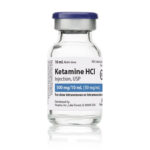
Ketamine therapy is administered through various methods, each with its own advantages and disadvantages. IV infusions are the most common method, involving the slow and controlled delivery of ketamine directly into the bloodstream. This allows for precise dosing and close monitoring of the patient’s response. Nasal sprays, such as esketamine (Spravato), offer a less invasive option that can be administered in a clinical setting. Lozenges, which are dissolved in the mouth, provide another alternative, although their absorption rate can be less predictable than IV infusions or nasal sprays. The choice of administration method depends on several factors, including the patient’s individual needs, preferences, and medical history, as well as the availability of different formulations. Regardless of the method used, it’s crucial to receive ketamine therapy under the supervision of a qualified healthcare professional to ensure safety and efficacy. Understanding the nuances of each administration method is vital for making informed decisions about ketamine therapy.
Finding qualified ketamine clinics and practitioners in Canada
Accessing ketamine therapy in Canada requires careful consideration and due diligence. It’s essential to find a qualified ketamine clinic or practitioner who is licensed and experienced in administering ketamine for mental health conditions. Look for clinics that employ board-certified psychiatrists, anesthesiologists, or other healthcare professionals with specialized training in ketamine therapy. Inquire about the clinic’s protocols for patient screening, dosing, monitoring, and follow-up care. It’s also important to ensure that the clinic adheres to strict safety standards and has appropriate emergency protocols in place. Don’t hesitate to ask questions about the clinic’s experience, success rates, and potential risks associated with ketamine therapy. Researching different clinics and practitioners, reading patient reviews, and consulting with your primary care physician can help you make an informed decision and find a provider who is best suited to your individual needs. For further resources, see these options for Ketamine for Sale in Canada: Uses, Risks, & Regulations.
2C-B: Exploring its Potential Benefits for Mood and Cognitive Function
Understanding 2C-B: effects, duration, and responsible usage
2C-B, a synthetic psychedelic of the 2C family, is known for its entactogenic and mild hallucinogenic effects. Users often report enhanced sensory perception, altered thinking, and increased feelings of empathy and connection. Unlike some more intense psychedelics, 2C-B is often described as having a more manageable and predictable experience. The effects typically begin within 30 to 90 minutes after oral ingestion and can last for 4 to 8 hours, depending on the dosage and individual metabolism. Responsible usage involves starting with a low dose (e.g., 8-12mg), especially for first-time users, and carefully titrating upwards if needed, with at least 1-2 hours between dose adjustments. It is crucial to avoid redosing too quickly, as this can increase the risk of adverse effects.
It is also important to be in a safe and comfortable environment with trusted individuals. Set and setting play a significant role in psychedelic experiences, and 2C-B is no exception. Positive expectations, a relaxed atmosphere, and supportive company can help ensure a more enjoyable and beneficial experience. Conversely, a stressful or unfamiliar environment can increase the likelihood of anxiety or discomfort. Furthermore, avoid combining 2C-B with other substances, including alcohol and other drugs, as this can significantly increase the risk of adverse interactions.
The legal status of 2C-B in Canada and potential risks
In Canada, 2C-B is a Schedule III controlled substance under the Controlled Drugs and Substances Act. This means that possession, production, and distribution of 2C-B are illegal and can result in serious legal penalties. It is crucial to be aware of the legal risks associated with 2C-B before considering its use. Beyond the legal ramifications, there are also potential health risks to consider. While 2C-B is generally considered to have a relatively low toxicity profile compared to some other psychedelics, it can still cause adverse effects, particularly at higher doses.
Potential risks include nausea, vomiting, anxiety, paranoia, and, in rare cases, seizures or cardiovascular complications. Individuals with pre-existing mental health conditions, such as anxiety disorders or psychosis, may be at a higher risk of experiencing adverse psychological effects. It is also important to note that the purity and potency of 2C-B obtained from unregulated sources can vary widely, increasing the risk of accidental overdose or exposure to adulterants. The availability of verified and safely sourced 2C-B is limited in Canada due to its legal status.
Responsible harm reduction strategies when considering 2C-B
If, despite the legal and health risks, an individual chooses to use 2C-B, it is essential to implement responsible harm reduction strategies. This includes thorough research, accurate dosage, and testing the substance using a reagent kit to verify its identity and purity. Reagent testing kits can help identify the presence of 2C-B and rule out the presence of other, potentially more dangerous substances. Start with a low dose and gradually increase if needed, paying close attention to the effects. Have a sober “trip sitter” present who can provide support and assistance if needed. This individual should be knowledgeable about 2C-B and able to recognize signs of distress or adverse reactions.
Ensure a safe and comfortable environment, free from distractions and potential hazards. Stay hydrated by drinking plenty of water, but avoid excessive alcohol consumption. Be mindful of your mental and emotional state, and avoid using 2C-B if you are feeling anxious, depressed, or otherwise unwell. If you experience any adverse effects, such as anxiety, paranoia, or physical discomfort, seek medical attention immediately. Remember that prioritizing safety and informed decision-making is crucial when considering any substance use. It is recommended consulting with a healthcare professional or harm reduction organization for personalized advice and support. Consider exploring alternatives like Ketamine for sale in Canada as well, after consultation.
Traditional Herbal Remedies for Mental Wellness: A Canadian Perspective
Exploring adaptogenic herbs like Rhodiola and Ashwagandha for stress and anxiety
Adaptogenic herbs, such as Rhodiola rosea and Ashwagandha, have gained significant attention for their potential to help the body adapt to stress and promote overall well-being. Rhodiola, traditionally used in Scandinavian countries and Russia, is believed to enhance resilience to both physical and mental stress. Studies suggest it may improve cognitive function, reduce fatigue, and alleviate symptoms of mild to moderate depression. A typical dosage for Rhodiola extract is 200-600mg daily, divided into two doses. Ashwagandha, an important herb in Ayurvedic medicine, is known for its calming and restorative properties. It is thought to reduce anxiety, improve sleep quality, and enhance cognitive function. Dosage typically ranges from 300-500mg of a standardized extract daily.
When choosing an adaptogen, consider your individual needs and preferences. Rhodiola may be more suitable for individuals experiencing fatigue and low energy, while Ashwagandha may be more beneficial for those struggling with anxiety and sleep disturbances. It is crucial to purchase high-quality, standardized extracts from reputable sources to ensure potency and purity. Look for products that have been third-party tested for contaminants and heavy metals. Potential side effects of adaptogens are generally mild and may include digestive upset, headache, or drowsiness. Start with a low dose and gradually increase as tolerated. It’s always recommended to discuss use of adaptogens with a healthcare provider, especially if you are taking other medications.
Using St. John’s Wort for mild to moderate depression: dosage and interactions
St. John’s Wort (Hypericum perforatum) is a well-known herbal remedy for mild to moderate depression. It is believed to work by increasing the levels of certain neurotransmitters in the brain, such as serotonin, dopamine, and norepinephrine. Numerous studies have demonstrated its effectiveness in alleviating depressive symptoms, although its efficacy may be less pronounced in cases of severe depression. A typical dosage of St. John’s Wort is 300mg of a standardized extract (containing 0.3% hypericin) three times daily. It is crucial to use a standardized extract to ensure consistent potency.
However, St. John’s Wort is known to interact with a wide range of medications, including antidepressants, birth control pills, blood thinners, and certain chemotherapy drugs. It can also affect the metabolism of other substances in the liver, potentially altering their effectiveness or increasing the risk of side effects. Due to these potential interactions, it is essential to consult with a healthcare professional or pharmacist before using St. John’s Wort, especially if you are taking any other medications. Potential side effects of St. John’s Wort include photosensitivity (increased sensitivity to sunlight), digestive upset, anxiety, and dizziness. It is also important to be aware of the risk of serotonin syndrome if St. John’s Wort is combined with other serotonergic drugs.
The importance of consulting with a qualified herbalist or healthcare professional
While herbal remedies can be beneficial for mental wellness, it is crucial to consult with a qualified herbalist or healthcare professional before starting any new herbal treatment. Herbal remedies are not without potential risks and can interact with other medications or health conditions. A qualified herbalist can assess your individual needs, identify any potential contraindications, and recommend the most appropriate herbs and dosages for your specific situation. They can also provide guidance on sourcing high-quality herbs and monitoring for potential side effects.
In Canada, herbalists are not currently regulated at the national level, so it is important to choose a practitioner who has received adequate training and certification from a reputable organization. Look for herbalists who are members of professional associations, such as the Canadian Herbalist’s Association of British Columbia (CHAofBC) or the Ontario Herbalists Association (OHA). A healthcare professional, such as a doctor or naturopathic doctor, can also provide valuable guidance on the use of herbal remedies for mental wellness. They can assess your overall health, identify any potential interactions with other medications, and monitor for any adverse effects. Integrating traditional herbal practices with conventional medical care can often lead to more comprehensive and effective treatment plans.
The Role of Nutrition and Lifestyle in Mental Wellbeing
The impact of diet on mood and cognitive function
Nutrition plays a vital role in supporting mental wellbeing. The brain requires a constant supply of nutrients to function optimally, and deficiencies in certain vitamins, minerals, and other nutrients can contribute to mood disorders and cognitive impairment. For example, deficiencies in B vitamins, particularly B12 and folate, have been linked to depression and anxiety. Omega-3 fatty acids, found in fatty fish, flaxseeds, and walnuts, are essential for brain health and have been shown to improve mood and cognitive function. A diet rich in processed foods, sugary drinks, and unhealthy fats can contribute to inflammation and oxidative stress in the brain, which can negatively impact mood and cognitive function.
Prioritizing a balanced and nutritious diet is crucial for supporting mental wellbeing. This includes consuming plenty of fruits, vegetables, whole grains, lean protein, and healthy fats. Limit your intake of processed foods, sugary drinks, and unhealthy fats. Some specific dietary recommendations for improving mood and cognitive function include: increasing intake of omega-3 fatty acids, consuming foods rich in antioxidants (such as berries, leafy greens, and nuts), and ensuring adequate intake of B vitamins (through foods like whole grains, legumes, and leafy greens, or through supplementation). Consider consulting with a registered dietitian or nutritionist for personalized dietary advice.
The importance of regular exercise and sleep hygiene
Regular exercise is a powerful tool for improving mental wellbeing. Exercise has been shown to reduce symptoms of depression and anxiety, improve mood, enhance cognitive function, and boost self-esteem. Exercise releases endorphins, which have mood-boosting effects, and also helps to reduce stress hormones like cortisol. Aim for at least 150 minutes of moderate-intensity aerobic exercise per week, such as brisk walking, jogging, swimming, or cycling. Incorporate strength training exercises at least two days per week to further improve mood and physical health. Find activities that you enjoy and that fit into your lifestyle to make exercise a sustainable habit.
Sleep hygiene, the practice of creating a sleep-conducive environment and routine, is equally important for mental wellbeing. Poor sleep can contribute to mood disorders, cognitive impairment, and increased stress levels. Aim for 7-9 hours of quality sleep per night. Establish a regular sleep schedule by going to bed and waking up at the same time each day, even on weekends. Create a relaxing bedtime routine, such as taking a warm bath, reading a book, or listening to calming music. Avoid screen time before bed, as the blue light emitted from electronic devices can interfere with sleep. Ensure that your bedroom is dark, quiet, and cool. Consider using blackout curtains, earplugs, or a white noise machine to create a more sleep-friendly environment.
Stress management techniques: mindfulness, meditation, and yoga
Chronic stress can have a detrimental impact on mental wellbeing. Learning effective stress management techniques is crucial for maintaining a healthy mind and body. Mindfulness, the practice of paying attention to the present moment without judgment, can help reduce stress, improve focus, and enhance emotional regulation. Mindfulness meditation involves focusing on your breath, body sensations, or thoughts without getting carried away by them. Start with just a few minutes of mindfulness meditation each day and gradually increase the duration as you become more comfortable.
Yoga, a mind-body practice that combines physical postures, breathing techniques, and meditation, can also be highly effective for stress management. Yoga can help to reduce muscle tension, lower blood pressure, and calm the nervous system. Different styles of yoga are available, so find one that suits your preferences and physical abilities. Other stress management techniques include deep breathing exercises, progressive muscle relaxation, spending time in nature, and engaging in enjoyable hobbies. Experiment with different techniques and find what works best for you. Remember that stress management is an ongoing process, and it is important to practice these techniques regularly to maintain their benefits. If you’re curious about using Iboga in conjunction with other modalities, read more about combining Iboga with psychedelics.
Integrating Therapy and Counselling with Alternative Treatments
The benefits of combining therapy with psychedelic or herbal therapies
Combining therapy and counselling with alternative treatments, such as psychedelic or herbal therapies, can offer a more holistic and comprehensive approach to mental wellness. Therapy provides a safe and supportive space to explore underlying emotional issues, develop coping mechanisms, and gain insight into your thoughts and behaviors. When combined with alternative treatments, therapy can help you process your experiences, integrate new perspectives, and develop strategies for long-term healing and growth. For example, individuals undergoing psychedelic-assisted therapy often benefit from pre- and post-session counselling to prepare for the experience and integrate the insights gained afterwards. Similarly, individuals using herbal remedies for anxiety or depression can benefit from therapy to address the underlying causes of their symptoms and develop coping strategies for managing stress.
The combination of therapy and alternative treatments can be particularly beneficial for individuals who have not responded well to traditional treatments alone. In some cases, alternative treatments can help to break through emotional blocks, facilitate deeper self-exploration, and enhance the effectiveness of therapy. However, it is important to approach this combination with caution and to work with qualified professionals who have experience in both therapy and alternative treatments. A collaborative approach, where therapists and alternative practitioners work together to develop a comprehensive treatment plan, can be particularly effective.
Finding therapists who are knowledgeable about alternative treatments
Finding a therapist who is knowledgeable about alternative treatments can be challenging, as not all therapists are familiar with these modalities. However, there are several strategies you can use to find a therapist who is a good fit for your needs. Start by asking your healthcare provider or other trusted professionals for referrals. You can also search online directories of therapists who specialize in alternative or integrative mental health. When contacting potential therapists, ask about their experience with alternative treatments, such as psychedelic therapy, herbal medicine, or mindfulness-based interventions. Ask about their training, qualifications, and approach to integrating these treatments into their practice. It is also important to ask about their views on harm reduction and responsible use of alternative treatments.
Look for therapists who are open-minded, non-judgmental, and willing to collaborate with other healthcare professionals. A good therapist will prioritize your safety and wellbeing and will work with you to develop a treatment plan that is tailored to your individual needs and goals. It is also important to choose a therapist with whom you feel comfortable and trust. The therapeutic relationship is a crucial factor in the success of therapy, so it is important to find someone with whom you can build a strong and supportive connection. If considering alternative treatments alongside therapy, ensure the therapist is aware of the legal status of substances like 2C-B or Iboga in Canada and emphasizes responsible harm reduction strategies. Always verify the legal status of any substance under consideration with Canadian law enforcement or legal counsel.
Creating a holistic treatment plan that addresses your individual needs
Creating a holistic treatment plan involves considering all aspects of your wellbeing, including your physical, mental, emotional, and spiritual health. This may involve integrating various therapies and lifestyle changes to address your individual needs and goals. Start by working with a qualified healthcare professional to assess your overall health and identify any underlying issues that may be contributing to your mental health challenges. This may involve undergoing a physical exam, lab tests, or psychological assessments. Once you have a clear understanding of your health status, you can begin to develop a treatment plan that is tailored to your specific needs. This plan may include traditional therapies, such as psychotherapy or medication, as well as alternative treatments, such as herbal medicine, acupuncture, or yoga.
Lifestyle changes, such as improving your diet, increasing exercise, and practicing stress management techniques, are also an essential part of a holistic treatment plan. It is important to work with a team of healthcare professionals who can support you in making these changes and monitoring your progress. This team may include a doctor, therapist, nutritionist, herbalist, and other specialists. A holistic treatment plan should be flexible and adaptable, as your needs may change over time. Regularly evaluate your progress and make adjustments to your treatment plan as needed. Remember that healing is a journey, and it is important to be patient with yourself and to celebrate your successes along the way. You may find valuable resources at psychedelics99.com, though it’s crucial to verify any information with Canadian regulations and healthcare professionals.
Navigating the Legal and Ethical Landscape of Psychedelic Use in Canada
Understanding the current laws and regulations surrounding psychedelics
Navigating the legal landscape surrounding psychedelics in Canada in 2026 requires careful attention. While cannabis is legal, the legal status of other psychedelics, such as psilocybin, 2C-B, and ibogaine, remains complex and nuanced. As of today, many of these substances are controlled under the Controlled Drugs and Substances Act. This means their production, possession, and distribution are generally prohibited, although there are exceptions, such as for approved clinical trials or under specific exemptions granted by Health Canada. For instance, some therapists have been granted exemptions to use psilocybin-assisted therapy for end-of-life care or for treating severe mental health conditions. These exemptions are not widespread, however. This makes understanding the specifics of the law and its enforcement crucial before considering any psychedelic substance. Resources like this one offer more in-depth information about the legal status of Iboga in Canada.
The importance of sourcing products from reputable and legal vendors
If accessing psychedelics through legal avenues, like clinical trials, it is vital to ensure the source is reputable and fully compliant with Canadian regulations. Choosing legal and reputable vendors, where available, minimizes the risks associated with unregulated substances, such as contamination or incorrect dosages. While legal avenues for accessing some psychedelics are limited, participating in approved research studies or obtaining prescriptions through authorized healthcare providers are safer options. Engaging with underground or unregulated markets poses significant risks, including potential legal repercussions and health hazards. Always prioritize safety and legality when exploring psychedelic options.
Advocating for responsible psychedelic policy reform in Canada
As scientific research increasingly demonstrates the therapeutic potential of psychedelics, advocating for responsible policy reform becomes essential. Supporting evidence-based approaches to regulation, such as the implementation of safe access programs or the decriminalization of certain substances, can create a more supportive and regulated environment. Engaging with advocacy groups, contacting elected officials, and participating in public consultations are all ways to contribute to policy changes. Policy reform could involve changes to the classification of certain psychedelics, the establishment of guidelines for therapeutic use, or the creation of licensed facilities where these substances can be administered safely. However, it’s crucial that reforms are driven by science and prioritize public health and safety. This ensures that psychedelics are used responsibly and ethically. As discussed here, combining substances can also present risks, so regulations should reflect these considerations.
Choosing the Right Alternative: A Personalized Approach to Mental Wellness
Factors to consider when selecting an alternative treatment: personal preferences, medical history, and potential risks
Selecting the right alternative treatment for mental wellness requires a personalized and holistic approach. Consider factors such as your personal preferences, medical history, and potential risks associated with each option. For example, if you have a history of heart conditions, certain substances like Iboga might be contraindicated, while individuals with certain psychiatric conditions might not be suitable candidates for psychedelic-assisted therapy. Discuss your medical history with a healthcare professional to identify any potential interactions or contraindications. Furthermore, reflect on your personal values and preferences. Some people may be more comfortable with traditional therapies, while others may be open to exploring alternative options. Understanding your own comfort level and openness is crucial for a successful outcome. Always prioritize treatments that align with your personal needs and values, and ensure they are administered under appropriate medical supervision.
The importance of setting realistic expectations and monitoring your progress
Setting realistic expectations is crucial for any mental wellness journey. Psychedelics and their alternatives are not miracle cures, and their effectiveness can vary from person to person. Understanding the potential benefits and limitations of each treatment option is essential. For instance, while some individuals experience significant improvements in their mental health after Ibogaine therapy, others may find it less effective or require ongoing support. Monitor your progress regularly and objectively. Keep a journal to track your mood, thoughts, and behaviors, and note any changes you experience. Share your observations with your healthcare provider to adjust your treatment plan as needed. Remember that mental wellness is an ongoing process, and setbacks are a normal part of the journey. Staying patient and persistent is key to achieving long-term success.
Seeking guidance from healthcare professionals to make informed decisions
Making informed decisions about mental wellness treatments requires guidance from qualified healthcare professionals. Consulting with a psychiatrist, psychologist, or other mental health specialist can provide you with valuable insights and support. These professionals can assess your mental health needs, discuss various treatment options, and help you develop a personalized plan. They can also monitor your progress and adjust your treatment as needed. Seek out healthcare professionals who have experience with alternative therapies and are knowledgeable about the potential benefits and risks of psychedelics. Ensure they are licensed and accredited, and that they adhere to ethical guidelines. Remember that mental health is a complex issue, and seeking professional help is a sign of strength, not weakness. By working with healthcare professionals, you can make informed decisions that support your overall well-being and recovery.
Sourcing Safe and Reliable Psychedelic Products in Canada (2026)
Identifying reputable online and physical vendors for psychedelics products, 2c-b pills for sale, Ketamine for sale, iboga capsules for sale, ibogaine powder for sale, iboga powder for sale, ibogaine capsules for sale, magic mushrooms for sale
Due to the legal complexities surrounding psychedelic substances in Canada, identifying truly reputable vendors can be challenging. As of today, 2026, accessing substances like 2C-B pills for sale, ketamine for sale, iboga capsules for sale, ibogaine powder for sale, iboga powder for sale, ibogaine capsules for sale, and magic mushrooms for sale outside of approved clinical settings remains legally precarious. If accessing these substances through legal or semi-legal channels (such as grey-market vendors claiming to operate within legal loopholes), prioritize vendors who demonstrate a commitment to transparency and quality control. Look for vendors who provide detailed information about their sourcing practices, product testing procedures, and safety protocols. Check for independent lab testing results to verify the purity and potency of their products. Read reviews and testimonials from other customers, but be aware that online reviews can be manipulated. Exercise extreme caution when dealing with vendors who make unsubstantiated claims or offer unrealistically low prices, as these may be indicators of fraudulent or unsafe practices.
Testing and verifying the authenticity and purity of psychedelic substances
Before consuming any psychedelic substance, it is crucial to test and verify its authenticity and purity. Adulterated or mislabeled substances can pose serious health risks, including overdose, adverse reactions, or exposure to harmful chemicals. Consider using a reagent testing kit to identify the presence of the intended substance and rule out potential contaminants. These kits are available online and can provide a preliminary indication of the substance’s identity. For more accurate and comprehensive testing, consider sending a sample to a third-party laboratory that specializes in psychedelic substance analysis. These labs can provide detailed information about the substance’s composition, purity, and potency. While reagent tests offer a first line of defense, professional lab testing is the gold standard for ensuring the safety of psychedelic substances. Remember, it is always better to err on the side of caution when it comes to your health and safety.
Understanding the risks of purchasing from unregulated sources
Purchasing psychedelic substances from unregulated sources carries significant risks. Unregulated vendors are not subject to quality control standards, meaning their products may be contaminated, mislabeled, or contain harmful additives. The lack of regulation also means that there is no guarantee of the substance’s potency, which can lead to unpredictable and potentially dangerous effects. Furthermore, purchasing from unregulated sources supports illegal activities and contributes to the underground market, which can perpetuate harm and exploitation. Be aware that many online vendors claiming to sell psychedelics are fraudulent and may simply be trying to scam you out of your money. Protect yourself by only accessing psychedelic substances through legal and regulated channels, such as approved clinical trials or authorized healthcare providers. Understand the potential legal consequences associated with purchasing from unregulated sources, which can include fines, imprisonment, and a criminal record. Prioritize your safety and well-being by avoiding unregulated sources and making informed and responsible choices.
While accessing psychedelic substances in Canada involves navigating complex legal and safety issues, focusing on informed decision-making and prioritizing safety is paramount. Remember to consult with healthcare professionals, set realistic expectations, and source products from reputable vendors whenever possible.
For those seeking more information about the legal landscape and available resources for iboga and other psychedelics, mindhealingshop.ca offers a variety of articles and product information to guide your exploration of mental wellness options.
Consult the website’s information on iboga and other psychedelic substances and always make sure you understand the applicable laws and regulations.
Legal Considerations for Iboga in Canada
The legal status of iboga in Canada is complex and can vary depending on the specific context and intended use. Iboga is not explicitly listed as a controlled substance under the Controlled Drugs and Substances Act (CDSA), but its active alkaloid, ibogaine, is subject to Schedule III of the CDSA. Schedule III includes substances that have a potential for abuse and may lead to moderate or low physical dependence or psychological dependence. Therefore, ibogaine and any products containing it, such as iboga root bark, are subject to legal restrictions.
In Canada, the legality of iboga hinges on its intended use. If iboga is intended for therapeutic purposes, such as addiction treatment, it may be subject to regulation under the Food and Drugs Act. Health Canada regulates health products, including drugs, to ensure their safety, efficacy, and quality. To legally use iboga for therapeutic purposes, one would typically need to obtain approval from Health Canada through clinical trials or special access programs.
The legal framework surrounding iboga in Canada is constantly evolving, and interpretations can vary. Seek legal advice from a qualified attorney or legal expert familiar with drug laws in Canada. Understanding the legal status of iboga and ibogaine in Canada is essential for those considering its use or distribution. Staying informed about any changes in regulations and seeking expert guidance can help individuals navigate the legal landscape responsibly and ethically.
Medical Disclaimer
The information provided in this article is intended for informational purposes only and does not constitute medical advice. Iboga is a potent psychoactive substance that can have significant effects on the body and mind. It should only be administered under the supervision of qualified healthcare professionals in a safe and controlled setting. The use of iboga carries inherent risks, and individuals considering it should be thoroughly screened for contraindications and potential interactions with other medications or health conditions. Self-treating with iboga or using it outside of a clinical setting can be dangerous and potentially life-threatening.
Iboga is not a substitute for conventional medical treatment, and it should not be used as a replacement for evidence-based therapies for mental health conditions or substance use disorders. Individuals should always consult with a healthcare professional to discuss their treatment options and make informed decisions about their care. The information provided in this article should not be used to diagnose or treat any medical condition, nor should it be relied upon as a substitute for professional medical advice. Always seek the advice of a qualified healthcare provider for any questions you may have regarding a medical condition or treatment. Prioritize your health and safety by making informed decisions and seeking professional medical guidance.
Responsible Use and Harm Reduction
Due to the potent psychoactive effects and potential risks associated with iboga use, it is crucial to prioritize responsible use and harm reduction strategies. Individuals considering iboga treatment should seek out reputable and experienced providers who adhere to strict safety protocols. Comprehensive screening, medical evaluation, and psychological assessment are essential to determine suitability for iboga therapy. These steps help identify potential contraindications, underlying health conditions, or psychological vulnerabilities that may increase the risk of adverse effects.
Preparation for iboga treatment should include thorough education about the potential effects, risks, and benefits. Individuals should be fully informed about the expected experience, potential side effects, and the importance of adhering to aftercare guidelines. Creating a supportive and safe environment is also crucial, with trained facilitators available to provide guidance and support throughout the process. Continuous monitoring of vital signs and psychological well-being is essential to detect and manage any adverse reactions promptly.
Aftercare and integration are integral components of responsible iboga use. Following the treatment, individuals should receive ongoing support to help them process their experiences, integrate insights, and develop sustainable strategies for maintaining their well-being. This may include counseling, therapy, or participation in support groups. Emphasizing harm reduction practices, such as avoiding substance use and practicing self-care, can further enhance positive outcomes and minimize the risk of relapse or adverse consequences. Ultimately, responsible iboga use involves a commitment to safety, informed decision-making, and ongoing support to maximize benefits and minimize potential harms.
Conclusion
The legal status of iboga and ibogaine varies significantly across different countries and regions, influenced by varying cultural perspectives and interpretations of scientific evidence. While some countries have embraced ibogaine as a potential treatment for addiction and mental health disorders, others maintain strict regulations or outright bans due to concerns about safety and potential misuse. The medical community remains divided on the therapeutic value of ibogaine, with some experts recognizing its potential benefits when administered under controlled medical supervision, while others express reservations due to limited research and potential risks.
Despite the ongoing debate surrounding its legality and efficacy, iboga and ibogaine continue to be explored as alternative treatment options for addiction and mental health conditions. Further research is needed to fully understand the mechanisms of action, optimal dosages, and long-term effects of ibogaine. Clinical trials and studies are essential to provide more robust evidence and inform regulatory decisions. Individuals considering iboga or ibogaine treatment should carefully weigh the potential risks and benefits, seek guidance from qualified healthcare professionals, and ensure they are fully informed about the legal and ethical considerations involved. With responsible use, adherence to safety protocols, and ongoing support, iboga and ibogaine may offer hope for those seeking alternative approaches to healing and recovery.












Pingback: Rare Psychoactive Plants: Exploring Botanical Psychedelics – Canada Botanals
Pingback: Iboga Dosage for Addiction: 2026 Canadian Protocol - Mind Healing Shop
Pingback: Iboga & Psychedelics: Addressing Trauma Holistically - Mind Healing Shop