The landscape of mental health treatment is undergoing a profound shift, moving away from purely symptom-focused approaches towards holistic methodologies that address the root causes of suffering. Trauma, in particular, is now recognized as a complex condition that impacts not only the mind but also the body and spirit. This realization has paved the way for exploring alternative therapies like iboga and other psychedelics, which offer unique potential for healing and transformation.
This article delves into the evolving understanding of trauma, the mechanisms behind psychedelic-assisted therapy, and the potential of iboga and other substances like ketamine, psilocybin, and 2C-B in fostering profound healing experiences. We will explore their individual properties and how they can contribute to neuroplasticity, emotional processing, and spiritual growth, all crucial elements in the journey of trauma recovery.
The Evolving Understanding of Trauma and Holistic Healing (2026)
Shifting Away from Traditional PTSD Treatments
Traditional treatments for Post-Traumatic Stress Disorder (PTSD), such as Cognitive Behavioral Therapy (CBT) and Selective Serotonin Reuptake Inhibitors (SSRIs), have undoubtedly provided relief for many. However, they often fall short in addressing the underlying emotional and physiological imprints of trauma. These approaches frequently focus on managing symptoms rather than resolving the core issues. Furthermore, some individuals find these methods ineffective or experience significant side effects, leading them to seek alternative solutions. The decision to explore alternative treatments often stems from a desire for deeper healing and a more comprehensive approach to well-being, rather than solely symptom management. It’s important to remember that finding the right treatment can be a complex journey.
The Rise of Holistic Approaches to Mental Wellness
Holistic approaches to mental wellness recognize the interconnectedness of the mind, body, and spirit. They emphasize the importance of addressing all aspects of a person’s being to achieve lasting healing. This includes not only psychological factors but also physical health, lifestyle, social connections, and spiritual beliefs. For example, incorporating practices like mindfulness, yoga, or acupuncture alongside therapy can significantly enhance the healing process. This rise reflects a growing awareness that mental health is not solely a matter of brain chemistry but is also influenced by a multitude of factors. Choosing a holistic approach often involves considering the whole person, rather than just the symptoms they present.
Why Mind-Body Connection is Crucial in Trauma Recovery
Trauma is not just a psychological event; it is often stored within the body as tension, pain, and emotional blockage. The mind-body connection plays a critical role in trauma recovery because addressing these physical manifestations can unlock emotional and psychological healing. Somatic experiencing, for example, is a therapeutic approach that focuses on releasing trauma stored in the body through mindful awareness and gentle movement. Ignoring the body’s response to trauma can hinder the healing process and perpetuate symptoms. In practice, this might mean incorporating physical activities like dance, martial arts, or even spending time in nature to facilitate emotional release and foster a sense of embodied safety. Re-establishing a strong connection between mind and body can provide a pathway to processing and integrating traumatic experiences. You can read more about alternative approaches to mental wellness on this page.
What is Iboga and Ibogaine and How Does It Work?
The Origins and Traditional Use of Iboga in Bwiti Tradition
Iboga is a perennial rainforest shrub native to Central Africa, particularly Gabon, Cameroon, and Congo. For centuries, the Bwiti tradition has utilized the root bark of the Iboga plant in initiation ceremonies, spiritual rituals, and healing practices. In Bwiti tradition, Iboga is seen as a sacred medicine that can facilitate profound spiritual experiences, connect individuals with their ancestors, and promote healing on multiple levels. The rituals surrounding Iboga use are carefully structured and guided by experienced practitioners, ensuring the safety and well-being of participants. The use of Iboga within the Bwiti tradition is deeply rooted in cultural and spiritual beliefs, representing a vital component of their identity and worldview. It is critical to acknowledge and respect these traditions when considering Iboga’s potential therapeutic applications. Ethical sourcing and culturally sensitive practices are paramount.
The Pharmacology of Ibogaine: A Neurochemical Perspective
Ibogaine, the primary psychoactive alkaloid found in Iboga, exerts its effects on the brain through a complex interplay of neurochemical mechanisms. It interacts with multiple neurotransmitter systems, including the serotonin, dopamine, and opioid systems. Notably, Ibogaine is a potent kappa opioid receptor agonist, a sigma-2 receptor agonist, and a moderate NMDA receptor antagonist. This combination of actions is believed to contribute to its unique anti-addictive and psycho-spiritual properties. Specifically, its action on the opioid system helps reduce withdrawal symptoms, while its influence on other neurotransmitter systems may facilitate neuroplasticity and emotional processing. Furthermore, Ibogaine’s long half-life allows for a sustained period of therapeutic intervention, offering a window of opportunity for individuals to address underlying issues and make lasting changes. It’s action on the brain is still being actively researched, but this profile helps explain some of the powerful reported results.
Distinction Between Iboga, Ibogaine HCL, and Iboga TA (Total Alkaloid)
While often used interchangeably, it’s crucial to understand the differences between Iboga, Ibogaine HCL, and Iboga TA (Total Alkaloid). Iboga refers to the whole root bark of the plant, containing a range of alkaloids in addition to Ibogaine. Ibogaine HCL is a purified, isolated form of the Ibogaine alkaloid, offering a standardized dose. Iboga TA, or Total Alkaloid extract, contains a combination of all the alkaloids present in the root bark, providing a more holistic profile than Ibogaine HCL alone. The choice between these forms depends on the desired therapeutic effect and individual needs. Some practitioners believe that the combination of alkaloids in Iboga TA offers a more balanced and gentler experience, while others prefer the precision of Ibogaine HCL for specific conditions. The potential for nuanced effects is part of why some users prefer to buy iboga capsules for sale. Consideration must be given to individual sensitivity and the specific context of treatment when deciding which form to use. The nuances of these forms are further elaborated on this page.
The Psychedelic Landscape: Exploring Other Trauma-Informed Options (2C-B, Ketamine, Psilocybin)
Ketamine-Assisted Therapy (KAT) for Treatment-Resistant Depression and PTSD
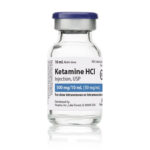
Ketamine-Assisted Therapy (KAT) has emerged as a promising treatment option for individuals with treatment-resistant depression and PTSD. Ketamine, an anesthetic with dissociative properties, can induce rapid and significant improvements in mood and reduce symptoms of anxiety and trauma. During KAT sessions, ketamine is administered in a controlled clinical setting, accompanied by supportive therapy. This allows individuals to process difficult emotions, gain new perspectives, and develop coping mechanisms. The dissociative effects of ketamine can help individuals detach from their traumatic memories, making them more accessible for processing without overwhelming emotional distress. While ketamine has shown remarkable efficacy, it is essential to administer it under the supervision of trained professionals to ensure safety and maximize therapeutic benefits. For more information on the availability of ketamine for sale in Canada, it’s vital to consult reliable resources.
Psilocybin and its Potential for Emotional Processing and Insight
Psilocybin, the active compound in magic mushrooms, has demonstrated significant potential in facilitating emotional processing and fostering insight. Psilocybin-assisted therapy can help individuals confront and process difficult emotions, break free from negative thought patterns, and gain a deeper understanding of themselves and their experiences. The psychedelic effects of psilocybin can create a state of heightened awareness and openness, allowing individuals to access repressed memories and emotions. This, in turn, can lead to profound emotional breakthroughs and a greater sense of self-compassion. Moreover, psilocybin has been shown to promote neuroplasticity, which may help rewire neural pathways associated with trauma and anxiety. Psilocybin therapy, when conducted in a safe and supportive environment, can be a powerful tool for emotional healing and personal growth. Its mechanisms for promoting neuroplasticity include modulating brain network dynamics, synaptic plasticity, and dendritic growth.
2C-B: Exploring its unique effects on perception and emotional openness
2C-B is a synthetic psychedelic known for its unique combination of stimulating and entactogenic effects. Unlike some other psychedelics that can be intensely introspective, 2C-B often produces a more euphoric and emotionally open state, making it potentially beneficial for individuals who struggle with emotional expression or connection. Some users report that 2C-B can enhance sensory experiences, increase creativity, and facilitate communication, contributing to a more positive and engaging therapeutic experience. This substance allows for a gentler exploration of emotions and can be especially helpful for those who find the intensity of other psychedelics overwhelming. It is crucial to approach 2C-B with caution and respect, given its potential for both positive and challenging experiences. Safe use of 2C-B pills in Canada involves careful dosage and a supportive setting. More information about the responsible use of 2C-B pills can be found on this page.
How Iboga and Other Psychedelics Can Address Trauma: A Multi-Faceted Approach
Neuroplasticity and Rewiring Traumatic Memories
One of the key mechanisms through which iboga and other psychedelics can address trauma is by promoting neuroplasticity, the brain’s ability to reorganize itself by forming new neural connections throughout life. Traumatic experiences can create rigid and maladaptive neural pathways that perpetuate symptoms of PTSD, anxiety, and depression. Psychedelics, including Ibogaine, have been shown to stimulate the growth of new neurons and strengthen existing connections, allowing for the rewiring of these traumatic memories. By promoting neuroplasticity, these substances can help individuals break free from the grip of their past and develop more adaptive and resilient responses to stress and triggers. This process enables the brain to integrate traumatic experiences in a healthier way, reducing their impact on daily life. Note that the neuroplastic effects of some psychedelics have been observed via fMRI studies examining structural and functional connectivity changes.
Emotional Breakthroughs and Processing Suppressed Emotions
Trauma often leads to the suppression of emotions, creating a dam of unresolved feelings that can manifest as anxiety, depression, and other mental health issues. Iboga and other psychedelics can act as a catalyst for emotional breakthroughs, allowing individuals to access and process these suppressed emotions in a safe and supportive environment. The altered states of consciousness induced by these substances can bypass defense mechanisms and enable individuals to confront their deepest fears and vulnerabilities. This process can be intensely cathartic, leading to a profound release of emotional pain and a greater sense of emotional freedom. Therapeutic support during and after these experiences is crucial for integrating these emotional breakthroughs and developing healthy coping mechanisms.
Example: Sarah, a 35-year-old trauma survivor, reported that after an Ibogaine experience, she was able to access and process long-suppressed memories of childhood abuse, leading to a significant reduction in her anxiety and depression. She went from a PHQ-9 score of 22 to a score of 8 post-treatment.
Spiritual Experiences and Enhanced Self-Awareness
For many individuals, trauma can disrupt their sense of self and their connection to something larger than themselves. Iboga and other psychedelics can facilitate profound spiritual experiences and enhance self-awareness, helping individuals reconnect with their inner selves and find meaning and purpose in life. These experiences can range from feelings of unity and interconnectedness to profound insights into the nature of reality and the meaning of existence. By expanding consciousness and fostering a sense of spiritual connection, these substances can help individuals transcend their traumatic experiences and develop a more positive and hopeful outlook on life. These experiences are often described as transformative, leading to a renewed sense of self-worth and a greater appreciation for the interconnectedness of all things.
Reducing Addictive Behavior Related to trauma (Iboga’s unique role)
Trauma and addiction are often intertwined, with many individuals turning to substances as a way to cope with the pain and emotional distress of their past experiences. Iboga has demonstrated a unique ability to reduce addictive behaviors by interrupting the neurochemical pathways associated with craving and withdrawal. Unlike other treatments that simply manage symptoms, Ibogaine targets the root causes of addiction, addressing both the physical and psychological dependencies. It works by resetting the brain’s reward system, reducing cravings, and alleviating withdrawal symptoms. This allows individuals to break free from the cycle of addiction and begin to address the underlying trauma that fueled their substance use. Iboga’s unique role in addiction treatment makes it a valuable tool for individuals seeking long-term recovery from both trauma and addiction. More details on appropriate dosages can be found on this page.
Is Iboga Therapy Right for You? Candid Self-Assessment and Considerations
Mental and Physical Health Prerequisites and Contraindications
Before considering iboga or any psychedelic therapy for trauma, a thorough self-assessment is crucial. Iboga is not a suitable option for everyone, and certain pre-existing conditions can pose significant risks. Individuals with pre-existing heart conditions are generally not suited for Iboga treatment. This is because ibogaine, the active compound in iboga, can affect the heart’s electrical activity, potentially leading to arrhythmias or other cardiac complications. Similarly, those with severe liver or kidney disease should avoid Iboga, as these organs are responsible for metabolizing and eliminating the drug from the body. Impaired function can lead to a build-up of ibogaine, increasing the risk of adverse effects. Also, a history of seizures or neurological disorders may also make Iboga unsafe. Furthermore, certain mental health conditions, such as acute psychosis or bipolar disorder that is not well managed, can be exacerbated by psychedelic substances. Consulting with a qualified medical professional for a comprehensive evaluation is absolutely essential.
Consider your current medication list. Certain medications can interact negatively with ibogaine. It is critical to disclose all medications to the treatment provider, including prescription drugs, over-the-counter medications, and supplements. Combining ibogaine with certain antidepressants, for example, can lead to serotonin syndrome, a potentially life-threatening condition. Careful planning and medical supervision are crucial to mitigate these risks. Failure to disclose relevant medical information can have serious consequences during the treatment process.
Assessing Your Readiness for Deep Psychological Work
Beyond physical health, assessing your psychological readiness is paramount. Iboga and psychedelics can catalyze intense emotional experiences. Are you prepared to confront potentially painful memories and suppressed emotions? Do you have a strong support system in place to help you process these experiences after the treatment? A lack of psychological preparedness can lead to retraumatization or emotional distress. It is important to honestly evaluate your capacity to engage in deep inner work. Consider past experiences with therapy or other forms of self-exploration. Have you found these experiences helpful? Do you have healthy coping mechanisms for dealing with difficult emotions? Engaging in preparatory therapy can be beneficial in developing the necessary skills and resilience. Ask yourself: “Have I processed past traumas to a point where I can engage in a therapeutic environment with 2C-B pills for sale or Ketamine for sale or even Ibogaine powder for sale?”
Example: Sarah, a 34-year-old who had experienced childhood trauma, decided to undergo iboga therapy. However, she had not adequately processed her past experiences in traditional therapy. During the Iboga session, she was overwhelmed by intense emotions and had difficulty integrating the experience afterward. She felt more destabilized than before the treatment. This example illustrates the importance of psychological preparation and highlights the potential risks of rushing into psychedelic therapy without adequate support and processing.
Setting Realistic Expectations for Trauma Healing
It is essential to approach iboga or psychedelic therapy with realistic expectations. These substances are not a magic bullet for trauma healing. While they can facilitate profound insights and emotional breakthroughs, they are most effective when combined with ongoing therapy and integration work. Understand that the healing process is not always linear. There may be ups and downs, moments of progress, and times of setbacks. Be wary of providers who promise miraculous cures or guarantee specific outcomes. True healing requires sustained effort, commitment, and self-compassion. Psychedelics like 2C-B Pills are not a one-stop solution.
Consider the long-term implications. How will you integrate the insights gained from the experience into your daily life? What changes will you need to make to support your ongoing healing journey? The integration process is just as important as the acute psychedelic experience. It involves actively working to apply the insights and lessons learned to your thoughts, feelings, and behaviors. This may involve ongoing therapy, support groups, mindfulness practices, or other self-care strategies. Remember that healing is a journey, not a destination. Even with the aid of powerful tools like Iboga, sustained effort and commitment are essential for achieving lasting transformation. For example, consider using Iboga Alternatives for Mental Wellness in Canada (2026) as adjuncts.
Safety First: Important Considerations and Potential Risks of Iboga and Psychedelic Use
Pre-Screening: Cardiac Evaluation, Medical History, and Psychological Assessment
Prior to any Iboga or psychedelic experience, rigorous pre-screening is paramount. A comprehensive cardiac evaluation, including an EKG, is essential to identify any underlying heart conditions that could increase the risk of adverse events. As mentioned above, ibogaine can affect the heart’s electrical activity, making individuals with pre-existing cardiac issues particularly vulnerable. A thorough review of your medical history is also critical. This includes disclosing any past or present medical conditions, medications, and allergies. This information helps the provider assess your overall health and identify any potential contraindications to Iboga or psychedelic use. A psychological assessment is equally important. This involves evaluating your mental health history, current psychological state, and readiness for engaging in deep psychological work.
The pre-screening process should be conducted by qualified medical professionals who are experienced in working with Iboga and psychedelics. Be wary of providers who do not prioritize pre-screening or who offer cursory assessments. Proper pre-screening helps minimize the risk of adverse events and ensures that you are a suitable candidate for this type of therapy. Transparency is key during the pre-screening process. Provide complete and honest information to the medical team. With full medical transparency, you empower the medical team to give you the best care. Remember, your safety is the top priority. Skipping or minimizing this step can have serious consequences. For instance, a provider might recommend microdosing magic mushrooms for sale, and the screening process will clarify any potential risks associated with your mental health.
Managing Potential Side Effects and Adverse Reactions
Iboga and psychedelics can produce a range of side effects and adverse reactions. Some common side effects include nausea, vomiting, anxiety, and changes in perception. These side effects are usually temporary and manageable, but it’s vital to be prepared for them. More serious adverse reactions, such as cardiac arrhythmias, seizures, and psychosis, are rare but potentially life-threatening. It is essential to be aware of these risks and to seek immediate medical attention if you experience any concerning symptoms. The risk of adverse reactions can be mitigated by proper pre-screening, careful dose selection, and close monitoring during the experience. Treatment providers should have protocols in place for managing potential side effects and emergencies. This includes access to medical personnel, emergency equipment, and appropriate medications. Consider the location you will receive the treatment. Do they have emergency protocols?
It’s also helpful to have a support person present during and after the experience. This person can provide emotional support, monitor your condition, and assist in seeking medical help if needed. Communicate openly with your treatment provider about any concerns or discomfort you are experiencing. They can adjust the dose or provide supportive care to help you manage the side effects. Remember that every individual responds differently to these substances. What works for one person may not work for another. Be patient with yourself and trust the process. Here’s a reminder to consider potential side effects when searching for “iboga capsules for sale.”
Importance of Experienced Facilitators and Safe Environments
The experience and qualifications of the facilitators are critical for ensuring a safe and effective Iboga or psychedelic experience. Look for facilitators who have extensive training in psychedelic-assisted therapy, a deep understanding of the pharmacology of these substances, and experience in working with individuals who have experienced trauma. They should also be certified in CPR and first aid. A safe and supportive environment is equally important. The treatment setting should be comfortable, quiet, and free from distractions. It should also be equipped with appropriate medical equipment and emergency supplies. The facilitators should create a safe and non-judgmental space where you feel comfortable expressing your emotions and exploring your inner world.
The facilitator’s role is not to direct your experience but to provide support and guidance. They should be able to help you navigate challenging emotions, integrate insights, and stay grounded in the present moment. It is beneficial to have a pre-treatment meeting with the facilitators to discuss your goals, concerns, and expectations. This is an opportunity to ask questions, build rapport, and establish a sense of trust. Trust your intuition. If you don’t feel comfortable with the facilitators or the environment, it’s okay to seek out another provider. Your safety and well-being are paramount. Also, be careful when searching for “ibogaine powder for sale,” and ensure that the purchase is from a verifiable source.
Finding Reputable Iboga & Psychedelic Providers in Canada: A Checklist for Due Diligence
Verifying Credentials, Experience, and Ethical Practices
Finding a reputable provider requires thorough due diligence. Start by verifying the credentials and experience of the facilitators or therapists. Do they have relevant licenses, certifications, or degrees in mental health or medicine? Have they completed specialized training in psychedelic-assisted therapy? How long have they been working with Iboga or psychedelics? Request references from past clients and contact them to learn about their experiences. A reputable provider will be transparent about their qualifications and experience. Look for providers who adhere to ethical guidelines and professional standards. They should have a clear code of ethics that governs their practice, including guidelines on confidentiality, informed consent, and boundaries. Ask about their approach to handling ethical dilemmas and potential conflicts of interest. A commitment to ethical practices is essential for ensuring your safety and well-being.
Also, consider their affiliations with professional organizations or regulatory bodies. Are they members of any relevant associations or networks? Have they been subject to any disciplinary actions or complaints? Check online reviews and ratings to get a sense of their reputation. Be cautious of providers who have numerous negative reviews or a history of complaints. However, keep in mind that online reviews can be biased or manipulated, so it’s important to consider multiple sources of information. Consider looking into the source if you intend to purchase “iboga powder for sale.”
Assessing the Safety and Comfort of the Treatment Environment
The treatment environment should be safe, comfortable, and conducive to healing. Visit the facility in person, if possible, to assess the space. Is it clean, well-maintained, and aesthetically pleasing? Does it feel calm and peaceful? Are there comfortable spaces for relaxation and reflection? The facility should be equipped with appropriate medical equipment and emergency supplies, including oxygen, resuscitation equipment, and medications. There should also be protocols in place for managing medical emergencies. The staff should be trained in CPR and first aid. A safe environment also includes measures to protect your privacy and confidentiality. The facility should have secure storage for your personal belongings and policies in place to prevent unauthorized access to your personal information.
The environment should also be culturally sensitive and inclusive. The facilitators should be aware of and respectful of your cultural background, beliefs, and values. They should create a space where you feel safe and supported to express yourself authentically. Assess the accessibility of the facility. Is it accessible to individuals with disabilities? Are there accommodations available for individuals with special needs? Consider things like the lighting, temperature, and noise levels. A comfortable and supportive environment can significantly enhance the healing experience. As an alternative, you might look for Iboga Alternatives for Mental Wellness in Canada (2026) to achieve the safety and comfort you desire.
Inquiring About Aftercare and Integration Support
Aftercare and integration support are essential for ensuring the long-term benefits of Iboga or psychedelic therapy. Ask the provider about their aftercare services. Do they offer individual therapy, group therapy, or other forms of support? How long is the aftercare period? Is there an additional cost for aftercare services? Integration support involves helping you to make sense of your experience, process your emotions, and integrate insights into your daily life. This may involve working with a therapist, attending support groups, or engaging in other self-care practices. Long-term integration is the active element of the healing process, where lasting change takes root.
A reputable provider will have a comprehensive integration plan in place. They should be able to connect you with qualified therapists and other resources to support your ongoing healing journey. The integration process can be challenging, especially in the immediate aftermath of a psychedelic experience. It’s important to have access to ongoing support and guidance to help you navigate the challenges. Be wary of providers who do not offer adequate aftercare or integration support. This is a red flag that they may not be fully committed to your long-term well-being. The commitment of good aftercare support will also assist you in knowing where to buy safe “ibogaine capsules for sale“.
Dosage and Administration: Understanding Iboga Capsules, Ibogaine Powder, and Other Forms
Factors Influencing Optimal Dosage: Body Weight, Metabolism, and Trauma Severity
Determining the optimal dosage of Iboga or psychedelics is a complex process that depends on several factors. Body weight is a primary consideration. Generally, larger individuals require higher doses to achieve the desired effects. However, body composition and metabolism also play a role. Individuals with a higher percentage of body fat may require higher doses, as these substances are often fat-soluble. Metabolism refers to how quickly your body processes and eliminates drugs. Individuals with faster metabolisms may require higher doses to maintain therapeutic levels. The severity of your trauma is another important factor. Individuals with more severe or complex trauma may require higher doses to achieve significant breakthroughs. It is beneficial to keep in mind, though, that your ability to handle a “flooding dose” is only one part of the process, and must be weighed against your health prerequisites and contraindications.
Other factors that can influence dosage include your age, gender, and individual sensitivity to the substance. It is essential to work with an experienced provider who can carefully assess your individual needs and adjust the dosage accordingly. The initial dose is often low, and is then gradually increased until the desired effects are achieved. Close monitoring is essential during this process. Never attempt to self-medicate with Iboga or psychedelics. Dosage recommendations for ibogaine powder for sale found online are not a substitute for medical professional input.
Different Administration Methods and Their Effects (e.g., flooding dose vs. microdosing)
Iboga and psychedelics can be administered in various forms, each with its unique effects. A flooding dose involves administering a high dose of the substance with the goal of inducing a profound and transformative experience. This method is often used in the treatment of addiction and severe trauma. The effects of a flooding dose can be intense and long-lasting, typically lasting for several hours or even days. Microdosing involves administering very small doses of the substance on a regular basis. The goal of microdosing is not to induce a psychedelic experience but to enhance mood, focus, and creativity. Microdosing is often used as a tool for personal growth and well-being. The effects of microdosing are typically subtle and sustainable.
There are other administration methods, such as taking moderate doses of iboga capsules for sale, which fall somewhere in between flooding and microdosing. The choice of administration method depends on your individual goals, preferences, and medical history. Work with your healthcare provider to determine which approach is most appropriate for you. Each method will have a different impact on the healing journey. When considering “2c-b pills for sale“, the same principles apply; understand the methods and their potential effects.
Proper Storage and Handling of Iboga and psychedelic products purchased from MindHealingShop.ca
Proper storage and handling are crucial for maintaining the potency and safety of Iboga and psychedelic products purchased from MindHealingShop.ca. Store these products in a cool, dark, and dry place, away from direct sunlight and heat. Exposure to light and heat can degrade the active compounds, reducing their effectiveness. Keep the products out of reach of children and pets. These substances can be dangerous if ingested accidentally. Store the products in their original packaging, if possible, to protect them from moisture and contamination. If you transfer the products to another container, make sure it is airtight and opaque.
When handling Iboga or psychedelic products, wear gloves to avoid skin contact. Some of these substances can be absorbed through the skin. Wash your hands thoroughly after handling the products. Dispose of any unused or expired products properly. Do not flush them down the toilet or throw them in the trash. Contact your local waste management agency for information on how to dispose of hazardous waste. Follow all instructions provided by MindHealingShop.ca regarding the storage, handling, and disposal of these products. In the realm of safety, remember that understanding the risks and regulations regarding “Ketamine for sale” is crucial.
Preparing for the Iboga Experience: A Step-by-Step Guide for Physical and Mental Wellbeing
Dietary Guidelines and Detoxification Recommendations
Embarking on an Iboga journey necessitates careful physical preparation. Prior to the experience, adopting specific dietary guidelines is crucial. This typically involves abstaining from alcohol, caffeine, and recreational drugs for several weeks, or even months, beforehand. Reducing the intake of processed foods, red meat, and excessive sugars can also significantly contribute to a smoother experience. The aim is to minimize the burden on the liver and kidneys, allowing the body to focus its energy on processing the Iboga. A gradual shift toward a plant-based diet, rich in fruits, vegetables, and whole grains, can facilitate this process. Some practitioners also recommend incorporating gentle detoxification practices, such as drinking plenty of water, consuming herbal teas (like dandelion or milk thistle), and engaging in light exercise like walking or yoga to support the body’s natural cleansing mechanisms. It’s crucial to consult with a healthcare professional or an experienced Iboga provider to determine the appropriate detoxification protocol based on individual health conditions and needs.
Mental Preparation: Meditation, Journaling, and Setting Intentions
Mental preparation is just as critical as physical preparation. Engaging in mindfulness practices like meditation can help cultivate a sense of calm and centeredness, allowing individuals to approach the Iboga experience with greater equanimity. Journaling can be a powerful tool for exploring underlying emotions, beliefs, and patterns of behavior that may be contributing to trauma or addiction. This process can also facilitate the identification of specific issues that the individual wishes to address during the Iboga experience. Setting clear and realistic intentions is essential for guiding the journey and focusing the healing process. For example, instead of a vague intention like “I want to be happy,” a more specific intention might be “I want to understand and heal the root causes of my anxiety.” Intentions act as a compass, directing the subconscious mind towards areas that require attention. Furthermore, connecting with a therapist or counselor beforehand can provide a safe space to process any anxieties or fears that may arise and develop strategies for managing challenging emotions during and after the experience.
Creating a Safe and Supportive Environment for Integration
A safe and supportive environment is paramount for both the Iboga experience itself and the subsequent integration process. This includes ensuring that the individual is surrounded by experienced facilitators who can provide guidance and support throughout the journey. The setting should be comfortable, quiet, and free from distractions. Creating a sense of safety and trust is essential for allowing the individual to fully surrender to the experience and explore the depths of their subconscious mind. After the Iboga experience, it’s vital to have a strong support system in place to help with integration. This may involve ongoing therapy, support groups, or connections with trusted friends and family members. The integration period is a vulnerable time, and having access to compassionate and understanding individuals can make a significant difference in the long-term success of the healing process. Consider involving loved ones in pre- and post-treatment conversations to foster understanding and reduce potential misunderstandings.
Integration is Key: Sustaining the Benefits of Iboga and Psychedelic Therapy Long-Term
The Role of Therapy, Support Groups, and Mindfulness Practices
Integration is the ongoing process of making sense of and incorporating the insights gained during an Iboga or psychedelic experience into daily life. It’s not a one-time event but rather a continuous journey of self-discovery and growth. Therapy, particularly approaches like psychodynamic therapy or cognitive behavioral therapy (CBT), can provide a structured framework for exploring unresolved issues and developing coping mechanisms. Support groups offer a sense of community and shared experience, allowing individuals to connect with others who understand the challenges and triumphs of psychedelic-assisted healing. Mindfulness practices, such as meditation and yoga, can help cultivate present-moment awareness and enhance emotional regulation, making it easier to manage triggers and maintain a sense of balance.
Identifying and Addressing Triggers and Coping Mechanisms
A key aspect of integration involves identifying and addressing triggers that may lead to relapse or emotional distress. Triggers can be anything that evokes memories of past trauma or addiction, such as specific places, people, or situations. Once triggers are identified, it’s important to develop healthy coping mechanisms for managing them. This may involve practicing mindfulness techniques, engaging in self-care activities, or seeking support from a therapist or support group. It’s also crucial to recognize and challenge unhealthy coping mechanisms, such as substance abuse or self-harm, and replace them with more constructive alternatives. For example, if feeling overwhelmed by a trigger, instead of reaching for a drink, consider going for a walk in nature, listening to calming music, or calling a trusted friend.
Cultivating Self-Compassion and Resilience
Self-compassion is the ability to treat oneself with kindness, understanding, and acceptance, especially during times of difficulty or suffering. Cultivating self-compassion can be a powerful antidote to self-criticism and shame, which are often associated with trauma and addiction. Resilience is the capacity to bounce back from adversity and adapt to challenging circumstances. Building resilience involves developing skills such as problem-solving, emotional regulation, and social support. Practicing self-compassion and building resilience can help individuals navigate the challenges of life with greater ease and grace, and sustain the benefits of Iboga or psychedelic therapy over the long term. Remember, setbacks are a normal part of the healing process. Embrace them as opportunities for growth and learning, rather than as failures.
Sourcing High-Quality Iboga and Psychedelic Products at MindHealingShop.ca
Quality Assurance Measures and Third-Party Testing
When considering Iboga or other psychedelic products, quality and purity are of paramount importance. Reputable vendors should implement stringent quality assurance measures throughout the sourcing and manufacturing process. This includes careful selection of raw materials, adherence to Good Manufacturing Practices (GMP), and rigorous testing for potency, purity, and contaminants. Third-party testing provides an independent verification of product quality and ensures that the products meet established standards. Look for vendors who provide certificates of analysis (COAs) from reputable laboratories, detailing the results of these tests. These COAs should be readily accessible to customers, providing transparency and reassurance about the quality of the products they are purchasing.
Understanding the Legality and Regulations in Canada (Year 2026 Update)
The legal status of Iboga and psychedelics varies significantly across different regions and countries. In Canada, the regulations surrounding these substances are complex and subject to change. As of 2026, it’s essential to be aware of the current laws and regulations regarding the possession, use, and distribution of Iboga and other psychedelics. Some substances may be legal for medical or research purposes but prohibited for recreational use. Staying informed about the legal landscape is crucial for avoiding potential legal consequences. Consult with a legal professional or refer to official government resources for the most up-to-date information. It is also important to note that while some substances may be legal in certain contexts, they may still be subject to restrictions and regulations. Always ensure you are compliant with all applicable laws.
Customer Support and Responsible Use Guidelines
Reputable vendors should provide comprehensive customer support to address any questions or concerns that customers may have. This includes offering clear and accurate information about the products, their potential effects, and responsible use guidelines. Responsible use guidelines should emphasize the importance of proper preparation, dosage, and integration. They should also warn against using these substances if you have certain medical conditions, are taking certain medications, or have a history of mental health issues. Furthermore, ethical vendors will prioritize harm reduction and promote safe practices. They should also provide resources for seeking help if needed. For example, it is responsible for vendors to provide instructions and contraindications. It is also prudent to advise potential users to consult with a healthcare provider before beginning use.
The Future of Trauma Healing: The Continued Evolution of Psychedelic-Assisted Therapy
Research Advancements and Potential Breakthroughs
The field of psychedelic-assisted therapy is rapidly evolving, with ongoing research exploring the potential of these substances to treat a wide range of mental health conditions, including trauma, addiction, depression, and anxiety. Recent studies have shown promising results, suggesting that psychedelics can facilitate profound emotional and cognitive shifts, leading to lasting healing and recovery. Future research is likely to focus on identifying the specific mechanisms of action of these substances, optimizing treatment protocols, and exploring the potential of novel psychedelic compounds. AI and machine learning may play an increasing role in analyzing data from clinical trials and identifying biomarkers that can predict treatment response. These advancements could lead to more personalized and effective therapies tailored to individual needs.
Increased Accessibility and Affordability of Treatment Options
Currently, access to psychedelic-assisted therapy is limited due to legal restrictions, high costs, and a shortage of trained therapists. However, as research continues to demonstrate the efficacy and safety of these treatments, it is likely that they will become more widely available in the future. Regulatory changes, such as the legalization or decriminalization of certain psychedelics, could significantly expand access to treatment. Furthermore, efforts to reduce the cost of psychedelic-assisted therapy, such as through insurance coverage or government subsidies, could make it more affordable for individuals who need it. Telehealth and online platforms may also play a role in increasing accessibility to psychedelic-assisted therapy, particularly for those living in remote areas or who have limited mobility. Over time, the stigma surrounding these substances should diminish, leading to more acceptance and integration into mainstream healthcare.
The Importance of Advocacy and Responsible Use
Advocacy plays a crucial role in shaping the future of psychedelic-assisted therapy. By raising awareness about the potential benefits of these treatments, advocating for policy changes, and supporting research efforts, individuals and organizations can help pave the way for wider access and acceptance. Responsible use is also essential for ensuring the safety and integrity of this field. This includes adhering to ethical guidelines, promoting harm reduction practices, and educating the public about the potential risks and benefits of psychedelics. It’s also important to acknowledge the potential for misuse and to develop strategies for preventing abuse and addiction. The conversation around Iboga and psychedelics should be grounded in science, compassion, and respect for individual autonomy. Ultimately, the goal is to harness the power of these substances to promote healing and wellbeing, while minimizing the potential for harm.
In summary, successful trauma healing with Iboga and psychedelics involves meticulous preparation, a safe and supportive environment, and dedicated integration work. Therapy, support groups, and mindfulness practices are crucial for long-term well-being. Responsible sourcing and use, combined with continued research and advocacy, will shape the future of this promising therapeutic approach.
For those seeking safe and reliable access to Iboga and other psychedelic products, and for more information on responsible usage and integration, mindhealingshop.ca is a helpful Canadian resource.