
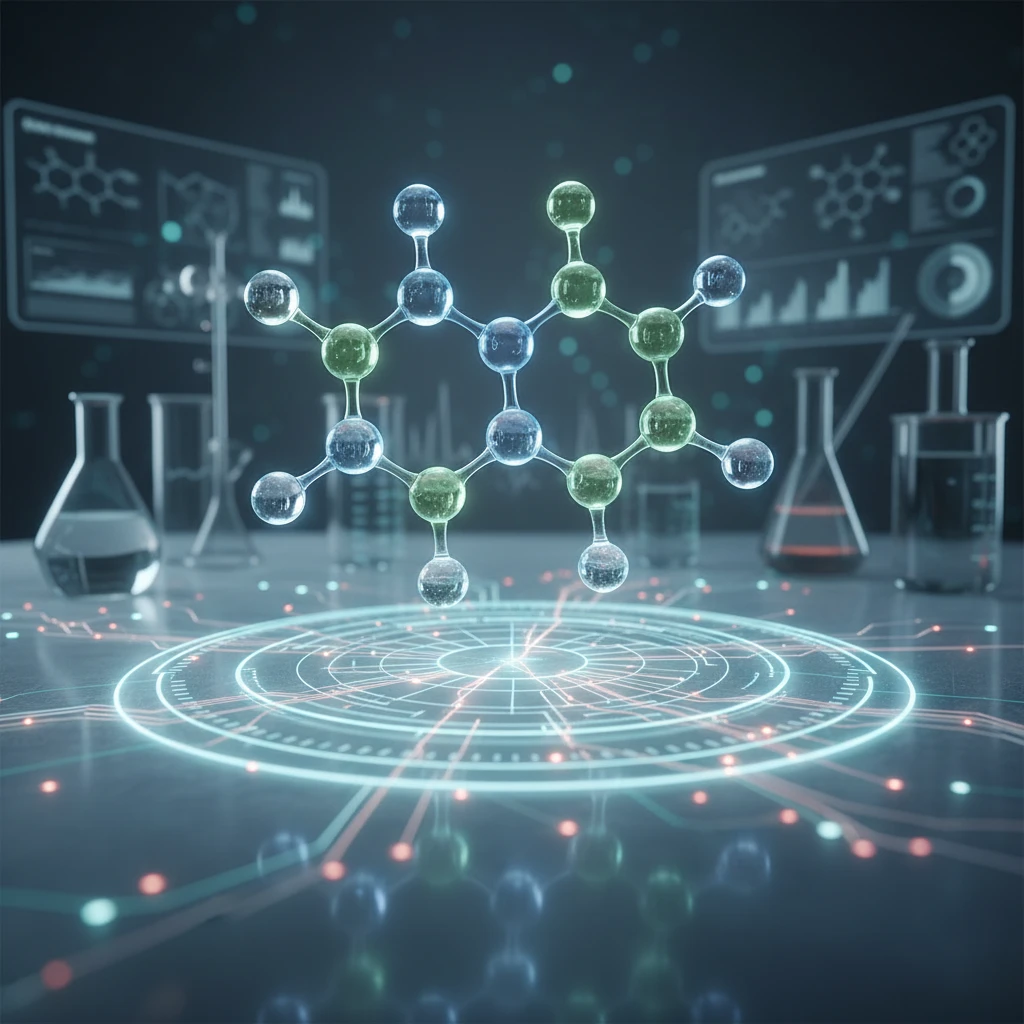
Delving into the technical aspects of ibogaine reveals a complex pharmacological profile. This section will dissect how ibogaine influences brain chemistry, its molecular journey, and its metabolic fate, providing a comprehensive overview for those seeking a deeper technical understanding of this potent compound.
Unveiling the Neurochemical Dance: How Ibogaine Interacts with the Brain
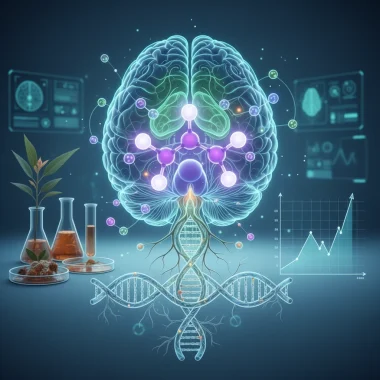
The brain is a symphony of chemical messengers, and ibogaine acts as a conductor, modulating the activity of numerous neurotransmitter systems. Its capacity to interact with multiple receptor types simultaneously sets it apart from many other psychoactive substances, contributing to its broad spectrum of effects. This multifaceted interaction allows it to influence mood, perception, and cognitive function, and critically, to disrupt the neurobiological underpinnings of addiction. The intricate pathways it influences suggest a profound impact on the brain’s endogenous regulatory mechanisms.
Understanding the specific targets and downstream effects of ibogaine is essential for appreciating its therapeutic potential and managing its risks. Researchers are continuously working to map these complex interactions, aiming to harness ibogaine’s benefits while mitigating its challenges. The precise way ibogaine engages with neural circuits offers a unique avenue for addressing conditions rooted in neurotransmitter imbalances and maladaptive neural plasticity. Exploring these interactions also sheds light on its broader effects on mental clarity and well-being.
Key Neurotransmitter Systems Targeted by Ibogaine
Ibogaine’s influence extends across several critical neurotransmitter systems, with significant impacts on serotonergic, dopaminergic, and glutamatergic pathways. It acts as a partial agonist at the 5-HT2C receptor and an antagonist at the 5-HT2A receptor, influencing mood regulation and perceptual experiences. Furthermore, its modulation of dopamine release and reuptake plays a crucial role in its anti-addictive properties, potentially resetting the brain’s reward circuitry that becomes dysregulated in addiction. The complex interplay within these systems is a hallmark of ibogaine’s unique pharmacological signature.
Its effects on the glutamatergic system, particularly NMDA receptors, are also noteworthy. By interacting with NMDA receptors, ibogaine can influence learning, memory, and neuroplasticity. This interaction is thought to be instrumental in its ability to interrupt the neurochemical patterns associated with substance dependence. The simultaneous modulation of multiple systems allows ibogaine to exert a more comprehensive effect on brain function than substances that target a single pathway. This broad action is a key factor in its potential for comprehensive therapeutic interventions. For those interested in ibogaine’s broader therapeutic applications, exploring its impact on overall wellness is a logical next step.
Understanding Ibogaine’s Receptor Binding Profile (5-HT2A, NMDA, etc.)
Ibogaine exhibits a complex receptor binding profile, engaging with a diverse array of neuronal targets. Foremost among these is its interaction with serotonin receptors, acting as a partial agonist at 5-HT2C and an antagonist at 5-HT2A subtypes. This dual action on serotonin receptors may contribute to its mood-elevating and introspective effects. It also demonstrates significant affinity for muscarinic acetylcholine receptors, potentially influencing cognitive processes and autonomic functions.
Crucially, ibogaine binds to NMDA receptors, acting as an antagonist. This blockade can lead to downstream effects on glutamate neurotransmission, which is implicated in excitotoxicity and neuroplasticity. The modulation of NMDA receptors is believed to be a significant factor in ibogaine’s potential to interrupt cravings and compulsive drug-seeking behaviors. Its binding profile also includes interactions with dopamine D2 receptors and sigma receptors, further illustrating its complex neurochemical footprint. Understanding these precise interactions is vital for predicting effects and developing safer administration protocols.
Mechanisms of Action: Neurogenesis and Synaptic Plasticity
Beyond its acute receptor interactions, ibogaine is recognized for its potential to promote neurogenesis and enhance synaptic plasticity. Studies suggest that ibogaine may stimulate the growth of new neurons and the formation of new synaptic connections, particularly in areas of the brain affected by chronic substance use. This ability to promote neural repair and rewiring is a key aspect of its proposed anti-addictive properties, offering a biological mechanism for overcoming entrenched patterns of dependence.
This neuroplastic effect is thought to be mediated, in part, by its influence on growth factors such as BDNF (Brain-Derived Neurotrophic Factor). By fostering a more resilient and adaptable neural architecture, ibogaine may help individuals break free from the rigid, compulsive behaviors characteristic of addiction. This restorative action provides a scientific basis for its potential to facilitate profound psychological and behavioral change, offering hope for sustained recovery. The potential for ibogaine to influence neurogenesis aligns with its use in contexts aimed at fostering long-term mental resilience.
The Pharmacological Blueprint: From Iboga Root to Ibogaine’s Molecular Structure
Ibogaine is not a synthetic creation but a naturally occurring alkaloid derived from the root bark of the *Tabernanthe iboga* shrub, indigenous to West and Central Africa. For centuries, indigenous cultures have utilized the iboga plant in spiritual ceremonies and as a traditional medicine. The isolation of ibogaine from this complex plant matrix represents a significant achievement in ethnobotany and pharmacology, unlocking its potential for wider therapeutic exploration. The careful extraction and purification processes are paramount to ensuring its safety and efficacy.
The journey from raw plant material to a refined psychoactive compound involves meticulous scientific procedures. Understanding the source material, the extraction methodologies, and the chemical properties of ibogaine is fundamental to its responsible application. This section will explore the origins of ibogaine, its chemical identity, and the critical considerations surrounding its purity and potency, which directly influence its therapeutic outcomes and potential risks. This foundational knowledge is essential for anyone considering its use, whether in traditional contexts or contemporary therapeutic settings. Its natural origins underscore the importance of understanding traditional uses, as seen in resources discussing holistic addiction solutions.
Isolation and Purification of Ibogaine from *Tabernanthe iboga*
The extraction of ibogaine from the *Tabernanthe iboga* root bark is a multi-step process requiring significant chemical expertise. Typically, this involves maceration of the root bark followed by solvent extraction to obtain a crude alkaloid mixture. Subsequent steps of purification often employ chromatography techniques, such as column chromatography or high-performance liquid chromatography (HPLC), to separate ibogaine from other alkaloids present in the plant, including voacangine and tabernanthine, which have different pharmacological profiles and potencies. The goal is to achieve a high degree of purity, typically exceeding 90%, to ensure predictable dosing and minimize potential side effects from co-extracted compounds.
Decision criteria for choosing an extraction method often hinge on factors like yield, cost-effectiveness, and the required purity level. For therapeutic applications, achieving pharmaceutical-grade purity is essential. Pitfalls in this process include incomplete separation of alkaloids, leading to variable potency, and the degradation of ibogaine under harsh chemical conditions. Examples of effective methods involve sequential solvent extractions followed by recrystallization. Actionable steps for ensuring purity involve rigorous quality control, including spectroscopic analysis (e.g., NMR, MS) and chromatographic profiling of the final product.
Chemical Properties and Stability Considerations
Ibogaine is a crystalline alkaloid with the chemical formula C17H22N2O and a molecular weight of 270.37 g/mol. It is characterized by its indole ring structure and a fused ring system. Ibogaine is a weak base, which affects its solubility and formulation properties; it is sparingly soluble in water but more soluble in organic solvents such as ethanol and ether. Its stability is influenced by factors such as light, heat, and oxygen, which can lead to degradation over time. Proper storage conditions, including protection from light and moisture, and storage at cool temperatures, are crucial for maintaining its potency and integrity.
Understanding these properties is vital for pharmaceutical formulation and long-term storage. Instability can lead to a reduction in the concentration of active ibogaine and the formation of potentially inactive or even harmful degradation products. For example, prolonged exposure to light can cause photodegradation. To mitigate these risks, suppliers often store ibogaine powder in dark, airtight containers and recommend keeping it in a cool, dry place. The pH of solutions containing ibogaine also plays a role in its stability; it is generally more stable in acidic to neutral conditions. Rigorous testing protocols are employed to verify its chemical integrity before distribution.
Dosing Precision: The Importance of Purity and Potency
Precise dosing of ibogaine is paramount due to its potent psychoactive effects and narrow therapeutic window. The effectiveness and safety of any ibogaine administration are directly contingent upon the purity and accurate determination of its potency. Impure samples or inaccurately quantified potency can lead to unpredictable and potentially dangerous outcomes, ranging from insufficient therapeutic effect to severe adverse reactions. Therefore, sourcing ibogaine from reputable suppliers who provide detailed Certificates of Analysis (CoA) detailing purity and potency is an indispensable step.
Decision criteria for appropriate dosing must consider the individual’s body weight, metabolism, and the specific therapeutic goal. A common pitfall is the assumption of uniform potency across different batches or sources, leading to accidental overdose or underdose. For instance, a batch advertised as “high potency” but not rigorously tested might contain contaminants that alter its effects or increase toxicity. Actionable steps for ensuring accurate dosing include consulting with experienced practitioners, utilizing laboratory-verified potency data from the supplier, and adhering to carefully calibrated dose ranges. Understanding how to safely administer substances like iboga powder is a critical component of this precision.
Metabolism and Excretion: Tracking Ibogaine’s Journey Through the Body
Once administered, ibogaine undergoes a complex metabolic transformation within the body, primarily in the liver, before being eliminated. This pharmacokinetic process is critical for understanding the duration of its effects, potential drug interactions, and the timing of subsequent doses or treatments. The primary pathway involves the hepatic cytochrome P450 enzyme system, particularly CYP2D6, which metabolizes ibogaine into various compounds, some of which retain pharmacological activity.
The journey of ibogaine through the body is not a simple one-step process; rather, it involves the formation of several metabolites, each with its own biochemical properties. Understanding these transformations is crucial for predicting the overall therapeutic and psychoactive experience, as well as for managing potential risks. This knowledge informs clinical protocols and monitoring strategies, ensuring that individuals undergoing ibogaine treatment receive the most appropriate care. Investigating the metabolic fate of ibogaine is also relevant to its broader wellness applications.
Primary Metabolites and Their Pharmacological Significance (e.g., Noribogaine)
The principal active metabolite of ibogaine is noribogaine. This compound is formed through O-demethylation of ibogaine and exhibits a longer half-life than its parent compound, contributing significantly to the sustained effects observed after ibogaine administration. Noribogaine shares some receptor binding affinities with ibogaine, including interactions with NMDA and serotonin receptors, and is believed to play a substantial role in the therapeutic outcomes associated with ibogaine, particularly in addiction treatment by influencing neuroplasticity and modulating cravings.
Other metabolites, such as ibogamine and 12-hydroxyibogamine, are also produced, though their pharmacological significance is less well-established compared to noribogaine. These metabolites can influence the overall profile of effects and the duration of the ibogaine experience. The enzymatic pathways involved, particularly CYP2D6, are subject to genetic polymorphisms, meaning that individuals metabolize ibogaine at different rates. This variability is a critical consideration for personalized dosing and for predicting potential adverse reactions. The presence and activity of these metabolites underscore the complexity of ibogaine’s pharmacological action.
Half-life and Duration of Effects: Factors Influencing Clearance
Ibogaine itself has a relatively short half-life, typically ranging from 2 to 8 hours. However, its primary active metabolite, noribogaine, has a significantly longer half-life, often reported between 20 to 30 hours, and sometimes even longer, up to several days in certain individuals. This prolonged presence of noribogaine is responsible for the extended duration of psychoactive effects, which can last from 6 to 36 hours, and the profound introspective and experiential qualities associated with ibogaine sessions. The complete elimination of ibogaine and its metabolites from the body can take several weeks.
Factors influencing the clearance rate include individual metabolic capacity (particularly CYP2D6 activity), liver function, body mass, and the presence of other substances that may inhibit or induce the cytochrome P450 enzymes. For instance, individuals who are poor metabolizers of CYP2D6 may experience prolonged and intensified effects. Decision criteria for treatment protocols must account for these variable clearance rates to avoid cumulative toxicity. Pitfalls include administering subsequent doses too quickly, which can lead to excessive accumulation. Actionable steps involve careful monitoring of individual responses and potentially genetic testing for CYP2D6 polymorphisms to guide dosing strategies.
Implications for Treatment Protocols and Monitoring
The extended half-life of noribogaine and the overall prolonged duration of ibogaine’s effects have significant implications for treatment protocols. Continuous monitoring is essential throughout the experience, typically for at least 24-48 hours post-administration, due to the potential for cardiac arrhythmias, ataxia, and other adverse events. Treatment protocols must include robust safety measures, such as cardiac monitoring (ECG), vital sign tracking, and the availability of medical support. The prolonged nature of the experience also necessitates a supportive and safe environment, often provided in a clinical or supervised setting.
Decision criteria for treatment timing are heavily influenced by clearance rates; for example, subsequent doses are generally not recommended until the initial effects have significantly subsided and the individual has stabilized. A critical pitfall is inadequate preparation and aftercare, which can diminish the therapeutic benefits and increase risks. Responsible ibogaine use involves comprehensive pre-treatment screening, informed consent, a carefully managed administration, and extensive post-treatment support to integrate the insights gained. For those considering ibogaine for therapeutic purposes, understanding these aspects is crucial for safe and effective outcomes, and for contexts related to advanced wellness practices.
Ibogaine and Addiction: A Deeper Dive into its Anti-Addictive Properties
Ibogaine’s most widely recognized therapeutic application lies in its remarkable potential to interrupt and reverse patterns of substance dependence. Its unique pharmacological profile allows it to address addiction not merely as a behavioral issue, but as a complex neurobiological disorder. By interacting with the brain’s reward pathways and neurotransmitter systems, ibogaine appears to facilitate a “reset” of the addicted brain, potentially alleviating cravings and mitigating withdrawal symptoms, offering a powerful tool in the fight against addiction.
The mechanisms by which ibogaine exerts these effects are multifaceted and continue to be an active area of research. Unlike many other addiction treatments that focus on symptom management, ibogaine seems to address underlying neurochemical dysregulation. This section will explore the specific ways ibogaine interacts with the brain to combat addiction, its impact on reward systems, and the observed efficacy across various types of substance dependence, providing a technical foundation for its anti-addictive properties. Its potential in facilitating addiction recovery is a primary focus of scientific inquiry.
Mechanism of Action in Mitigating Cravings and Withdrawal
Ibogaine’s anti-addictive properties are thought to stem from its ability to modulate key neurotransmitter systems implicated in addiction, particularly dopamine and glutamate, and to promote neuroplasticity. By interacting with NMDA receptors, it can help to break the cycle of compulsive drug-seeking behavior associated with withdrawal and craving. It may also influence the brain’s reward pathways, which become dysregulated in addiction, potentially normalizing dopamine signaling. This comprehensive action helps to reduce the intense psychological and physical discomfort of withdrawal and diminishes the overwhelming cravings that often lead to relapse.
Furthermore, the profound introspective and dissociative experiences induced by ibogaine can facilitate a deeper understanding of the root causes of addiction, allowing individuals to confront and process underlying psychological issues. This combination of neurochemical modulation and psychological insight is a hallmark of its effectiveness. The reduction in withdrawal symptoms is not just about alleviating discomfort; it’s about disrupting the physiological dependence that traps individuals. For those seeking alternatives to traditional methods, resources on advanced wellness approaches can offer context.
Impact on Dopamine Pathways and Reward Systems
Addiction is fundamentally linked to the dysregulation of the brain’s mesolimbic dopamine pathway, often referred to as the reward system. Chronic substance use hijacks this system, leading to an overstimulation of dopamine release and a desensitization of dopamine receptors, which results in anhedonia (inability to feel pleasure from normal activities) and intense cravings. Ibogaine’s interaction with dopamine pathways is complex; it has been observed to modulate dopamine release and receptor binding, potentially helping to restore a more balanced dopaminergic tone. Its antagonism at D2 autoreceptors might lead to an initial increase in dopamine release, followed by a more sustained normalization.
This modulation is believed to be crucial in resetting the brain’s reward circuitry, making natural rewards pleasurable again and reducing the compulsive drive for the addictive substance. By intervening in these dopamine-mediated processes, ibogaine can help to alleviate the intense cravings and the feeling of anhedonia that fuel relapse. Understanding this impact on the reward system provides a neurobiological basis for why ibogaine can be effective in breaking the cycle of addiction. The potential for ibogaine to influence dopamine also connects to its broader use in contexts focusing on mental clarity and mood regulation.
Observed Efficacy in Treating Opioid, Alcohol, and Stimulant Dependence
Clinical observations and anecdotal reports suggest that ibogaine has demonstrated significant efficacy in treating dependence on a range of substances, including opioids, alcohol, and stimulants. For opioid dependence, many individuals report a complete cessation of withdrawal symptoms and a marked reduction in cravings following a single ibogaine administration, with some remaining abstinent for extended periods. Its ability to interrupt the neurobiological adaptations caused by chronic opioid use is a key factor here. For alcohol dependence, ibogaine appears to reduce cravings and the psychological drive to drink, while for stimulant dependence (e.g., cocaine, methamphetamine), it may help to alleviate protracted withdrawal symptoms and reduce relapse rates.
While research is ongoing, preliminary studies and extensive clinical experience in non-traditional settings indicate that ibogaine can offer a pathway to recovery for individuals who have not responded to conventional treatments. For example, studies have documented significant reductions in opioid use, self-reported cravings, and withdrawal severity in ibogaine-treated individuals. The depth of its potential impact is underscored by its exploration in contexts such as transformative therapeutic experiences. However, it is critical to note that ibogaine is a powerful substance with potential risks, and its administration should only be undertaken with appropriate medical supervision and in a safe, controlled environment, as emphasized in guidance for addiction recovery specialists.
Beyond Addiction: Ibogaine’s Potential in Mental Wellness and Cognitive Enhancement
While ibogaine’s most recognized application is in treating substance use disorders, emerging research and anecdotal reports suggest a broader spectrum of therapeutic potential, extending into areas of general mental wellness and cognitive function. This non-hallucinogenic psychedelic compound interacts with the central nervous system in complex ways, potentially offering relief from conditions traditionally challenging to treat with conventional therapies. The exploration into these novel applications is driven by its unique pharmacology, which differs significantly from classic psychedelics. Understanding these mechanisms is crucial for practitioners and individuals considering ibogaine for purposes beyond addiction cessation. For those interested in its broader applications, a deeper dive into ibogaine’s role in wellness can provide further context.
The multifaceted nature of ibogaine’s impact on neurotransmitter systems, including serotonin, dopamine, and NMDA receptors, hints at its capacity to modulate mood, reduce anxiety, and potentially enhance cognitive processes. Unlike many pharmaceuticals that target single pathways, ibogaine’s pleiotropic effects may offer a more holistic approach to mental health challenges. This broad influence allows for the possibility of addressing underlying imbalances contributing to various mental health conditions. As research progresses, the delineation of specific therapeutic targets for ibogaine continues to evolve, promising new avenues for intervention. It’s important to approach these potential benefits with a balanced perspective, acknowledging both the promise and the need for rigorous scientific validation.
Investigating Ibogaine’s Role in Depression and PTSD Treatment
The profound introspective and emotional processing facilitated by ibogaine has led to significant interest in its application for treatment-resistant depression and Post-Traumatic Stress Disorder (PTSD). For individuals suffering from these debilitating conditions, conventional treatments often provide only partial relief or come with significant side effects. Ibogaine’s ability to potentially interrupt maladaptive neural pathways and facilitate a release of suppressed emotional material suggests a unique mechanism for healing. Studies are exploring how ibogaine might help individuals re-process traumatic memories, break free from depressive rumination, and foster a renewed sense of self-worth and hope. The experience can be intensely cathartic, offering a pathway to confronting and integrating difficult experiences that contribute to these conditions. Early findings suggest that a single ibogaine experience may lead to sustained improvements in mood and a reduction in PTSD symptoms for some individuals.
Clinical observations point to ibogaine’s potential to facilitate a significant shift in perspective, which can be particularly beneficial for those struggling with persistent negative thought patterns associated with depression. The introspective nature of the experience may allow individuals to gain new insights into the roots of their conditions, fostering a sense of agency and control. For PTSD, this might involve a re-contextualization of traumatic events, reducing their power to trigger distress. While preliminary, these findings highlight the need for further controlled clinical trials to establish efficacy and optimal treatment protocols. The potential for ibogaine to offer a novel therapeutic avenue for these complex mental health challenges is a driving force behind ongoing research and clinical exploration, underscoring its role beyond addiction recovery as explored in ibogaine: a deeper look at wellness.
Evidence for Neuroplasticity and its Link to Mental Health
A key mechanism hypothesized to underlie ibogaine’s therapeutic effects, particularly in mental wellness, is its capacity to promote neuroplasticity – the brain’s ability to reorganize itself by forming new neural connections. Research, including preclinical studies, has indicated that ibogaine may stimulate the production of neurotrophic factors like Brain-Derived Neurotrophic Factor (BDNF), which is crucial for neuronal survival, growth, and synaptic plasticity. This increased plasticity can be seen as a form of “reset” for the brain, allowing it to break free from entrenched patterns of thought and behavior that contribute to mental health disorders. For conditions like depression, which are often associated with reduced BDNF levels and impaired neural circuitry, ibogaine’s pro-neuroplastic effects could be particularly transformative.
This enhanced neuroplasticity can translate into tangible improvements in cognitive and emotional regulation. By creating a more adaptable neural landscape, ibogaine may help individuals develop healthier coping mechanisms, reduce rumination, and increase their capacity for emotional resilience. The process is not merely about symptom reduction but about fostering a foundation for lasting mental well-being and behavioral change. The precise pathways through which ibogaine influences neuroplasticity are still under investigation, but its interaction with various neurotransmitter systems, including glutamatergic and dopaminergic pathways, is believed to play a significant role. Understanding this link is critical for developing targeted therapeutic strategies and maximizing the long-term benefits of ibogaine treatment, a concept further elaborated upon in discussions about iboga: a holistic addiction solution.
Exploring Potential Cognitive Benefits: Focus and Creativity
Beyond its therapeutic potential for mood and trauma-related disorders, ibogaine is also being investigated for its capacity to enhance cognitive functions, such as focus, clarity, and creativity. Some users report experiencing heightened mental acuity and an improved ability to concentrate following ibogaine experiences. This cognitive enhancement is thought to be related to its influence on neurotransmitter systems, particularly dopamine, which plays a vital role in attention, motivation, and executive functions. By modulating these systems, ibogaine may help to clear mental fog and improve cognitive processing speed and efficiency, making it a subject of interest for cognitive enhancement applications. Such benefits can contribute to a more enriched daily life and improved performance in demanding tasks.
The introspective nature of the ibogaine experience can also unlock creative potential. By facilitating access to subconscious material and promoting novel associations between ideas, ibogaine may serve as a catalyst for artistic and innovative thinking. Users have described experiencing breakthroughs in creative projects and gaining new perspectives that fuel their artistic endeavors. This effect is distinct from the more direct cognitive boost, offering a deeper, more integrative form of mental expansion. While research in this area is still in its nascent stages, the anecdotal evidence suggests that ibogaine might offer unique benefits for individuals seeking to expand their cognitive and creative horizons. Exploring how this impacts daily life can be further understood through resources discussing ibogaine wellness: deepening your mental clarity.
Safety First: Mitigating Risks and Understanding Contraindications
While ibogaine holds significant therapeutic promise, its use is accompanied by a unique set of risks that necessitate careful consideration and mitigation strategies. Foremost among these are potential cardiovascular complications, which can range from minor arrhythmias to more severe cardiac events. Due to its complex pharmacological profile, including effects on cardiac ion channels, individuals with pre-existing heart conditions are at a significantly elevated risk. Therefore, comprehensive medical screening, including an electrocardiogram (ECG), is an indispensable prerequisite for safe ibogaine administration. Understanding and respecting these risks is paramount for anyone considering ibogaine therapy.
Beyond cardiovascular concerns, neurological side effects and potential drug interactions also demand rigorous attention. Ibogaine can interact with a wide range of medications and substances, potentially leading to dangerous consequences. Careful detoxification protocols and a thorough review of all medications and substances taken by the individual are crucial to prevent adverse interactions. Furthermore, the psychoactive nature of ibogaine necessitates a controlled and supportive environment to manage potential psychological distress or disorientation. Safety protocols are designed not only to prevent immediate harm but also to ensure a conducive environment for therapeutic benefit. Adherence to these guidelines is non-negotiable for responsible ibogaine use.
Cardiovascular Considerations: ECG Monitoring and Arrhythmia Risks
The most significant safety concern associated with ibogaine administration is its potential impact on cardiac function. Ibogaine has been shown to prolong the QT interval on an electrocardiogram (ECG), which is a marker of delayed ventricular repolarization. A prolonged QT interval increases the risk of developing a potentially life-threatening arrhythmia known as Torsades de Pointes. This risk is compounded by other factors, including electrolyte imbalances, pre-existing cardiac conditions, and concurrent use of other QT-prolonging medications. Therefore, a thorough cardiovascular assessment is absolutely critical before any ibogaine experience.
This assessment must include a baseline ECG and continuous cardiac monitoring during and immediately following ibogaine administration. Individuals with a history of arrhythmias, structural heart disease, or congenital long QT syndrome should generally be considered contraindicated for ibogaine therapy. Even in individuals without known cardiac issues, the potential for latent cardiac abnormalities means that vigilant monitoring is essential. Experienced medical professionals must be present to interpret cardiac rhythms and intervene promptly if any signs of instability arise. The careful selection of candidates and meticulous monitoring are cornerstones of minimizing cardiovascular risk. Resources like safe iboga powder use: expert Canadian insights highlight the importance of informed practices.
Potential Neurological Side Effects and Management Strategies
While ibogaine is generally not associated with the severe neurotoxicity seen with some other substances, it can induce a range of neurological side effects, particularly at higher doses or in susceptible individuals. These can include tremors, ataxia (loss of coordination), dizziness, and temporary cognitive impairment. In some cases, individuals may experience transient psychotic-like symptoms or hallucinations that differ from the typical visionary aspects of the experience, especially if there are underlying predispositions. Managing these effects often involves careful dose titration, ensuring adequate hydration, and providing a calm, supportive environment to minimize anxiety.
A more significant neurological concern is the potential for seizures. While rare, seizures have been reported in association with ibogaine use, particularly in individuals with a history of epilepsy or when ibogaine is combined with other seizure-provoking substances. Strict contraindication screening for seizure disorders is paramount. If a seizure occurs, immediate medical intervention is required. Educating individuals about potential neurological symptoms and establishing clear emergency protocols are vital components of safe ibogaine administration. Proper preparation and a controlled setting are key to navigating these potential challenges, aligning with guidance found in articles on ibogaine: a deeper look at wellness.
Drug Interactions to Avoid: Prescriptions and Other Substances
Ibogaine’s complex pharmacology means it can interact dangerously with a wide array of prescription medications, over-the-counter drugs, and other illicit substances. One of the most critical classes of interactions involves other compounds that affect cardiac rhythm, such as certain antiarrhythmics, antipsychotics, and antidepressants. Combining these with ibogaine can drastically increase the risk of QT prolongation and Torsades de Pointes. Additionally, ibogaine is metabolized by liver enzymes, notably CYP2D6 and CYP3A4, meaning it can interact with drugs that inhibit or induce these enzymes, altering ibogaine’s own levels and effects, or vice-versa.
It is imperative that anyone considering ibogaine undergoes a comprehensive review of their current medication list with a qualified medical professional experienced in psychedelic medicine. This includes detailing all prescription drugs, supplements, and any substances used recreationally. Particular caution is advised with substances that can lower seizure thresholds, such as stimulants or alcohol, as this can exacerbate the risk of neurological adverse events. Furthermore, abrupt cessation of certain medications, like benzodiazepines or opioids, prior to ibogaine administration can also pose risks and requires careful tapering protocols. Awareness of these potential interactions is a critical component of risk mitigation, a point emphasized in guides like iboga capsules: expert usage guidance.
The ‘Oneirogenic’ Experience: Characterizing Ibogaine’s Psychoactive Properties
Ibogaine is often described as “oneirogenic,” a term derived from the Greek word “oneiros” meaning dream, highlighting its distinctive capacity to induce vivid, dream-like states of consciousness. Unlike hallucinogens that may distort external perception, ibogaine primarily facilitates an intense inward journey, often characterized by autobiographical memories, emotional resurfacing, and profound introspection. This experience is not typically characterized by the ego dissolution seen with compounds like psilocybin or LSD, but rather by a deep engagement with one’s personal history and psyche. The intensity and nature of these visions and insights are highly individual, varying based on set, setting, and the individual’s psychological landscape.
The oneirogenic quality of ibogaine is thought to stem from its broad interaction with neurotransmitter systems, including NMDA, serotonin, dopamine, and opioid receptors. This complex interplay allows for the retrieval and processing of deeply embedded experiences and emotions, often contributing to the cathartic and transformative nature of the session. The dream-like state can provide a unique vantage point from which to examine past events, understand present behaviors, and gain clarity on future directions. This distinct psychoactive profile positions ibogaine as a unique tool for self-exploration and psychological healing, differing significantly from other psychedelic compounds.
Nature of Visions and Insights During Ibogaine Sessions
The visionary aspect of the ibogaine experience is highly personal and can manifest in various forms. Many individuals report experiencing vivid, film-like sequences from their past, often replaying significant life events with remarkable clarity and emotional intensity. These “life reviews” can include childhood memories, moments of trauma, and periods of intense joy or regret. The insights gained are often profound, revealing patterns of behavior, underlying causes of addiction, or repressed emotional conflicts that have contributed to present difficulties. The experience is often described as a form of deep self-confrontation, offering a unique opportunity for psychological integration and healing.
These visions are not merely passive observations; they are often accompanied by a strong emotional resonance, allowing the individual to re-experience feelings associated with past events. This emotional catharsis can be challenging but is frequently cited as a crucial component of the healing process. Beyond autobiographical recall, some individuals report experiencing symbolic or archetypal imagery, though this is less common than the personal memory recall. The overarching theme is typically one of deep introspection and self-discovery, providing a fertile ground for personal growth and transformation. The insights generated can offer a powerful impetus for lasting change, as discussed in contexts related to psychedelic therapy: iboga’s transformative power.
Psychological Support: Preparing for and Integrating the Experience
Given the intense and deeply personal nature of the oneirogenic experience, robust psychological support is indispensable for both preparation and integration. Pre-session preparation involves establishing trust, understanding the individual’s history and intentions, and collaboratively setting realistic expectations. This includes a thorough psychological assessment to identify any contraindications and to ensure the individual is psychologically prepared for the intensity of the journey. The aim is to create a safe and supportive container, fostering a sense of security and trust that allows the individual to fully engage with the process.
Post-session integration is equally critical. This involves guided sessions with a therapist or facilitator to help the individual process the insights, emotions, and visions encountered during the experience. Integration work helps to translate the profound realizations into tangible changes in behavior and perspective. Without proper integration, the powerful lessons learned during the ibogaine session may not be effectively applied to daily life, diminishing the long-term therapeutic benefits. Structured follow-up, journaling, and therapeutic dialogue are key elements in helping individuals to ground themselves and to harness the transformative potential of their experience, a process that can be further supported by exploring resources on iboga capsules: essential Canadian usage guide.
Distinguishing Ibogaine from Other Psychedelic Compounds
Ibogaine occupies a unique position within the spectrum of psychoactive substances due to its distinctive pharmacological profile and experiential effects, setting it apart from classic psychedelics like psilocybin or LSD, and dissociatives like ketamine. While classic psychedelics often induce profound alterations in perception, ego dissolution, and mystical-type experiences, ibogaine’s primary impact is often described as oneirogenic and introspective, focusing on autobiographical memory recall and emotional processing. The subjective experience is less about cosmic journeys and more about a deep dive into one’s personal life narrative and the roots of their issues, particularly addiction.
Furthermore, ibogaine’s mechanism of action differs significantly. It interacts with a broad range of neurotransmitter systems, including NMDA antagonism, which contributes to its analgesic properties and potential to interrupt addiction cycles, alongside its serotonergic and dopaminergic effects. This multifaceted action is distinct from the more selective 5-HT2A receptor agonism that characterizes many classic psychedelics. Consequently, the type of therapeutic outcomes and the risks involved also vary. While classic psychedelics may offer broad psychological healing, ibogaine’s direct neurochemical impact on addiction pathways is a key differentiator, making it a subject of interest for specific therapeutic applications beyond general psychedelic therapy, a point often highlighted in discussions about ibogaine: a deeper look at wellness.
Formulations and Administration: Exploring Different Ibogaine Delivery Methods
The effectiveness and safety of ibogaine administration are heavily influenced by its formulation and the chosen method of delivery. Understanding these variations is crucial for practitioners and individuals seeking to utilize ibogaine for therapeutic purposes. The two primary forms of ibogaine encountered are ibogaine hydrochloride (HCl) and ibogaine freebase. Each has distinct properties that affect absorption, bioavailability, and administration protocols. The choice between these forms, along with the specific dosage and administration route, significantly impacts the overall experience and potential risks, necessitating careful consideration based on individual needs and therapeutic goals.
Beyond the chemical form, the physical delivery method – such as capsules, powders, or even injectable solutions (though less common for therapeutic use) – also plays a role. Purity and dosage control are paramount regardless of the formulation. Contamination or inaccurate dosing can lead to unpredictable and potentially dangerous outcomes. Therefore, sourcing ibogaine from reputable suppliers and ensuring rigorous quality control are fundamental aspects of safe and effective administration. This section will delve into the nuances of these formulations and administration methods to provide a comprehensive overview for informed decision-making.
Ibogaine Hydrochloride vs. Ibogaine Freebase
Ibogaine is most commonly available in two principal forms: ibogaine hydrochloride (HCl) and ibogaine freebase. Ibogaine HCl is a salt form, created by reacting ibogaine with hydrochloric acid. This salt form is generally more stable and easier to handle, making it a common choice for pharmaceutical preparations. However, the HCl form may have lower bioavailability when taken orally compared to the freebase due to its ionic nature, potentially requiring higher doses for equivalent effects. It is often preferred for its shelf-life stability and ease of measurement in precise doses, particularly when used in capsule form.
Ibogaine freebase, on the other hand, is the alkaline form of the compound. It is typically less stable than the HCl salt but is often considered to have higher bioavailability, particularly for oral administration. This means a smaller amount of freebase might produce equivalent or stronger effects compared to the HCl salt. Some practitioners prefer the freebase form for its perceived potency and potentially faster onset of action. However, the freebase can be more challenging to stabilize and handle, and its purity can vary more significantly if not sourced from a highly reputable vendor. Both forms require careful consideration regarding their absorption rates and metabolic pathways, as detailed in resources like authentic iboga capsules: Canada’s source.
Capsule and Powder Forms: Purity and Dosage Control
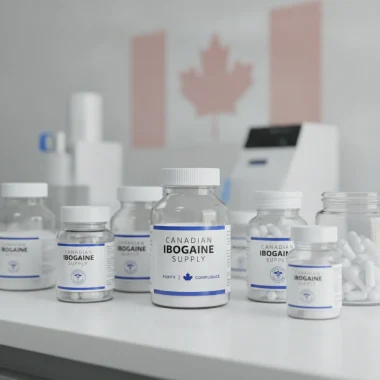
Ibogaine is frequently administered in the form of capsules or powders, offering distinct advantages and considerations for purity and dosage control. Ibogaine capsules, often containing ibogaine HCl, are a popular choice because they allow for precise and pre-measured dosing, simplifying administration and reducing the risk of accidental overdose. When sourced from reputable manufacturers, capsules ensure a standardized amount of active compound, contributing to predictable outcomes. The encapsulation also masks the bitter taste of ibogaine, which can be a significant deterrent for some individuals. The ease of use and reliable dosing make capsules a preferred option for many seeking therapeutic benefits, aligning with guidance found in iboga capsules: expert usage guidance.
Ibogaine powder, conversely, offers greater flexibility in dosage customization, allowing practitioners to tailor doses with extreme precision, especially when dealing with individuals requiring highly specific titration. However, working with powder demands a greater degree of care and accuracy in measurement. Without calibrated milligram scales and meticulous handling, there is an increased risk of inaccurate dosing, which can lead to unintended side effects or sub-therapeutic results. Furthermore, the purity of bulk ibogaine powder can vary significantly, making rigorous quality testing and sourcing from trusted suppliers absolutely essential to avoid contaminants and ensure the intended psychoactive effects.
Considerations for Sublingual or Oral Administration
When considering sublingual or oral administration of ibogaine, several factors come into play regarding absorption and onset of effects. Oral administration, typically through capsules or powders swallowed with water, involves the compound passing through the digestive system and liver before entering the bloodstream. This process can lead to a longer onset time, often taking 30 minutes to a few hours to feel the initial effects, and involves first-pass metabolism in the liver, which can alter the compound’s profile. The duration of the experience is also generally longer with oral administration.
Sublingual administration, where the ibogaine powder or solution is held under the tongue to be absorbed directly into the bloodstream through the mucous membranes, offers a potentially faster onset of action and may bypass some of the first-pass liver metabolism. This can result in a quicker onset of the psychoactive effects, sometimes within 15-30 minutes. However, ibogaine is notoriously bitter, making sublingual administration challenging for many due to taste aversion. Furthermore, ensuring complete sublingual absorption can be difficult, and some of the compound may still be swallowed, leading to a combined oral/sublingual effect. Regardless of the method, meticulous attention to dosage and the individual’s physiological response is paramount for safety and efficacy, a principle emphasized in discussions about iboga for addiction: Canadian expert insights.
Navigating the Legal and Ethical Landscape of Ibogaine in Canada
The exploration of ibogaine for therapeutic purposes, particularly for addiction and mental wellness, necessitates a thorough understanding of its complex legal and ethical dimensions within Canada. While ibogaine itself is not explicitly scheduled under the Controlled Drugs and Substances Act in the same way as many other psychedelics, its possession and distribution can fall under various interpretations and related legislation, often depending on the context and intended use. This creates a nuanced legal environment where navigating the acquisition and administration of ibogaine requires diligence and adherence to the most current guidelines. Understanding the distinctions between personal use, research, and unregulated distribution is paramount to ensure compliance and avoid legal repercussions. For individuals considering ibogaine, consulting with legal counsel specializing in Canadian drug legislation is a prudent first step to ascertain their specific obligations and rights. Furthermore, the ethical considerations surrounding its use are as critical as the legal framework, demanding responsible practices from both providers and users. This involves a commitment to harm reduction, informed consent, and a deep respect for the profound nature of the experience it can facilitate.
Current Legal Status and Regulations on Mindhealingshop.ca
Within Canada, the legal framework surrounding ibogaine is not a straightforward prohibition but rather a space defined by the absence of explicit regulation for therapeutic use, while its status as a controlled substance for recreational purposes remains a complex area. While not a scheduled substance like psilocybin or LSD, its psychoactive properties mean that its sale and possession can be subject to interpretation under existing drug laws, particularly if it’s marketed for human consumption outside of approved research contexts. For entities operating within this space, such as mindhealingshop.ca, transparency regarding product sourcing and adherence to all applicable Canadian regulations is essential. This includes ensuring that any substances offered are not illegally imported or distributed. The onus is on the vendor to ensure their operations comply with all federal and provincial laws, which may include restrictions on how products are advertised and sold, especially concerning claims related to medical treatment. Due diligence in product labeling and consumer education is therefore a key component of responsible online retail for substances like ibogaine.
Ethical Sourcing and Product Quality Standards
The ethical sourcing and guaranteed quality of ibogaine products are cornerstones of responsible practice in this field. For users seeking ibogaine, especially for sensitive applications like addiction recovery, the origin and purity of the substance are non-negotiable. Ethical sourcing typically implies that the iboga plant is harvested sustainably, respecting local communities and the environment in its regions of origin. This contrasts sharply with unregulated channels where product integrity can be compromised. Reputable vendors commit to rigorous testing protocols to verify the potency and purity of their ibogaine and iboga products, ensuring that they are free from contaminants or adulterants. Consumers should look for clear documentation of these quality control measures. For instance, understanding the difference between various ibogaine alkaloids (like ibogaine HCl versus ibogaine freebase) and their respective applications is part of ensuring product quality. When exploring options for iboga powder use, for example, verifying purity and understanding the concentration of active compounds is a critical step in maintaining safety and efficacy.
The Importance of Informed Consent and Responsible Use
Informed consent is the bedrock of responsible ibogaine use, acknowledging the profound psychoactive nature of this substance. This process goes beyond a simple agreement; it involves a comprehensive dialogue where potential users receive detailed information about the substance’s effects, potential risks, contraindications, and the expected duration of the experience. Thorough screening for pre-existing medical conditions, particularly cardiovascular issues, is absolutely critical, as ibogaine can have significant physiological impacts. Furthermore, informed consent includes education on preparation for the experience, such as dietary guidelines and mental readiness, as well as the crucial integration phase post-experience, which is vital for translating insights into lasting change. Responsible use also encompasses understanding the legal landscape and ensuring that the substance is acquired through legitimate channels, as discussed in the context of product quality. For those interested in the therapeutic potential, resources that detail safe protocols and the importance of set and setting are invaluable; exploring guides on deepening mental clarity with ibogaine can provide a framework for this preparation.
Future Directions: Research Trends and Therapeutic Advancements
The scientific community is increasingly recognizing the potential of ibogaine and related compounds, prompting a surge in research aimed at understanding its mechanisms of action and expanding its therapeutic applications. Current research is exploring not only its well-documented use in treating substance use disorders but also its potential in addressing a broader range of mental health conditions. Advances in neuroimaging and molecular biology are providing unprecedented insights into how ibogaine interacts with brain chemistry, particularly its effects on neurotransmitter systems and neural plasticity. This deeper scientific understanding is paving the way for more refined therapeutic protocols and the development of novel ibogaine-based treatments. The trend is moving towards evidence-based approaches that can harness ibogaine’s transformative power while mitigating risks. This evolving landscape suggests a future where ibogaine, when administered responsibly within a controlled framework, could play a significant role in mental healthcare.
Emerging Clinical Trials and Research Findings
Recent clinical trials and ongoing research are shedding new light on the multifaceted therapeutic potential of ibogaine. Studies are investigating its efficacy beyond opiate addiction, exploring its impact on conditions such as depression, PTSD, and anxiety disorders. Researchers are meticulously examining the compound’s neurobiological mechanisms, including its interaction with serotonin, dopamine, and NMDA receptors, and its capacity to promote neurogenesis and synaptic plasticity. Findings from these trials are crucial for building a robust scientific case for ibogaine’s integration into mainstream therapeutic practices. For instance, early results from some studies suggest that ibogaine may help to reset neural pathways associated with addiction and trauma, offering a profound reset for individuals struggling with chronic conditions. The rigorous scientific validation of these effects is a critical step towards broader acceptance and accessibility, moving beyond anecdotal evidence to data-driven therapeutic strategies. This focus on empirical data is essential for advancing the field and ensuring safe, effective treatments.
Potential for Microdosing and Novel Therapeutic Protocols
Beyond its known use in intensive, single-dose treatments, emerging research is exploring the potential of microdosing ibogaine and developing novel therapeutic protocols. Microdosing, which involves taking sub-perceptual doses, is being investigated for its ability to offer cumulative benefits, such as enhanced mood, increased focus, and reduced anxiety, without the intense dissociative or visionary effects associated with full doses. This approach could significantly lower the barrier to entry for individuals hesitant about the full ibogaine experience and potentially offer a more accessible route to sustained mental wellness. Furthermore, researchers are designing innovative protocols that combine ibogaine with other therapeutic modalities, such as psychotherapy, mindfulness, or even other entheogenic substances, to create synergistic effects. These novel protocols aim to optimize outcomes by leveraging ibogaine’s unique properties within a broader, integrated healing framework. Understanding these evolving approaches can provide individuals with more diverse options for exploring the benefits of ibogaine, potentially through avenues like technical deep dives into wellness applications.
The Evolving Role of Ibogaine in Integrative Mental Healthcare
As research progresses and understanding deepens, ibogaine is poised to take on a more prominent role within the evolving landscape of integrative mental healthcare. The traditional model of mental health treatment, often characterized by long-term pharmaceutical interventions and episodic therapy, is being challenged by approaches that seek to address the root causes of distress and promote profound personal transformation. Ibogaine, with its capacity to facilitate rapid neurological and psychological shifts, aligns well with this paradigm shift. Its potential to interrupt addictive cycles and unlock deep-seated psychological patterns makes it a candidate for integration into treatment plans for a variety of conditions, including addiction, depression, and trauma. The future may see ibogaine therapy offered alongside conventional medical treatments, under the supervision of trained professionals, within specialized clinics or research settings. This integration requires a collaborative effort between researchers, clinicians, and regulatory bodies to ensure that ibogaine can be utilized safely and effectively to support holistic well-being. Exploring resources on psychedelic therapy and iboga’s transformative power can offer further context to this evolving integration.
Navigating the legal, ethical, and scientific dimensions of ibogaine requires ongoing vigilance and a commitment to informed, responsible practices. As research continues to unlock its potential, a clearer path forward for therapeutic application is emerging.
For Canadians seeking to explore the potential benefits of ibogaine and related products responsibly, mindhealingshop.ca serves as a valuable resource, offering detailed information and ethically sourced options to support your wellness journey.










Pingback: Iboga: Beyond Addiction, Towards Wellness - Mind Healing Shop