This exploration delves into the science behind ibogaine’s efficacy, moving beyond anecdotal evidence to understand the intricate mechanisms at play. We will examine how this powerful substance interacts with the brain, its impact on neuroplasticity, and the clinical findings supporting its role in addiction recovery. Understanding these scientific underpinnings is crucial for anyone considering ibogaine-assisted therapy and for advancing the broader conversation around innovative addiction treatments.
Beyond the Buzz: Unpacking the Neurobiological Breakthrough of Iboga for Addiction
The conversation around ibogaine often highlights its potential for addiction recovery, but a deeper understanding requires a dive into its neurobiological impacts. Unlike many conventional addiction treatments that focus on symptom management or substitution, ibogaine appears to address the underlying neurological changes associated with chronic substance use. This fundamental difference suggests a more comprehensive approach to healing, aiming to not just stop the use of a substance but to potentially recondition the brain’s reward pathways and reduce the psychological compulsion.
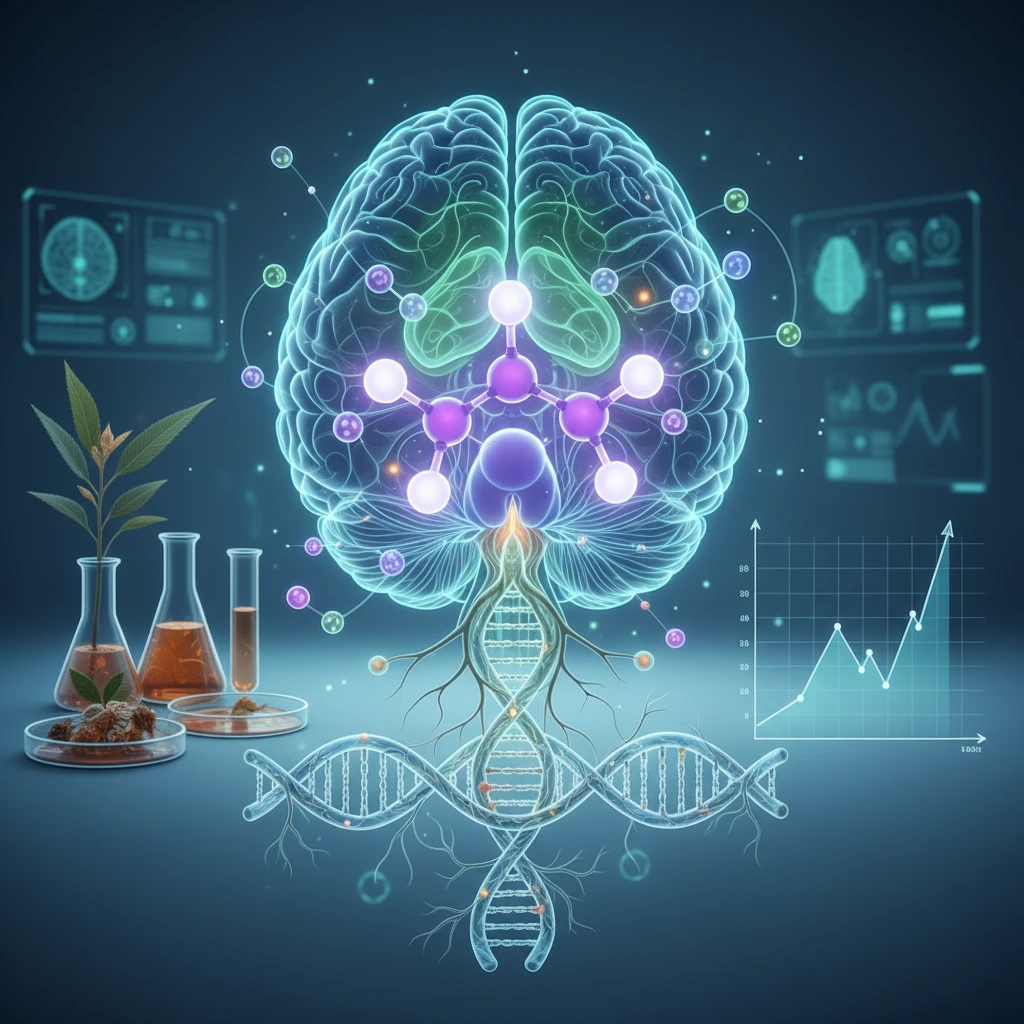
Its mechanism of action is complex and multifaceted, involving interactions with a broad spectrum of neurotransmitter systems and cellular targets. Researchers are particularly interested in how ibogaine influences brain-derived neurotrophic factor (BDNF), a key protein instrumental in neurogenesis, neuroplasticity, and neuronal survival. By potentially stimulating BDNF production, ibogaine might facilitate the brain’s ability to reorganize itself, forming new neural connections and breaking established addiction-related pathways. This offers a glimpse into how long-term changes might be achieved, moving beyond temporary abstinence to a more fundamental shift in brain function and behavior.
The exploration of ibogaine’s neurobiological effects is an evolving field, with ongoing research striving to fully map its intricate interactions. Understanding these mechanisms is vital for developing safe and effective therapeutic protocols. As scientific inquiry progresses, we gain a clearer picture of ibogaine’s potential as a transformative tool in the fight against addiction, offering a novel perspective on healing and recovery that acknowledges the brain’s remarkable capacity for change.
How Ibogaine Interacts with Brain Chemistry: A Scientific Deep Dive
At the core of ibogaine’s therapeutic potential lies its intricate interaction with the brain’s neurochemical landscape. Unlike substances that merely block or mimic neurotransmitters, ibogaine acts as a modulator, influencing multiple systems simultaneously. This complex pharmacology is thought to be responsible for its unique effects, including the interruption of withdrawal symptoms and the reduction of cravings. Researchers have identified that ibogaine binds to a variety of receptors, including opioid, dopamine, and serotonin receptors, as well as NMDA receptors, playing a crucial role in its multifaceted impact on brain chemistry. This broad interaction spectrum distinguishes it from many other pharmacotherapies used in addiction treatment.
One of the primary areas of investigation is ibogaine’s interaction with the opioid system. It acts as an antagonist at the mu-opioid receptor, which is a key site for opioid addiction. This antagonism helps to block the euphoric effects of opioids and can alleviate withdrawal symptoms. However, ibogaine’s action extends beyond simple antagonism. It also interacts with sigma receptors and affects serotonin and dopamine reuptake, contributing to its mood-elevating and potential neuroprotective effects. The precise balance of these interactions is believed to be critical in its capacity to reduce cravings and promote a sense of well-being, which can be instrumental in breaking the cycle of dependence.
Furthermore, ibogaine’s influence on other neurotransmitter systems is being actively studied. Its modulation of the dopaminergic system, central to reward and motivation, may help to recalibrate the brain’s pleasure pathways that have been dysregulated by substance abuse. By influencing the release and reuptake of neurotransmitters like dopamine and serotonin, ibogaine may help restore a more balanced neurochemical state. This comprehensive neurochemical recalibration is hypothesized to be a significant factor in its ability to facilitate long-term recovery and reduce the propensity for relapse, offering a profound change that goes beyond mere withdrawal management.
The Role of Serotonin, Dopamine, and NMDA Receptors in Ibogaine’s Efficacy
The intricate dance of neurotransmitters in the brain is profoundly influenced by ibogaine, with significant attention paid to serotonin, dopamine, and NMDA receptors. Serotonin, often associated with mood regulation and well-being, plays a crucial role. Ibogaine’s interaction with serotonin pathways may contribute to the reduction of depression and anxiety often experienced during or after substance withdrawal, fostering a more stable emotional state conducive to healing. This modulation can help individuals break free from the negative emotional cycles that often fuel addiction.
Dopamine, the neurotransmitter central to the brain’s reward system, is another key target of ibogaine’s action. Chronic substance use often hijacks the dopamine system, leading to an insatiable drive for the drug. Ibogaine is believed to modulate dopaminergic neurotransmission, potentially helping to reset the reward circuitry and reduce the intense cravings associated with dopamine dysregulation. This recalibration is critical for diminishing the compulsive seeking behavior characteristic of addiction, allowing individuals to regain control over their motivations and desires.
The N-methyl-D-aspartate (NMDA) receptor, a type of glutamate receptor involved in learning and memory, is also implicated in ibogaine’s efficacy. By acting as an NMDA receptor antagonist, ibogaine may help to reduce excitotoxicity, a process where overstimulation of neurons can lead to cell damage, which can be exacerbated by chronic drug use. This neuroprotective effect, combined with its influence on plasticity, may be crucial in repairing neural pathways disrupted by addiction. Understanding these receptor interactions is key to appreciating the comprehensive way ibogaine can facilitate recovery, offering a scientifically grounded approach to addressing addiction at its neurological roots.
Understanding the ‘Reset’ Mechanism: Neuroplasticity and Ibogaine
The concept of a “reset” in the context of addiction recovery often refers to the brain’s ability to reorganize and repair itself, a phenomenon known as neuroplasticity. Ibogaine is theorized to profoundly enhance this process, acting as a catalyst for significant neural rewiring. This is not merely about suppressing symptoms but about fundamentally altering the brain’s structure and function, potentially reversing some of the detrimental changes induced by long-term substance abuse. The idea is that ibogaine creates an environment where the brain is more receptive to forming new, healthier pathways, thereby reducing the ingrained habits and compulsions associated with addiction.
Research suggests that ibogaine can stimulate the expression of brain-derived neurotrophic factor (BDNF), a protein vital for neuronal growth, survival, and synaptic plasticity. Increased BDNF levels can promote the formation of new synapses and strengthen existing ones, effectively helping the brain to build new functional circuits. This enhanced neuroplasticity is believed to be instrumental in overcoming ingrained addiction patterns, allowing the brain to learn new coping mechanisms and break free from the compulsive drive for substances. It’s a process that facilitates a more profound and lasting change than therapies that only address behavioral aspects.
The “reset” mechanism can be further understood by examining how ibogaine may affect the default mode network (DMN) and other brain networks implicated in addiction. By reducing rumination and self-referential thinking, often amplified in addiction, ibogaine might help to disrupt the cycle of negative thought patterns that perpetuate substance use. This disruption, coupled with the promotion of neurogenesis and synaptic plasticity, offers a pathway to rebuilding healthy neural architecture and fostering a more resilient and adaptive brain. This comprehensive rewiring is what gives ibogaine its unique potential to facilitate deep and lasting recovery, as explored further in broader discussions on psychedelic healing and ibogaine’s role.
The Science of Ibogaine’s Anti-Addiction Properties: Clinical Evidence and Mechanisms
The scientific investigation into ibogaine’s anti-addiction properties has yielded compelling evidence, moving it from anecdotal reports to a subject of serious clinical consideration. Clinical studies, while still needing expansion and standardization, have consistently pointed towards ibogaine’s significant ability to interrupt withdrawal symptoms, reduce cravings, and foster prolonged abstinence from a variety of substances. These findings are supported by a growing understanding of its unique pharmacological actions, which differ markedly from traditional addiction treatments.
The underlying mechanisms are believed to involve a complex interplay of neurochemical modulations and neuroplastic changes. Ibogaine’s capacity to interact with multiple neurotransmitter systems, including opioid, dopamine, and serotonin receptors, alongside its effects on NMDA receptors, is central to its therapeutic efficacy. This broad-spectrum activity allows it to address several facets of addiction simultaneously. For instance, its antagonistic effect on opioid receptors can block the rewarding effects of opioids, while its modulation of dopamine may help rebalance the brain’s reward circuitry that becomes dysregulated with chronic drug use.
Furthermore, emerging research highlights ibogaine’s potential to promote neuroplasticity, facilitating the brain’s ability to repair and reorganize itself. This neuroregenerative aspect is crucial for long-term recovery, aiming to undo some of the neurological damage caused by addiction. By potentially stimulating neurotrophic factors, ibogaine may help the brain form new neural connections and pathways, reducing the entrenched patterns of behavior and thought that characterize addiction. This holistic approach, targeting both neurochemical imbalances and structural changes, underpins the growing scientific interest in ibogaine as a potent tool for addiction recovery.
From Withdrawal to Wellness: How Ibogaine Interrupts the Addiction Cycle
The relentless cycle of addiction is characterized by intense physical and psychological dependence, leading to debilitating withdrawal symptoms when substance use ceases. Ibogaine’s unique pharmacological profile positions it as a potential disruptor of this cycle, offering a path toward not just immediate relief but sustained well-being. Its ability to significantly mitigate or even eliminate withdrawal symptoms is a cornerstone of its therapeutic promise, providing individuals with a crucial window of opportunity to break free from physical dependence without the extreme discomfort typically associated with cessation.
Beyond the immediate cessation of withdrawal, ibogaine appears to address the underlying psychological drivers of addiction. By interacting with neurotransmitter systems such as serotonin and dopamine, it may help to recalibrate the brain’s reward pathways and improve mood regulation. This can lead to a reduction in cravings and a diminished psychological compulsion to use substances. For individuals struggling with the emotional and mental anguish that often accompanies addiction, this effect can be profoundly transformative, fostering a sense of hope and renewed motivation for recovery. The broader implications for psychedelics in mental health are significant, with ibogaine at the forefront of this discussion.
The interruption of the addiction cycle facilitated by ibogaine is not solely about symptom management; it is proposed to involve a deeper neurological recalibration. By promoting neuroplasticity, ibogaine may help the brain to re-establish healthier neural pathways, potentially reversing some of the neurobiological adaptations caused by chronic substance abuse. This comprehensive approach aims to restore balance to brain function, reducing the likelihood of relapse and supporting a more sustainable transition towards a life free from the grip of addiction. This journey from the intense phase of withdrawal to a state of sustained wellness is a testament to ibogaine’s complex and powerful effects.

Tackling Opioid Cravings: The Pharmacological Edge of Ibogaine
Opioid addiction is notoriously difficult to manage, with intense cravings and debilitating withdrawal symptoms posing significant barriers to recovery. Ibogaine offers a distinct pharmacological edge in addressing these challenges. Its primary mechanism of action in this context involves its interaction with opioid receptors. Ibogaine acts as an antagonist at the mu-opioid receptor, the same receptor that agonists like heroin and prescription painkillers bind to. This antagonism effectively blocks the euphoric effects of opioids and, crucially, helps to alleviate the severe physical discomfort associated with opioid withdrawal.
The immediate reduction in withdrawal symptoms is a critical benefit, allowing individuals to transition away from opioid use more smoothly and with significantly less suffering. However, ibogaine’s impact on opioid cravings extends beyond this immediate relief. Research suggests that ibogaine can also modulate other neurotransmitter systems involved in reward and motivation, such as dopamine. By helping to recalibrate these systems, ibogaine may reduce the persistent, overwhelming cravings that often drive relapse even after physical withdrawal has subsided. This multifaceted approach addresses both the acute physical dependence and the chronic psychological drive for the drug, offering a more comprehensive solution.
The scientific understanding of how ibogaine tackles opioid cravings involves its complex receptor binding profile. Beyond mu-opioid receptors, it also interacts with sigma receptors and influences the reuptake of serotonin and norepinephrine, contributing to its mood-stabilizing and potentially anti-depressant effects. These broader neurochemical influences can help individuals achieve a greater sense of emotional equilibrium, further diminishing the psychological distress that often fuels opioid cravings. This sophisticated interplay of pharmacological actions provides ibogaine with a unique position in the fight against opioid addiction, offering hope for more effective and lasting recovery. For those exploring treatments, understanding options for ibogaine treatment in Canada is paramount.
Beyond Opioids: Ibogaine’s Potential for Alcohol and Stimulant Addiction
While ibogaine has garnered significant attention for its effects on opioid addiction, its therapeutic potential extends to other substance use disorders, including those involving alcohol and stimulants. The mechanisms by which it may help with these addictions differ in nuance but are rooted in its broader neurochemical modulating properties. For alcohol addiction, ibogaine’s impact on GABAergic and glutamatergic systems, which are heavily implicated in alcohol dependence and withdrawal, is of particular interest. By helping to restore balance to these neurotransmitter systems, ibogaine may alleviate withdrawal symptoms and reduce the craving for alcohol.
In the realm of stimulant addiction, such as that to cocaine or methamphetamine, ibogaine’s role is thought to involve its interaction with dopamine transporters and receptors. Stimulants cause a massive surge in dopamine, leading to profound changes in the brain’s reward circuitry. Ibogaine may help to reverse or mitigate these changes by modulating dopamine levels and receptor sensitivity, thereby reducing the intense cravings and anhedonia (inability to feel pleasure) often experienced by stimulant users. This normalization of the reward system is crucial for long-term recovery and for rebuilding a life not centered around drug-seeking behavior.
The effectiveness of ibogaine for alcohol and stimulant addiction is an active area of research, with ongoing studies aiming to delineate the precise mechanisms and optimal therapeutic protocols. Early findings suggest that, similar to its effects with opioids, ibogaine can promote neuroplasticity in individuals with stimulant or alcohol use disorders. This enhancement of the brain’s ability to adapt and reorganize may be key to overcoming the deeply ingrained behavioral patterns associated with these addictions. Exploring comprehensive treatment options for individuals seeking change is a vital step, and understanding available resources for ibogaine treatment in Canada can be beneficial.
The Timeframe of Ibogaine’s Effects: What to Expect Physically and Mentally
The experience of ibogaine is profound and multi-phased, with effects unfolding over a distinct timeframe that spans from immediate psychoactive experiences to longer-term psychological shifts. Following administration, individuals typically enter an intense visionary state that can last anywhere from a few hours to over twenty-four hours, depending on the dose and individual metabolism. During this period, users often report vivid introspection, the processing of past experiences, and a profound sense of clarity regarding their addiction. Physically, this phase can include altered perception of time, nausea, and sometimes ataxia (impaired coordination), which are managed within a supervised clinical setting. This initial intense period is often described as deeply therapeutic, providing insights that can be crucial for recovery.
As the acute psychoactive effects subside, typically within 24-36 hours, individuals enter a more introspective and reflective period. While the intense visions diminish, a sense of emotional processing and mental clarity often persists. Withdrawal symptoms, particularly for opioids, are typically significantly reduced or absent during this time and in the days following treatment. Mentally, individuals often report a marked decrease in cravings and a feeling of being “reset.” This phase is crucial for integrating the insights gained during the visionary state and consolidating the psychological changes that have occurred. This period of reduced cravings and increased mental well-being can last for weeks or even months, offering a substantial window for lasting change.
The long-term effects of ibogaine are what truly differentiate it. While the acute treatment is intensive, the lasting impact is often observed in the sustained reduction of cravings and improved overall well-being. Many individuals report a fundamental shift in their relationship with substances, experiencing a diminished desire and a greater capacity to cope with life’s challenges without resorting to addictive behaviors. This sustained impact, often continuing for months or even years, is attributed to the potential neuroplastic changes induced by ibogaine. It is vital to remember that ibogaine is a powerful substance, and its effects are best experienced under professional supervision in a safe environment, as outlined in discussions around ibogaine treatment and understanding your options.
Navigating Ibogaine Therapy in Canada: Legalities, Access, and Safely Sourcing Products
The landscape of ibogaine therapy in Canada is complex, involving a nuanced legal framework, various avenues for access, and critical considerations for safely sourcing products. While ibogaine is not scheduled as a controlled substance under the Controlled Drugs and Substances Act in the same way as many other psychedelics, its import and sale are subject to Health Canada regulations, meaning it cannot be legally purchased or possessed without proper authorization for medical or scientific purposes. This regulatory status creates challenges for individuals seeking ibogaine for therapeutic use, necessitating careful navigation of legal pathways and a strong emphasis on harm reduction and safety when considering its acquisition or use, including for remedies like iboga capsules for your wellness transformation.
Access to ibogaine therapy in Canada typically involves seeking treatment at specialized clinics, often operating within a legal grey area or focusing on harm reduction. Some clinics may operate with exemptions or through patient-specific importation permits, while others may be situated in jurisdictions where such substances are more accessible. It is imperative for individuals to thoroughly research any clinic or practitioner, verifying their credentials, safety protocols, and adherence to ethical guidelines. The availability of expert guidance is crucial for ensuring a safe and effective therapeutic experience, as detailed in resources on expert guidance for ibogaine treatment in Canada.
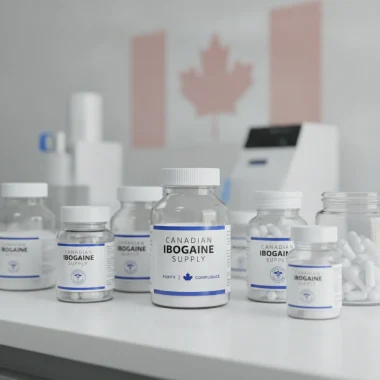
When considering the acquisition of ibogaine products, such as capsules or powder, safety and authenticity are paramount. Due to the legal complexities, sourcing these products often involves international markets or specialized suppliers. It is essential to prioritize reputable sources that can provide verifiable product purity and accurate dosing information. Understanding the risks associated with unregulated products, including potential contaminants or incorrect dosages, is vital. Engaging with knowledgeable practitioners or clinics can provide guidance on safely sourcing these materials, ensuring that any product used is of high quality and handled with appropriate precautions, contributing to a secure and effective therapeutic journey.
Understanding the Current Legal Landscape for Ibogaine in Canada
The legal status of ibogaine in Canada presents a unique challenge for those seeking its therapeutic benefits. Unlike many other psychedelic substances that are explicitly controlled under the Controlled Drugs and Substances Act, ibogaine itself is not specifically listed. However, this does not equate to a free-for-all. The importation and sale of ibogaine are still subject to stringent Health Canada regulations. This means that acquiring ibogaine without proper authorization, such as a medical exemption or research permit, can carry legal risks, including potential seizure and penalties. For individuals exploring options, understanding these nuances is key.
While ibogaine is not a scheduled substance, its classification can be interpreted under existing provisions related to drugs that are not approved for sale. This often places therapeutic use in a complex legal grey area. Consequently, many individuals seeking ibogaine treatment in Canada may look towards facilitated journeys or clinics that operate with a focus on harm reduction, often advising clients on the legalities and risks involved. The focus for many practitioners and individuals is on responsible use and ensuring that any encounter with ibogaine is done with the utmost attention to safety, rather than direct endorsement of illegal procurement.
For individuals considering ibogaine, it’s crucial to be aware that while possession might not carry the same explicit penalties as some other controlled substances, importing it into Canada without authorization is generally prohibited. The legal landscape is also subject to change as research progresses and public discourse evolves regarding plant-based medicines. Therefore, staying informed about current regulations and seeking guidance from legal or medical professionals knowledgeable in this area is advisable. Resources that discuss treatment options responsibly, such as those outlining how to source authentic iboga capsules in Canada, often emphasize adherence to safety and legal considerations.
Where to Find Reputable Ibogaine Clinics and Practitioners in Canada
Locating reputable ibogaine clinics and practitioners in Canada requires diligent research and a discerning approach, given the substance’s complex legal status and the sensitive nature of addiction treatment. Individuals often begin their search by looking for facilities that specialize in psychedelic-assisted therapy or have a specific focus on ibogaine treatment. Word-of-mouth referrals from trusted sources within recovery communities can be valuable, but independent verification of credentials and safety protocols is always essential. It is important to look for clinics that prioritize comprehensive screening, medical oversight, and robust aftercare support, ensuring a holistic approach to healing.
When evaluating potential clinics, key criteria include the experience and qualifications of the medical staff, the safety protocols in place for administration and monitoring, and the therapeutic integration support offered. Reputable practitioners will be transparent about the risks and benefits of ibogaine therapy, conduct thorough medical and psychological assessments, and have clear emergency response plans. Online directories, forums dedicated to psychedelic healing, and harm reduction organizations may offer leads, but caution is advised. Always cross-reference any information found and prioritize facilities that demonstrate a commitment to ethical practices and client well-being. Investigating options for ibogaine treatment in Canada can provide a starting point for this research.
Furthermore, understanding the legal context within Canada is crucial when seeking out these services. While ibogaine is not scheduled, its use is often managed through specialized clinics that may operate under specific exemptions or focus on harm reduction principles. Direct contact with these facilities allows for direct inquiry into their operational framework, safety measures, and the legal considerations they adhere to. A commitment to transparency and client safety should be evident from the outset. Some resources may point towards general guidance on finding treatment, such as pathways to find your ibogaine treatment in Canada, which can be a useful starting point for identifying potential providers.
Considering Your Options: Purchasing Ibogaine Capsules and Powder in Canada
For individuals who have undergone thorough research and consultation, and who are proceeding with caution and professional guidance, the consideration of purchasing ibogaine capsules or powder arises. In Canada, the legal procurement of ibogaine for personal therapeutic use is restricted. It is not legally available through standard retail channels or over-the-counter sales. The Controlled Drugs and Substances Act, while not specifically listing ibogaine, places restrictions on the import and sale of substances not approved for medical use. Therefore, any acquisition outside of authorized medical or research contexts carries legal implications.
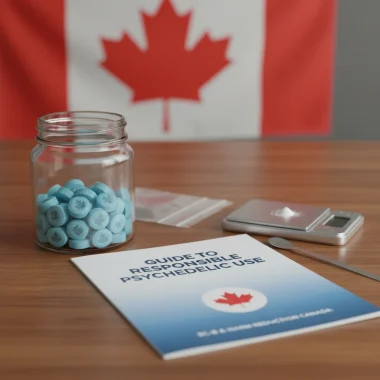
Those exploring this avenue often look towards international suppliers or specialized vendors. If considering such a route, the paramount concern must be safety and authenticity. It is critical to seek out suppliers who can provide verifiable documentation regarding the purity and potency of their products. Lab testing results from reputable third-party laboratories are essential. The risks associated with unregulated products are significant; they can be misidentified, contaminated with harmful substances, or inaccurately dosed, leading to dangerous health consequences. Understanding the journey from purchase to safe administration is key, and resources such as those detailing how to obtain authentic iboga capsules in Canada can offer insights into responsible sourcing practices.
Given the legal and safety complexities, it is highly recommended that any decision to purchase ibogaine products be made in consultation with experienced healthcare professionals or established ibogaine treatment centers. These professionals can offer guidance on the legal landscape, advise on reliable sourcing methods (if feasible and safe within regulatory boundaries), and provide crucial support for safe administration and integration. Their expertise is invaluable in navigating this intricate process and ensuring that any therapeutic endeavor is undertaken with the highest regard for personal safety and legal compliance, as part of a broader strategy for addiction treatment.
The Ibogaine Treatment Journey: Preparation, Experience, and Integration
Embarking on an ibogaine treatment journey is a significant undertaking that requires careful planning and a structured approach to maximize safety and efficacy. The process can be broadly divided into three critical phases: pre-treatment preparation, the ibogaine experience itself, and the crucial post-treatment integration period. Each phase plays a vital role in fostering lasting change and preventing relapse. Thorough preparation is paramount, involving comprehensive medical and psychological assessments to identify any contraindications and to set realistic expectations. Understanding what to anticipate during the experience, both physically and emotionally, can help individuals navigate the intensity of the process. Finally, the integration phase is where the profound insights gained during ibogaine use are translated into actionable steps for sustained recovery and improved mental well-being.

Pre-Treatment Screening: Ensuring Safety and Maximizing Effectiveness
The cornerstone of a safe and effective ibogaine experience lies in rigorous pre-treatment screening. This phase is non-negotiable and serves to identify any underlying health conditions that could pose a risk during or after administration. Key screening components include a detailed medical history review, focusing on cardiovascular health, neurological conditions, and liver function. An electrocardiogram (ECG) is essential to assess heart rhythm and electrical activity, as ibogaine can affect heart rate and blood pressure. Blood tests are typically conducted to evaluate organ function and check for any imbalances. Psychological assessments are equally important, helping to understand the individual’s mental health history, current state, and readiness for the intensive nature of ibogaine therapy. This comprehensive evaluation allows practitioners to tailor the treatment protocol and identify potential contraindications, such as severe heart arrhythmias or psychosis, which would preclude its use. For those seeking professional guidance in Canada, resources like expert guidance on ibogaine treatment can be invaluable in navigating this critical preparation stage.
What to Expect During an Ibogaine Experience: Sensory and Emotional Aspects
The ibogaine experience, often referred to as “Bwiti,” is characterized by its profound introspective and visionary nature. Typically administered in a controlled, medical setting, the effects begin within one to three hours and can last for up to 24 hours. Individuals often report entering a dream-like state where they experience vivid visual hallucinations, re-encountering past memories, and confronting the root causes of their addiction. This immersive process can be emotionally intense, bringing forth suppressed feelings, unresolved trauma, and a deep sense of self-reflection. Some describe it as a waking dream or a highly lucid state of consciousness. The physical sensations can vary, with some experiencing nausea, dizziness, or changes in motor coordination, while others report a sense of bodily detachment. Crucially, the experience is not about escaping reality but about deeply engaging with one’s inner world. Many find that ibogaine facilitates a profound shift in perspective, often leading to a disinterest in the substance to which they were previously addicted. The intensity underscores the importance of a supportive environment and trained facilitators who can provide comfort and guidance throughout the journey. For those exploring the potential of ibogaine, understanding these transformative aspects is key to approaching the experience with informed curiosity.
Post-Treatment Integration: Building a Sustainable Recovery Foundation
The period following an ibogaine experience is as critical as the treatment itself and is dedicated to integration. This phase involves translating the profound insights and emotional breakthroughs gained during the ibogaine journey into lasting behavioural changes and sustained recovery. Integration support typically includes ongoing psychotherapy, counselling, and participation in support groups. The goal is to help individuals process their experiences, develop coping mechanisms for triggers and cravings, and rebuild their lives free from addiction. Creating a structured daily routine, fostering healthy relationships, and engaging in activities that promote well-being are vital components. This might involve mindfulness practices, exercise, creative pursuits, or vocational training. The insights from ibogaine can provide a unique opportunity to address underlying issues such as trauma, depression, or anxiety, which often co-occur with addiction. Effective integration helps to solidify the neurological and psychological shifts initiated by ibogaine, ensuring that the experience leads to long-term abstinence and a renewed sense of purpose. Exploring resources for iboga’s role beyond addiction can offer further perspectives on cultivating holistic wellness.
Beyond Ibogaine: Alternative Approaches to Addiction Recovery in Canada
While ibogaine offers a unique and powerful path for some, it is by no means the only avenue to addiction recovery in Canada. A diverse landscape of treatment modalities exists, catering to varying needs, preferences, and levels of addiction severity. Understanding these alternatives is crucial for individuals and their loved ones to make informed decisions about the most suitable treatment plan. Traditional therapies, robust support networks, and newer psychedelic-assisted interventions all play significant roles. The decision-making process should consider the individual’s specific substance use, mental health profile, and personal circumstances. It’s important to recognize that recovery is not a one-size-fits-all journey, and a combination of approaches may often yield the best results. Exploring the full spectrum of options allows for a personalized and effective strategy to overcome addiction and achieve lasting well-being.
Traditional Therapies and Support Groups: Strengths and Limitations
Traditional addiction recovery approaches have been the bedrock of treatment for decades and continue to be highly effective for many. These often include behavioural therapies such as Cognitive Behavioural Therapy (CBT), Dialectical Behavioural Therapy (DBT), and Motivational Interviewing. CBT helps individuals identify and challenge negative thought patterns and behaviours that contribute to substance use, while DBT provides skills for managing emotions and distress. Support groups, like Alcoholics Anonymous (AA) and Narcotics Anonymous (NA), offer invaluable peer support, accountability, and a sense of community, fostering long-term sobriety through shared experience and mutual encouragement. The strengths of these methods lie in their accessibility, affordability, and the strong evidence base supporting their efficacy. They provide essential tools for managing cravings, developing coping strategies, and rebuilding social support systems. However, limitations can arise. For individuals with severe or long-standing addictions, or those struggling with co-occurring mental health disorders, these therapies alone may not be sufficient to address the profound neurobiological changes associated with addiction. Some may find the slower pace or the focus on abstinence-only problematic, especially if they have experienced multiple relapses. While invaluable, these traditional methods may not always provide the rapid and deep psychological reset that some individuals require.
Emerging Psychedelic Therapies: Psilocybin, Ketamine, and Their Role
Beyond ibogaine, other psychedelic substances are increasingly being recognized for their therapeutic potential in addiction recovery and mental health. Psilocybin, the active compound in magic mushrooms, is showing promise in research settings for treating conditions like depression, anxiety, and substance use disorders, particularly those involving smoking and alcohol. Studies suggest that psilocybin can promote neuroplasticity and create profound shifts in perspective, helping individuals break free from rigid patterns of thought and behaviour. Ketamine, already approved as an anesthetic, is also used off-label for treating depression and has demonstrated efficacy in rapidly reducing cravings for certain substances, including alcohol and opioids. Its mechanism involves modulating the glutamate system in the brain, leading to rapid antidepressant effects and potential resets in neural pathways associated with addiction. These therapies are typically administered in a controlled clinical setting with professional guidance, often in conjunction with psychotherapy. While still areas of active research and evolving regulatory frameworks, psilocybin and ketamine represent significant advancements in psychedelic-assisted therapies, offering hope for individuals who have not responded to traditional treatments. Their accessibility and therapeutic outcomes are continually being explored across Canada.
When Ibogaine Might Be the Right Choice Over Other Treatments
While many pathways to recovery exist, ibogaine stands out as a potential option for specific individuals facing complex addiction challenges. It is often considered for those struggling with severe, long-term, or treatment-resistant addictions, particularly to opioids, stimulants, and alcohol, where other methods have yielded limited success. Ibogaine’s unique ability to interrupt intense physical withdrawal symptoms and, more significantly, to facilitate profound psychological introspection can be a powerful catalyst for change. Individuals who are deeply motivated for a significant life transformation and are willing to undergo a rigorous and intensive healing process may find ibogaine particularly suitable. The decision to pursue ibogaine should be made after careful consideration of all available options and consultation with experienced medical and therapeutic professionals. Factors such as the absence of severe cardiac or psychiatric contraindications, a commitment to post-treatment integration, and access to a safe, supervised administration setting are crucial. For those seeking comprehensive options, understanding ibogaine treatment can be a vital step in the decision-making process.
Debunking Myths and Addressing Concerns: A Critical Look at Ibogaine’s Safety Profile
Despite its therapeutic potential, ibogaine is often surrounded by misconceptions and legitimate concerns regarding its safety. It is crucial to approach the subject with accurate information, acknowledging both the risks and the established protocols for mitigating them. One of the most significant concerns revolves around its cardiovascular effects. Ibogaine can prolong the QT interval on an electrocardiogram, which, in rare cases, can lead to dangerous cardiac arrhythmias. This risk is precisely why comprehensive cardiac screening, including an ECG, is an indispensable part of pre-treatment protocols. Furthermore, administration must occur in a setting with continuous cardiac monitoring and access to emergency medical support. Another prevalent myth is that ibogaine is a simple recreational substance; however, its potent psychoactive and physiological effects necessitate professional supervision. Understanding these aspects is key to differentiating between responsible therapeutic use and dangerous misuse. A thorough examination of the science behind ibogaine’s safety profile reveals that when administered correctly, under expert medical care, the risks can be significantly managed, allowing individuals to explore its healing potential with confidence.
Cardiovascular Risks and How They Are Mitigated
The primary safety concern associated with ibogaine administration is its potential impact on the cardiovascular system. Ibogaine can affect the heart’s electrical activity, specifically by prolonging the QT interval, a measurement of the time it takes for the heart’s ventricles to recharge after a heartbeat. An excessively prolonged QT interval increases the risk of a potentially fatal arrhythmia called Torsades de Pointes. This is why rigorous cardiac screening is absolutely essential before any ibogaine treatment. This screening typically includes a thorough medical history review focusing on known heart conditions, and a baseline electrocardiogram (ECG) to assess heart rhythm and measure the QT interval. During the ibogaine experience itself, continuous cardiac monitoring is standard practice. This allows trained medical staff to immediately detect any significant changes in heart rate, blood pressure, or rhythm. If any dangerous deviations occur, immediate medical intervention can be initiated. Furthermore, ensuring that individuals are properly hydrated and have no electrolyte imbalances further supports cardiovascular stability. By adhering to these strict safety protocols, including thorough screening and vigilant monitoring, the **cardiovascular risks associated with ibogaine** can be substantially reduced, making the treatment significantly safer for appropriate candidates.
The Importance of Medical Supervision and Screening
The administration of ibogaine is not a DIY endeavour; it demands the presence of trained medical professionals and comprehensive screening protocols to ensure safety and efficacy. The inherent potency of ibogaine necessitates a controlled environment where its physiological and psychological effects can be closely monitored. This begins with a thorough pre-treatment assessment, encompassing detailed medical history, physical examination, and laboratory tests to identify any underlying health issues, particularly concerning the heart, liver, and kidneys. An electrocardiogram (ECG) is a non-negotiable part of this screening process to evaluate cardiac function. Psychological evaluations are also critical to assess mental health status and readiness for the intense introspective experience. During the ibogaine session, continuous vital sign monitoring—including heart rate, blood pressure, and oxygen saturation—is essential. Medical staff are trained to recognize and manage potential adverse reactions, such as nausea, vomiting, or cardiac irregularities. Relying on unsupervised or improperly administered ibogaine significantly amplifies the risks, underscoring why seeking treatment from qualified clinics or practitioners experienced in psychedelic-assisted therapy is paramount. Expert guidance can also be found when considering ibogaine treatment in Canada, ensuring a higher standard of care.
Potential Side Effects and How to Manage Them
While generally considered safe when administered under professional supervision, ibogaine can produce a range of side effects that individuals should be aware of. The most common physical side effects include nausea and vomiting, which can be managed with antiemetic medications. Dizziness, ataxia (loss of coordination), and fatigue are also frequently reported. These effects are typically transient and subside as the substance clears from the system. Psychological side effects can include anxiety, confusion, or temporary disorientation, particularly during the peak of the experience. These are often mitigated by the presence of experienced facilitators who provide reassurance and grounding support. Less common but more serious side effects, such as tremors, involuntary movements, or temporary vision disturbances, are usually short-lived. The key to managing any potential side effects lies in preparation and experienced oversight. Ensuring individuals are well-hydrated, properly nourished, and in a calm, supportive environment helps minimize discomfort. Open communication with the medical team about any emerging symptoms allows for timely and appropriate intervention, ensuring the participant’s well-being throughout the process and facilitating a smoother recovery. Understanding these potential reactions is part of the informed approach to therapeutic use.
The Long-Term Impact: Ibogaine’s Potential for Lasting Change and Mental Well-being
The therapeutic journey with ibogaine extends far beyond the immediate cessation of addictive behaviours; it holds the potential for profound and lasting transformations in mental well-being. For many, the experience serves as a powerful catalyst, not only for breaking free from substance dependence but also for addressing the underlying psychological issues that often fuel addiction, such as trauma, depression, and anxiety. The introspective nature of ibogaine can unlock deep-seated emotional blockages, offering a unique opportunity for healing and personal growth. This can lead to significant shifts in perspective, increased self-awareness, and a renewed sense of hope and purpose. The effects of ibogaine are not merely about quitting a substance; they are about fostering a fundamental change in one’s relationship with oneself and the world. This transformation can manifest as improved mood regulation, enhanced cognitive function, and a greater capacity for emotional resilience, paving the way for sustained recovery and a richer, more fulfilling life. Exploring the broader applications of psychedelics, such as psychedelics for mental health, highlights this expanding understanding.
Beyond Addiction Cessation: Ibogaine’s Effects on Trauma and Mental Health
While ibogaine is renowned for its efficacy in treating addiction, emerging research and anecdotal evidence suggest its profound impact extends to addressing co-occurring mental health conditions, particularly trauma. The unique nature of the ibogaine experience allows individuals to revisit and process past traumatic events from a detached, observational perspective. This detachment can be crucial, enabling individuals to confront painful memories without being re-traumatized, thereby facilitating emotional resolution. Many report that ibogaine helps to reduce the intensity of intrusive thoughts and flashbacks associated with PTSD, offering a significant measure of relief. Furthermore, its potential to reset neural pathways can alleviate symptoms of depression and anxiety that often accompany or precede addiction. By promoting neuroplasticity and fostering a deeper connection with oneself, ibogaine can help individuals develop new coping mechanisms and a more resilient psychological framework. This comprehensive healing approach, addressing both the addiction and its underlying mental health drivers, is a key aspect of ibogaine’s long-term therapeutic promise. For those seeking holistic solutions, understanding iboga capsules for wellness transformation offers a glimpse into its broader applications.
Sustaining Recovery: Strategies for Continued Growth Post-Ibogaine
The intensive insights gained during an ibogaine experience are just the beginning of a lifelong journey towards sustained recovery and personal growth. Effective post-treatment integration is paramount to translating the profound shifts experienced into lasting behavioural change. This involves actively engaging in strategies that reinforce the lessons learned and build resilience against relapse. Psychological support, including continued therapy or counselling, is vital for processing the ibogaine experience and developing practical tools for managing triggers and cravings. Building a strong support network, whether through peer support groups or connections with trusted friends and family, provides essential encouragement and accountability. Establishing healthy daily routines that prioritize self-care, such as regular exercise, balanced nutrition, mindfulness practices, and adequate sleep, are foundational for mental and physical well-being. Engaging in meaningful activities, pursuing passions, and setting realistic goals can foster a sense of purpose and direction, diminishing the void that addiction often leaves behind. The goal is to cultivate a lifestyle that actively supports sobriety and promotes ongoing personal development, ensuring that the initial breakthrough with ibogaine leads to sustained, positive transformation. For individuals seeking responsible use, resources on ibogaine treatment are essential.
Real-Life Transformations: Case Studies and Personal Accounts
The transformative power of ibogaine therapy is best illustrated through the experiences of those who have undergone the treatment. While individual results vary, numerous accounts highlight significant shifts in perspective and the successful cessation of long-term addictions. For instance, a hypothetical case, “Sarah,” a 42-year-old woman who had struggled with opioid addiction for over 15 years, reported that after a single ibogaine session, her intense physical cravings and psychological dependence were significantly diminished. Post-treatment, she actively engaged in therapy and support groups, attributing her sustained recovery to the profound self-awareness gained during the ibogaine experience, which allowed her to confront deeply rooted emotional issues. Another hypothetical example, “Mark,” a 35-year-old man dealing with severe alcoholism, described the ibogaine session as a profound confrontation with the underlying pain that drove his drinking. He reported a remarkable disinterest in alcohol following the experience and found renewed motivation to rebuild his relationships and career. These personal narratives, while anecdotal, underscore the potential for ibogaine to catalyze deep psychological healing and facilitate profound, lasting change, moving beyond mere abstinence to a holistic sense of well-being. These transformations often inspire others to explore ibogaine treatment in Canada.
Your Guide to Ibogaine-Assisted Recovery: Making an Informed Decision
Embarking on a journey towards addiction recovery with ibogaine is a significant decision that requires careful consideration and thorough preparation. Unlike conventional treatments, ibogaine offers a unique approach by potentially addressing the neurobiological underpinnings of addiction. However, its potency and the intensity of the experience necessitate a deep understanding of the process. This guide aims to equip you with the knowledge to make an informed choice, covering crucial aspects from assessing your personal readiness to identifying reliable sources of information and support. It is vital to approach this path with a clear mind, a well-researched strategy, and a commitment to safety and well-being throughout your recovery process. Prioritizing your health means actively seeking out reputable practitioners and understanding the potential risks and benefits involved.
The decision to pursue ibogaine therapy should not be taken lightly. It involves more than just wanting to stop substance use; it’s about aligning your physical, mental, and emotional state with the demands of this profound experience. Readiness involves a willingness to confront deeply ingrained patterns, engage in introspective work, and commit to a post-treatment integration plan. Without this comprehensive commitment, the potential benefits of ibogaine may be diminished. Understanding that ibogaine is not a magic bullet but rather a powerful catalyst for change is key. It opens a window for profound healing, but sustained sobriety requires ongoing effort and support systems. Exploring resources like ibogaine treatment options can provide a broader perspective on what to expect.
Assessing Your Readiness for Ibogaine Therapy
Determining your readiness for ibogaine therapy involves a multifaceted self-assessment, focusing on both your physical and psychological preparedness. Physically, it’s crucial to be in a stable enough condition to undergo the treatment. This means abstaining from substances for a sufficient period to allow for accurate medical evaluations and to reduce the immediate risks associated with withdrawal during the ibogaine experience. A thorough medical screening is non-negotiable, encompassing cardiovascular health, liver function, and any pre-existing conditions. Any underlying health issues, particularly heart conditions, can pose significant risks and may contraindicate ibogaine treatment. Psychological readiness is equally important. Are you prepared to confront the deep-seated psychological roots of your addiction? Ibogaine often brings suppressed emotions, memories, and traumas to the surface. A strong desire for change, coupled with a realistic understanding of the potential challenges and an openness to explore your inner landscape, are vital indicators of readiness. Without this mental fortitude, the experience can be overwhelming and less conducive to healing. Consider your support system: do you have trusted individuals who can offer emotional and practical support before, during, and after the treatment? This network is invaluable for integration and relapse prevention.
A critical aspect of assessing readiness is understanding your personal history with addiction and recovery attempts. Have you explored other treatment modalities? What were your experiences, and what lessons did you learn? Ibogaine can be a powerful tool, but it is most effective when used as part of a comprehensive recovery strategy. It’s also important to consider your current living situation and environment. Are you in a safe and supportive setting where you can focus on recovery without undue stress or external pressures? Transitioning back into a high-stress or relapse-triggering environment immediately after treatment can undermine the progress made. Assessing your motivation beyond just escaping current discomfort is essential; a deep-seated desire for a healthier, more fulfilling life is a more sustainable driver. Furthermore, educating yourself thoroughly on the ibogaine experience itself—its potential effects, duration, and aftercare requirements—is a hallmark of readiness. This proactive approach minimizes surprises and fosters a sense of agency in your recovery journey. Examining resources on the evolving role of psychedelics, such as those discussing psychedelic healing and ibogaine’s role, can provide valuable context.
Questions to Ask Potential Practitioners and Clinics
When selecting a facility or practitioner for ibogaine-assisted recovery, due diligence is paramount to ensure your safety and the efficacy of the treatment. Start by inquiring about the qualifications and experience of the medical and therapeutic staff. What are their backgrounds in addiction medicine, psychology, and psychedelic-assisted therapy? Look for practitioners with a deep understanding of ibogaine’s pharmacology and its potential interactions with other medications. Ask about the screening process: what specific medical and psychological evaluations are conducted? A comprehensive assessment should include EKGs, liver function tests, and a detailed psychiatric history. Understand their protocols for managing potential side effects, such as ataxia, nausea, or cardiac issues. Inquire about the presence of on-site medical personnel who are trained to handle emergencies. The safety of the environment is equally critical; ask about the setting, the number of clients treated concurrently, and the staff-to-client ratio. A serene, supportive, and secure environment is conducive to healing.
Beyond medical and safety protocols, delve into the therapeutic and integration aspects of the program. What kind of psychological support is offered before, during, and after the ibogaine session? Ibogaine facilitates introspection, and without proper guidance, the insights gained may not be fully integrated. Ask about the therapeutic modalities used, such as one-on-one therapy, group sessions, or other complementary practices. Crucially, understand their approach to aftercare and integration. Recovery doesn’t end with the ibogaine experience; it’s the beginning of a sustained healing process. What resources do they provide for ongoing support, such as connection to therapists, support groups, or sober living arrangements? Furthermore, be transparent about costs and what is included in the treatment package. Avoid clinics that promise quick fixes or make unrealistic claims about success rates. Reputable centers will be open about potential risks and challenges, fostering a partnership based on trust and realistic expectations. For those seeking guidance specifically in Canada, resources on ibogaine treatment in Canada can be particularly helpful.
The Role of Mind Healing Shop in Accessing Ibogaine Products
For individuals in Canada seeking to explore ibogaine for addiction recovery or mental wellness, the Mind Healing Shop serves as a potential resource for ethically sourced iboga and related products. Understanding the legal landscape and responsible sourcing is paramount when considering these substances. Mind Healing Shop aims to provide access to authentic iboga products, such as ibogaine powder and capsules, for individuals who have undergone thorough research and preparation. It is crucial to recognize that ibogaine is a powerful psychoactive substance, and its use, particularly for therapeutic purposes, requires careful consideration and often professional guidance. The shop emphasizes the importance of informed consent and responsible use, encouraging customers to educate themselves extensively on the effects, risks, and appropriate protocols for using iboga.
The platform offers various forms of iboga, including authentic iboga capsules and ibogaine powder, catering to different preferences and intended applications. For those new to iboga, starting with capsules can offer a more controlled introduction to its properties. The site provides detailed product descriptions, aiming to give customers a clear understanding of what they are purchasing. It is vital for consumers to understand that while Mind Healing Shop provides access to these products, they are not a substitute for professional medical advice or treatment. Individuals are strongly encouraged to consult with healthcare professionals and experienced practitioners before incorporating iboga into their wellness or recovery regimen. The shop’s commitment is to facilitate a safe and informed exploration of iboga’s potential benefits for addiction and mental health, aligning with the growing interest in psychedelics for mental health.