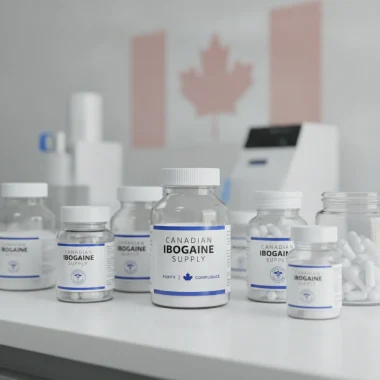
Embarking on a journey towards recovery and enhanced well-being often involves exploring potent natural substances. When considering ibogaine, understanding its origins, effects, and the responsible way to acquire it is paramount. This guide focuses on providing you with the essential knowledge to navigate the landscape of purchasing ibogaine products in Canada safely and effectively.
Our goal is to equip you with the insights needed to make informed decisions, ensuring you connect with trusted sources that prioritize your safety and the integrity of the products they offer. We delve into the critical aspects of product quality, ethical considerations, and the legal framework surrounding ibogaine in Canada.
Understanding Ibogaine: A Powerful Ally in Addiction Recovery
Ibogaine, a naturally occurring psychoactive alkaloid derived from the root bark of the Tabernanthe iboga shrub, has garnered significant attention for its profound potential in treating addiction. Its unique pharmacological profile allows it to interact with various neurotransmitter systems in the brain, offering a pathway to interrupt addictive cycles and facilitate profound psychological healing. Unlike many conventional treatments that manage withdrawal symptoms, ibogaine is believed to address the root causes of addiction by recalibrating brain chemistry and promoting neurogenesis.
What is Ibogaine and How Does it Work?
At its core, ibogaine is a complex indole alkaloid that acts on multiple neurotransmitter receptors, including dopaminergic, serotonergic, and NMDA receptors. Its primary mechanism of action in addiction treatment is thought to involve its ability to reset the brain’s reward pathways, which are often dysregulated in individuals struggling with substance use disorders. By blocking opioid receptors and interacting with serotonin and dopamine systems, ibogaine can significantly reduce cravings and withdrawal symptoms associated with opioid, alcohol, and stimulant dependencies. Furthermore, its hallucinogenic properties, experienced at higher doses, are believed to enable individuals to confront and process traumatic experiences or psychological underpinnings of their addiction, fostering a sense of catharsis and renewed perspective. Many find this introspective experience to be a catalyst for lasting change, differentiating it from treatments that only manage physical symptoms.
The Science Behind Ibogaine’s Neurobiological Effects
The scientific exploration of ibogaine’s effects reveals a complex interplay with the brain’s neurochemistry. Research indicates that ibogaine is not only a potent antagonist at the µ-opioid receptor, which explains its effectiveness in mitigating opioid withdrawal, but it also exhibits activity at NMDA receptors, playing a role in neuroplasticity and learning. Additionally, it influences dopamine and serotonin levels, which are critical for mood regulation and reward processing. Studies have suggested that ibogaine can promote the release of nerve growth factor (NGF) and brain-derived neurotrophic factor (BDNF), molecules crucial for neuronal survival, growth, and the formation of new neural connections. This neuroregenerative potential is a key area of interest, as it may contribute to long-term recovery by helping the brain recover from the neurotoxic effects of chronic substance abuse. The exploration of these mechanisms continues to shape our understanding of how ibogaine facilitates profound shifts in brain function, supporting comprehensive healing. You can learn more about the scientific underpinnings by exploring Iboga: Addiction Recovery Science Explained.
Historical Context and Traditional Use
The use of ibogaine is deeply rooted in the traditions of West African peoples, particularly the Bwiti spiritual practice found in Gabon, Cameroon, and Equatorial Guinea. For centuries, the root of the Tabernanthe iboga plant has been consumed in sacred ceremonies, where it is revered for its spiritual, medicinal, and divinatory properties. Within the Bwiti tradition, iboga is used as a powerful sacrament, believed to facilitate communication with ancestors, enhance spiritual awareness, and aid in healing physical and psychological ailments. Shamans and elders traditionally administer ibogaine within carefully structured rituals, emphasizing a profound respect for its potency and sacred nature. This historical context highlights the substance’s long-standing role in facilitating introspection, healing, and spiritual connection, predating its modern application in addiction treatment by many generations. The understanding of its traditional administration offers valuable insights into the importance of intention and setting for transformative experiences.
Navigating the Legal Landscape of Ibogaine in Canada
Understanding the legal status of ibogaine in Canada is crucial for anyone considering its use or acquisition. While ibogaine itself is not a scheduled substance under Canada’s Controlled Drugs and Substances Act, its possession, production, and distribution can fall into a legal grey area depending on the form and intended use. This complex regulatory environment necessitates careful consideration of all applicable laws and guidelines. The legality can shift based on whether ibogaine is being possessed for personal use, research, or as part of a regulated therapeutic program. Navigating these nuances requires diligence and an awareness of the current legal frameworks in place across the country. It is important to stay informed about any updates or changes in regulations as they can impact the acquisition and use of ibogaine.
Current Legal Status and Regulations (as of 2026)
As of 2026, ibogaine is not explicitly listed as a controlled substance under Canada’s Controlled Drugs and Substances Act. However, this does not mean it is freely available for any purpose. The importation and sale of ibogaine products can be subject to regulations concerning health products, natural health products, or potentially precursor chemicals, depending on the jurisdiction and how the substance is presented. For instance, products intended for human consumption must meet Health Canada’s stringent requirements for safety, efficacy, and quality. Possessing ibogaine for personal use without authorization might not be specifically criminalized in the same way as scheduled drugs, but issues can arise if it’s believed to be for trafficking or if it’s part of an unapproved therapeutic intervention. Consumers should exercise caution and prioritize sourcing from vendors who demonstrate a clear understanding and adherence to all relevant Canadian regulations. For those seeking a comprehensive overview of Canadian psychedelic wellness, exploring resources like Canadian Psychedelic Wellness: Explore Ibogaine can provide valuable context.
Medical Exemptions and Special Access Programs
In Canada, access to non-approved drugs for medical purposes can sometimes be facilitated through specific pathways, such as Health Canada’s Special Access Program (SAP). The SAP allows practitioners to apply for emergency access to drugs that are not yet authorized for sale in Canada, provided there is a serious or life-threatening condition and no suitable alternatives. While ibogaine is not typically prescribed through standard medical channels, individuals exploring its therapeutic potential, particularly for severe addiction, might investigate if they qualify for such exemptions. This process requires a licensed healthcare practitioner to submit an application on behalf of the patient, detailing the medical necessity and the proposed treatment plan. The SAP process is rigorous and requires substantial justification to ensure patient safety and to manage the risks associated with experimental treatments. It is important to consult with a qualified medical professional to understand eligibility and the application procedures involved in seeking access to such substances under controlled circumstances.
Understanding the Nuances of ‘Buying’ Ibogaine in Canada
The term ‘buying’ ibogaine in Canada requires careful clarification due to the regulatory landscape. While direct sale and possession might exist in a less regulated online space, it is crucial to distinguish this from legally sanctioned medical or therapeutic access. Many Canadians seeking ibogaine for therapeutic purposes do so through specialized clinics or facilitators who operate within legal frameworks, often involving medical supervision and adherence to strict protocols. When considering online purchases, it is imperative to understand that these transactions may fall outside conventional retail channels and could carry inherent risks related to product authenticity, purity, and legal standing. Prioritizing sources that clearly articulate their adherence to Canadian standards and provide transparent information about their products is paramount. For individuals looking to understand their treatment options more broadly, resources like Ibogaine Treatment Canada: Expert Guidance can offer valuable insights.
Criteria for Choosing a Trusted Ibogaine Source in Canada
Selecting a reputable source for ibogaine products is a critical step that directly impacts your safety and the efficacy of your experience. Given the potency and profound nature of ibogaine, prioritizing trustworthiness above all else is essential. This involves a multi-faceted approach to vetting potential suppliers, looking beyond just price or availability. A reliable source will demonstrate a commitment to quality control, ethical practices, and transparent communication. They should be able to provide detailed information about their products, their sourcing, and their operational standards. By carefully evaluating these key criteria, you can significantly mitigate risks and ensure you are obtaining a product that meets high standards of purity and authenticity, contributing to a safer and more beneficial experience.
Product Purity and Potency: The Importance of Lab Testing
The efficacy and safety of any ibogaine product are directly dependent on its purity and accurately measured potency. Reputable suppliers will always provide evidence of independent laboratory testing for their products. This testing should confirm the exact concentration of ibogaine alkaloids present and, crucially, screen for any contaminants, adulterants, or other potentially harmful substances. Without verifiable lab results, you are essentially taking a gamble with your health. Look for certificates of analysis (CoAs) that are detailed, clearly state the testing methods used, and are preferably from accredited third-party laboratories. The absence of such documentation is a significant red flag. Understanding the specific alkaloid profile, such as the ratio of ibogaine to its related compounds like tabernanthine and ibogamine, is also important, as these can influence the overall experience and potential side effects. For example, a product advertised as pure ibogaine should ideally have a high percentage of ibogaine and lower levels of other alkaloids, unless specifically formulated otherwise for a particular therapeutic intention. Ensuring laboratory verification is not just a preference; it’s a non-negotiable aspect of responsible acquisition. For those interested in products like iboga capsules, confirming their quality is equally vital; explore Authentic Iboga Capsules: Your Canadian Source for insights on product integrity.

Ethical Sourcing and Sustainable Practices
The ethical considerations surrounding ibogaine extend beyond product quality to encompass how it is sourced and its impact on the environment and local communities. The Tabernanthe iboga plant is indigenous to Central Africa, and unsustainable harvesting practices can pose a threat to its natural habitat and the livelihoods of the people who depend on it. Trusted sources will often be transparent about their supply chain, detailing their commitment to fair trade principles, supporting local communities, and engaging in cultivation or harvesting methods that promote ecological sustainability. This might involve working directly with indigenous communities, ensuring they receive fair compensation, and investing in reforestation or conservation efforts. When a vendor demonstrates a strong ethical framework, it reflects a deeper respect for the plant and its cultural significance, which can also translate into a more conscientious approach to product preparation and customer care. Inquire about their sourcing policies and any initiatives they support to ensure responsible stewardship of this valuable botanical resource. The commitment to sustainability is an indicator of a vendor’s overall integrity.
Reputation and Customer Testimonials: What to Look For
A vendor’s reputation within the community can be a powerful indicator of their reliability and the quality of their offerings. Seek out reviews, testimonials, and community discussions where customers share their experiences. However, it’s important to approach testimonials with a discerning eye. Look for detailed accounts that discuss specific aspects of the product and the customer service, rather than generic praise. Red flags include consistently negative feedback regarding product quality, delayed shipments, poor communication, or a lack of transparency. Conversely, vendors with a strong track record of positive feedback, particularly those that highlight consistent product purity, accurate descriptions, and responsive customer support, are generally more trustworthy. Engaging with online forums or communities dedicated to responsible psychedelic use can provide invaluable insights from individuals who have already navigated the process of finding reliable ibogaine suppliers in Canada. Examining genuine customer feedback is a vital part of due diligence. Consider the experiences of others when looking at products like iboga capsules, as detailed on pages such as Iboga Capsules: Your Wellness Transformation, where user feedback might be integrated.
Discretion and Secure Packaging
When purchasing potent substances like ibogaine, discretion and secure packaging are not merely about convenience; they are essential for privacy and safe transit. Reputable vendors understand the sensitive nature of their products and will employ discreet packaging methods that do not reveal the contents from the outside. This typically involves plain outer boxes or envelopes with no branding or identifying marks related to the product itself. Furthermore, secure packaging ensures that the product remains protected from damage, environmental factors, and tampering during shipping. This includes robust sealing and appropriate internal cushioning to prevent breakage or leakage, especially for powders or liquids. A vendor’s commitment to discreet and secure shipping is a hallmark of their professionalism and respect for customer privacy. It demonstrates an understanding of the legal and personal considerations involved in acquiring such substances and contributes to a secure and stress-free transaction process.
Identifying Reputable Online Vendors for Ibogaine Products
The online marketplace offers a vast array of options for acquiring ibogaine, but it also presents significant challenges in distinguishing legitimate and safe suppliers from those that are not. A careful, systematic approach is necessary to identify vendors who prioritize customer well-being and product integrity. This involves scrutinizing the vendor’s website, product information, and overall communication practices. By paying close attention to specific indicators of trustworthiness, such as detailed product descriptions, clear contact information, and transparent operational policies, consumers can significantly reduce the risk of encountering fraudulent or substandard products. The digital age necessitates a heightened level of vigilance when sourcing sensitive items, ensuring that the journey towards potential healing begins with a secure and reliable foundation.
Key Indicators of a Trustworthy E-commerce Platform
A trustworthy e-commerce platform for ibogaine products will exhibit several key characteristics that instill confidence and assure quality. Firstly, a professional and well-designed website is essential; it should be user-friendly, with clear navigation and easily accessible information. Look for comprehensive ‘About Us’ and ‘Contact Us’ sections that provide physical addresses, phone numbers, and multiple communication channels, such as email and live chat. Transparency regarding their business operations, including their sourcing practices and quality control measures, is paramount. A reputable vendor will readily provide detailed product specifications, including lab testing results for purity and potency. Secure payment gateways and clear shipping policies, detailing delivery times, costs, and tracking information, are also crucial. Furthermore, a strong presence of positive, detailed customer reviews across independent platforms (not just on their own site) can signal a vendor’s reliability. Be wary of platforms that offer unusually low prices or make exaggerated claims about product efficacy, as these can be indicative of scams or low-quality products. For context on Canadian psychedelic wellness, exploring Psychedelic Healing: Ibogaine’s Role in 2026 can be informative.
Assessing Product Descriptions: Ibogaine Powder vs. Capsules
When evaluating online vendors, the detail and accuracy of product descriptions are critical. For ibogaine, vendors typically offer it in different forms, most commonly as powder or in capsules. Understanding these distinctions is vital. Ibogaine powder, often extracted from the root bark, requires careful dosing by the user, necessitating accurate potency information and a reliable scale. Descriptions should clearly state the alkaloid content (e.g., percentage of ibogaine), origin, and any processing methods. For ibogaine capsules, the description should specify the exact dosage per capsule, the total number of capsules, and the purity of the ibogaine within them. Reputable vendors will provide comprehensive details that empower the consumer to make an informed decision about the most suitable form and dosage for their needs, aligning with responsible use principles. Pages like Iboga Capsules: Responsible Canadian Use offer guidance on evaluating product specifics.

Customer Support and Communication Channels
The responsiveness and helpfulness of a vendor’s customer support are significant indicators of their overall commitment to customer satisfaction and ethical business practices. A trusted online vendor should offer multiple, accessible communication channels, such as email, a dedicated contact form on their website, and potentially live chat or phone support during business hours. When you reach out with questions about products, shipping, or any other concerns, their responses should be prompt, clear, and knowledgeable. They should be able to provide detailed answers regarding product specifications, sourcing, lab testing, and shipping logistics without hesitation. If a vendor is evasive, provides vague answers, or is difficult to contact, it should raise a serious caution. Excellent customer support not only facilitates a smoother purchasing process but also provides a crucial avenue for addressing any issues that may arise post-purchase, reinforcing confidence in the vendor’s reliability.
Exploring Different Forms of Ibogaine for Therapeutic Use
When considering ibogaine for therapeutic purposes, understanding the various forms available is crucial for safety and efficacy. Each formulation presents distinct characteristics regarding purity, dosage accuracy, and ease of administration. The primary distinctions lie in the level of processing and how the compound is presented. Consumers should be aware that sourcing pure, pharmaceutical-grade ibogaine is paramount, especially given its potent psychoactive and physiological effects. The journey to finding the right ibogaine product in Canada involves scrutinizing the origin, extraction methods, and testing protocols employed by suppliers. Opting for reputable vendors ensures that you are receiving a product that meets stringent quality standards, minimizing risks associated with contaminants or incorrect dosages. This due diligence is not merely a recommendation but a fundamental safety measure for anyone embarking on ibogaine-assisted healing.
Ibogaine HCl: Purity and Formulation Considerations
Ibogaine hydrochloride (HCl) is often considered the gold standard for therapeutic use due to its stability and the ability to achieve high levels of purity. The hydrochloride salt form makes the compound more soluble and easier to handle in precise measurements. When purchasing Ibogaine HCl, look for vendors who provide certificates of analysis (CoAs) from reputable, independent laboratories. These documents verify the compound’s purity, identify any potential contaminants, and confirm the absence of adulterants. A typical CoA will detail the percentage of Ibogaine HCl, along with levels of any other alkaloids present (such as noribogaine) and common adulterants like caffeine or synthetic compounds. Reputable sources will also offer information on the extraction and synthesis process, assuring consumers of the rigorous quality control measures in place. Expect to see detailed product descriptions outlining the typical purity percentage, often exceeding 99%, and the absence of heavy metals or residual solvents. For those seeking the most controlled and predictable experience, Ibogaine HCl is often the preferred choice, especially when working with experienced facilitators or in a clinical setting.
Ibogaine Powder: Dosage, Administration, and Precautions
Ibogaine powder, typically derived from the root bark of the Tabernanthe iboga plant, offers a more raw and potent form of the substance. While it can be cost-effective, its use requires extreme caution and meticulous attention to dosage. The concentration of ibogaine alkaloids can vary significantly in raw powder depending on the plant source and harvesting methods. This variability makes accurate dosing challenging without laboratory testing, increasing the risk of adverse reactions. Administration of ibogaine powder often involves encapsulating it oneself or preparing it in a specific solution, which demands a thorough understanding of safety protocols and potential interactions. It is essential to source this powder from suppliers who guarantee its origin and ideally provide some indication of its alkaloid content, though precise quantification is difficult without professional analysis. Extreme caution and meticulous measurement are non-negotiable when using ibogaine powder. Anyone considering this form should be well-versed in the potential dangers, including cardiotoxic effects and psychological distress, and should ideally work under the supervision of experienced professionals. For a deeper understanding of the scientific underpinnings of its use, explore resources like Iboga: Addiction Recovery Science Explained.
Ibogaine Capsules: Convenience and Discreetness
Ibogaine capsules offer a significant advantage in terms of convenience and discreetness, making them an appealing option for many individuals seeking ibogaine therapy in Canada. Pre-measured and encapsulated doses eliminate the need for manual preparation, reducing the potential for dosing errors and simplifying administration. This standardized dosage is crucial for managing the intense physiological and psychological effects of ibogaine. When sourcing ibogaine capsules, it is vital to prioritize providers who clearly state the active compound within each capsule and its precise dosage (e.g., mg of Ibogaine HCl or total ibogaine alkaloids). Reputable manufacturers often conduct third-party lab testing to ensure the accuracy and purity of their products. Consumers should look for evidence of these tests, such as batch-specific certificates of analysis, which should be readily available. The discrete nature of capsules also allows for more private use, which can be important for individuals who prefer to maintain confidentiality regarding their therapeutic journey. For individuals prioritizing a straightforward and measured approach to their ibogaine experience, capsules represent a practical and accessible choice. For more on how these products fit into a broader wellness landscape, consider Iboga Capsules: Your Wellness Transformation.
Understanding the Ratios for Different Needs
When exploring therapeutic ibogaine products, understanding the ratios of different alkaloids is as important as the total ibogaine content. While ibogaine is the primary psychoactive compound, its effects are often modulated by other alkaloids present in the Tabernanthe iboga plant, most notably noribogaine. Noribogaine is a metabolite of ibogaine and has a longer half-life, contributing to lingering effects and potential antidepressant properties. Some therapeutic protocols may intentionally seek formulations with specific ratios of ibogaine to noribogaine to tailor the experience and therapeutic outcome. For instance, formulations aimed at addiction interruption might prioritize a rapid, intense ibogaine experience, while those focusing on longer-term mental health support might benefit from a more balanced profile including noribogaine. Sourcing from reputable suppliers in Canada often means having access to products where these ratios are clearly indicated, perhaps through detailed product descriptions or lab reports. This transparency allows users and their facilitators to make informed decisions about which product best aligns with their therapeutic goals. Clarifying the alkaloid profile ensures a more predictable and targeted approach to treatment. For a comprehensive overview of ibogaine’s therapeutic potential in the current landscape, consult Psychedelic Healing: Ibogaine’s Role in 2026.
The Role of Ibogaine in Treating Opioid Addiction
Ibogaine has emerged as a significant substance in the field of addiction treatment, particularly for opioid dependence. Its unique pharmacological profile allows it to address the complex neurobiological underpinnings of addiction, offering a potential pathway to breaking the cycle of dependence. Unlike traditional addiction therapies that often rely on managing withdrawal symptoms or substituting one substance for another, ibogaine aims to interrupt the cravings and neurological changes associated with chronic substance use. The experience can be profoundly transformative, leading many to report a significant reduction in or complete cessation of opioid cravings post-treatment. This potential stems from ibogaine’s interaction with multiple neurotransmitter systems, including dopaminergic, serotonergic, and NMDA receptors, which are heavily implicated in addiction. Exploring various avenues for ibogaine treatment in Canada can lead to finding specialized clinics or facilitators experienced in utilizing this powerful tool for recovery. Understanding the scientific basis behind its efficacy is key to appreciating its therapeutic value.
How Ibogaine Interrupts Opioid Dependence
The mechanism by which ibogaine interrupts opioid dependence is multifaceted and involves direct interaction with opioid receptors and profound neurochemical resets. Upon administration, ibogaine acts as an antagonist at mu-opioid receptors, competing with opioids and helping to alleviate withdrawal symptoms. However, its primary impact appears to be through its interaction with NMDA receptors and its ability to increase brain-derived neurotrophic factor (BDNF). NMDA receptor antagonism can help disrupt the sensitization processes that contribute to compulsive drug seeking, while BDNF plays a crucial role in neuroplasticity, promoting the rewiring of neural circuits affected by chronic opioid use. This combination allows the brain to essentially ‘reset,’ reducing cravings and altering the addictive-seeking behaviors that have become ingrained. Many individuals report that after an ibogaine experience, the psychological drive for opioids significantly diminishes, allowing them to regain control over their lives. This neurological interruption is what distinguishes ibogaine from many other addiction treatments. For more detailed insights into this process, explore resources on Iboga: Addiction Recovery Science Explained.
Case Studies and Anecdotal Evidence
The therapeutic potential of ibogaine for opioid addiction is extensively supported by a growing body of anecdotal evidence and case studies. Individuals who have undergone ibogaine-assisted therapy often describe profound shifts in their relationship with opioids, reporting a complete cessation of cravings and withdrawal symptoms for extended periods. For example, many testimonials detail how a single ibogaine experience, when properly administered and integrated, has allowed them to overcome years of debilitating opioid addiction without the need for traditional detoxification or long-term maintenance medications. These accounts frequently highlight a sense of mental clarity and emotional release post-treatment, enabling them to address the underlying issues that contributed to their addiction. While rigorous, large-scale clinical trials are still evolving, the consistent reports from diverse populations underscore ibogaine’s remarkable impact. Exploring options for expert guidance in Canada can help individuals access these transformative experiences safely, as discussed in Ibogaine Treatment Canada: Expert Guidance. Such resources emphasize the importance of professional oversight to maximize benefits and mitigate risks.
Potential for Long-Term Sobriety
The most compelling aspect of ibogaine’s role in treating opioid addiction is its potential to facilitate long-term sobriety. Unlike many conventional treatments that manage withdrawal or substitute one substance for another, ibogaine offers a unique approach that appears to address the root causes of addiction at a neurobiological level. Many individuals who have undergone ibogaine therapy report a significant reduction in cravings and psychological dependence that lasts for months or even years. This is often attributed to the profound introspection and the ‘reset’ effect ibogaine has on brain chemistry, particularly concerning reward pathways and neuroplasticity. While not a guaranteed cure for everyone, the high rates of sustained abstinence reported by those who have received ibogaine treatment are remarkable. The key to achieving long-term sobriety often lies in the comprehensive approach, which includes careful screening, safe administration of ibogaine, and robust post-treatment integration. Discovering your options for finding suitable treatment in Canada is a vital first step for those seeking lasting freedom from addiction, which can be explored further via Find Your Ibogaine Treatment in Canada.
Beyond Addiction: Ibogaine for Mental Wellness and Neuroplasticity
While ibogaine’s potent effects on addiction are widely recognized, its therapeutic applications extend far beyond this specific challenge. Emerging research and anecdotal reports suggest that ibogaine holds significant promise for enhancing overall mental wellness and promoting neuroplasticity. Its profound psychoactive properties can facilitate deep introspection, offering individuals new perspectives on their life experiences and emotional patterns. This can be particularly beneficial for conditions like depression and PTSD, where ingrained negative thought loops and trauma responses can be difficult to break. Furthermore, ibogaine’s interaction with neurotransmitter systems and its potential to stimulate the growth of new neural connections positions it as a powerful tool for cognitive enhancement and emotional resilience. Exploring these broader applications is crucial for understanding the full spectrum of ibogaine’s therapeutic potential in modern wellness practices. The Canadian psychedelic landscape is increasingly recognizing these benefits, as discussed in Canadian Psychedelic Wellness: Explore Ibogaine.
Ibogaine’s Potential for Depression and PTSD
Ibogaine is showing considerable promise as a therapeutic agent for individuals struggling with treatment-resistant depression and Post-Traumatic Stress Disorder (PTSD). The compound’s ability to induce profound introspective states allows individuals to confront and process deeply buried emotions and traumatic memories in a safe, facilitated environment. Many report a significant reduction in depressive symptoms and a release from the pervasive anxiety and intrusive thoughts characteristic of PTSD following an ibogaine experience. This effect is thought to be linked to ibogaine’s impact on the serotonergic and glutamatergic systems, which play critical roles in mood regulation and emotional processing. By promoting neuroplasticity, ibogaine may help to re-pattern maladaptive neural pathways associated with these conditions. For individuals who have found limited relief from conventional treatments, ibogaine offers a novel and potentially life-altering therapeutic avenue. The exploration of psychedelics for mental health, including ibogaine’s unique contributions, is an area of growing interest, as highlighted in Psychedelics for Mental Health: Ibogaine’s Edge.
Enhancing Cognitive Function and Creativity
Beyond its therapeutic applications for mental health conditions, ibogaine is also being explored for its potential to enhance cognitive function and creativity. Its profound impact on neural pathways and neurotransmitter activity may lead to increased mental clarity, improved focus, and novel ways of thinking. Users sometimes report experiencing heightened sensory perception and a greater capacity for problem-solving and innovative thought processes following an ibogaine experience. This suggests that ibogaine could be a valuable tool for individuals seeking to overcome mental blocks, boost productivity, or unlock new levels of creative expression. While research in this area is still in its early stages, the anecdotal evidence points towards a capacity for ibogaine to facilitate a more fluid and interconnected cognitive state. This potential for mental enhancement makes ibogaine a subject of interest for those looking to optimize their cognitive performance and creative output. Understanding the diverse applications of ibogaine is part of a broader exploration into its therapeutic capabilities.
The ‘Reset’ Effect: Re-patterning Neural Pathways
One of the most discussed and significant aspects of the ibogaine experience is its capacity to induce a profound ‘reset’ effect on the brain’s neural pathways. This reset is believed to be crucial for overcoming ingrained patterns of addiction, negative thinking, and emotional distress. Ibogaine’s unique pharmacology allows it to interact with a wide range of neurotransmitter systems, including NMDA, opioid, and dopaminergic receptors. This broad action can help to interrupt the neurochemical imbalances and maladaptive neural connections that underpin many psychological challenges. By facilitating neuroplasticity – the brain’s ability to reorganize itself by forming new neural connections – ibogaine can essentially help the brain to break free from old, detrimental patterns and establish healthier ones. This process can lead to lasting changes in behavior, mood, and perception, making it a powerful catalyst for transformation. The concept of re-patterning is central to understanding how ibogaine can facilitate lasting recovery and mental well-being, as further detailed in Ibogaine Treatment: Understanding Your Options.
Preparing for an Ibogaine Experience: Safety and Protocol
Embarking on an ibogaine experience requires careful preparation to ensure safety, efficacy, and a positive outcome. Given its potent nature, a structured protocol is essential, encompassing medical clearance, psychological readiness, and logistical arrangements. This preparation phase is not merely a formality; it is a critical component that significantly influences the overall experience and the potential for long-term benefits. Neglecting any aspect of this preparation can increase the risks associated with ibogaine use, including adverse physiological reactions and challenging psychological states. Therefore, dedicating time and resources to thorough preparation is a non-negotiable step for anyone considering ibogaine therapy, whether for addiction, mental health, or personal growth. Understanding the journey ahead, including the necessary screenings and the environment needed, is paramount.
Pre-Treatment Screening: Medical and Psychological Assessment
A comprehensive pre-treatment screening is arguably the most critical step in preparing for an ibogaine experience. This involves a thorough medical and psychological assessment to identify any contraindications that could put an individual at risk. Medically, this includes detailed evaluations of cardiovascular health, liver function, and kidney function, as ibogaine can have significant physiological effects, particularly on the heart. A standard electrocardiogram (ECG) is often mandatory to assess cardiac rhythm and health. Psychologically, an assessment helps to understand the individual’s mental health history, identify potential risks for psychosis or severe psychological distress, and ensure they are in a stable enough frame of mind to undertake such an intense journey. Detailed medical history and open communication with the facilitating team are vital. Any underlying conditions, current medications, or substance use history must be disclosed to ensure a safe and personalized treatment plan. Ignoring this screening process can lead to serious health complications.
Setting Intentions and Creating a Safe Environment
The intention-setting process is a fundamental aspect of preparing for an ibogaine experience, as it guides the individual’s focus and helps them derive the most therapeutic benefit. Before the administration of ibogaine, individuals are encouraged to reflect on their reasons for seeking treatment, the issues they wish to explore or resolve, and their desired outcomes. This clarity of purpose can significantly shape the nature of the experience and the insights gained. Equally important is the creation of a safe and supportive environment. This typically involves a calm, quiet space free from external distractions, often within a dedicated therapeutic setting or a controlled home environment with experienced supervision. The presence of trusted facilitators or guides who can provide emotional and practical support throughout the experience is crucial for ensuring the individual feels secure and cared for. This combination of clear intentions and a secure setting lays the groundwork for a profound and healing journey.
The Importance of a Supportive Guide or Facilitator
The role of a supportive guide or facilitator cannot be overstated when undertaking an ibogaine experience. These individuals are trained professionals who possess the knowledge and experience to navigate the complexities of ibogaine therapy safely and effectively. Their responsibilities include conducting thorough pre-treatment screenings, preparing the individual mentally and physically, administering the substance according to established protocols, and providing crucial support during and after the experience. A skilled facilitator creates a secure container, monitors the individual’s physiological and psychological state, and helps them process the intense emotions and insights that may arise. Their guidance is instrumental in mitigating potential risks and maximizing the therapeutic benefits of ibogaine. Choosing a facilitator with a strong track record and a deep understanding of ibogaine’s effects is paramount for a successful and transformative journey. For those seeking such expertise in Canada, resources like Ibogaine Treatment Canada: Expert Guidance can be invaluable.
Post-Ibogaine Integration and Aftercare
The journey with ibogaine does not conclude with the cessation of its acute effects; indeed, the period of post-ibogaine integration and aftercare is vital for sustaining the benefits and preventing relapse. This phase involves processing the insights, emotions, and new perspectives that emerged during the experience. It often includes therapy sessions, journaling, meditation, and support groups, all aimed at translating the profound shifts experienced during ibogaine use into lasting changes in daily life. Integrating these experiences helps individuals to build new coping mechanisms, reinforce healthier patterns of behavior, and address any underlying issues that may have resurfaced. Consistent aftercare support is essential for navigating the challenges of early sobriety or mental wellness recovery. Without proper integration, the transformative potential of ibogaine may not be fully realized, making this post-treatment phase as critical as the experience itself.
What to Expect During an Ibogaine Therapy Session
Embarking on ibogaine therapy is a profound journey, distinct from recreational psychedelic use. The experience is deeply introspective, often described as a powerful cleanse for the mind and body. Understanding the phases and managing the intense physical and emotional responses are crucial for a successful therapeutic outcome. While individual experiences vary, a structured approach minimizes risks and maximizes benefits, paving the way for significant personal transformation. This therapy aims to address the root causes of addiction and mental health challenges, offering a chance for genuine healing and a new perspective on life.
The Typical Duration and Stages of an Ibogaine Journey
An ibogaine therapy session is a significant undertaking, typically lasting between 6 to 24 hours, with the peak effects occurring within the first few hours. The journey can be broadly divided into several stages. Initially, there’s an onset period where users feel physical sensations and a shift in consciousness. This is followed by the “Bwiti” or dream-like state, characterized by vivid visions, memories, and a deep dive into one’s subconscious. This introspective phase is where much of the therapeutic work happens. Following this, a period of integration begins, where the insights gained start to be processed. Finally, the journey tapers off, leaving the individual in a state of reflection and often, significant emotional release. Understanding these stages helps in preparing for the experience and knowing what to anticipate, making it a more navigable process. For those considering this path, exploring resources on ibogaine treatment in Canada can provide valuable context.
Managing Discomfort and Emotional Release
The ibogaine experience can be intensely challenging, both physically and emotionally. Physical side effects may include nausea, vomiting, tremors, and increased heart rate. These are often managed by the attending facilitators with supportive care, hydration, and anti-nausea medication if necessary. Emotionally, individuals may confront deeply buried traumas, regrets, and difficult emotions. The therapy is designed to facilitate this release in a safe container, guided by experienced professionals who can provide support and reassurance. Accepting the discomfort as part of the healing process is key. It’s vital to trust the facilitators and the therapeutic setting, allowing the experience to unfold without resistance. This period of intense emotional surfacing, while difficult, is often where profound breakthroughs occur, leading to a release of long-held burdens. This process is intrinsically linked to the potential of psychedelics for mental health.
The Afterglow and Emerging Insights
Following the intense peak of the ibogaine journey, a period known as the “afterglow” emerges. This phase is characterized by a profound sense of clarity, peace, and interconnectedness. Users often report feeling revitalized, with a renewed sense of purpose and a significant reduction in cravings and addictive patterns. The insights gained during the session continue to surface and integrate into daily life. This is a critical time for reflection, journaling, and continuing the process of self-discovery. Many find that the experience has fundamentally altered their perspective on past events and future possibilities. This period of heightened awareness and emotional balance can last for days or weeks, offering a unique window for lasting change and personal growth.
Finding Professional Ibogaine Clinics and Facilitators in Canada
Navigating the landscape of ibogaine therapy in Canada requires careful consideration. While the substance itself may have varying legal statuses depending on jurisdiction and intent, professional clinics and experienced facilitators offer a structured and safer approach to its therapeutic application. These professionals are trained to guide individuals through the intense psychological and physiological experience, ensuring safety protocols are met and maximizing the therapeutic potential. Choosing the right clinic or facilitator is paramount, as it directly impacts the safety, efficacy, and overall success of the treatment. Thorough research into their credentials, methodologies, and patient testimonials is essential before committing to a program. Exploring options for ibogaine treatment in Canada is a vital first step for many seeking this form of healing.
The Difference Between Ibogaine Clinics and Unsupervised Use
The distinction between seeking ibogaine therapy at a professional clinic and engaging in unsupervised use is stark and critically important for safety. Clinics provide a controlled environment with trained medical staff, including physicians and experienced ibogaine facilitators, who monitor vital signs, manage potential adverse reactions, and offer psychological support throughout the process. This supervised setting drastically reduces risks associated with heart conditions and other medical complications. In contrast, unsupervised use, often procured online or through informal channels, lacks any medical oversight. This significantly heightens the danger of overdose, adverse psychological events, and undiagnosed medical issues going unaddressed, potentially leading to severe health consequences or even fatality. The therapeutic benefits are also often lost without proper guidance and integration support.
Questions to Ask Potential Practitioners
When selecting an ibogaine clinic or facilitator, asking the right questions is non-negotiable. Inquire about the qualifications and experience of the medical and therapeutic staff. Understand their protocols for medical screening, including what specific conditions might contraindicate ibogaine use. Ask about the dosage protocols they employ and how they determine the appropriate amount for each individual. Clarify the safety measures in place, such as continuous monitoring and emergency procedures. Discuss the integration support offered post-therapy, as this is crucial for long-term success. Also, ask about their experience treating conditions similar to yours. A reputable provider will be transparent and willing to answer all your questions thoroughly. Understanding the science behind its application, as explained in Iboga: Addiction Recovery Science Explained, can also inform your questions.
Ensuring a Safe and Medically Monitored Experience
Safety is the cornerstone of any ibogaine therapy. Reputable clinics prioritize comprehensive medical screening before administration. This typically involves detailed medical history reviews, blood tests, and electrocardiograms (ECGs) to assess cardiac health, as ibogaine can affect heart rhythm. The presence of trained medical professionals, such as doctors or nurses, is essential during the session to monitor vital signs like blood pressure, heart rate, and oxygen saturation. They must be equipped to handle potential medical emergencies swiftly and effectively. Furthermore, the clinic should have clear protocols for managing common side effects like nausea and ataxia. Choosing a facility that emphasizes a holistic approach to well-being, including proper nutrition and hydration, further enhances the safety and effectiveness of the therapeutic journey. This commitment to medical oversight is what differentiates professional treatment from potentially dangerous unsupervised attempts.
Responsible Sourcing and Purchasing: A Practical Checklist
For those exploring ibogaine for therapeutic purposes, responsible sourcing and purchasing are paramount to ensuring authenticity, safety, and legality. This involves a thorough due diligence process, moving beyond simple price comparisons. Understanding the nuances of the supply chain, vendor verification, and consumer rights will empower you to make informed decisions. It’s about securing a product that meets stringent quality standards, is ethically sourced, and arrives through secure, compliant channels. This checklist provides a framework for navigating the complexities of acquiring ibogaine products responsibly within Canada, focusing on factors that protect both your health and your legal standing.
Verifying Vendor Credentials and Reviews
When purchasing ibogaine products online, verifying the vendor’s credentials and scrutinizing customer reviews is a critical step. Look for vendors with a clear business registration and established online presence, ideally with a professional website that details their product sourcing and quality control measures. Seek out independent reviews on reputable forums or consumer feedback platforms, paying attention to recurring themes regarding product quality, customer service, and delivery reliability. Be wary of vendors with consistently negative reviews or a lack of transparency. Many reputable suppliers, such as those offering authentic iboga capsules, will provide detailed information about their cultivation or extraction processes and third-party lab testing results, ensuring product purity and potency.
Understanding Payment and Shipping Procedures
Navigating payment and shipping for ibogaine products requires attention to detail to ensure a smooth and secure transaction. Reputable vendors typically offer secure payment gateways, often including credit card processing or secure bank transfer options. Understand their policies regarding payment verification and processing times. Shipping procedures should be transparent, with clear information on delivery timelines, tracking capabilities, and discreet packaging to ensure privacy. Inquire about their shipping insurance options and what happens in the event of lost or seized packages. Many vendors operating within legal frameworks will adhere to strict protocols for discreet and secure delivery across Canada. Familiarizing yourself with these procedures beforehand can prevent misunderstandings and ensure your order reaches you safely.
Knowing Your Rights as a Consumer
As a consumer looking to purchase ibogaine products, understanding your rights is essential for protection. This includes the right to receive products that match their description, are of satisfactory quality, and are delivered within a reasonable timeframe. Familiarize yourself with the vendor’s return and refund policy. In Canada, consumer protection laws vary by province, but general principles of fair trade apply. Ensure the vendor clearly outlines their terms of service and privacy policy. If you encounter issues, such as receiving a counterfeit product or experiencing delivery problems, knowing how to lodge a complaint or seek recourse through consumer protection agencies or your financial institution is crucial. For those interested in the broader wellness aspects, understanding Canadian psychedelic wellness can also inform your consumer journey.