The botanical preservation of slow-growing desert flora has become a vital area of study for researchers, horticulturalists, and ethnobotanical collectors across North America. Among these species, the Lophophora williamsii cactus holds a position of profound ecological and cultural significance, prompting a dedicated community of growers to focus on seed-based propagation. By understanding the precise growth requirements of this species, Canadian collectors can contribute to conservation efforts while strictly adhering to domestic regulatory frameworks.
For those establishing a home collection or a controlled laboratory environment, obtaining high-quality Peyote seeds Canada is the most sustainable and legally compliant path forward. This guide provides an academic, step-by-step overview of the botanical significance, legal status, sourcing standards, and specialized germination protocols required to successfully cultivate this sacred cactus from seed.
Understanding the Botanical Significance of Peyote Seeds in Canada
Ethnobotanical Context: Peyote’s Place in Traditional Practices
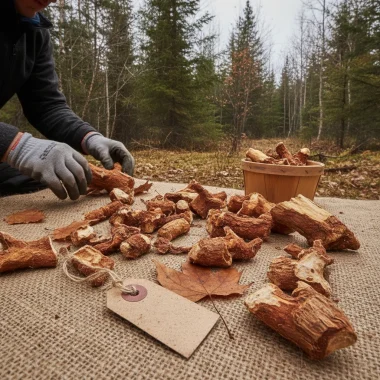
For thousands of years, indigenous cultures across northern Mexico and the southwestern United States have integrated the peyote cactus into their spiritual, medicinal, and communal traditions. The plant is regarded not merely as a botanical specimen, but as a sacred teacher and sacrament. As wild populations face intense ecological pressures due to habitat loss and over-harvesting, ex-situ cultivation by botanical collectors has emerged as a crucial strategy to alleviate demand on wild populations. Studying these plants from seed allows researchers to document their developmental biology while honoring their historical role in indigenous ethnobotany.
Legal Framework in Canada: Navigating CDSA and Exemptions for Peyote
Cultivators must carefully navigate the complex legal landscape governing entheogenic plants. Under the Canadian Controlled Drugs and Substances Act (CDSA), the active alkaloid mescaline is classified as a Schedule III controlled substance. However, the Lophophora williamsii plant itself, along with its seeds, is explicitly exempt from this scheduling in Canada. This unique legal carve-out allows Canadians to legally buy, possess, and grow the cactus for ornamental, educational, and botanical preservation purposes, provided no extraction of the controlled alkaloid is attempted. This regulatory environment contrasts sharply with other restricted materials, emphasizing the importance of staying informed on domestic policies when acquiring specialized
Acquiring Peyote Seeds for Botanical Collection in 2026
Sourcing Ethically and Legally: Where to Find Peyote Seeds in Canada
When searching for authentic seed stock, avoiding poached wild seeds is of paramount importance. Responsible collectors should only source seeds from domestic, greenhouse-grown parent plants that have been cultivated over multiple generations. This practice prevents the exploitation of fragile wild habitats in Texas and northern Mexico. When purchasing Peyote seeds Canada, verify that the vendor guarantees the seeds are ethically harvested from cultivated specimens, thereby supporting sustainable horticultural networks.
Product Purity and Quality Assurance for Research Compounds
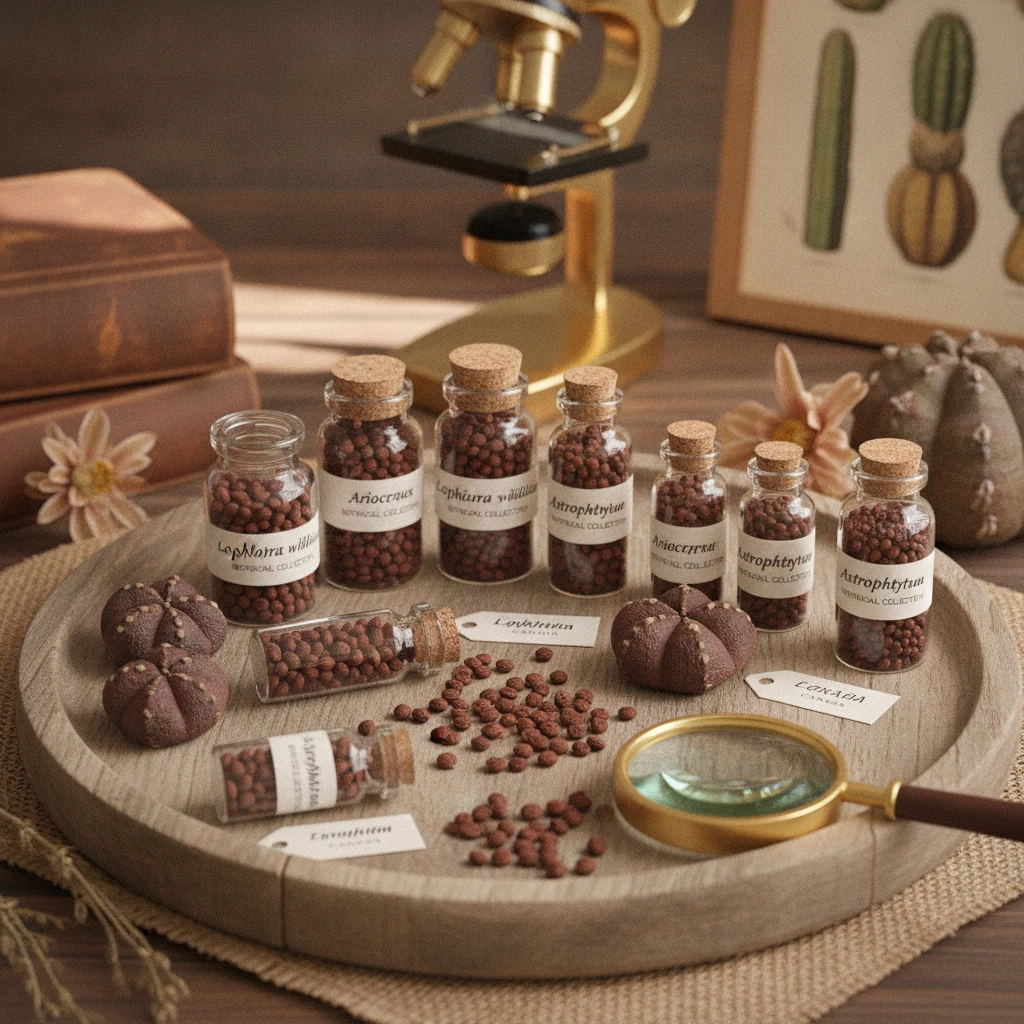
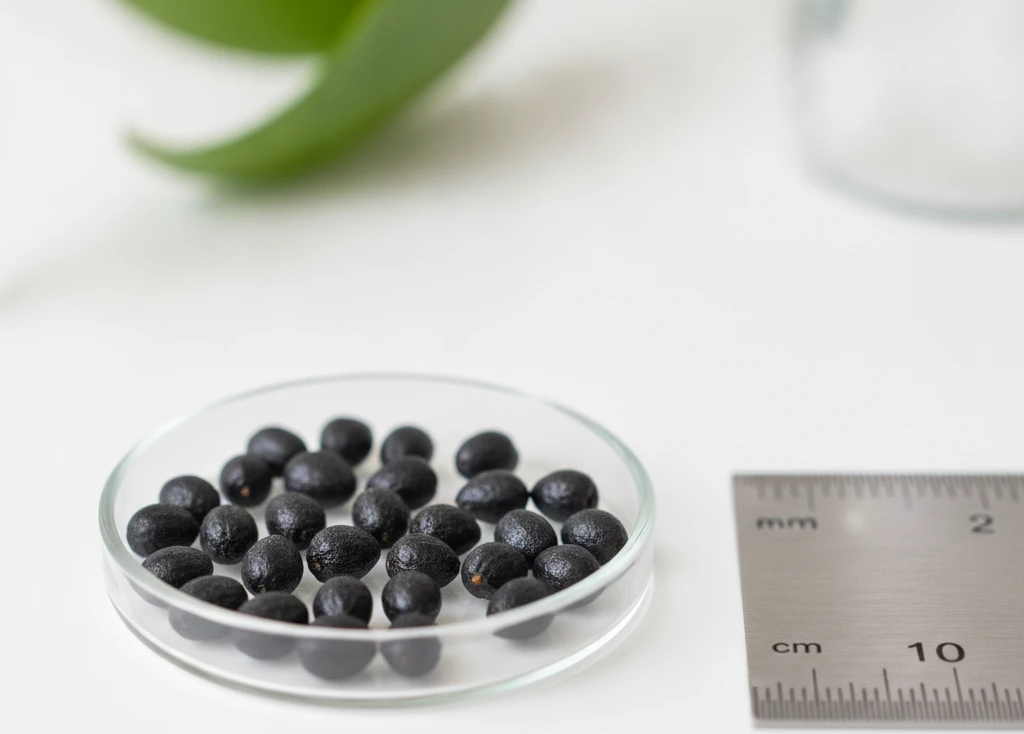
For scientific research and serious botanical preservation, seed viability and purity are critical. High-quality seeds should be plump, dark brown to black, and free from external fungal pathogens or physical damage. Ethnobotanical collectors often seek out genetically verified strains to ensure they are working with true Lophophora williamsii rather than similar, non-target species. Maintaining a clean, contaminant-free starting material is just as vital as sourcing certified ethnobotanical research compounds for laboratory studies.
Distinguishing Peyote Seeds from Similar Cacti Species
Under microscopic analysis, the seeds of Lophophora williamsii feature a distinct, highly textured tuberculate testa (seed coat) with a large, flat hilum region. This structure distinguishes them from closely related species such as Lophophora diffusa (which typically contains pellotine as its primary alkaloid instead of mescaline) or various Trichocereus species. For taxonomic accuracy, researchers rely on these micro-morphological traits to verify their seed stock before commencing long-term cultivation projects.
Germination Guide for Peyote Seeds: A Researcher’s Approach
Optimal Conditions: Temperature, Light, and Humidity for Germination
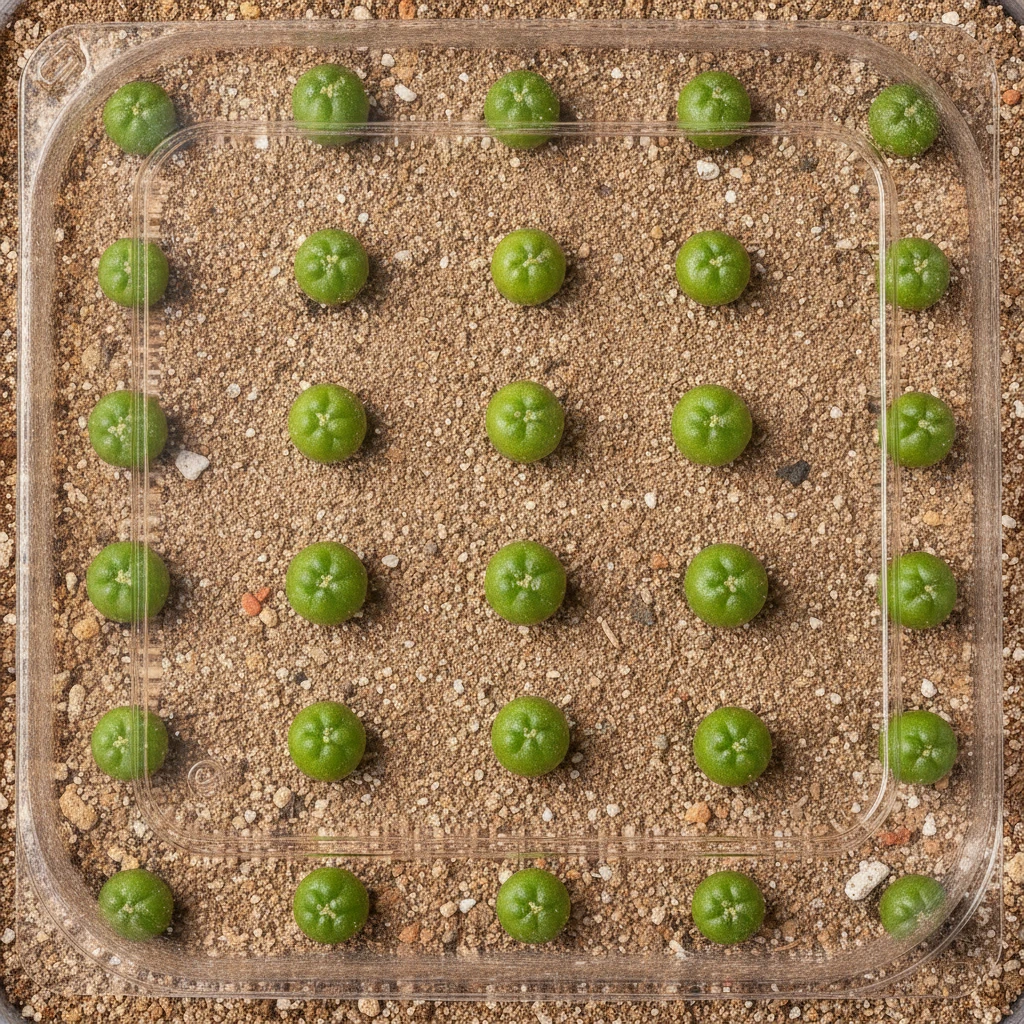
Replicating the microclimate of the Chihuahuan Desert under the shelter of nurse plants is essential for successful germination. The ideal temperature range fluctuates between 21°C and 28°C during the day, with a slight drop at night to stimulate natural desert cycles. Seeds require high ambient humidity (around 90%) during their first few months, paired with bright, indirect light. Direct sunlight must be strictly avoided, as the delicate, newly emerged seedlings are highly susceptible to sunburn and heat shock.
Substrate Selection: Creating the Ideal Growing Medium
Standard commercial potting soils are far too rich and retain excessive moisture, which inevitably leads to root rot. A specialized mineral-heavy substrate is required. A highly recommended ratio consists of 70% inorganic materials (such as coarse pumice, perlite, and washed river sand) mixed with 30% organic matter (such as finely sifted, peat-free coco coir). This mixture ensures rapid drainage and excellent aeration, allowing the delicate primary taproots of the seedlings to expand without suffocating.
Troubleshooting Common Germination Issues: Sterility and Patience
The primary pitfall in early-stage cultivation is the introduction of mold, algae, or fungal spores, which thrive in the warm, humid conditions required for germination. To mitigate this risk, collectors should pasteurize the substrate using heat prior to sowing and utilize sterilized containers. Because these seeds can take anywhere from five days to several weeks to break dormancy, patience is key; keeping the germination enclosure sealed and sterile during this critical window is essential for safeguarding your collection.
Conservation and Cultivation of Lophophora williamsii in Canada
Long-Term Care for Seedlings and Mature Plants
Once seedlings reach approximately six months of age, they must be slowly acclimated to lower humidity levels by gradually opening their germination domes over a period of weeks. Mature specimens require a strict “soak and dry” watering regimen, meaning the soil must be allowed to dry out completely between waterings. During the cold Canadian winter months, watering should be ceased entirely, and the plants should be kept in a cool, dry room to mimic their natural winter dormancy.
Environmental Factors Affecting Growth: Drought Tolerance and Light Requirements
Lophophora williamsii has evolved extreme drought tolerance, storing water in its mucilaginous tissues to withstand months of dry conditions. In northern climates like Canada, supplementing natural light with full-spectrum T5 or LED grow lights is highly beneficial, especially during the low-light winter season. Providing adequate illumination prevents etiolation—a condition where the cactus becomes unnaturally stretched, pale, and structurally weak due to a lack of light.
Ethical Considerations in Cultivating Sacred Botanicals
Cultivating sacred plants demands an attitude of respect, patience, and environmental responsibility. Because these slow-growing cacti can take up to a decade to reach maturity from seed, the act of growing them is a long-term commitment to botanical preservation. By focusing strictly on seed-grown specimens, collectors protect endangered wild populations from illicit trade. This practice ensures that future generations of researchers and ethnobotanists can study these extraordinary organisms without contributing to their ecological decline.
The Mescaline Alkaloid: Research and Ethnobiological Significance
Mescaline Content in Peyote: Variations and Analytical Considerations
The primary phenethylamine alkaloid of interest within Lophophora williamsii is 3,4,5-trimethoxyphenethylamine, commonly known as mescaline. In wild specimens, the mescaline concentration varies significantly, typically ranging from 1% to 6% of the dry weight, depending heavily on regional geography, soil composition, and environmental stressors. For laboratory-based analytical testing, researchers utilize advanced techniques such as high-performance liquid chromatography (HPLC) and gas chromatography-mass spectrometry (GC-MS) to quantify these levels accurately. Factors such as diurnal cycles and seasonal changes also introduce variability, making standardized extraction for reference material a complex process that demands rigorous environmental controls.
Comparative Alkaloid Profiles: Peyote vs. San Pedro
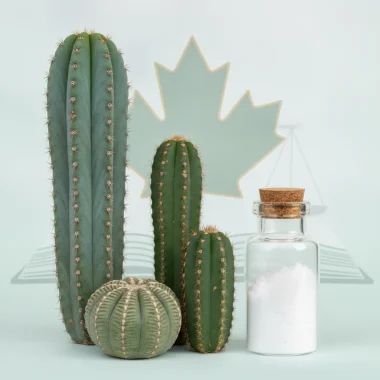
While both species are highly regarded within the field of plant taxonomy, their underlying chemical profiles present distinct differences. Peyote features an incredibly complex matrix containing over 50 secondary alkaloids, including tetrahydroisoquinolines like pellotine, anhalonidine, and lophophorine, which modify the overall physiological profile. In contrast, the San Pedro cactus (Trichocereus pachanoi) possesses a simpler isoquinoline profile, where mescaline serves as the vastly dominant constituent with fewer interactive alkaloids. Understanding these comparative chemical arrangements is vital for researchers conducting structure-activity relationship studies, as minor alkaloids can drastically influence receptor binding affinity and overall metabolic pathways in biological systems.
Scientific Inquiry into Mescaline’s Pharmacological Properties
Contemporary neurological research heavily focuses on the classic psychedelic class, examining how these compounds interact with the central nervous system. Mescaline exerts its primary effects through 5-HT2A receptor agonism, mimicking serotonin to modulate cortical activity and downstream glutamate release. Investigative teams in academic settings utilize these botanical extracts to study neuroplasticity, dendritic spine density, and anti-inflammatory pathways. By examining these pharmacological mechanisms, scientists aim to map how traditional entheogenic materials influence complex neural networks, providing valuable data for future therapeutic models and psychiatric research.
Navigating Canadian Regulations for Botanical Specimens
Adherence to the Controlled Drugs and Substances Act (CDSA)
When collecting or studying these plants in Canada, it is essential to understand the specific legal landscape. Under the Controlled Drugs and Substances Act (CDSA), mescaline is classified as a Schedule III controlled substance. However, the legislation provides a unique and explicit exemption for the Lophophora williamsii (Peyote) cactus itself, making the living plant and its viable seeds completely legal to possess, trade, and cultivate across all provinces. Navigating these regulatory boundaries requires diligent attention to detail, ensuring that any botanical research remains strictly focused on the raw specimen rather than the extraction or isolation of restricted alkaloids.
Health Canada’s Stance on Cactus Species and Alkaloids
To maintain absolute legal safety, institutions and independent collectors must align their activities with Health Canada compliance guidelines. While the physical plant is exempt from scheduling, any deliberate action to extract, synthesize, or process the active mescaline compound immediately shifts the material into a strictly regulated category requiring specialized dealer licenses. For comprehensive details on chemical exemptions and permitting, researchers are encouraged to consult the official Canadian legislative framework. This clear distinction ensures that while live ornamental and academic cultivation is permitted, chemical processing is tightly restricted to licensed facilities.
Disclaimer: For Botanical Collection and Research Purposes Only
All specimens, including live cacti and high-viability seeds, are supplied strictly for herbarium collection, ornamental cultivation, genetic preservation, and academic study. They are absolutely not for human consumption. Any form of ingestion or chemical preparation violates the intended use of these materials and may carry severe legal and physiological consequences. Responsible collectors must treat these historic specimens with the highest degree of safety and respect, positioning them solely as valuable ethnobotanical research compounds.
Peyote Seeds as Part of a Broader Ethnobotanical Collection
Integrating Peyote Seeds with Other Mescaline-Bearing Cacti
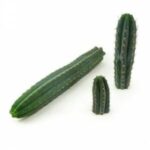
For collectors seeking to build a comprehensive physical library of traditional plants, diversifying genetic lineages is a primary goal. Integrating Peyote seeds Canada with other prominent specimens, such as the various cultivars of San Pedro or Peruvian Torch, allows for a rich comparative study of slow-growing versus fast-growing species. Acquiring high-quality seeds and live options, such as finding a verified
Maintaining Documentation for Research Compounds
To ensure full transparency and compliance with federal guidelines, researchers and private collectors must maintain meticulous documentation for every specimen in their collection. This includes recording the date of acquisition, geographic or nursery origin, soil parameters, and any observed growth changes. Tracking this botanical provenance not only supports legitimate research endeavors but also serves as proof of legal compliance, demonstrating a clear, non-consumptive path of preservation and study within the Canadian botanical community.
By prioritizing careful documentation, legal compliance, and sterile preservation techniques, researchers and dedicated ethnobotanists can successfully cultivate and study these historic cacti while contributing to global conservation efforts.
Harm Reduction and Responsible Handling of Botanical Materials
When working with any ethnobotanical specimen, particularly those with a history of traditional use, adherence to harm reduction principles is paramount. This applies not only to the end-user of any potential preparations but also to the collector and researcher handling the raw botanical materials. Maintaining a sterile environment during seed germination and cultivation is crucial to prevent contamination and ensure the viability of the genetic material. For live plants, protective gloves should be worn to avoid skin irritation from the cacti’s spines, and proper ventilation should be used when handling any dried plant matter to prevent inhalation of particulate matter.
Furthermore, it is the responsibility of the collector to be fully aware of the legal frameworks surrounding the possession and cultivation of psychoactive plants in their specific jurisdiction. While the seeds and uncultivated plants may be legal for ornamental or research purposes, any action implying preparation for consumption can have serious legal ramifications. Educational resources on safe handling and legal compliance are readily available through reputable botanical societies and academic institutions. Prioritizing safety, legality, and ethical collection practices ensures the long-term preservation and study of these significant plants.