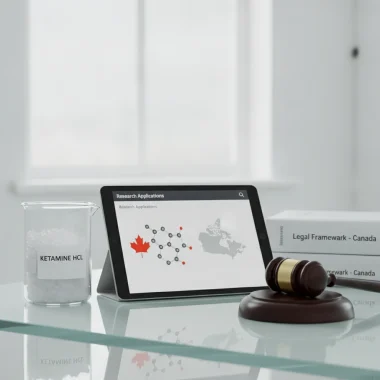
Ketamine, once primarily known as an anesthetic, is currently at the forefront of discussions regarding its therapeutic potential in Canada. This exploration examines the evolving role of ketamine in Canadian healthcare, its legal status, potential risks, and how to navigate its usage responsibly in 2026. Understanding these aspects is crucial for both patients and healthcare professionals considering ketamine as a treatment option.
As research continues to unveil the benefits of ketamine for various conditions, it’s important to stay informed about the regulations and guidelines that govern its use. We will explore the complexities of ketamine’s legal classification, prescription requirements, and Health Canada’s oversight, ensuring clarity for those seeking to access or administer this medication.
Understanding Ketamine’s Evolving Role in Canadian Healthcare (2026)
Historical Context: Ketamine’s Journey from Anesthetic to Potential Therapeutic Agent
Ketamine was first synthesized in 1962 and initially gained prominence as a battlefield anesthetic during the Vietnam War due to its effectiveness and relative safety compared to other available options. Its dissociative properties made it particularly useful in situations where maintaining a patient’s breathing was challenging. Over time, researchers began to notice anecdotal evidence suggesting potential mood-altering effects. The shift from a purely anesthetic application to exploring its potential as a therapeutic agent for mental health disorders represents a significant evolution. Today, while still used as an anesthetic, ketamine is being investigated for its antidepressant and pain-relieving properties, marking a profound expansion in its application within Canadian healthcare. The discovery of ketamine’s NMDA receptor antagonism, which is believed to play a crucial role in its antidepressant effects, propelled further research into its therapeutic uses.
Current Medical Applications of Ketamine in Canada
In Canada (2026), ketamine is currently approved for use as an anesthetic agent, primarily in surgical procedures, emergency medicine, and veterinary medicine. However, its use is expanding, particularly in the treatment of treatment-resistant depression (TRD) and certain chronic pain conditions. Clinics specializing in ketamine infusion therapy are becoming more prevalent, offering hope to individuals who have not responded to traditional treatments. The specific protocols for ketamine use vary among clinics and practitioners, but generally involve carefully monitored intravenous infusions. For example, a typical protocol for TRD might involve six infusions over a two-to-three-week period, with ongoing maintenance infusions as needed. These treatments are often combined with psychotherapy to enhance the therapeutic effects.
Off-Label Uses and Emerging Research
Beyond its approved uses, ketamine is also being used off-label for a variety of conditions, including anxiety disorders, post-traumatic stress disorder (PTSD), and obsessive-compulsive disorder (OCD). “Off-label” means the drug is being used for a purpose not explicitly approved by Health Canada, but physicians can prescribe it if they believe it is medically appropriate. Emerging research is exploring the potential of ketamine-assisted psychotherapy, where ketamine is administered in conjunction with therapy sessions to facilitate emotional processing and insight. Studies are also investigating the use of intranasal ketamine, which offers a more convenient and potentially less invasive alternative to intravenous infusions. This ongoing research is crucial for expanding our understanding of ketamine’s therapeutic potential and optimizing its use in clinical practice. Remember to consult with a qualified medical professional to determine if ketamine therapy is right for you, and to discuss all potential risks and benefits. As researchers explore alternative formulations and routes of administration, it’s essential to stay updated on the latest findings through reputable sources.
Legality and Regulations Surrounding Ketamine Use and Purchase in Canada (2026)
Ketamine’s Classification under Canadian Law: Controlled Substances Act
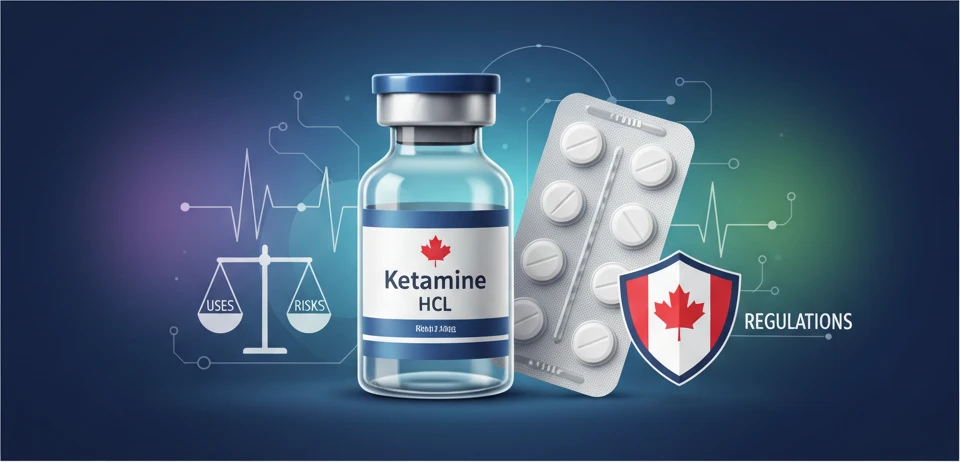
In Canada, ketamine is classified as a controlled substance under the Controlled Drugs and Substances Act. This classification reflects its potential for misuse and abuse. This means that the production, distribution, and possession of ketamine are regulated by law. Unauthorized possession or trafficking of ketamine can result in severe penalties, including fines and imprisonment. The specific penalties vary depending on the amount of ketamine involved and the nature of the offense. Health Canada is responsible for overseeing the implementation and enforcement of these regulations.
Prescription Requirements and Restrictions
To legally obtain ketamine in Canada, a valid prescription from a licensed healthcare practitioner is required. This includes physicians, dentists, and veterinarians. The prescription must specify the dosage, frequency, and route of administration. Pharmacies are required to verify the authenticity of the prescription before dispensing ketamine. There are restrictions on the quantity of ketamine that can be prescribed and dispensed at one time, as well as on the frequency of refills. These restrictions are designed to prevent diversion and misuse of the drug. For example, a physician may be limited to prescribing a 30-day supply of ketamine at a time. The prescription must also include the patient’s name, date of birth, and the prescriber’s contact information.
The Role of Health Canada in Regulating Ketamine
Health Canada plays a crucial role in regulating ketamine, from its manufacturing and distribution to its use in clinical practice. Health Canada sets the standards for the quality, safety, and efficacy of ketamine products. It also monitors the use of ketamine through various surveillance programs. These programs are designed to identify and address any potential risks associated with ketamine use. Health Canada also provides guidance to healthcare professionals on the appropriate use of ketamine. This guidance includes information on dosage, administration, and monitoring. Furthermore, Health Canada collaborates with provincial and territorial governments, as well as professional organizations, to ensure a coordinated approach to regulating ketamine across the country. Individuals looking for more information can consult Health Canada’s website for updates on regulations and guidelines pertaining to controlled substances.
Medical Uses of Ketamine: From Anesthesia to Mental Health Treatment
Ketamine as an Anesthetic: Surgical Procedures and Emergency Medicine
Ketamine remains a valuable anesthetic agent in various medical settings across Canada. Its unique properties, such as maintaining respiratory drive and cardiovascular stability, make it particularly useful in emergency situations and for patients at high risk for complications with other anesthetics. For instance, in pediatric emergency medicine, ketamine is often used for procedural sedation because it doesn’t typically suppress breathing as much as other sedatives. Similarly, in rural or remote areas where access to advanced airway management is limited, ketamine is a preferred anesthetic. Dosage adjustments are critical and based on patient weight and overall health status. Anesthesiologists and emergency physicians are trained to manage potential side effects, ensuring patient safety during these procedures.
Ketamine Infusion Therapy for Treatment-Resistant Depression (TRD)
Ketamine infusion therapy has emerged as a promising treatment option for individuals with treatment-resistant depression (TRD), where traditional antidepressants have failed to provide relief. This therapy involves administering ketamine intravenously in a controlled clinical setting, typically over a period of 40-60 minutes. The mechanism of action differs from traditional antidepressants, offering a potentially rapid antidepressant effect, often within hours or days. Selection criteria for ketamine infusion therapy usually include a diagnosis of major depressive disorder that has not responded to at least two different antidepressant medications. Comprehensive evaluation by a psychiatrist or qualified mental health professional is crucial to determine suitability. The treatment protocol generally involves multiple infusions over a few weeks, followed by maintenance infusions as needed. Alongside the infusions, many clinics incorporate psychotherapy to maximize the treatment’s benefits. However, it’s important to note that ketamine infusion therapy is not a cure for depression, and ongoing management is typically required. Always consult a licensed mental health professional to weigh the risks and benefits of this therapeutic approach.
Ketamine for Pain Management: Chronic Pain and Neuropathic Pain
Ketamine is also utilized in pain management, particularly for chronic pain conditions like neuropathic pain and fibromyalgia. Its analgesic properties, distinct from traditional opioids, offer an alternative approach for patients who haven’t found adequate relief from other treatments. Ketamine’s mechanism of action involves blocking NMDA receptors, which play a significant role in pain signaling. The dosage and administration route can vary depending on the specific pain condition and the patient’s individual needs. Options range from low-dose oral ketamine to intravenous infusions, typically managed by pain specialists. For example, patients with complex regional pain syndrome (CRPS) may benefit from a series of ketamine infusions to reduce pain and improve function. Careful monitoring and titration are essential to minimize side effects and optimize pain relief. Like other uses of ketamine, this should be done under strict medical supervision.
Potential Risks and Side Effects Associated with Ketamine Use
Common Side Effects: Nausea, Dizziness, and Disorientation
Ketamine use is associated with a range of side effects, with nausea, dizziness, and disorientation being among the most common. These effects are often transient and occur shortly after administration, typically resolving within a few hours. Strategies to mitigate these side effects include administering anti-nausea medication prior to ketamine infusion, ensuring the patient is well-hydrated, and providing a calm and quiet environment during and after treatment. For example, a patient receiving ketamine for depression might be given ondansetron to prevent nausea and advised to avoid driving or operating machinery for the rest of the day due to potential dizziness and impaired coordination. Close monitoring by healthcare professionals is crucial to manage these side effects effectively.
Serious Risks: Respiratory Depression, Cardiovascular Issues, and Bladder Problems
While ketamine is generally considered safe when administered under proper medical supervision, it carries the risk of more serious adverse effects, including respiratory depression, cardiovascular issues, and bladder problems. Respiratory depression, although rare, can be life-threatening and requires immediate intervention. Cardiovascular effects may include changes in blood pressure and heart rate, necessitating careful monitoring, especially in patients with pre-existing heart conditions. Long-term or high-dose ketamine use has been associated with bladder problems, including inflammation and urinary frequency. Regular monitoring of bladder function is recommended for patients receiving chronic ketamine therapy. Healthcare providers should thoroughly assess patients’ medical history and current health status to identify and mitigate these risks.
Psychological Risks: Hallucinations, Anxiety, and Dissociation
Ketamine can induce a range of psychological effects, including hallucinations, anxiety, and dissociation. Dissociation, a feeling of detachment from oneself or one’s surroundings, is a common experience during ketamine treatment. While some patients find this experience therapeutic, others may find it distressing or overwhelming. Hallucinations can range from mild visual distortions to vivid and unsettling sensory experiences. Anxiety can also be triggered or exacerbated by ketamine use, particularly in individuals with pre-existing anxiety disorders. Careful patient selection, thorough pre-treatment preparation, and supportive monitoring during and after treatment are essential to minimize these psychological risks. Healthcare providers should provide patients with a clear understanding of the potential psychological effects of ketamine and offer strategies for coping with them.
Importance of Medical Supervision
Given the potential risks and side effects associated with ketamine use, medical supervision is paramount. Qualified healthcare professionals are trained to assess patient suitability, administer ketamine safely, monitor for adverse effects, and provide appropriate interventions when needed. Medical supervision ensures that ketamine is used responsibly and effectively, minimizing the risk of complications and maximizing the potential therapeutic benefits. This includes pre-treatment screening, continuous monitoring during infusions, and post-treatment follow-up. For instance, vital signs are continuously monitored during ketamine infusions to detect any signs of respiratory or cardiovascular compromise. Patients are also closely observed for psychological distress or adverse reactions. Medical supervision is crucial for ensuring patient safety and optimizing the overall treatment experience. It is extremely dangerous and illegal to purchase ketamine without a valid prescription.
Where to Legally Obtain Ketamine in Canada: Navigating the Healthcare System
Consulting with a Physician or Psychiatrist
The first and most crucial step in legally obtaining ketamine in Canada is consulting with a qualified physician or psychiatrist. They can assess your medical history, current health status, and mental health needs to determine if ketamine treatment is appropriate for you. This initial consultation should involve a thorough discussion of the potential benefits and risks of ketamine, as well as alternative treatment options. Be prepared to answer questions about your past and present medical conditions, any medications you are currently taking, and any history of substance abuse or mental health disorders. The physician will then conduct a physical examination and may order additional tests to evaluate your overall health.
Decision Criteria: A physician will typically consider factors such as treatment-resistant depression, chronic pain conditions, or other specific diagnoses when evaluating a patient for ketamine therapy. They will also assess the severity of your symptoms, your response to previous treatments, and your overall suitability for ketamine.
Pitfalls: Be wary of any provider who promises guaranteed results or downplays the potential risks of ketamine treatment. A responsible physician will provide a balanced and honest assessment of the potential benefits and drawbacks.
Ketamine Clinics and Infusion Centers: Finding Reputable Providers
If your physician or psychiatrist determines that ketamine treatment is appropriate, they may refer you to a specialized ketamine clinic or infusion center. These facilities are staffed by medical professionals who are trained in administering and monitoring ketamine infusions. When selecting a ketamine clinic, it’s essential to do your research and choose a reputable provider with a proven track record of safety and efficacy. Look for clinics that employ experienced physicians, nurses, and other healthcare professionals who are knowledgeable about ketamine therapy. Check online reviews and ask for referrals from your doctor or other trusted sources.
Example: “Oceanview Ketamine Clinic” in Vancouver, offers comprehensive ketamine treatment plans with on-site psychiatrists and registered nurses. They boast a 90% patient satisfaction rate based on internal surveys conducted in 2025.
Actionable Step: Before committing to a clinic, schedule a consultation to meet with the staff, tour the facility, and ask questions about their protocols, safety measures, and aftercare support.
Understanding the Cost of Ketamine Treatment
Ketamine treatment can be expensive, and it is not always covered by provincial healthcare plans. The cost of treatment can vary depending on the clinic, the dosage of ketamine, the number of infusions required, and any additional services included, such as therapy or counseling. In many cases, patients must pay out-of-pocket for ketamine infusions. Before starting treatment, it’s important to understand the total cost and explore your payment options. Some clinics may offer payment plans or financing options to help make treatment more affordable. You can also inquire about whether your private health insurance plan covers any portion of the cost. Consider this a key element of informed consent. Research typical infusion costs near you to assess value.
The Growing Interest in Psychedelic-Assisted Therapy and Ketamine’s Place within It
Ketamine-Assisted Psychotherapy (KAP): Combining Medication with Therapy
Ketamine-assisted psychotherapy (KAP) is an innovative approach that combines the pharmacological effects of ketamine with the therapeutic benefits of psychotherapy. In KAP, ketamine is administered in a controlled setting under the supervision of a trained medical professional, while a therapist guides the patient through a therapeutic process. The goal of KAP is to create a safe and supportive environment where patients can explore their thoughts, emotions, and experiences in a deeper and more meaningful way. The altered state of consciousness induced by ketamine can help individuals access repressed memories, gain new perspectives on their problems, and develop more adaptive coping mechanisms. KAP typically involves a series of ketamine infusions, each followed by a therapy session where the patient and therapist discuss the insights and experiences that arose during the infusion. The therapeutic process may involve a variety of techniques, such as cognitive behavioral therapy (CBT), mindfulness-based therapy, or psychodynamic therapy.
The integration sessions following the treatment are crucial for processing the experiences and translating them into lasting positive change. Consider KAP as a potentially transformative therapy.
The Potential Synergistic Effects of Ketamine and other Psychedelics like Ibogaine
While ketamine is often used as a standalone treatment, there is growing interest in exploring its potential synergistic effects when combined with other psychedelic substances, such as ibogaine. Some researchers believe that combining ketamine with other psychedelics may enhance the therapeutic effects and lead to more profound and lasting healing. For example, the combined effects of ketamine and ibogaine might offer advantages in treating particularly treatment-resistant depression or severe addiction cases. Ibogaine, in particular, is being researched for its potential to disrupt addictive behavior patterns and promote neurogenesis. The intersection of these substances warrants careful research and clinical oversight. Always consult qualified professionals before considering any combined psychedelic treatments. Remember to thoroughly research Iboga & Ibogaine: Navigating Canadian Laws for legal implications.
Pitfalls: Self-experimentation with combined psychedelic substances is dangerous and strongly discouraged. These combinations should only be administered under the supervision of trained medical professionals in a controlled clinical setting.
Future Trends in Psychedelic Medicine Research
The field of psychedelic medicine is rapidly evolving, and there is a growing body of research exploring the potential therapeutic applications of various psychedelic substances. In the future, we can expect to see more clinical trials investigating the efficacy of ketamine and other psychedelics for a wide range of mental health conditions, including depression, anxiety, PTSD, addiction, and eating disorders. Researchers are also exploring the potential of psychedelics to enhance creativity, promote spiritual growth, and improve overall well-being. As the legal and regulatory landscape surrounding psychedelics continues to evolve, we may see increased access to these treatments through legal and regulated channels. However, it is important to proceed with caution and ensure that these treatments are administered safely and ethically. One key area of focus will be on developing standardized protocols and guidelines for psychedelic-assisted therapy to ensure that patients receive the best possible care. For example, studies might investigate the ideal duration of ketamine infusions or the optimal frequency of therapy sessions.
Differentiating Legal and Illegal Sources of Ketamine: Protecting Yourself
Red Flags: Identifying Illicit Ketamine Sales Online
Purchasing ketamine online without a valid prescription is illegal and carries significant risks. It’s crucial to be able to identify red flags that indicate illicit ketamine sales. One major red flag is websites or individuals offering ketamine for sale without requiring a prescription or consultation with a healthcare professional. These sources often operate outside the bounds of the law and are not subject to quality control standards. Another red flag is unusually low prices, which may indicate that the ketamine is counterfeit, adulterated, or stolen. Be wary of websites that promise guaranteed results or make unrealistic claims about the benefits of ketamine. Legitimate pharmacies and clinics will not make such claims. Furthermore, be cautious of websites that do not provide clear contact information or physical addresses. Always verify the legitimacy of any online pharmacy or clinic before making a purchase. Check for accreditation from reputable organizations and read reviews from other customers.
The Dangers of Purchasing Ketamine from Unverified Sources
Purchasing ketamine from unverified sources can have serious consequences for your health and safety. Illicit ketamine may be contaminated with other substances, such as fentanyl, which can be deadly. Even if the ketamine is not adulterated, it may be improperly manufactured or stored, leading to a reduced potency or other quality issues. Furthermore, purchasing ketamine without a prescription means that you are not receiving proper medical supervision. A doctor or psychiatrist can assess your suitability for ketamine treatment, monitor your response to the medication, and provide guidance on dosage and administration. Without this supervision, you are at risk of experiencing adverse side effects or complications. Engaging with illegal suppliers also carries legal risks. Possession or distribution of ketamine without a valid prescription can result in criminal charges and penalties.
Example: In 2025, several cases were reported in Toronto involving individuals who purchased ketamine online and experienced severe adverse reactions due to contamination. These incidents highlight the dangers of relying on unverified sources.
Reporting Suspected Illegal Activity to the Authorities
If you suspect that someone is selling ketamine illegally, it is important to report the activity to the appropriate authorities. You can contact your local police department or the Royal Canadian Mounted Police (RCMP). You can also report suspected illegal activity to Health Canada, which is responsible for regulating the sale and distribution of prescription drugs. When reporting suspected illegal activity, provide as much information as possible, including the name and address of the suspected seller, the website address (if applicable), and any other relevant details. Reporting illegal activity can help protect others from the dangers of illicit ketamine sales and contribute to a safer community.
Mind Healing Shop’s Commitment to Safe and Legal Practices in the Psychedelic Space
Our Focus on Iboga and Ibogaine Products for Addiction and Wellness
At Mind Healing Shop, our primary focus is on providing high-quality, ethically sourced iboga and ibogaine products to support individuals seeking addiction treatment and overall wellness. We firmly believe in the transformative potential of these natural substances when used responsibly and under appropriate guidance. Unlike ketamine, which has specific medical applications, iboga and ibogaine are often used in a more holistic context to address the root causes of addiction and promote lasting recovery. Our commitment is to provide access to safe, tested products, coupled with educational resources to enable informed decision-making.
Ethical Sourcing and Quality Assurance
We are deeply committed to ethical sourcing and quality assurance. All of our iboga and ibogaine products are sourced from reputable suppliers who adhere to sustainable harvesting practices and prioritize the well-being of indigenous communities. We conduct rigorous testing on all of our products to ensure their purity, potency, and safety. Our quality control measures include third-party laboratory testing to verify the absence of contaminants and to confirm the concentration of active ingredients. We believe that transparency is essential, and we provide detailed information about our sourcing and quality control processes to our customers. Our dedication to ethical sourcing ensures that we are not contributing to the depletion of natural resources or the exploitation of vulnerable communities. We actively seek out suppliers who are committed to fair labor practices and environmental sustainability.
Supporting Informed Decision-Making for Mental Health and Wellness
Mind Healing Shop is dedicated to providing comprehensive information and resources to support informed decision-making regarding mental health and wellness. We understand that choosing the right treatment or therapy can be a complex and personal process. That’s why we offer a wealth of educational materials on our website, including articles, guides, and FAQs about iboga, ibogaine, and other natural substances. We also provide access to a network of qualified healthcare professionals who can provide personalized guidance and support. Our goal is to empower individuals to make informed choices about their mental health and wellness, and to provide them with the tools and resources they need to achieve lasting recovery and well-being. We are committed to promoting responsible and ethical practices in the psychedelic space and to ensuring that our customers have access to safe, effective, and evidence-based treatments.
Ketamine Dosage and Administration: What to Expect During Treatment
Common Dosage Protocols for Depression and Pain Management
Ketamine dosage varies significantly based on the condition being treated (depression, chronic pain, etc.), the patient’s individual characteristics (weight, metabolism, other medications), and the method of administration. For depression, sub-anesthetic doses are typically used, often ranging from 0.5 mg/kg to 1 mg/kg administered intravenously over 40-60 minutes. Some clinics may use slightly different protocols. In pain management, dosages can vary more widely depending on the type and severity of pain, sometimes requiring higher doses than those used for depression. Oral ketamine lozenges typically require higher doses than intravenous administration due to lower bioavailability. The precise dosage and frequency of treatments should always be determined by a qualified medical professional.
For example, a person weighing 70kg receiving ketamine for depression might start with a dose of 0.75mg/kg, resulting in a 52.5mg dose administered intravenously. This is a starting point; the physician monitors response and adjusts as needed. For chronic pain, the starting dose might be similar, but the frequency or duration of infusions could be different. The aim is to find the lowest effective dose that provides relief with minimal side effects.
Different Methods of Administration: Intravenous Infusion, Intramuscular Injection, and Oral Lozenge
Ketamine can be administered in several ways, each with its own advantages and disadvantages. Intravenous (IV) infusion is the most common method, allowing for precise control over the dosage and a relatively rapid onset of effects. Intramuscular (IM) injection is a faster method than IV infusion and may be more convenient in some settings, but the absorption rate can be less predictable. Oral ketamine lozenges are absorbed through the mucous membranes in the mouth and offer a non-invasive option, but the bioavailability is lower and the onset of effects is slower and more variable.
The choice of administration method depends on several factors, including the condition being treated, the patient’s preferences, and the availability of resources. IV infusions typically require a clinical setting with trained medical personnel, while oral lozenges can be taken at home. Each method will affect both the time until effects begin, and the duration of those effects. For example, effects from an IV administration might be felt within minutes and last for an hour, whereas effects from a lozenge might take 20 minutes to onset and last longer. The choice should be discussed thoroughly with the prescribing physician. Some patients might benefit from IV therapy initially and then transition to oral lozenges for maintenance.
The Importance of Individualized Treatment Plans
Ketamine treatment should always be individualized based on a comprehensive assessment of the patient’s medical history, current symptoms, and treatment goals. A “one-size-fits-all” approach is not appropriate. Individual factors such as age, weight, liver and kidney function, and co-existing medical conditions can all influence how a patient responds to ketamine. Some individuals might require higher doses to achieve the desired effects, while others may be more sensitive and require lower doses to avoid side effects. The treatment plan should also include psychological support, such as therapy, to help patients integrate their experiences and address underlying issues.
Example: A 35-year-old with treatment-resistant depression and no other health issues might start with a standard IV ketamine protocol. In contrast, a 65-year-old with chronic pain, hypertension, and mild kidney impairment would require a more cautious approach, starting with a lower dose and careful monitoring of blood pressure and kidney function. The treatment plan for the latter would also likely involve a pain management specialist and a psychiatrist to address both physical and mental health needs.
Long-Term Considerations: Monitoring and Managing Potential Side Effects of Ketamine
Regular Medical Check-Ups and Monitoring
Long-term ketamine use requires diligent monitoring for potential side effects. Regular medical check-ups should include assessments of cardiovascular health, liver and kidney function, and cognitive function. Some studies have raised concerns about potential neurocognitive effects of long-term ketamine use, so periodic cognitive testing may be recommended. Bladder function should also be monitored, as ketamine can cause urinary problems, including cystitis. Blood pressure and heart rate should be regularly assessed, especially in individuals with pre-existing cardiovascular conditions.
Monitoring should also involve regular communication with the patient about any new or worsening symptoms. Patients should be educated about the potential side effects of ketamine and encouraged to report any concerns to their healthcare provider. A proactive approach to monitoring can help detect and manage potential problems early on, minimizing the risk of long-term complications.
Strategies for Managing Bladder Problems and Other Potential Complications
Ketamine-induced bladder problems, such as cystitis, can be a significant concern for long-term users. Strategies for managing these problems include increasing fluid intake, avoiding bladder irritants (such as caffeine and alcohol), and taking medications to protect the bladder lining. In severe cases, urological interventions may be necessary. Other potential complications of long-term ketamine use include liver damage, cognitive impairment, and psychological dependence. Managing these complications requires a multidisciplinary approach involving physicians, psychiatrists, and other healthcare professionals. If cognitive decline is suspected, neuropsychological testing may be warranted, and strategies to support cognitive function, such as cognitive training exercises, should be considered.
Example: A patient experiencing bladder pain and urinary frequency related to ketamine use might be advised to drink at least 2 liters of water per day, avoid coffee and alcohol, and take pentosan polysulfate sodium (Elmiron), a medication that helps protect the bladder lining. If symptoms persist or worsen, a referral to a urologist would be necessary. Also, managing psychological dependence can be assisted by looking into iboga for addiction.
The Role of Lifestyle and Therapy in Maintaining Mental Wellness
Lifestyle factors and therapy play a crucial role in maintaining mental wellness during long-term ketamine treatment. Regular exercise, a healthy diet, and adequate sleep can all contribute to improved mood and cognitive function. Psychotherapy, such as cognitive-behavioral therapy (CBT) or mindfulness-based therapy, can help patients develop coping skills, manage stress, and address underlying psychological issues. Therapy can also provide a supportive environment for patients to process their experiences and integrate the insights gained from ketamine treatment. Maintaining strong social connections and engaging in meaningful activities can also help promote mental well-being.
Furthermore, patients must consider the long-term costs of treatment. Recurring ketamine infusions can create a significant financial burden. It’s critical to discuss potential alternative treatments with your medical provider as well as payment options. It is important to weigh the benefits of ketamine against the potential financial strain and side effects before committing to long-term use.
Future Outlook: Emerging Research and Potential Changes in Ketamine Regulations in Canada
Ongoing Clinical Trials Exploring New Applications of Ketamine
Research into ketamine’s potential therapeutic applications is ongoing, with clinical trials exploring its effectiveness in treating a wide range of conditions beyond depression and pain. These include post-traumatic stress disorder (PTSD), obsessive-compulsive disorder (OCD), anxiety disorders, and alcohol and substance use disorders. Some studies are also investigating the use of ketamine in combination with other treatments, such as psychotherapy or other medications. The results of these trials could lead to new indications for ketamine and expanded access to treatment for individuals with these conditions.
For example, early results from trials combining ketamine with intensive psychotherapy for PTSD show promising outcomes, with some patients experiencing significant reductions in symptoms. As more research emerges, the landscape of ketamine treatment is likely to evolve, with new protocols and approaches being developed to optimize its therapeutic potential. Stay informed via reputable medical journals and databases like PubMed.
Potential Shifts in Regulatory Policy and Access to Ketamine Treatment
Ketamine regulations in Canada could potentially change in the future, influenced by emerging research, clinical experience, and advocacy efforts. One possible shift could be expanded access to ketamine treatment through different delivery models, such as telemedicine or community-based clinics. Another possibility is the development of more specific guidelines for ketamine prescribing and monitoring, to ensure patient safety and optimize treatment outcomes. Any changes in regulatory policy would likely involve consultation with healthcare professionals, patient advocacy groups, and regulatory agencies.
Currently, access to ketamine treatment is primarily limited to specialized clinics and hospitals. Future regulatory changes could broaden access to qualified providers and potentially reduce costs. Patients should stay informed about potential changes and advocate for policies that promote safe and effective access to this medication when appropriate.
Staying Informed about the Latest Developments in Ketamine Research
Staying informed about the latest developments in ketamine research is essential for healthcare professionals, patients, and policymakers alike. This can involve regularly reviewing medical journals, attending conferences, and participating in professional organizations. Several reputable organizations provide up-to-date information on ketamine research, including the American Psychiatric Association and the International Society for the Study of Pain. Patients can also consult with their healthcare providers to discuss any new findings or potential changes in treatment approaches. Accessing peer-reviewed studies is important, and relying on news and social media may not be the best approach. PubMed is a free service to access the MEDLINE database of references and abstracts on life sciences and biomedical topics.
Continued research and open communication among stakeholders are crucial for ensuring that ketamine is used safely and effectively in clinical practice. These practices will lead to better outcomes for those who may benefit from this medication.
As the use of ketamine evolves, it’s clear that careful attention to dosing, administration, monitoring, and long-term management is essential. Staying updated on research and advocating for responsible regulatory policies will further optimize patient outcomes.
For Canadians seeking alternative options for mental health and wellness, consider researching the potential of other psychedelic substances. MindHealingShop.ca provides a range of information and products related to such alternatives within the bounds of Canadian law.