
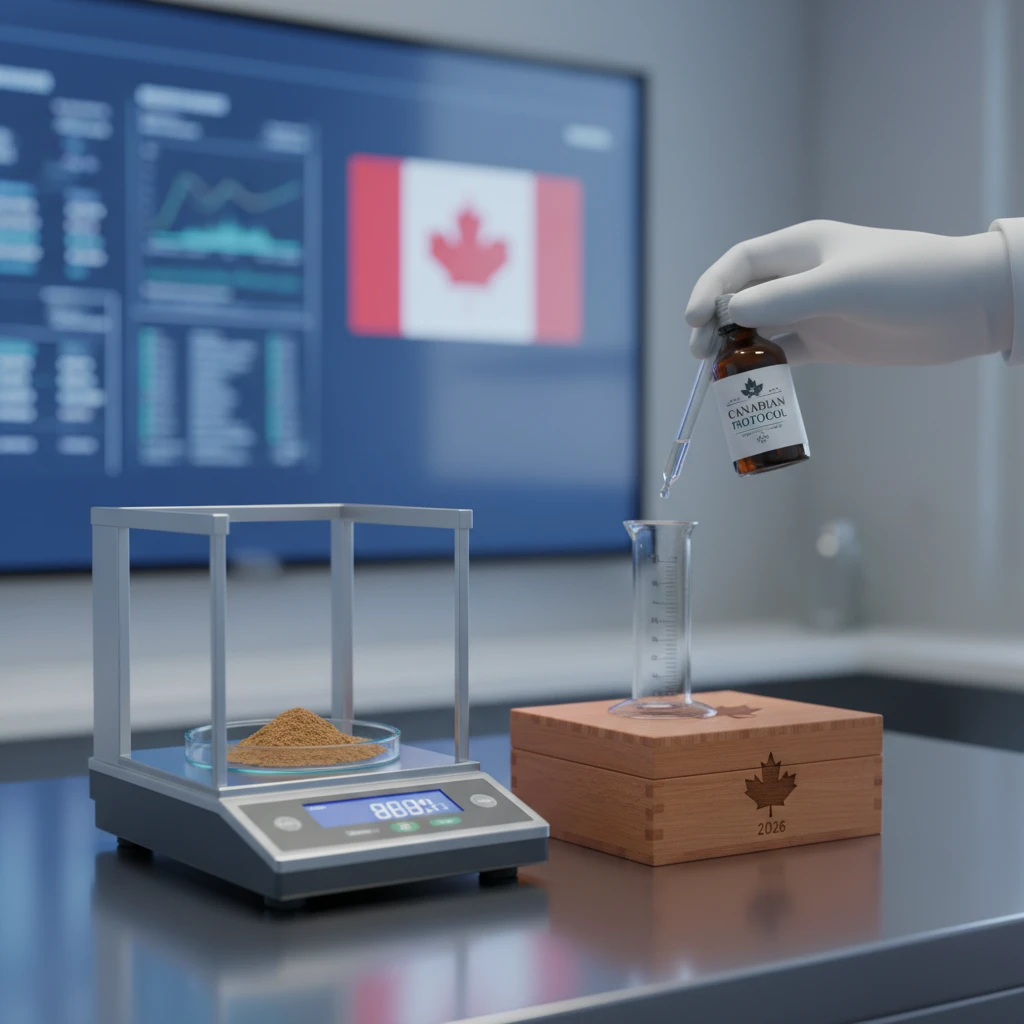
The landscape of addiction treatment is constantly evolving, and in Canada, 2026 marks a significant period in the understanding and application of Iboga therapy. This article provides a comprehensive overview of the recommended Iboga dosage protocols tailored for Canadian residents in 2026, considering legal nuances, emerging research, and personalized treatment approaches. It is intended to provide education and guidance, and not medical advice; consulting with qualified healthcare professionals is crucial before considering any Iboga treatment.
We will explore the vital pre-treatment assessments, risk factors, and psychological support necessary for safe and effective Iboga experiences. Understanding the different forms of Iboga and the factors influencing dosage will be a key focus, ensuring a personalized approach for each individual’s unique needs and circumstances. Remember to consult with a healthcare professional for safe administration of Iboga treatment.
Understanding the Evolving Landscape of Iboga Treatment in Canada (2026)
Brief history of Iboga use in addiction treatment
Iboga, derived from the Tabernanthe iboga plant native to West Africa, has a long history of traditional use in rituals and ceremonies. Its introduction to the Western world as a potential addiction treatment dates back several decades. Early anecdotal evidence suggested its efficacy in reducing cravings and withdrawal symptoms for various substances, most notably opioids. Over time, clinical research has started to explore its mechanisms of action, focusing on its effects on neurotransmitter systems and brain plasticity. While definitive conclusions remain elusive, the increasing body of evidence continues to fuel interest in Iboga as a tool in the fight against addiction. It’s important to note that this historical context shapes current perspectives and research trajectories in Canada and beyond.
Current legal status of Iboga and Ibogaine in Canada (federal and provincial differences)
In Canada, as of 2026, Iboga and Ibogaine are *not* approved by Health Canada for medical use and are, therefore, not legal to prescribe. This means they are not readily available through conventional medical channels. However, access may be possible through specific legal avenues, such as the Special Access Programme (SAP) – though this remains challenging and requires significant justification from a physician for individual patient use. The legal status can vary depending on the province, with some provinces having stricter interpretations and enforcement than others. This can impact the availability of support services and access to information. It’s crucial to remain up-to-date on the current legal landscape, as this is subject to change. It’s advisable to seek qualified legal counsel if you have any concerns about the legality of any treatment option.
Why 2026 is a pivotal year: Emerging research and shifting perspectives
2026 is considered a pivotal year due to several factors influencing the future of Iboga treatment in Canada. Firstly, ongoing research efforts are yielding more comprehensive data on Iboga’s efficacy and safety profile, including observational studies and limited clinical trials. Secondly, shifting societal perspectives on psychedelic-assisted therapy are influencing the regulatory landscape. Increased awareness of the potential benefits of psychedelics for mental health and addiction is prompting discussions about potential policy changes. Thirdly, the rise of telehealth and virtual care is creating new opportunities for accessing information and support related to Iboga treatment, though regulatory frameworks for these platforms remain under development. The interplay of these factors makes 2026 a crucial juncture for the future of Iboga therapy in Canada. You may want to consider some Iboga alternatives for mental wellness in Canada as you navigate your treatment options. This may be helpful as you consider all options regarding treatment.
Key Considerations Before Considering Iboga for Addiction
Medical and psychological suitability assessment criteria
Before considering Iboga treatment for addiction, a thorough medical and psychological assessment is crucial. This assessment should include a comprehensive medical history review, a physical examination, and relevant laboratory tests, particularly an electrocardiogram (ECG) to assess cardiovascular health. Psychological assessments should evaluate mental health conditions such as depression, anxiety, psychosis, and personality disorders. Furthermore, a detailed substance use history is essential to understand the severity and patterns of addiction. The goal of these assessments is to identify potential contraindications and risk factors that could compromise the safety and efficacy of Iboga treatment. For example, someone with a history of severe heart conditions or active psychosis may not be suitable for Iboga treatment. The assessment must be conducted by qualified healthcare professionals experienced in Iboga therapy.
Contraindications and risk factors (cardiovascular, psychiatric)
Several contraindications and risk factors must be carefully considered before proceeding with Iboga treatment. Cardiovascular conditions, such as heart arrhythmias, prolonged QT interval, and recent myocardial infarction, are major contraindications due to the potential for Iboga to exacerbate these conditions. Psychiatric conditions, particularly active psychosis, bipolar disorder (manic phase), and severe personality disorders, can also increase the risk of adverse psychological reactions during and after treatment. Other risk factors include liver or kidney dysfunction, as these conditions can affect the metabolism and elimination of Iboga from the body. A careful evaluation of these factors is paramount to ensuring patient safety. If you are seeking ketamine for sale in Canada, ensure you have undergone a similar thorough assessment.
Importance of pre-treatment preparation and psychological support
Pre-treatment preparation is vital for a successful Iboga experience. This preparation involves several key steps. Firstly, individuals should undergo a thorough detoxification process, ideally under medical supervision, to minimize withdrawal symptoms and potential interactions with Iboga. Secondly, psychological support is essential to address underlying emotional and psychological issues contributing to addiction. This may include individual therapy, group therapy, or support groups. Thirdly, patients need to be educated about the Iboga treatment process, potential side effects, and expected outcomes to manage expectations and reduce anxiety. Finally, creating a supportive environment and establishing a strong therapeutic relationship with the treatment provider are crucial for building trust and facilitating the integration process. The focus on pre-treatment preparation and ongoing psychological support significantly increases the likelihood of a positive and sustainable outcome.
Dosing Guidelines: A Personalized Approach for 2026
Factors influencing Iboga dosage (weight, metabolism, addiction severity, substance type)
Determining the appropriate Iboga dosage is a complex process that requires careful consideration of several individual factors. Body weight is a primary consideration, as it affects the distribution and concentration of Iboga in the body. Metabolic rate also plays a significant role, as individuals with faster metabolisms may require higher doses to achieve the desired effects. Addiction severity and the type of substance used are equally important. Individuals with severe addictions or those dependent on substances with strong withdrawal symptoms may require higher doses to effectively manage cravings and withdrawal. For instance, opioid dependence typically requires a higher initial dose compared to alcohol dependence. Age, overall health, and any pre-existing medical conditions can also influence dosage decisions. The 2026 protocol emphasizes personalized dosing based on a comprehensive assessment of these individual factors.
Different forms of Iboga and Ibogaine and their respective dosage considerations (Iboga TA, Ibogaine HCL, Iboga root bark)
Iboga is available in several different forms, each with varying levels of potency and bioavailability, which directly impacts dosage considerations. Iboga Total Alkaloid (TA) extract contains a mixture of all the alkaloids found in the Iboga root, including Ibogaine, at varying concentrations. Ibogaine HCL is a purified, isolated form of the Ibogaine alkaloid, offering a more precise and predictable dosing option. Iboga root bark is the raw, unprocessed form of the plant, and its potency can vary widely depending on the source and preparation method. Dosage recommendations differ significantly depending on the form used. For example, a standard flood dose of Ibogaine HCL might be in the range of 10-12 mg/kg of body weight, while the equivalent dose of Iboga TA extract may need to be adjusted based on the specific alkaloid content. When using Iboga root bark, accurate dosing is even more challenging due to the variability in alkaloid concentration. This highlights the importance of using standardized and accurately labeled products whenever possible.
Microdosing vs. Flood Dosing: Understanding the differences and applications
Microdosing and flood dosing represent two distinct approaches to Iboga therapy, each with its own set of applications and potential benefits. Microdosing involves taking sub-perceptual doses of Iboga (typically Ibogaine HCL or TA extract) on a regular basis, such as every other day or a few times a week. The goal of microdosing is to promote subtle improvements in mood, focus, and overall well-being without inducing any significant psychoactive effects. It is sometimes used as an adjunct to traditional addiction treatment to help manage cravings and withdrawal symptoms. Flood dosing, on the other hand, involves administering a high dose of Iboga (typically Ibogaine HCL) in a controlled setting, with the goal of inducing a profound psycho-spiritual experience that can facilitate deep emotional healing and transformative insights. Flood dosing is typically used for individuals seeking a more intensive intervention for addiction or other mental health challenges. The choice between microdosing and flood dosing depends on individual needs, preferences, and the specific goals of treatment.
The 2026 Recommended Iboga Dosage Protocol: Step-by-Step
Initial Consultation and Screening
The initial consultation is the first step in the 2026 Iboga dosage protocol. This involves a detailed interview with a qualified healthcare professional to gather information about the individual’s medical history, substance use history, mental health status, and personal goals for treatment. The consultation includes a comprehensive screening process to identify potential contraindications and risk factors, as discussed previously. This may involve physical examinations, laboratory tests, and psychological assessments. The healthcare professional will explain the Iboga treatment process, potential benefits and risks, and alternative treatment options. This thorough screening and consultation process helps determine whether Iboga treatment is appropriate and safe for the individual. It’s an opportunity to ask questions and establish a strong therapeutic alliance with the treatment provider.
Detoxification Phase (if applicable)
If the individual is currently dependent on substances, a detoxification phase is typically required before initiating Iboga treatment. The detoxification process aims to safely manage withdrawal symptoms and eliminate the substance from the body. The specific approach to detoxification depends on the type of substance used, the severity of dependence, and the individual’s overall health. Opioid detoxification may involve tapering down the dose of opioids or using medications such as buprenorphine or naltrexone to manage withdrawal symptoms. Alcohol detoxification often requires medical supervision to prevent potentially life-threatening complications such as seizures or delirium tremens. Benzodiazepine detoxification can be particularly challenging and may require a slow and gradual tapering process. It’s crucial that detoxification is conducted under the supervision of qualified medical professionals to ensure patient safety and minimize discomfort.
Test Dose and Monitoring
Prior to administering a full flood dose of Iboga, a test dose is typically given to assess the individual’s response to the medication and identify any potential adverse reactions. The test dose is usually a small fraction of the intended flood dose, such as 1-2 mg/kg of Ibogaine HCL. The individual is closely monitored for several hours after the test dose, with particular attention to vital signs such as heart rate, blood pressure, and respiratory rate. Any signs of adverse reactions, such as arrhythmias, excessive sedation, or anxiety, are promptly addressed. The test dose provides valuable information about the individual’s sensitivity to Iboga and helps guide the dosage adjustments for the main treatment session. This step is a crucial safety measure to minimize the risk of adverse events during the main treatment session.
Main Iboga Treatment Session: Dosage Administration and Observation
The main Iboga treatment session involves administering the full, calculated dose of Iboga in a carefully monitored setting. The dosage is based on the individual’s weight, metabolism, addiction severity, and other factors, as determined during the initial assessment. The Iboga is typically administered orally, either in capsule form or as a liquid solution. Throughout the session, the individual is closely monitored by experienced medical professionals and trained support staff. Vital signs, mental status, and any physical or psychological symptoms are continuously assessed. The environment is designed to be safe, comfortable, and conducive to introspection and healing. The individual is encouraged to focus on their inner experience and process any emotions or insights that arise. The treatment team provides support and guidance throughout the session, ensuring the individual feels safe and supported. Consider the potential benefits of combining Iboga & Psychedelics for Enhanced Healing, while keeping in mind the importance of safe administration.
Post-Treatment Integration and Support
The post-treatment integration phase is a critical component of the Iboga therapy process, essential for sustaining long-term recovery and promoting lasting personal growth. Integration involves processing the experiences and insights gained during the Iboga session and translating them into meaningful changes in daily life. This phase typically includes individual therapy, group therapy, and support groups, where individuals can share their experiences, receive guidance, and build a supportive community. Developing coping mechanisms for managing cravings, triggers, and emotional challenges is a key focus. The individual is also encouraged to engage in activities that promote well-being, such as exercise, mindfulness practices, and creative expression. Family therapy may also be beneficial to address relationship issues and create a supportive home environment. The post-treatment integration and support phase is crucial for consolidating the gains made during the Iboga session and preventing relapse. The duration of this phase varies depending on the individual’s needs and progress.
Continued support is available through ibogaine aftercare integration programs.
Potential Risks and Side Effects
While Iboga therapy can be highly effective, it is essential to be aware of the potential risks and side effects associated with its use. Cardiovascular complications, such as arrhythmia and prolonged QT interval, are among the most serious concerns. Therefore, a thorough medical evaluation is crucial before undergoing Iboga treatment to identify any pre-existing heart conditions or other contraindications. Psychiatric side effects, such as anxiety, confusion, and psychosis, can also occur, particularly in individuals with a history of mental illness. Nausea, vomiting, and gastrointestinal discomfort are common physical side effects. It is important to note that Iboga can interact with certain medications, so it is essential to inform the treatment team of all medications being taken. Careful monitoring and management of potential risks and side effects are essential for ensuring the safety of individuals undergoing Iboga therapy.
Legal Status and Regulation
The legal status of Iboga varies widely across different countries and jurisdictions. In some countries, Iboga is legal and regulated for therapeutic use, while in others, it is classified as a controlled substance or is unregulated. It is essential to be aware of the legal status of Iboga in your location and to ensure that you are receiving treatment from a reputable and licensed provider. Due to the potential risks associated with Iboga, it is crucial that treatment is provided under the supervision of qualified medical professionals in a safe and controlled environment. Some countries may have specific regulations regarding the import, export, and use of Iboga. It is important to comply with all applicable laws and regulations. The lack of uniform regulation worldwide can present challenges for individuals seeking Iboga therapy. Therefore, it is crucial to research and choose a reputable treatment center that adheres to ethical and safety standards. Be aware of the legality of ibogaine worldwide, before pursuing it.
Research and Clinical Trials
Research on Iboga and its therapeutic potential is ongoing, but there is a growing body of evidence supporting its effectiveness in treating addiction and other mental health conditions. Clinical trials have demonstrated the potential of Iboga to reduce cravings, withdrawal symptoms, and relapse rates in individuals with substance use disorders. Studies have also explored the potential of Iboga to treat depression, anxiety, and PTSD. However, more research is needed to fully understand the mechanisms of action of Iboga and to optimize treatment protocols. Researchers are also investigating the potential of Iboga to promote neuroplasticity and cognitive enhancement. The findings from ongoing research and clinical trials are expected to further refine the understanding of the therapeutic benefits and risks of Iboga and to inform best practices for its use. Stay abreast of the latest research to stay informed.
Finding a Reputable Treatment Center
Choosing a reputable and experienced Iboga treatment center is crucial for ensuring a safe and effective treatment experience. Look for a center that is licensed and accredited by relevant regulatory bodies. The treatment team should include qualified medical professionals, such as physicians, nurses, and therapists, with experience in Iboga therapy and addiction treatment. The center should have a comprehensive screening process to assess the individual’s suitability for Iboga treatment and to identify any potential risks or contraindications. A safe and comfortable treatment environment is essential, with appropriate medical monitoring equipment and trained staff. The center should also offer comprehensive pre-treatment preparation and post-treatment integration support. Check reviews and testimonials from previous clients to assess the center’s reputation and track record. Consider the importance of a safe Ibogaine treatment center before choosing your provider. Transparency and ethical practices are key indicators of a reputable treatment center.
While Iboga has shown promise as a treatment for addiction and other mental health conditions, it is essential to be aware of the potential risks and side effects associated with its use. Iboga can cause serious cardiovascular complications, such as arrhythmias, bradycardia, and QT prolongation. Therefore, individuals with pre-existing heart conditions should not undergo Iboga therapy. Other potential side effects include nausea, vomiting, tremors, anxiety, and hallucinations. In rare cases, Iboga can cause seizures or respiratory depression. It is crucial to undergo a thorough medical evaluation and screening process before starting Iboga therapy to identify any potential risks or contraindications. Close medical monitoring is essential during the treatment process to detect and manage any adverse effects. The risks associated with Iboga therapy can be minimized by choosing a reputable treatment center with experienced medical professionals and following established safety protocols. Be aware of the side effects of Ibogaine before undergoing treatment.
Legal Status and Regulations
The legal status of Iboga varies widely across different countries and jurisdictions. In some countries, Iboga is legal and regulated for therapeutic use, while in others, it is classified as a controlled substance or is entirely prohibited. In countries where Iboga is legal, there may be specific regulations governing its production, distribution, and use. It is essential to be aware of the legal status of Iboga in your country or region before considering Iboga therapy. Choosing a treatment center that operates within the legal framework of the country in which it is located is crucial. Be sure to check the legality of Ibogaine worldwide before seeking treatment. Engaging in illegal activities related to Iboga can have serious legal consequences.
Preparing for Iboga Therapy
Preparing for Iboga therapy involves a comprehensive assessment of your physical and mental health, as well as a commitment to the treatment process. A thorough medical evaluation is essential to identify any potential risks or contraindications. It is important to disclose your medical history, including any pre-existing conditions, medications, and substance use history, to the treatment team. Psychological preparation is also crucial, involving an exploration of your motivations for seeking Iboga therapy and your expectations for the treatment process. It is important to be open and honest with the treatment team about your feelings and concerns. Lifestyle changes, such as abstaining from alcohol and drugs, and adopting a healthy diet and exercise routine, can help to optimize your physical and mental well-being before treatment. Consider the benefits of Ibogaine treatment before preparing.
Monitoring and Safety During Iboga Treatment
Vital sign monitoring (heart rate, blood pressure, ECG)
Continuous vital sign monitoring is paramount during iboga treatment due to the substance’s potential effects on the cardiovascular system. Specifically, heart rate, blood pressure, and electrocardiogram (ECG) readings should be closely observed. This allows for the early detection of any arrhythmias, bradycardia (slow heart rate), or hypotension (low blood pressure). Regular ECG monitoring is crucial to identify any QT interval prolongation, a potentially dangerous side effect that can lead to Torsades de Pointes, a life-threatening arrhythmia. Baseline ECGs should be compared against readings taken during the treatment process. Patients with pre-existing cardiac conditions require even more stringent monitoring and may not be suitable candidates for iboga treatment.
Recognizing and managing potential side effects (nausea, vomiting, ataxia)
Ibogaine can induce a range of side effects, including nausea, vomiting, and ataxia (loss of coordination). Proper preparation and management of these side effects are critical for patient comfort and safety. Nausea and vomiting can often be managed with antiemetic medications prescribed by a qualified medical professional. Ataxia can increase the risk of falls, so close supervision and assistance with mobility are essential. Dehydration resulting from vomiting should be addressed with intravenous fluids as needed. It’s important to differentiate between expected side effects and signs of more serious complications. For instance, while mild nausea is common, persistent or severe vomiting could indicate electrolyte imbalances or other underlying issues requiring immediate attention.
Emergency protocols and medical interventions
Comprehensive emergency protocols and medical interventions must be in place to address potential complications during iboga treatment. These protocols should include readily available access to advanced cardiac life support (ACLS), including defibrillation equipment. A detailed plan for managing respiratory depression, another potential side effect, is also essential. All staff members involved in iboga administration should be certified in basic life support (BLS) and ACLS. Furthermore, a clear chain of command and communication system are necessary to ensure rapid response in emergency situations. For example, if a patient experiences significant QT prolongation, immediate administration of magnesium sulfate and potentially a temporary pacemaker may be required. A local hospital should be pre-informed of the treatment facility’s operations and potential need for emergency transfer. Early recognition and prompt intervention are key to minimizing risks and ensuring patient safety.
The Role of Trained Professionals in Iboga Administration
The importance of qualified medical supervision
Qualified medical supervision is non-negotiable for safe and effective iboga administration. This supervision should be provided by a physician with specialized training in addiction medicine, cardiology, and ideally, experience with psychedelic-assisted therapies. The physician is responsible for conducting thorough medical evaluations to determine patient suitability, monitoring vital signs throughout the treatment, and managing any adverse events that may arise. This includes a comprehensive review of the patient’s medical history, current medications, and any pre-existing conditions. Furthermore, the physician should be knowledgeable about potential drug interactions between iboga and other medications. For example, combining iboga with certain antidepressants, particularly MAOIs, can lead to serious complications like serotonin syndrome. Continuous medical oversight is essential to ensure patient safety and optimize treatment outcomes.
The role of therapists and addiction counselors in integration
While the physiological effects of iboga are significant, the role of therapists and addiction counselors in the integration process is equally vital. Iboga can unlock profound insights and emotional experiences. Therapists trained in psychedelic integration can help patients process these experiences, make meaning of them, and translate them into lasting behavioral changes. Addiction counselors can provide ongoing support and guidance in navigating the challenges of recovery. This may involve addressing underlying trauma, developing coping mechanisms for cravings, and building a strong support network. Integration therapy typically involves individual sessions, group therapy, and other modalities such as mindfulness practices. The goal is to help the patient integrate the insights gained during the iboga experience into their daily life and develop a sustainable recovery plan.
Finding reputable Iboga treatment providers in Canada (certification and accreditation)
Finding reputable iboga treatment providers in Canada is crucial, given the legal complexities surrounding iboga and ibogaine. Currently, ibogaine is not approved by Health Canada, so legal access is limited. Look for providers who prioritize patient safety and adhere to the highest ethical standards. While there isn’t a formal certification or accreditation specifically for iboga treatment in Canada in 2026, several indicators can help assess a provider’s credibility. These include the qualifications and experience of the medical staff, the comprehensiveness of the pre-treatment screening process, the quality of the monitoring and safety protocols, and the availability of robust integration therapy. It is advisable to carefully research the provider’s background, read reviews from past clients, and speak with the staff to gain a thorough understanding of their approach. Seeking guidance from addiction specialists or mental health professionals familiar with psychedelic-assisted therapies can also be helpful. It is important to remember that accessing substances like 2C-B pills in Canada requires careful adherence to legal guidelines; for further information, resources like this article on safe use and where to buy 2C-B pills in Canada may be useful.
Navigating the Challenges and Potential Pitfalls
Managing withdrawal symptoms during treatment
A significant challenge in iboga treatment for addiction is managing withdrawal symptoms from the substance being abused. Iboga is known for its ability to reduce or eliminate withdrawal symptoms, but the process still requires careful management. The intensity of withdrawal can vary depending on the substance, the duration of use, and the individual’s physiology. Medical staff should be prepared to administer medications to alleviate specific withdrawal symptoms, such as anxiety, insomnia, or muscle aches. Close monitoring of vital signs is crucial to detect and address any complications arising from withdrawal, such as electrolyte imbalances or seizures. A gradual tapering of the substance, if appropriate, may be necessary to minimize the severity of withdrawal symptoms. Providing a calm and supportive environment can also help patients cope with the discomfort of withdrawal. As individuals explore alternatives, understanding options like Iboga alternatives for mental wellness in Canada becomes important.
Addressing psychological resistance and emotional processing
Ibogaine can trigger intense psychological experiences, and addressing psychological resistance and emotional processing is a critical aspect of treatment. Some individuals may experience fear, anxiety, or resistance towards the process of facing difficult emotions or past traumas. Therapists trained in psychedelic integration can provide support and guidance in navigating these challenges. Techniques such as mindfulness, breathwork, and somatic experiencing can help patients regulate their emotions and process traumatic memories in a safe and controlled environment. It’s also important to acknowledge that not everyone will have a positive experience, and some may require additional support to work through challenging emotions that arise. Open communication, trust, and a strong therapeutic alliance are essential for addressing psychological resistance and facilitating emotional healing.
Preventing relapse and maintaining long-term recovery
Preventing relapse and maintaining long-term recovery is the ultimate goal of iboga treatment for addiction. While iboga can provide a powerful reset, it is not a magic bullet. Sustained recovery requires ongoing commitment to a comprehensive aftercare plan. This plan should include individual therapy, group therapy, support groups (such as 12-step programs or SMART Recovery), and lifestyle changes that promote physical and mental well-being. Identifying and addressing triggers for relapse is crucial. Developing coping mechanisms for cravings, managing stress, and building a strong support network are also essential. Regular follow-up appointments with a therapist or addiction counselor can provide ongoing support and guidance. A detailed relapse prevention plan should be developed collaboratively between the patient and their treatment team. For instance, a person using iboga treatment for opioid addiction might also want to explore Ketamine for sale in Canada as a possible supplemental treatment, however, any therapies must be discussed with a qualified medical professional.
Integration Therapy: Maximizing the Benefits of Iboga Treatment
The importance of aftercare and follow-up support
Aftercare and follow-up support are cornerstone elements in sustaining the benefits achieved through iboga treatment. The period following the initial treatment is often characterized by vulnerability and requires a structured approach to prevent relapse. This support network typically includes regular therapy sessions, both individual and group, designed to reinforce new coping mechanisms and address any emerging challenges. Moreover, involvement in support groups, such as Narcotics Anonymous or Alcoholics Anonymous, provides a peer environment where individuals can share experiences and receive encouragement. Family therapy can also be invaluable in repairing relationships and fostering a supportive home environment. A proactive approach to aftercare, including regular check-ins with healthcare professionals, ensures that any potential issues are addressed promptly, solidifying the foundation for long-term recovery.
Therapeutic modalities that complement Iboga treatment (CBT, mindfulness, group therapy)
Several therapeutic modalities complement iboga treatment and enhance its effectiveness. Cognitive Behavioral Therapy (CBT) helps individuals identify and modify negative thought patterns and behaviors that contribute to addiction. Mindfulness practices cultivate self-awareness and emotional regulation, enabling individuals to manage cravings and stress more effectively. Group therapy provides a safe space to share experiences, build connections, and receive support from peers. Other modalities, such as Dialectical Behavior Therapy (DBT), can be beneficial for individuals struggling with emotional dysregulation. Art therapy and music therapy can provide alternative avenues for emotional expression and processing. The specific combination of therapeutic modalities should be tailored to the individual’s needs and preferences, creating a comprehensive and personalized treatment plan.
Building a sustainable recovery plan
Building a sustainable recovery plan is the ultimate objective of integration therapy following iboga treatment. This plan should encompass all aspects of the individual’s life, including their physical health, mental well-being, social connections, and vocational pursuits. It involves identifying and addressing triggers for relapse, developing coping mechanisms for cravings, and establishing a strong support network. The plan should also include strategies for managing stress, maintaining healthy relationships, and pursuing meaningful activities. Regular exercise, a nutritious diet, and adequate sleep are essential for physical health. Mindfulness practices, meditation, and other relaxation techniques can promote mental well-being. Building a strong social network and engaging in enjoyable activities can enhance social connections and reduce feelings of isolation. Vocational rehabilitation and career counseling can help individuals find fulfilling employment or educational opportunities. A sustainable recovery plan is a dynamic and evolving document that should be regularly reviewed and updated to meet the individual’s changing needs.
Legal and Ethical Considerations for Iboga Use in 2026
Informed consent and patient rights
In Canada in 2026, ensuring informed consent for Iboga treatment is paramount. This involves a comprehensive discussion between the practitioner and the patient, covering potential benefits, risks, side effects, and alternative treatments. Patients must fully understand the experimental nature of Iboga therapy, as it’s not yet fully approved for addiction treatment in Canada. It’s crucial to ascertain that patients possess the mental capacity to make informed decisions. Practitioners should document the consent process meticulously, addressing any patient concerns and providing ample opportunity for questions. Patients also have the right to refuse treatment at any point, even after beginning the Iboga journey. This right must be respected and upheld.
The ethical responsibilities of Iboga providers
Ethical responsibilities for Canadian Iboga providers extend beyond simply administering the substance. They must adhere to stringent guidelines for patient safety, including thorough pre-screening evaluations to identify contraindications and risk factors, especially regarding cardiovascular health. Proper medical monitoring during the Iboga experience is essential, including continuous ECG monitoring, blood pressure checks, and assessment of mental status. Furthermore, providers have a duty to maintain patient confidentiality, ensure the Iboga is sourced ethically and sustainably, and provide adequate post-treatment support to prevent relapse. Failure to meet these ethical standards can lead to legal repercussions and harm to patients. Iboga treatment should never be undertaken lightly, and requires specialized training and experience.
Staying informed about changing regulations
The legal landscape surrounding Iboga and ibogaine in Canada is dynamic. While not explicitly legal or illegal, its ambiguous status requires ongoing awareness of regulatory changes at both the federal and provincial levels. Providers must stay abreast of any amendments to controlled substances acts and potential implications for their practices. It’s advisable to consult with legal counsel specializing in psychedelic law to ensure compliance. Furthermore, providers should actively participate in discussions and advocacy efforts related to Iboga regulation to promote informed policymaking. This could include engaging with Health Canada and professional organizations to contribute to the development of responsible guidelines for Iboga use. Keeping updated on the legal aspects of substances like 2C-B pills in Canada also provides a comparative regulatory framework. Being proactive is crucial in the evolving legal environment.
Long-Term Outcomes and Research Updates on Iboga for Addiction
Latest findings on the efficacy of Iboga for different types of addiction
Recent studies in 2026 are refining our understanding of Iboga’s effectiveness across various addiction types. While initial research highlighted its potential for opioid dependence, newer studies are exploring its efficacy in treating stimulant (e.g., cocaine, methamphetamine) and alcohol addiction. Some research suggests that Iboga may reduce cravings and withdrawal symptoms more effectively in opioid addiction compared to stimulants, however, benefits have been observed. An example of a Canadian success story might involve a patient with a 10-year opioid addiction experiencing significant reductions in cravings and relapse rates after undergoing Iboga treatment coupled with comprehensive aftercare. A 2025 study published in the *Canadian Journal of Addiction* indicates a 50% reduction in relapse rates at 12 months for opioid-dependent individuals treated with Iboga, compared to traditional methods. It’s important to note that individual responses vary, and further research is needed to determine optimal protocols for specific substances and patient profiles.
Understanding the mechanisms of action of Iboga in the brain
Researchers are continuing to unravel the complex mechanisms by which Iboga affects the brain. Beyond its known interaction with the sigma-2 receptor and opioid receptors, new findings suggest its influence on neuroplasticity and the brain’s reward system. Studies are investigating how Iboga may promote the growth of new neural connections, potentially reversing the neurobiological changes associated with chronic addiction. Furthermore, Iboga appears to modulate dopamine and serotonin levels, contributing to its anti-craving effects and mood-stabilizing properties. Advanced neuroimaging techniques, such as fMRI and PET scans, are providing insights into the specific brain regions affected by Iboga and the temporal dynamics of its effects. Understanding these mechanisms can help refine treatment protocols and identify individuals most likely to benefit from Iboga therapy. The interaction with the GABAergic system has also become a focal point, due to Iboga’s potential to mitigate withdrawal symptoms.
Future directions for research and development in Iboga treatment
The future of Iboga research in Canada points toward several promising avenues. One crucial area is the development of standardized Iboga preparations and dosage guidelines to enhance safety and efficacy. Researchers are also exploring the potential of ibogaine analogues with improved pharmacological profiles and reduced side effects. Furthermore, there’s growing interest in combining Iboga with other therapeutic modalities, such as psychotherapy and mindfulness-based interventions, to create more comprehensive and personalized treatment approaches. Larger-scale clinical trials are needed to rigorously evaluate the long-term outcomes of Iboga treatment and to identify biomarkers that predict treatment response. Collaboration between researchers, clinicians, and policymakers is essential to advance the field and ensure responsible and evidence-based implementation of Iboga therapy in Canada. The impact of psychedelics, such as those available for magic mushrooms for sale, on mental health will also continue to inform the research context.
Finding Resources and Support for Iboga Treatment in Canada
Listing of reputable Iboga clinics and treatment centers
Locating legitimate Iboga treatment centers in Canada requires careful due diligence. As of 2026, there isn’t a central regulatory body overseeing these facilities, so it’s vital to prioritize centers with experienced medical staff, transparent treatment protocols, and robust safety measures. Look for clinics that conduct thorough pre-screening assessments, provide continuous medical monitoring during treatment, and offer comprehensive aftercare support. The clinic should also be able to clearly articulate its ethical framework and sourcing practices for Iboga. Verify the credentials of the medical professionals involved and seek testimonials from previous patients (though be cautious of overly positive or vague reviews). A reputable center will be forthcoming with information about its practices and willing to address any concerns you may have. Consider centers that collaborate with integrative medicine practitioners to provide a holistic approach. The deep dive into psychedelic healing offered by Iboga necessitates a qualified provider.
Online communities and support groups
Connecting with others who have experience with Iboga treatment can provide invaluable support and guidance. Several online communities and support groups cater to individuals considering or undergoing Iboga therapy. These platforms offer a space to share experiences, ask questions, and connect with peers who understand the challenges and triumphs of addiction recovery. Be mindful of the information shared in these forums and exercise caution when taking advice from individuals who are not qualified medical professionals. Look for communities moderated by experienced therapists or medical professionals. These professional moderators can provide accurate information and ensure a safe and supportive environment. Joining a group that emphasizes evidence-based information and responsible harm reduction practices can be particularly beneficial. Many groups may have started discussions around Iboga alternatives for mental wellness as well.
Financial assistance options
The cost of Iboga treatment can be a significant barrier for many individuals seeking help. Unfortunately, in 2026, public healthcare coverage for Iboga treatment is generally limited in Canada due to its experimental status. However, there may be some options for financial assistance. Some private insurance companies may offer coverage for certain aspects of treatment, such as pre-screening assessments or aftercare therapy, so it’s worth checking your policy details. Some clinics may offer payment plans or sliding scale fees to make treatment more accessible. Additionally, non-profit organizations and charitable foundations may provide grants or scholarships to help individuals cover the cost of Iboga therapy. Researching these options and exploring potential fundraising opportunities can help alleviate the financial burden. Some individuals have found success through crowdfunding platforms to raise funds for their treatment. Explore all avenues and don’t hesitate to contact clinics directly to inquire about potential discounts or financial aid programs.
In conclusion, navigating Iboga treatment in Canada in 2026 requires careful consideration of legal and ethical factors, awareness of the latest research, and access to reliable resources and support systems. By staying informed and prioritizing patient safety, we can work towards responsible and effective use of Iboga for addiction recovery.











Pingback: Ketamine Online: Safe Use & Potential Benefits in Canada – Canada Botanals
Pingback: Iboga & Ibogaine Laws in Canada: 2026 Update - Mind Healing Shop