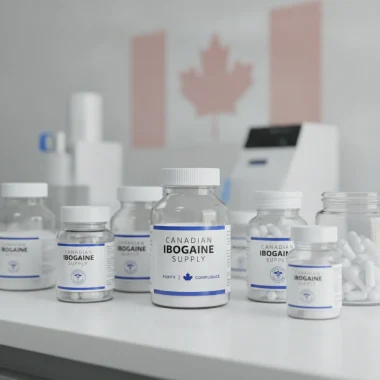
Understanding ibogaine’s journey in Canada involves delving into its therapeutic capabilities, the evolving demand, and the critical importance of informed decision-making. This guide aims to provide comprehensive insights for individuals seeking ibogaine treatment, offering clarity on what to expect, how to find reputable providers, and the legal and safety considerations involved in this transformative path to recovery.
Navigating the Landscape of Ibogaine Therapy in Canada
Understanding Ibogaine’s Potential for Healing
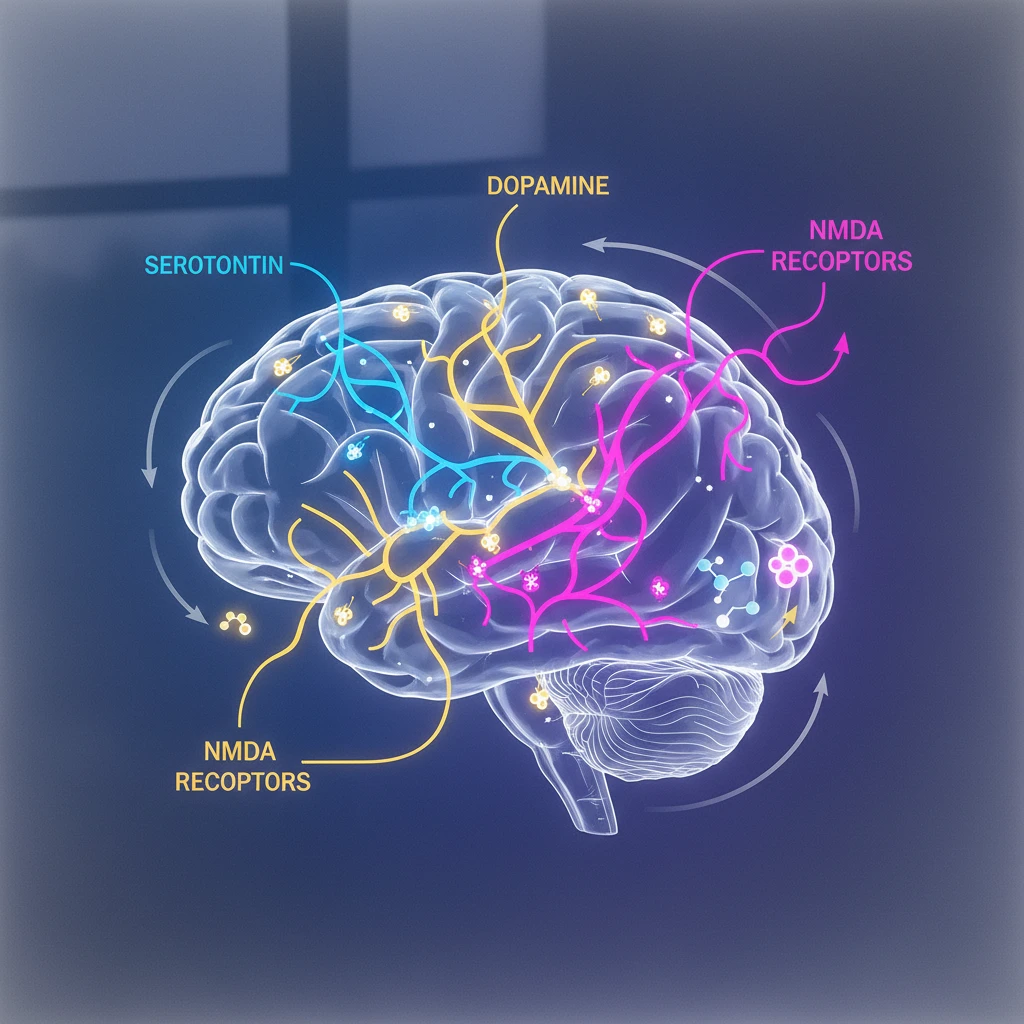
Ibogaine therapy is gaining recognition for its unique ability to interrupt addictive cycles and facilitate deep psychological healing. Unlike many traditional treatments that focus on managing withdrawal symptoms or addressing behavioral patterns, ibogaine is thought to work on a neurobiological level. It is believed to reset critical neurotransmitter systems in the brain, particularly dopamine and serotonin, which are often dysregulated in individuals with substance use disorders. This resetting can lead to a profound reduction in cravings and withdrawal symptoms, offering a crucial window for individuals to engage with deeper therapeutic work. Beyond addiction, many individuals report significant shifts in perspective, emotional processing, and a general sense of mental clarity following ibogaine experiences. Some research suggests it may also have applications for conditions like depression, PTSD, and chronic pain, as explored in discussions about psychedelics for mental health and its potential role in psychedelics for pain.
The subjective experience of ibogaine is often described as introspective and visionary, allowing individuals to confront past traumas and unresolved emotional issues in a safe, guided environment. This process is not merely about suppressing symptoms but about fostering a fundamental reorientation of one’s relationship with themselves and their challenges. The intensity of the experience can be significant, often lasting between 6 to 24 hours, during which a trained facilitator guides the individual through the process. This profound introspection is a key differentiator, aiming for long-term remission rather than short-term symptom management. The goal is to address the underlying psychological drivers that perpetuate addictive behaviors and other mental health struggles, paving the way for lasting change and a renewed sense of purpose and well-being. This comprehensive approach underscores the potential of ibogaine as a catalyst for deep personal transformation.

The Growing Demand for Ibogaine Treatment in 2026 Canada
In 2026, Canada is witnessing a significant increase in the demand for ibogaine treatment. This surge is driven by several factors, including growing dissatisfaction with conventional treatment outcomes, increased public awareness of psychedelic-assisted therapies, and a desire for more comprehensive healing modalities. As the opioid crisis continues to be a significant public health concern, families and individuals are actively seeking effective solutions, and ibogaine has emerged as a promising option for those struggling with opioid addiction, as well as other substances like alcohol, methamphetamine, and cocaine. The digital age has also played a role, with information about ibogaine’s potential spreading rapidly through online forums and communities, leading to more inquiries and a higher perceived accessibility. This heightened interest necessitates a more robust and accessible infrastructure for safe and legal ibogaine treatments across the country.
The evolving perspective on mental health and addiction is also contributing to this trend. There is a growing acceptance of the idea that addiction is a complex brain disorder influenced by genetic, environmental, and psychological factors, and that a multifaceted approach is often required. Ibogaine’s unique mechanism of action, which appears to address neurobiological imbalances and facilitate profound psychological insight, aligns with this more holistic understanding. Furthermore, successful testimonials and anecdotal evidence shared within recovery communities have bolstered confidence in ibogaine’s efficacy. This growing demand means that potential patients need to be well-informed about their options for accessing care, understanding the nuances of different treatment approaches, and the importance of thorough research when finding ibogaine treatment in Canada.
What is Ibogaine and How Does it Work for Addiction?
The Neurobiological Mechanisms of Ibogaine
Ibogaine, a naturally occurring psychoactive alkaloid derived from the *Tabernanthe iboga* plant, operates through complex neurobiological pathways to facilitate healing, particularly in the context of addiction. Its primary mechanism involves interacting with a wide array of neurotransmitter receptors in the brain, including serotonin, dopamine, glutamate, and opioid receptors. A key aspect of its action is its affinity for the NMDA receptor, which plays a crucial role in synaptic plasticity and the regulation of mood and cognition. By modulating NMDA receptor activity, ibogaine is believed to initiate neurogenesis and synaptogenesis, essentially helping to rewire neural pathways that have been altered by chronic substance abuse.
This neurochemical recalibration is thought to be responsible for ibogaine’s ability to significantly reduce cravings and withdrawal symptoms, often providing a period of respite from the intense physical and psychological grip of addiction. Furthermore, ibogaine has demonstrated effects on brain-derived neurotrophic factor (BDNF), a protein vital for neuronal growth, survival, and function. Increased BDNF levels can promote neural repair and adaptation, contributing to long-term recovery. Understanding these intricate mechanisms is fundamental to appreciating the therapeutic potential of ibogaine and forms the basis of its growing exploration in understanding ibogaine and its place in modern therapeutic interventions.
Targeting Withdrawal Symptoms and Cravings
One of the most significant benefits reported by individuals undergoing ibogaine treatment is its remarkable efficacy in mitigating the excruciating withdrawal symptoms and persistent cravings associated with addiction. Unlike conventional detoxification protocols that often involve managing discomfort with other medications, ibogaine appears to interrupt the cycle of withdrawal by directly addressing the neurochemical imbalances created by prolonged substance use. Its interaction with opioid receptors, for example, can provide a profound analgesic effect and reduce the physical distress that typically accompanies opioid withdrawal. This often allows individuals to navigate the detox phase with significantly less suffering, breaking the cycle of relapse driven by the fear of withdrawal.
Beyond the physical aspects, ibogaine’s introspective qualities play a crucial role in addressing the psychological components of cravings. By facilitating a deep exploration of the root causes of addiction, individuals gain insights into the triggers and emotional states that fuel their substance use. This heightened self-awareness, combined with the neurobiological reset, can lead to a sustained reduction in cravings. Many report a diminished desire for the substance, accompanied by a newfound sense of agency and control over their impulses. This dual action – alleviating physical discomfort while fostering psychological insight – makes ibogaine a powerful tool for initiating a lasting recovery journey, offering a distinct advantage in breaking free from the compulsive cycle of addiction.
Iboga Root vs. Ibogaine HCl: Understanding the Differences
When exploring ibogaine treatment, it’s essential to distinguish between the raw iboga root and its purified alkaloid form, ibogaine hydrochloride (HCl). The iboga root is the whole plant material, containing a complex mixture of alkaloids, with ibogaine being the most prominent. Treatments using the raw root often involve a more traditional, ceremonial approach, sometimes administered in a less controlled environment. While it contains ibogaine, the presence of other alkaloids can influence the experience and potential side effects. This whole-root form is sometimes preferred for its holistic properties, believed by some to offer a broader spectrum of therapeutic effects, akin to what one might find in authentic iboga capsules.
Ibogaine HCl, on the other hand, is a highly purified and standardized extract, containing a specific concentration of the ibogaine alkaloid. This form allows for more precise dosing and a more predictable therapeutic experience, which is critical for medical supervision and risk management. Ibogaine HCl is typically used in clinical settings where precise measurement is paramount for patient safety. The purification process removes many of the other alkaloids present in the root, potentially reducing some of the unpredictable side effects and cardiovascular risks associated with the whole plant. This distinction is vital for both patients and practitioners in understanding the substance being administered and the potential implications for treatment protocols.
Is Ibogaine Treatment Safe and Legal in Canada?
Current Legal Status of Ibogaine in Canada for Therapeutic Use
In Canada, the legal status of ibogaine for therapeutic use remains complex and largely restricted. While not explicitly scheduled as a controlled substance in the same way as many other psychedelics, ibogaine is generally considered a prohibited substance under Canada’s Food and Drugs Act, meaning it cannot be legally manufactured, imported, or sold for medical purposes without specific authorization. However, there are pathways for exceptional access. Health Canada can grant exemptions for individuals to import or possess controlled substances, including ibogaine, for medical treatment under Section 56 of the Controlled Drugs and Substances Act. This requires a physician to apply for an exemption on behalf of the patient, demonstrating that conventional treatments have failed and that the proposed use is necessary and safe under medical supervision.
Despite these exceptions, obtaining such an exemption can be a lengthy and challenging process. This legal ambiguity has led to a situation where many Canadians seeking ibogaine treatment travel abroad to countries where it is more readily available in regulated clinics. Alternatively, some individuals may explore less conventional or underground sources, which carry significant risks related to product purity, dosage, and the absence of medical oversight. The push for decriminalization and regulated access to psychedelics for mental health is ongoing, and while progress is being made in some jurisdictions, the landscape for ibogaine therapy in Canada is still evolving. It is crucial for individuals to understand these legal nuances and to prioritize safe, authorized avenues whenever possible, as explored in resources about understanding ibogaine treatment options.
Understanding the Risks and Contraindications
Ibogaine is a potent psychoactive substance with significant potential for adverse effects, making a thorough understanding of its risks and contraindications paramount. The most serious risk is cardiac toxicity, including the potential for QTc prolongation and arrhythmias, which can be life-threatening. This risk is heightened in individuals with pre-existing heart conditions or those taking certain medications that can affect cardiac function. Therefore, comprehensive cardiovascular screening, including an electrocardiogram (ECG), is an absolute necessity before considering ibogaine treatment. It is also crucial to avoid other substances that can interact negatively with ibogaine, such as opioids, alcohol, and certain antidepressants, during the treatment period and for a significant time before and after.
Other potential risks include neurological effects such as tremors, ataxia, and, in rare cases, seizures. Psychological risks can include temporary anxiety, paranoia, or dissociation during the experience, which can be managed with proper support. Contraindications extend beyond cardiac issues to include severe psychiatric disorders like schizophrenia or bipolar disorder, unless managed by a specialist. Furthermore, individuals with liver or kidney impairments may metabolize ibogaine differently, increasing the risk of prolonged and intense effects. Anyone considering ibogaine treatment must undergo a detailed medical and psychological evaluation by experienced professionals to identify any contraindications and ensure their safety throughout the process. This rigorous assessment is a non-negotiable step for responsible treatment.
The Importance of Professional Medical Supervision
Given the potent nature of ibogaine and the associated risks, professional medical supervision is not merely recommended; it is an absolute necessity for safe and effective treatment. This supervision begins long before the administration of ibogaine, with a thorough medical and psychological assessment. This includes detailed history taking, physical examinations, and a battery of tests, particularly cardiac evaluations (ECG, Holter monitor if indicated), to identify any potential contraindications. A qualified medical team can assess an individual’s overall health, identify potential drug interactions, and develop a personalized treatment plan that minimizes risks.
During the ibogaine experience itself, continuous medical monitoring is critical. This involves observing vital signs, including heart rate, blood pressure, and oxygen saturation, as well as being prepared to manage any adverse reactions promptly. Experienced medical professionals trained in psychedelic-assisted therapy and emergency response are essential for ensuring patient safety. Post-treatment care is also a vital component, involving psychological support, integration therapy, and ongoing medical follow-up to support sustained recovery and address any lingering physical or emotional needs. This holistic approach, guided by medical expertise, transforms a potentially dangerous experience into a controlled and therapeutic journey toward healing and wellness.
Finding an Expert Ibogaine Clinic in Canada
Key Criteria for Selecting a Reputable Ibogaine Clinic
Choosing a reputable ibogaine clinic in Canada is a critical decision that requires careful consideration of several key factors. Foremost is the **medical safety protocols**. A reputable clinic will have comprehensive pre-screening procedures, including thorough medical evaluations with a strong emphasis on cardiac health, and will conduct on-site medical monitoring throughout the treatment. This includes having trained medical staff present and equipped to handle emergencies. Another vital criterion is the **experience and training of the treatment providers**. Look for clinics staffed by physicians, nurses, and therapists who have extensive experience with ibogaine therapy, addiction treatment, and psychedelic-assisted therapies. Their understanding of the neurobiology and psychological aspects of ibogaine is crucial.
The **treatment environment and support services** are also paramount. A safe, comfortable, and therapeutic setting can significantly impact the patient’s experience and recovery. This includes understanding the clinic’s approach to therapy and integration, ensuring they offer comprehensive psychological support before, during, and after the ibogaine session. Investigating the clinic’s **legal compliance and licensing** is essential; while ibogaine access can be complex, a legitimate clinic will operate within the bounds of Canadian regulations, potentially utilizing Health Canada exemptions where applicable. Finally, transparency regarding **costs, treatment protocols, and expected outcomes** is a hallmark of a trustworthy provider. Do not hesitate to ask detailed questions and seek references or testimonials, though always verify their authenticity. Exploring options on resources like understanding ibogaine treatment options can provide a starting point for this research.
What to Expect During an Ibogaine Treatment Program
An ibogaine treatment program is a multi-stage process designed to maximize safety and therapeutic benefit. It typically begins with an **intensive intake and screening phase**. This involves detailed medical history, psychological assessments, and extensive laboratory tests, including ECGs, to ensure the individual is a suitable candidate and to establish a baseline for monitoring. This phase is crucial for identifying any contraindications and tailoring the treatment plan to the individual’s specific needs. Following successful screening, the program moves into the **preparation phase**, where patients engage in individual or group therapy sessions. These sessions help prepare them mentally and emotionally for the ibogaine experience, setting intentions, and addressing any anxieties.
The core of the program is the **ibogaine administration and experience**. This takes place in a safe, controlled environment under constant medical supervision. The ibogaine is administered orally, often in capsules or liquid form, with dosages carefully calibrated based on the patient’s weight and medical status. The subjective experience can vary widely but typically involves intense introspection, vivid visions, and emotional release, often lasting between 6 to 24 hours. During this period, trained facilitators provide comfort, guidance, and support. The post-ibogaine phase, known as **integration**, is equally vital. This involves continued psychological support, therapy sessions, and group discussions aimed at processing the insights gained during the ibogaine experience and developing strategies for maintaining sobriety and well-being moving forward. This comprehensive approach ensures that the transformative potential of ibogaine is effectively translated into lasting recovery.
Assessing the Experience and Training of Treatment Providers
When evaluating an ibogaine clinic, the experience and training of the treatment providers are paramount to ensuring a safe and effective therapeutic journey. Look for clinicians who possess a combination of medical expertise and specialized knowledge in psychedelic-assisted therapies. This includes physicians (especially those with backgrounds in addiction medicine, psychiatry, or emergency medicine) who are skilled in cardiac monitoring and managing acute medical events. Registered nurses with experience in critical care or addiction services are also vital for continuous patient observation and care. Therapists and counselors should have a deep understanding of addiction, trauma, and the psychological processes involved in psychedelic-assisted healing, with specific training in facilitating integration sessions.
Beyond formal qualifications, inquire about the **specific training and certifications** the providers have in administering ibogaine or other psychedelic medicines. Many reputable practitioners engage in ongoing professional development and may be affiliated with professional organizations dedicated to psychedelic research and therapy. It is also important to assess their **approach to patient care**, looking for providers who demonstrate empathy, respect, and a commitment to evidence-based practices. Do they prioritize informed consent and actively involve the patient in their treatment plan? A clinic that openly shares the credentials and backgrounds of its team, and is transparent about its protocols, offers a strong indicator of professionalism and dedication to client well-being. Consider seeking out providers who have experience with diverse populations and a nuanced understanding of the challenges individuals face on their path to recovery.
The Ibogaine Treatment Process: A Step-by-Step Guide
Embarking on ibogaine treatment in Canada involves a structured process designed to maximize safety and therapeutic benefit. The journey typically begins long before the actual administration of ibogaine. Thorough pre-treatment screening is paramount. This stage involves in-depth medical and psychological evaluations to identify any contraindications, such as cardiovascular issues or certain psychiatric conditions, that could pose risks. A comprehensive understanding of your medical history, including past surgeries, medications, and substance use patterns, is crucial for a qualified practitioner to tailor the treatment plan. This meticulous preparation ensures that the therapy is as safe and effective as possible for your unique situation. It’s also important to discuss your expectations and any concerns you may have with your treatment provider during this phase, fostering an open and trusting relationship.
The ibogaine session itself is a profound experience, often lasting between 18 to 36 hours, though this can vary. During this period, individuals are closely monitored by trained medical professionals. The psychoactive effects are significant, characterized by intense introspective visions, dream-like states, and a powerful confrontation with one’s past and the root causes of addiction or mental health challenges. Many describe it as an accelerated form of therapy, offering deep insights and a reset of brain chemistry. The physical effects can include nausea, coordination difficulties, and changes in heart rate and blood pressure, all of which are managed by the attending medical team. The goal is to navigate this intense period safely, allowing for maximum psychological processing and release. Understanding that this is a **highly intensive, transformative experience** is vital for mental preparation.
Following the acute ibogaine session, the post-treatment phase is critical for integrating the insights gained and sustaining the benefits. This typically involves several days of rest, gentle detoxification, and initial integration sessions with therapists or guides. The focus shifts to understanding the profound revelations experienced during the ibogaine journey and developing strategies for maintaining sobriety or improving mental well-being. This period may include group or individual therapy, mindfulness exercises, and the development of a personalized aftercare plan. Long-term support is often recommended, which can include ongoing therapy, support groups, and lifestyle adjustments. Connecting with resources that provide comprehensive aftercare is an essential step to ensure lasting positive change, especially when seeking to build on the foundational work initiated by the ibogaine experience. You can explore options for finding professional support at ibogaine treatment centres in Canada.
Beyond Addiction: Ibogaine for Mental Health and Wellness
While widely recognized for its potential in treating substance addiction, the therapeutic applications of ibogaine extend significantly into the realm of mental health and overall wellness. Its unique mechanism, interacting with various neurotransmitter systems, suggests a broad impact on the brain’s emotional and cognitive centres. This has opened avenues for exploring ibogaine as a catalyst for healing from conditions beyond addiction, offering a novel approach where traditional therapies may have limitations. The profound introspective nature of the ibogaine experience can facilitate a deeper understanding of oneself, leading to significant personal growth and improved emotional regulation. This exploration into non-addiction-related uses is a rapidly evolving field, driven by anecdotal evidence and emerging scientific research.
One of the most promising areas of research is ibogaine’s potential in treating mood disorders like depression and conditions such as Post-Traumatic Stress Disorder (PTSD). For individuals suffering from chronic depression, ibogaine may offer a rapid antidepressant effect, unlike traditional medications that can take weeks to show results and often come with side effects. Its ability to facilitate neural plasticity and encourage the formation of new neural pathways is thought to be a key factor. Similarly, for PTSD, the drug’s capacity to help individuals process traumatic memories in a safe, contained environment can be transformative. By allowing for a confrontation and integration of past traumas, ibogaine may help to dismantle the debilitating effects of PTSD, offering a pathway to emotional healing and resilience. Exploring such applications is a critical part of understanding the full scope of psychedelic potential, as discussed in resources on psychedelics for mental health.
The impact of ibogaine on trauma, particularly complex trauma, is another significant area of interest. Traumatic experiences can deeply embed themselves in the psyche, leading to persistent emotional and psychological distress. Ibogaine’s capacity to access subconscious material and allow for a narrative restructuring of traumatic events is believed to be a powerful therapeutic mechanism. It can enable individuals to revisit painful memories from a place of detachment and insight, rather than re-experiencing the original terror. This process facilitates emotional processing and can lead to a profound sense of release and healing from the burden of past trauma. The journey often involves confronting core beliefs and emotional patterns that were formed as a result of the trauma, offering a unique opportunity for deep-seated change.
Preparing for Your Ibogaine Journey: Essential Considerations
To ensure the most beneficial and safest ibogaine treatment experience in Canada, thorough preparation is absolutely essential. This preparation begins with significant attention to dietary and lifestyle adjustments in the weeks leading up to the treatment. A clean diet, free from processed foods, alcohol, and recreational drugs, helps to clear the body and prepare it for the intense experience. Many clinics recommend specific dietary guidelines, such as avoiding caffeine, red meat, and foods high in saturated fats. Hydration is also key, so increasing water intake is advised. Engaging in gentle physical activity, like walking or yoga, can also be beneficial. These lifestyle changes are not merely physical; they contribute to mental readiness, helping to create a state of balance and receptivity for the profound work ahead.
Mental preparation is just as crucial as the physical aspects. This involves setting clear intentions for what you hope to achieve through ibogaine treatment. Reflecting on the specific issues you wish to address – whether it’s addiction, mental health challenges, or personal growth – helps to focus the experience. Journaling about your past, your struggles, and your aspirations can be a powerful tool in this process. It’s also important to approach the experience with an attitude of surrender and acceptance, understanding that ibogaine often brings forth whatever needs to be seen and processed. Cultivating a sense of curiosity and openness, rather than fear, can greatly enhance the therapeutic outcomes. Consider this a unique opportunity for self-discovery, akin to exploring uncharted territories within yourself, and it can be profoundly rewarding to explore the deeper facets of iboga’s benefits.
Packing for your ibogaine treatment stay requires careful consideration to ensure comfort and preparedness. While treatment centres typically provide most necessities, bringing a few personal items can significantly enhance your stay. Comfortable, loose-fitting clothing is essential, as you’ll want ease of movement and no restriction. Pack several changes of soft, breathable fabrics. Include warm layers, as body temperature can fluctuate. Don’t forget comfortable slippers or socks for indoor wear. Personal hygiene items are also important, though often basic supplies are available. Consider bringing a journal and pen to record your thoughts and insights during and after the sessions. A comfortable eye mask and earplugs can be helpful for managing sensory input during the experience. Finally, any specific comfort items, like a favorite book or a small, comforting personal token, can provide a sense of grounding.
The Role of Iboga Capsules and Ibogaine Powder in Treatment
Understanding the various forms of ibogaine available for therapeutic use is crucial for informed decision-making in Canada. Iboga capsules and ibogaine powder are two primary methods of administration, each with distinct characteristics regarding dosage and potency. Ibogaine is derived from the root bark of the *Tabernanthe iboga* plant, and the concentration of ibogaine alkaloids can vary. Capsules offer a convenient and often standardized way to consume ibogaine, typically containing a specific milligram amount of the alkaloid. Ibogaine powder, on the other hand, might require more precise measurement and is often used in clinical settings where exact dosing is paramount. Both forms aim to deliver the psychoactive and therapeutic compounds effectively, but knowledge of their specific properties is vital for safe usage.
Determining the correct dosage is one of the most critical aspects of ibogaine treatment. Dosage is highly individualized and depends on factors such as the individual’s body weight, tolerance, the specific condition being treated (e.g., addiction to opioids versus stimulants), and the intended experience. A typical ibogaine dose for addiction interruption can range from 10 to 25 milligrams per kilogram of body weight. Microdosing, often with iboga capsules, involves much smaller, sub-perceptual doses intended for daily wellness and mood enhancement, distinct from the flood dose used for addiction interruption. Understanding dosage and potency is paramount; insufficient doses may yield minimal results, while excessive doses can increase risks. For detailed information on the science behind ibogaine, consult resources like understanding ibogaine.
Safely sourcing ibogaine products in Canada requires diligence and awareness. Given the substance’s potent nature and legal considerations, it is essential to obtain products from reputable and trusted sources. This often involves seeking out specialized clinics or suppliers that prioritize quality control, product purity, and ethical sourcing. Buying from unregulated online vendors or individuals can be extremely risky, potentially leading to the acquisition of impure or mislabeled products, which can have severe health consequences. For those seeking ibogaine for therapeutic purposes, focusing on legitimate channels ensures that you receive authentic and potent ibogaine, whether in capsule form or as powder. Remember that the journey of healing is best supported by reliable and safe resources, such as those offering authentic iboga capsules.
Integrating Ibogaine Therapy with Other Wellness Modalities
While ibogaine therapy is a powerful tool for addressing deep-seated issues like addiction and trauma, its effectiveness can be significantly amplified when integrated with a holistic approach to wellness. Combining ibogaine’s profound introspective and neurochemical effects with other therapeutic and lifestyle practices can create a more comprehensive and sustainable path to healing. This integration acknowledges that lasting change often requires addressing the mind, body, and spirit in tandem. For instance, pre-treatment preparation can involve mindfulness exercises to enhance receptivity, while post-treatment support can leverage various modalities to solidify gains and build resilience. The goal is not to replace ibogaine’s unique impact but to build upon it, fostering a robust framework for long-term well-being. Careful consideration must be given to timing and compatibility to ensure these complementary practices support, rather than interfere with, the ibogaine experience and its subsequent integration.
Synergies with Psychotherapy and Counselling
The insights gained during an ibogaine experience, often described as confronting core issues and past traumas, can be immensely beneficial when processed through psychotherapy and counselling. Therapy provides a structured environment to explore these revelations, unpack emotional blockages, and develop coping mechanisms. Psychotherapies such as Cognitive Behavioral Therapy (CBT) or Dialectical Behavior Therapy (DBT) can be particularly useful in reframing negative thought patterns and developing emotional regulation skills that are often brought to the surface by ibogaine. Trauma-informed therapy is crucial, as ibogaine can unearth deeply buried traumatic memories. Working with a therapist experienced in psychedelic integration can help individuals navigate these intense emotions safely and productively, translating the ibogaine journey into tangible, lasting psychological shifts. This partnership between the acute effects of ibogaine and ongoing therapeutic support is vital for preventing relapse and fostering profound personal growth, offering a deeper understanding of one’s own journey beyond addiction, towards wellness.
Complementary Practices for Enhanced Recovery
Beyond formal psychotherapy, several complementary practices can significantly enhance the recovery process following ibogaine treatment. Practices like mindfulness meditation and yoga can help to ground individuals, reduce anxiety, and improve interoceptive awareness – the ability to sense the internal state of one’s body. These techniques are invaluable for managing post-treatment physical and emotional fluctuations. Nutritional support plays a critical role, as the body needs to heal and rebalance after ibogaine. A diet rich in whole foods, coupled with appropriate supplements, can aid in neurological repair and overall vitality. Acupuncture and massage therapy can also address physical tension and promote relaxation, further supporting the body’s healing journey. Engaging in creative arts, journaling, or spending time in nature can provide non-verbal outlets for processing emotions and fostering a deeper connection with oneself, complementing the profound introspection often experienced with psychedelics for mental health: ibogaine’s edge.
Building a Sustainable Wellness Routine Post-Treatment
The true measure of ibogaine therapy’s success lies in its long-term impact, which is heavily dependent on establishing and maintaining a sustainable wellness routine. This routine should be personalized, drawing from the insights and experiences gained during and after treatment. It’s essential to identify triggers and develop proactive strategies for managing stress and cravings. Regular engagement in physical activity, whether it’s walking, running, or other forms of exercise, is fundamental for both physical and mental health. Cultivating strong social support networks, including connecting with peers in recovery or supportive friends and family, provides an essential buffer against isolation. Continued learning and self-exploration, perhaps through engaging with resources on authentic iboga capsules or exploring other wellness transformations, can keep the journey of growth vibrant and ongoing. This disciplined, yet flexible, approach ensures that the profound shifts initiated by ibogaine are nurtured and sustained over time.
Making an Informed Decision: Cost and Accessibility in Canada
Embarking on ibogaine therapy in Canada involves significant considerations regarding its financial investment and accessibility. Unlike conventional treatments, ibogaine therapy is typically sought through specialized clinics or experienced practitioners, and the costs can vary widely based on the facility, the duration of the treatment, the specific protocols used, and the level of support provided. It’s crucial for individuals to approach this decision with a clear understanding of the financial commitment involved, as well as the various factors that contribute to the overall expense. This includes not only the direct treatment fees but also potential travel, accommodation, and post-treatment integration support. Thorough research into available options across Canada is essential to find a provider that offers both effective care and transparent pricing, ensuring individuals can make an informed choice about their healing journey. Understanding these aspects is a critical step before commencing any treatment pathway, especially when exploring ibogaine treatment in Canada.
Understanding the Financial Investment in Ibogaine Therapy
The financial investment for ibogaine therapy in Canada can be substantial, reflecting the specialized nature of the treatment, the required medical oversight, and the intensive support provided. Costs often encompass pre-treatment assessments, the ibogaine administration session itself under medical supervision, and post-treatment care, which may include detoxification, nutritional support, and psychological integration sessions. Pricing structures can differ significantly between clinics; some may offer all-inclusive packages, while others might itemize services. For example, a comprehensive ibogaine treatment program might range from CAD $5,000 to upwards of $15,000 or more, depending on the factors mentioned. Understanding what is included in the quoted price is paramount to avoid unexpected expenses. This typically involves screening, medical staff, the ibogaine substance, accommodation, and basic aftercare. It is vital to inquire about the qualifications of the medical professionals involved, as this also impacts the cost and safety of the treatment.
Exploring Potential Funding Options and Support
While ibogaine therapy is not typically covered by standard provincial health insurance plans in Canada, individuals seeking this treatment may explore alternative funding avenues. Some private insurance policies might offer partial coverage for certain aspects of addiction treatment or mental health services, though specific coverage for ibogaine is rare. Personal savings, loans from financial institutions, or family support are common methods. There are also non-profit organizations and foundations that advocate for psychedelic-assisted therapies and may offer resources or guidance on financing. Additionally, some clinics may offer payment plans or financing options directly. Exploring hardship funds or patient assistance programs offered by specific treatment centres could also be a viable path for those facing financial constraints. While direct public funding is limited, a proactive approach to exploring all potential financial avenues can make ibogaine therapy more accessible.
What to Look for in a Transparent Pricing Structure
When evaluating the cost of ibogaine therapy, transparency in the pricing structure is a critical indicator of a reputable provider. A clear breakdown of all associated fees should be readily available and easy to understand. This includes costs for initial consultations and assessments, the ibogaine substance itself, medical staffing and monitoring, accommodation, meals, and all post-treatment support services, such as integration therapy and follow-up care. Be wary of clinics that offer vague pricing or are reluctant to provide detailed information. It is advisable to request a comprehensive treatment contract that outlines all services and their respective costs. Understanding potential additional fees for unforeseen circumstances or extended care is also important. A trustworthy provider will be open about their pricing and willing to answer all your questions regarding the financial aspects of your treatment. For those considering ibogaine treatment, a clear financial path is as important as a clear therapeutic one.
Establishing a comprehensive wellness framework that includes therapeutic support, complementary practices, and a sustainable lifestyle is key to maximizing the benefits of ibogaine therapy and fostering lasting recovery and well-being.