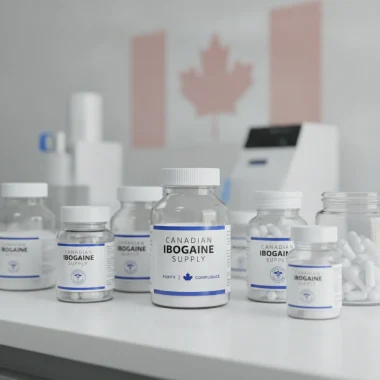
The quest for holistic wellness and effective solutions to persistent challenges like addiction is leading many Canadians to explore novel therapeutic avenues. Among these, psychedelic-assisted therapies are gaining significant attention, offering a new paradigm for healing. Within this burgeoning field, ibogaine stands out for its unique properties and potential to address deep-seated issues.
As we navigate the evolving landscape of mental health and addiction treatment in Canada, understanding the science, risks, and benefits of substances like ibogaine is paramount. This exploration aims to provide a comprehensive overview for those seeking informed pathways to recovery and enhanced well-being.
Unlocking New Paths to Healing: The Emerging Landscape of Psychedelic Wellness in Canada
Canada is witnessing a profound shift in how mental health and addiction are approached, with psychedelic-assisted therapies emerging as a significant frontier. This evolution is driven by growing scientific evidence and a societal embrace of alternative healing modalities that look beyond conventional pharmaceutical interventions. The focus is shifting towards understanding the root causes of suffering and employing treatments that facilitate profound personal transformation. Psychedelic wellness in Canada is not just about experiencing altered states; it’s about leveraging these states for therapeutic breakthroughs. This emerging field offers hope for individuals struggling with conditions that have proven resistant to traditional methods, including chronic pain and various forms of addiction. Many are discovering that psychedelics for mental health can offer a unique edge in achieving lasting relief and improved quality of life. As research expands and regulatory frameworks begin to adapt, Canadians are increasingly seeking safe and effective ways to integrate these powerful tools into their wellness journeys.

The Canadian context for psychedelic wellness is characterized by a nuanced approach. While the general public may associate psychedelics with recreational use, the therapeutic applications are grounded in rigorous research and clinical application. This includes exploring substances like psilocybin for depression and PTSD, and critically, ibogaine for its potent effects on addiction. The journey towards embracing these therapies involves careful consideration of legalities, ethical practices, and the importance of professional guidance. For those seeking to find their ibogaine treatment in Canada, the landscape is developing, with a growing number of practitioners and facilities dedicated to safe and supportive care. This emerging field promises to unlock new paths to healing, offering a comprehensive approach that addresses both the symptoms and underlying causes of various health challenges.
Understanding Ibogaine: A Deep Dive into its Origins and Mechanisms
Ibogaine is a naturally occurring psychoactive compound derived from the root bark of the iboga tree (Tabernanthe iboga), indigenous to Central Africa. Historically, it has been used in traditional Bwiti spiritual ceremonies for divination, healing, and rites of passage, offering profound insights and spiritual connections. Its introduction to Western medicine began in the mid-20th century, primarily driven by its remarkable potential in treating substance use disorders. The psychoactive properties of ibogaine are complex, acting on multiple neurotransmitter systems in the brain, most notably serotonin, dopamine, and NMDA receptors. This broad pharmacological action is believed to contribute to its unique therapeutic effects, particularly its ability to interrupt addiction cycles.
The primary mechanism by which ibogaine is thought to combat addiction is through its interaction with opioid, nicotine, and alcohol receptors, helping to alleviate withdrawal symptoms and disrupt cravings. Beyond receptor modulation, ibogaine is also known for its profound introspection-inducing effects. During a session, individuals often experience vivid visual and auditory hallucinations, coupled with deep psychological insights into the origins of their addictive behaviors and traumas. This neurobiological and psychological reset is a cornerstone of ibogaine therapy. Researchers are actively investigating its role in neurogenesis and neuroplasticity, suggesting it may help to repair the brain circuits damaged by chronic substance abuse. Understanding these intricate mechanisms is crucial for appreciating the therapeutic potential and the necessary precautions when considering ibogaine treatment.

While ibogaine’s potential in addiction treatment is significant, it’s vital to acknowledge its powerful nature. The experience can be intense and requires a controlled environment with skilled facilitators. Unlike many conventional treatments, ibogaine often provides a single-dose intervention that can lead to substantial reductions in cravings and withdrawal symptoms, sometimes allowing individuals to abstain from substances for extended periods or permanently. This is often discussed in the context of iboga’s role in addiction recovery science, which highlights its unique ability to interrupt the neurochemical feedback loops that sustain addiction. The multifaceted action of ibogaine, encompassing receptor interaction, neurochemical restoration, and deep psychological exploration, sets it apart as a potentially transformative therapeutic agent.
Ibogaine’s Potential in Addiction Treatment: What the Science Suggests for Canadians
The scientific literature increasingly points to ibogaine as a promising, albeit complex, treatment for a range of substance use disorders, particularly opioid and stimulant addictions. Studies suggest that ibogaine can significantly reduce withdrawal symptoms and cravings, often allowing individuals to cease or drastically reduce their use of addictive substances. This effect is attributed to ibogaine’s ability to interact with various neurotransmitter systems, including dopaminergic and serotonergic pathways, and its potential to promote neuroplasticity and neurogenesis, effectively “resetting” brain circuits affected by long-term substance abuse. For Canadians grappling with addiction, this represents a significant new avenue for healing. The scientific community is actively exploring how to harness these effects safely and effectively, leading to a growing interest in ibogaine treatment in Canada.
Clinical research, though still evolving, indicates that ibogaine therapy can offer prolonged periods of abstinence and reduced relapse rates compared to some traditional methods. A key advantage cited in studies is ibogaine’s capacity to address the underlying psychological and emotional factors that contribute to addiction, not just the physical dependence. This is often achieved through the profound introspective and dissociative states experienced during treatment, which can facilitate the processing of traumatic memories and core beliefs that fuel addictive behaviours. For instance, hypothetical cases have shown individuals achieving sustained sobriety after a single ibogaine experience, reporting a profound shift in their perspective and relationship with substances. This aligns with the growing understanding of ibogaine’s role in psychedelic healing, emphasizing its potential to facilitate deep personal transformation.
However, it is crucial to underscore that ibogaine is not a panacea and carries significant risks, primarily cardiovascular. Its use requires meticulous screening for pre-existing heart conditions, as it can prolong the QTc interval, potentially leading to dangerous arrhythmias. Therefore, medical supervision and careful detoxification protocols are paramount. The scientific community continues to work on refining administration protocols, dosage, and post-treatment support to maximize efficacy and minimize harm. For Canadians considering ibogaine, consulting with experienced professionals and understanding the comprehensive risks and benefits, as detailed in resources on ibogaine treatment and understanding your options, is an essential first step toward a potentially life-altering healing journey.
Navigating Ibogaine Therapy in Canada: Key Considerations for Safe and Effective Treatment
Embarking on ibogaine therapy in Canada requires careful planning and a thorough understanding of the essential considerations to ensure safety and maximize effectiveness. The potency of ibogaine necessitates a structured and medically supervised approach. Prospective patients must undergo comprehensive pre-treatment assessments, including detailed medical history reviews, physical examinations, and crucial cardiac evaluations such as an electrocardiogram (ECG). This is critical to identify any contraindications, particularly cardiovascular issues like arrhythmias or long QT syndrome, which can be exacerbated by ibogaine. Rigorous screening is the first and most vital step in a responsible ibogaine treatment protocol. Furthermore, an assessment of mental health history is important to prepare for the potentially intense psychological experiences that can arise during therapy.
Choosing the right treatment setting and provider is paramount. While ibogaine therapy is not yet widely approved by mainstream Canadian medical institutions, a growing network of specialized clinics and experienced practitioners operate, adhering to international best practices. These facilities typically offer controlled environments where individuals receive careful monitoring by trained medical staff throughout the experience. The therapeutic process often involves preparation sessions before administration, the ibogaine experience itself, and extensive integration support post-treatment. Integration is crucial for helping individuals process the insights gained and develop strategies for sustained recovery. For those seeking such specialized care, exploring options for ibogaine treatment in Canada with reputable and experienced professionals is strongly advised. This includes understanding the legal status and availability of ibogaine within the country, which can vary and may necessitate seeking treatment in jurisdictions where it is more readily accessible under supervised conditions.
Beyond medical and clinical considerations, practical aspects such as the financial investment, time commitment, and the importance of a strong support system cannot be overlooked. Treatment can be intensive, often requiring several days for the acute experience and subsequent weeks for integration. Researching and verifying the credentials and experience of practitioners is essential. It is also important to be aware of the ethical considerations surrounding psychedelic therapy and to ensure that any chosen provider operates with integrity and prioritizes patient well-being. Accessing resources and information, such as those available for iboga capsules and their role in wellness transformation, can offer supplementary support, but should not replace professional medical guidance for ibogaine therapy. The decision to pursue ibogaine therapy is significant and should be made with informed consent and a clear understanding of the entire treatment journey, from initial assessment to long-term recovery support.
Finding Reputable Ibogaine Treatment Centres Across Canada
Navigating the landscape of psychedelic-assisted therapy requires careful consideration, especially when seeking ibogaine treatment. In Canada, several factors distinguish reputable clinics from less trustworthy options. The first crucial step is verifying the credentials and experience of the medical professionals involved. Look for centres staffed by licensed physicians, experienced therapists, and trained psychedelic facilitators. Many effective programs emphasize a multidisciplinary approach, integrating medical supervision with psychological support before, during, and after the ibogaine experience. Don’t hesitate to ask about their protocols for patient screening, dosage administration, and emergency preparedness; a thorough screening process is vital for safety, identifying potential contraindications such as cardiovascular issues.
The facility itself should also meet high standards. Reputable centres prioritize a safe, comfortable, and tranquil environment conducive to healing. This includes well-maintained facilities, private recovery spaces, and access to necessary medical equipment. Beyond physical infrastructure, the centre’s approach to aftercare is a significant indicator of quality. Effective ibogaine programs don’t end with the primary session; they incorporate robust post-treatment support, which may include integration therapy, follow-up medical check-ins, and resources for ongoing recovery and mental wellness. Thorough research is paramount; exploring detailed reviews, testimonials, and seeking recommendations from trusted sources can provide invaluable insights into a centre’s effectiveness and ethical practices. Consider asking for references from previous clients, if possible and appropriate, to gain firsthand perspectives on their healing journeys. For those seeking to understand their options further, exploring resources like expert guidance on ibogaine treatment in Canada can be a starting point for identifying key considerations.
Decision criteria should extend to the centre’s transparency regarding costs, treatment plans, and expected outcomes. Be wary of centres that make unrealistic promises or offer “all-inclusive” packages without detailed breakdowns. A reputable ibogaine clinic will provide a clear, itemized list of services and associated fees. Furthermore, inquire about their approach to harm reduction and ethical sourcing of ibogaine. The legality and safety of the substance itself are non-negotiable. A comprehensive screening process, including medical history review and potentially cardiac assessments, is a non-negotiable aspect of a responsible ibogaine treatment protocol. For example, a well-regarded clinic might have a multi-day intake process involving detailed questionnaires, physician consultations, and ECG monitoring before administration. Conversely, clinics that rush the intake or downplay pre-existing health conditions should be avoided. Remember, the goal is profound healing, and choosing the right centre is an investment in your well-being and long-term recovery.
Beyond Addiction: Exploring Ibogaine’s Broader Wellness Applications
While ibogaine is widely recognized for its profound impact on treating addiction, its potential benefits extend into a wider spectrum of mental and emotional wellness. For individuals grappling with persistent depression, anxiety, or trauma, ibogaine offers a unique pathway to profound introspection and emotional release. The intense introspective experience facilitated by ibogaine can help individuals confront and process deeply buried emotional blockages, leading to significant shifts in perspective and emotional regulation. Unlike conventional treatments that often involve long-term medication and therapy with incremental progress, ibogaine can catalyze rapid and substantial improvements in mental health symptoms for some individuals. This is often attributed to its unique pharmacological action, which can reset neurotransmitter systems and create a fertile ground for psychological healing.
The potential of ibogaine in addressing existential distress and enhancing self-awareness is also gaining recognition. Many users report a profound sense of connection to themselves and the world around them following an ibogaine experience, often accompanied by a renewed sense of purpose and meaning. This can be particularly beneficial for those feeling spiritually disconnected or lost. The ability of ibogaine to disrupt rigid thought patterns and negative self-talk can be instrumental in overcoming limiting beliefs and fostering a more positive self-image. Furthermore, research is exploring ibogaine’s role in enhancing creativity and cognitive flexibility, suggesting applications beyond therapeutic interventions for specific conditions. Those seeking to understand psychedelics’ broader impact on mental health might find psychedelics’ edge in mental health to be an informative read.
Another area of emerging interest is ibogaine’s potential for alleviating chronic pain. While often treated with opioids, which carry significant risks of dependence, ibogaine’s properties suggest a novel approach to pain management. Studies are investigating its analgesic effects and its capacity to interrupt pain signaling pathways, potentially offering relief without the addictive side effects. For individuals suffering from conditions like fibromyalgia or chronic back pain, this could represent a life-changing therapeutic avenue. The exploration of these broader applications underscores ibogaine’s complex pharmacology and its potential to support holistic healing, addressing not just symptoms but underlying psychological and neurological patterns. For instance, individuals reporting relief from chronic pain conditions after ibogaine therapy often describe a simultaneous reduction in anxiety and an improvement in mood, highlighting its multifaceted impact. The potential for enhancing overall life satisfaction and well-being through these diverse applications continues to drive research and clinical interest, positioning ibogaine as a substance with far-reaching therapeutic possibilities.
The Legal and Ethical Framework of Ibogaine Use in Canada (2026 Update)
As of 2026, the legal status of ibogaine in Canada remains nuanced, primarily classified as a Schedule III controlled substance under the Controlled Drugs and Substances Act. This classification means that its possession, production, and distribution are generally illegal without explicit authorization. However, exceptions exist for approved medical or scientific research purposes, which are strictly regulated by Health Canada. Obtaining such authorization typically involves rigorous application processes, demonstrating clear therapeutic or research objectives and adherence to stringent safety protocols. While clinical trials investigating ibogaine’s efficacy for addiction and other conditions may be permitted under specific exemptions, widespread recreational or non-prescription therapeutic use is not legally sanctioned across the country.
Ethical considerations surrounding ibogaine use are paramount, especially given its powerful psychoactive properties and potential risks. Reputable treatment providers prioritize informed consent, ensuring that individuals fully understand the potential benefits, risks, and legal implications before undergoing treatment. This includes comprehensive medical and psychological screening to identify contraindications and tailor treatment plans accordingly. The ethical framework also emphasizes the importance of trained professionals overseeing the entire process, from preparation and administration to integration and aftercare. The potential for exploitation or misuse necessitates a vigilant approach, with a strong focus on patient safety and well-being. Many organizations advocate for greater research access and potential decriminalization or medical legalization for specific indications, aiming to create a safer and more regulated environment for those who could benefit. For those seeking to navigate these complexities, understanding ibogaine treatment options is a crucial first step.
The ethical landscape also extends to the sourcing of ibogaine. Ensuring that the substance is obtained from legitimate, traceable sources, and that its purity and potency are verified, is essential for both safety and legality. Clinics and practitioners must operate with transparency regarding their supply chains. Furthermore, the ethical debate includes discussions about accessibility and equity. As research progresses and potential therapeutic applications become clearer, ensuring that treatments are accessible to those who need them, regardless of socioeconomic status, becomes a critical ethical consideration. The ongoing dialogue in Canada involves policymakers, healthcare professionals, and advocacy groups working towards a framework that balances public safety with the therapeutic potential of ibogaine. The principles of harm reduction, patient autonomy, and evidence-based practice are central to shaping these future regulations and ethical guidelines.
Preparing for an Ibogaine Journey: Essential Steps and Mindset
Embarking on an ibogaine journey requires meticulous preparation to maximize safety and therapeutic benefit. The initial phase involves a thorough medical and psychological assessment. This is critical for identifying any underlying health conditions, such as cardiovascular issues, that could pose risks during treatment. A comprehensive screening typically includes a detailed medical history, blood tests, and often an electrocardiogram (ECG) to assess heart health. Equally important is the psychological evaluation to ensure the individual is mentally prepared for the intense introspective experience ibogaine facilitates. Open and honest communication with your healthcare provider or treatment centre about your physical and mental state is non-negotiable; this ensures a tailored and safe approach.
Beyond medical readiness, cultivating the right mindset is paramount. Ibogaine often leads to profound self-reflection, confronting past experiences, and deep emotional processing. Approaching the journey with an attitude of openness, surrender, and willingness to face challenging aspects of oneself is crucial. Setting clear intentions for what you hope to achieve – whether it’s overcoming addiction, addressing trauma, or seeking personal growth – can help focus the experience. Engaging in mindfulness practices, journaling, or therapy in the weeks leading up to treatment can further prepare your mind. Many effective programs include preparatory sessions with facilitators to discuss expectations, fears, and to establish a safe container for the journey. Understanding authentic iboga capsules and their role in responsible use can also be part of this preparation.
Practical preparations also play a vital role. Ensuring you have a reliable support system in place, both during and after the treatment, is essential. This includes arranging for transportation to and from the treatment centre and having someone available to assist you during the initial recovery period. The ibogaine experience itself can be physically demanding, and adequate rest and nutrition are important for recovery. Following the treatment, integration is a critical step. This involves processing the insights and experiences gained during the ibogaine session through continued therapy, journaling, or support groups. This post-treatment phase helps to consolidate the healing and translate the profound shifts experienced into lasting changes in daily life. For instance, after an ibogaine session, a person might engage in daily meditation and weekly therapy sessions for several months to fully integrate their newfound perspectives. A well-planned journey emphasizes a holistic approach, addressing physical, mental, and emotional preparedness, as well as robust post-treatment support for sustained well-being.
Sourcing Ibogaine Products Responsibly in Canada
Navigating the acquisition of ibogaine products in Canada requires a diligent approach, prioritizing safety, legality, and product integrity. When seeking to buy ibogaine Canada, it is paramount to understand that this substance is not regulated by Health Canada in the same way as conventional pharmaceuticals. This means that the onus falls heavily on the consumer to vet their sources thoroughly. Look for vendors who are transparent about their sourcing practices, providing information on where their iboga is cultivated and processed. Reputable suppliers will often offer detailed product specifications, including purity levels and the form of ibogaine (e.g., ibogaine HCl, ibogaine freebase, or whole root bark). Red flags include a lack of transparency, overly aggressive sales tactics, or prices that seem too good to be true. Always ensure the vendor operates within Canadian legal frameworks, understanding that possession and sale of certain ibogaine products may be subject to specific regulations.
When considering different forms of ibogaine, such as iboga capsules for sale, evaluate the intended use and dosage. Capsules offer a convenient and pre-measured option, which can be beneficial for those new to ibogaine or seeking precise dosing. However, the concentration of active alkaloids can vary between capsule products, so understanding the specific formulation is key. Ibogaine powder, while also available, requires more careful handling and precise measurement, often necessitating consultation with experienced practitioners. The decision criteria for choosing a product should align with your personal wellness goals and your comfort level with preparation and administration. For those exploring ibogaine for addiction recovery, detailed scientific explanations can be found on resources discussing Iboga: Addiction Recovery Science Explained. Always prioritize products that come with clear instructions and, where possible, certifications or third-party testing results to confirm authenticity and potency. The journey towards enhanced mental well-being is personal, and the choice of ibogaine product is a significant step in that process.
A critical pitfall to avoid is purchasing from unregulated international markets without proper due diligence. While cost savings might be tempting, the risks associated with counterfeit products, contamination, or incorrect dosages are substantial and can have severe health consequences. Prioritize vendors with a proven track record and positive customer testimonials that speak to product quality and ethical practices. Many individuals turn to ibogaine for profound healing, and ensuring the integrity of the product is fundamental to a safe and effective experience. Exploring resources like Ibogaine Treatment Canada: Expert Guidance can provide further insights into navigating the landscape of ibogaine sourcing and treatment. Remember, responsible sourcing is not just about obtaining the product; it’s about ensuring it contributes positively to your wellness journey.
What to Expect Post-Ibogaine Treatment: Integration and Long-Term Well-being
Following an ibogaine-assisted wellness session, the process of integration is as crucial as the experience itself. This period, often referred to as the “integration phase,” involves processing the insights, emotions, and psychological shifts that emerged during the ibogaine experience. This is not a passive period but an active engagement with the self, facilitated by mindfulness, reflection, and often, professional guidance. Many individuals find it beneficial to journal their thoughts and feelings, engage in light physical activity, and maintain a healthy diet to support their body and mind. The goal is to translate the profound clarity and emotional release experienced during ibogaine use into sustainable behavioural changes and improved mental well-being. This phase can last for weeks or even months, depending on the individual and the depth of the experience.
Integrating the lessons learned from ibogaine into daily life is a multifaceted process. It often involves re-evaluating relationships, lifestyle choices, and personal coping mechanisms. For those who have used ibogaine to address addiction, this phase is critical for building new habits and support systems to prevent relapse. This might include seeking out support groups, engaging in therapy, or adopting new stress-management techniques. The insights gained can be challenging to implement, requiring patience and self-compassion. It’s common to experience waves of emotion or periods of intense introspection as the individual works through deeply ingrained patterns. Resources such as discussions on Psychedelics for Mental Health: Ibogaine’s Edge can offer context for the transformative potential of these substances and the ongoing work required for lasting change. Consistency and a commitment to personal growth are key to harnessing the full benefits of the ibogaine experience.
Long-term well-being after ibogaine treatment is characterized by a sustained sense of clarity, reduced cravings (if addressing addiction), and an enhanced capacity for emotional regulation. Individuals often report a feeling of profound self-awareness and a renewed sense of purpose. However, it is important to acknowledge that ibogaine is a powerful catalyst, not a magic cure. Continued self-care, healthy lifestyle choices, and ongoing personal development are essential for maintaining the positive shifts initiated by the treatment. Relapse, particularly in addiction contexts, can occur if the integration phase is neglected or if underlying psychological issues are not adequately addressed. Therefore, ongoing support, whether through professional therapy, peer groups, or continued self-reflection, plays a vital role in ensuring the enduring benefits of ibogaine-assisted wellness. Understanding the options for Ibogaine Treatment: Understanding Your Options can help individuals prepare for this crucial post-treatment period.
Frequently Asked Questions About Ibogaine Wellness in Canada
Many individuals considering ibogaine for wellness purposes in Canada have common questions regarding its legality, safety, and efficacy. One of the most frequent inquiries revolves around the legal status of ibogaine in Canada. While ibogaine is not explicitly scheduled under the Controlled Drugs and Substances Act in the same way as some other psychedelics, its possession and sale can fall under general drug trafficking provisions depending on the context and form. Therapeutic use typically occurs outside of mainstream healthcare and is often accessed through specialized clinics or private practitioners who adhere to strict safety protocols. It is crucial to understand that obtaining ibogaine products must be done responsibly, with vendors prioritizing compliance with Canadian laws and ethical sourcing. For those seeking to understand treatment options, exploring resources on Find Your Ibogaine Treatment in Canada can provide valuable context.
Another key concern pertains to the safety profile and potential risks associated with ibogaine. Ibogaine is a potent psychoactive substance and carries significant risks if not administered under proper medical supervision. Contraindications include pre-existing cardiovascular conditions, as ibogaine can affect heart rhythm. Thorough medical screening by qualified professionals is therefore non-negotiable before any ibogaine experience. Potential side effects can include nausea, vomiting, tremors, and temporary psychological distress. The duration of the psychedelic effects can range from several hours to over a day. Understanding the scientific basis for ibogaine’s effects, particularly concerning addiction recovery, is detailed in resources like Iboga: Addiction Recovery Science Explained. It is imperative to engage with experienced practitioners who can guide individuals through the screening process, administer the substance safely, and provide support during the integration period.
Regarding efficacy, ibogaine has shown promising results, particularly in the context of treating substance use disorders. Its unique ability to interrupt the cycle of addiction and reduce withdrawal symptoms is well-documented. Beyond addiction, individuals are exploring ibogaine for its potential benefits in treating depression, PTSD, and other mental health conditions, as discussed in articles on Psychedelics for Pain: Ibogaine’s Role. However, it is important to manage expectations. The outcomes can vary significantly between individuals, and ibogaine is often most effective when integrated into a comprehensive wellness plan that includes ongoing therapy and lifestyle adjustments. For those looking for convenient options, exploring products such as Iboga Capsules: Responsible Canadian Use can be a starting point, provided they are sourced responsibly and used with informed consent and appropriate guidance. The journey of psychedelic wellness is a personal one, and thorough research and consultation are always advised.
Mindhealingshop.ca is committed to providing accurate information and facilitating responsible access to ibogaine-related wellness products within Canada. Their offerings, including options like ibogaine capsules, are curated with a focus on quality and adherence to responsible use principles, serving as a valuable resource for your exploration into ibogaine wellness.