

As scientific understanding and anecdotal evidence continue to expand, the multifaceted nature of ibogaine is becoming clearer. This article aims to provide a detailed overview of ibogaine’s potential in promoting holistic wellness, understanding the intricate experience it offers, and its implications for various mental health concerns. We will explore how this powerful compound is being considered as a tool for profound personal growth and self-discovery, aiming to shed light on its capabilities for those seeking deeper healing and transformation.
Exploring Ibogaine’s Potential Beyond Addiction Treatment
While ibogaine’s most recognized application lies in its remarkable efficacy in treating substance use disorders, its therapeutic scope extends considerably further. Emerging research and anecdotal reports suggest that ibogaine can act as a powerful catalyst for addressing a range of psychological and emotional challenges that impact overall well-being. This expanded view acknowledges that many conditions, such as chronic anxiety, persistent low mood, and the lingering effects of trauma, are deeply intertwined and can benefit from potent interventions that facilitate introspection and emotional release. The complexity of human consciousness means that solutions to distress are rarely one-dimensional, and ibogaine’s unique properties offer a novel pathway for holistic healing.
The journey with ibogaine, when approached with appropriate preparation and integration, can lead to significant shifts in perspective and emotional resilience. It offers a unique opportunity to confront deeply ingrained patterns of thought and behavior that may contribute to ongoing mental health struggles. Unlike conventional therapies that often involve gradual progress over extended periods, ibogaine can facilitate rapid and profound breakthroughs. This potential makes it an increasingly attractive option for individuals who have found traditional methods insufficient or who are seeking a more intensive and transformative healing experience. The technical aspects of ibogaine interaction with the body and mind are key to understanding this broader potential.
Shifting Perceptions: Ibogaine as a Tool for Holistic Well-being
The perception of ibogaine is steadily evolving from a solely addiction-focused treatment to a recognized tool for broader psychological well-being. This shift is driven by an increasing understanding of its neurobiological effects, which go beyond simply interrupting addiction cycles. Ibogaine is thought to promote neurogenesis and synaptic plasticity, essentially helping to rewire neural pathways associated with negative emotional states and maladaptive behaviors. This makes it a candidate for addressing issues like treatment-resistant depression, chronic anxiety, and even certain personality disorders, where ingrained neural patterns are a significant factor. For individuals seeking profound personal growth, ibogaine offers a unique avenue for achieving a more balanced and resilient mental state.
This expanded role in wellness involves a more nuanced understanding of how ibogaine facilitates introspection. It can bring repressed memories and emotions to the surface, allowing individuals to process them in a safe and guided environment. This process is not always comfortable, but it is often the key to unlocking deeper healing and breaking free from cycles of suffering. The potential for such profound internal work positions ibogaine as a powerful ally in the pursuit of holistic well-being, where mental, emotional, and even spiritual health are considered interconnected and vital for a fulfilling life. Responsible exploration, informed by resources like psychedelics responsible use guide 2026, is paramount.
The Growing Interest in Psychedelic-Assisted Wellness in 2026
In 2026, the landscape of mental health and wellness is witnessing a significant surge in interest surrounding psychedelic-assisted therapies, including those involving ibogaine. This heightened attention is fueled by a combination of factors: increasing scientific validation through rigorous clinical trials, growing societal acceptance of alternative healing modalities, and a tangible need for more effective treatments for conditions that have been historically difficult to manage. Many individuals are actively seeking comprehensive solutions that address the root causes of their distress, rather than just managing symptoms. This cultural and scientific momentum is paving the way for a more open discussion and integration of compounds like ibogaine into mainstream wellness practices, albeit with crucial considerations for safety and ethical application.
This burgeoning interest is also characterized by a growing demand for experiences that foster personal growth, self-awareness, and spiritual connection, beyond the immediate alleviation of suffering. Psychedelics are increasingly viewed as potent tools for unlocking latent potential, enhancing creativity, and facilitating profound insights into one’s life purpose. As more research emerges and as individuals share their transformative experiences, the understanding of these substances as catalysts for comprehensive well-being continues to expand. It is crucial, however, that this exploration is guided by knowledgeable professionals and adheres to evolving legal frameworks and best practices, especially concerning substances like ibogaine, which require careful handling and oversight.
Understanding the Ibogaine Experience: Mechanisms and Effects
The ibogaine experience is a complex and often intense journey that unfolds through a unique interaction with the brain’s neurochemical systems. Primarily known for its potential in addiction recovery, its psychoactive properties can also facilitate profound psychological insights and emotional processing. This experience is typically characterized by vivid visual and auditory hallucinations, a deep introspection into one’s life experiences, and a powerful sense of interconnectedness. The duration and intensity can vary significantly depending on the dose, the individual’s physiology, and the specific preparation and setting in which it is administered. Understanding these core mechanisms is vital for anyone considering this path.
During an ibogaine session, individuals often report a profound “life review,” where past memories, both positive and negative, are re-experienced with startling clarity. This process allows for a detached observation of one’s life, fostering a deeper understanding of the patterns and choices that have led to their current circumstances. This introspective aspect is a cornerstone of ibogaine’s therapeutic power, enabling individuals to confront unresolved issues and gain new perspectives on their personal histories. The intensity of this internal exploration underscores the importance of having trained facilitators present to guide the individual through the process safely and effectively.
The Neurochemical Landscape: How Ibogaine Interacts with the Brain
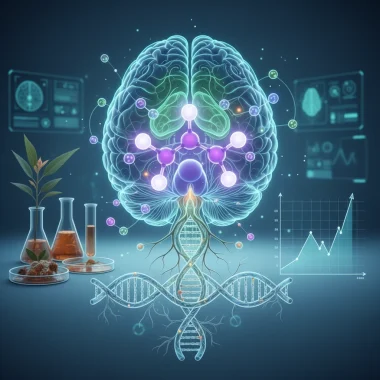
Ibogaine’s profound effects stem from its intricate interactions with various neurotransmitter systems within the brain. Its primary mechanism of action involves acting as a partial agonist at the NMDA receptor, which plays a critical role in synaptic plasticity and learning. Simultaneously, it exhibits antagonist properties at serotonin 5-HT2C receptors and binds to sigma-1 receptors, contributing to its psychoactive and potentially neuroprotective effects. Furthermore, ibogaine influences dopamine and opioid receptor systems, which are central to reward pathways and are heavily implicated in addiction. This multifaceted neurochemical profile allows ibogaine to disrupt entrenched addiction pathways and facilitate a reset of brain chemistry, while also contributing to its broader psychotherapeutic potential.
Beyond its impact on addiction-related neurochemistry, ibogaine’s interaction with the brain is believed to promote neurotrophic factors, such as BDNF (Brain-Derived Neurotrophic Factor), which are essential for neuronal growth, survival, and the formation of new synaptic connections. This neuroplasticity-enhancing effect is hypothesized to underlie its potential in treating mood disorders and facilitating cognitive flexibility. The ability to “rewire” the brain’s pathways, particularly those associated with negative emotional states and compulsive behaviors, is a key aspect of its therapeutic action. This complex interplay of neurotransmitter modulation and neurotrophic support offers a comprehensive approach to healing and personal transformation, extending its utility far beyond its initial recognition in addiction treatment.
Sensory and Cognitive Shifts During an Ibogaine Journey
The ibogaine experience is often marked by profound shifts in sensory perception and cognitive processing. Individuals frequently report heightened visual and auditory acuity, experiencing colors more vividly and sounds with greater depth. The perception of time can become distorted, often feeling slowed down, allowing for extended periods of introspection within what is objectively a shorter timeframe. Cognitively, there is a notable increase in the ability to access and process memories, often leading to a detailed and insightful “life review.” This introspection is not typically linear; rather, it can feel like a mosaic of past events, emotions, and relationships brought forth for examination. The dissociative quality of the experience can also lead to a sense of detachment from the ego, fostering a more objective perspective on personal narratives and challenges.
These sensory and cognitive alterations are instrumental in ibogaine’s therapeutic efficacy. The vividness of the experience can make deeply buried emotional material more accessible, allowing for catharsis and resolution. The altered state of consciousness can break down habitual thought patterns and defense mechanisms that previously prevented individuals from addressing underlying issues. This allows for a more direct and honest confrontation with personal struggles, facilitating a profound reevaluation of one’s life and choices. The insights gained are often deeply felt and remembered, providing a solid foundation for lasting change and personal growth long after the acute effects of the substance have subsided.
The Profound Nature of the ‘Bwiti’ Experience
The traditional use of ibogaine within the Bwiti spiritual tradition of Central Africa offers a unique cultural context for understanding its profound effects. In Bwiti ceremonies, ibogaine is not merely a substance but a sacred sacrament, used as a gateway to spiritual awakening, ancestral communion, and profound self-discovery. The experience is highly ritualized, incorporating music, chanting, and guided introspection over extended periods, often spanning several days. Within this framework, the visions and insights gained are interpreted through a spiritual lens, aiming to connect individuals with their inner truth, ancestral wisdom, and the natural world. This holistic approach emphasizes healing not just the individual, but also their connection to community and the cosmos.
The “Bwiti experience” highlights the potential for ibogaine to facilitate a deep sense of interconnectedness and spiritual understanding. Participants often describe a feeling of unity with all beings and a profound appreciation for life’s journey, including its challenges. This perspective shift can be incredibly empowering, helping individuals to reframe their struggles and find meaning in adversity. While modern applications may differ in their ritualistic structure, the core principle of using ibogaine to access deeper layers of consciousness and foster spiritual growth remains a powerful aspect of its potential. Understanding this traditional context enriches our appreciation for the full spectrum of ibogaine’s capabilities beyond its strictly clinical applications.
Ibogaine and Mental Health: Addressing Anxiety, Depression, and Trauma
Beyond its renowned efficacy in addiction treatment, ibogaine is increasingly being recognized for its potential in addressing complex mental health conditions such as anxiety, depression, and trauma. These conditions often involve deeply ingrained patterns of neural activity and emotional responses that can be resistant to conventional therapies. Ibogaine’s unique neurochemical profile, which influences neurotransmitters like serotonin, dopamine, and glutamate, coupled with its capacity to promote neuroplasticity, positions it as a promising agent for facilitating profound psychological shifts. By engaging with these complex systems, ibogaine may help to disrupt maladaptive cycles and promote emotional regulation, offering a novel avenue for healing where other treatments have fallen short.
The introspective and cathartic nature of the ibogaine experience can be particularly beneficial for individuals grappling with the lingering effects of trauma. It can bring suppressed memories and emotions to the surface in a way that facilitates processing and integration, often leading to a significant reduction in symptoms like hypervigilance, flashbacks, and emotional numbness. While the intensity of these experiences requires careful support and integration, the potential for deep healing and emotional rebalancing is substantial. As research continues to unfold, the role of ibogaine in comprehensive mental health care is becoming more apparent, suggesting a future where it may be a vital tool in the therapeutic arsenal.
Potential Applications for Mood Disorders: Emerging Research
Emerging research is shedding light on ibogaine’s promising role in managing mood disorders like depression and bipolar disorder, conditions characterized by disruptions in emotional regulation and often linked to imbalances in neurotransmitter systems. Studies suggest that ibogaine’s ability to modulate serotonin and dopamine pathways, alongside its capacity to promote neurogenesis and synaptic plasticity, could offer a novel therapeutic approach. This neurochemical reset may help to alleviate persistent depressive symptoms and stabilize mood fluctuations. The potential for rapid antidepressant effects observed in some studies is particularly compelling, offering hope for individuals who have found limited relief from traditional pharmacotherapy or psychotherapy. Further investigation into its long-term effects and optimal therapeutic protocols is ongoing, but the initial findings are highly encouraging for the future of mental wellness strategies.
The profound introspective capacity induced by ibogaine also contributes to its potential in treating mood disorders. The experience can facilitate a deep exploration of personal narratives, belief systems, and emotional patterns that may perpetuate depressive cycles or contribute to mood instability. By bringing these underlying factors to conscious awareness, individuals can gain critical insights and begin to reframe their perspectives. This is often accompanied by a powerful sense of emotional release and a renewed connection to oneself and the world. While careful psychological support is crucial throughout this process, the potential for ibogaine to catalyze significant and lasting improvements in mood regulation and overall psychological well-being is a key area of current scientific interest and therapeutic exploration.
Processing Past Traumas in a Safe and Supported Setting
For individuals suffering from the enduring impact of trauma, processing past experiences can be an overwhelming and often re-traumatizing endeavor. Ibogaine, when administered within a carefully controlled and supportive environment, offers a unique pathway to confront and integrate these difficult memories. The altered state of consciousness it induces can allow individuals to revisit traumatic events from a degree of emotional distance, enabling them to process the associated fear, pain, and confusion without being fully overwhelmed. This can lead to a profound sense of catharsis and a release of the emotional burdens that have been carried for years. The integration of these processed memories can significantly reduce the intensity of trauma-related symptoms such as anxiety, PTSD, and dissociation.
The key to safely navigating this deep psychological terrain lies in comprehensive preparation and skilled facilitation. Before an ibogaine session, individuals undergo thorough screening and counseling to understand the potential challenges and to build trust with their support team. During the experience, trained professionals provide continuous monitoring and emotional support, ensuring the individual feels safe and held. Following the session, integration therapy is paramount. This involves guided reflection on the insights gained, helping the individual to understand and apply their newfound perspectives to their daily lives. This structured approach ensures that the powerful processing facilitated by ibogaine leads to lasting healing rather than further distress, making it a valuable tool for trauma recovery when approached with utmost care and expertise. Resources such as addressing trauma holistically provide further context on this sensitive area.
Case Studies: Personal Journeys of Emotional Rebalancing
Example: Sarah, a 35-year-old professional, struggled with chronic anxiety and a pervasive sense of low self-worth following a difficult breakup. After years of ineffective talk therapy and medication, she underwent an ibogaine-assisted session focused on emotional processing. During the experience, she relived memories of past relationships, gaining a profound understanding of her patterns of seeking external validation. In the weeks following, she reported a significant decrease in anxiety and a newfound confidence in her own capabilities. She described it as “finally cutting the cord to old emotional baggage.”
Example: Mark, a 48-year-old veteran, experienced debilitating PTSD stemming from his combat experiences, leading to severe depression and social isolation. He participated in a carefully managed ibogaine retreat that included trauma-informed therapeutic support. The ibogaine experience allowed him to confront and process deeply buried memories of combat, which he had previously been unable to access. Post-experience, Mark reported a dramatic reduction in nightmares and hypervigilance. He began reconnecting with his family and pursuing hobbies he had abandoned, stating, “It was like a fog lifted, allowing me to see a future I thought was lost.” These examples illustrate the potential for ibogaine to foster significant emotional rebalancing and a return to psychological well-being.
The Role of Ibogaine in Personal Growth and Self-Discovery
Beyond its capacity to heal psychological wounds, ibogaine serves as a potent catalyst for profound personal growth and self-discovery. Its ability to disrupt habitual patterns of thought and perception can unlock new ways of understanding oneself and the world. By facilitating deep introspection, it encourages individuals to confront limiting beliefs, explore their core values, and gain clarity on their life’s direction. This journey inward is often accompanied by an enhanced sense of self-awareness, allowing for a more authentic and conscious engagement with life’s challenges and opportunities. The experience can foster a greater appreciation for personal agency and the capacity for positive transformation.
The introspective nature of the ibogaine experience is key to its role in self-discovery. It offers a unique opportunity to step outside the confines of one’s ego and habitual identity, allowing for a more objective and compassionate self-examination. This can lead to the identification of dormant potentials, the shedding of old personas that no longer serve, and the emergence of a more integrated and authentic self. For those seeking to break free from stagnation or explore uncharted territories of their consciousness, ibogaine provides a powerful, albeit intense, vehicle for accelerated personal evolution and a deeper connection to one’s inner landscape. Exploring options like iboga capsules expert usage guidance can be part of a broader wellness strategy.
Gaining New Perspectives on Life’s Challenges
One of the most significant contributions of ibogaine to personal growth is its capacity to provide novel perspectives on long-standing challenges. The profound altered state of consciousness can dismantle ingrained mental frameworks, allowing individuals to view their life circumstances, relationships, and personal struggles with fresh eyes. This detachment from habitual emotional responses and cognitive biases enables a more objective and empathetic analysis of situations that may have previously seemed insurmountable or deeply painful. By accessing this broader vantage point, individuals can often identify new solutions, release limiting narratives, and approach difficulties with a renewed sense of resilience and adaptability. It’s akin to gaining the ability to see the forest for the trees, finally understanding the interconnectedness of events and their personal impact.
This shift in perspective is not merely intellectual; it is deeply experiential. The insights gained during an ibogaine journey are often accompanied by a powerful emotional resonance, solidifying their impact and making them more likely to be integrated into daily life. For instance, someone struggling with chronic relationship conflict might, under ibogaine’s influence, suddenly grasp the role their own communication patterns play, leading to a fundamental change in their approach. This profound re-evaluation empowers individuals to take ownership of their experiences and proactively shape their future, transforming perceived obstacles into opportunities for learning and growth. Such transformative insights can lay the groundwork for significant positive changes across all areas of life.
Unlocking Creativity and Enhanced Self-Awareness
Ibogaine’s capacity to enhance self-awareness is intrinsically linked to its ability to unlock creative potential. By facilitating introspection and a deeper connection with one’s inner world, it can bring forth dormant ideas, dormant emotions, and unexplored facets of the personality. This heightened self-understanding provides fertile ground for creative expression, as individuals become more attuned to their authentic voice and unique perspectives. The disruption of rigid thought patterns can free the mind from conventional limitations, allowing for novel connections and imaginative leaps. Many users report an increased flow of creative energy, a clearer artistic vision, and an enhanced ability to generate innovative solutions in both personal and professional endeavors.
This enhanced self-awareness extends to a more profound understanding of one’s motivations, desires, and underlying psychological drivers. It allows individuals to recognize and challenge self-imposed limitations, thereby opening up new avenues for personal and professional development. The ability to see oneself with greater clarity and compassion can dismantle internal barriers that previously hindered progress or expression. This newfound clarity can be a powerful impetus for pursuing long-held aspirations, fostering a sense of purpose, and living a more aligned and fulfilling life. The integration of these insights can lead to sustained personal transformation and a more vibrant, creative existence.
Tools for Integration: Making the Most of Your Ibogaine Insights
The profound insights gained from an ibogaine experience are only the beginning of the transformative process; their true value is realized through effective integration. This crucial phase involves actively applying the knowledge and emotional shifts to everyday life. Key integration tools include journaling, which provides a space to document thoughts, feelings, and revelations experienced during and after the session. Regular mindfulness practices, such as meditation, can help to anchor the newfound awareness and emotional regulation, making it easier to navigate challenging situations with the calm and clarity gained. Engaging in creative outlets, like art, music, or writing, can also be a powerful way to process and express the deeper emotional and psychological material that surfaced.
Beyond individual practices, seeking support from qualified integration therapists or joining peer support groups can significantly enhance the integration process. Therapists can offer guidance in understanding complex insights, processing difficult emotions, and developing practical strategies for implementing change. Group settings provide a sense of community and shared experience, fostering mutual support and reducing feelings of isolation. Establishing a structured routine that incorporates healthy habits, such as balanced nutrition, regular exercise, and sufficient sleep, is also vital for supporting the body and mind during this period of adjustment and growth. These multifaceted integration strategies ensure that the potential for lasting transformation from an ibogaine journey is fully realized, leading to sustained improvements in well-being and personal development.
Navigating the Legal and Ethical Landscape of Ibogaine in Canada
Current Regulatory Status in 2026 and Future Outlooks
In 2026, the legal status of ibogaine in Canada remains a complex area, primarily focused on its prohibition as a controlled substance under the Controlled Drugs and Substances Act. This means that possession, production, and distribution without proper authorization are illegal. However, the landscape is not entirely monolithic. Therapeutic exceptions can be sought, typically through Health Canada, for individuals with severe conditions, particularly addiction, where conventional treatments have proven ineffective. These exemptions are rigorously reviewed and are not easily obtained, requiring substantial medical documentation and a clear treatment plan. The future outlook suggests a slow but evolving understanding of ibogaine’s therapeutic potential. As research continues to expand and more evidence emerges regarding its efficacy in treating conditions like substance use disorders, there is a growing conversation about potential regulatory reforms. Advocacy groups and researchers are actively engaging with policymakers to explore pathways for safer, more regulated access, potentially through clinical trials or specialized treatment centers. Staying informed about updates to ibogaine and ibogaine laws in Canada is crucial for anyone considering this path.
Finding Reputable Practitioners and Safe Spaces for Administration
Given the legal intricacies and the profound nature of ibogaine experiences, locating reputable practitioners and safe administration spaces is paramount. It is essential to distinguish between unregulated services and legitimate, albeit often discreet, therapeutic settings. Look for practitioners who emphasize a thorough screening process, including comprehensive medical and psychological evaluations, to ensure suitability for ibogaine therapy. A safe administration space should prioritize client well-being, offering a calm, supportive, and medically monitored environment. Red flags include practitioners who rush the intake process, avoid detailed discussions about risks, or operate without a clear protocol for emergency situations. Thorough research, personal referrals from trusted sources within the wellness community, and direct communication with potential providers to understand their experience, safety protocols, and integration support are vital steps. Websites and forums dedicated to psychedelic-assisted therapies can sometimes offer insights, but always cross-reference information and prioritize due diligence.
Ethical Considerations for Responsible Ibogaine Use
The ethical considerations surrounding ibogaine use are as significant as the legal ones. Responsible application of ibogaine therapy hinges on the principles of informed consent, harm reduction, and client autonomy. Practitioners must ensure individuals fully understand the potential risks, benefits, and alternatives before proceeding. This includes a detailed discussion of the psychoactive effects, potential for adverse reactions, and the importance of psychological integration. Respecting a client’s right to withdraw at any stage of the process is non-negotiable. Furthermore, ethical use demands a commitment to avoiding exploitation, ensuring that the therapeutic relationship is built on trust and genuine care, not on financial gain alone. The long-term well-being of the individual should always be the primary focus, extending beyond the immediate administration to include comprehensive post-experience support. This aligns with the broader ethical discussions around psychedelic-assisted therapies, emphasizing a holistic approach to healing and growth.
Preparation and Integration: Maximizing the Benefits of Ibogaine Wellness
Pre-Ceremony Preparation: Mindset, Diet, and Lifestyle
Maximizing the transformative potential of an ibogaine experience begins long before the substance is administered. Pre-ceremony preparation is a critical phase that sets the stage for deep introspection and healing. Cultivating a clear intention is foundational; understanding what you hope to achieve from the experience, whether it’s addressing addiction, processing trauma, or seeking personal growth, provides direction. This involves journaling, meditation, and open communication with your facilitator about your goals and any underlying anxieties. Dietary adjustments play a significant role, as certain foods can affect how the body metabolizes ibogaine. Generally, a clean, whole-foods diet, avoiding heavy meals, processed foods, and alcohol in the weeks leading up to the session, is recommended. Hydration is also key. Lifestyle changes, such as reducing stress, engaging in gentle exercise, and minimizing exposure to psychoactive substances, can also prime the mind and body for the profound journey ahead. Prioritizing rest and mental clarity ensures you are in the best possible state to engage with the ibogaine experience.
The Crucial Role of Integration Post-Experience
The insights and emotional releases experienced during an ibogaine session are often just the beginning; true transformation occurs during the integration phase. This is the period after the acute effects have subsided, where the individual works to process, understand, and embody the lessons learned. Without proper integration, the profound revelations can fade, leaving the individual feeling lost or overwhelmed. This process typically involves guided sessions with a therapist or facilitator who can help unpack the experience, identify recurring patterns, and develop strategies for implementing new perspectives and behaviors into daily life. Journaling, creative expression, and connecting with a supportive community are invaluable tools during integration. It’s about translating the insights gained into sustainable, positive changes, rather than allowing them to remain ephemeral moments. Neglecting integration can diminish the long-term benefits of the ibogaine journey, underscoring its importance.
Building a Supportive Environment for Long-Term Wellness
Sustaining the progress achieved through ibogaine therapy requires establishing a robust and supportive environment for long-term wellness. This extends beyond the immediate post-experience period and involves creating a lifestyle that nurtures mental, emotional, and physical health. For individuals addressing addiction, this includes continued engagement with recovery programs, sober living environments, and ongoing therapeutic support. For those seeking broader wellness benefits, it involves cultivating healthy habits such as regular exercise, mindful eating, consistent sleep patterns, and engaging in activities that bring joy and purpose. Building a strong social network of supportive friends, family, or peer groups who understand and encourage your journey is also vital. Setting realistic goals, practicing self-compassion, and having access to resources for relapse prevention or mental health support are key components. This holistic approach ensures that the transformative potential of ibogaine is not a fleeting event but a catalyst for lasting positive change.
Ibogaine and Physical Well-being: Exploring Beyond the Mind
Potential for Pain Management: What the Science Suggests
While ibogaine is widely recognized for its profound impact on mental health and addiction, emerging research and anecdotal evidence suggest its potential as an agent for physical pain management. The complex pharmacology of ibogaine, involving interactions with various neurotransmitter systems including opioid receptors, suggests a multifaceted approach to pain relief. Studies are exploring its capacity to modulate pain perception and potentially reduce the need for conventional analgesics. For individuals struggling with chronic pain, particularly pain exacerbated by or co-occurring with addiction, ibogaine may offer a unique avenue for relief by addressing both the physical and psychological components of suffering. However, it is crucial to note that research in this area is still developing, and ibogaine is not a first-line treatment for most pain conditions. Its application for pain management is typically considered within the context of a comprehensive therapeutic protocol. Further scientific investigation is needed to fully elucidate the mechanisms and optimize its use for pain.
The Body’s Response to Ibogaine and its Healing Pathways
Beyond its well-documented neurological effects, ibogaine elicits a significant physiological response within the body, contributing to its overall healing potential. During an ibogaine experience, individuals may encounter a range of somatic sensations, including physical catharsis, emotional release expressed bodily, and shifts in energy flow. These experiences are thought to be linked to the compound’s ability to interact with the autonomic nervous system and cellular repair mechanisms. Some researchers hypothesize that ibogaine might influence cellular regeneration and neuroplasticity, potentially aiding in the body’s natural healing processes. The profound introspection often facilitated by ibogaine can also lead to a deeper connection with one’s physical self, allowing for greater awareness of bodily needs and distress signals. Understanding these physical manifestations is key to appreciating the holistic nature of ibogaine’s therapeutic impact.
Considering Physical Health in Your Wellness Journey
When embarking on an ibogaine-assisted wellness journey, prioritizing your overall physical health is non-negotiable. A thorough medical evaluation is the cornerstone of this preparation, ensuring that you are physically stable and free from contraindications that could pose risks during administration. This includes screening for cardiovascular issues, liver function, and any other pre-existing conditions that might be exacerbated by ibogaine. Maintaining a healthy diet, staying adequately hydrated, and engaging in moderate physical activity in the lead-up to and following an experience can support your body’s ability to process the substance and integrate its effects. It is also essential to communicate any physical discomfort or unusual symptoms openly with your facilitator or healthcare provider. By addressing your physical well-being proactively, you create a more stable foundation for the profound mental and emotional exploration that ibogaine facilitates.
The Evolution of Iboga Products for Wellness: Capsules and Powders
Understanding the Different Forms: Iboga Capsules vs. Ibogaine Powder
The market now offers iboga in various forms, with iboga capsules and ibogaine powder being the most common for wellness applications. Ibogaine powder is the raw, processed root bark of the *Tabernanthe iboga* plant. It is often considered the most potent form and is typically used by experienced practitioners for ceremonial or therapeutic settings due to the need for precise dosing and careful administration. Iboga capsules, on the other hand, are pre-portioned doses of ibogaine powder enclosed in vegetarian capsules. These are generally favoured for their convenience, ease of use, and improved dosing accuracy, making them more accessible for individuals seeking personal wellness exploration under guidance or in accordance with established protocols, such as those found for iboga capsules. Each form has distinct advantages and requires different considerations regarding preparation, administration, and potential effects, catering to varying levels of experience and intended use.
Quality Control and Sourcing: What to Look For on MindHealingShop.ca
When seeking iboga products for wellness, especially from online sources like mindhealingshop.ca, rigorous quality control and ethical sourcing are paramount. Look for clear indications of product origin and processing methods. Reputable vendors will provide detailed information about the plant’s source, cultivation practices, and extraction or processing techniques. Transparency regarding laboratory testing for purity, potency, and the absence of contaminants is a strong indicator of a trustworthy supplier. On MindHealingShop.ca, you should expect to find comprehensive product descriptions that detail the alkaloid content, recommended usage, and any relevant sourcing certifications. Furthermore, a commitment to sustainable harvesting practices demonstrates an ethical approach to the natural resources. Understanding these details is crucial for ensuring you are receiving a safe and effective product for your wellness journey.
Safe Handling and Storage Practices for Home Use
For individuals who choose to use iboga products at home, under appropriate guidance, safe handling and storage practices are critical to maintain product integrity and prevent accidental exposure. Ibogaine is a potent substance, and improper storage can lead to degradation, loss of potency, or unintended access by children or pets. It is recommended to store all iboga products, whether in capsule or powder form, in a cool, dry, and dark place, away from direct sunlight and moisture. Containers should be kept tightly sealed. For powders, in particular, using airtight containers is essential. Ensure that products are kept securely out of reach of children and individuals who are not intended to use them. Familiarizing yourself with the specific storage recommendations provided by the supplier, such as those found on MindHealingShop.ca for iboga powder, is a vital step in responsible home use. Always follow recommended dosages and never exceed them.
Holistic Wellness Synergy: Combining Ibogaine with Other Modalities
While ibogaine can be a potent catalyst for profound personal transformation, its integration into a comprehensive wellness journey often benefits from synergistic approaches. Understanding how ibogaine interacts with other therapeutic modalities can unlock deeper healing and sustained well-being. This synergy acknowledges that true wellness is multifaceted, addressing physical, mental, emotional, and spiritual dimensions. Exploring complementary practices alongside ibogaine-assisted experiences can amplify positive outcomes, facilitating integration and preventing potential regressions. The key lies in thoughtful planning and a deep understanding of individual needs. When considering ibogaine, it’s crucial to view it not as a singular solution, but as a powerful component within a broader healing ecosystem. This holistic perspective ensures that the insights and shifts gained from ibogaine are supported and nurtured over time, leading to lasting positive change and a more robust sense of self.
Complementary Practices for Enhanced Healing: Meditation, Yoga, and Therapy
To maximize the benefits of ibogaine and ensure lasting integration, incorporating practices like meditation, yoga, and various forms of therapy is highly recommended. Meditation cultivates mindfulness and present-moment awareness, skills that are invaluable for processing the intense experiences that can arise during an ibogaine journey. Regular meditation practice can help individuals remain grounded and observe their thoughts and emotions without immediate judgment, enhancing the introspective capabilities that ibogaine can unlock. Yoga, with its combination of physical postures, breathwork, and mindfulness, can aid in releasing physical tension and emotional blockages that may be stored in the body. The mind-body connection fostered by yoga is particularly beneficial for individuals working through trauma or chronic pain, which are often intertwined with psychological distress. Therapeutic support, whether it be somatic experiencing, cognitive behavioral therapy (CBT), or depth psychology, provides a structured framework for exploring the insights gained from ibogaine. A therapist can help an individual contextualize their experiences, develop coping mechanisms, and integrate the profound shifts into their daily life. For those interested in addressing deep-seated issues, exploring iboga and psychedelics for addressing trauma holistically can be a crucial step, and these complementary practices are essential for supporting that work.
The Potential of Microdosing for Subtle Wellness Shifts
Beyond the profound experiences associated with larger doses, the subtle yet significant effects of microdosing ibogaine, or related compounds, warrant consideration for ongoing wellness. Microdosing involves taking sub-perceptual doses, typically aiming to enhance mood, creativity, and focus without inducing psychedelic effects. This approach can be particularly useful for individuals seeking gradual improvements in their mental state, such as overcoming mild apathy, boosting productivity, or managing low-level anxiety. The goal is to foster a sustained sense of well-being and cognitive enhancement over time. When considering microdosing, meticulous attention to dosage, timing, and frequency is paramount to avoid tolerance or unwanted side effects. Many individuals experiment with specific protocols, often cycling between days of dosing and days off to maintain efficacy and prevent desensitization. While research into microdosing is still evolving, anecdotal reports suggest its potential as a tool for subtle, consistent shifts in mental and emotional landscape, complementing other wellness strategies for a more balanced and energized life.
Creating a Personalized Wellness Protocol
Developing a personalized wellness protocol that incorporates ibogaine, or related substances, requires careful consideration of individual needs, goals, and health status. It’s not a one-size-fits-all approach; rather, it’s a bespoke strategy designed to leverage the unique properties of these compounds for maximum benefit. The first step involves a thorough self-assessment, identifying specific challenges such as persistent pain, addiction patterns, or mental health concerns like depression or anxiety. Equally important is defining desired outcomes, whether that’s increased resilience, emotional regulation, or spiritual growth. This assessment should ideally be conducted with guidance from experienced professionals who can offer insights into safe and effective usage, including considerations for sourcing reliable products, such as exploring resources for iboga powder sourcing in Canada. Combining ibogaine with other modalities like mindfulness, nutrition, and physical activity forms the backbone of a robust protocol. For instance, a protocol might include a preparatory phase of meditation and journaling, followed by an ibogaine experience, and then a period of integration supported by regular therapy sessions and continued mindful practices. The legality and regulatory landscape also play a significant role; understanding the ibogaine laws in Canada for 2026 is essential for responsible planning and adherence to guidelines.
Common Misconceptions About Ibogaine and Wellness
The narrative surrounding ibogaine and its application in wellness is often clouded by misconceptions, largely due to its association with intense psychedelic experiences and its historical context in treating severe addiction. Many perceive it solely as a last-resort treatment for substance abuse, overlooking its broader potential for personal growth and psychological well-being. This limited view can deter individuals who might otherwise benefit from its therapeutic properties for conditions such as depression, anxiety, or PTSD. Furthermore, the inherent power of ibogaine can inspire fear or misunderstanding, leading to an inaccurate portrayal of its effects and risks. Addressing these misconceptions requires a nuanced understanding of its mechanism of action, its diverse applications beyond addiction, and the importance of responsible, informed usage. By demystifying ibogaine and highlighting its multifaceted benefits, we can foster a more accurate and open dialogue about its role in modern wellness practices.
Debunking Myths: Ibogaine is Not Just for Addiction
A prevalent myth is that ibogaine’s utility is exclusively confined to severe addiction recovery. While its efficacy in treating substance use disorders is well-documented and a primary area of research, this perception significantly underestimates its therapeutic scope. Ibogaine has shown promise in addressing a range of mental health challenges that are not directly tied to addiction. These include persistent depressive disorders, anxiety, complex trauma, and even conditions like obsessive-compulsive disorder (OCD). Its profound impact on neurochemistry and its ability to facilitate deep introspection allow individuals to confront and reprocess deeply ingrained emotional patterns, belief systems, and past traumas that may not stem from substance abuse. For example, individuals struggling with chronic emotional pain or a pervasive sense of meaninglessness, even without a history of addiction, may find significant relief and personal insight through ibogaine-assisted therapy. This broader application highlights ibogaine as a powerful tool for overall psychological healing and self-discovery. The potential for comprehensive healing is vast, and for those seeking alternatives, exploring iboga alternatives for mental wellness can also be a part of the broader conversation.
Addressing Fears and Anxieties Surrounding Psychedelics
It is natural for individuals to harbor fears and anxieties when considering the use of psychedelic substances like ibogaine. These concerns often stem from a lack of accurate information, historical stigma, and the potent nature of these compounds. Common anxieties revolve around the potential for overwhelming or frightening experiences, loss of control, and perceived risks to mental and physical health. It is crucial to address these fears by emphasizing the importance of responsible use, proper preparation, and a supportive environment. Understanding the physiological and psychological effects of ibogaine, such as its potential to induce introspection and emotional release, can help demystify the experience. Furthermore, the role of trained facilitators and a safe setting cannot be overstated; these elements are critical in mitigating potential negative experiences and ensuring a therapeutic outcome. Resources like a comprehensive psychedelics responsible use guide can provide invaluable information to alleviate concerns and promote informed decision-making. By fostering education and transparency, we can help individuals move past their anxieties and explore the potential benefits with confidence.
Focusing on the Therapeutic and Growth Potential
Shifting the focus from the sensationalized or misunderstood aspects of ibogaine to its inherent therapeutic and growth potential is key to appreciating its value in wellness. Ibogaine’s unique ability to act as a “reset button” for the brain allows for the disruption of deeply ingrained neural pathways associated with addiction, trauma, and negative thought patterns. This neurochemical reset can create a fertile ground for profound psychological and emotional healing. Beyond recovery, it facilitates a deep dive into the subconscious, unveiling hidden insights, unresolved issues, and latent strengths. This process can lead to enhanced self-awareness, a renewed sense of purpose, and significant personal growth. For many, the experience is not just about overcoming challenges but about unlocking a more authentic and fulfilling life. The therapeutic journey catalyzed by ibogaine can foster increased empathy, creativity, and a deeper connection to oneself and the world. By understanding and embracing this potential, individuals can approach ibogaine with a perspective focused on transformation and expanded consciousness, rather than solely on alleviating symptoms. This mindful approach, particularly when combined with well-chosen modalities like ibogaine wellness a technical deep dive into its mechanisms, can lead to lasting positive change.












Pingback: Authentic Iboga Capsules: Your Canadian Source - Mind Healing Shop